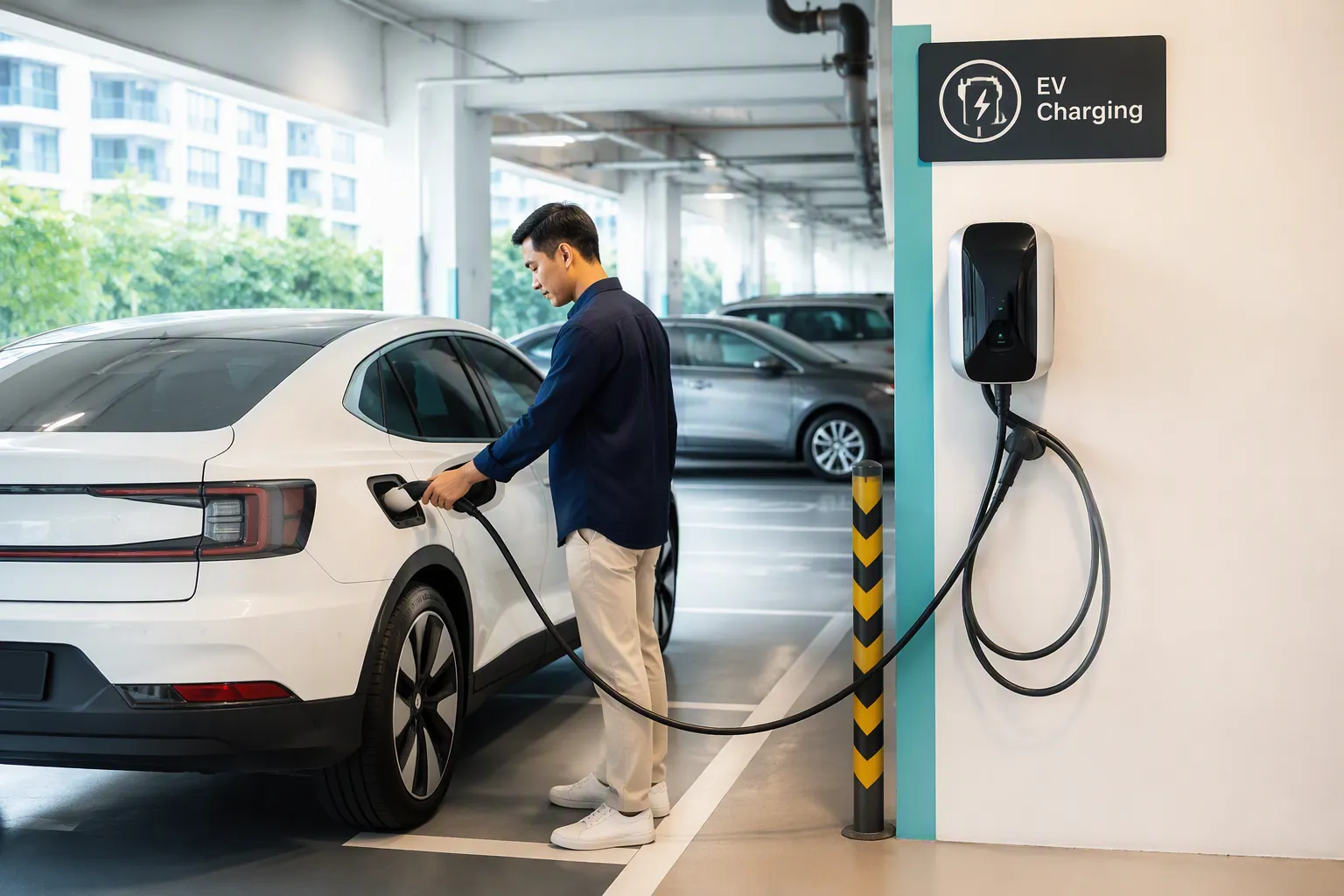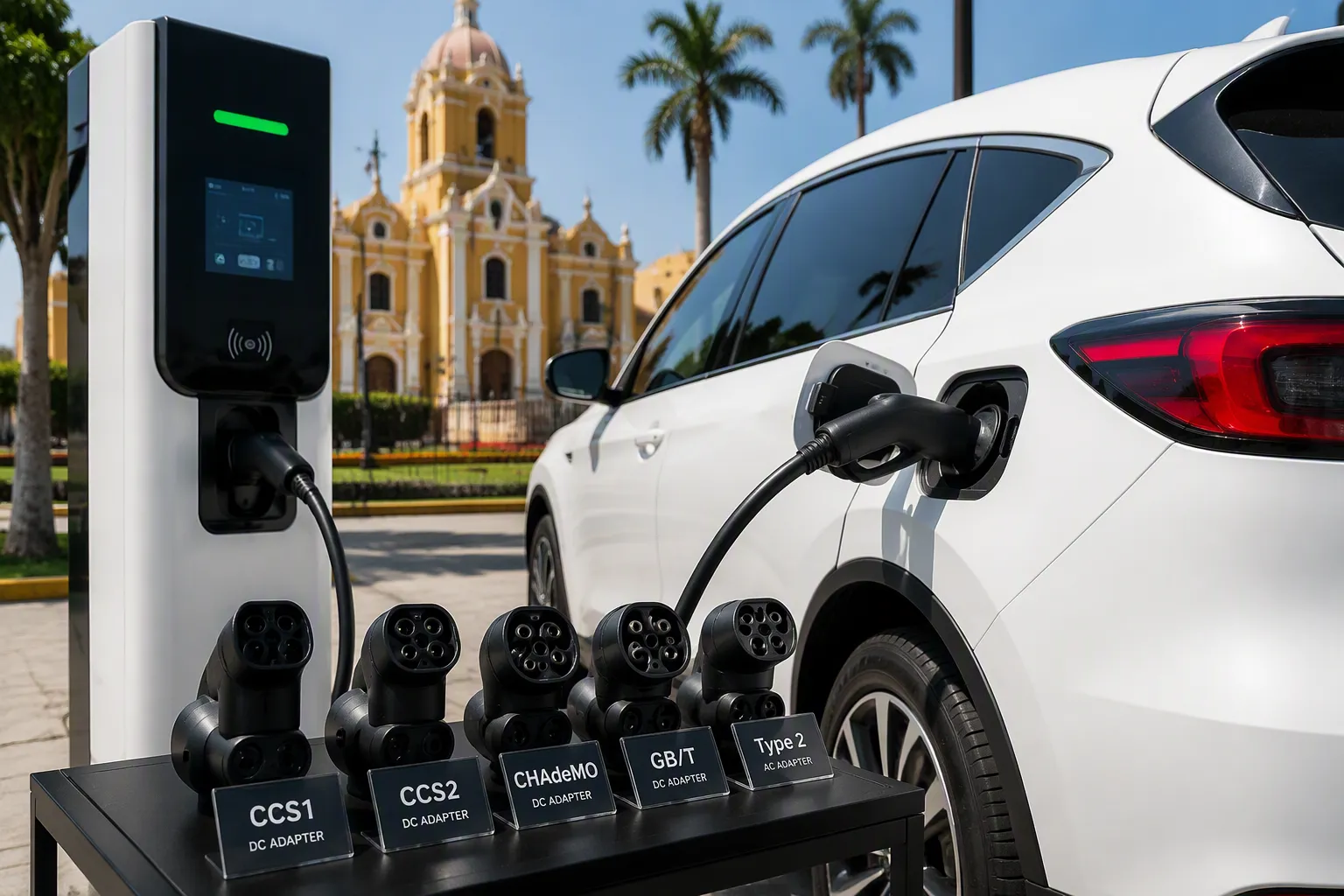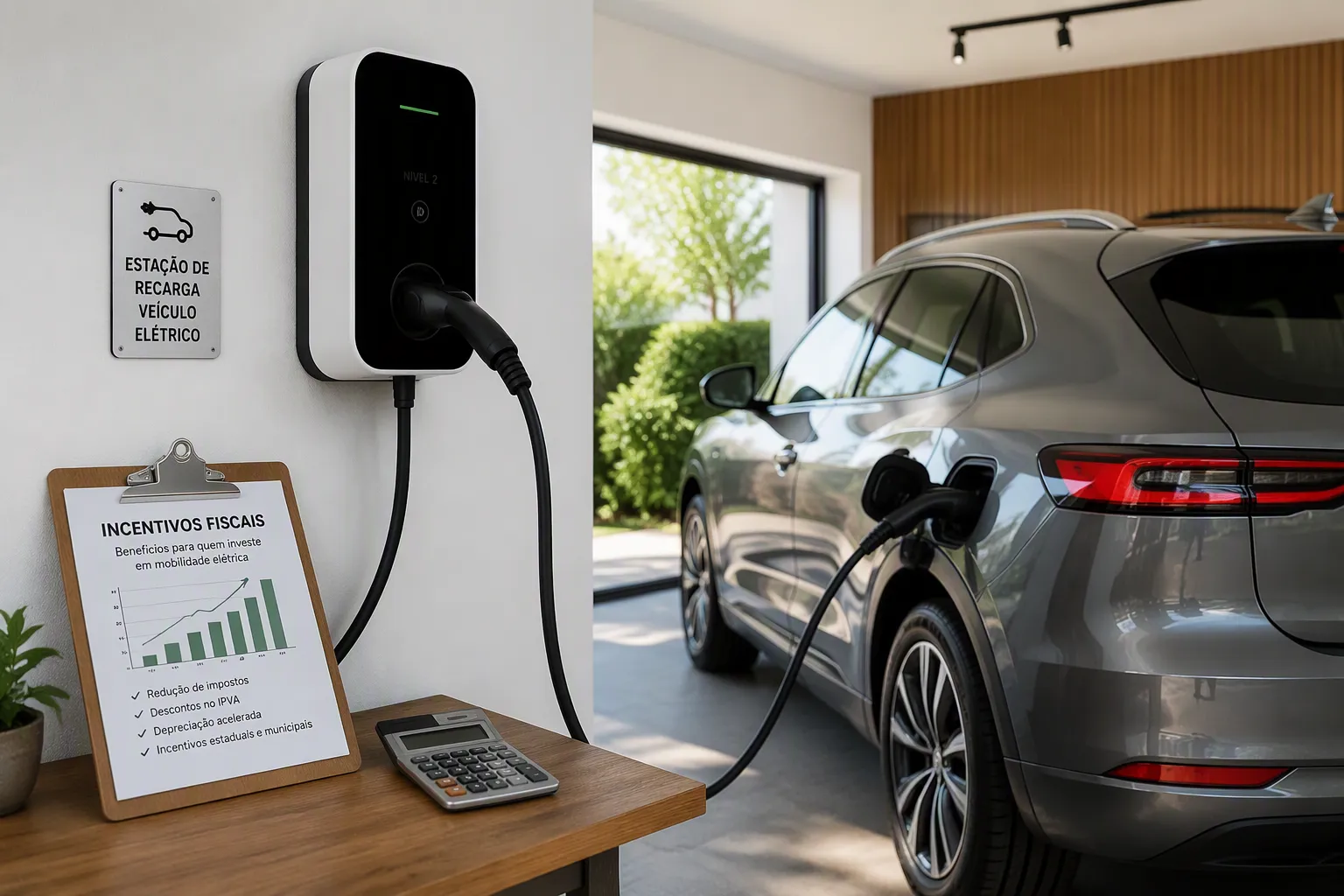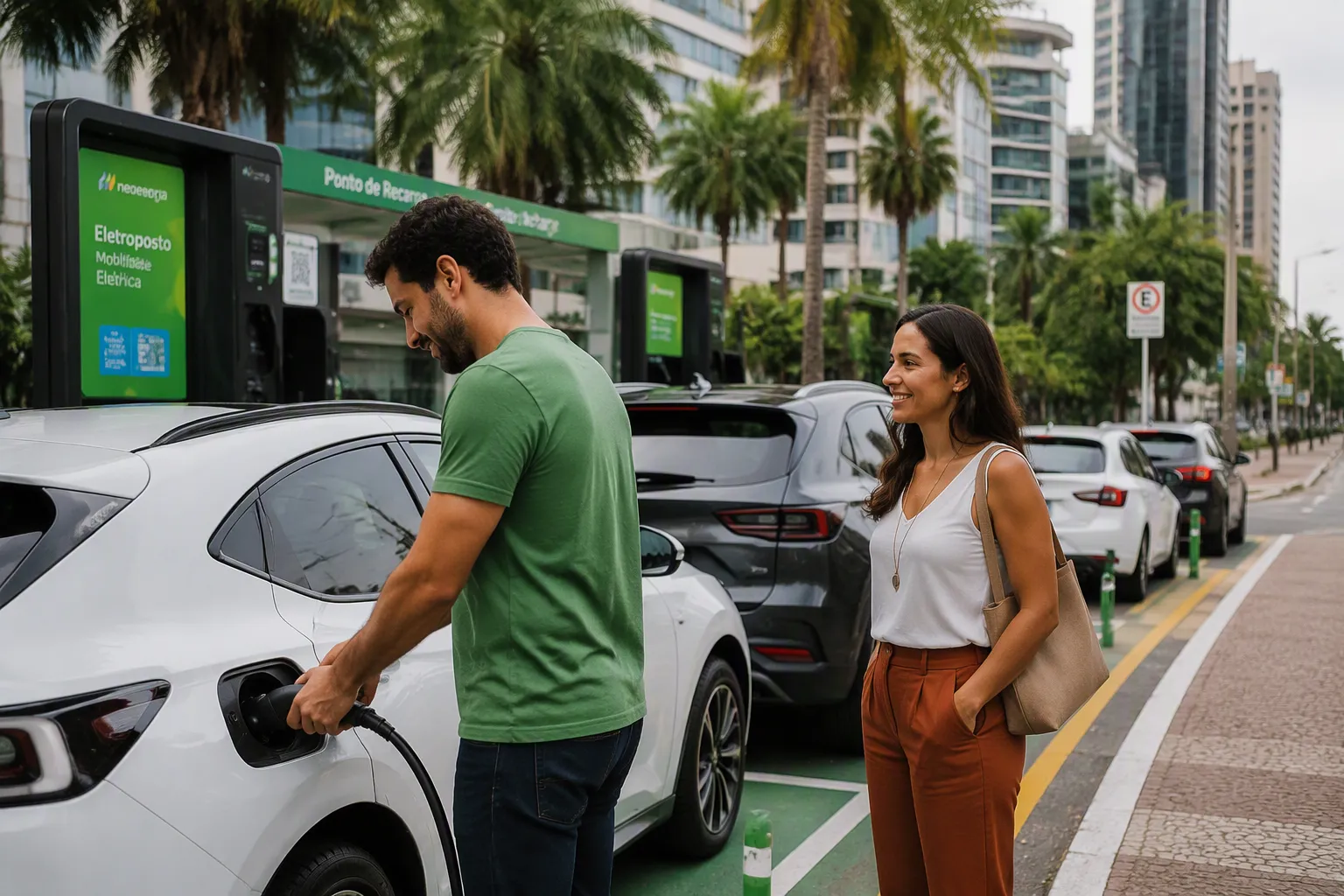

The level 1 charger offers a practical solution for plug-in hybrid owners in Colombia. Drivers can use home charging with a standard outlet, eliminating the need for costly upgrades. Many EV charger manufacturers provide portable ev chargers that support easy overnight charging. This method aligns with typical daily distances and ensures reliable performance. Choosing level 1 charging allows drivers to benefit from efficient EV charging solutions without hassle.
Colombian drivers enjoy convenience and affordability with a dependable EV Charger.
Level 1 Charging and Colombian Driving Habits
Short Commutes and Urban Travel
How Level 1 Charging Fits Daily Distances
Most Colombian drivers travel short distances each day. In cities like Bogotá and Medellín, daily commutes often range from 10 to 30 kilometers. Level 1 charging matches these needs perfectly. Plug-in hybrid vehicles can recharge their batteries overnight using a standard outlet. This method provides enough electric range for typical urban travel. Drivers avoid the need to visit a charging station during the week. They enjoy the convenience of starting each day with a full battery.
Managing Occasional Longer Trips
Some drivers need to travel longer distances on weekends or holidays. Plug-in hybrids offer flexibility for these situations. The gasoline engine supports the vehicle when the battery runs low. Level 1 chargers keep the battery topped up for daily use. For longer trips, drivers can rely on the hybrid system without worrying about finding charging options along the route. This combination ensures peace of mind for both city driving and occasional journeys outside urban areas.
Overnight Charging Made Easy
Plug In Before Bed, Ready by Morning
Level 1 charging offers a simple routine for busy families and professionals. Drivers plug in their vehicles before going to bed. By morning, the battery reaches full capacity. This process requires no special planning or adjustments to daily schedules. The vehicle remains ready for use every day. Many owners appreciate the reliability and ease of this system.
No Complicated Scheduling Needed
Unlike some faster charging options, level 1 charging does not require careful timing or monitoring. The slow and steady rate of charging fits naturally into the overnight hours. Owners do not need to worry about peak electricity rates or competing for access to a charging station. This approach reduces stress and simplifies electric vehicle ownership.
Real-Life Experiences with Level 1 Chargers
Stories from Bogotá and Medellín
Many plug-in hybrid owners in Bogotá and Medellín share positive experiences with level 1 chargers. For example, a teacher in Bogotá reports that she charges her vehicle every night at home. She never needs to visit public charging stations. In Medellín, a small business owner uses level 1 charging to keep his vehicle ready for daily deliveries. He values the convenience and cost savings.
Family Use Cases
Families in Colombia benefit from the flexibility of level 1 charging. Parents can charge their vehicles overnight while the car sits in the driveway or garage. Children and other family members do not need to adjust their routines. The system works quietly and efficiently in the background. Many families find that level 1 chargers meet all their daily transportation needs without extra effort.
Tip: For most Colombian households, level 1 charging provides a seamless and reliable solution for plug-in hybrid vehicles. It fits naturally into existing routines and supports both individual and family use.
Cost Benefits of Level 1 Chargers
No Extra Installation Expenses
Uses Standard Home Outlets
Level 1 chargers offer a significant advantage for plug-in hybrid owners in Colombia. They use standard home outlets, which most households already have. Owners do not need to purchase specialized charging equipment or make changes to their electrical systems. This convenience allows drivers to start charging their vehicles immediately after bringing them home.
Avoids Costly Electrical Work
Many charging options require expensive upgrades or professional installation. Level 1 chargers eliminate these costs. Homeowners avoid hiring electricians or applying for permits. The absence of complex wiring reduces both the initial investment and the risk of future maintenance issues. TPSON, a technologically advanced electric vehicle charging solution provider, recommends level 1 chargers for their simplicity and affordability.
Lower Electricity Costs
Efficient Charging for Plug-in Hybrids
Plug-in hybrids have smaller batteries compared to fully electric vehicles. Level 1 charging matches this need by delivering a steady, efficient charge overnight. Owners benefit from lower electricity bills because the charging process uses less power. This efficiency makes level 1 charging a practical choice for daily use.
Comparing Level 1 and Level 2 Charging Costs
The cost difference between level 1 and level 2 charging can be significant. Level 2 charging equipment often requires a dedicated circuit and higher voltage, which increases installation expenses. The table below compares typical costs:
| Charging Option | Installation Cost | Daily Electricity Cost | Maintenance |
|---|---|---|---|
| Level 1 Charger | None | Low | Minimal |
| Level 2 Charger | High | Moderate | Higher |
Level 1 chargers provide a cost-effective solution for most plug-in hybrid owners. They avoid the extra expenses associated with faster charging stations.
Long-Term Savings
Reduced Maintenance and Upkeep
Level 1 charging places less strain on both the vehicle and the home electrical system. This gentle approach leads to fewer repairs and lower maintenance costs over time. Owners experience fewer interruptions and enjoy reliable performance year after year.
Value Over Time
Investing in a level 1 charger delivers value throughout the life of the vehicle. The absence of installation fees and the low cost of operation add up to substantial savings. Drivers who choose level 1 charging equipment benefit from a dependable and affordable charging solution that meets their daily needs.
Note: Level 1 chargers help Colombian families save money while supporting sustainable transportation.
Practicality of Level 1 Chargers in Colombian Homes
Compatibility with Local Electrical Systems
Most Homes Are Ready for Level 1 Charging
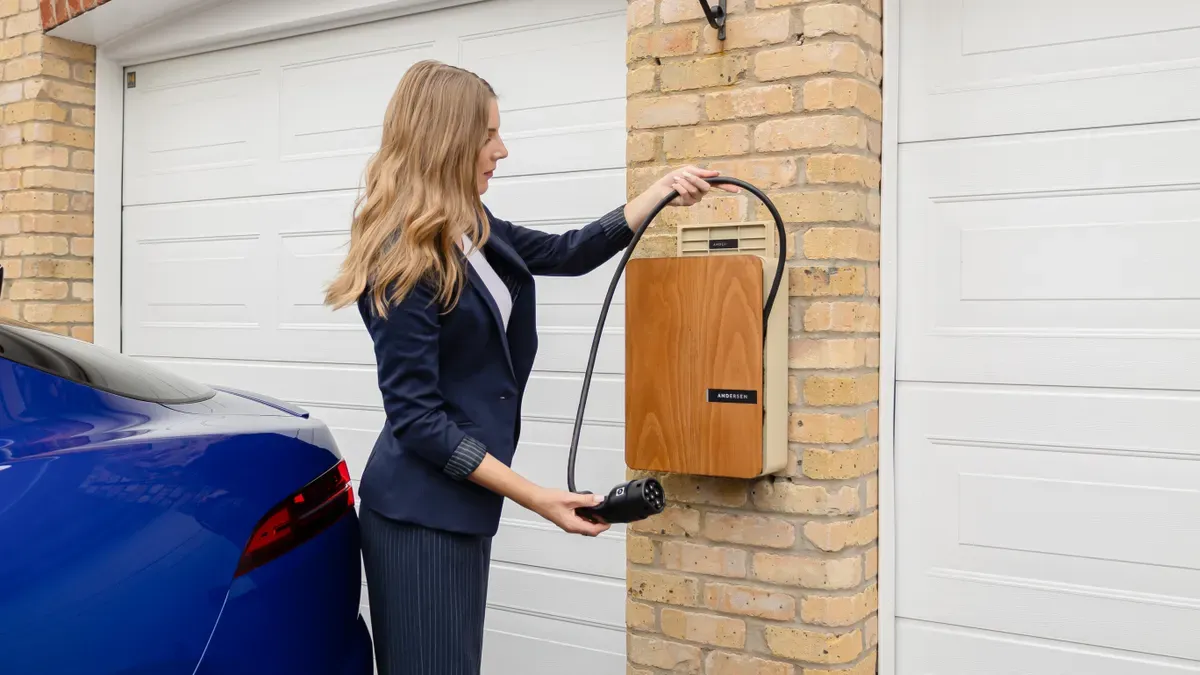
Colombian homes typically feature electrical systems that support level 1 charging. Residents find that their existing outlets provide the necessary power for plug-in hybrid vehicles. Homeowners do not need to invest in specialized charging equipment. They can start charging their vehicles immediately after purchase. This compatibility streamlines the transition to electric mobility.
Most families in Colombia appreciate the ease of home charging. They avoid the inconvenience of searching for a charging station.
No Permits or Major Changes Needed
Level 1 chargers require no permits or significant modifications. Electricians rarely need to visit homes for installation. Owners bypass the paperwork and expenses associated with other charging options. The process remains straightforward. Residents simply plug in their vehicles and begin charging. This simplicity encourages more people to adopt plug-in hybrids.
Simple and User-Friendly Operation
Plug-and-Play Convenience
Level 1 charging offers plug-and-play convenience. Owners connect their vehicles to a standard outlet. The system starts charging without additional steps. Drivers do not need to learn complex procedures. The charger operates automatically, making daily charging effortless.
- Plug in the vehicle.
- Wait overnight.
- Drive with a full battery in the morning.
No Technical Skills Required
Individuals with limited technical knowledge manage level 1 charging with ease. The process does not involve programming or troubleshooting. Owners avoid confusion and frustration. Families benefit from a system that works reliably for everyone. Children and seniors participate in charging routines without difficulty.
Reliable Nightly Charging
Consistent Performance Every Night
Level 1 chargers deliver consistent performance. Owners trust that their vehicles will charge overnight. The system rarely fails. Drivers wake up each morning with a ready-to-use battery. This reliability supports daily commutes and errands.
Reliable charging ensures that plug-in hybrid owners never worry about their vehicle’s readiness.
Minimal Power Issues
Colombian homes experience minimal power issues with level 1 charging. The slow charging rate prevents electrical overloads. Residents avoid tripped breakers and interruptions. The system operates quietly and efficiently. Owners enjoy peace of mind, knowing their charging routine will not disrupt household activities.
Tip: Level 1 charging provides a dependable solution for Colombian families. It fits seamlessly into daily life and supports sustainable transportation.
Addressing Concerns About Level 1 Charging
Charging Speed and Daily Needs
Why Slow Charging Works for Plug-in Hybrids
Many drivers worry that slow charging may not meet their daily needs. However, plug-in hybrids have smaller batteries than fully electric vehicles. The level 1 charger provides a steady and reliable charge overnight. Most plug-in hybrid owners in Colombia drive short distances each day. The following table shows the typical charging time for a level 1 charger:
| Charging Level | Typical Charging Time |
|---|---|
| Level 1 | 8 to 12 hours |
This time frame fits well with overnight routines. Drivers can plug in their vehicles before bed and wake up to a fully charged battery. They do not need to visit a charging station during the week. The slow pace of level 1 charging matches the needs of urban commuters and families.
Meeting Your Daily Range Requirements
Plug-in hybrids in Colombia usually require only a modest electric range for daily commutes. Level 1 charging equipment adds about four miles of range per hour. For most users, this covers the distance needed for work, school, and errands. The hybrid system provides backup for longer trips. Drivers enjoy flexibility and peace of mind, knowing their vehicles remain ready for any journey.
Battery Health and Longevity
Gentle Charging Benefits
Level 1 charging offers a gentle approach that benefits battery health. The slow and steady process reduces heat and stress on the battery. Many experts recommend this method for plug-in hybrids with smaller battery packs. Owners who charge infrequently or drive short distances find this option convenient and effective.
- Level 1 chargers use standard household outlets.
- They suit plug-in hybrids that do not require extensive charging capabilities.
- The process works best for drivers with predictable routines.
Manufacturer Recommendations
Automakers often suggest using level 1 charging for plug-in hybrids. This method aligns with the design of smaller battery packs. While level 2 charging options may offer faster results, level 1 charging remains optimal for daily use. Owners should consult their vehicle manuals for specific guidance. Following manufacturer advice helps maintain battery longevity and performance.
Note: Consistent, gentle charging supports long-term battery health and reduces the risk of premature wear.
Impact on the Local Power Grid
Low Power Draw Advantages
Level 1 chargers draw less power than faster charging equipment. This low demand reduces strain on the local power grid. Colombian homes can support level 1 charging without upgrades or special permits. The system operates quietly and efficiently, even in older buildings.
Charging During Off-Peak Hours
Most drivers charge their vehicles overnight, when electricity demand is lower. Charging during off-peak hours helps balance the load on the grid. Residents avoid higher rates and reduce the risk of outages. This practice supports sustainable energy use across Colombian communities.
Tip: Charging at night with a level 1 charger benefits both the environment and the local power grid.
Comparing Level 1 Chargers and Level 2 Chargers
When Level 2 Charging Might Be Needed
All-Electric Vehicles vs. Plug-in Hybrids
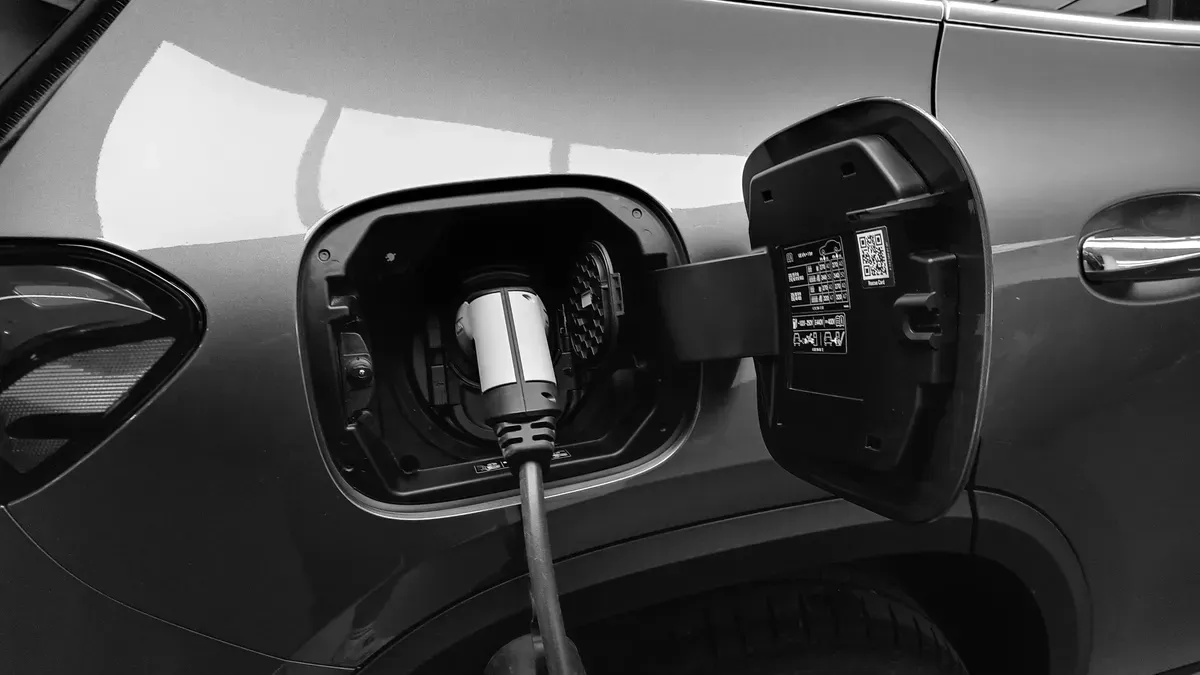
Level 2 charging stations deliver faster results than Level 1 chargers. Owners of all-electric vehicles often require this speed because their cars rely solely on battery power. These vehicles feature larger batteries that need more energy to reach full capacity. Level 2 charging can restore a significant amount of range in just a few hours. In contrast, plug-in hybrid electric vehicles use smaller batteries and include a gasoline engine as backup. Most drivers of plug-in hybrids find that Level 1 charging meets their daily needs. However, those who own fully electric cars may depend on Level 2 charging for convenience and efficiency.
High Mileage or Special Use Cases
Some drivers travel long distances every day or use their vehicles for commercial purposes. Delivery drivers, ride-share operators, or individuals with lengthy commutes may benefit from Level 2 charging. This option allows them to recharge quickly between trips and maximize vehicle availability. In rare cases, households with multiple electric vehicles may also consider installing a Level 2 charger to support higher demand. For most Colombian families, these scenarios remain uncommon.
Note: Level 2 charging provides advantages for specific situations, but most plug-in hybrid owners do not require this upgrade.
Why Level 1 Chargers Are Enough for Most Owners
Typical Plug-in Hybrid Battery Sizes
Plug-in hybrid electric vehicles feature battery packs that are much smaller than those in all-electric models. These batteries usually store enough energy for 30 to 60 kilometers of electric driving. Level 1 charging replenishes this range overnight using a standard household outlet. Owners do not need to worry about running out of battery during daily commutes. The gasoline engine ensures continued mobility even if the battery depletes.
Common Usage Patterns
Most Colombian drivers use their vehicles for short trips within cities or towns. They park at home each night, making overnight charging both practical and effective. Level 1 charging fits seamlessly into these routines. Drivers simply plug in their vehicles before bed and wake up to a full battery. This process eliminates the need for public charging stations or complex scheduling. Families appreciate the simplicity and reliability of Level 1 charging for everyday use.
| Charger Type | Best For | Charging Speed | Installation Needs |
|---|---|---|---|
| Level 1 | Plug-in hybrids, daily commutes | Slow | None |
| Level 2 | All-electric, high mileage | Fast | Professional |
Tip: For most plug-in hybrid owners in Colombia, Level 1 charging offers the perfect balance of convenience, cost, and reliability.
Maximizing Your Level 1 Charger Experience
Tips for Efficient Level 1 Charging
Best Times to Plug In
Plug-in hybrid owners in Colombia often achieve the best results by plugging in their vehicles during the evening. They start charging after returning home from work or school. This routine ensures the battery reaches full capacity by morning. Many drivers prefer overnight charging because it aligns with off-peak electricity hours. They avoid higher rates and reduce strain on the local power grid. Consistent timing helps maintain battery health and supports reliable vehicle performance.
Tip: Establish a daily charging routine. Plug in the vehicle before bedtime to maximize convenience and efficiency.
Keeping Your Charger Safe
Safety remains a priority for every household using charging equipment. Owners should inspect cables and connectors regularly. They check for signs of wear or damage. Keeping the charger away from moisture and extreme temperatures extends its lifespan. Many families store charging equipment in a dry, secure location. They avoid placing heavy objects on cables and ensure proper ventilation around the charging area. These simple steps protect both the vehicle and the home.
- Inspect cables weekly.
- Store charging equipment in a safe place.
- Keep the area clean and dry.
Troubleshooting Level 1 Charger Issues
What to Do if Charging Stops
Sometimes, charging may stop unexpectedly. Owners first check the outlet for power. They verify that the charger connects securely to the vehicle. If the charging indicator does not light up, they unplug the charger and reconnect it. Many drivers find that resetting the connection solves minor issues. If the problem persists, they consult the vehicle manual for troubleshooting steps. Some vehicles display error messages that guide owners through the process.
| Step | Action |
|---|---|
| Check outlet | Ensure power supply is active |
| Inspect connection | Confirm charger is plugged in |
| Reset charger | Unplug and reconnect |
| Consult manual | Follow troubleshooting guidance |
Note: Most charging interruptions resolve quickly with basic checks and resets.
When to Seek Help
If basic troubleshooting does not restore charging, owners contact a qualified technician. They avoid attempting repairs on charging equipment themselves. Professional assistance ensures safety and prevents further damage. Many manufacturers offer customer support for common issues. Owners provide details about the problem and follow expert recommendations. Seeking help promptly protects both the vehicle and the household electrical system.
Alert: Never ignore persistent charging problems. Professional support guarantees safe and reliable operation.
The Future of Level 1 Charging for Plug-in Hybrids in Colombia
Growing Popularity and Support
Government Incentives and Policies
Government agencies in Colombia continue to promote sustainable transportation. They offer incentives for drivers who choose plug-in hybrid electric vehicles. Tax reductions and registration benefits encourage adoption. Officials recognize the value of level 1 charging for urban households. They support policies that make home charging accessible. These measures help families transition to electric mobility without financial strain.
Note: Incentives from local and national governments create a favorable environment for plug-in hybrid owners.
Expanding Charging Infrastructure
Colombia invests in expanding the charging station network. Cities like Bogotá and Medellín see new installations in public spaces and commercial areas. Authorities prioritize accessibility for all drivers. They ensure that charging options remain available for both plug-in hybrids and fully electric vehicles. Level 1 chargers complement this infrastructure by providing reliable home charging. The combination of public and private solutions supports the growing demand for electric vehicles.
- New charging stations appear in shopping centers.
- Municipal projects focus on residential neighborhoods.
- Private companies join efforts to increase coverage.
Continued Relevance of Level 1 Chargers
Suitability for Most Plug-in Hybrid Owners
Level 1 chargers remain suitable for the majority of Colombian families. Plug-in hybrid electric vehicles require modest battery capacity. Daily commutes in urban areas rarely exceed the electric range provided by overnight charging. Drivers appreciate the simplicity and reliability of level 1 charging. They avoid the complexity of advanced equipment. The system fits seamlessly into existing routines.
| Feature | Level 1 Chargers | Level 2 Chargers |
|---|---|---|
| Installation | Simple | Professional |
| Cost | Low | High |
| Daily Use | Convenient | Faster |
| Suitability | Plug-in hybrids | All-electric |
Tip: Level 1 chargers offer a practical solution for everyday transportation needs.
Adapting to Evolving Needs
Colombian drivers adapt as technology advances. Manufacturers introduce new models with improved efficiency. Level 1 charging continues to meet the requirements of plug-in hybrid owners. Families upgrade vehicles without changing their home charging setup. The system remains flexible and user-friendly. As the electric vehicle market grows, level 1 chargers maintain their relevance.
- Drivers monitor battery performance.
- Owners adjust charging habits as needed.
- Communities share best practices for efficient charging.
Level 1 charging supports sustainable growth in Colombia. The approach balances affordability, convenience, and environmental responsibility.
The level 1 charger stands out as the ideal choice for plug-in hybrid owners in Colombia. It offers a simple and affordable solution that meets daily driving needs. Most drivers find that overnight charging at home eliminates the need for a public charging station. This approach provides peace of mind and supports a smooth transition to electric mobility.
Choosing the right charging method ensures reliable performance and long-term satisfaction.
FAQ
How long does it take to fully charge a plug-in hybrid with a Level 1 charger?
A Level 1 charger usually takes 8 to 12 hours to fully charge a plug-in hybrid battery. Most drivers plug in their vehicles overnight and wake up to a full battery.
Can Level 1 chargers work in all Colombian homes?
Most Colombian homes support Level 1 chargers. Owners use standard outlets without needing upgrades or permits. The process remains simple and accessible for families across the country.
Is Level 1 charging safe for household electrical systems?
Level 1 charging operates at a low power rate. The system avoids electrical overloads and minimizes risks. Owners inspect cables regularly to ensure safe operation.
What happens if the battery does not charge overnight?
Drivers check the outlet and charger connection first. If charging fails, they consult the vehicle manual or contact a technician. Most issues resolve quickly with basic troubleshooting.
Do Level 1 chargers affect battery life?
Gentle charging with Level 1 equipment supports battery health. Manufacturers recommend this method for plug-in hybrids. The slow rate reduces heat and stress on the battery.
Are Level 1 chargers portable?
Many Level 1 chargers offer portable designs. Owners carry them for use at different locations. The flexibility supports charging at home, work, or while traveling.
How much does it cost to charge a plug-in hybrid using a Level 1 charger?
Charging costs remain low with Level 1 equipment. Plug-in hybrids use less electricity than fully electric vehicles. Most families notice minimal increases in their monthly bills.
Can Level 1 chargers handle multiple vehicles in one household?
Level 1 chargers support one vehicle at a time. Households with several plug-in hybrids may need additional chargers or consider Level 2 options for faster charging.