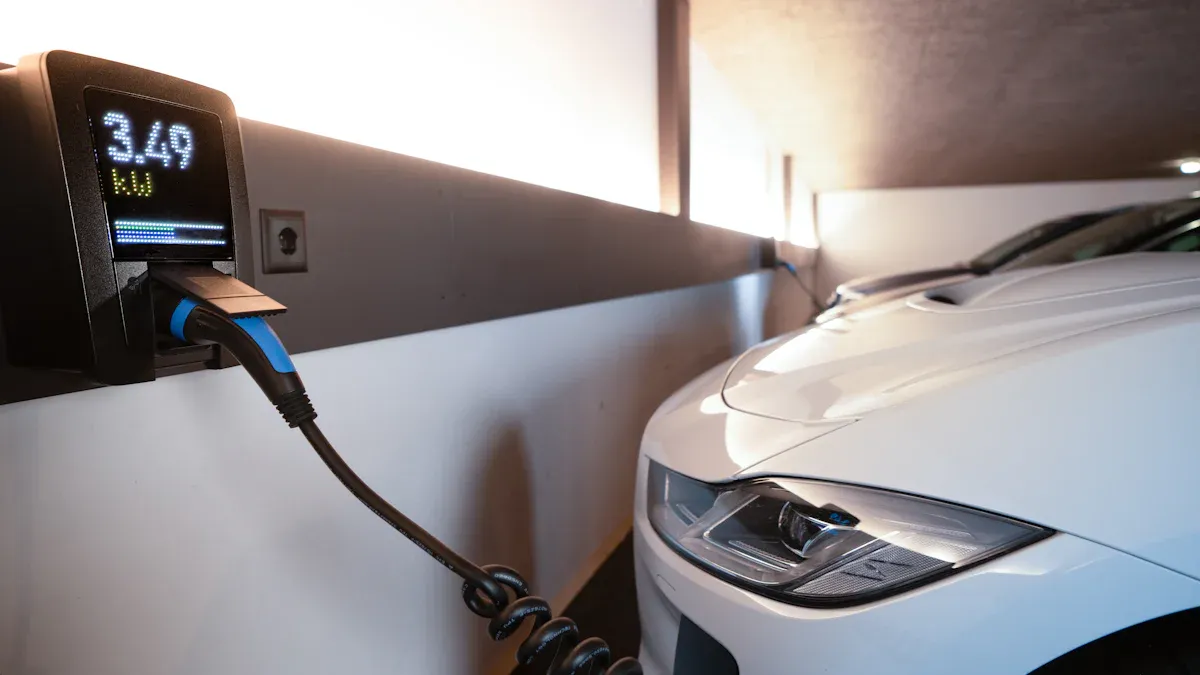
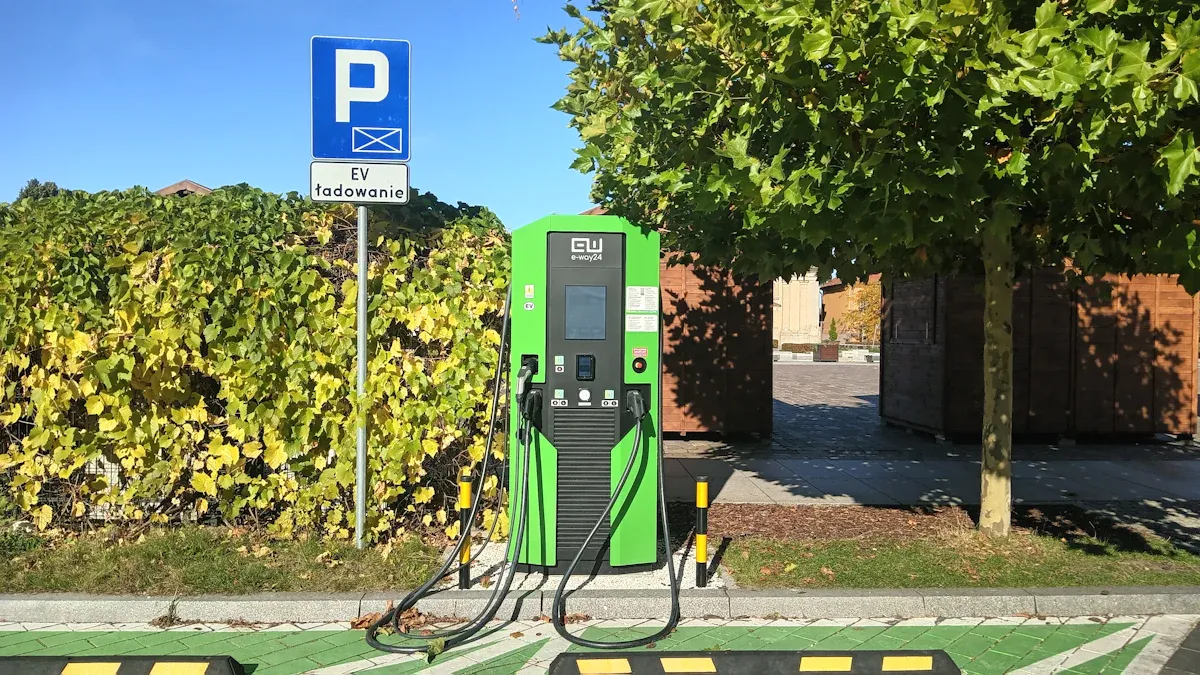
A smart Level 2 Cargador EV is a strategic financial investment for future-proofing your home, not just an amenity. It actively reduces costs and significantly enhances property value. Singapore’s market is primed for this shift, ranking in the top three globally for EV readiness in PwC’s survey. This advanced charger provides superior convenience over basic alternatives. For any EV owner, installing an EV charger is a wise decision.
Meeting Market Demand 📈 As EV adoption grows, the demand for diverse Soluciones de recarga de vehículos eléctricos—from a fixed EV Charger to cargadores portátiles ev—is surging. A home equipped with a “EV charger” from leading Fabricantes de cargadores para VE meets the needs of modern buyers.
How Smart Chargers Actively Reduce Your Electricity Bills
A primary financial advantage of a smart Level 2 EV charger is its ability to directly lower household electricity expenses. This is achieved through two core intelligent features: automated off-peak charging and dynamic load balancing. These technologies work together to optimize energy consumption, delivering significant savings and enhanced safety for the homeowner.
Automated Off-Peak Charging
Capitalizing on Lower Electricity Tariffs
Many electricity retailers in Singapore offer time-of-use plans with lower rates during off-peak hours, typically late at night. A smart charger capitalizes on these price differences. It automatically schedules the EV charging session to begin when electricity is cheapest, usually between 11 PM and 7 AM. This simple shift in timing generates substantial long-term savings.
Real-World Savings Example 💰 An EV owner driving 15,000 km annually can save around $180 per year. This saving comes from shifting 2,250 kWh of charging from a peak rate (e.g., 32 cents/kWh) to an off-peak rate (e.g., 24 cents/kWh). The charger automates this process, ensuring the homeowner consistently benefits without any manual effort.
Setting Your Charging Schedule via App
The convenience of automation is managed through a user-friendly smartphone app. The homeowner can easily program their charging preferences one time. They simply set the desired time window for charging to begin and end. The charger then handles the rest, ensuring their EV is ready each morning while minimizing electricity costs. This “set-it-and-forget-it” functionality transforms EV charging from a manual task into a seamless, cost-effective background process.
Equilibrio de carga inteligente
Protecting Your Home’s Electrical System
A home’s electrical circuit has a finite capacity. Running multiple high-power appliances simultaneously with an EV charger can risk an overload. Smart load balancing technology intelligently prevents this. The system continuously monitors the home’s total power consumption in real time. If it detects high usage from other appliances like an air conditioner or an induction cooktop, the charger automatically reduces its charging speed. This dynamic adjustment protects the home’s electrical panel and mitigates common hazards.
This intelligent management prevents issues such as:
- Circuit breaker trips that cause power outages
- Overheated cables that pose a fire risk
- Voltage drops that can affect or damage other appliances
Avoiding Costly Circuit Upgrades
The most significant financial benefit of smart load balancing is its ability to help homeowners avoid expensive electrical work. Without this technology, installing a powerful EV charger might require upgrading the home’s main circuit breaker to handle the increased load. Such an upgrade can be complex and costly. By dynamically managing the power draw, a smart charger ensures the home’s existing electrical infrastructure is never overwhelmed. This allows homeowners to enjoy fast, efficient EV charging without the unexpected expense of a major electrical system upgrade.
The Financial Value of a Future-Proof Property
Instalación de un smart Level 2 EV charger offers financial returns that extend far beyond monthly utility savings. It is a strategic upgrade that directly boosts the capital value of a property. In Singapore’s competitive real estate market, this feature provides a distinct and measurable advantage, making the home more attractive to buyers and protecting the owner from future expenses.
Aumentar el valor de reventa de su casa
Attracting Premium Buyers
An EV-ready property appeals directly to a growing and affluent demographic of electric vehicle owners. These potential buyers are not just looking for a house; they are looking for a home that supports their modern lifestyle. A pre-installed smart charger eliminates a significant post-purchase hassle for them. This convenience is a powerful selling point that can lead to faster sales and higher offers. An equipped property attracts specific buyer profiles:
- Tech-savvy professionals who value modern amenities.
- Environmentally conscious families seeking a sustainable lifestyle.
- Existing EV owners who prioritize move-in readiness.
Positioning Your Property as Modern and Ready
A home with a smart EV charger is immediately perceived as modern, upgraded, and prepared for the future. This feature signals a well-maintained and forward-thinking home, which builds buyer confidence. It is a tangible form of property value enhancement.
A Mark of a Premium Property 🏠 In a market where buyers compare similar listings, a smart charger can be the differentiating factor that elevates a property above its competition. It demonstrates that the owner has invested in quality, long-term infrastructure.
Avoiding Higher Future Costs
Locking in Current Installation Prices
The cost of materials and specialized labor for electrical work tends to increase over time due to inflation and market pressures. By undertaking the installation now, homeowners can lock in today’s prices. Waiting a few years could mean paying significantly more for the exact same service and equipment. This proactive approach is a financially prudent decision that secures a valuable home upgrade at a lower cost.
Staying Ahead of Increasing Demand
Singapore’s push toward electric mobility guarantees that the demand for EV charger installations will surge. As more people purchase an EV, the pool of qualified Licensed Electrical Workers (LEWs) will be stretched thin. This increased demand will likely lead to longer waiting times and higher service fees. Installing a smart charger today allows a homeowner to bypass this future bottleneck. This ensures their property is equipped and ready, making it a truly future-proof asset for any EV owner.
The Practical Benefits of a Smart Charger
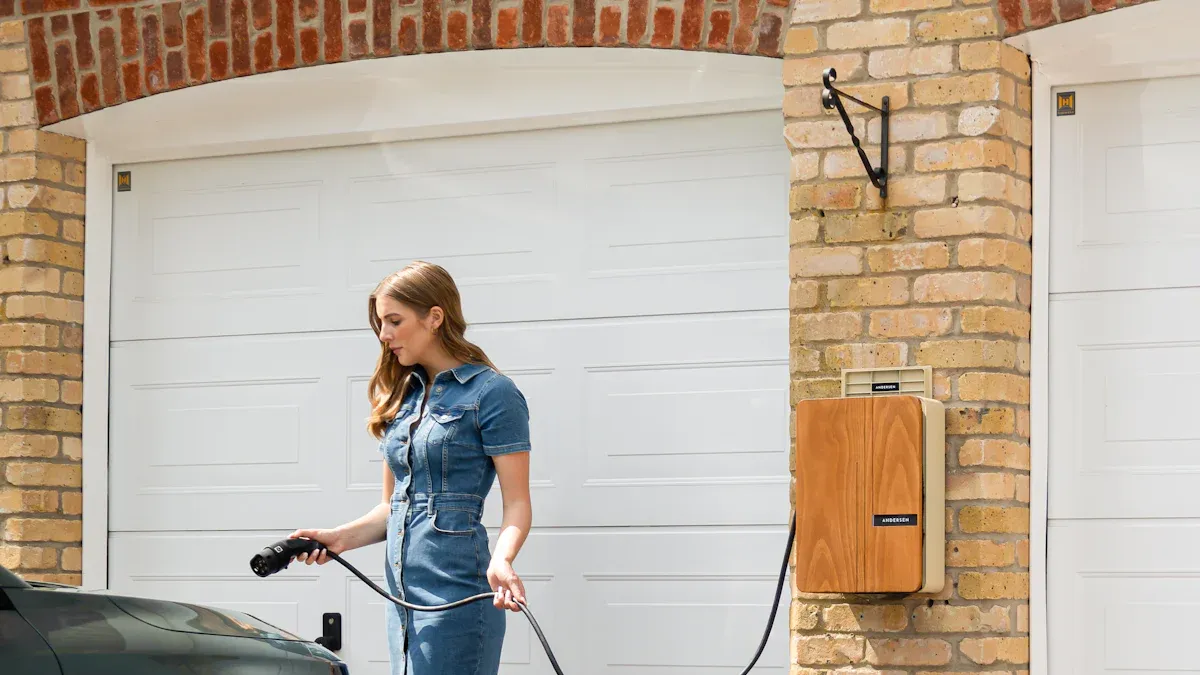
Beyond financial savings, a smart Level 2 EV charger delivers a superior ownership experience through advanced digital controls. It transforms the daily routine of charging an EV from a manual chore into an automated, transparent process. This enhanced functionality provides homeowners with unparalleled convenience and detailed energy insights, putting them in complete control of their vehicle’s power needs.
Ultimate Convenience with Remote Management
The core of a smart charger’s practical appeal lies in its remote management capabilities. This functionality offers seamless convenience, allowing EV owners to manage their charging sessions from anywhere at any time.
Smartphone App Control
Modern smart chargers, like those from technologically advanced providers such as TPSON, are paired with intuitive smartphone applications. These apps serve as a central command hub for the entire charging ecosystem. Homeowners can use the app to:
- Remotely start, stop, or pause a charging session.
- Customize charging schedules to align with their lifestyle and off-peak electricity tariffs.
- Adjust charging speeds to manage power consumption or prioritize battery health.
- Lock the charger to prevent unauthorized use.
This level of control ensures the EV is always ready when needed, without the owner ever having to physically interact with the unit.
Real-Time Charging Status Monitoring
The app also provides complete transparency over the charging process. An EV owner can check the real-time status of their vehicle’s battery, see the current charging speed, and view the estimated time until the charge is complete. This eliminates guesswork and provides peace of mind. The system sends notifications to the user’s phone when charging starts, stops, or is complete, keeping them informed at every stage.
Gaining Clarity with Precise Energy Tracking
A smart charger demystifies the energy consumption of an electric vehicle. It provides clear, actionable data that empowers homeowners to make informed decisions about their energy use and household expenses.
Monitoring Your EV’s Exact Energy Use
Smart chargers precisely measure and record the amount of electricity consumed during each charging session. This data is displayed in the companion app, often with detailed reports showing daily, weekly, and monthly usage. Homeowners can see exactly how much energy their EV uses, helping them understand its impact on their overall consumption. This feature is also useful for categorizing charging sessions for business expense claims.
Accurate Household Budgeting and Analysis
The detailed energy data collected by the charger is invaluable for household budgeting. By tracking the exact cost of each charging session, homeowners can accurately forecast their monthly electricity bills. This clarity removes the financial uncertainty often associated with EV ownership.
Informed Energy Management 💡 When integrated with a home’s smart meter, the charger can provide a holistic view of energy consumption. This allows users to set budget goals and adjust charging habits to stay within them, turning raw data into tangible savings and efficient energy management.
Navigating Installation and Regulations in Singapore
Installing an EV charger in a Singaporean home involves more than just mounting a unit on the wall. Homeowners must navigate a clear set of national standards and procedural requirements. These regulations ensure every installation is safe, reliable, and compliant with the country’s infrastructure goals.
Understanding LTA and TR 25:2022 Standards
The Land Transport Authority (LTA) has established a comprehensive framework to govern EV charging. The cornerstone of this framework is the Technical Reference 25 (TR 25:2022). This document outlines the mandatory technical and safety specifications for all EV charging systems in Singapore.
Key Safety and Technical Requirements
TR 25:2022 provides detailed guidelines that all equipment and installation work must follow. A compliant charger and process will meet several key criteria:
- Seguridad eléctrica: The system must include protections like a residual current circuit breaker (RCCB) to prevent electric shock.
- Smart Functions: The charger must be capable of remote monitoring and control, aligning with Singapore’s smart grid initiatives.
- Fire Safety: The installation must adhere to fire safety codes, ensuring proper ventilation and component selection to mitigate risks.
- Interoperability: The equipment must meet standards that allow it to work with various EV models.
Why Compliance is Non-Negotiable
Adherence to TR 25:2022 is not optional. It is a legal requirement for a safe and approved installation. Non-compliance can lead to significant consequences for the homeowner.
Protecting Your Investment and Safety 🛡️ An unapproved installation can void a home insurance policy in the event of an electrical fire or damage. It also fails to meet legal standards, potentially resulting in orders for removal. Compliance ensures the system is safe for the family, protects the property, and secures the investment.
El proceso de instalación
The process of installing an EV charger is structured to guarantee safety and regulatory approval from start to finish. It requires professional oversight and adherence to a defined sequence of steps.
Finding a Licensed Electrical Worker (LEW)
A homeowner cannot perform this work themselves. The first and most critical step is to engage a Licensed Electrical Worker (LEW). An LEW is an engineer certified by the Energy Market Authority (EMA) to design, install, and certify electrical systems. The LEW is responsible for ensuring the entire project, from planning to commissioning, meets all legal and technical standards.
Typical Timelines and Required Steps
The timeline for installing an EV charger typically spans several weeks. The process involves a few distinct phases:
- Evaluación del emplazamiento: The LEW visits the property to evaluate the existing electrical capacity and determine the best location for the unit.
- Submission and Approval: The LEW submits the installation plans and a formal application to the relevant authorities for approval.
- Physical Installation: Once approved, the LEW or their team carries out the physical work. This includes running cables, mounting the unit, and connecting it to the electrical panel.
- Testing and Commissioning: The LEW thoroughly tests the system to confirm it operates safely and correctly before officially commissioning it for use.
The Role of a Smart Level 2 EV Charger in Singapore’s Green Future

Installing a smart Level 2 EV charger does more than benefit the individual homeowner; it aligns the property with Singapore’s ambitious national sustainability goals. This technology plays a direct role in supporting the country’s environmental vision, making it a key component for a greener tomorrow. Homeowners contribute to a larger movement by investing in a sustainable future.
Supporting the Singapore Green Plan 2030
The Singapore Green Plan 2030 is a national roadmap for sustainable development. The widespread adoption of electric vehicles is a critical pillar of this plan, and smart chargers are the infrastructure that makes this transition to electric vehicles feasible at the household level.
Contributing to National Carbon Emission Goals
The transportation sector is a significant source of carbon emissions. The transition to electric vehicles directly addresses this issue. Each EV that replaces a gasoline-powered vehicle helps lower the nation’s carbon footprint. This effort complements other Green Plan targets, such as:
- Greening 80% of buildings by Gross Floor Area by 2030.
- Increasing solar deployment to 2 gigawatt-peak (GWp) by 2030.
- Reducing landfill waste by 30%.
A home EV charger empowers owners to participate in this national effort, creating a more sustainable living environment.
Aligning with the Push for EV Adoption
The government offers various incentives to encourage the transition to electric vehicles. However, a major consideration for potential buyers is charging accessibility. A pre-installed home charger removes this barrier, making the decision to purchase an EV much easier. The availability of reliable home charging supports the government’s incentives and accelerates the overall adoption rate. This increased demand for sustainable transport solutions is met with practical infrastructure, reinforcing the effectiveness of national incentives.
Optimizing Electric Vehicle Charging
A smart charger offers advanced capabilities that go beyond simply powering a vehicle. It intelligently manages energy flow, which is crucial for maintaining a stable and efficient national power grid as EV ownership grows.
Enabling Grid Stability
Without smart management, a surge in EV charging during peak hours could strain the electrical grid. Smart chargers prevent this through automated off-peak scheduling and load balancing. This technology staggers energy demand, ensuring the grid remains stable and reliable for all users. This sustainable approach to energy consumption is vital as more households adopt electric power for their transportation needs.
Future-Ready Technology ⚡ Smart chargers are essential for a sustainable energy ecosystem. They enable a smooth integration of thousands of new electric vehicles onto the grid without requiring massive, costly infrastructure overhauls. The charger helps manage this new electrical load efficiently.
Preparing for Vehicle-to-Grid (V2G) Technology
The next frontier in energy management is Vehicle-to-Grid (V2G) technology. V2G will allow an EV to not only draw power from the grid but also return stored energy to the home or grid during peak demand. This turns the vehicle into a mobile battery that can help stabilize energy supply. Smart chargers are the foundational hardware required for V2G, and installing one today prepares a home for these future capabilities and incentives.
Cost-Benefit Analysis: Is the Investment Worth It?
A homeowner considering an EV charger must evaluate the financial implications. The decision involves more than just the initial purchase price. A thorough cost-benefit analysis reveals that a cargador inteligente, while more expensive upfront, delivers a superior return on investment through long-term savings and added value. This analysis helps homeowners make a financially sound decision for their property.
Upfront Cost Breakdown
The initial outlay for a home charging solution consists of two main components: the cost of the hardware itself and the fees for professional installation. Understanding these costs is the first step in evaluating the overall investment.
Basic vs. Smart Charger Price Comparison
A basic Level 2 charger is the most affordable option, with prices typically starting around S$1,000. It performs the fundamental task of charging an EV. A smart charger, equipped with Wi-Fi connectivity, scheduling apps, and load-balancing technology, generally costs more. Prices for these advanced units often start from S$1,800. The price premium of approximately S$800 funds the intelligent features that generate long-term savings and convenience.
Typical Installation Fees in Singapore
Installation costs are variable and depend on the specifics of the property. Engaging a Licensed Electrical Worker (LEW) is mandatory. The total fee is influenced by several factors:
- Property Type: Installation in a landed property is often more straightforward than in a condominium, which may require approvals from the Management Corporation Strata Title (MCST).
- Wiring Complexity: The distance from the electrical panel to the charger location affects the amount of cabling and labor required.
- Existing Electrical Capacity: If the home’s main circuit requires an upgrade, costs will increase significantly.
Budgeting for Installation 🛠️ Homeowners in Singapore should typically budget between S$1,500 and S$3,000 for a standard installation by a qualified LEW. This figure can change based on the complexity of the job.
Calcular el umbral de rentabilidad
The true financial value of a smart charger becomes clear when calculating its break-even point. This is the point at which the accumulated savings from its smart features equal the initial price difference compared to a basic model.
A Framework for Estimating Your Payback Period
The primary source of savings is automated off-peak charging. By shifting energy consumption to hours with lower electricity tariffs, a homeowner consistently reduces their monthly bills. The payback period for the smart charger premium can be estimated with a simple calculation.
The table below illustrates a sample break-even analysis for a typical EV driver in Singapore.
| Métrica | Valor |
|---|---|
| Annual Driving Distance | 15,000 km |
| Annual Electricity Consumption | 2,250 kWh |
| Peak Electricity Rate | 32 cents/kWh |
| Off-Peak Electricity Rate | 24 cents/kWh |
| Annual Savings from Off-Peak Charging | S$180 |
| Monthly Savings from Off-Peak Charging | S$15 |
| Price of Basic Charger | S$1,000 |
| Price of Smart Charger | S$1,800 |
| Cargador inteligente Premium | S$800 |
| Break-Even Point (Years) | ~4,5 años |
Based on this scenario, the S$800 premium for the smart features is recovered in approximately 4.5 years. After this point, the S$180 saved annually becomes pure profit for the homeowner.
Factoring in Long-Term Savings
The break-even calculation only tells part of the story. The financial benefits of a smart charger extend far beyond direct energy savings. Homeowners should also consider these crucial long-term value additions:
- Avoided Upgrade Costs: Smart load balancing can prevent the need for a costly main circuit upgrade, a potential saving of several thousand dollars.
- Increased Property Value: An EV-ready home is more attractive to future buyers, potentially leading to a higher resale price and faster sale.
- Future-Proofing: Installing a unit today locks in current prices, protecting the owner from future inflation and higher demand for installation services.
When these factors are considered, the financial case for a smart charger becomes overwhelmingly positive. The initial investment is not just a cost but a strategic enhancement to the property’s value and efficiency.
The initial investment in a smart Level 2 EV charger is clearly justified by significant long-term financial savings. This upgrade adds measurable value and market appeal, making a property more competitive. The unmatched convenience of this charger fundamentally improves the daily EV ownership experience. For forward-thinking homeowners, installing an EV charger is a prudent and necessary step. This action ensures their property is a ready and valuable asset for the future.
PREGUNTAS FRECUENTES
What is the main difference between a Level 1 and Level 2 charger?
A Cargador de nivel 1 uses a standard wall outlet and charges very slowly. A Level 2 charger requires professional installation for its higher power output. It provides much faster charging speeds, making it the practical choice for most EV owners.
Can a homeowner install an EV charger in an HDB car park?
No, homeowners cannot install personal chargers in HDB car parks at this time. The government is deploying public chargers across HDB estates. Installation is primarily for landed properties and condominiums, subject to MCST approval.
How long does a Level 2 charger take to charge an EV?
A typical Level 2 charger fully charges an electric vehicle in 4 to 8 hours. The exact duration depends on the car’s battery size and the charger’s power output. This speed makes overnight charging convenient and effective.
Is a smart charger useful without an off-peak electricity plan?
Yes, a cargador inteligente remains highly beneficial. Its load-balancing feature protects the home’s electrical circuit and can prevent costly upgrades. Remote app control and precise energy tracking also provide significant convenience and data insights for the owner.
What is a Licensed Electrical Worker (LEW)?
A Licensed Electrical Worker (LEW) is an engineer certified by Singapore’s Energy Market Authority (EMA). An LEW must design, submit plans for, and certify every home EV charger installation to ensure it meets all legal and safety standards.
Does the government offer grants for home EV charger installation?
The EV Common Charger Grant (ECCG) helps fund charger installations in non-landed private residences like condominiums. It does not cover installations for individual landed properties.
Tip 💡 Homeowners should always check the latest LTA guidelines for available incentives.
How does a smart charger prevent unauthorized use?
Smart chargers provide security through a connected smartphone app. The owner can remotely lock the charger, preventing anyone without permission from using it. This feature ensures the homeowner has complete control over their charging station.