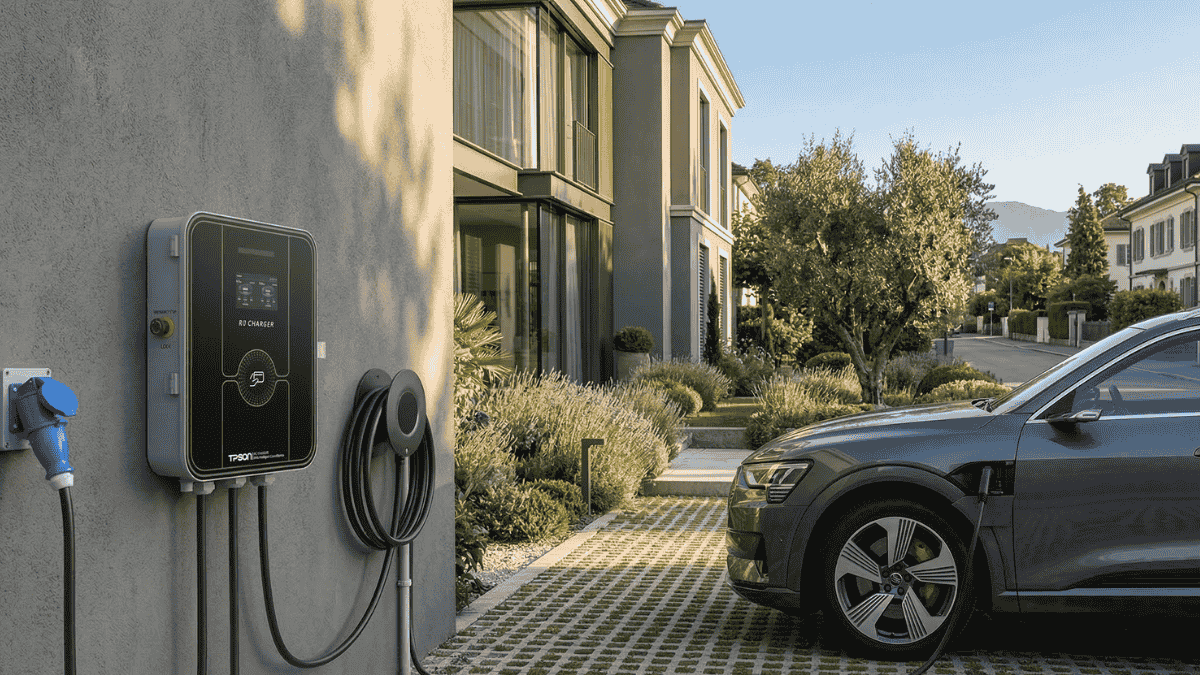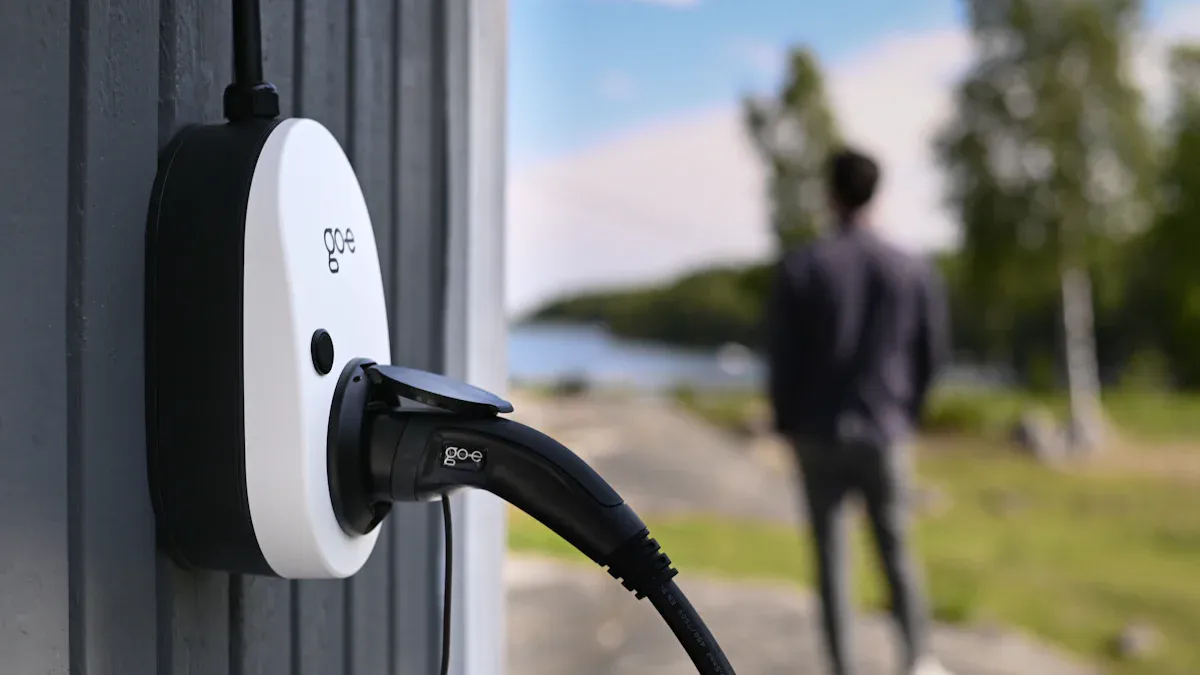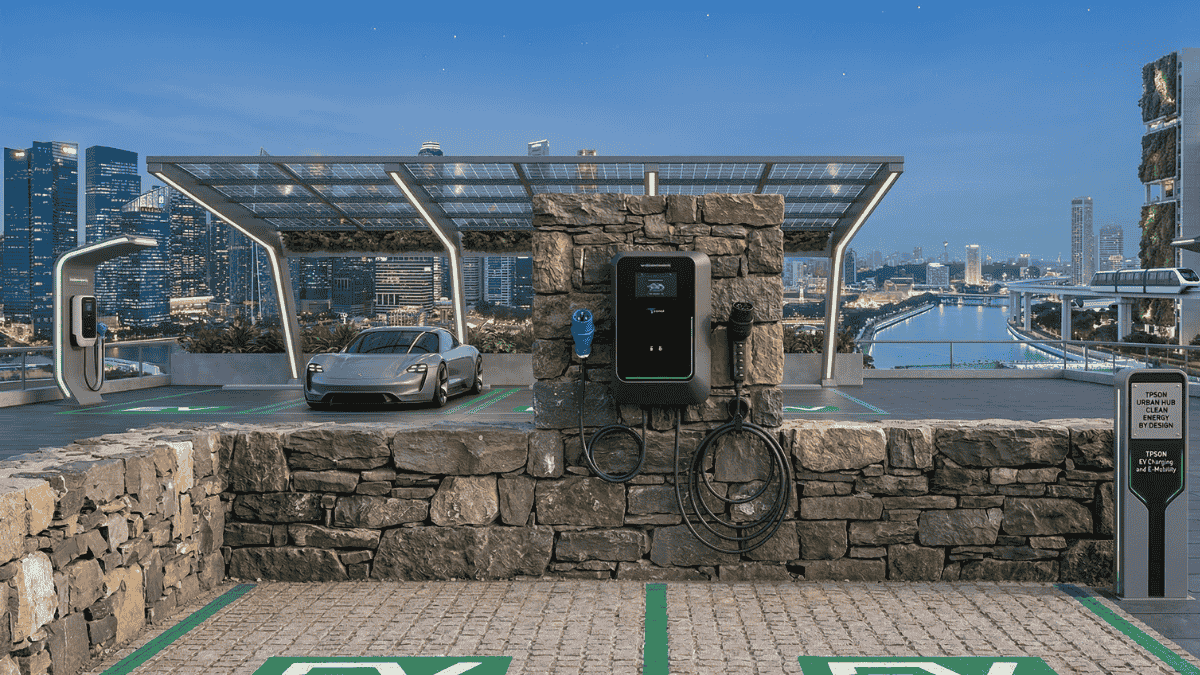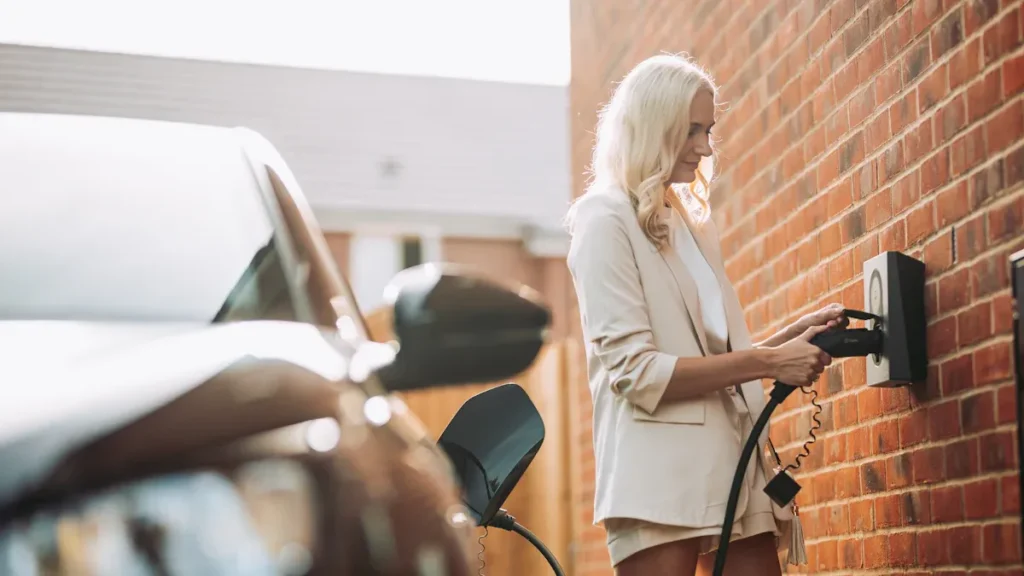
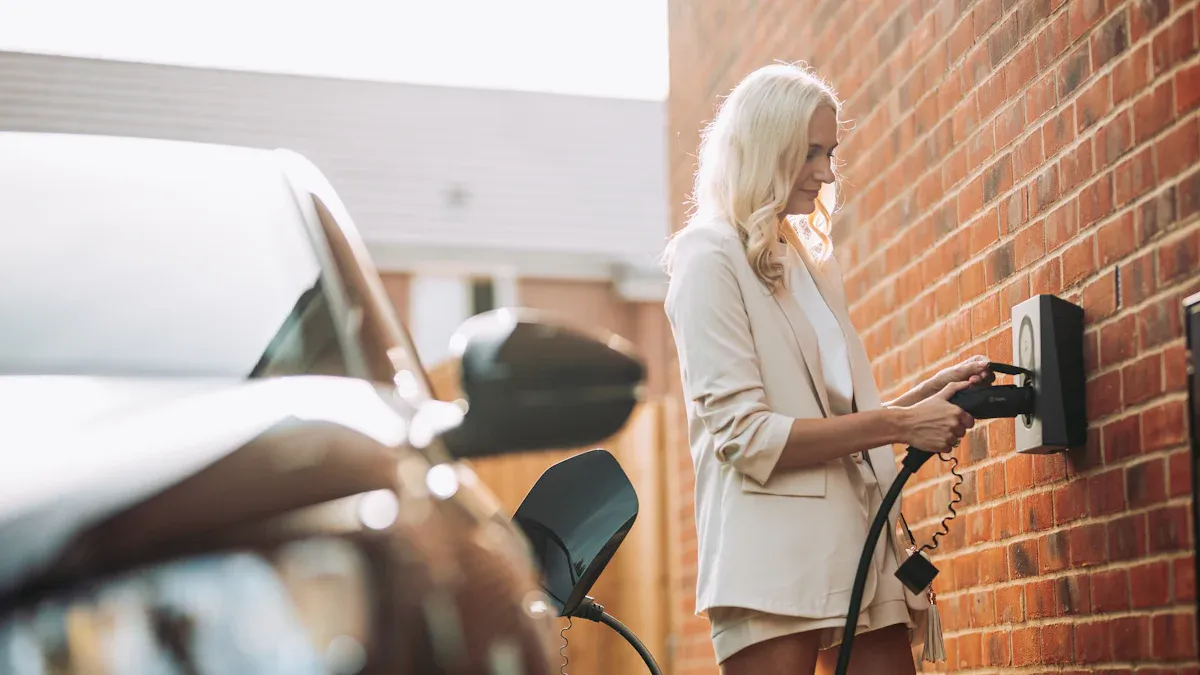
Portable EV chargers provide a practical option for many apartment dwellers in Thailand. They can offer flexibility and independence, but electrical limitations and parking rules sometimes restrict these solutions. Renters must check the Cargador EV compatibility, available power sources, and consult Fabricantes de cargadores para VE for safe use. Before investing in Soluciones de recarga de vehículos eléctricos, they should consider building policies and local regulations.
Portable EV Chargers Explained for Thailand Apartment Renters
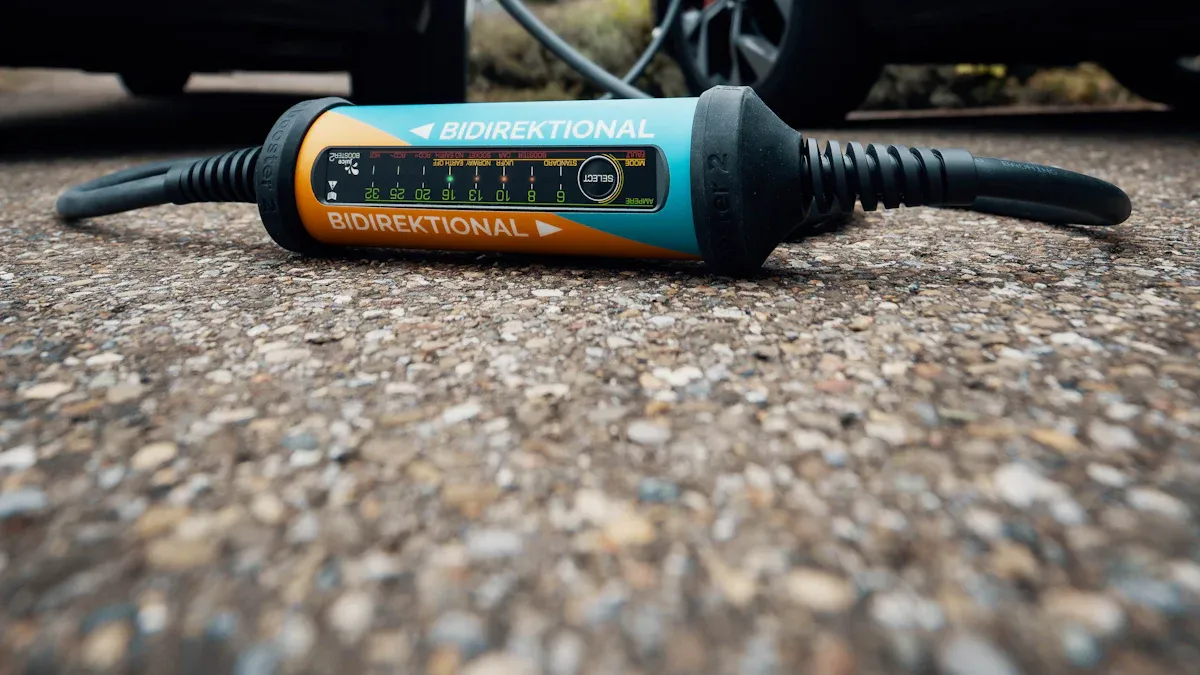
How a Portable EV Charger Works in Thai Apartments
Plug-and-Play Charger Functionality
A portable EV charger offers a simple solution for apartment renters. They can plug the charger into a compatible power outlet and begin charging their EV without the need for permanent installation. This plug-and-play approach appeals to those who move frequently or lack permission for fixed charging stations. The charger typically comes with user-friendly controls and safety features, making it accessible for both new and experienced EV owners.
Power Source Requirements in Thailand
Most Thai apartments provide standard electrical outlets. However, not all outlets support the power demands of EV charging. Renters must check the voltage and amperage of their apartment’s outlets before using a portable charger. Some chargers require a dedicated circuit to avoid overloading the building’s electrical system. TPSON, a leading provider of electric vehicle charging solutions, recommends consulting with building management or an electrician to ensure safe operation.
Types of Portable EV Chargers Available in Thailand
Cargadores de nivel 1 frente a cargadores de nivel 2
Level 1 chargers use a standard household outlet and deliver slower charging speeds. Level 2 chargers require a higher voltage outlet and provide faster charging, which suits those with longer daily commutes. The choice between Level 1 and Level 2 depends on the renter’s driving habits and the apartment’s electrical capacity.
Compatibility with Thai EV Models and Chargers
Thailand’s EV market includes various models, each with specific charging requirements. Renters should confirm that their portable EV charger matches their vehicle’s connector type and charging specifications. Charging accessories, such as Type 2 to Type 1 or Type 2 to Type 2 cables, help bridge compatibility gaps.
| Tipo de cargador | Model Name | Características |
|---|---|---|
| Cargador de CA | TW-10 Cargador EV Wallbox | TW-10 Cargador EV Wallbox |
| Cargador de CA | TW-20 Wallbox Cargador EV | TW-20 Wallbox Cargador EV |
| Cargador de CA | TW-30 Wallbox Cargador EV | TW-30 Wallbox Cargador EV |
| Cargador de CA | TW-40 Cargador EV Wallbox de doble pistola | TW-40 Cargador EV Wallbox de doble pistola |
| Cargador de CC | Cargador portátil de CC para vehículos eléctricos | Cargador portátil de CC para vehículos eléctricos |
TPSON supplies a range of portable and wall-mounted chargers to meet different needs.
Common Use Cases for Portable EV Chargers in Apartments
Charging in Shared or Designated Parking Spaces
Many apartment renters in Thailand use portable chargers in shared or assigned parking spots. They can set up the charger when needed and store it securely after charging. This flexibility helps renters avoid the challenges of installing permanent charging infrastructure.
Charging at Work or Public Locations in Thailand
Some renters rely on portable EV chargers for charging at their workplace or public locations. This approach benefits road trippers, rural EV owners, and tourists renting EVs. They can charge their vehicles wherever a suitable outlet is available, ensuring mobility even in areas with limited charging infrastructure.
Tip: Renters should always check with property management or location owners before plugging in a charger to avoid conflicts or safety issues.
Benefits of Portable EV Chargers for Apartment Renters in Thailand
Flexibility and Convenience of Portable Charging Solutions
No Permanent Installation Needed
Portable EV chargers offer a unique advantage for residential renters. They do not require permanent installation, which means tenants can avoid complex approval processes. Many apartment residents in Thailand move frequently. A portable charger allows them to take their charging equipment with them when they relocate. This flexibility supports a modern lifestyle and reduces the hassle of setting up new charging solutions each time they move.
Charging Anywhere with a Suitable Outlet
Apartment renters often face challenges when searching for reliable charging options. Portable solutions enable charging at any location with a suitable outlet. Residents can charge their EV in shared parking areas, at a friend’s house, or even at work. This convenience ensures that EV owners do not depend solely on fixed infrastructure. They can adapt to different environments and maintain their mobility.
Note: Always check the outlet’s voltage and safety before connecting a portable charger to avoid electrical issues.
Cost Advantages of Portable EV Chargers
Lower Upfront Costs Compared to Fixed Chargers
Many residential renters in Thailand seek affordable charging solutions. Portable EV chargers usually have a lower upfront cost than fixed charging stations. Renters do not need to invest in expensive hardware or pay for professional installation. This approach helps them manage their budget while still enjoying the benefits of EV ownership.
Avoiding Installation and Approval Fees
Fixed chargers often require approval from building management and may involve extra fees. Portable solutions eliminate these costs. Renters can start charging their EV as soon as they purchase the charger. They do not need to wait for lengthy approval processes or pay for modifications to the building’s electrical system. This results in immediate energy savings and a smoother transition to electric mobility.
Independence from Building Management with Portable Solutions
No Landlord Approval Required
Many apartment renters in Thailand struggle with building management restrictions. Portable EV chargers provide independence from these limitations. Renters do not need to seek landlord approval or negotiate with property managers. They can use their charger as needed, which simplifies the process of owning and operating an EV in a residential setting.
Bypassing Shared Infrastructure Challenges
Shared parking lots and limited electrical infrastructure often create barriers for EV charging in residential buildings. Portable solutions allow renters to bypass these challenges. They can use available outlets without relying on shared charging stations or waiting for upgrades to the building’s electrical system. This independence gives renters more control over their charging schedule and reduces conflicts with neighbors.
Key benefits of portable EV chargers for apartment renters in Thailand include:
- Flexibility to move and charge anywhere
- Lower upfront and ongoing costs
- Independence from building management and shared infrastructure
- Immediate access to charging without installation delays
These advantages make portable EV chargers a practical choice for many residential renters seeking reliable and convenient EV charging solutions.
Challenges and Limitations of Portable EV Chargers in Thailand Apartments
Power Supply and Electrical Constraints in Thai Buildings
Electrical Load Capacity for Chargers
Many residential buildings in Thailand have limited electrical load capacity. Most apartments use wiring designed for basic household appliances, not for high-power electric vehicle charging. When a resident plugs a portable ev charger into a standard outlet, the system may not support the required current. Overloading the circuit can cause breakers to trip or, in rare cases, create fire hazards. Residents should always check the maximum load their apartment can handle before using any portable charging solutions.
Outlet Compatibility and Safety Concerns
Outlet compatibility presents another challenge for residential renters. Not every outlet in a Thai apartment matches the plug type or voltage needed for portable chargers. Some older buildings use outdated sockets that do not support modern electric vehicle chargers. Using adapters or extension cords can increase safety risks. Residents must ensure that outlets are properly grounded and meet safety standards. Consulting a certified electrician before using a portable charger helps prevent electrical accidents and protects both the vehicle and the building.
Note: Always inspect outlets for signs of wear or damage before plugging in a charger. Safety should remain the top priority for every residential user.
Charging Speed and Daily Usability of Portable EV Chargers
Slow Charging Times for Some Solutions
Portable ev chargers often deliver slower charging speeds than fixed charging stations. Level 1 chargers, which use standard household outlets, may take more than 12 hours to fully charge an electric vehicle. This slow pace can frustrate residents who need quick turnaround times. Level 2 chargers offer faster charging but require special outlets that many apartments do not provide. The slow speed of some portable solutions limits their practicality for residents with busy schedules or long daily commutes.
Impact on Daily Commute and EV Usage
Charging speed directly affects daily commute and overall ev usage. Residents who rely on their vehicles for work or school may find that overnight charging does not provide enough range for the next day. Frequent short trips may not pose a problem, but longer journeys can become challenging. Some renters must plan their schedules around charging availability, which reduces the convenience and benefits of owning an electric vehicle. Inconsistent charging can also lead to range anxiety, especially in areas with limited public charging infrastructure.
Accessibility and Parking Issues for Apartment Renters
Shared Parking Lot Restrictions in Thailand
Many residential apartments in Thailand offer shared parking lots. These spaces often lack dedicated outlets for electric vehicle charging. Residents may not have assigned parking spots, making it difficult to guarantee access to a suitable outlet. Building management sometimes prohibits the use of personal chargers in shared areas due to safety or liability concerns. These restrictions limit the accessibility of portable charging solutions for many renters.
Security and Theft Risks for Portable Chargers
Security remains a significant concern for residents using portable chargers. Unlike fixed installations, portable chargers can be easily removed or stolen from shared parking areas. Some renters invest in locks or security cables, but these measures do not always deter theft. The risk of losing a charger adds to the overall cost and reduces the energy savings that portable solutions promise. Renters must weigh the convenience of portable charging against the potential for loss or damage.
Tip: Store portable chargers in a secure location when not in use. Consider using a lock or alarm system for added protection.
Table: Common Challenges for Apartment Renters Using Portable EV Chargers
| Desafío | Impact on Renters | Possible Solution |
|---|---|---|
| Limited electrical load | Risk of overload, slow charging | Consult electrician, use Level 1 |
| Outlet incompatibility | Safety hazards, charging delays | Use certified adapters |
| Shared parking restrictions | Limited access to outlets | Request dedicated spots |
| Security and theft risks | Loss of charger, extra cost | Use locks, store securely |
These challenges highlight the importance of careful planning before investing in portable ev charging solutions. Residents must consider electrical capacity, outlet compatibility, parking policies, and security measures to maximize the benefits of portable charging while minimizing risks.
Legal and Regulatory Issues for Portable EV Charger Use
Apartment Rules and Thai Laws
Apartment renters in Thailand face several legal and regulatory challenges when using portable EV chargers. Building management often sets strict rules for residential tenants. Many apartments prohibit the use of high-power chargers in shared spaces. Some buildings require written approval before residents can use electric charging devices. These restrictions aim to protect the electrical infrastructure and ensure safety for all tenants.
Thai laws regulate the installation and operation of electric chargers in residential buildings. The Electricity Generating Authority of Thailand (EGAT) and local authorities enforce standards for electrical safety. They require that all chargers meet national certification and safety requirements. Residents must use certified chargers to avoid legal penalties and protect their property. The government also encourages the use of energy-efficient chargers to reduce the overall cost and environmental impact.
Note: Residents should review their apartment lease agreements and consult building management before purchasing a portable EV charger. This step helps prevent conflicts and ensures compliance with local regulations.
Some apartments in Thailand allow portable chargers in designated parking spaces. Others restrict their use to avoid overloading the building’s electrical system. Residents must check the compatibility of their charger with the apartment’s wiring and outlets. They should also confirm that the charger does not violate any building codes or fire safety regulations.
Insurance and Liability Considerations
Insurance and liability issues play a crucial role in the adoption of portable EV chargers in residential settings. Many insurance policies exclude coverage for damages caused by unauthorized electrical devices. If a charger causes a fire or electrical accident, the resident may face significant financial losses. Building management may hold tenants liable for damages to shared infrastructure or other apartments.
Residents should purchase insurance policies that cover electric charging devices. Some insurers in Thailand offer specialized coverage for EV chargers. These policies protect renters from unexpected costs and legal disputes. Tenants must provide proof that their charger meets national safety standards. They should also keep records of any approvals or inspections related to the charger.
| Insurance Issue | Impact on Renters | Recommended Action |
|---|---|---|
| Exclusion of charger coverage | Financial loss after accident | Purchase specialized EV insurance |
| Liability for damages | Legal disputes with landlord | Obtain written approval, keep records |
| Lack of certification | Policy denial | Use certified chargers only |
Tip: Residents should consult their insurance provider before installing or using a portable charger. This step ensures proper coverage and reduces the risk of liability.
Apartment renters in Thailand must navigate complex legal and regulatory frameworks when using portable EV chargers. They should prioritize safety, compliance, and proper insurance to protect themselves and their property. By following these guidelines, residents can enjoy the benefits of electric mobility while minimizing risks and costs.
Comparing Portable EV Chargers to Other Charging Solutions in Thailand
Dedicated Home Charging Stations vs. Portable EV Chargers
Installation Requirements and Approval Process
Dedicated home charging stations often require a complex process for residential renters. These stations need permits and professional installation. Many landlords in Thailand do not allow permanent modifications to their properties. Renters face barriers when they try to install these charging stations. Portable EV chargers offer a different experience. Renters can use these chargers without installation. They simply plug the charger into a compatible outlet. This flexibility makes portable chargers a practical choice for many residential tenants.
- Dedicated home charging stations need permits and professional installation.
- Portable EV chargers do not require installation and offer flexibility for renters.
Cost and Practicality for Renters
Cost plays a major role in the decision-making process for residential renters. Dedicated charging stations often come with high upfront costs. Renters must pay for both the station and the installation. These expenses can be difficult to justify, especially for short-term tenants. Portable chargers present a more affordable solution. Renters can purchase a charger and use it immediately. They avoid installation fees and approval delays. This practicality appeals to those who want to manage their energy use without long-term commitments.
Public Charging Networks and Solutions in Thailand
Availability and Coverage for Apartment Renters
Public charging networks have expanded across Thailand. Many shopping malls, office buildings, and public parking areas now offer electric charging stations. However, residential renters may not always find a station near their home. Some areas have limited coverage, which can make daily charging inconvenient. Portable chargers give renters the option to charge at home or at other locations with suitable outlets. This flexibility helps fill the gaps left by public charging networks.
Pricing and Payment Methods for Public Chargers
Public charging stations use different pricing models. Some charge by the hour, while others bill by the amount of energy used. Payment methods include mobile apps, RFID cards, and credit cards. Renters must compare these costs with the expenses of using a portable charger at home. Public solutions can be more expensive over time, especially for those who drive daily. Portable chargers allow renters to control their charging schedule and manage their energy costs more effectively.
Workplace and Community Charging Solutions
Access for Renters in Thailand
Workplace and community charging solutions provide another option for residential renters. Some employers offer electric charging stations in office parking lots. Community centers and residential complexes may also install shared chargers. Access depends on the policies of each location. Not all renters can use these solutions, especially if demand is high or if there are restrictions on use.
Reliability and Convenience Compared to Portable Chargers
Reliability remains a concern with shared charging stations. Renters may find the chargers occupied or out of service. Portable chargers offer a personal solution. Renters can charge their EV whenever they need, without waiting for a station to become available. This convenience supports a consistent charging routine and reduces stress for residential EV owners.
Tip: Renters should evaluate all available charging solutions before making a decision. Consider location, cost, and daily charging needs to find the best fit.
Factors to Consider Before Buying a Portable EV Charger in Thailand
Compatibility with Thai Power Outlets and Chargers
Voltage, Plug Types, and Adapter Needs
Apartment renters in Thailand must check the voltage and plug types before purchasing a portable EV charger. Most Thai apartments supply 220V outlets, but some older buildings may use different standards. Plug types vary across regions, so renters should confirm the charger fits the available sockets. Many portable chargers require a specific plug shape or size. If the charger does not match the outlet, renters need an adapter. Safety remains a priority when using adapters. Certified adapters reduce the risk of electrical hazards. Renters should avoid makeshift solutions and consult an electrician if unsure.
Tip: Always verify the outlet’s voltage and plug compatibility before buying a charger. Using the wrong adapter can damage both the charger and the apartment’s electrical system.
Charging Speed and Vehicle Compatibility for Thai EVs
Matching Charger to Your EV Model
Different electric vehicles require unique charging specifications. Renters must select a portable charger that matches their EV’s connector type and charging capacity. Some chargers support multiple connector types, while others work with only one. Checking the manufacturer’s guidelines helps renters avoid compatibility issues. The charger must deliver the correct amperage and voltage for the EV model. Using an incompatible charger can lead to slow charging or even damage the battery.
Expected Charging Times with Portable Solutions
Charging speed depends on the charger’s power output and the EV’s battery size. Level 1 chargers usually take longer, often requiring overnight charging. Level 2 chargers provide faster charging but need higher voltage outlets. Renters should estimate the time needed to fully charge their vehicles based on their daily driving habits. A table below shows typical charging times for common portable solutions:
| Tipo de cargador | Potencia de salida | Estimated Charging Time (Full Charge) |
|---|---|---|
| Nivel 1 | 2.3 kW | 12-18 hours |
| Nivel 2 | 7,4 kW | 4-6 horas |
Renters who drive frequently may benefit from a Level 2 charger if their apartment supports it.
Safety Features and Certifications for Portable EV Chargers
Overload, Surge Protection, and Weatherproofing
Características de seguridad protect both the EV and the apartment’s electrical system. Reliable portable chargers include overload protection, surge protection, and weatherproofing. Overload protection prevents the charger from drawing too much current. Surge protection shields the charger from sudden voltage spikes. Weatherproofing allows renters to use the charger outdoors or in humid environments. Renters should look for chargers with certifications from recognized authorities, such as CE or TISI. Certified chargers meet national safety standards and reduce the risk of accidents.
Note: Always choose a portable charger with proper safety certifications. This ensures compliance with Thai regulations and protects the renter from liability.
A checklist for safety features:
- Overload protection
- Protección contra sobretensiones
- Weatherproof casing
- Certification from CE, TISI, or similar
Renters who prioritize safety and compatibility make smarter investments in portable EV charging solutions.
Portability and Storage of Your Charger
Size, Weight, and Ease of Transport
Apartment renters in Thailand often prioritize portability when selecting an EV charger. Manufacturers design portable chargers to be compact and lightweight. Many models fit easily into a car trunk or storage cabinet. Some chargers weigh less than five kilograms, making them easy to carry between locations. Renters who move frequently benefit from chargers that offer convenient handles and protective cases.
A portable charger should not take up much space in a small apartment. Storage becomes simple when the charger has a flexible cable and a detachable plug. Renters can place the charger in a closet or under a desk. Some models include weatherproof cases, which protect the charger from humidity and dust. This feature proves useful for renters who store their charger in a parking area or balcony.
Tip: Renters should check the dimensions and weight of a charger before purchase. A lightweight model with a sturdy case offers the best balance between portability and protection.
| Característica | Benefit for Renters |
|---|---|
| Compact size | Fits in small storage spaces |
| Lightweight | Easy to carry and transport |
| Flexible cable | Simplifies storage |
| Protective case | Guards against damage |
Cost, Warranty, and Support for Portable EV Chargers
Upfront Price vs. Long-Term Value
Renters in Thailand often compare the upfront price of portable EV chargers with their long-term value. A lower initial price attracts buyers, but durability and reliability matter more over time. Some chargers cost less but lack essential safety features or certifications. Others offer advanced protection and weatherproofing, which increases their lifespan. Renters should consider the total value, including maintenance and replacement expenses.
A charger with a strong warranty provides peace of mind. Manufacturers who offer extended warranties show confidence in their products. Renters should review warranty terms, including coverage for defects and accidental damage. A longer warranty reduces the risk of unexpected repair costs.
Manufacturer Support and Service in Thailand
Reliable support from manufacturers ensures a smooth charging experience. Renters benefit from local service centers and responsive customer support. Some companies provide online troubleshooting guides and phone assistance. Quick access to replacement parts and repair services helps renters resolve issues without delay.
Renters should choose chargers from brands with a strong presence in Thailand. Local distributors and authorized service centers simplify warranty claims and technical support. A charger backed by professional service reduces downtime and increases satisfaction.
Note: Renters should keep purchase receipts and warranty documents. These records help with warranty claims and support requests.
| Support Feature | Importance for Renters |
|---|---|
| Local service centers | Faster repairs and assistance |
| Responsive support | Quick troubleshooting |
| Warranty coverage | Reduces repair expenses |
| Authorized distributors | Simplifies claims process |
Apartment renters in Thailand maximize their investment by selecting portable EV chargers that combine portability, strong warranty, and reliable support.
Real-World Experiences with Portable EV Chargers in Thailand Apartments
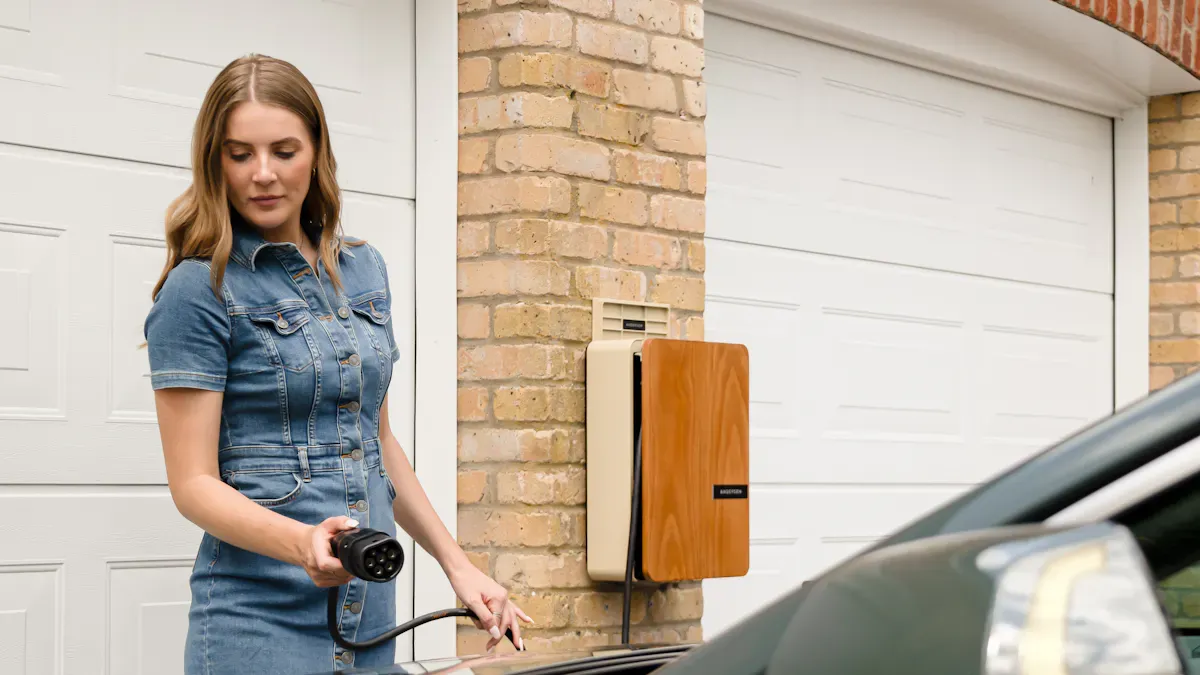
Success Stories from Thai Apartment Renters
How Renters Make Portable Charging Solutions Work
Many renters in Thailand have found practical ways to use portable ev chargers in residential settings. One renter in Bangkok shared that he charges his ev overnight in a shared parking space. He checks the outlet for safety and uses a certified charger. She stores the charger in her apartment when not in use. Another renter in Chiang Mai uses a portable charger at both his residential building and his workplace. He keeps the charger in his vehicle and adapts to different locations. They avoid installation delays and approval processes by using portable solutions.
Some renters have formed small groups in their residential complexes. They share tips about ev charging and help each other find suitable outlets. One group created a schedule for using a shared outlet in the parking area. They communicate with building management to ensure compliance with safety rules. These renters demonstrate that portable ev chargers can work in residential apartments with careful planning and cooperation.
Tip: Renters who communicate with neighbors and management often find more charging opportunities in residential buildings.
Common Problems and Solutions for Apartment Charging
Workarounds for Charging Challenges in Thailand
Renters face several challenges when charging evs in residential apartments. Limited electrical capacity and outlet compatibility often cause problems. One renter solved this by using a Cargador de nivel 1, which draws less power. He consulted an electrician to confirm the outlet could handle the load. Another renter experienced theft risk in a shared parking lot. She purchased a lockable storage box for her portable charger and placed it near her vehicle.
Some renters struggle with slow charging times. They plan their ev usage by charging overnight or during work hours. One renter uses public charging stations when he needs a faster charge. He combines portable charging at home with public options to maintain flexibility. Renters who lack access to outlets in their residential buildings sometimes request permission to install a dedicated outlet. They present safety certifications and insurance documents to building management.
| Problema | Solución |
|---|---|
| Limited electrical load | Use Level 1 charger, consult electrician |
| Outlet incompatibility | Purchase certified adapters |
| Theft risk | Use lockable storage box |
| Slow charging | Combine home and public charging |
| No outlet access | Request dedicated outlet with approval |
Note: Renters who prepare for common challenges increase the reliability of ev charging in residential apartments.
Tips for Apartment Renters Considering Portable EV Chargers in Thailand
Assessing Your Apartment’s Electrical Setup for a Charger
Apartment renters should begin by evaluating the electrical setup in their living space. They need to identify available outlets and check their voltage and amperage ratings. Many Thai apartments use 220V outlets, but some older buildings may have different standards. Renters should look for grounded outlets to ensure safe operation of chargers. Consulting a licensed electrician can help determine if the wiring supports electric vehicle charging. An electrician can also recommend upgrades if the current system cannot handle the load. This assessment prevents electrical hazards and ensures reliable charging for vehicles.
Tip: Renters should avoid using extension cords or unapproved adapters with portable chargers. These items can increase the risk of overheating and electrical fires.
Communicating with Building Management about Charging Solutions
Open communication with building management helps prevent misunderstandings. Renters should explain their need for electric vehicle charging and present information about portable chargers. They can highlight that these solutions do not require permanent installation or modifications to the apartment. Providing documentation from manufacturers like TPSON can reassure management about safety and compliance. Renters should ask about any building policies related to electric charging and clarify if there are designated outlets for this purpose. Keeping records of all communications helps resolve disputes if they arise.
A table can help organize key discussion points:
| Tema | Details to Discuss |
|---|---|
| Certificaciones de seguridad | Present charger certifications |
| Disponibilidad de puntos de venta | Identify suitable locations |
| Building Policies | Clarify rules for charging |
| Insurance Requirements | Confirm liability coverage |
Maximizing Charging Efficiency with Portable EV Chargers
Renters can improve charging efficiency by following a few best practices. They should charge their vehicles during off-peak hours when electricity demand is lower. This approach can reduce costs and minimize strain on the building’s electrical system. Keeping the charger and connectors clean ensures optimal performance. Renters should monitor charging sessions and unplug the charger once the vehicle reaches full capacity. This habit conserves energy and extends the lifespan of both the charger and the vehicle’s battery.
Portable chargers offer convenience for apartment dwellers who need flexible charging solutions. Renters can transport these chargers between locations, which supports a mobile lifestyle. They should store chargers in a dry, secure place to prevent damage or theft. Regular inspection of cables and plugs helps maintain safety and reliability.
Note: Renters who follow manufacturer guidelines and local regulations will enjoy a safer and more efficient charging experience.
Safety Tips for Using Portable Chargers in Thai Apartments
Apartment renters in Thailand must prioritize safety when using portable EV chargers. Electrical systems in residential buildings often differ in quality and capacity. Following best practices reduces risks and ensures reliable charging.
Key Safety Tips for Renters:
Inspect Outlets Before Use:
Residents should check outlets for signs of wear, discoloration, or loose connections. Faulty outlets can cause overheating or electrical fires. If any damage appears, they should contact a licensed electrician before plugging in a charger.Use Certified Chargers Only:
Renters should select chargers with certifications from recognized authorities such as CE or TISI. Certified chargers meet safety standards and reduce the risk of electrical accidents.Avoid Extension Cords and Unapproved Adapters:
Extension cords and non-certified adapters can overheat or fail under heavy loads. Renters should always plug chargers directly into grounded outlets designed for high current.Monitor Charging Sessions:
Residents should not leave chargers unattended for extended periods. Regular checks during charging help detect unusual heat, smells, or noises. If any abnormality occurs, they should stop charging immediately.Keep Chargers Dry and Clean:
Moisture and dust can damage electrical components. Renters should store chargers in a dry, secure place. They should wipe connectors with a clean cloth before each use.Secure the Charger Against Theft:
In shared parking areas, renters should use locks or security cables to prevent theft. They should store chargers indoors when not in use.Follow Manufacturer Instructions:
Each charger comes with specific guidelines. Renters should read the manual and follow all instructions for safe operation.
⚡ Consejo: Residents should schedule regular maintenance checks for both the charger and the vehicle’s charging port. Preventive care extends the lifespan of equipment and enhances safety.
Table: Common Safety Hazards and Prevention Methods
| Hazard | Prevention Method |
|---|---|
| Sobrecalentamiento | Use certified outlets and chargers |
| Electrical fire | Inspect outlets, avoid extension cords |
| Water damage | Store charger in dry location |
| Theft | Use locks, store charger indoors |
| Subidas de tensión | Choose chargers with surge protection |
Residents who follow these safety tips protect themselves, their vehicles, and their apartments. Responsible charging practices support the growth of electric mobility in Thailand’s residential sector.
Cargadores portátiles present a practical solution for many apartment renters in Thailand. They offer flexibility, lower costs, and independence as key benefits. Renters should assess their apartment’s electrical capacity and communicate with building management before purchase. If portable charging proves unworkable, public charging stations or workplace solutions provide strong alternatives.
PREGUNTAS FRECUENTES
Can apartment renters in Thailand use portable EV chargers without landlord approval?
Most portable EV chargers do not require permanent installation. Renters often use them without landlord approval. However, building policies may vary. Renters should always check with management to avoid conflicts or violations.
What type of outlet do portable EV chargers need in Thai apartments?
Portable EV chargers usually require a 220V grounded outlet. Some older apartments may not support this. Renters should confirm outlet compatibility and consult an electrician if unsure.
¿Cuánto se tarda en cargar un VE con un cargador portátil?
Charging time depends on the charger type and vehicle battery size. Level 1 chargers may take 12–18 hours for a full charge. Level 2 chargers can reduce this to 4–6 hours.
Are portable EV chargers safe to use in shared parking areas?
Portable EV chargers are safe when used with certified outlets and proper safety features. Renters should inspect outlets, avoid extension cords, and secure chargers to prevent theft or damage.
What should renters do if their apartment’s electrical system cannot support EV charging?
Renters should consult a licensed electrician to assess the electrical system. Upgrades may be possible. If not, they can use public charging stations or workplace chargers as alternatives.
Do portable EV chargers work with all electric vehicle models in Thailand?
Most portable chargers support common EV connector types. Renters should verify compatibility with their vehicle model and use certified adapters if needed.
Is insurance required for using a portable EV charger in an apartment?
Insurance is not always required, but highly recommended. Some policies exclude damages from unauthorized devices. Renters should check coverage and consider specialized EV insurance for added protection.
Can renters take their portable EV charger when moving to a new apartment?
Yes, renters can easily transport portable EV chargers. Lightweight designs and carrying cases make relocation simple. This flexibility benefits those who move frequently.