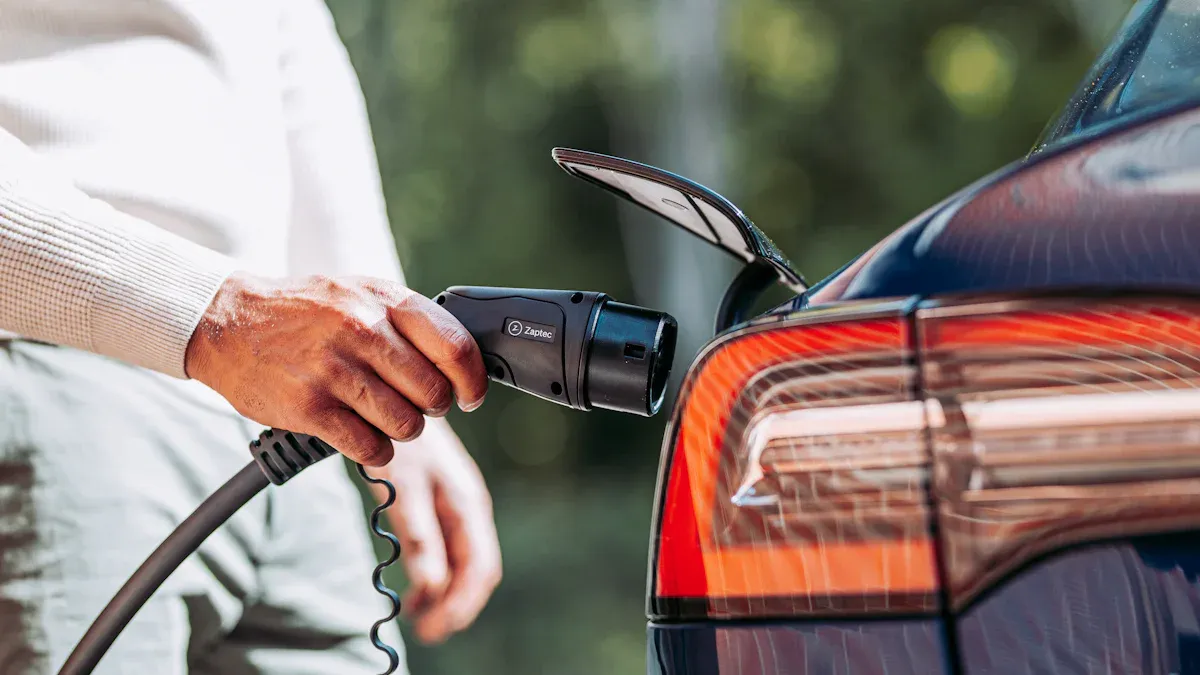
A qualified electrician must perform the installation of a home Cargador EV. This process ensures safe and efficient home charging for an EV. The right professional transforms a home into a personal charging station. Unlike simple cargadores portátiles ev, a permanent charger requires specific expertise. Technologically advanced Soluciones de recarga de vehículos eléctricos, like those from TPSON, demand professional setup for a dedicated EV charger. For safe EV charging at home, owners need a certified company.
In Germany, the law requires using a registered
certified electrical company(certified electrical company) with experience incharging equipment for electric vehicles(charging equipment for electric vehicles).
Fabricantes de cargadores para VE and local utility providers (local utility provider) offer lists of approved contractors. This simplifies finding an expert for your home charging point.
Verifying German Electrical Qualifications

Hiring the right professional is the most critical step for a safe and compliant wallbox installation. German regulations are strict for a reason. They protect your home, your vehicle, and the electrical grid. An EV owner must understand the required qualifications before hiring an electrician.
The Non-Negotiable: The ‘certified electrical company’
What is an ‘certified electrical company’?
En certified electrical company is a legally registered and certified electrical company. This designation means the company is listed in the local register of craftsmen (Chamber of Crafts) and is managed by a master electrician (master electrician). This is the baseline qualification for any electrical work in Germany.
Why This Certification is a Legal Requirement
German law mandates that only an certified electrical company can perform fixed electrical installations. This includes connecting a wallbox charger to your home’s electrical system. Using an uncertified individual voids your home insurance coverage for any related damages. It also poses significant safety risks. The law ensures every charging station meets national safety standards.
How to Verify an ‘certified electrical company’
An EV owner can verify a company’s status easily. Ask the company for their registration number and check it with the local Chamber of Crafts (Chamber of Crafts). Reputable firms will provide this information without hesitation.
Beyond Certification: Wallbox Installation Expertise
The Importance of Specialized Experience
General electrical certification is not enough for installing a modern Type 2 EV charger. A qualified electrician needs specific experience with charging equipment for electric vehicles (charging equipment for electric vehicles). They understand the unique power demands of Carga de vehículos eléctricos and the technology inside advanced chargers, like those from TPSON. This expertise ensures the charger performs optimally and safely.
Key Questions to Ask Your Potential Electrician
- How many EV wallbox chargers have you installed?
- Are you familiar with registering a charger with the local grid operator (
grid operator)? - Can you provide a detailed, itemized quote (
quote)? - Do you conduct a pre-installation site check (
on-site check)?
Red Flags to Watch For
Be cautious of any electrician who offers a very low price without a site visit, seems unfamiliar with the term
grid operator, or cannot show examples of previous EV charging projects. A professional will always insist on assessing your home’s electrical setup first.
Understanding German Electrical Codes for EV Charging
Technical Connection Rules (Technical Connection Rules for Low Voltage)
En Technical Connection Rules for Low Voltage (VDE-AR-N 4100) sets the technical rules for connecting systems, including an EV charging station, to the low-voltage grid. Your electrician must follow these rules to ensure the installation is compliant and does not destabilize the local power supply.
The Role of the VDE (Verband der Elektrotechnik)
The VDE (Association for Electrical, Electronic & Information Technologies) develops the standards that govern electrical safety in Germany. For EV charging, several key standards are mandatory.
- DIN VDE 0100-722: Governs the general installation of charging posts and wallboxes.
- DIN VDE 0100-443: Outlines requirements for surge protection.
- DIN VDE 0100-534: Provides the basis for installing surge protection devices.
Safety Requirements: RCDs and Circuit Breakers
A compliant installation for a Type 2 EV charger requires specific protective devices. This includes a dedicated circuit breaker to prevent overloads and a Residual Current Device (RCD) to protect against electric shock. Many modern wallbox chargers have a DC fault current sensor built-in, which simplifies the RCD requirement for your home system.
Where to Find a Qualified Electrician in Germany
Identifying a professional who meets Germany’s strict electrical standards is straightforward with the right approach. An EV owner has several reliable channels to find a certified expert for their home charging station installation. These methods help ensure the chosen professional is not only certified but also experienced with EV charging technology.
Method 1: Manufacturer-Certified Installer Networks
The company that made your Type 2 EV charger is an excellent starting point. Manufacturers have a vested interest in ensuring their products are installed correctly for optimal performance and safety.
Accessing Wallbox Brand Directories
Most major wallbox brands maintain an online directory of certified installation partners. An EV owner can typically find this on the manufacturer’s German website, often under a section labeled “installation partner,” “find a partner,” or “Service.” These directories are usually searchable by postal code (postal code), making it easy to locate professionals in your area.
The Benefits of Using a Certified Partner
Using a manufacturer-certified partner offers significant advantages. These installers have received specific training on the brand’s products. They understand the unique features and installation requirements of that particular charger. This expertise is crucial for advanced charging solutions, such as those from TPSON, which may have specific software or hardware configurations. This path often leads to a smoother installation and a more reliable charging experience.
Examples: Finding Installers for Major Brands
- Wallbox: The company’s website has a dedicated “Find an Installer” page.
- Heidelberg: They provide a search function for finding local electrical partners.
- ABL: This manufacturer also lists qualified partners who are experts in installing their charging equipment.
Consejo: When you find a potential installer through a brand directory, always confirm they are a registered
certified electrical companyfor your own peace of mind.
Method 2: Your Local Utility Provider (‘local utility provider’)
Your local municipal utility provider, or local utility provider, is another key resource for finding a qualified electrician. They are responsible for the stability of the local power grid and are directly involved in the registration process for any new charging station.
Why Your ‘local utility provider’ is a Key Resource
En local utility provider maintains a list of approved electrical contractors authorized to work on the local grid. These electricians are familiar with the specific technical connection requirements (Technical Connection Rules for Low Voltage) in your region. An EV owner who chooses an electrician from this list can be confident the professional understands the mandatory registration process for a new Type 2 EV charger.
How to Find and Contact Your Local Provider
An EV owner can identify their local local utility provider by looking at a recent electricity bill. A simple online search for “local utility provider + [Your City Name]” will also provide their contact information. Once you find their website, look for sections related to “electromobility,” “charging infrastructure,” or “installer directory” (installer directory).
What to Ask Your ‘local utility provider’
When contacting your local utility provider, you can ask for their list of registered electrical contractors. Here are a few key questions:
- Do you have a list of electricians approved for EV charger installations?
- What are the specific grid registration requirements in this area for a Type 2 EV charger?
- Can you confirm the process for registering a new home charging station?
Method 3: German Online Trade Portals
Online portals that connect homeowners with trade professionals can also be a source for finding an electrician. However, this method requires extra diligence from the EV owner.
Using ‘MyHammer’ for Electrical Work
MyHammer is a popular German portal where an EV owner can post a job for a Type 2 EV charger installation. You will receive offers from various electricians. This platform allows you to compare prices and view reviews from previous customers. It is a useful tool for getting multiple quotes for your EV charging project.
Using ‘CHECK24 Profis’ for Installers
Similar to MyHammer, CHECK24 Profis allows users to describe their project and receive quotes from local professionals. The platform is widely used for various home services, including the installation of a new charger. It provides another avenue for comparing the costs and services offered by different companies for your EV charging needs.
Filtering for Certified Professionals on Portals
Crucial Warning: When using online portals, the responsibility to verify credentials falls on you. Never hire someone based on price alone.
- Filter Your Search: Look for options to filter for
certified electrical companyomaster craftsman's business.- Ask for Proof: Before accepting an offer, ask the electrician for their
Chamber of Craftsregistration number.- Verify: Check the number with your local Chamber of Crafts to confirm their status. This step is non-negotiable for a safe and legal installation of your charger at home.
Method 4: Local Searches and Recommendations
Digital directories are efficient, but traditional local searches and community recommendations offer a valuable, personal touch. An EV owner can uncover highly reputable professionals through these grassroots methods. This approach often leads to finding electricians who have a strong local reputation to uphold.
The Value of Local ‘electrician’ Searches
A simple online search can be surprisingly effective. Using targeted, local keywords helps an EV owner identify nearby electrical contractors quickly. This method provides a broad list of potential candidates for further investigation.
An EV owner should use precise search terms for the best results.
electrician [Your City Name]certified electrical company [Your Postal Code]Wallbox Installation [Your Neighborhood]
After finding a local company, the owner should examine its website. Look for a dedicated section on “electromobility” or photos of past EV charger installations. This initial check helps separate general electricians from specialists.
A local electrician often has intimate knowledge of the regional building codes and the local grid operator’s (grid operator) specific requirements. Their proximity can also lead to faster service and site visits.
Asking for Referrals in Expat Communities
Expat social media groups and online forums can be a goldmine for practical advice. Members often share candid feedback about their own experiences installing a home charging station. These referrals provide insights that official directories cannot.
An EV owner can gain valuable information from these communities:
- English-Speaking Electricians: Find professionals who can communicate complex technical details in English.
- Service Quality: Learn about an electrician’s punctuality, professionalism, and cleanliness.
- Process Navigation: Hear firsthand accounts of how an electrician handled the grid registration process.
Importante: A personal recommendation is a great starting point, not a final decision. The EV owner still holds the full responsibility to verify the electrician’s
certified electrical companycertification with the localChamber of Crafts. Never skip this critical verification step.
Checking the Local ‘Chamber of Crafts’ Directory
The most authoritative way to confirm an electrician’s legal status is through the local Chamber of Crafts (Chamber of Crafts). Every legitimate trade business in Germany must be registered here. Each Chamber of Crafts maintains a public directory, often called the craftsman search (craftsman search).
This directory serves two primary purposes:
- Finding Professionals: An EV owner can search for all registered electrical companies (
electrical technician) in their area. - Verifying Credentials: An owner can enter a company’s name to confirm it is a legally registered
certified electrical company.
| Paso | Acción | Propósito |
|---|---|---|
| 1 | Find your local Chamber of Crafts | Search online for “Chamber of Crafts + [Your State]”. |
| 2 | Locate the craftsman search | Navigate to the craftsman search or installer directory page. |
| 3 | Search for Electricians | Filter the search for the “electrical technician-Handwerk” trade. |
| 4 | Verify a Specific Company | Enter the name of a potential electrician to confirm their registration. |
This directory confirms a company’s basic legal qualification. However, it does not specify their experience with EV charging. An owner of a technologically advanced EV charging solution, like one from TPSON, should still ask the verified company about their specific expertise in installing modern, smart wallboxes.
The Step-by-Step Guide to Hiring and Installation
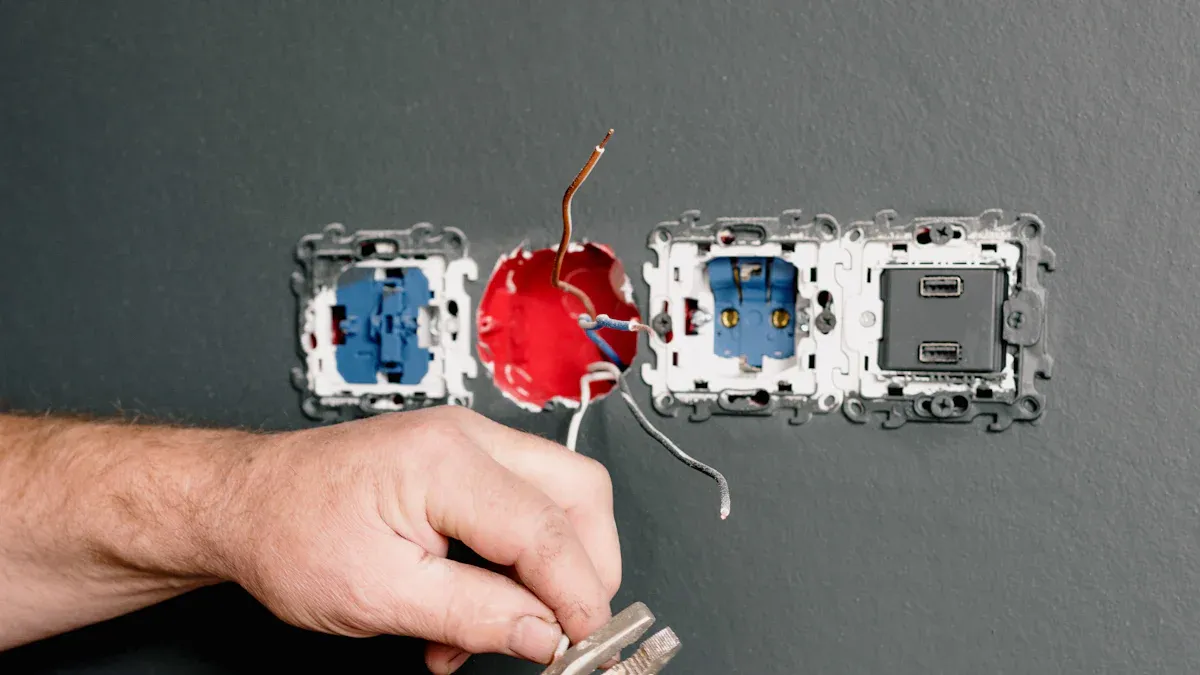
After finding potential candidates, the EV owner enters a structured process for instalar un cargador de VE. This journey from initial contact to the first successful charging session involves three distinct phases. Following these steps ensures a safe, compliant, and efficient electric car charger installation.
Phase 1: The Pre-Installation Site Check (‘on-site check’)
A professional will never provide a final quote without first inspecting the property. This initial site visit is a critical diagnostic step for a successful installation.
What is a ‘on-site check’?
En on-site check is a professional on-site assessment by the electrician. The expert evaluates the existing electrical infrastructure of the home. This check determines the feasibility and specific requirements for installing a new Type 2 EV charger. It forms the basis for an accurate and detailed cost estimate.
Assessing Your Electrical Panel (‘electrical panel’)
The electrician will first examine the home’s main electrical panel. Key assessment points include:
- Available Capacity: Is there enough power to support the new EV charger without overloading the system?
- Free Slots: Are there open slots for the new circuit breaker and RCD required for the charging station?
- Modernity: Does the panel meet current safety standards, or will it need an upgrade?
Planning the Cable Route
The expert plans the most efficient path for the power cable. This route runs from the electrical panel to the desired location of the Type 2 EV charger. The plan considers the distance and any necessary wall penetrations (wall penetration), which directly impact the final installation costs.
Determining the Final Installation Location
The EV owner and electrician will agree on the best spot for the home EV charger. The location must be practical for daily EV charging. It also needs to be reachable by the planned cable route. This decision finalizes the scope of work for the charging project.
Phase 2: Requesting and Comparing Quotes (‘quotee’)
With the site check complete, the EV owner can request formal offers. It is wise to get at least two to three detailed quotes to make an informed decision.
La importancia de los presupuestos múltiples
Multiple quotes provide a clear picture of the market rate for the job. They allow the EV owner to compare not just the final price but also the scope of services and materials included. This comparison helps identify the best value, not just the lowest cost.
Anatomy of a Detailed German Quote
Un presupuesto profesional (quote) should be itemized and transparent. An EV owner should look for these components:
| Componente | Descripción |
|---|---|
| labor costs | Labor costs, often listed as an hourly rate or a flat fee. |
| material costs | A list of all materials, like the cable, circuit breaker, and RCD. |
| travel costs | Travel costs for the electrician to get to the home. |
| registration | The fee for registering the Type 2 EV charger with the grid operator. |
Comparing Labor vs. Material Costs
An EV owner should analyze the breakdown of labor versus material costs. Unusually low labor costs could be a red flag. High material costs for a technologically advanced charger, like a TPSON model, are normal, but the owner should ensure all parts are clearly listed.
Understanding a ‘flat-rate offer’ (Flat-Rate Offer)
Some firms offer a flat-rate offer, or a flat-rate price for the entire installation. This can provide cost certainty. However, the EV owner must confirm exactly what the flat rate includes to avoid unexpected charges for “unforeseen” work. This is especially important for the charging at home setup.
Phase 3: The Installation Day and Handover
This is the final phase where the plan becomes a reality. The EV owner can expect a professional and systematic process.
What to Expect on Installation Day
The electrician will arrive to perform the work as outlined in the quote. This includes running the cable, mounting the Type 2 EV charger, and making all the necessary connections in the electrical panel. The process for a standard installation typically takes a few hours.
The Final Walkthrough and Testing
Once the charger is installed, the electrician will conduct a full functional test. This involves connecting the EV to the new charging station to ensure the charging process starts and operates correctly. The expert will also demonstrate the charger’s basic functions to the owner.
Receiving the ‘commissioning report’ (Commissioning Report)
This is your proof of a compliant installation. The electrician must provide a signed
commissioning report. This document certifies that the Type 2 EV charger was installed according to all VDE safety standards and is ready for operation. The EV owner must keep this report for their records and for insurance purposes.
Navigating Grid Registration and Legal Requirements
Installing a home EV charger involves more than just the physical work. An EV owner must also navigate Germany’s legal framework for grid registration. This process ensures the local power grid remains stable and safe for everyone. Understanding these requirements is essential for a compliant installation.
Understanding the Key Players
Two main entities are involved in your home’s electricity supply. An EV owner must know their distinct roles in the charger registration process.
‘grid operator’ (Grid Operator) vs. ‘electricity provider’ (Electricity Provider)
En electricity provider is the company that sells you electricity and sends you a bill. The grid operator, or grid operator, is responsible for the physical infrastructure. They own and maintain the power lines that deliver electricity to your home.
En grid operator‘s duties include:
- Receiving and reviewing grid connection applications for new devices like an EV charger.
- Providing information on grid availability in your area.
- Collaborating with electricians during the commissioning phase of a new charging station.
Why Registration is Mandatory
Registration is a legal requirement designed to protect the electrical grid. As more households adopt EV charging, the cumulative demand for power increases. The grid operator needs to know where new, high-draw devices are located to manage grid load effectively and prevent local outages. This is not a step an EV owner can skip.
Registering Wallboxes up to 11 kW
For most standard home chargers, the process is a simple notification. This applies to the majority of home EV charging setups.
The ‘duty to register’ (Duty to Register)
Germany has an duty to register for any charging device up to 11 kW. This means the EV owner has a duty to register, or notify, the grid operator about the new charger. This is not a request for permission; it is a mandatory declaration that the charger has been installed.
Who Handles the Registration?
A professional electrician is typically responsible for registering the wallbox unit with the grid operator. This registration is part of their comprehensive service, which covers the preliminary check, installation, and final commissioning of the EV charger.
Gaining Approval for Wallboxes Over 11 kW
Powerful chargers with a capacity greater than 11 kW require a more involved approval process. This requires explicit permission from the grid operator before any work begins.
The ‘duty to obtain approval’ (Duty to Obtain Approval)
These powerful chargers are subject to a duty to obtain approval, or a duty to obtain approval. The EV owner must secure formal permission to install an EV charger of this capacity. The grid operator must evaluate and grant this permission before the installation can proceed. This step is critical for high-speed charging solutions.
The Approval Process Explained
The electrician submits a formal request to the grid operator on the EV owner’s behalf. The operator then assesses whether the local grid can handle the additional load from the powerful EV charger. If the capacity is sufficient, they will grant permission. This proactive check prevents grid instability. An owner needs this permission to install an EV charger over 11 kW.
Potential Grid Upgrades and Associated Costs
If the grid operator determines the local infrastructure cannot support the high-power charging, they may deny the request or require a grid upgrade. Such upgrades can involve significant work and additional costs. The EV owner is usually responsible for this extra cost, which can substantially increase the total project price. These potential costs make the initial consultation with an electrician very important.
Understanding the Costs of a Qualified Electrician and Installation
An EV owner must understand the financial aspects of installing an EV charger. The total cost to install an electric car charger depends on several variables. A clear breakdown helps manage expectations and budget effectively for a new home charging station.
Breakdown of Installation Costs
The final invoice from a electricista cualificado will itemize several key charges. These components make up the total cost of the installation project.
Labor Costs for a Qualified Electrician
Labor represents a significant portion of the total cost. An electrician in Germany typically charges an hourly rate for their expertise. This fee covers the time spent on the installation, testing, and commissioning of the new EV charger. The complexity of the job directly influences the total hours required for the charging station setup.
Material Costs (Cables, Breakers, etc.)
Material costs include all the physical components needed for the installation. This is more than just the charger itself.
- Cabling: High-quality power cables to connect the charger to the panel.
- Protective Devices: A new circuit breaker and a Residual Current Device (RCD).
- Mounting Hardware: Brackets and conduits to secure the charger and cables.
The cost of these materials can vary based on the quality and specifications required for the home charging setup.
The Cost of the ‘on-site check’
Most professionals charge a separate fee for the initial on-site inspection (on-site check). This cost typically ranges from €50 to €150. Often, this fee is deducted from the final bill if the EV owner proceeds with the installation. This initial investment ensures an accurate and fair final quote for the charging project.
Factors That Influence the Final Price
Several on-site conditions can significantly affect the electric vehicle charger costs. These factors determine whether an installation is standard or complex.
Distancia del panel al cargador
The distance between the electrical panel and the desired location for the charging station is a primary cost driver. A longer distance requires more cabling and more labor. The required cable length typically adds an extra €12 to €23 for each additional meter to the total wallbox installation cost. This cost accounts for the increased equipment and labor needed for longer distances.
Need for Wall Break-throughs (‘wall penetration’)
If the cable must pass through thick concrete or multiple interior walls, the electrician must perform a wall penetration. This drilling work adds time and complexity to the job, increasing the overall installation cost.
Complexity of Your Existing Electrical System
An older home may have an outdated electrical panel that cannot support the demands of EV charging. The electrician must assess the system’s capacity and condition. A complex or outdated system will require more work to integrate the new charger safely.
Upgrading Your Main Electrical Panel
In some cases, the existing electrical panel may need a complete upgrade to handle the new load. This is the most significant factor that can increase the cost to install an electric car charger. An upgrade is a major electrical job that adds substantial material and labor costs to the project.
Average Cost Range in Germany
The final price for installing an EV charger falls into a broad range. The electric vehicle charger costs depend on the factors identified during the site check.
Standard Installation Cost Estimates
A standard installation involves a short cable run, no major wall penetrations, and a modern electrical panel.
For a straightforward installation, an EV owner can expect the cost to be between €600 and €1,300. This price typically includes labor, basic materials, and grid registration for the charging station.
Complex Installation Cost Estimates
A complex installation might involve a long cable run, multiple wall break-throughs, or a panel upgrade.
In these more demanding scenarios, the installation costs can rise to €1,800 to €3,000 or more. These higher costs reflect the additional labor and materials required for a safe and compliant charging at home solution.
Securing a qualified electrician is the final, crucial step for a safe EV charger installation. An EV owner must follow a clear checklist for a successful outcome.
- Verify the electrician’s
certified electrical companystatus and their specific experience installing an EV charger. - Use reliable sources like manufacturer directories to find candidates.
- Obtain multiple, itemized quotes that detail every cost.
- Confirm the quote includes registering the charger with the grid operator.
- Ensure you will receive a final commissioning report for your new charger.
Following these steps guarantees a compliant and reliable home charger.
PREGUNTAS FRECUENTES
Can I install a wallbox charger myself in Germany?
No. German law requires a registered certified electrical company (certified electrical company) to perform the installation. A DIY installation is illegal, unsafe, and will void your home insurance. This ensures a safe charging experience.
How long does a standard charger installation take?
A standard home installation typically takes between three to five hours. This includes mounting the charger, running the cable, making connections, and testing. The total time depends on the complexity of the job.
What is the main difference between installing an 11 kW and a 22 kW charger?
An 11 kW charger requires only registration (registration) with the grid operator. A 22 kW charger needs prior approval (Genehmigung) before installation can begin. This is a key difference in the charging setup process.
Do I need my landlord’s permission to install a charger?
Yes. A tenant must get written permission from their landlord before installing a home charging station. Germany’s “Right to Charge” law (Right to Charge) makes it difficult for landlords to refuse without a valid reason.
What happens if my electrical panel is too old?
An electrician will determine if your panel needs an upgrade during the site check. An upgrade is necessary for safety and adds significant labor and material costs to the project. This is a major factor in the final installation cost.
Why is the ‘commissioning report’ so important?
This commissioning report is your official proof that the charger was installed correctly and safely according to VDE standards. You need this document for insurance purposes and as a record of a compliant charging installation.
Can any electrician install a smart charger?
Aunque cualquier certified electrical company is legally qualified, an EV owner should choose one with specific experience. For a technologically advanced charger, like a TPSON model, an expert familiar with smart charging features ensures optimal performance.