
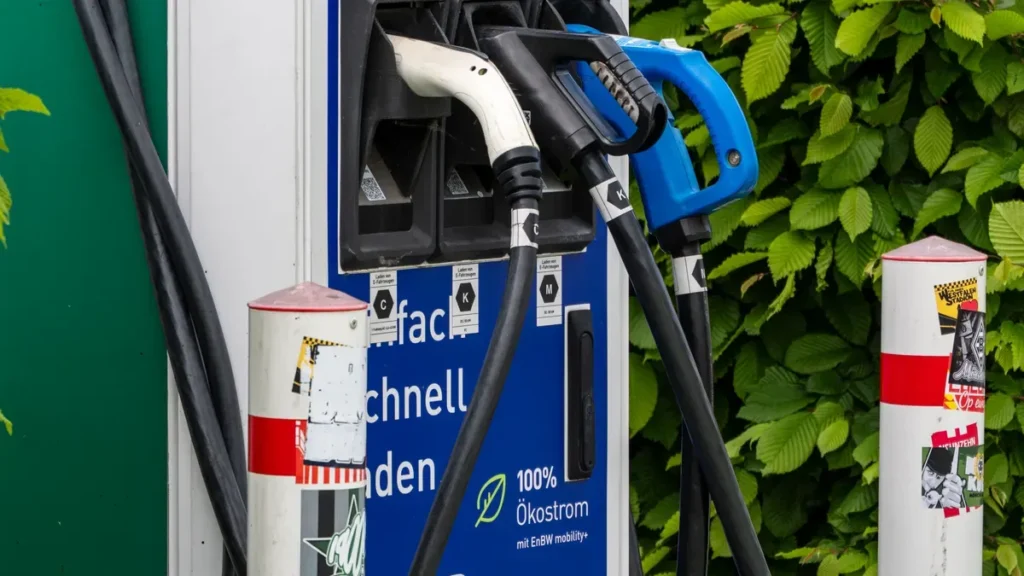
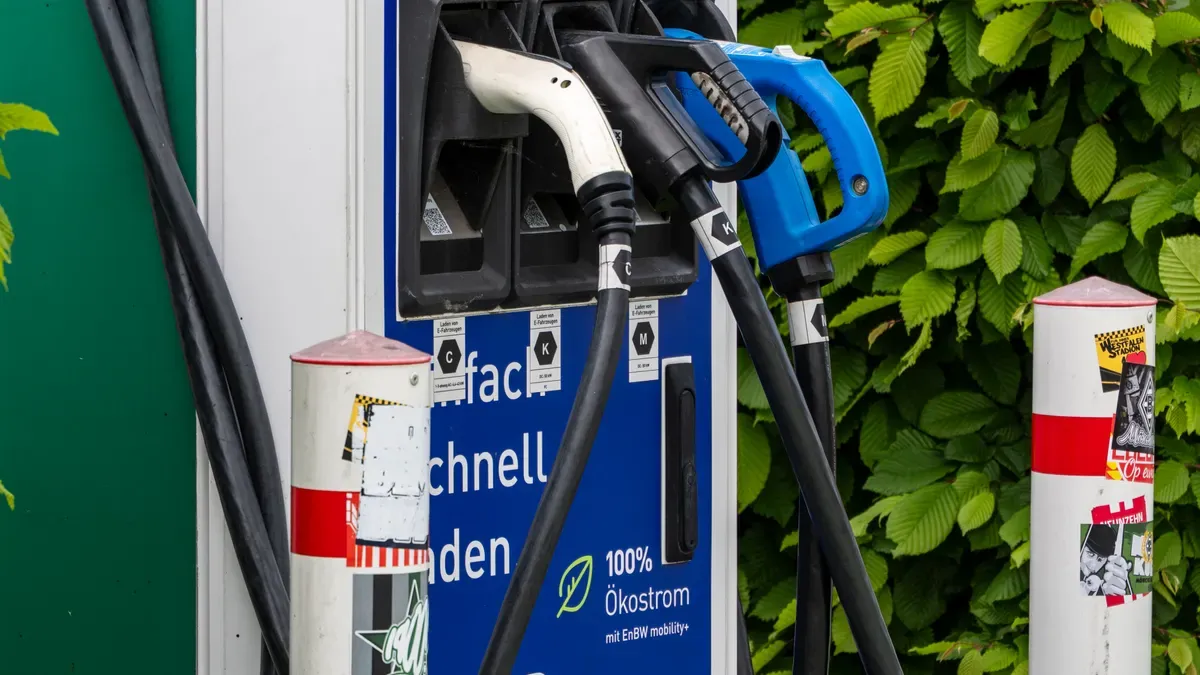
Many drivers discover the cheapest place to charge your electric car at free electric car charging points. These free charging points often appear at supermarkets, hotels, universities, and parks. Free electric car charging helps reduce costs for those who rely on Soluciones de recarga de vehículos eléctricos. The cost of home charging with off-peak rates remains lower than most public charging stations. For example, charging at home during off-peak hours for a 60 kWh battery costs £9, while public rapid charging can reach £42. The table below compares typical costs:
| Tipo de carga | Coste típico por kWh | 60 kWh Charge |
|---|---|---|
| Carga a domicilio | 20p – 35p | £12 – £21 |
| Cobro público | 50p – 90p+ | £30 – £54+ |
Free electric car charging points provide access to Cargador EV options from Fabricantes de cargadores para VE, and some locations offer cargadores portátiles ev for added convenience.
Free Electric Car Charging Points
Supermarkets Offering Free EV Charging
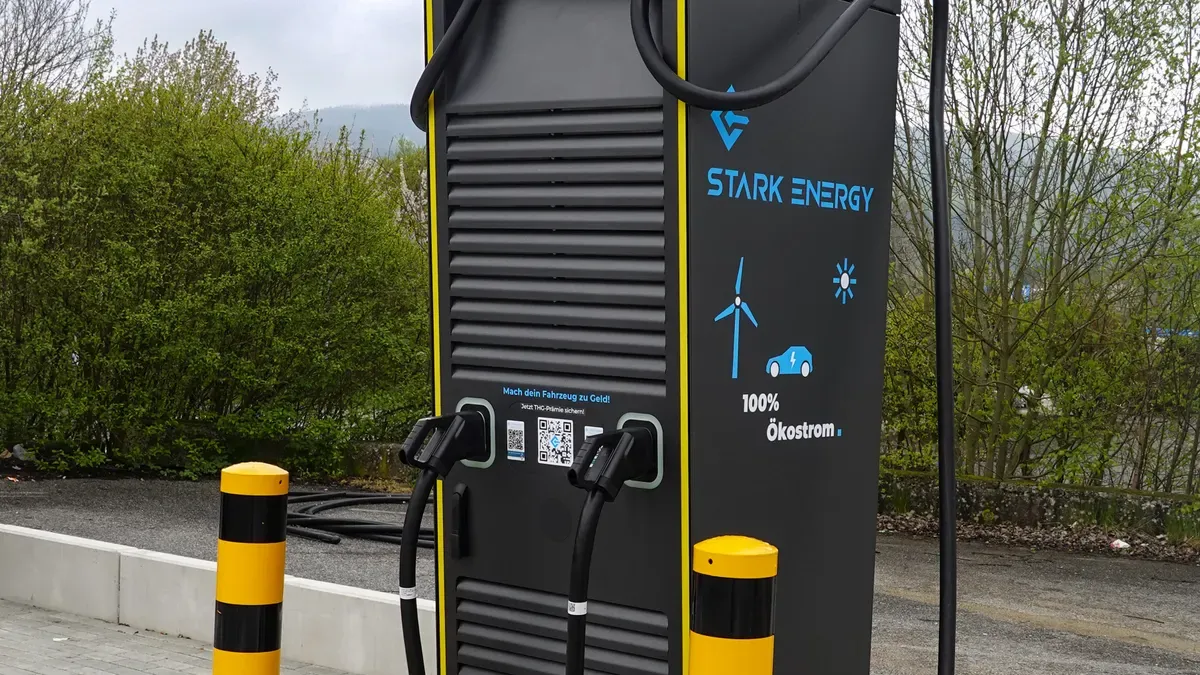
Supermarkets play a significant role in expanding access to free electric car charging. Many chains have installed free electric car chargers to attract environmentally conscious shoppers and support the transition to electric vehicles. These free EV charging points often appear in parking lots, making it convenient for drivers to charge their vehicles while shopping.
National Chains with Free Charging
Several national supermarket chains have invested in free EV chargers at supermarkets. The following table highlights some of the most notable chains and their current or planned offerings:
| Supermercado | Location Count | Notas |
|---|---|---|
| Auchan | Over 100 | Fast chargers that are free or accept various network cards. |
| Aldi | Muchos | Installing solar-powered fast chargers in Germany. |
Tesco has announced plans to install carga gratuita points at up to 600 stores, with almost 2,500 charging bays. However, since 2022, Tesco no longer offers free charging, and drivers now pay for this service. Lidl also transitioned to a paid model, requiring users to access chargers via an app. Sainsbury’s provides free charging at limited sites, but faster units operate on a pay-as-you-go basis. The table below summarizes eligibility conditions for free electric car charging at major supermarkets:
| Supermercado | Modelo de carga | Eligibility Conditions |
|---|---|---|
| Tesco | Paid | No free charging available since 2022 |
| Lidl | Paid (via app) | No free charging available |
| Aldi | Free (limited sites) | Limited to specific locations and may have time restrictions |
| Sainsbury’s | Free (limited sites) | Limited to specific locations and may have time restrictions; faster units are pay-as-you-go |
Free EV chargers at supermarkets remain a valuable resource for drivers who plan their shopping trips around charging needs. Free EV charging at these locations can help reduce the overall cost of vehicle ownership.
Regional Grocery Stores with Free Electric Car Charging
Regional grocery stores also contribute to the network of free electric car chargers. These stores often provide free-to-use chargers as part of their commitment to sustainability and customer service. Availability varies by region, and some stores may impose time limits or require registration. Drivers should check with local stores for the latest information on free car chargers and eligibility requirements.
Hotels Providing Free Electric Car Charging
Hotels have recognized the importance of offering free electric car charging as a guest amenity. Many properties now include free EV charging stations in their parking facilities, making it easier for travelers to maintain their vehicles during overnight stays.
Major Hotel Chains with Complimentary Charging
Some major hotel chains provide free electric car charging to guests. This service enhances the guest experience and encourages loyalty among EV owners. Hotels may offer free charging as part of the room rate, while others charge per kWh, per hour, or a flat overnight fee. Pricing remains competitive compared to public rapid charging options. Only one in five hotels in the UK currently offers on-site EV charging facilities, but the number continues to grow as demand increases.
- Many hotels offer free charging as a guest amenity.
- Some properties charge based on usage or time.
- The majority of new car registrations are electric or hybrid, increasing demand for free EV charging at hotels.
Independent Hotels and Boutique Venues
Independent hotels and boutique venues also participate in the expansion of free electric car charging. These establishments often use free EV charging to attract eco-conscious travelers and differentiate themselves from competitors. Drivers should confirm availability and any restrictions when booking, as policies may vary between properties.
Public Attractions with Free EV Charging
Public attractions, such as museums and parks, have become popular locations for free electric car charging. These venues install free electric vehicle chargers to attract visitors and encourage longer stays.
Museums and Cultural Centers
Museums and cultural centers frequently offer free electric car chargers in their parking areas. These free EV charging points serve as an added incentive for visitors, supporting both sustainability goals and customer satisfaction. Many public charge points at these attractions operate during business hours and may have restrictions based on user eligibility.
- Aproximadamente 2,500 free EV charging devices exist in the UK.
- Most free EV chargers are located in public car parks, tourist attractions, hotels, restaurants, museums, theatres, zoos, pubs, and garden centers.
- Free electric car charging at these sites encourages spending and repeat visits.
Parks and Nature Reserves
Parks and nature reserves also provide free electric car charging to support green transportation. For example, Aden Country Park offers eight EV charging points for public use. The park features two types of chargers: Fast Chargers (2 x Dual 22kW AC) and Standard Chargers (2 x Dual 7kW AC). Fast Chargers can fully recharge a car in about three hours, while Standard Chargers require around six hours. These free EV charging stations help visitors enjoy outdoor activities without worrying about battery levels.
Tip: Drivers should check for time restrictions and eligibility requirements before using free EV charging at public attractions. Some locations limit access to existing customers or operate only during specific hours.
Free electric car charging at public attractions continues to expand as part of broader initiatives to promote electric vehicle adoption and reduce emissions. Local authorities and private landowners work together to increase the number of free EV charging points available to the public.
Universities and College Campuses with Free Charging
Universities and college campuses have become important hubs for recarga gratuita de coches eléctricos. These institutions recognize the value of supporting sustainable transportation for students, faculty, and visitors. Free EV charging stations often appear in campus parking lots, making it easier for drivers to maintain their vehicles while attending classes or working on campus. The presence of free chargers demonstrates a commitment to environmental responsibility and enhances the appeal of the campus for prospective students.
Student Parking Areas
Student parking areas frequently feature free EV charging points. Many universities install these chargers to encourage students to adopt electric vehicles and reduce their carbon footprint. Access policies vary between institutions, with some offering unrestricted use and others requiring registration or authorization. Students benefit from the convenience of charging their vehicles during lectures or extracurricular activities.
Note: Students should check campus maps and parking regulations to locate free EV charging stations and understand any restrictions.
The following table outlines typical access conditions for free electric car charging at universities:
| Tipo de usuario | Tasa de carga | Access Conditions |
|---|---|---|
| Staff and Students | 48p/kWh | Must set up payment via Fuuse app and provide email to Sustainability team for authorization. |
| Visitors | 60p/kWh | Can charge without the app at standard rate, but must pay for parking via RingGo app. |
| General Public | N/A | Not specified for the Papillio 3 hub, but can use other charging points at standard rates. |
Some universities offer discounted rates for staff and students, while others provide free charging at select locations. Registration with campus sustainability programs or charging networks may be required. Students often find free EV charging most accessible in designated parking areas near dormitories or academic buildings.
Faculty and Staff Lots
Faculty and staff lots also provide free EV charging options. These lots typically feature chargers reserved for employees, supporting their transition to electric vehicles. Universities may offer discounted rates or free charging as part of employee benefits. Access often requires registration with a campus charging network or sustainability team.
The table below highlights additional access conditions for faculty and staff:
| Tipo de usuario | Tasa de carga | Access Conditions |
|---|---|---|
| Staff and Students | £0.25/kWh | Discounted rate available; must register with ChargePlace Scotland. |
| Público | £0.45/kWh | Restricted to certain charge points; must adhere to maximum charging time of 4 hours. |
Faculty and staff benefit from free EV charging during work hours, reducing commuting costs and supporting environmental goals. Some universities limit access to specific lots or require adherence to maximum charging times. Employees should review campus policies to maximize the benefits of free charging.
Municipal Buildings with Free Electric Car Charging
Municipal buildings have expanded their support for electric vehicles by offering free EV charging stations. These chargers appear at city halls, civic centers, libraries, and community centers. Local governments recognize the importance of providing free charging to promote sustainable transportation and reduce emissions.
City Halls and Civic Centers
City halls and civic centers often feature free EV charging points in their parking facilities. These locations serve as central hubs for government services and community events. Free charging at city halls encourages residents to adopt electric vehicles and supports municipal sustainability initiatives.
- City halls provide free EV charging for visitors attending meetings or accessing government services.
- Civic centers offer free charging during public events, making it easier for attendees to maintain their vehicles.
Access to free EV charging at city halls may require registration or adherence to parking regulations. Some municipalities limit charging times to ensure availability for all users.
Bibliotecas y centros comunitarios
Libraries and community centers also contribute to the network of free EV charging stations. These venues support local residents by offering free charging during visits for educational programs, recreational activities, or community meetings.
- Libraries provide free EV charging for patrons, supporting green transportation and community engagement.
- Community centers offer free charging for visitors attending classes, workshops, or events.
Municipal buildings regulate access to free EV charging through parking permits, time limits, or registration with local charging networks. Residents benefit from the convenience and cost savings associated with free charging at these public facilities.
Tip: Drivers should check municipal websites or charging locator apps to find free EV charging stations at city halls, libraries, and community centers.
Free EV charging at municipal buildings continues to grow as local governments invest in sustainable infrastructure. The expansion of free charging options supports the transition to electric vehicles and enhances the quality of life for residents.
Cheapest Place for Low-Cost Charging
Finding the cheapest place to charge your electric car often means looking beyond free electric car charging points. While free options remain ideal, many drivers rely on low-cost charging solutions at home, work, or through discounted public networks. Understanding these options helps drivers minimize cost and maximize convenience.
Home Charging with Off-Peak Electricity Rates
Home charging stands out as the cheapest way to charge for most EV owners. In deregulated regions, consumers can select electricity plans with off-peak rates that are 30-50% lower than standard prices. Charging your electric car overnight during these hours can significantly reduce annual cost.
Time-of-Use Plans for Cheapest Place Charging
Time-of-use plans offer lower rates during specific periods, usually at night. For example, charging at a peak rate of £0.20 per kWh results in an annual cost of £600, while off-peak charging at £0.06 per kWh drops the annual cost to £180. This difference makes off-peak charging the cheapest place for regular EV users.
| Escenario de Carga | Coste por kWh | Coste anual |
|---|---|---|
| Punta | £0.20 | £600 |
| Fuera de punta | £0.06 | £180 |
In North Dakota, Nebraska, and Missouri, the cost per kWh averages 11p, so a full charge costs about £7. In regions like Massachusetts or Maine, a full charge exceeds £18, and in Hawaii, it approaches £24. These figures highlight the importance of selecting the right plan for the cheapest way to charge.
Smart Charging and Scheduling
Smart charging systems allow drivers to schedule charging sessions during off-peak hours. Many modern chargers, including those from TPSON, offer scheduling features that automate this process. By charging your electric car when rates are lowest, drivers can further reduce cost and avoid higher electric car charging prices.
Tip: Use smart charging apps to set charging times and track savings.
Workplace Charging as a Low-Cost Option
Workplace charging provides another low-cost alternative for EV owners. Many employers now install electric car charging stations to support staff and visitors.
Employer-Provided Free or Discounted Charging
Some companies offer free electric car charging as an employee benefit. Enhanced employee satisfaction and retention result, with 73% of employees valuing this perk. Productivity increases as range anxiety decreases, and companies support sustainability goals.
Subsidized Charging Programs
Employers may also participate in government grant schemes. For example, vouchers can cover up to 75% of installation costs, up to £350 per socket. The Enhanced Capital Allowances program allows businesses to claim 100% first-year capital allowances on qualifying electric vehicle charging equipment. These programs make workplace charging one of the cheapest place options for regular commuters.
| Factor de Costo | Descripción |
|---|---|
| Instalación | Varies by number of points, speed, and site preparation |
| Operativo | Includes electricity rates and maintenance |
| Government Grants | Up to 75% of installation costs, up to £350 per socket |
Discounted Public Charging Networks
Discounted public networks offer another way to access the cheapest place for charging outside the home or workplace. Membership-based networks and utility-sponsored programs provide lower rates than standard electric car public charging.
Membership-Based Networks Offering Cheapest Place Charging
Several networks offer discounted rates for a monthly subscription. For example, Be.EV’s Mega Subscription costs £9.99 per month and reduces the charging rate to 39p per kWh, compared to the standard 79p per kWh. Other networks, such as Fastned, IONITY, and Tesla, provide similar discounts.
| Red | Coste de suscripción | Tarifa de Carga Estándar | Subscription Charging Rate |
|---|---|---|---|
| Be.EV | £4.99/£9.99 per month | 79p/kWh | 49p/kWh or 39p/kWh |
| Fastned | £9.98 per month | 74p/kWh | 52p/kWh |
| IONITY | £5.49/£10.50 per month | 79p/kWh | 53p/kWh or 43p/kWh |
| Tesla | £8.99 per month/£90 per year | 53p/kWh (peak)/37p/kWh (off peak) | 38p/kWh (peak)/26p/kWh (off peak) |
| Pulso BP | 7,85 £ al mes | 89p/kWh | 69p/kWh |
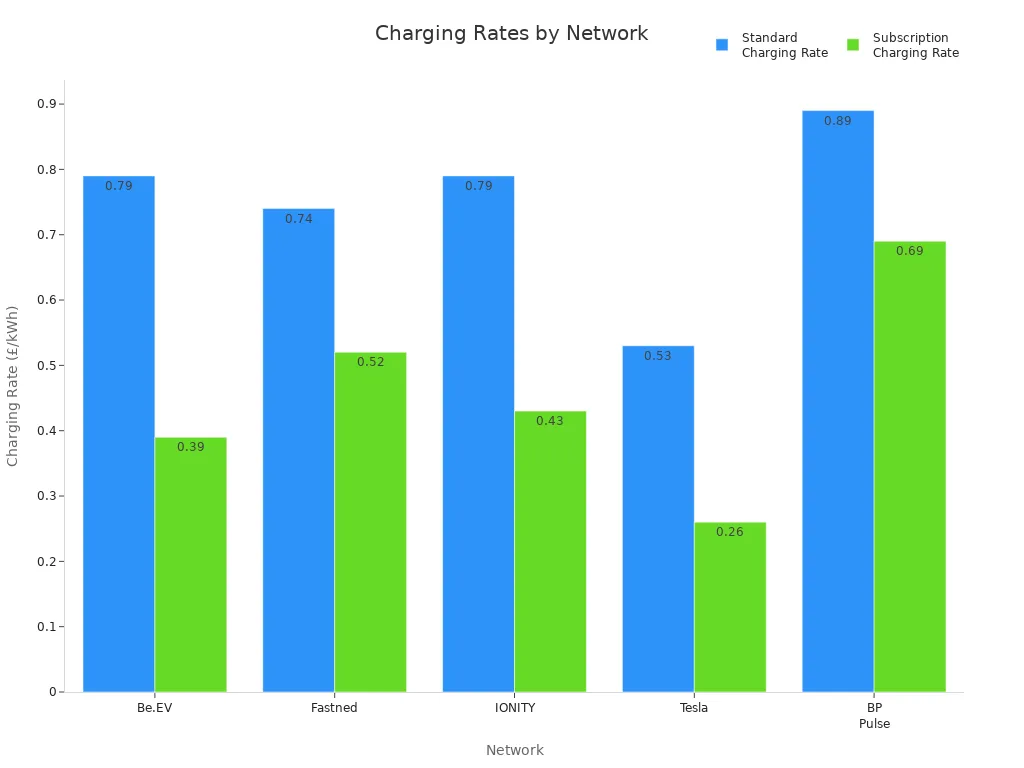
Subscription costs range from £4.99 to £60.00 per month, with discounted rates between 39p and 50p per kWh. These options help drivers find the cheapest place to charge when free electric car charging is unavailable.
Utility-Sponsored Charging Programs
Some utility companies offer special tariffs or discounted rates for electric vehicle charging. These programs often include incentives for off-peak charging and may provide access to exclusive charging locations. Utility-sponsored programs can further reduce cost and make charging your electric car more affordable.
Note: Always compare membership fees and discounted rates to standard prices before joining a network.
TPSON continues to innovate in electric car charging stations, offering advanced solutions for both home and public charging locations. By exploring all available options, drivers can consistently find the cheapest place to charge and keep their EV running at minimal cost.
Types of Chargers at Free and Cheapest Places
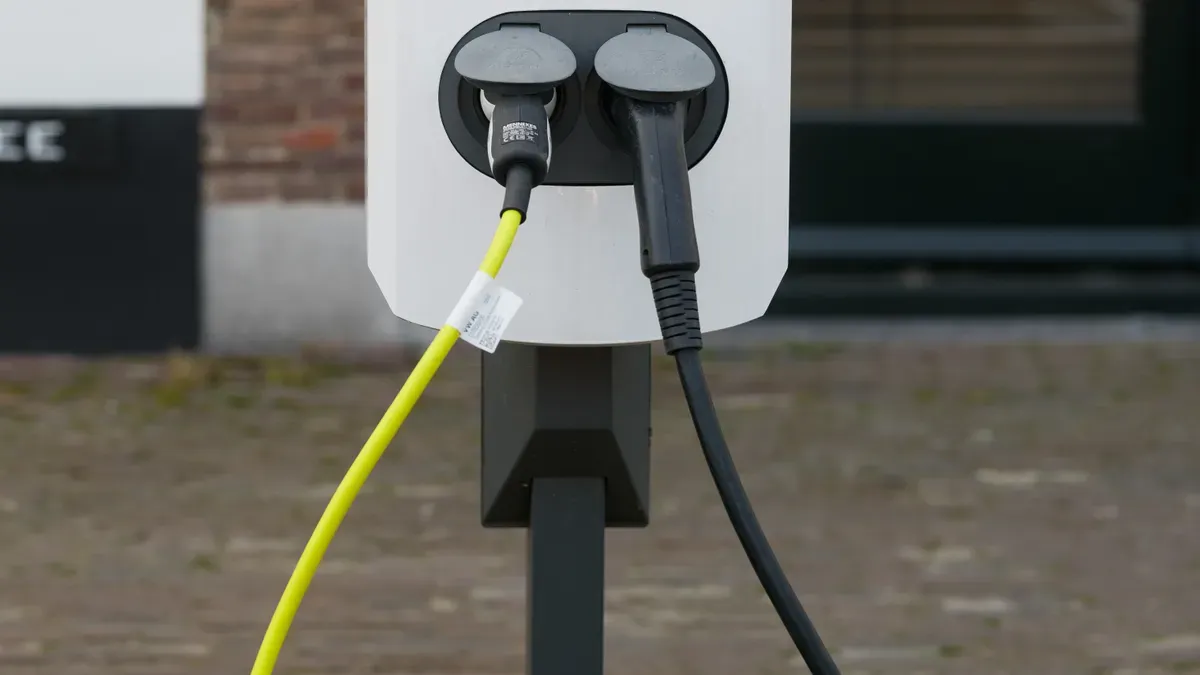
Electric vehicle drivers encounter several types of chargers at free and low-cost locations. Understanding the differences between Level 1, Level 2, and DC Fast chargers helps drivers select the best option for their needs.
Level 1 Chargers at Free Electric Car Charging Points
Ubicaciones típicas
Cargadores de nivel 1 appear at some public libraries, small hotels, and community centers. These chargers use a standard household outlet. Many free EV charging points in rural areas rely on Level 1 chargers because of their low installation cost.
Charging Speed and Limitations
Level 1 chargers provide the slowest charging speed. They add only 2 to 5 miles of range per hour. This speed suits overnight charging or long visits but does not meet the needs of drivers who require a quick charge. The table below compares charging speeds for each charger type:
| Tipo de cargador | Velocidad de carga (kilómetros/hora) | Time to Add 60-200 miles (minutes) |
|---|---|---|
| Nivel 1 | De 2 a 5 años | N/A |
| Nivel 2 | 10 a 60 | N/A |
| DC Rápido | 60 a 200 | 20 to 30 |
Level 1 charging works best for those who park for many hours. Drivers should not expect to fully charge an EV during a short stop with this option.
Level 2 Chargers at Free EV Charging Locations
Availability at Public and Private Sites
Level 2 chargers dominate the public EV charging landscape. Nearly 80% of public charging ports in the United States are Level 2 chargers. Drivers find these chargers at supermarkets, universities, hotels, and municipal buildings. Many workplaces also install Level 2 chargers for employees.
Velocidad de carga y compatibilidad
Level 2 chargers deliver 10 to 60 miles of range per hour. This speed allows most drivers to charge an EV during a shopping trip or workday. Level 2 chargers support all modern electric vehicles. Most free and low-cost charging locations use this type because it balances speed and cost.
DC Fast Chargers at Cheapest Place Locations
Where to Find Free or Low-Cost Fast Charging
DC Fast chargers provide the quickest charging experience. More than 20% of public EV charging ports in the United States are DC Fast chargers. Drivers find these at highway rest stops, large shopping centers, and select public attractions. Some utility-sponsored programs and membership networks offer discounted rates for DC Fast charging.
Restrictions and Time Limits
Many sites limit the time a vehicle can use a DC Fast charger. Typical restrictions range from 30 to 60 minutes. These limits ensure that more drivers can access fast charging. Free DC Fast charging remains rare, but some pilot programs and special events offer this option.
Tip: Drivers should always check for posted time limits and fees before starting a DC Fast charging session.
Access and Restrictions for Free EV Charging
Membership or Registration Requirements
Many locations allow drivers to access a free EV charger without any membership or registration. For example, First Charge Superhub Glasgow welcomes any member of the public with an electric vehicle to use their free charging facilities. Drivers do not need to sign up or commit to any membership. This open approach makes it easier for EV owners to charge their vehicles during errands or travel.
Store Loyalty Programs for Free Charging
Some supermarkets and retail chains offer free charging as a perk for loyalty program members. Drivers may need to register for a store loyalty card or app to access a free EV charger. These programs often reward frequent shoppers with complimentary charging sessions. Registration usually takes only a few minutes and provides additional benefits, such as discounts or exclusive offers.
Hotel Guest Policies for Free Electric Car Charging
Hotels typically reserve free charging for guests. To access a free EV charger at a hotel, drivers must book a room or use hotel facilities. Staff may require proof of reservation or guest status before allowing access. Policies vary, so travelers should confirm charging availability and any restrictions when booking accommodations.
Parking and Time Limits at Free Charging Points
Free charging points often impose parking and time limits to ensure fair access for all EV drivers. These rules help maintain the flow of vehicles and prevent prolonged occupancy.
| Rule Description | Impact on Usage and Availability |
|---|---|
| Drivers must charge while parked in EV bays | Ensures availability for other EV drivers once charging is complete |
| Time limits imposed on charging | Discourages prolonged occupancy, enhancing turnover of charging spaces |
| Fines for non-compliance | Encourages adherence to rules, maintaining flow of vehicles using charging facilities |
Duración máxima de la carga
Most free charging locations set a maximum charging duration, often between one and four hours. This limit allows more drivers to access a free EV charger throughout the day. Drivers should monitor their charging session and move their vehicle when finished to avoid penalties.
Enforcement and Penalties
Site managers enforce parking and time limits with signage, monitoring, and fines. Penalties for overstaying or blocking EV bays encourage compliance and keep charging spaces available. Drivers who fail to follow rules may receive fines or lose access privileges.
Geographic Availability of Free Electric Car Charging Points
The distribution of free charging points varies across regions. Urban areas offer more opportunities for drivers to access a free EV charger, while rural locations provide fewer options.
- Over 85% of public chargers are located in urban areas.
- Rural EV owners are more likely to have private parking, allowing for home charger installation.
- The geographical distribution of public chargepoints is uneven across the UK.
- More than 30% of chargepoints are situated in Greater London.
Urban vs. Rural Access
Urban centers provide greater access to free charging due to higher population density and infrastructure investment. Rural areas lag behind, so EV owners often rely on home charging solutions.
Diferencias regionales
London leads with an average of 210 public chargers per 100,000 people, far above the UK average of 80. Northern Ireland has the lowest availability, with only 24 chargers per 100,000 people. Urban areas dominate the landscape, creating disparities in access for rural EV drivers.
Drivers should check local maps and charging locator apps to find the nearest free charging points and understand regional differences in access.
How to Find the Cheapest Place for Free Electric Car Charging
Mobile Apps and Online Tools for Free EV Charging
Popular Charging Locator Apps
Drivers searching for the cheapest place to charge an EV often rely on mobile apps and online tools. These platforms help users locate free charging stations quickly and efficiently. The following table highlights some of the most effective apps for finding free EV charging options:
| Nombre de la aplicación | Características |
|---|---|
| Zapmap | UK’s most popular EV charging map; filter for ‘free to use’ chargers. |
| PlugShare | User reviews, access info, search for free public chargers. |
| ChargeFinder | Shows charging speed, cost, availability in real time, filters for free. |
These apps allow users to filter results, ensuring that only free charging points appear on the map. Many drivers use these tools to plan their charging stops and avoid unnecessary costs.
Filtering for Free or Cheapest Place Charging Stations
Most leading apps include advanced filtering options. Users can select filters for free EV charging, charging speed, and station availability. This feature saves time and helps drivers find the best place to charge without extra fees. Real-time updates show which stations are currently available, reducing the risk of arriving at an occupied charger.
Community and Crowdsourced Resources for Free Charging
Foros en línea y grupos de medios sociales
Community-driven platforms play a vital role in helping drivers find free EV charging locations. Online forums and social media groups provide a space for EV owners to share tips, report new free charging points, and discuss the reliability of public chargers. These communities often highlight hidden or lesser-known free charging spots.
User Reviews and Real-Time Updates
Platforms like PlugShare and Google Maps rely on user-generated content. Drivers post reviews, report station status, and update pricing information. This crowdsourced approach ensures that data remains current and accurate. Real-time updates help users avoid out-of-service chargers and find the most reliable free EV charging locations.
Tip: Checking recent user reviews can help drivers avoid non-functional or busy charging stations.
Planning Your Route for Free Electric Car Charging
Integrating Free Charging Stops into Trips
Effective route planning maximizes access to free charging. Drivers should optimize routes based on vehicle range and the location of free EV charging stations. Integrating charging stops into daily commutes or longer trips ensures that the vehicle remains powered without incurring extra costs.
Avoiding Peak Pricing and Fees
Advanced technology assists drivers in planning routes that avoid peak pricing and unnecessary fees. By leveraging route planning tools, drivers can integrate charging infrastructure into their travel plans. This strategy helps them take advantage of free public charging and avoid high-cost alternatives.
- Optimize routes based on vehicle range and charging station availability.
- Leverage advanced technology for route planning.
- Integrate charging infrastructure into the planning process.
Careful planning and the use of reliable apps and community resources enable drivers to consistently find the cheapest place to charge their EV.
Tips for Consistently Finding Free EV Charging
Combining Errands with Free Electric Car Charging
Shopping While Charging at Free Points
Many drivers maximize efficiency by planning shopping trips around locations that offer recarga gratuita de VE. Supermarkets and retail centers often provide charging stations in their parking lots. Shoppers can plug in their vehicles and complete their errands while the car charges. This approach saves time and reduces the need for separate charging stops.
Tip: Drivers should check store maps or use charging locator apps to identify which locations offer free charging before heading out.
Multi-Tasking at Free EV Charging Locations
EV owners often combine multiple tasks during a single charging session. For example, they might visit a library, attend a fitness class, or meet friends at a café while their vehicle charges. Many public spaces, such as community centers and parks, provide charging stations. By aligning daily activities with charging opportunities, drivers reduce downtime and make the most of each visit.
Maximizing Home Charging Savings at the Cheapest Place
Setting Up a Home Charger
Installing a home charger remains one of the most cost-effective ways to keep an EV ready for use. Home charging allows drivers to control when and how long they charge their vehicles. Many choose to charge overnight, taking advantage of lower electricity rates. A dedicated home charger also increases convenience and reliability.
Leveraging Utility Rebates and Incentives
Utility companies and government programs often provide rebates or incentives for installing home charging equipment. These offers can significantly lower the initial cost of a home charger. Some utilities also offer special rates for EV charging during off-peak hours. Drivers should research available programs in their area to maximize savings.
| Tipo de incentivo | Potential Benefit |
|---|---|
| Rebajas de servicios públicos | Reduce installation costs |
| Off-Peak Charging Rates | Lower cost per kWh |
| Créditos fiscales | Offset purchase and setup costs |
Staying Updated on New Free Electric Car Charging Offers
Signing Up for Alerts and Newsletters
Staying informed about new free charging opportunities helps drivers save money. Many charging networks and retailers send out newsletters or alerts when they introduce new free EV charging locations. By subscribing to these updates, drivers receive timely information about special offers and new charging points.
Participating in Pilot Programs
Some companies and municipalities launch pilot programs to test new charging solutions. These programs often provide free or discounted charging to participants. Drivers who join pilot programs can benefit from early access to new technology and additional savings.
Note: Participation in pilot programs may require registration or feedback about the charging experience.
By combining errands, maximizing home charging savings, and staying informed about new offers, drivers can consistently find the best places to charge their EV at little or no cost.
Free electric car charging points offer the cheapest place to charge an ev, but their availability depends on the location and the type of venue. Home charging with off-peak rates gives ev owners a reliable and low-cost alternative. Drivers can use apps and online tools to find free or discounted ev charging options at public sites. Combining multiple strategies helps every ev owner minimize charging costs and maximize convenience.
Tip: Regularly check for new ev charging offers to stay ahead and save more.
PREGUNTAS FRECUENTES
What is the absolute cheapest way to charge an electric car?
Free public charging points at supermarkets, hotels, and municipal buildings offer the lowest cost. Home charging with off-peak electricity rates provides the next most affordable option for most drivers.
Do all supermarkets offer free EV charging?
Not all supermarkets provide free EV charging. Some chains offer it at select locations, while others have switched to paid models. Drivers should check store policies before visiting.
How can drivers find free EV charging stations nearby?
Drivers can use apps like Zapmap, PlugShare, or ChargeFinder. These tools allow users to filter for free charging points and view real-time availability.
Are there any restrictions when using free charging points?
Many free charging points impose time limits or require registration. Some locations restrict access to customers or guests. Drivers should read posted rules to avoid penalties.
¿Es la recarga doméstica siempre más barata que la pública?
Home charging usually costs less, especially with off-peak rates. However, free public charging points can offer zero-cost charging, making them the most economical choice when available.
Can drivers use fast chargers for free?
Free DC fast charging remains rare. Some pilot programs or special events may offer it, but most fast chargers require payment or a subscription.
Do utility companies offer special rates for EV charging?
Many utility companies provide discounted rates for EV charging during off-peak hours. Some also offer rebates for installing home charging equipment.




