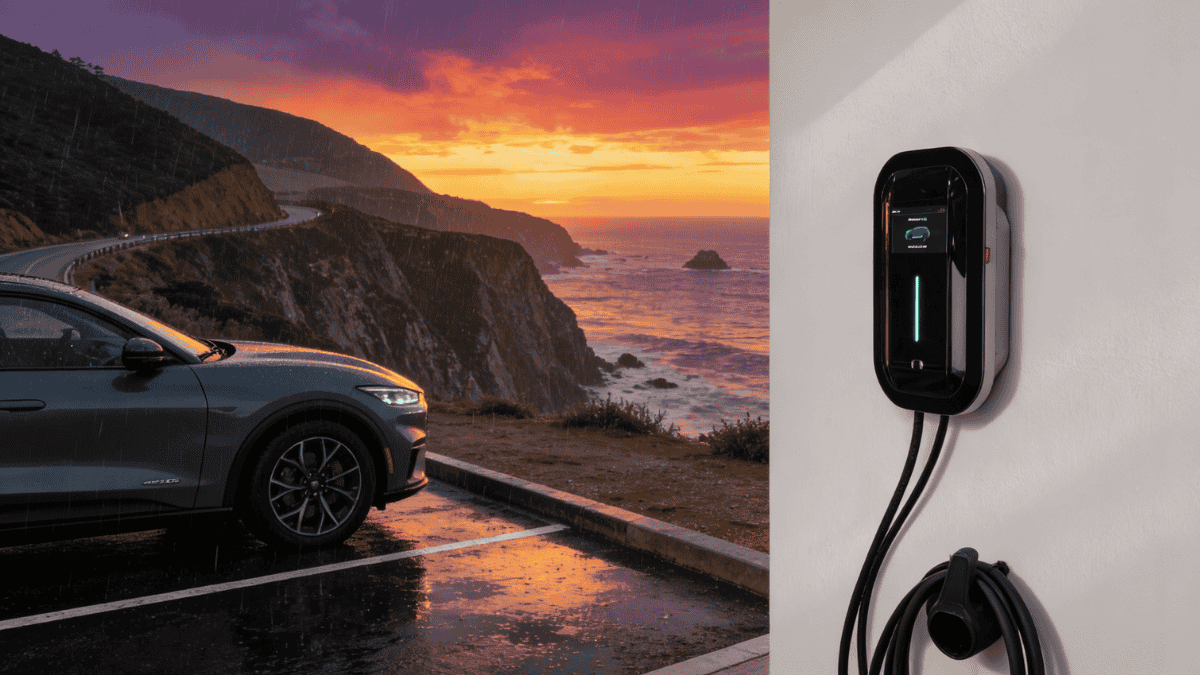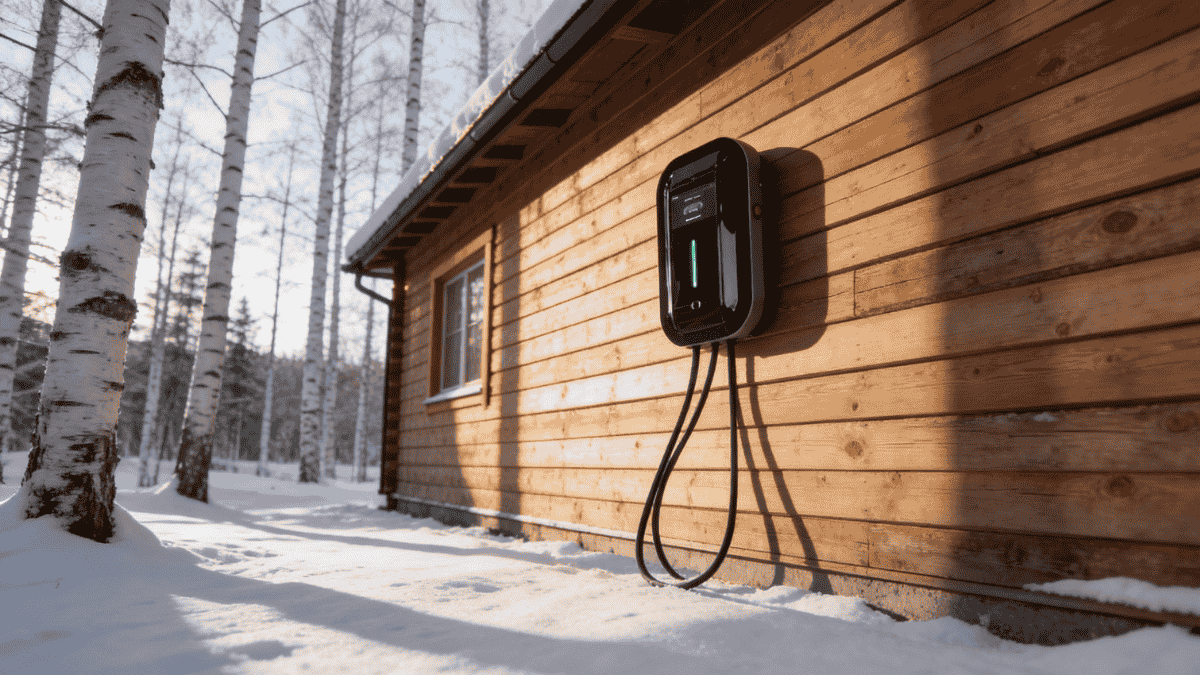
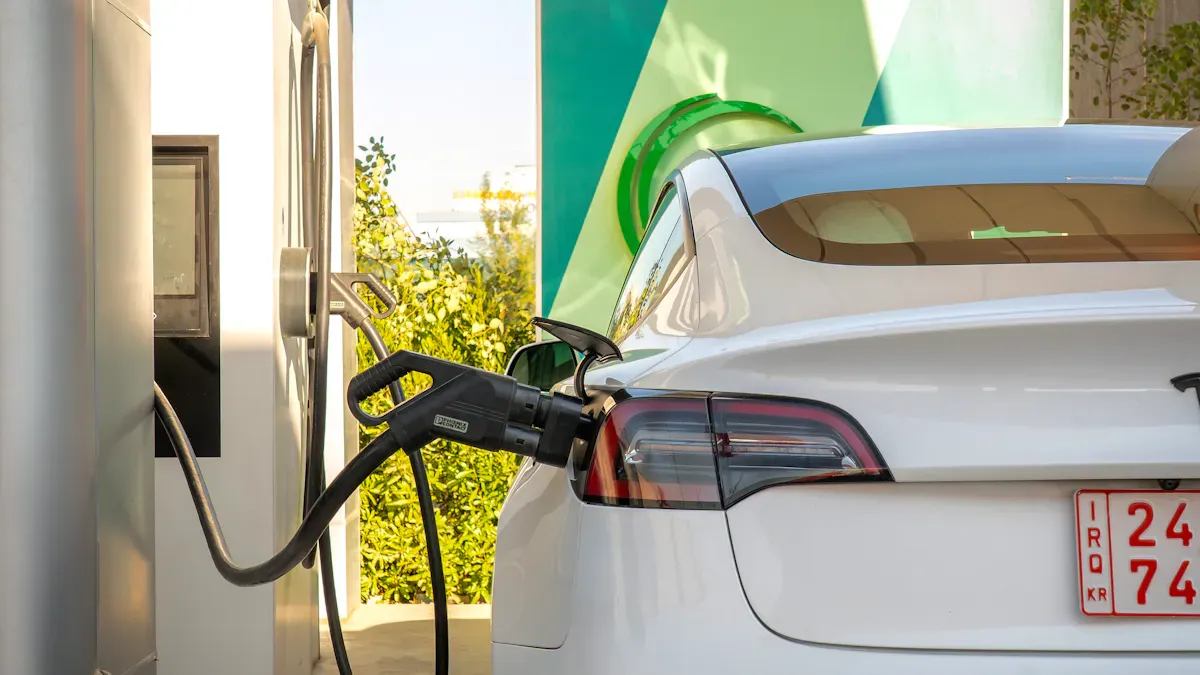
Para la mayoría de las empresas en Brasil, la mejor solución comercial a menudo implica elegir cargadores inteligentes debido a sus funciones avanzadas y adaptabilidad. Sin embargo, la decisión depende de varios factores, incluidos el costo, las características, la escalabilidad y las necesidades comerciales. La siguiente tabla destaca las diferencias clave:
| Característica | Cargador Simple | Cargador inteligente |
|---|---|---|
| Precio típico (hardware) | ~$300–$500 | ~$500–$900+ |
| Conectividad | Ninguno | Wi‑Fi/Bluetooth/Ethernet |
| Datos e informes | No disponible | Disponible |
El tamaño de la empresa, la frecuencia de uso y los planes de expansión futuros también juegan un papel crucial. Las empresas que buscan escalabilidad Soluciones de recarga de vehículos eléctricos o integración con energía renovable deben consultar Fabricantes de cargadores para VE para obtener orientación. Aquellas con requisitos limitados pueden considerar cargadores simples o cargadores portátiles ev para necesidades básicas.
Mejor Solución Comercial: Definición de Cargadores Inteligentes y Simples

Explicación de los Cargadores Inteligentes
Características
Cargadores inteligentes representan el nivel avanzado de la tecnología de carga de vehículos eléctricos. Estos dispositivos ofrecen una gama de funciones que respaldan las operaciones comerciales. Las empresas se benefician del monitoreo en tiempo real, diagnósticos remotos y control de acceso. Cargadores inteligentes se conectan a internet a través de Wi-Fi, Bluetooth o Ethernet, permitiendo la integración con sistemas de gestión de energía. TPSON, un proveedor de soluciones de carga para vehículos eléctricos tecnológicamente avanzado, ofrece cargadores inteligentes que se adaptan a las demandas de energía y optimizan los horarios de carga.
Los cargadores inteligentes permiten a las empresas rastrear datos de uso, gestionar la distribución de energía y controlar sesiones de carga de forma remota. Esta capacidad respalda la gestión de costos y mejora la eficiencia operativa.
| Característica | Cargadores inteligentes | Cargadores Simples |
|---|---|---|
| Funcionalidad | Gestionar energía, controlar sesiones, proporcionar datos de uso | Carga eléctrica simple |
| Experiencia del usuario | Monitoreo en tiempo real mediante aplicaciones | Conectar y cargar |
| Conectividad | Conexión a internet para funciones avanzadas | Sin conexión de red |
| Características | Diagnósticos remotos, control de acceso, gestión de energía | Funciones limitadas, sin acceso remoto |
| Coste | Costo inicial más alto, ahorro a largo plazo | Costo inicial más económico |
| Preparado para el futuro | Se adapta a la demanda y precios de la energía | Estático, no puede optimizar el uso de energía |
Operación
Los cargadores inteligentes operan mediante la integración de software y hardware inteligente. Se comunican con plataformas de gestión central, permitiendo a los operadores programar sesiones de carga y monitorear el rendimiento. Las empresas pueden establecer tarifas, restringir el acceso y recibir alertas sobre necesidades de mantenimiento. El sistema optimiza la carga según la demanda, protegiendo las baterías y reduciendo los costos de energía. Los cargadores inteligentes respaldan la Mejor Solución Comercial para empresas que buscan escalabilidad y eficiencia.
Explicación de los Cargadores Simples
Características
Los cargadores simples proporcionan funcionalidad de carga básica. Estos dispositivos carecen de conectividad y funciones avanzadas. Los usuarios conectan sus vehículos y reciben una carga eléctrica simple. Los cargadores simples no ofrecen acceso remoto, seguimiento de datos o gestión de energía. El costo inicial sigue siendo más bajo, lo que los hace atractivos para empresas con necesidades de carga limitadas.
| Aspecto | Cargadores Simples | Cargadores inteligentes |
|---|---|---|
| Funcionalidad | Capacidad de carga básica | Funciones avanzadas como análisis de datos y control remoto |
| Eficacia | Sin balanceo de carga | Optimiza la carga según la demanda |
| Protección de la Batería | Sin medidas de protección específicas | Protege las baterías controlando las tasas de carga |
| Gestión de Costos | Sin gestión de tarifas | Ofrece tarifas más económicas y restricciones de acceso |
| Gestión de la Red | Sin impacto en la demanda energética | Ayuda a gestionar los picos de demanda energética |
Operación
Los cargadores simples operan con una mecánica sencilla. Los usuarios conectan sus vehículos y el cargador suministra energía sin monitoreo ni control. Las empresas no pueden gestionar sesiones de carga ni optimizar el uso de energía. El mantenimiento sigue siendo simple, pero la falta de funciones avanzadas limita el valor a largo plazo. Los cargadores simples pueden ser adecuados para pequeñas empresas o ubicaciones donde la Mejor Solución Comercial no requiere escalabilidad o integración.
Mejor Solución Comercial: Comparación de Características y Beneficios
Conectividad y Control
Gestión remota
Los cargadores inteligentes ofrecen funciones avanzadas de conectividad y control que respaldan las operaciones comerciales. Las empresas en Brasil pueden gestionar su infraestructura de carga de forma remota, lo que agiliza las operaciones diarias y reduce la necesidad de intervención in situ. Las capacidades clave de gestión remota incluyen:
- Monitoreo en tiempo real del estado de carga en múltiples ubicaciones
- Gestión dinámica de carga para prevenir sobrecargas del sistema eléctrico
- Diagnósticos remotos que resuelven problemas menores sin enviar técnicos
- Capacidad para iniciar, detener o programar sesiones de carga desde un panel central
- Restricción del acceso al cargador a usuarios autorizados, como personal o inquilinos
- Generación de informes de uso para facturación y análisis operativo
Estas características ayudan a las empresas a mantener una alta disponibilidad y eficiencia operativa, haciendo de la gestión remota una ventaja central al evaluar la Mejor Solución Comercial.
Experiencia del usuario
La experiencia del usuario mejora significativamente con los cargadores inteligentes. Los empleados, visitantes y conductores de flotas se benefician de funciones como:
- Control de acceso y autenticación multiusuario
- Seguimiento de uso por empleado o departamento
- Capacidades de carga para visitantes
- Reglas de priorización para vehículos críticos para el negocio
- Opciones de precios escalonados para diferentes grupos de usuarios
Estas capacidades garantizan que los usuarios tengan una experiencia de carga fluida y segura. Las empresas pueden personalizar el acceso y los precios para satisfacer necesidades específicas, lo que aumenta la satisfacción y respalda una asignación eficiente de recursos.
Integración con Sistemas Empresariales
Seguimiento de Datos
Los cargadores inteligentes ofrecen un sólido seguimiento de datos que respalda la toma de decisiones informadas. Los operadores obtienen acceso a información en tiempo real sobre el consumo de energía, el tiempo de actividad de las estaciones y el comportamiento de los usuarios. La siguiente tabla resume los principales beneficios:
| Beneficio | Descripción |
|---|---|
| Eficiencia Operativa | La información en tiempo real sobre el consumo de energía y el tiempo de actividad de las estaciones permite una toma de decisiones basada en datos. |
| Gestión de Usuarios | Los operadores pueden definir niveles de acceso de usuarios y gestionar grupos de usuarios, mejorando el control sobre el acceso a la carga. |
| Optimización de Ingresos | Las opciones de precios personalizados y los paneles de control backend ayudan a realizar un seguimiento efectivo del rendimiento de los ingresos. |
El seguimiento de datos permite a las empresas optimizar operaciones, gestionar usuarios y maximizar ingresos, elementos esenciales de la Mejor Solución Comercial.
Compatibilidad del Sistema
La integración con los sistemas empresariales existentes es crucial para la escalabilidad y la eficiencia. Los cargadores inteligentes admiten una amplia gama de opciones de integración, como se muestra a continuación:
| Tipo de Integración | Descripción |
|---|---|
| Plataforma Back Office de ChargeMeEV | Capacidad API completa para integración con sistemas ERP/HR y aplicaciones para conductores de vehículos eléctricos. |
| Integración OCPP | Compatible con los protocolos OCPP 1.6 y 2.0.1, admitiendo más de 200 modelos de cargadores. |
| Integraciones EMS y BESS | Interoperabilidad con sistemas de gestión de energía y sistemas de almacenamiento de energía en baterías. |
| Interoperabilidad OCPI y OICP | Facilita la comunicación entre diferentes redes y plataformas de carga. |
| Servicios de Implementación OCPP | Servicios para implementar estándares OCPP en infraestructuras de carga. |
Estas funciones de integración permiten a las empresas conectar la infraestructura de carga con la planificación de recursos empresariales, la gestión de energía y otras plataformas críticas.
Análisis de costes
Inversión inicial
Los cargadores básicos generalmente requieren una inversión inicial menor. Las empresas con necesidades de carga limitadas pueden encontrar esto atractivo. Sin embargo, los cargadores inteligentes, aunque inicialmente más costosos, ofrecen funciones avanzadas que pueden generar valor a largo plazo.
Costes de instalación
Los costos de instalación varían según la complejidad del sistema. Los cargadores inteligentes pueden requerir trabajo adicional de redes e integración, lo que puede aumentar los gastos de instalación. Los cargadores básicos, con su funcionalidad simple, suelen tener costos de instalación más bajos.
Gastos de Mantenimiento
Los cargadores inteligentes reducen los gastos de mantenimiento mediante diagnósticos y monitoreo remotos. Las empresas pueden resolver problemas menores sin enviar técnicos al sitio, lo que minimiza el tiempo de inactividad y los costos de servicio. Los cargadores básicos, al carecer de estas funciones, pueden requerir inspecciones manuales más frecuentes.
Ahorros Operativos
Los cargadores inteligentes ayudan a las empresas a lograr ahorros operativos significativos. La siguiente tabla describe las principales áreas donde se producen los ahorros:
| Tipo de prueba | Descripción |
|---|---|
| Ahorro de costes energéticos | Los cargadores inteligentes evitan los precios máximos de electricidad, lo que conduce a menores costos de energía. |
| Salud de la Batería | Los cargadores inteligentes evitan la sobrecarga, lo que mejora la longevidad de la batería. |
| Gestión de Cargos por Demanda | Los cargadores inteligentes pueden reducir las tarifas impuestas por las compañías eléctricas basadas en el uso máximo de energía. |
Al optimizar el uso de energía y reducir los cargos por demanda, los cargadores inteligentes respaldan una operación más sostenible y rentable. Estos ahorros contribuyen a la propuesta de valor general al seleccionar la Mejor Solución Comercial para la carga comercial en Brasil.
Confiabilidad y Rendimiento
Tiempo de Actividad
Las empresas en Brasil requieren una infraestructura de carga que ofrezca un tiempo de actividad constante. Los cargadores inteligentes sobresalen en esta área al ofrecer diagnósticos remotos y monitoreo en tiempo real. Los operadores pueden detectar problemas temprano y resolverlos antes de que interrumpan el servicio. Este enfoque proactivo reduce el tiempo de inactividad y garantiza que los vehículos permanezcan cargados y listos para usar. Los cargadores básicos, al carecer de conectividad, no pueden proporcionar alertas o actualizaciones de estado. Como resultado, las empresas pueden descubrir problemas solo cuando los usuarios los informan, lo que lleva a períodos más largos de inactividad.
Necesidades de mantenimiento
Los cargadores inteligentes simplifican el mantenimiento mediante alertas automatizadas y resolución de problemas remota. Los técnicos a menudo pueden resolver fallas menores sin visitar el sitio, lo que ahorra tiempo y reduce costos. Las actualizaciones programadas de software y las funciones de mantenimiento predictivo mejoran aún más la confiabilidad. Los cargadores básicos, aunque mecánicamente simples, requieren inspecciones manuales y carecen de la capacidad de autodiagnóstico. Esta limitación puede aumentar los costos operativos y extender los tiempos de reparación, especialmente para empresas que gestionan múltiples ubicaciones.
Consideraciones de Seguridad
Protección de datos
La seguridad de los datos es una prioridad máxima para las redes de carga comerciales. Los cargadores inteligentes manejan información sensible, incluidas credenciales de usuario y datos de facturación. Abordan estas preocupaciones con varias características de protección:
| Característica de Seguridad | Descripción |
|---|---|
| Actualizaciones de Software Seguras | Los cargadores reciben actualizaciones automáticas y seguras para correcciones de seguridad y nuevas funciones. |
| Protección contra Manipulación | Los dispositivos detectan intentos de manipulación física o hackeo. |
| Comunicación Segura | Los datos intercambiados entre el cargador, la aplicación y los servidores están encriptados para prevenir accesos no autorizados. |
| Contraseñas Adecuadas | Los usuarios deben establecer contraseñas únicas, evitando valores predeterminados débiles como ‘1234’. |
Estas medidas ayudan a las empresas a cumplir con las regulaciones de protección de datos y salvaguardar la confianza del cliente.
Control de Acceso
Los cargadores inteligentes ofrecen opciones avanzadas de control de acceso. Los operadores pueden restringir los privilegios de carga a usuarios autorizados, como empleados o inquilinos. La autenticación multifactor y las herramientas de gestión de usuarios previenen el acceso no autorizado. Sin embargo, los cargadores inteligentes también introducen nuevos riesgos:
- Las vulnerabilidades en las API y el hardware pueden exponer los sistemas a la usurpación de cuentas.
- Las actualizaciones de firmware inseguras pueden permitir a los atacantes instalar puertas traseras.
- Los números de serie predecibles pueden permitir ataques de fuerza bruta.
- Interoperability protocols, such as OCPI, may propagate vulnerabilities across platforms.
Potential consequences include electricity theft, denial of service, and even destabilization of the power grid if attackers manipulate many chargers at once. Physical security remains important, but most threats target networked features. Businesses should prioritize regular security audits and enforce best practices to minimize risks.
Scalability and Flexibility
Infrastructure Expansion
Smart chargers provide modular and scalable solutions. Businesses can add new units as demand grows, integrating them seamlessly into existing networks. This flexibility supports the rapid expansion of electric vehicle adoption in Brazil. Dumb chargers, by contrast, lack monitoring and advanced features, which limits their effectiveness as infrastructure needs evolve. As electric vehicle uptake accelerates, companies must plan for significant increases in charging capacity.
- Smart chargers support modular upgrades and future-proof investments.
- Dumb chargers may require complete replacement to meet new requirements.
Adapting to Growth
Smart chargers offer unmatched flexibility for adapting to business growth. Operators can customize tariffs, user experiences, and integrations to suit specific needs.
| Característica | Beneficio |
|---|---|
| Personalización | Businesses can tailor tariffs, user experience, and integrations for unique requirements. |
| Escalabilidad | Charging networks expand efficiently as operations grow. |
| Controlar | Full control over intellectual property and data ensures business continuity and independence. |
A comprehensive solution for EV charging management enables quick deployment and smooth maintenance. Smart, scalable, and modular designs help businesses respond to changing market conditions and support long-term success. For companies seeking the Best Commercial Solution, these attributes ensure that charging infrastructure remains an asset as the business evolves.
A prueba de futuro
Actualizaciones tecnológicas
Businesses in Brazil must consider how their charging infrastructure will adapt to rapid changes in electric vehicle technology. Smart chargers offer a clear advantage in this area. These devices support over-the-air software updates, which allow manufacturers to add new features or improve performance without replacing hardware. As new EV models enter the market, smart chargers can receive compatibility updates, ensuring continued support for a wide range of vehicles.
Dumb chargers, on the other hand, lack the ability to upgrade through software. When new charging standards or protocols emerge, businesses may need to replace these units entirely. This approach increases long-term costs and disrupts operations. Smart chargers also enable integration with future energy management systems, such as solar panels or battery storage. This flexibility allows companies to optimize energy use and reduce costs as technology evolves.
Tip: When evaluating charging solutions, businesses should ask vendors about the frequency and process for software updates. Future-ready infrastructure reduces the risk of obsolescence.
Cumplimiento de la normativa
Brazil’s regulatory landscape for electric vehicle charging continues to evolve. Authorities introduce new safety, accessibility, and data privacy requirements as the market matures. Smart chargers help businesses stay compliant by supporting remote monitoring and automated reporting. These features simplify the process of demonstrating compliance during audits or inspections.
A table below highlights how smart and dumb chargers compare in meeting regulatory demands:
| Regulatory Area | Smart Chargers (Advantage) | Dumb Chargers (Limitation) |
|---|---|---|
| Normas de seguridad | Remote diagnostics, alerts | Manual checks only |
| Data Privacy | Encrypted data, access controls | No data management |
| Accesibilidad | User authentication, reporting | No user tracking |
| Reporting | Automated logs and reports | Manual record-keeping |
Smart chargers can adapt quickly to new rules through software updates. For example, if authorities require new data protection measures, manufacturers can deploy updates across all connected units. Dumb chargers require manual intervention or replacement to meet new standards.
Businesses seeking the Best Commercial Solution must prioritize future-proofing. By investing in smart charging infrastructure, companies can adapt to technological advances and regulatory changes with minimal disruption. This approach protects long-term investments and ensures ongoing compliance in a dynamic market.
Best Commercial Solution: Business Use Cases in Brazil
Small and Medium Businesses
Charging Needs
Small and medium businesses in Brazil often operate with limited parking spaces and moderate vehicle turnover. They require charging solutions that deliver reliability without unnecessary complexity. Many of these businesses use electric vehicles for local deliveries, employee transportation, or customer services. The main priority centers on ensuring that vehicles remain charged and ready for daily operations.
A simple charging setup can meet the needs of a small business with only a few electric vehicles. Dumb chargers provide a straightforward plug-and-charge experience. They suit locations where users do not need access control or advanced reporting. However, as the number of electric vehicles grows, the need for better management and monitoring increases. Smart chargers offer features such as remote monitoring and usage tracking, which help businesses optimize charging schedules and reduce downtime.
Cost Sensitivity
Cost remains a critical factor for small and medium businesses. Many owners seek solutions with low upfront investment and minimal ongoing expenses. Dumb chargers appeal to cost-sensitive businesses due to their lower purchase price and simple installation. These chargers require less infrastructure and do not need network connectivity.
However, smart chargers can deliver long-term savings by reducing energy costs and maintenance expenses. Remote diagnostics and load management features help prevent costly electrical upgrades and minimize downtime. Businesses that anticipate growth or want to future-proof their operations may find that investing in smart chargers offers better value over time.
Tip: Small and medium businesses should assess their current and future charging needs before making a decision. A scalable solution can prevent costly replacements as the business expands.
Large Enterprises and Fleets
High-Volume Charging
Large enterprises and fleet operators in Brazil face unique challenges. They must manage high charging volumes, coordinate multiple vehicles, and ensure operational efficiency. Smart chargers address these needs by providing advanced scheduling, monitoring, and control features. Fleet managers can track energy usage, monitor charger status, and automate charging sessions to match operational requirements.
The following table highlights key features that support large-scale fleet operations:
| Característica | Descripción |
|---|---|
| Charger Scheduling | Provides both manual and automatic scheduling for intelligent charging programs that meet fleet needs. |
| Automatic Fault Detection | Automatically detects hardware faults and connectivity issues, streamlining support responses. |
| Modular | Allows easy integration with different telematics providers or proprietary APIs. |
| Scalable | Designed to meet the size and budget of any fleet electrification program. |
| Secure | Developed as part of Europe’s largest fleet electrification programme covering 5,700+ charging stations. |
These features ensure that large enterprises can maintain high uptime and adapt to changing operational demands.
Energy Management Integration
Energy management plays a vital role in large-scale EV charging. Many enterprises integrate Sistemas de almacenamiento de energía en baterías (BESS) and proprietary Energy Management Systems (EMS) with their smart chargers. This integration allows businesses to:
- Use DC/DC fast chargers and lithium battery walls to store and deliver energy efficiently.
- Manage energy input from renewable sources, such as solar panels, to reduce grid dependence.
- Optimize energy flow to chargers and vehicles, improving overall efficiency.
- Leverage AI and real-time data to balance charging demand and maintain grid stability.
- Prevent grid overload by scheduling charging sessions during off-peak hours.
The EMS optimizes energy usage by managing charging schedules and integrating renewable energy sources. This approach enhances reliability and reduces operational costs, making it essential for large enterprises seeking the Mejor Solución Comercial.
Retail and Hospitality
Customer Experience
Retailers and hospitality providers in Brazil use EV charging stations to enhance the customer experience. Smart chargers offer easy access to wireless power, which improves convenience for guests and visitors. Many businesses integrate digital engagement technologies with their charging infrastructure. This integration allows for personalized services, such as mobile app notifications and loyalty rewards.
The following table summarizes the main benefits for retail and hospitality businesses:
| Beneficio | Descripción |
|---|---|
| Improved Guest Experience | Smart chargers provide easy access to wireless power, enhancing the overall experience for guests. |
| Aumento del tráfico peatonal | By offering charging solutions, venues can attract more visitors, boosting overall attendance. |
| Enhanced Marketing Opportunities | Integration of digital engagement technologies allows for targeted marketing and promotions. |
These advantages help businesses differentiate themselves in a competitive market.
Monetización
Retail and hospitality businesses can monetize their charging infrastructure in several ways. They may offer paid charging services to guests or partner with charging networks to generate additional revenue. Smart chargers support flexible pricing models, allowing operators to set tariffs based on demand, user type, or time of day. Usage data and reporting features enable businesses to track revenue and optimize pricing strategies.
Note: By offering EV charging, retail and hospitality businesses not only create new revenue streams but also strengthen their brand as sustainable and customer-focused.
Real Estate and Parking Operators
Tenant and Visitor Needs
Real estate and parking operators in Brazil face unique challenges when selecting electric vehicle charging solutions. They must address the needs of tenants and visitors who expect reliable, accessible, and modern charging infrastructure. Operators often manage properties with diverse user profiles, including residents, office workers, and short-term guests. Each group values convenience and security.
Smart chargers offer advanced features that enhance the user experience. Tenants benefit from access control, usage tracking, and mobile app integration. Visitors appreciate easy payment options and real-time availability updates. Operators can set tariffs for different user groups, ensuring fair billing and efficient resource allocation. Smart chargers also support scheduling, which helps high-mileage drivers charge during off-peak hours.
Dumb chargers provide basic functionality. Users plug in and charge without authentication or monitoring. This simplicity suits properties with occasional drivers or low demand. However, dumb chargers lack the flexibility to adapt to changing user needs. As electric vehicle adoption increases, tenants and visitors may request more sophisticated services.
The following table summarizes key considerations for real estate and parking operators:
| Consideración | Cargadores inteligentes | Cargadores Simples |
|---|---|---|
| Coste | Higher upfront cost but potential long-term savings | Lower initial cost |
| Características | Advanced features like solar integration and energy monitoring | Basic functionality only |
| Complejidad de la instalación | May require more complex installation due to features | Simpler installation |
| Tipo de propiedad | May need additional infrastructure for certain properties | Generally suitable for most setups |
| Driving Patterns | Benefits high-mileage drivers with scheduling options | Suitable for occasional drivers |
| Tarifas energéticas | Best with EV-friendly tariffs for cost savings | Limited integration options |
| Planes de futuro | Supports solar and battery storage integration | No future-proofing capabilities |
Operators should evaluate the driving patterns of tenants and visitors. Properties with frequent EV users gain more value from smart chargers, while locations with occasional drivers may prefer dumb chargers for simplicity.
Valor a Largo Plazo
Long-term value remains a critical factor for real estate and parking operators. Smart chargers deliver benefits that extend beyond initial installation. Operators can integrate solar panels and battery storage, reducing energy costs and supporting sustainability goals. Energy monitoring features help optimize consumption and avoid peak tariffs. These capabilities align with the Best Commercial Solution for properties seeking future-proof investments.
Smart chargers adapt to regulatory changes and evolving technology. Over-the-air software updates ensure compatibility with new EV models and charging standards. Operators maintain compliance with safety and data privacy requirements through automated reporting and remote diagnostics. This adaptability protects investments and minimizes disruption.
Dumb chargers offer lower upfront costs and simple maintenance. They suit properties with stable, low-demand charging needs. However, they lack integration options and future-proofing capabilities. As market conditions shift and tenant expectations rise, operators may need to upgrade or replace dumb chargers, increasing long-term expenses.
Operators should consider the following when evaluating long-term value:
- Potential for energy savings through smart features
- Ability to scale infrastructure as demand grows
- Compliance with evolving regulations
- Integration with renewable energy systems
- Enhanced property value and tenant satisfaction
Investing in smart chargers positions real estate and parking operators for growth. They can attract tenants who value sustainability and technology, increase property appeal, and support Brazil’s transition to electric mobility.
Best Commercial Solution: Factors Influencing Choice in Brazil
Local Market Conditions
Electricity Costs
Electricity prices in Brazil can vary significantly by region and time of day. Businesses in urban centers often face higher tariffs during peak hours. Smart chargers help companies manage these costs by scheduling charging sessions when rates are lower. Dumb chargers lack this flexibility, which can lead to higher operational expenses. Companies that operate in regions with fluctuating energy prices benefit from the advanced energy management features of smart chargers. Monitoring and controlling energy use becomes essential for businesses that want to optimize their budgets.
Incentivos públicos
Brazil’s government supports the adoption of electric vehicles through various incentives. These may include tax reductions, grants, or subsidies for installing charging infrastructure. Some states offer additional benefits for businesses that invest in sustainable technologies. Smart chargers often qualify for more incentives due to their advanced features and compliance with regulatory standards. Companies should research local and federal programs before making a decision. Leveraging available incentives can reduce upfront costs and improve return on investment.
Infrastructure and Grid Capacity
Urban vs. Rural
Infrastructure and grid capacity play a critical role in the feasibility of deploying smart chargers across Brazil. Urban areas usually possess robust electrical grids and better access to high-speed internet. These conditions support the installation of smart charging stations. Rural regions, however, may face challenges such as limited grid capacity and less reliable connectivity. Businesses must assess the local infrastructure before selecting a charging solution.
- Urban infrastructure supports advanced smart charging features and network integration.
- Rural areas may require additional investment to upgrade grid capacity or internet access.
- City typologies influence the financial and technical feasibility of smart charging solutions.
- Infrastructure investment reduces reliance on conventional energy sources and supports long-term growth.
Power Availability
Power availability determines the reliability of charging operations. Urban businesses often enjoy stable power supplies, which enable the use of smart chargers with advanced energy management. In contrast, rural businesses may experience power fluctuations or outages. Dumb chargers, with their simple design, can operate in areas with basic electrical infrastructure. Companies should evaluate the consistency of local power supply when planning their charging strategy.
Business Goals and Strategy
Sostenibilidad
Sustainability goals influence the choice of charging infrastructure. Many Brazilian businesses aim to reduce their carbon footprint and support the transition to clean energy. Cargadores inteligentes enable integration with renewable energy sources, such as solar panels or battery storage. These features help companies track emissions, optimize energy use, and demonstrate environmental responsibility. Dumb chargers offer limited support for sustainability initiatives.
Brand Positioning
Brand positioning shapes how customers and partners perceive a business. Companies that invest in smart charging infrastructure signal a commitment to innovation and sustainability. This approach can attract environmentally conscious clients and enhance corporate reputation. Smart chargers also provide data and reporting tools that support marketing and public relations efforts. Businesses that prioritize a modern, forward-thinking image often choose smart charging solutions to reinforce their brand values.
Best Commercial Solution: Making the Decision
Key Questions for Businesses
Current and Future Needs
Business leaders must first assess their current charging requirements. They should consider the number of electric vehicles in their fleet and the frequency of charging sessions. Companies with only a few vehicles may find basic chargers sufficient. However, those planning to expand their fleet or offer charging to customers will need scalable solutions.
Tip: Companies should project their needs for the next three to five years. This approach prevents costly upgrades and ensures the charging infrastructure supports business growth.
A simple checklist can help clarify needs:
- How many vehicles require charging daily?
- Will the business offer charging to employees, customers, or the public?
- Does the company plan to add more electric vehicles soon?
- Are there plans to integrate renewable energy or advanced energy management?
Budget and ROI
Budget constraints play a significant role in the decision process. Cargadores inteligentes require higher upfront investment but often deliver savings over time. Dumb chargers cost less initially but may lead to higher operational expenses if the business grows.
A comparison table can clarify the financial impact:
| Tipo de cargador | Costo Inicial | Mantenimiento | Ahorro a largo plazo | Upgrade Potential |
|---|---|---|---|---|
| Cargador Simple | Bajo | Moderado | Limitado | Bajo |
| Cargador inteligente | Moderate-High | Bajo | Alta | Alta |
Decision-makers should calculate the return on investment (ROI) by considering energy savings, maintenance costs, and potential revenue from paid charging services.
Implementation Steps
Vendor Selection
Selecting the right vendor ensures reliable support and product quality. Businesses should evaluate vendors based on:
- Product certifications and compliance with Brazilian standards
- Availability of technical support and warranty services
- Integration capabilities with existing systems
- Customer reviews and case studies
Note: A reputable vendor can provide guidance on installation, maintenance, and future upgrades.
Installation Planning
Proper planning streamlines installation and minimizes disruptions. Companies should:
- Assess site readiness, including electrical capacity and internet connectivity
- Obtain necessary permits and approvals
- Schedule installation during low-traffic periods to avoid business interruptions
- Coordinate with utility providers if grid upgrades are needed
A clear installation plan reduces delays and ensures safety.
Formación del personal
Staff must understand how to operate and manage the charging infrastructure. Training should cover:
- Basic charger operation and troubleshooting
- Use of management software for smart chargers
- Safety protocols and emergency procedures
Well-trained staff maximize uptime and enhance user satisfaction. Ongoing education ensures the team stays updated on new features and best practices.
Businesses in Brazil gain the most value from smart chargers when they require scalability, data integration, or advanced energy management. Dumb chargers suit small operations with basic needs and tight budgets. Decision-makers should list their charging goals, compare total costs, and consult with trusted vendors. They must assess local infrastructure and future growth plans. Each company should match its investment to its unique requirements. Careful evaluation ensures the chosen solution delivers long-term benefits and supports business growth.
PREGUNTAS FRECUENTES
What is the main difference between smart and dumb chargers?
Smart chargers offer remote management, data tracking, and integration with business systems. Dumb chargers provide basic charging without connectivity or advanced features.
Are smart chargers compatible with all electric vehicles in Brazil?
Most smart chargers support common EV standards. Businesses should confirm compatibility with their vehicle models before purchasing.
Can businesses upgrade from dumb chargers to smart chargers later?
Yes, businesses can replace dumb chargers with smart chargers. However, this may require additional installation work and investment.
Do smart chargers require internet access?
Smart chargers need internet connectivity for remote management and software updates. Dumb chargers do not require any network connection.
How do smart chargers help reduce electricity costs?
Smart chargers schedule charging during off-peak hours and balance loads. This reduces energy expenses and avoids demand charges.
Are there government incentives for installing smart chargers in Brazil?
Businesses may qualify for tax reductions, grants, or subsidies. Incentives often favor smart chargers due to their advanced features and compliance.
Which charger type is best for small businesses with limited budgets?
Dumb chargers suit small businesses with basic needs and tight budgets. Smart chargers offer more features but require higher upfront investment.