


A box charging station delivers a dedicated solution for home EV charging, providing reliable power for charging your electric car. This home charger connects directly to the vehicle, allowing users to charge efficiently and safely. Leading Fabricantes de cargadores para VE design these chargers to meet strict UK standards. Charging at home reduces costs and offers flexibility. Many homeowners select cargadores portátiles para vehículos eléctricos as part of their Soluciones de recarga de vehículos eléctricos to ensure convenience and compatibility with modern vehicles.
Home charging empowers drivers to control their charging schedule while benefiting from advanced technology.
Box Charging Station Explained
Simple Definition of a Box Charging Station
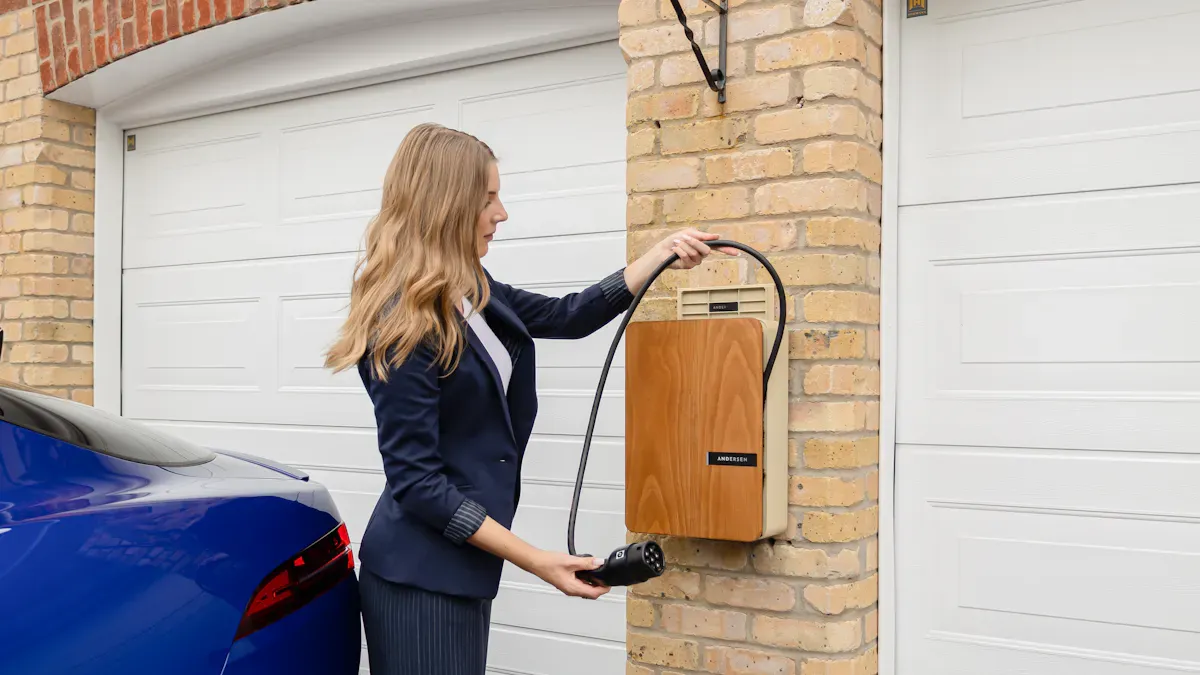
A box charging station serves as a dedicated device for charging electric vehicles at home. This station connects to the household electrical supply and delivers controlled power to the EV. Homeowners in the UK rely on this charger to ensure safe and efficient charging. The station often mounts on a wall or a post near the parking area. TPSON, a leading provider, offers advanced solutions that meet modern safety and performance standards.
Key Components of a Box Charging Station
A typical box charging station contains several essential hardware components. Each part plays a critical role in the charging process and ensures the safety of both the user and the vehicle. The following table outlines the main components found in most home charging stations:
| Componente | Descripción |
|---|---|
| Power Converter Board | Converts voltage and includes built-in protection (GFCI). |
| Communication Control Board | Interacts with the car using an analogue interface (pilot signal). |
| Communication Board | May include a modem for Wi-Fi or cable connectivity. |
The power converter board manages the flow of electricity and protects against faults. The communication control board allows the charger to interact with the EV, ensuring the correct charging rate. The communication board enables smart features, such as remote monitoring and scheduling, which many modern charging stations now support.
Box Charging Station vs Public Chargers
A box charging station at home offers several advantages over public chargers. Homeowners gain the convenience of charging their EV overnight or during off-peak hours. This flexibility reduces waiting times and eliminates the need to travel to a public charging station. Public chargers often serve multiple users and may require payment or membership. In contrast, a home charger provides exclusive access and can integrate with smart home systems for enhanced control.
Public charging stations usually deliver higher power output for rapid charging, but home stations focus on reliability and long-term battery health. Many drivers prefer the security and cost savings of home charging. TPSON and other manufacturers design home charging stations to meet the specific needs of UK households, ensuring compatibility with a wide range of EV models.
Note: Home charging stations support the daily needs of most EV owners, while public chargers remain essential for long journeys or when away from home.
Types of Home EV Charging Solutions in the UK
Tethered Box Charging Station
A tethered box charging station offers a practical solution for UK homeowners who want a reliable and secure charging setup. This charger features a permanently attached cable, making it easy to plug into the vehicle without searching for a separate cable. The design prevents cable theft and ensures consistent quality. Homeowners benefit from quick setup and straightforward operation. However, the tethered charging station limits flexibility because it usually supports only one connector type, such as Type 2. If the cable suffers damage, the entire unit may require professional inspection. The station suits fixed locations and home use, providing a fast charging experience for most EVs.
| Característica | Conectado Cargador EV | Cargador de VE autónomo |
|---|---|---|
| Cable incluido | Yes, permanently attached | No, cable must be provided separately |
| Setup Time | Quick and easy setup | Slightly longer due to manual cable handling |
| Cable Quality | Generally high-quality, built-in cables | Dependent on user’s choice of cable |
| Visual Appeal | Can appear bulkier due to attached cable | Sleeker and cleaner installation |
| Flexibilidad | Limited to the cable length provided by manufacturer | High flexibility in cable length and compatibility |
| Coste | Typically higher initial cost | Generally lower installation cost |
| Mantenimiento | Manufacturer handles cable maintenance | User responsible for cable upkeep |
| Use Cases | Ideal for fixed locations and home use | Suitable for varied environments and public use |
| Security Features | Often includes built-in security like locking | Relies on external cables for security |
| Upgradeability | Limited, as the cable is fixed | Easily upgrade to a better or longer cable |
| Compatibilidad | Typically compatible with specific EV models | Universal compatibility with various EV models |
| Aesthetic Integration | May require more space and can be less discreet | Offers a cleaner look with minimal visible cabling |
Untethered Box Charging Station
Untethered box charging stations provide greater flexibility for UK households. Owners can select the cable length that fits their parking arrangement, which is useful if the driveway changes or the station moves. The charger allows users to swap connector types, supporting a wide range of EVs as technology evolves. If the cable becomes damaged, the user can replace it without changing the entire charging station. This approach enhances longevity and usability. Untethered stations offer a sleeker look, making them ideal for those who value aesthetic integration. The station supports fast charging and adapts to different portable EV charging station setups.
- Owners can change cable length to suit parking needs.
- Connector types can be swapped for compatibility with new EV models.
- Damaged cables are easy to replace, improving station durability.
Smart Home EV Charging
Smart home EV charging stations deliver advanced features for UK homeowners. These chargers integrate with mobile apps, allowing users to schedule, track, and optimize charging from their phones. Dynamic load management balances energy across household devices, preventing overloads. Solar integration prioritizes renewable energy, making charging more sustainable. The station features weatherproof and impact-resistant housing, ensuring reliability outdoors. Smart charging stations support fast charging and level 2 charging, offering efficient power delivery. Homeowners can combine smart features with portable EV charging station options for maximum convenience.
| Característica | Descripción |
|---|---|
| Smart App Control | Schedule, track, and optimize charging right from your phone. |
| Gestión dinámica de la carga | Prevents power overloads by balancing energy across your home’s devices. |
| Integración solar | Prioritize solar energy for the most sustainable charge possible. |
| Durabilidad | Weatherproof design and impact-resistant housing for outdoor reliability. |
Tip: Smart charging stations help homeowners maximize efficiency and reduce electricity costs by taking advantage of off-peak rates.
Portable EV estación de carga solutions continue to evolve, offering fast charging, level 2 charging, and compatibility with a wide range of portable EV chargers. Homeowners can select the station that best fits their needs, whether they prefer a tethered, untethered, or smart charging station. The right choice ensures reliable charging for every vehicle and supports future upgrades.
Fast vs Slow Charging at Home
Homeowners in the UK often compare fast charging and slow charging when selecting a charging station. Fast charging at home typically uses a level 2 charger with a 7kW output. This charger can fully charge most electric vehicles in 6 to 8 hours. Slow charging, usually delivered by a 3kW level 2 charging station, may require over 12 hours to reach a full charge.
- A 7kW fast charging station suits drivers who need their EV ready each morning.
- A 3kW slow charging station works well for those who leave their vehicle plugged in overnight.
Fast chargers are common in public car parks and workplaces, but many UK homes now install these level 2 charging stations for daily use. Slow chargers remain ideal for overnight charging but do not provide quick top-ups. Drivers who value convenience and efficiency often choose a fast charging station for their home.
Tip: Fast charging at home helps drivers maximize their EV’s usability, especially for busy households with multiple vehicles.
Portable EV Charging Station Options
The UK market in 2024 offers a wide range of portable EV charging station options. These portable units provide flexibility for drivers who travel or lack a fixed parking space. Many portable EV charging station models now include smart features such as Wi-Fi or Bluetooth connectivity. These features allow users to schedule charging sessions and monitor energy usage from a mobile device.
Portable EV charging station designs also integrate with home energy systems. Some models support solar charging, which enables homeowners to use renewable energy for their EV. Bidirectional power sharing is another advanced feature, allowing the portable EV charging station to send energy back to the home during peak demand. Fleet operators and event organizers increasingly use mobile DC fast charging stations for temporary setups at construction sites or public events.
A portable EV charger offers a practical backup for emergencies. Drivers can keep a portable charger in the vehicle for use at friends’ homes or public outlets. The market continues to expand, with portable EV charging station solutions becoming more powerful and user-friendly.
Compatibility with UK EVs
Compatibility remains a key consideration when selecting a charging station. Most UK electric vehicles use the Type 2 connector, which works with both tethered and untethered level 2 charging stations. Portable EV charging station models often include adapters for different connector types, ensuring that drivers can charge various EV brands.
A level 2 charging station supports the majority of UK EVs, including popular models from Tesla, Nissan, and Volkswagen. Portable EV chargers also provide compatibility with plug-in hybrids and older electric vehicles. When choosing a portable EV charging station, drivers should check the connector type and power output to match their vehicle’s requirements.
Note: Always confirm that the charging station and portable EV charger meet UK safety standards and support your specific EV model.
How a Box Charging Station Works
Basic Charging Process for EVs
A box charging station streamlines the process of charging an EV at home. The journey begins with selecting the right charging station based on the desired charging speed and the location of installation. Homeowners must check their electrical setup to ensure it can support the chosen charger. Compatibility with the EV remains essential, so users should consult the vehicle manual and inspect the charging port before proceeding.
The next step involves choosing a suitable location for the charging station, often near the driveway or garage. Those without a private driveway may consider on-street charging solutions. Local councils sometimes require permits or inspections before installation. A qualified electrician should handle the installation to guarantee safety and compliance with UK standards. After installation, the homeowner tests the charging station to confirm proper operation. If the unit supports smart features, connecting it to Wi-Fi enables remote monitoring and scheduling. Understanding how to use the charger, including setting charging times and tracking energy usage, helps maximize efficiency. Users should always follow the manufacturer’s safety guidelines to ensure safe operation.
Tip: Regularly reviewing the charging station’s user manual helps homeowners stay updated on best practices and safety recommendations.
Connecting Your EV to a Box Charging Station
Connecting an EV to a box charging station requires attention to safety and proper equipment. Owners should always use a dedicated wall-mounted charging station for the most reliable and efficient charging experience. Before plugging in, they must verify that the home’s wiring and sockets can handle the load. Extension leads should never be used, as they may cause overheating or electrical faults.
High-quality charging cables play a vital role in safe operation. Drivers should inspect cables for any signs of wear or damage and ensure they do not create a trip hazard. Only compatible charging points and cables should be used, following both the vehicle’s manual and the charging station’s instructions. Many UK homeowners explore local incentives and support schemes to help with the cost of installing a charging station.
The connection process involves plugging the charging cable into the EV’s port and the charging station. Most modern chargers feature automatic safety checks before delivering power. Smart charging stations may require users to authenticate or schedule charging sessions through a mobile app. After charging, users should disconnect the cable and store it properly to maintain its condition.
Note: Routine inspection of charging equipment ensures long-term reliability and reduces the risk of electrical issues.
Charging Speeds and Power Output
Charging speeds and power output vary across different types of home charging stations. The table below outlines the typical power outputs for UK home chargers:
| Tipo de cargador | Potencia de salida |
|---|---|
| Slow Charger | 3 kW |
| Cargador rápido | 7 kW a 22 kW |
| Cargador rápido | De 50 kW a 150 kW |
Most home charging stations operate at 3.6 kW or 7.4 kW, providing approximately 15 to 30 miles of driving range per hour of charging. Charging from a standard three-pin plug at 2.3 kW delivers up to 8 miles of range per hour, but this method is slower and less efficient. Fast charging at home, typically at 7 kW, suits drivers who need their EV ready each morning. Some advanced home charging stations support up to 22 kW, but these require a three-phase power supply, which is less common in UK homes.
Fast charging remains the preferred choice for most households, balancing speed and battery health. Rapid chargers, offering 50 kW or more, are usually found at public charging stations rather than in residential settings. Homeowners should select a charging station that matches their EV’s maximum charging capability and their home’s electrical infrastructure.
Callout: Choosing the right charging speed ensures efficient energy use and extends the lifespan of the EV’s battery.
Key Features for Home EV Charging
Potencia de salida y velocidad de carga
Power output stands as a crucial factor in determining the efficiency of a home EV charging station. The potencia máxima of the charger limits the charging speed, even if the vehicle supports higher rates. Homeowners often select fast chargers with outputs between 7kW and 22kW for a balance of speed and accessibility. Slow chargers, typically around 3kW, suit overnight charging but do not meet urgent needs. Rapid and ultra-rapid chargers, ranging from 50kW to over 150kW, significantly reduce charging time if the vehicle supports such speeds.
Several variables influence charging speed:
- The state of charge (SoC) of the battery affects how quickly it can charge. Lower SoC allows for faster charging, especially entre 20% y 80% battery levels.
- A single-phase supply delivers less power than a three-phase system, which impacts charging times.
- Multiple EVs sharing the same power source can lead to slower charging due to shared output.
⚡ Choosing the right power output ensures efficient charging and maximizes the usability of the EV.
Funciones inteligentes y conectividad
Modern home EV charging stations offer advanced smart features and connectivity options. These features enhance user experience and optimize energy management. Many chargers support Wi-Fi, 4G, or both, enabling remote monitoring and control. Integration with solar panels and dynamic load balancing improves sustainability and prevents overloads.
| Modelo de cargador | Opciones de conectividad | Other Features |
|---|---|---|
| Injet Eco | 4G + Wi-Fi | OCPP support, solar integration, dynamic load balancing, IP65 + IK10 rated |
| Ohme Home Pro | 4G only (SIM card) | Advanced EV tariff integration, home power balancing, charge scheduling, IP54 |
Smart chargers often include compatibility with industry standards like OCPP, which allows seamless integration with energy management systems. Weatherproof and impact-resistant designs ensure reliability outdoors. Homeowners benefit from features such as tariff integration, which helps them access preferred electricity rates.
Smart connectivity empowers users to manage charging remotely and optimize energy use.
Control y programación de aplicaciones
App control and scheduling features provide significant advantages for UK homeowners. Built-in tools allow users to start and stop charging, ensuring the vehicle is ready when needed. Scheduling charging sessions during off-peak hours reduces electricity expenses and avoids high peak-hour charges at public stations.
Homeowners enjoy several benefits:
- Charging overnight when demand is low offers convenience and cost savings.
- Smart chargers provide flexibility in scheduling charging times to take advantage of off-peak rates.
- Tracking energy usage helps manage costs effectively.
- Integration with solar or battery systems enhances overall efficiency.
📱 App control simplifies the charging process and helps homeowners maximize savings by accessing preferred rates.
Smart scheduling ensures that the EV receives a full charge when required, while minimizing energy costs. Homeowners gain greater control over their charging routines, making home EV charging both practical and economical.
Weatherproofing and Durability
Homeowners in the UK often install box charging stations outdoors, where weather conditions can challenge the longevity of the equipment. Manufacturers design these stations to withstand rain, dust, and sunlight. They use robust materials and advanced engineering to ensure reliable performance year-round.
A high Ingress Protection (IP) rating stands as a key indicator of a charger’s ability to resist environmental hazards. Most leading home EV chargers feature an IP65 rating or higher. This rating means the device resists both dust and heavy rain, making it suitable for outdoor installation. The following table outlines the main weatherproofing standards for UK home EV charging stations:
| Tipo estándar | Requirement Description |
|---|---|
| Clasificación IP | A high IP rating, ideally IP65 or higher, is necessary to protect against dust and rain. |
| Resistencia UV | The charger’s casing and wiring must resist UV rays to prevent material degradation. |
| Corrosion Resistance | Use corrosion-resistant materials, especially in coastal or humid areas, to prevent deterioration. |
Professionally installed home chargers typically include built-in weatherproofing. Manufacturers select materials that resist corrosion, which proves essential in coastal or humid environments. UV-resistant casings protect the unit from sunlight, preventing cracks and fading over time. These features help maintain the charger’s appearance and function, even after years of exposure.
Tip: Homeowners should always check the IP rating and material specifications before purchasing a charging station for outdoor use.
Durability extends beyond weatherproofing. Many chargers undergo rigorous testing for impact resistance and temperature fluctuations. This ensures the device operates safely during both summer heatwaves and winter frosts. Regular maintenance, such as inspecting seals and cleaning the casing, further extends the lifespan of the equipment.
Garantía y asistencia
Warranty coverage provides peace of mind for homeowners investing in a box charging station. Most reputable brands in the UK offer a standard warranty period of around three years for the device itself. This warranty covers manufacturing defects and ensures that the charger performs as promised during normal use.
- Many chargers come with a standard warranty of approximately three years included with the purchase.
- The typical warranty period for installation works is one year.
Support services often include technical assistance, troubleshooting, and access to replacement parts. Some manufacturers offer extended warranty options for an additional fee. Homeowners should review the warranty terms carefully, noting what is covered and any exclusions.
Prompt customer support can make a significant difference if issues arise. Leading brands provide online resources, phone support, and sometimes on-site service. Choosing a charger from a company with a strong support reputation helps ensure a smooth ownership experience.
Note: Registering the product after installation can help activate the warranty and simplify future support requests.
A robust warranty and responsive support network protect the homeowner’s investment and contribute to long-term satisfaction with the charging solution.
Installation Process for Charging at Home
Choosing a Qualified Installer
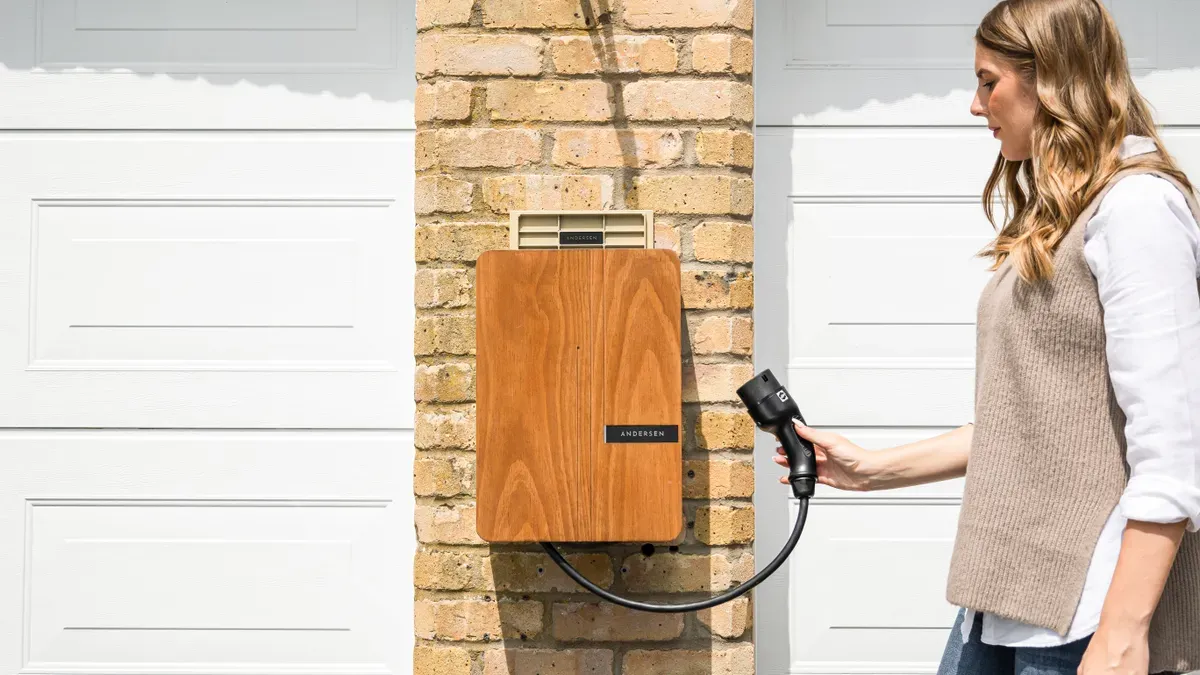
Selección de un instalador cualificado ensures a safe and compliant home EV charging setup. In the UK, homeowners should look for electricians with specific credentials and experience. A competent installer will:
- Hold qualifications as an electrician with proven experience in EV charge point installations.
- Comply with BS 7671 wiring regulations and smart charge point requirements.
- Participate in a recognized competent person scheme, such as NICEIC.
- Possess OZEV approval, which is necessary for grant applications and compliance paperwork.
A professional installer will always provide an Electrical Installation Certificate and a Part P notification for Building Regulations. These documents confirm that the installation meets safety standards and legal requirements. Homeowners should request these certificates upon completion to ensure proper documentation.
Tip: Choosing an OZEV-approved installer not only guarantees quality but also enables access to government grants.
Site Assessment and Requirements
A thorough site assessment forms the foundation of a successful installation. The process begins with an evaluation of the home’s electrical supply and the intended charger location. The installer checks if the existing system can support the additional load of a typical 7.4 kW charger. If upgrades are necessary, the installer will recommend solutions before proceeding.
The assessment also includes:
- Reviewing the consumer unit and main supply for compatibility.
- Identifying the best mounting location for convenience and safety.
- Considering cable routes to minimize disruption and maintain aesthetics.
- Determining eligibility for OZEV grants, which can reduce costes de instalación.
Homeowners should prepare by gathering information about their vehicle, parking arrangement, and any previous electrical work. This preparation helps the installer provide accurate advice and a fixed-price quote.
Installation Steps for a Box Charging Station
The installation of a box charging station follows a structured process. Each step ensures safety, compliance, and optimal performance:
- Estudio del emplazamiento: A qualified electrician visits the property to assess the electrical system and select the best location for the charger.
- Quote and Virtual Survey: Homeowners receive a fixed-price quote. Some providers use online tools and request photos of the consumer unit, meter, and installation area.
- Notificación al DNO: The installer contacts the Distribution Network Operator to confirm the supply can handle the new charger.
- Día de la Instalación: The engineer installs a dedicated circuit, fits surge protection, and mounts the charging station. Proper RCD or RCBO protection is included to detect faults.
- Testing and Certification: The installer tests the charger, ensures safe operation, and issues an Electrical Installation Certificate and Part P notification.
- Setup and Handover: The engineer connects the charger to Wi-Fi, demonstrates the app, and runs a test charge. Registration with the manufacturer activates the warranty and enables tariff benefits.
Note: A well-documented installation process protects both the homeowner and the installer, ensuring long-term safety and reliability.
Certificación y conformidad
Homeowners in the UK must ensure that their box charging station meets strict certification and compliance standards. These requirements protect users, vehicles, and property. Manufacturers design charging stations to align with industry guidelines and legal mandates. Installers follow established protocols to guarantee safe operation.
Regulatory bodies in the UK enforce several key standards for home EV charging stations. The following list highlights the most important certifications:
- IEC 61851: This international standard outlines the design and safety requirements for EV charging stations. It covers electrical safety, communication protocols, and performance benchmarks. Manufacturers must adhere to these guidelines to ensure compatibility and reliability.
- Clasificación IP: Charging stations undergo environmental testing to determine their resistance to dust and water. An IP rating, such as IP65, indicates that the device can withstand harsh outdoor conditions. Homeowners should check the IP rating before installation, especially for outdoor units.
- Electrical Safety Legislation: UK law mandates that all electrical installations meet safety standards. Installers must comply with regulations to prevent hazards and ensure proper operation. Certification confirms that the charging station meets legal requirements.
| Estándar | Descripción | Importancia |
|---|---|---|
| IEC 61851 | Design and safety for EV charging stations | Ensures safe operation |
| Clasificación IP | Environmental protection against dust and water | Suitable for outdoor use |
| Seguridad eléctrica | Legal requirements for installation and operation | Prevents electrical risks |
Installers must provide documentation after completing the installation. This includes certificates that verify compliance with national and international standards. Homeowners receive an Electrical Installation Certificate and a Part P notification. These documents confirm that the charging station meets safety and performance criteria.
⚠️ Proper certification protects homeowners from liability and ensures insurance coverage. It also supports eligibility for government grants and incentives.
Manufacturers often display certification marks on the charging station. These marks indicate that the device passed rigorous testing. Homeowners should verify these marks before purchase. Installers must also register the installation with local authorities. Registration ensures that the charging station remains compliant throughout its lifespan.
Routine inspections help maintain compliance. Homeowners should schedule periodic checks to confirm that the charging station continues to meet safety standards. If upgrades or repairs become necessary, certified professionals must handle the work.
Certification and compliance form the foundation of safe and reliable home EV charging. By following established standards, homeowners protect their investment and contribute to a safer environment.
Costs of Home EV Charging in the UK
Upfront Costs of a Box Charging Station
The initial investment for a charging station in the UK varies based on the type of charger, installation complexity, and smart features. Homeowners in London often see upfront costs ranging from £500 to £1,500 for a standard installation. The following list outlines typical price ranges for different charger types:
- 3kW charger: £250–£500
- 7kW charger: £450–£800
- Smart home chargers: £900–£1,100
A level 2 charging station with fast charging capability usually falls in the mid to upper end of this range. Portable EV charging station options can sometimes reduce installation costs, especially for renters or those who move frequently. Portable solutions also appeal to drivers who need flexibility for charging at multiple locations. Fast charging stations with advanced features, such as app integration and solar compatibility, may increase the initial investment. Portable EV charging station models with level 2 and fast charging support offer a balance between cost and convenience.
Tip: Comparing quotes from several installers helps homeowners find the best value for their charging station investment.
Government Grants and Incentives
The UK government provides several grants and incentives to reduce the cost of installing a charging station. These programs support both homeowners and businesses. The table below summarizes the main options available in 2024:
| Tipo de subvención | Importe disponible | Criterios de admisibilidad |
|---|---|---|
| Renters and Flat Owners Grant | Hasta 350 | Eligible flat owners and renters with private off-street parking. |
| On-Street Parking Grant | Hasta 350 | For cross-pavement charging solutions if you have only on-street parking. |
| Sistema de tarificación en el lugar de trabajo | Hasta 350 £ por enchufe | Businesses can claim for up to 40 sockets. |
| OZEV Homecharge Grant | Up to £350 or 75% off | Eligible homeowners (including those living in flats or houses with dedicated parking) when using an OZEV-approved installer. |
These grants make it easier for drivers to install a fast charging station or a portable EV charging station at home. Many portable EV charging station models qualify for incentives, especially when installed by an OZEV-approved provider. Level 2 charging stations with smart features often meet the requirements for the highest grant amounts. Portable solutions also benefit from these programs, making them attractive for those who need a flexible charging setup.
Note: Homeowners should confirm eligibility and apply for grants before purchasing a charger or scheduling installation.
Ongoing Electricity Costs for Charging at Home
Charging at home provides significant savings compared to public charging stations. The ongoing electricity cost depends on battery size, charging efficiency, and the chosen tariff. The following list highlights typical expenses for UK drivers:
- A full charge for a 60 kWh battery (at 90% efficiency) uses about 66.7 kWh, costing around £22.70 at a standard rate of 34p/kWh.
- The average UK driver covers 750 miles per month. With a mid-size EV at 4 miles per kWh, monthly energy use reaches 187.5 kWh. Adjusted for efficiency, this totals 208.3 kWh, costing about £70.80 at the standard rate.
- Off-peak tariffs, such as Economy 7 (16p/kWh), can reduce monthly charging costs to approximately £33.33.
Level 2 charging at home with a fast charging station or portable EV charging station allows drivers to take advantage of lower electricity rates. Portable EV charging station models with smart scheduling features help optimize charging times for maximum savings. Fast charging at home remains more cost-effective than relying on public rapid chargers. Portable EV charger options also provide backup charging for travel or emergencies, ensuring drivers always have access to affordable energy.
Callout: Using a portable EV charging station with level 2 and fast charging support helps drivers manage costs and maintain flexibility for any vehicle.
Gastos de Mantenimiento
Homeowners in the UK must consider ongoing maintenance expenses when investing in a box charging station. Routine upkeep ensures reliable performance and extends the lifespan of the equipment. Many manufacturers recommend regular inspections to detect early signs of wear or malfunction. These checks help prevent unexpected breakdowns and costly repairs.
Most maintenance tasks involve simple visual inspections. Owners should look for damaged cables, loose connections, or signs of corrosion. Cleaning the exterior and checking seals protect the unit from environmental hazards. Some companies offer service agreements that cover routine maintenance and priority repair services. These agreements typically cost around £90 per year. The service includes annual checks, technical support, and fast response times for any issues.
Regular maintenance reduces the risk of charger failure and supports safe operation.
The following list outlines common maintenance expenses associated with home box charging stations:
- Annual service agreements (£90 per year)
- Replacement of worn or damaged cables
- Inspection and cleaning of weatherproof seals
- Technical support and troubleshooting
- Occasional software updates for smart chargers
A service agreement provides peace of mind. The homeowner receives scheduled visits from qualified technicians who inspect the charger and perform necessary maintenance. Priority repair services ensure minimal downtime if a fault occurs. Owners who choose not to purchase a service agreement may face higher costs for emergency repairs or replacement parts.
| Tarea de mantenimiento | Typical Cost (GBP) | Frecuencia |
|---|---|---|
| Annual Service Agreement | £90 | Yearly |
| Cable Replacement | £50–£150 | Según sea necesario |
| Weatherproof Seal Inspection | Included in service | Yearly |
| Soporte Técnico | Included in service | Según sea necesario |
| Actualizaciones de software | Free/Included | Publicado |
Smart charging stations often require software updates to maintain compatibility with new vehicles and tariffs. Manufacturers usually provide these updates free of charge. Owners should follow the manufacturer’s guidelines for maintenance and keep records of all service visits.
Tip: Scheduling routine maintenance helps homeowners avoid unexpected expenses and keeps the charging station operating efficiently.
Maintenance expenses remain manageable for most UK homeowners. Investing in a service agreement and performing regular checks ensures the box charging station delivers safe and reliable charging for years.
Safety Considerations for Home EV Charging
Electrical Safety Standards in the UK
Electrical safety standards play a vital role in protecting homeowners, vehicles, and property during charging at home. The UK enforces strict regulations for installing and operating EV charging stations. Installers must follow guidelines that cover fast charging, portable charging, and standard charging equipment. The standards ensure that every charging station operates safely and efficiently.
Key electrical safety standards for home EV charging stations in the UK include:
- Standard AC chargers (3.5kW to 7kW) must use a rated 230Vac ± 10% single-phase supply, with output greater than 3.5kW and not exceeding 7kW.
- Fast AC chargers (7kW to 23kW) require either a 230Vac ± 10% single-phase or a 400Vac ± 10% three-phase supply, with output greater than 7kW and not exceeding 23kW.
- Fast DC chargers (3.5kW to 22kW) must deliver output greater than 3.5kW and not exceeding 22kW.
- All charging stations must comply with BS-EN-61851, Electromagnetic Compatibility Regulations 2016, Electrical Equipment Safety Regulations 2016, and BS 8300-1:2018.
- Installers must adhere to IET wiring regulations BS 7671:2018+A1:2020 and the IET Code of Practice for Electric Vehicle Charging Equipment Installation.
These standards guarantee that fast charging, portable charging, and standard charging stations meet the highest safety requirements. Homeowners should always verify that their chosen charging station and installer comply with these regulations.
Safe Usage Tips for Box Charging Stations
Safe usage of box charging stations protects both the EV and the homeowner. Users should follow practical guidelines to minimize risks during fast charging, portable charging, and standard charging sessions. He or she should avoid using extension cords with portable chargers, as this can cause overheating. Drivers must inspect cables for damage before every charging session. They should keep the charging area dry and clear of obstacles to prevent accidents.
The following table summarizes essential safety tips for charging at home:
| Consejo de seguridad | Descripción |
|---|---|
| Inspeccione los cables con regularidad | Look for wear, cracks, or exposed wires |
| Avoid extension cords | Use only dedicated charging cables |
| Keep area dry | Prevent water from reaching charging equipment |
| Store portable chargers properly | Protect from dust and moisture |
| Follow manufacturer instructions | Use equipment as directed for fast charging |
⚠️ Always unplug the portable charger after use and store it in a safe location. This practice extends the lifespan of the equipment and reduces hazards.
Regular Maintenance Checks
Regular maintenance checks ensure reliable performance and safety for fast charging, portable charging, and standard charging stations. Homeowners should schedule annual inspections with qualified technicians. He or she should clean the charging station exterior and check weatherproof seals. Drivers must update software for smart charging stations to maintain compatibility with new EV models.
A simple maintenance routine includes:
- Inspecting cables and connectors for damage
- Cleaning the charging station and portable charger
- Checking weatherproof seals for signs of wear
- Scheduling professional inspections once a year
- Updating software for fast charging and portable charging stations
Tip: Routine maintenance prevents unexpected breakdowns and supports safe charging at home.
Practical Tips for UK Homeowners
Choosing the Right Box Charging Station for Your EV
Selecting the correct box charging station ensures reliable performance and long-term satisfaction. Homeowners should first check the compatibility of the charger with their EV. Most vehicles in the UK use a Type 2 connector, but verifying the connector type prevents installation issues. The electrical supply at the property must support the additional load from a dedicated charging station. A qualified electrician can assess the consumer unit and incoming supply to confirm suitability.
Parking access plays a significant role in the decision process. Off-street parking allows for safer and more convenient installation. Wall-mounted chargers suit garages or driveways, while pedestal options work well for open spaces. Smart charging features, such as scheduling and remote monitoring, add value and future-proof the investment. Homeowners should consider these features when comparing models.
Maximizing Charging Efficiency at Home
Efficiency in EV charging depends on several practical steps. Homeowners can take advantage of lower electricity rates by scheduling charging sessions during off-peak hours. Many smart chargers allow users to set charging times, which helps reduce costs and manage energy use. Solar integration offers another way to improve efficiency. If the property has solar panels, some chargers can prioritize solar energy for EV charging, reducing reliance on the grid.
Load balancing technology helps prevent electrical overloads. Smart load management systems adjust the charging speed based on the home’s overall electricity usage. This feature ensures the EV charges efficiently without disrupting other household appliances. Regular maintenance, such as inspecting cables and keeping the charging area clear, also supports optimal performance.
- Schedule recarga en horas valle for cost savings.
- Integrate solar panels to use renewable energy.
- Use smart load management to balance electricity use.
- Maintain equipment for consistent efficiency.
Tip: Smart chargers with app control make it easier to monitor energy consumption and adjust charging preferences.
Managing Charging Times and Tariffs
Managing charging times and tariffs can significantly reduce the cost of charging at home. Many energy suppliers in the UK offer special tariffs for EV owners. These tariffs provide lower rates during specific hours, usually overnight. Homeowners should research available plans and select one that matches their driving and charging habits.
Scheduling charging sessions to align with off-peak periods maximizes savings. Smart chargers often include built-in scheduling tools, allowing users to automate the process. Monitoring energy usage through apps or online dashboards helps track costs and identify patterns. By staying informed about tariff changes and adjusting charging routines, homeowners can keep expenses under control.
| Estrategia de tarificación | Beneficio |
|---|---|
| Off-peak scheduling | Menores costes de electricidad |
| Tariff comparison | Access to best available rates |
| Usage monitoring | Improved cost management |
Note: Reviewing tariff options regularly ensures the best value for home EV charging.
Preparing for Future Upgrades
Electric vehicle technology continues to advance at a rapid pace. Homeowners in the UK who invest in a box charging station today should consider how to prepare for future upgrades. Planning ahead ensures that the charging setup remains compatible with new vehicles, changing standards, and emerging smart features.
Key Considerations for Future-Proofing:
Choose a Modular Charging Station:
Many modern chargers offer modular designs. These allow users to swap out cables or upgrade internal components as technology evolves. A modular system reduces the need for a complete replacement when new connector types or faster charging speeds become standard.Opt for Smart Features:
Smart charging stations with Wi-Fi or 4G connectivity can receive software updates remotely. These updates add new features, improve security, and maintain compatibility with future EV models. Owners who select a smart charger gain flexibility as the EV market changes.Check for Three-Phase Compatibility:
Most UK homes use single-phase power, but some properties support three-phase electricity. A charger that supports both single-phase and three-phase power can deliver higher charging speeds if the home’s electrical supply is upgraded later.Plan for Additional EVs:
Many families may own more than one electric vehicle in the future. Installing a charging station with load balancing or dual charging capability prepares the home for multiple EVs. This feature helps distribute power safely and efficiently.Consider Solar Integration:
Solar-ready chargers allow homeowners to use renewable energy for EV charging. As solar panel adoption increases, a compatible charging station can help reduce energy costs and environmental impact.
⚡ Consejo: Always ask the installer about upgrade paths and compatibility with future standards. A forward-thinking approach saves time and money in the long run.
Comparison Table: Upgrade-Ready Features
| Característica | Beneficio | Future Value |
|---|---|---|
| Modular Design | Easy hardware upgrades | Adapts to new tech |
| Conectividad inteligente | Remote updates and monitoring | Stays current with trends |
| Three-Phase Support | Higher charging speeds possible | Prepares for faster EVs |
| Equilibrio de la carga | Supports multiple vehicles | Grows with household needs |
| Integración solar | Uses renewable energy | Reduces long-term costs |
Homeowners who plan for future upgrades protect their investment. They avoid costly replacements and ensure their charging station remains useful as electric vehicle technology advances. By selecting upgrade-ready features now, they create a flexible and efficient charging environment for years to come.
A box charging station offers UK homeowners a safe and efficient way to charge electric vehicles at home. Key steps include selecting a compatible charger, hiring a certified installer, and following safety guidelines. Beginners should review available grants and choose smart features for future flexibility.
Tip: Research different models and consult with professionals to find the best solution for your needs. Home EV charging provides convenience, cost savings, and peace of mind.
PREGUNTAS FRECUENTES
What is the difference between a tethered and untethered box charging station?
A tethered station includes a fixed charging cable. An untethered station requires a separate cable. Tethered units offer convenience. Untethered units provide flexibility for different vehicles.
Can a box charging station charge any electric vehicle in the UK?
Most box charging stations support Type 2 connectors, which fit most UK EVs. Some models include adapters for other connector types. Always check compatibility before purchase.
¿Cuánto se tarda en cargar un VE en casa?
Charging time depends on the charger’s power output and the vehicle’s battery size. A 7kW charger typically charges a standard EV in 6–8 hours. Faster chargers reduce this time.
Is it safe to install a box charging station outdoors?
Manufacturers design most home charging stations with weatherproof casings. Look for an IP65 rating or higher. Outdoor installation remains safe when performed by a certified professional.
Do I need special permission to install a home EV charger?
Homeowners usually do not need planning permission for standard installations. Flats or listed buildings may require approval. Always consult a qualified installer for guidance.
What maintenance does a home charging station require?
Routine visual inspections, cleaning, and annual professional checks keep the station safe. Owners should inspect cables for damage and update software for smart chargers.
Are there government grants for installing a home EV charger?
The UK government offers grants for eligible homeowners, renters, and businesses. Grants can cover up to £350 of installation costs. Use an OZEV-approved installer to qualify.




