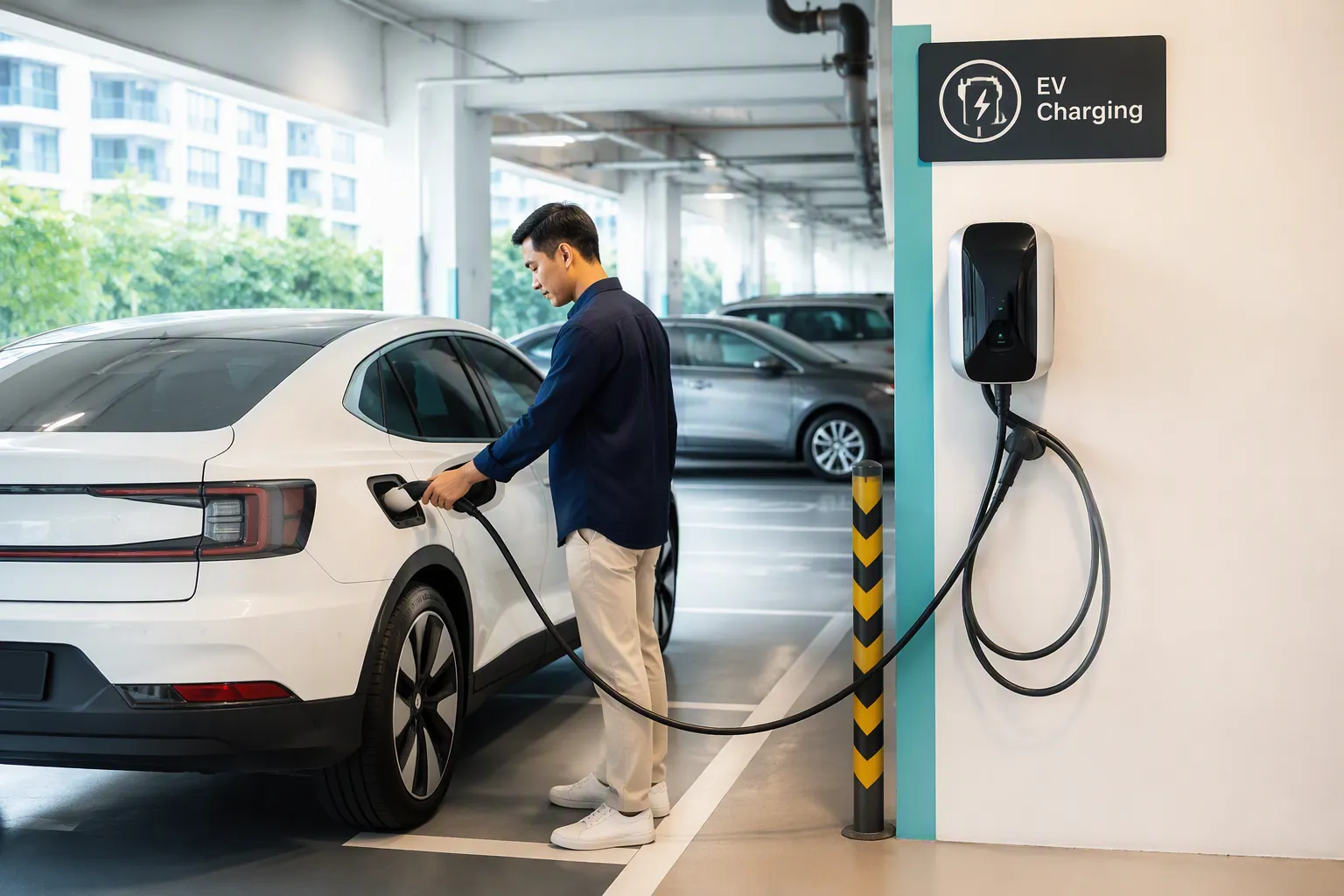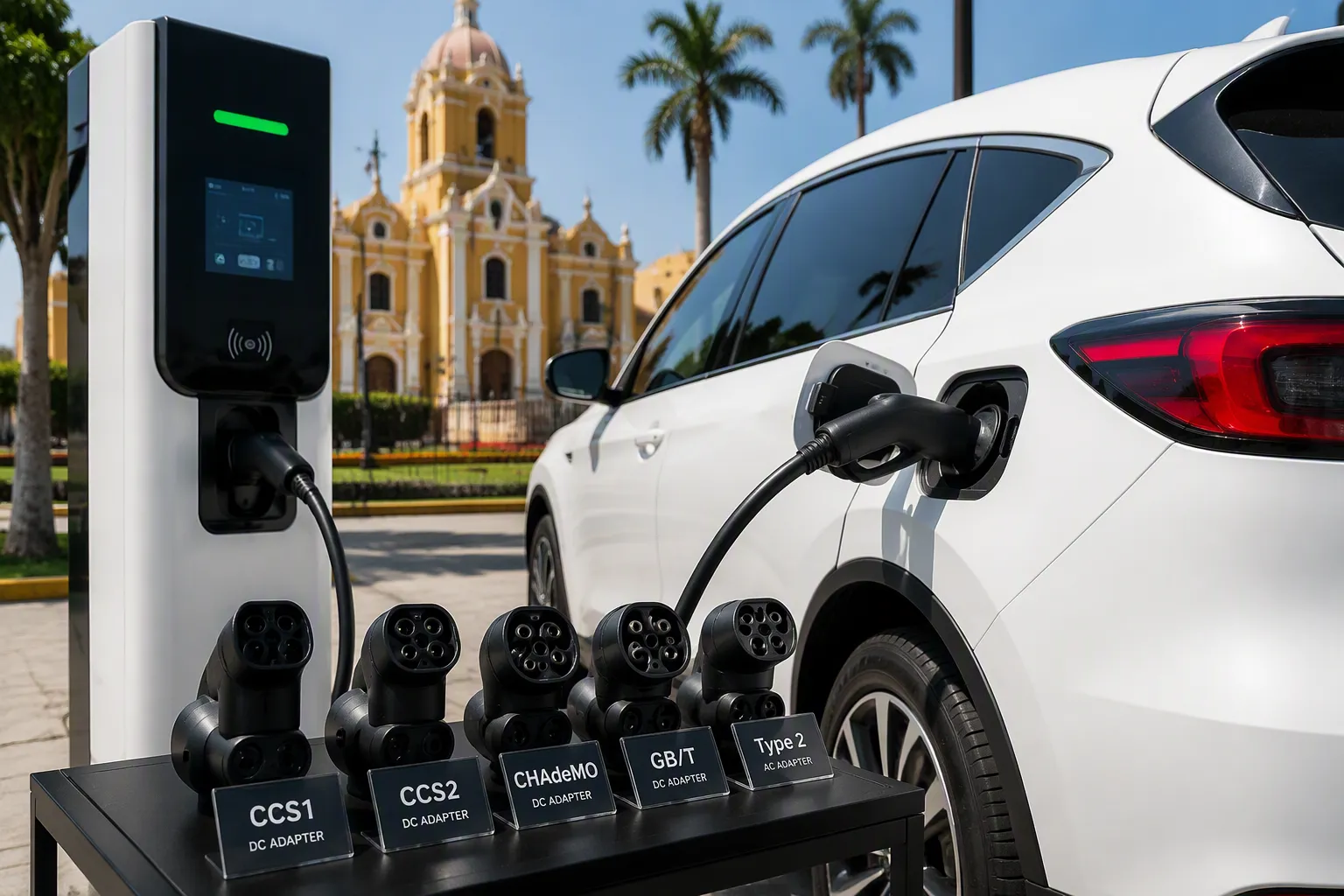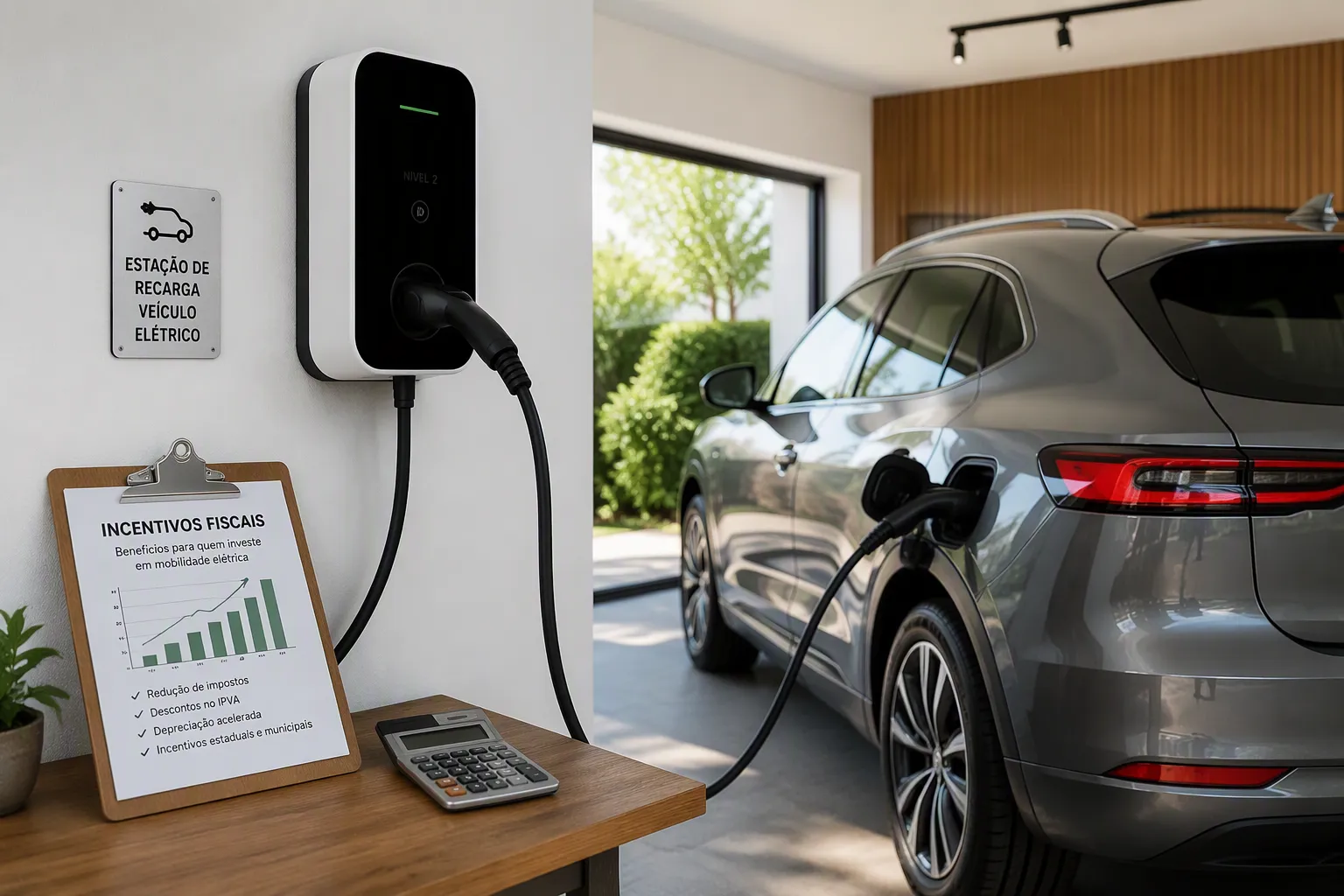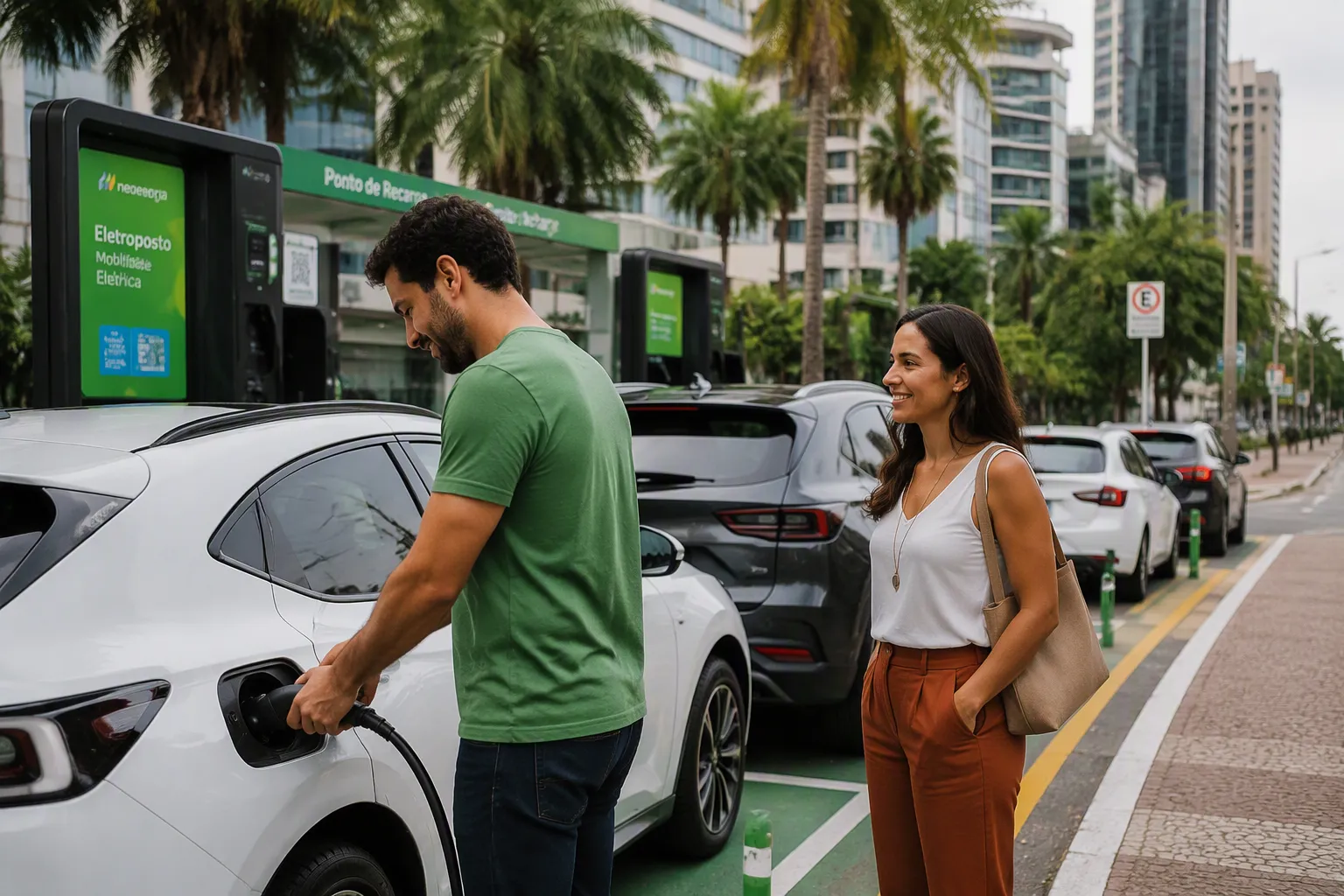
An AC wall charger serves as a dedicated device for charging EVs at home, delivering efficient energy through a level 2 charger. As EV adoption accelerates, every home requires a reliable way to keep it charged. Homeowners value the ultimate guide for choosing excellent home charging stations, recognizing the advantages of a premium smart charger and a home charging setup. Fabricantes de cargadores para VE now offer Soluciones de recarga de vehículos eléctricos that maximize convenience and safety. Cargadores portátiles also provide flexibility for charging at home or on the go.
| Beneficio | Descripción |
|---|---|
| Relación coste-eficacia | Home charging is much cheaper than public charging, saving homeowners up to five times the cost. |
| Conveniencia | Cargar en casa eliminates the need to visit public stations, which is especially beneficial for busy professionals. |
| Seguridad | Wallboxes are designed with safety features to prevent overheating and overloading. |
| Valor de la propiedad | Homes with EV chargers are more attractive to buyers as electric vehicles gain popularity. |
The best home chargers transform a charging station into a practical asset, making EV ownership more affordable and convenient.
How AC Wall Chargers Work for Home Charging
Basic Functionality Explained
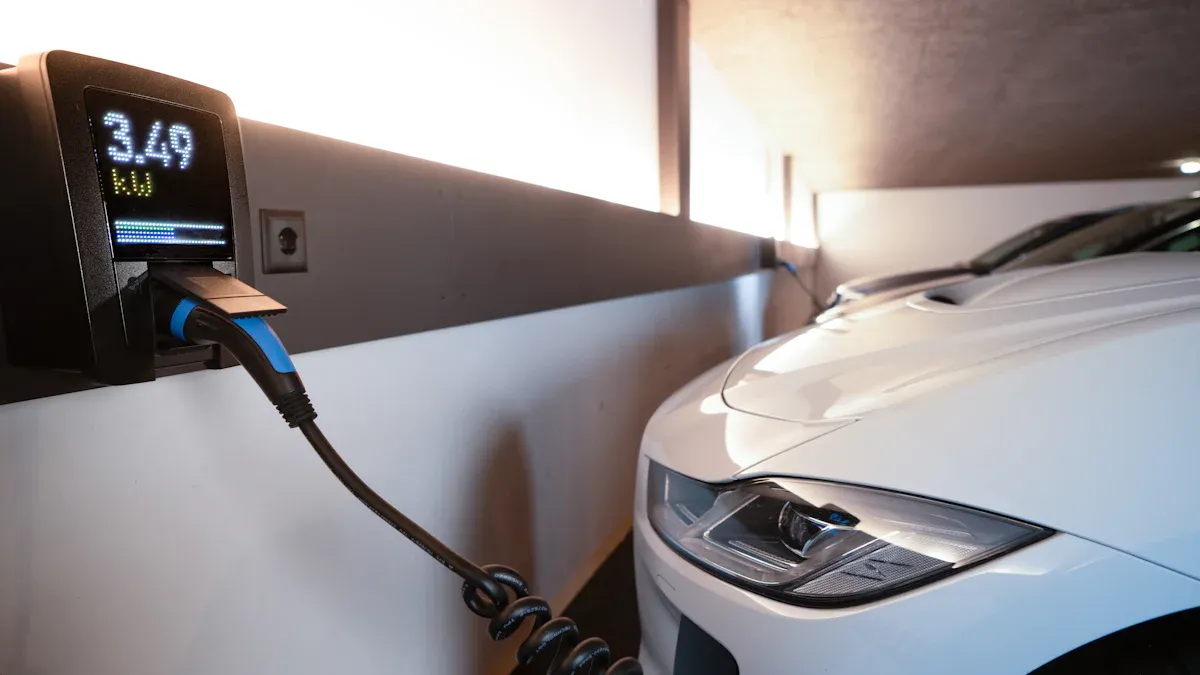
An electric car charger for home use connects directly to the household electrical system. Electricity enters the property as alternating current (AC) from the national grid or from solar panels. Solar panels generate direct current (DC), which an inverter converts to AC for home use. The electric car charger then supplies this AC power to the vehicle. The onboard charger inside the EV converts the AC into DC, which the battery stores. This process ensures that the electric car charger delivers energy efficiently and safely.
- The electric car charger uses the home’s consumer unit (fuse box) as the central point for all power sources.
- The AC wall charger sends electricity to the vehicle, where the onboard inverter completes the conversion to DC.
- Smart electric car chargers can divert excess solar energy directly to the vehicle, maximizing energy use and reducing grid reliance.
This simple journey from the grid or solar panels to the EV battery highlights the importance of a reliable electric car charger for residential charging.
Main Types of AC Wall Chargers for Home
Electric car chargers for home come in several types, each designed to meet different charging needs and electrical setups.
Cargadores de 7kW
A 7kW electric car charger is the most common option for residential charging. It operates on a single-phase connection, which suits most homes. This charger provides a balance between charging speed and compatibility with standard home electrical systems. Most EV owners choose this type for daily charging.
22kW Chargers
A 22kW electric car charger offers faster charging for those with higher energy demands. It requires a three-phase connection, which is more common in larger properties. This charger suits households with multiple EVs or those who need rapid charging. Compatibility with the home’s electrical infrastructure is essential before installation.
3.6kW and 11kW Chargers
Some homes use 3.6kW electric car chargers for slower, overnight charging. These chargers work well for plug-in hybrids or low-mileage drivers. The 11kW charger, which also requires a three-phase connection, provides a middle ground between speed and energy use. Each type offers unique benefits, and compatibility with the home’s wiring determines the best choice.
Compatibility with Home Electrical Systems
Compatibility plays a critical role in selecting an electric car charger for home use. A single-phase connection, found in most homes, supports chargers up to 7.4kW. Three-phase connections, available in larger properties, enable chargers up to 22kW. The table below outlines the main differences:
| Característica | Single-Phase Connection | Three-Phase Connection |
|---|---|---|
| Number of Live Wires | 1 | 3 |
| Suministro de energía | Hasta 7,4 kW | Hasta 22 kW |
| Load Handling | Suitable for lower loads | Handles higher loads |
| Typical Applications | Standard home use | Larger homes, higher demand |
Electric car charger compatibility with the home’s electrical system ensures safe, efficient, and reliable residential charging. Homeowners should consult a qualified electrician to assess their setup before choosing a charger.
Cómo elegir el cargador doméstico adecuado
Selecting the best home Cargador EV involves careful evaluation of personal needs, vehicle requirements, and available features. Homeowners should consider several factors to ensure the charger fits their lifestyle and property.
Assessing Your Home Charging Needs
Understanding individual charging needs helps homeowners make informed decisions. They should review their daily routines, vehicle specifications, and property characteristics.
Daily Driving Habits
Drivers with long commutes or frequent trips require a charger with higher power output. Those who use their EV mainly for short distances may find a slower charger sufficient. Homeowners should analyze their average daily mileage and determine how quickly they want to replenish the battery overnight.
Compatibilidad de vehículos
Not every charger suits every EV. Owners must check the maximum charging rate their vehicle supports. Some EVs can accept higher power, but the charger must match the car’s capabilities. Compatibility ensures efficient charging and prevents unnecessary upgrades in the future.
Consejo: Always verify the vehicle’s charging port type and maximum accepted power before purchasing a charger.
When assessing home charging needs, homeowners should also consider the following:
- Property ownership or landlord permission para la instalación.
- Location for the charger, ideally near the electrical panel and with off-street parking.
- The capacity of the home’s AC supply to handle the charger’s load.
- Availability of Wi-Fi or mobile connectivity for smart charging features.
- Preference for tethered or untethered charger types.
Velocidad de carga y potencia de salida
Charging speed depends on both the charger’s power output and the EV’s acceptance rate. The right balance ensures efficient energy delivery without overloading the home’s electrical system.
| Tipo de cargador | Potencia (kW) | Charging Time for Large EV Battery |
|---|---|---|
| Nivel 1 | ~1.4 | Más de 24 horas |
| Nivel 2 | 3.7 – 22 | 4-8 horas |
| DC Rápido | 50 – 350 | Up to 80% in under 1 hour |
Not all EVs can utilize the full power output of every charger. Sometimes, the EV may accept a higher charge rate than the charger can deliver. Charging time always depends on the lower value between the car’s maximum accepted charging rate and the charger’s maximum output.
Smart Features for Home Charging
Modern home EV chargers offer advanced smart features that enhance convenience, safety, and energy management. These features help homeowners optimize charging sessions and reduce energy costs.
Wi-Fi e integración de aplicaciones
Smart chargers often connect to home Wi-Fi networks, allowing users to monitor and control charging remotely through mobile apps. This integration provides real-time updates, charging history, and notifications. Homeowners can start or stop charging, adjust settings, and receive alerts about charging status from anywhere.
Programación y gestión de la energía
Scheduling features let users set charging times to take advantage of off-peak electricity rates. Smart chargers can automatically pause or resume charging based on grid demand or solar energy availability. Advanced energy management tools, such as equilibrio de carga dinámico and current fingerprint algorithms, protect the home’s electrical system and optimize energy use.
| Característica | Descripción |
|---|---|
| Equilibrio dinámico de la carga | Protects the home’s electrical system by managing the load during charging. |
| Algoritmo actual de huellas dactilares | Enhances energy management and provides innovative solutions for smart EV charging. |
Smart features make home EV charging more efficient, user-friendly, and future-ready. Homeowners benefit from greater control, improved safety, and potential cost savings.
Safety and Certification for Home EV Chargers
Safety remains a top priority when selecting a reliable home EV charger. Homeowners must ensure that their charger meets strict certification standards and complies with local regulations. Accredited installers play a crucial role in maintaining electrical safety. NICEIC or NAPIT accreditations confirm that the installer is recognized as a competent person, capable of safely connecting the charger to the home’s electrical system.
A reliable charger should carry OZEV approval, UKCA certification, and comply with the UK’s Smart EV Charge Regulations. These certifications guarantee that the charger operates safely and meets government standards for smart charging. Homeowners benefit from peace of mind, knowing their charging equipment protects both their property and their EV.
Consejo: Always request proof of installer accreditation and check for charger certifications before installation.
- NICEIC or NAPIT accreditation ensures electrical safety.
- OZEV approval confirms eligibility for government incentives.
- UKCA certification demonstrates compliance with product safety standards.
- Smart EV Charge Regulations protect against unsafe charging practices.
Installation Requirements for Home
Proper installation of a reliable home EV charger requires careful planning and assessment of the property’s electrical infrastructure. Homeowners must address several key factors to ensure safe and efficient charging.
Capacidad del cuadro eléctrico
The electrical panel serves as the foundation for any home charging setup. Homeowners must evaluate the panel’s capacity to handle the additional load from the charger. A qualified electrician can assess whether the panel supports the desired power output, such as 7kW or 22kW. Upgrading the panel may become necessary for higher-capacity chargers or future-proof compatibility.
- Assess the current electrical panel capacity.
- Determine if upgrades are needed for higher power chargers.
- Consult a qualified electrician for a reliable evaluation.
Location and Weatherproofing
Selecting the right location for the charger enhances safety and convenience. The charger should sit close to the parking area and the electrical panel. Outdoor installations require weatherproofing to protect the charger from rain, snow, and temperature fluctuations. Many smart chargers feature robust enclosures that withstand harsh conditions, ensuring reliable operation year-round.
- Choose a location near the parking space and electrical panel.
- Ensure the charger has weatherproof housing for outdoor use.
- Verify that the installation meets local building codes.
Nota: Weatherproofing extends the lifespan of the charger and maintains reliable charging performance.
Future-Proofing Your Home Charging Investment
Investing in a smart home EV charger with future-proof compatibility prepares homeowners for evolving needs. As EV adoption grows, families may own multiple vehicles or upgrade to models with higher charging rates. Selecting a charger with dynamic load management or higher power capacity supports these changes.
Homeowners should hire a qualified electrician to ensure compliance with local codes and maximize safety. Checking for available incentives, such as rebates or tax credits, reduces installation costs. Smart chargers with app integration and energy management features adapt to new technologies and support reliable charging for years to come.
- Hire a qualified electrician for safe installation.
- Explore incentives and rebates for home charger installation.
- Choose a charger with dynamic load management for multiple EVs.
- Consider higher power capacity for future upgrades.
- Select smart chargers with app integration and energy management tools.
A reliable home charging setup with future-proof compatibility delivers long-term value and supports the transition to electric mobility.
Best Home Chargers for 2025
Best Overall Home Charger: Ohme Home Pro
Ohme Home Pro stands out as the best overall home charger for 2025. This model meets strict safety certifications, including OZEV approval and UKCA certification. These standards ensure reliable operation and peace of mind for every EV owner. The charger offers a range of smart features, such as scheduled charging and remote control through a dedicated app. These functions allow users to optimize energy use and reduce costs.
The build quality of Ohme Home Pro sets a high standard. The device holds IP65 and IK10 ratings, which means it resists harsh weather and physical impact. Compatibility remains a key advantage, as the charger supports current and future EV models with Type 2 connectors. Homeowners benefit from a strong warranty of three years or more, which adds long-term value. Installation by a qualified professional ensures safety and compliance with local regulations.
When selecting a home charger, users should consider these criteria:
- Certificaciones de seguridad
- Funciones inteligentes
- Build quality
- Compatibilidad
- Qualified installer
- Garantía
Best for Fast Home Charging: Hypervolt Home 3.0
Hypervolt Home 3.0 leads the market for fast home charging. This charger delivers a 7.4 kW power output, which matches or exceeds most other fast chargers available for residential use. The following table compares Hypervolt Home 3.0 with other options:
| Modelo de cargador | Potencia de salida | Velocidad de carga |
|---|---|---|
| Hypervolt Home 3.0 | 7,4 kW | Estándar |
| Other Fast Chargers | 7 kW / 7.4 kW | Comparable |
| Higher Output Chargers | 22 kW | Available at extra cost |
Hypervolt Home 3.0 provides reliable charging for a wide range of EVs. Some higher output chargers offer up to 22 kW, but these require a three-phase supply and cost more to install. Most homes use single-phase connections, making Hypervolt Home 3.0 an ideal choice for fast, efficient charging. The charger also includes smart features, such as Wi-Fi connectivity and app integration, which enhance user experience.
Best for Smart Features: Zappi EV Charger
Zappi EV Charger excels in smart technology and energy management. This charger offers three distinct charging modes: Fast, Eco, and Eco+. These modes allow users to select the best balance between speed and energy savings. Zappi integrates seamlessly with solar panels, using surplus solar energy for EV charging. This feature can save homeowners between £200 and £400 each year.
The table below highlights how Zappi compares to other home chargers:
| Característica | Zappi EV Charger | Other Home Chargers |
|---|---|---|
| Charging Modes | 3 (Fast, Eco, Eco+) | Varía |
| Integración solar | Yes (Eco modes) | No |
| Ahorro de costes | £200 to £400 annually | No especificado |
| Eddi Compatibility | Sí | No |
| O PEN Compliance | Sí | Varía |
| Manufacturing Location | REINO UNIDO | Varía |
Zappi also supports Eddi compatibility and complies with O PEN standards. Manufactured in the UK, this charger meets high quality and safety expectations. Homeowners seeking advanced smart features and energy management will find Zappi an excellent investment for their EV charging needs.
Best Budget Home Charger: Wallbox Pulsar Plus
Wallbox Pulsar Plus offers an affordable solution for homeowners seeking a reliable EV charger. This model combines compact design with advanced smart features, making it suitable for daily home charging. The Pulsar Plus supports both tethered and untethered options, allowing flexibility for different EV models. Homeowners benefit from a user-friendly interface and app integration, which enables remote control and scheduling. The charger’s smart capabilities help optimize energy use and reduce costs.
Wallbox Pulsar Plus stands out in the affordable category due to its competitive pricing. The average price range, including installation, falls between £950 and £1,100. This cost makes it accessible for many households without sacrificing quality or smart functionality. The charger supports up to 7.4kW power output, ensuring efficient charging for most EVs. Safety features, such as overcurrent protection and weatherproof housing, provide peace of mind for home installations.
Homeowners looking for an affordable, smart EV charger will find Wallbox Pulsar Plus a practical choice. The combination of price, smart features, and reliability makes it a leading option for budget-conscious buyers.
Best for Multiple Vehicles at Home: Easee One
Easee One addresses the needs of homes with multiple EVs. This charger features advanced smart technology and load balancing, which ensures safe and efficient charging for several vehicles. The system allows up to three units to connect on a single circuit, making it ideal for properties with multiple parking bays or families with more than one EV. Built-in load balancing manages power distribution, preventing overload and maximizing energy efficiency.
Easee One’s smart design supports seamless integration with home electrical systems. Homeowners can monitor and control charging sessions through a dedicated app, enhancing convenience and safety. The charger’s compact form and weatherproof enclosure suit both indoor and outdoor installations. TPSON, as a technologically advanced EV charging solution provider, recommends Easee One for its adaptability and smart features.
- Connects up to three chargers on one circuit
- Built-in load balancing for safe power management
- Ideal for homes with multiple EVs or parking bays
Families with several EVs benefit from Easee One’s smart capabilities and flexible installation options. The charger’s ability to manage multiple vehicles sets it apart in the home charging market.
Other Notable Home EV Chargers: Pod Point Solo, Tesla Wall Connector
Homeowners seeking alternative smart EV chargers can consider Pod Point Solo and Tesla Wall Connector. Both models offer unique features that enhance the home charging experience.
| Característica | Pod Point Solo 3S | Conector de pared Tesla |
|---|---|---|
| Diseño | Modern, compact, grey finish, glowing blue light indicator | Sleek, minimalist, adaptable for indoor/outdoor use |
| Funciones inteligentes | Fully solar compatible, scheduling via app | Wi-Fi connectivity, remote access, power sharing |
| Características de seguridad | Auto Power Balancing to prevent overload | Overcurrent protection, integrated safety systems |
| Instalación | Efficient pre-installation survey, quick installation process | Flexible mounting, streamlined installation |
| Garantía | 5-year warranty when installed by Pod Point | 4-year warranty when installed by Tesla |
Pod Point Solo 3S integrates smart scheduling and solar compatibility, allowing homeowners to maximize renewable energy use. Auto Power Balancing prevents electrical overload, ensuring safe operation. Tesla Wall Connector offers Wi-Fi connectivity and power sharing, which supports multiple EVs and remote management. Both chargers provide robust warranties and efficient installation processes.
Homeowners can select Pod Point Solo or Tesla Wall Connector for their smart features, safety, and reliability. These chargers complement a modern home charging setup and support the transition to electric mobility.
Installation Guide for Home EV Chargers

Hiring a Qualified Electrician for Home Charging
Selecting a qualified electrician is essential for safe and compliant installation of an EV charger at home. Electricians must possess a Level 3 NVQ Diploma in Installing Electrotechnical Systems and Equipment or an equivalent credential. Registration with a competent person scheme, such as NICEIC, NAPIT, or ELECSA, is necessary for notifiable work under Part P of the Building Regulations. Electricians should also have specific training in EV infrastructure, including City & Guilds 2919 or 2921, to ensure compliance with BS 7671 Section 722. Ongoing Continuing Professional Development keeps electricians updated on regulations, including Smart Charge Point Regulations.
- Level 3 NVQ Diploma or equivalent
- Registration with NICEIC, NAPIT, or ELECSA
- City & Guilds 2919 or 2921 EV infrastructure training
- Continuing Professional Development for regulatory updates
Homeowners should always verify credentials and request proof of relevant certifications before scheduling installation. This step protects the property and ensures the charger operates safely.
Understanding Installation Costs for Home EV Chargers
Installation costs for a home EV charger vary based on several factors. The complexity of the electrical system, the distance from the electrical panel to the charging location, and the need for upgrades all influence pricing. Most installations for a standard 7kW charger range from $800 to $1,500, including labor and materials. Upgrading the electrical panel or adding weatherproofing increases costs. Three-phase installations for higher-capacity chargers may require additional investment.
Homeowners should request detailed quotes from licensed electricians. Quotes should include labor, materials, permits, and any upgrades. Transparent pricing helps avoid unexpected expenses and ensures the charger meets all safety standards.
Scheduling a site survey allows electricians to assess the property and provide accurate estimates. This process ensures the charging setup fits the home’s needs and complies with local codes.
Permisos y regulaciones locales para la carga doméstica
Permits and regulations play a critical role in installing an EV charger at home. Requirements differ by region, and homeowners must follow local rules to avoid penalties or delays. The table below outlines permit needs and review types in major cities:
| Region/Example | Permit Needed? | Review Type | Typical Fee Range | Special Notes |
|---|---|---|---|---|
| CA City (San Francisco, Los Angeles) | Siempre | Strict plan review, online portal | $200–$500+ | Utility pre-approval, GFCI/ADA rules enforced |
| TX Suburb (Plano, Frisco) | Usually | Fast-track or over-the-counter | $50–$200 | Faster inspections, some allow licensed homeowner installs |
| NY Metro (NYC, Long Island) | Siempre | Multifamily coordination, DOB filings | $200–$1,000+ | Condo/HOA approval, utility notification, licensed electrician only |
| Small Town (Fuquay, NC) | Almost always | Manual forms, in-person/email | $50–$250 | Call to confirm process; Wake County handles for some towns |
Local authorities may require utility pre-approval, adherence to GFCI and ADA standards, and coordination with condo or HOA boards. Homeowners must submit permit applications, schedule inspections, and notify utilities when installing a charger. Licensed electricians handle most regulatory steps, ensuring the charging station meets all requirements.
Staying informed about local regulations helps homeowners streamline the installation process and maintain compliance. Early communication with city officials and utility companies prevents delays and supports safe EV charging at home.
Available Incentives and Rebates for Home EV Chargers
Homeowners in 2025 can take advantage of several incentives and rebates when installing an EV charger. These programs help reduce the upfront cost of adding a charging station at home, making the transition to electric vehicles more affordable. The following table summarizes the most common incentives available:
| Tipo de incentivo | Descripción | Valor máximo |
|---|---|---|
| Crédito fiscal federal | 30% of the cost of hardware and installation applied against federal tax | Up to $1000 |
| State Rebates | Varies by state; check local programs for specific amounts and eligibility | Up to $5000 |
Many states offer additional rebates for EV charging equipment. For example:
- California provides up to $1000 in rebates for residential and commercial EV charging stations.
- New York offers up to $5000 in rebates for EV charging installations.
These incentives often require the charger to meet specific safety and smart charging standards. Homeowners should review eligibility criteria and application deadlines for each program. Taking advantage of these rebates can significantly lower the total investment in a home charging solution.
Tip: Combining federal and state incentives maximizes savings on a new EV charger installation.
Prepare su casa para la instalación
Proper preparation ensures a smooth and safe installation of an EV charger at home. Homeowners should follow a series of steps to confirm that their property is ready for a new charging station. The table below outlines the recommended process:
| Paso | Descripción |
|---|---|
| 1 | Assess the electrical capacity of the home to support an EV charger. |
| 2 | Ensure the fuse box can handle a dedicated circuit for the charger, typically 32 to 63 amps. |
| 3 | Upgrade the consumer unit if necessary for safe installation and compliance with regulations. |
| 4 | Verify that the home meets earthing and bonding requirements for electrical safety. |
| 5 | Consult a qualified electrician for a thorough assessment and tailored recommendations. |
A qualified electrician should inspect the home’s electrical system before installation. This assessment checks for compatibility and identifies any upgrades needed to support the charger. Planning cable routes and selecting the best location for the charging point also help streamline the process. Homeowners receive a tailored quotation based on their property’s needs and the type of EV charger selected.
Note: Early preparation and professional assessment prevent delays and ensure the charging station operates safely and efficiently.
Using and Maintaining Your Home EV Charger
Daily Operation Tips for Home Charging
Owners can maximize the efficiency and safety of their home EV charger by following a few essential practices. They should schedule charging during off-peak hours to benefit from lower energy rates. Many smart chargers allow users to set these schedules through dedicated apps, making the process seamless. Regular maintenance checks help ensure optimal performance and safety. These checks include visual inspections for cable damage, cracks in the charger housing, and signs of water ingress.
A smart approach involves using the app to monitor usage and adjust charging times based on daily routines. Owners should test the charging cycle by plugging in their EV and confirming that the charger engages, charges, and shuts off correctly. Upgrading the electrical system, when necessary, supports reliable charging and prevents costly issues.
Tip: Routine visual inspections and scheduled charging can extend the lifespan of both the charger and the EV.
Monitoring Charging Sessions at Home
Smart technology has transformed how owners monitor charging sessions at home. Most smart chargers come with companion apps available on iOS and Android platforms. These apps provide real-time control over charging sessions and allow users to track energy consumption. Owners can create custom schedules, monitor the energy delivered in kilowatt-hours, and view the current charging rate.
The following table highlights key features found in leading smart charger apps:
| Característica | Descripción |
|---|---|
| Charging Control | Start, stop, and monitor charging remotely |
| Programación | Set charging times to match off-peak rates |
| Cost Tracking | Track expenses for each charging session |
| Control de la energía | View energy delivered and charging rate |
| Session History | Access detailed records of past charging sessions |
| Tariff Configuration | Input peak and off-peak rates for accurate cost management |
| Reporting | Export session data for expense claims |
Integration with services like OVO Charge Anytime enables automated off-peak charging, further reducing costs. The setup process remains simple, often requiring only a Bluetooth connection and WiFi configuration.
Routine Maintenance for Home EV Chargers
Routine maintenance ensures the longevity and reliability of any home EV charger. Owners should perform visual checks of cables and connectors weekly, looking for cracks, loose parts, or signs of vandalism. Keeping the unit clean and unobstructed prevents overheating and maintains efficient operation. Monthly inspections should focus on cable wear, secure connections, and the integrity of weather seals, especially after severe weather.
The table below outlines a recommended maintenance schedule:
| Tarea | Frecuencia | Notas |
|---|---|---|
| Inspección visual | Semanal | Check for cracks, loose parts, vandalism |
| Clean unit exterior | Mensualmente | Use non-abrasive cleaner, avoid high pressure |
| Inspect cables/connectors | Mensualmente | Check for wear, fraying, secure connection |
| Check weather seals | Trimestral | After heavy rain or snow |
| Run diagnostics | Trimestral | Use manufacturer’s software |
| Check software updates | Every 6 months | Update firmware and app |
| Professional inspection | Anualmente | Full electrical safety check |
Owners should repair or replace damaged cables promptly and keep firmware up to date for compatibility and cybersecurity. Annual professional maintenance ensures the charger meets all safety and regulatory standards. Regular testing with vehicle simulations or diagnostics software helps detect faults early, supporting uninterrupted charging at home.
Software Updates and Support for Home Chargers
Smart home EV chargers rely on regular software updates to maintain optimal performance, security, and compatibility with the latest vehicles. These updates ensure that the charger can communicate with new EV models and adapt to evolving smart charging standards. Manufacturers design smart chargers to receive updates automatically or through scheduled maintenance, reducing the need for manual intervention.
Industry experts recommend that homeowners schedule software updates for their home charger every two to three years. This interval helps keep the firmware current and protects the system from cybersecurity threats. Regular checks with the installer or manufacturer confirm that the charger remains compatible with both the home’s electrical system and any new EVs added to the household.
Consejo: Keeping firmware up to date not only enhances security but also unlocks new smart features and improves charging efficiency.
Many smart charger brands, such as ChargeMeEV, offer comprehensive support plans for home users. These plans often include:
- Automatic software updates delivered remotely
- Proactive monitoring to detect and resolve faults before they disrupt charging
- Onsite repairs for hardware issues
- 24/7 multilingual technical support for EV drivers
The following table summarizes the main support services available for smart home EV chargers:
| Support Service | Descripción |
|---|---|
| Automatic Updates | Keeps charger firmware current |
| Control remoto | Identifies faults and performance issues |
| Onsite Repairs | Provides hands-on assistance for hardware faults |
| 24/7 Technical Support | Offers help in multiple languages anytime |
Smart charging systems benefit from these support options by minimizing downtime and ensuring reliable operation. Homeowners can contact support teams through dedicated apps, phone lines, or online portals. These resources help resolve common issues quickly, allowing users to focus on their daily routines without worrying about their EV charging setup.
Manufacturers encourage users to schedule periodic checks with their installer or service provider. These checks verify that the smart charger operates efficiently and remains compatible with the latest EVs. For commercial installations, annual inspections are standard, but for home chargers, updates every two to three years usually suffice.
Note: Proactive support and regular updates extend the lifespan of the smart charger and protect the investment in home charging infrastructure.
Troubleshooting Common Issues with Home EV Chargers
Charger Not Powering On
Many homeowners experience situations where their home EV chargers do not power on. Several common causes can explain this issue:
- The circuit breaker at the consumer unit may have tripped. Homeowners should check the breaker and reset it if necessary. If the breaker continues to trip, they should seek help from a qualified electrician.
- Electrical supply problems often lead to failures. Overloaded circuits, especially in older homes with outdated wiring, can cause the charger to lose power.
- Using a standard 13A socket instead of a recommended 32A circuit increases the risk of breaker trips. Homeowners should always use the correct circuit for their home EV chargers.
- Persistent tripping after resetting the breaker signals a deeper electrical issue. Professional assessment ensures safety and prevents further damage.
A proactive approach, including regular checks of the electrical panel and proper installation, reduces the risk of power loss for home EV chargers.
Slow Charging Problems at Home
Slow charging can frustrate EV owners who rely on home EV chargers for daily use. Multiple factors can contribute to reduced charging speed. The table below outlines the most frequent causes:
| Factor | Descripción |
|---|---|
| Temperatura de la batería | Extreme temperatures force the battery to adjust before charging, slowing the process. |
| Outdoor Temperature | High outdoor heat can affect the battery’s performance and reduce charging efficiency. |
| Demand on the Grid | Overloaded power grids may limit available power, resulting in slower charging times. |
| Demand on House Supply | Simultaneous use of household appliances can reduce the power available for the EV charger. |
Homeowners can improve charging speed by scheduling sessions during cooler periods and minimizing the use of other high-power appliances. Monitoring the battery’s temperature and ensuring the home’s electrical system meets the charger’s requirements also helps maintain optimal charging performance.
Connectivity Issues with Home Chargers
Connectivity issues can disrupt the operation of home EV chargers and prevent successful charging sessions. The table below lists typical problems and their descriptions:
| Tipo de problema | Descripción |
|---|---|
| Power Supply and Electrical Faults | Overloaded circuits may trip breakers, cutting off power to the charger. |
| Voltage Fluctuations | Surges or dips in power can cause the charger to shut down or sustain damage. |
| Poor Grounding | Faulty grounding can create leakage currents and instability. |
| Connector Problems | Worn connectors may result in poor contact and arcing. |
| Software Glitches | Firmware bugs can cause malfunctions and failed charging sessions. |
| Communication Errors | Problems in vehicle-to-charger communication can interrupt charging. |
| Network Connectivity Loss | Internet loss can prevent charging sessions from starting or being recorded. |
| User Error | Incorrect handling or neglect can turn minor issues into major faults. |
| App Problems | Outdated apps may cause authentication failures and charging interruptions. |
Homeowners can address these issues by ensuring proper electrical installation and scheduling regular maintenance. Performing firmware updates and using manufacturer-approved parts help prevent software glitches. Rebooting the charger often resolves temporary malfunctions. Disabling VPNs during authentication and keeping apps updated also support reliable operation. In cases of persistent problems, professional diagnostics and repairs restore the charger’s performance.
Note: Staying informed about software updates and recalls helps homeowners avoid disruptions and maintain the reliability of their home EV chargers.
Error Codes and What They Mean
Homeowners often encounter error codes or indicator lights on their EV charger. These codes provide essential information about the status of the charging process and help diagnose issues quickly. Understanding these signals ensures safe and efficient operation of the home charging system.
Most modern EV chargers use colored lights to communicate their status. The following table summarizes the most common light colors and their meanings:
| Light Colour | Significado |
|---|---|
| Verde sólido | Vehicle is charging successfully. |
| Solid Yellow | Offline charging – charger is not connected to Wi-Fi, but will still charge once the vehicle is plugged in. |
| Azul sólido | Online / Plug & Charge mode. |
| Azul intermitente | Preparing – the vehicle is recognized but waiting to start. |
| Rojo sólido | Fault or error – check manual. |
| Rojo intermitente | Ground fault or RCD tripped. |
| No Light | No power – check consumer unit and EV charger breaker. |
These diagnostic indicators allow homeowners to identify whether their charger is functioning correctly or if intervention is required. For example, a solid green light signals that the EV is charging as expected. A flashing blue light indicates the charger recognizes the vehicle but is waiting to begin charging, often due to a scheduled start time or energy management settings.
When a charger displays a solid red or flashing red light, the system has detected a fault. Solid red usually means a general error, while flashing red points to a ground fault or a tripped residual current device (RCD). In these cases, homeowners should consult the manufacturer’s manual for detailed troubleshooting steps. Restarting the charger at the consumer unit may resolve some issues, but persistent faults require professional assessment.
A solid yellow light shows the charger is offline but will still charge the EV when plugged in. This status often occurs when the home Wi-Fi connection drops. The charger continues to operate, but smart features such as remote monitoring or scheduling may become unavailable until connectivity is restored.
If the charger shows no light, it lacks power. Homeowners should check the consumer unit and the dedicated EV charger breaker. Ensuring the electrical supply is intact restores functionality and allows charging to resume.
Manufacturers provide specific error codes and messages in their manuals. These resources offer targeted guidance for troubleshooting unique models. Homeowners should always reference the manual when interpreting error codes, as each charger may use different indicators or terminology.
Tip: Keeping the manufacturer’s manual accessible helps homeowners respond quickly to error codes and maintain reliable home charging for their EV.
Selecting the right EV charger for a home requires careful evaluation of daily charging needs, vehicle compatibility, and installation requirements. They should schedule regular maintenance and monitor charging sessions to ensure reliable performance. Homeowners benefit from consulting qualified electricians and reviewing available incentives before upgrading their EV charging setup.
A well-chosen charger transforms home EV charging into a seamless experience. Take the next step by assessing your property and contacting a certified installer.
- Review charger options for your home
- Schedule a site survey for installation
- Explore rebates for EV charging upgrades
PREGUNTAS FRECUENTES
What is the difference between a home EV charger and a public charging station?
A home charger connects directly to the property’s electrical system. Public charging stations offer higher power and faster charging, but require travel. Home charging provides convenience and cost savings for EV owners.
¿Cuánto se tarda en cargar un VE en casa?
Charging time depends on the charger’s power output and the EV’s battery size. Most home chargers deliver a full charge in four to eight hours. Owners can schedule overnight charging for maximum efficiency.
Can any EV use a home charger?
Most modern EVs support home charging with a compatible charger. Owners must check the vehicle’s connector type and maximum charging rate. Compatibility ensures safe and efficient charging at home.
Is it safe to install a home EV charger outdoors?
Manufacturers design home chargers with weatherproof enclosures. Outdoor installation remains safe when the charger meets IP ratings and local regulations. Owners should consult a qualified electrician for proper installation.
What smart features do home EV chargers offer?
Smart chargers provide Wi-Fi connectivity, app control, and scheduling. Owners monitor charging sessions, set charging times, and track energy use. These features optimize charging and reduce costs for EV owners.
Do home EV chargers require maintenance?
Routine maintenance includes visual inspections, cleaning, and software updates. Owners should check cables and connectors regularly. Annual professional inspections ensure the charger operates safely and efficiently.
Can a home charger support multiple EVs?
Some home chargers, such as Easee One, allow multiple EVs to charge simultaneously. Load balancing technology manages power distribution. Owners benefit from efficient charging for several vehicles at home.
Are incentives available for installing a home EV charger?
Federal and state programs offer rebates and tax credits for home charger installation. Owners must meet eligibility requirements and use certified chargers. Incentives reduce the cost of upgrading to home EV charging.