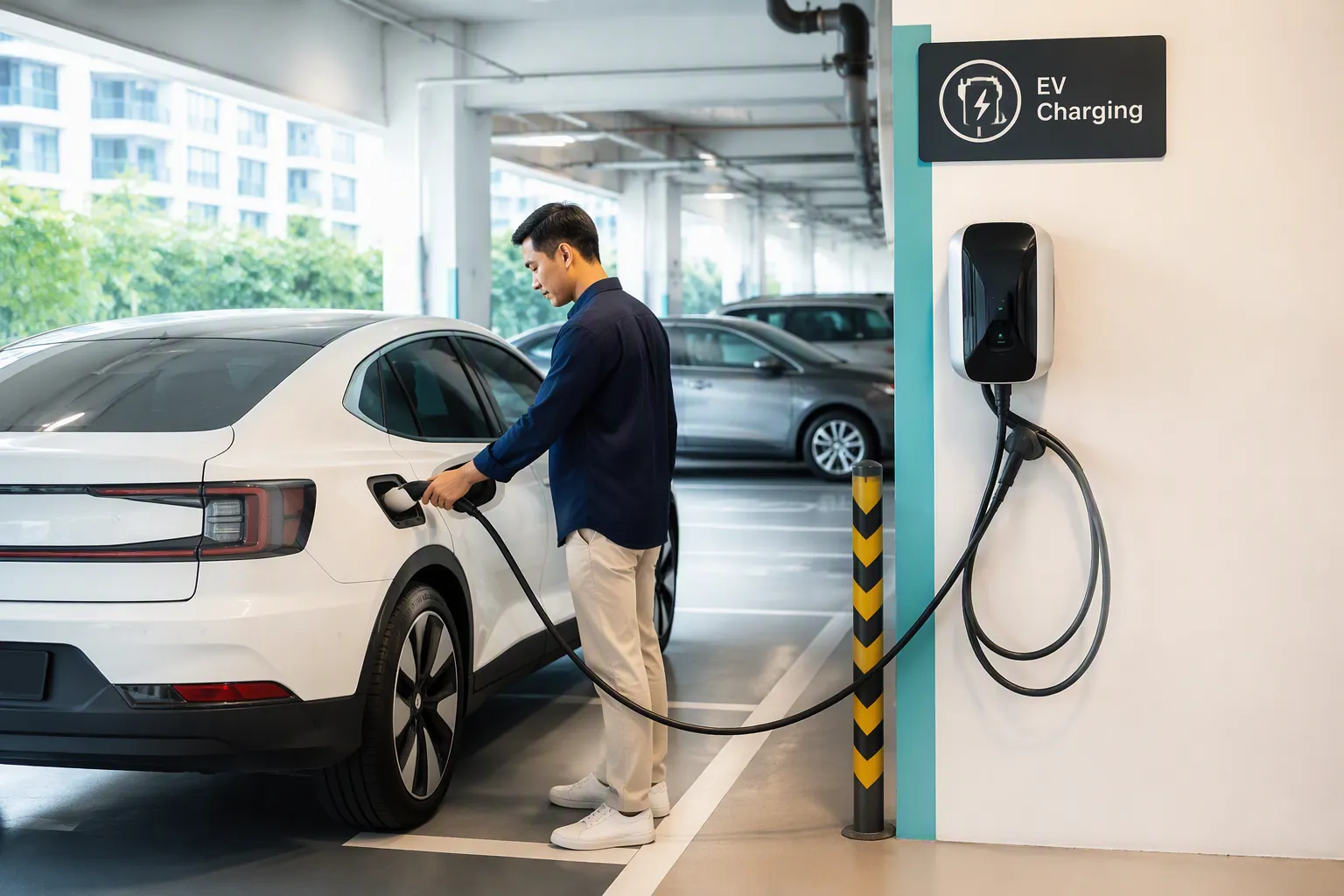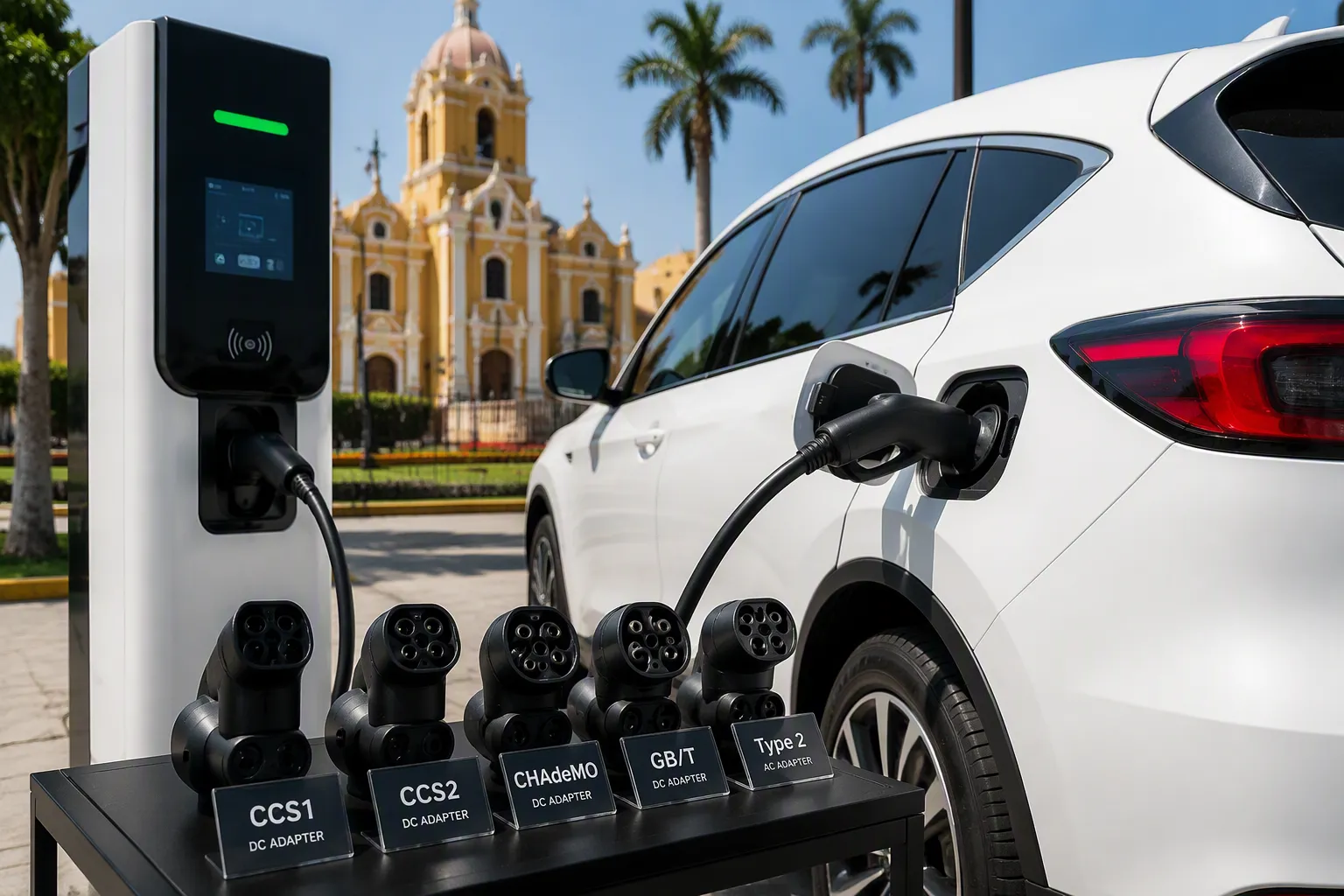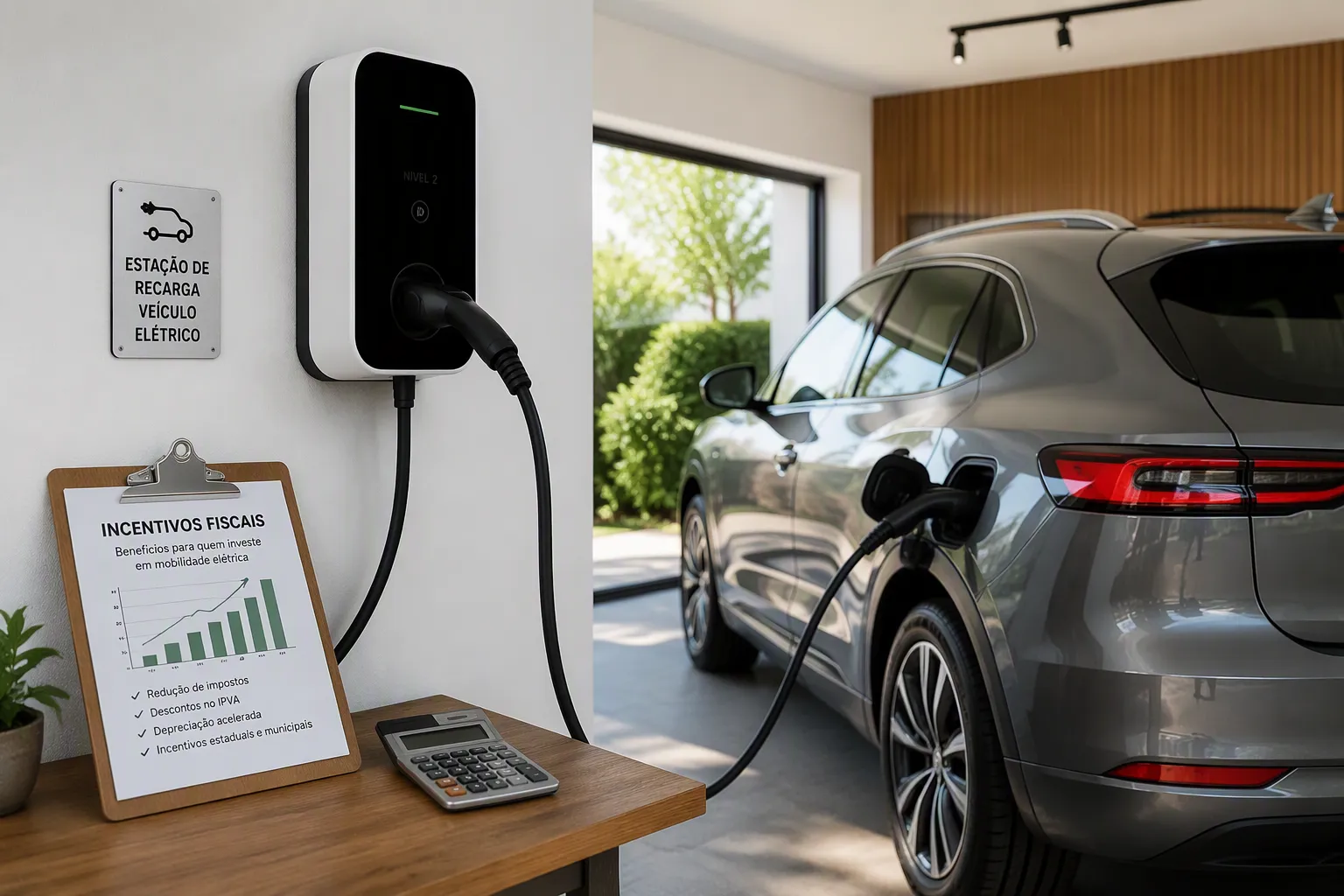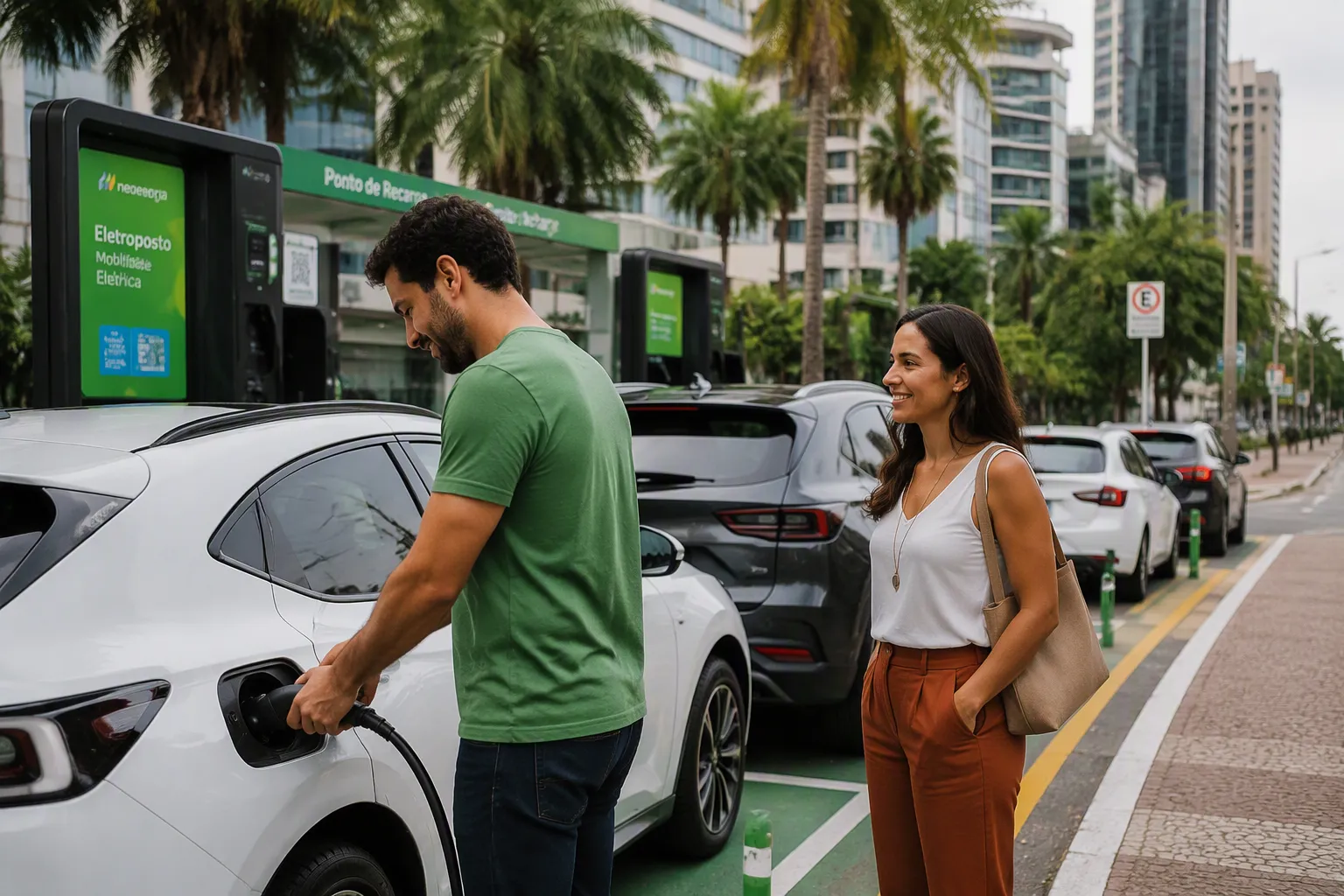

Commercial EV charging represents a forward-thinking investment for hotels and restaurants in Italy. Rising demand for charging reflects the rapid growth of electric vehicles. Guests often select venues based on the availability of an Cargador EV. En Fabricantes de cargadores para VE now offer Soluciones de recarga de vehículos eléctricos tailored for hospitality businesses. Many properties also benefit from cargadores portátiles para vehículos eléctricos, which provide flexibility for guest needs. This approach attracts eco-conscious travelers, increases revenue, and enhances brand reputation.
Market Demand and Commercial EV Charging Trends in Italy
Growth of Electric Vehicles and Charging Infrastructure
Current EV adoption rates in Italy
Italy has seen a steady rise in electric vehicle registrations over recent years. The number of EVs on Italian roads continues to grow as consumers seek sustainable transportation options. This trend reflects a broader shift toward electric mobility across Europe. Hotels and restaurants now recognize the need to adapt to this changing landscape. The increasing presence of electric vehicles creates new market opportunities for businesses willing to invest in infraestructura de recarga.
Projected growth and future market potential
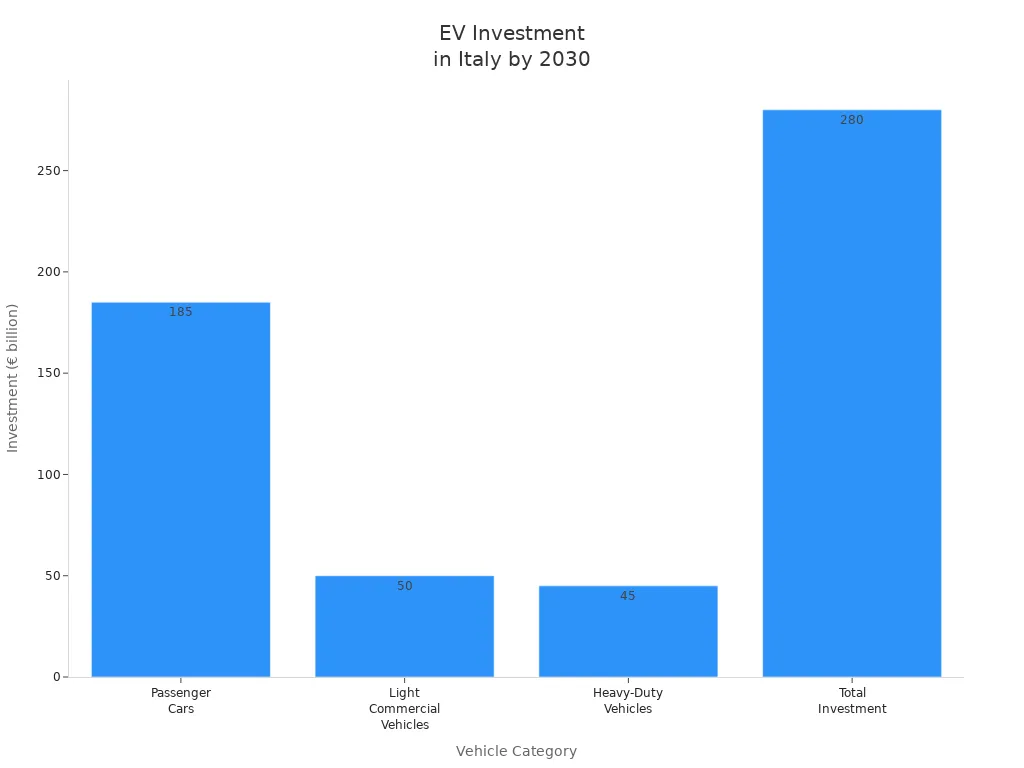
Industry forecasts predict significant expansion in the Italian EV market by 2030. Investments in electric vehicle infrastructure are expected to reach €280 billion, covering passenger cars, light commercial vehicles, and heavy-duty vehicles. The table below highlights the projected investment across different vehicle categories:
| Categoría | Investment Estimate (€ billion) |
|---|---|
| Passenger Cars | 185 |
| Light Commercial Vehicles (LCVs) | 50 |
| Heavy-Duty Vehicles (HDVs) | 45 |
| Inversión Total | 280 |
This level of investment signals robust market opportunities for hospitality businesses. As electric vehicle adoption accelerates, the demand for reliable EV charging will only increase. Hotels and restaurants that act now can position themselves as leaders in the evolving electric mobility market.
Impact of Charging on the Hospitality Sector
Evolving guest expectations for charging services
Modern travelers expect convenient EV charging options during their stays. Many guests now consider charging availability a deciding factor when booking hotels or choosing restaurants. A recent industry survey found that 67% of EV drivers select destinations based on charging facilities. Properties that offer electric charging enhance the guest experience by reducing travel stress and supporting sustainable choices.
Influence of charging availability on travel and dining choices
Charging infrastructure directly influences guest satisfaction and loyalty. The table below summarizes key findings:
| Tipo de prueba | Descripción |
|---|---|
| Experiencia de los huéspedes | EV charging enhances the guest experience by allowing them to charge overnight, reducing travel stress. |
| Consumer Expectations | 67% of EV drivers choose destinations based on the availability of charging facilities, indicating a direct influence on bookings. |
| Revenue Generation | Properties with EV charging options can command higher rates and see increased on-site spending due to longer guest stays. |
Hotels and restaurants that provide electric charging often see increased revenue and repeat visits. These market opportunities make charging a strategic investment for hospitality businesses.
Regional Demand for Charging Infrastructure
Urban versus rural charging needs
Urban areas in Italy experience higher concentrations of electric vehicles, creating strong demand for public and commercial charging. City hotels and restaurants often compete to attract EV drivers by offering fast and accessible charging solutions. In contrast, rural regions face unique challenges. Limited charging infrastructure in these areas presents untapped market opportunities for businesses willing to invest in electric charging.
Charging demand in tourism hotspots
Tourism hotspots such as Rome, Florence, and the Amalfi Coast attract large numbers of international and domestic travelers. Many of these visitors drive electric vehicles and seek convenient charging during their trips. Hotels and restaurants in these destinations can capture a larger share of the market by installing EV charging stations. Meeting the demand for electric charging in popular tourist areas strengthens a property’s reputation and supports long-term growth.
Key Business Benefits of Commercial EV Charging
Attracting New Customers with Charging Infrastructure
Drawing EV drivers to your hotel or restaurant
Hotels and restaurants in Italy see new opportunities by installing commercial EV charging. Many travelers now drive electric vehicles and actively seek destinations that offer charging facilities. Properties that provide these services stand out in a competitive market. TPSON, a technologically advanced electric vehicle charging solution provider, helps businesses implement reliable charging infrastructure that appeals to eco-conscious guests. The demand for eco-friendly hospitality continues to rise, and charging points have become essential for attracting travelers and building customer loyalty.
Expanding your customer base through charging services
Commercial EV charging opens doors to a broader customer base. Hotels in regions such as Trentino-Alto Adige already equip their properties with charging stations, setting a trend for the hotel and hospitality sector. Businesses that invest in charging infrastructure position themselves as leaders in sustainability and innovation. The following points highlight the opportunities available:
- The demand for eco-friendly hospitality is increasing, which can be met by installing EV charging points.
- Charging points are becoming essential services for attracting travelers and enhancing customer loyalty.
- Hotels in Italy, particularly in regions like Trentino-Alto Adige, are already equipped with charging stations, indicating a trend towards accommodating electric vehicle users.
These opportunities allow hotels and restaurants to reach new market segments and strengthen their brand reputation.
Enhancing Guest Satisfaction and Loyalty via Charging
Meeting modern guest needs for charging
Modern guests expect seamless experiences during their stay. Charging facilities now rank among the top amenities for travelers who drive electric vehicles. The hotel and hospitality industry recognizes that providing charging meets the evolving needs of guests. Properties that offer convenient and reliable charging options demonstrate a commitment to guest comfort and sustainability. This approach not only satisfies current guests but also attracts future visitors who value green initiatives.
Encouraging repeat visits with reliable charging options
Reliable charging encourages guests to return. When travelers know they can depend on a hotel or restaurant for their charging needs, they are more likely to become loyal customers. The hotel and hospitality sector benefits from increased guest retention and positive word-of-mouth. Commercial EV charging creates opportunities for properties to build lasting relationships with their clientele, ensuring long-term business growth.
Increasing Dwell Time and Revenue through Charging
Longer guest stays and higher spending enabled by charging
Charging infrastructure directly impacts guest behavior. When guests use charging facilities, they tend to stay longer at the property. This extended dwell time creates opportunities for hotels and restaurants to increase revenue. Mobile data reveals user mobility patterns and highlights areas with high potential for EV charger demand. Dwell time data shows how long users stay at a location, which is crucial for understanding the optimal charger rating and whether overstay charges are necessary. In shopping centers, for example, users typically spend two to three hours at the site, suggesting that lower-rated chargers would better meet their needs and enhance guest spending.
Cross-selling and upselling opportunities during charging sessions
Longer stays present additional opportunities for cross-selling and upselling. While guests wait for their vehicles to charge, they are more likely to explore on-site amenities, dine at the restaurant, or purchase additional services. The hotel and hospitality industry can design targeted offers and promotions to capture this increased engagement. Commercial EV charging transforms waiting time into valuable business opportunities, driving both guest satisfaction and property revenue.
Boosting Brand Image and Sustainability with Charging Infrastructure
Positioning as an eco-friendly, forward-thinking business
Hotels and restaurants in Italy can elevate their brand image by embracing commercial EV charging. This infrastructure signals a strong commitment to environmental responsibility. Many guests now look for businesses that prioritize green initiatives. When a property offers charging stations, it demonstrates leadership in adopting renewable solutions. Guests associate these amenities with innovation and care for the planet.
A focus on renewable energy sources further enhances this perception. Properties can power their charging stations with solar panels or purchase electricity from renewable providers. This approach reduces the carbon footprint and aligns the business with global sustainability goals. The following strategies help hospitality businesses strengthen their eco-friendly reputation:
- Install charging stations that use electricity from renewable sources.
- Communicate sustainability achievements through marketing materials and on-site signage.
- Partner with local renewable energy suppliers to support the regional green economy.
- Educate guests about the environmental benefits of using renewable-powered charging.
Consejo: Guests often share positive experiences on social media when they see visible commitments to renewable energy and sustainability.
A strong sustainability profile attracts eco-conscious travelers. These guests often become loyal customers and recommend the property to others. The hospitality sector can use renewable energy and commercial EV charging to build a brand that stands out for its environmental leadership.
Differentiating from competitors through charging offerings
The Italian hospitality market remains highly competitive. Hotels and restaurants must find ways to distinguish themselves. Offering commercial EV charging powered by renewable energy provides a clear advantage. Many properties still lack this amenity, so early adopters can capture a unique market segment.
A comparison table highlights how charging infrastructure sets a business apart:
| Característica | With Charging & Renewable Energy | Without Charging |
|---|---|---|
| Attracts eco-conscious guests | ✅ | ❌ |
| Supports sustainability goals | ✅ | ❌ |
| Increases guest satisfaction | ✅ | ❌ |
| Enhances brand reputation | ✅ | ❌ |
| Meets future travel demands | ✅ | ❌ |
Properties that invest in renewable-powered charging stations send a message of innovation. They show readiness for future trends in travel and dining. Guests who drive electric vehicles often choose destinations based on charging availability. Businesses that meet this need gain a competitive edge.
Nota: Industry leaders recommend integrating renewable energy into all aspects of operations, not just charging infrastructure. This holistic approach maximizes the impact on brand image.
Financial Considerations and ROI of Commercial EV Charging
Upfront and Ongoing Costs of Charging Infrastructure
Equipment, installation, and integration expenses
Hotels and restaurants in Italy must evaluate the initial costs of installing commercial EV charging infrastructure. Equipment selection plays a crucial role in determining the total investment. Owners choose between basic chargers and advanced charging stations with smart features. Installation involves site preparation, electrical upgrades, and integration with existing systems. Charging station installation requires careful planning to ensure compatibility with property layouts and guest needs.
The integration process connects charging stations to hotel or restaurant management platforms. This step streamlines payment processing and user experience. Owners often invest in software solutions that monitor usage and optimize returns. Installation costs vary based on charger type, capacity, and location. Urban properties may face higher expenses due to complex electrical systems. Rural sites often require additional upgrades to support charging infrastructure.
Maintenance and operational costs for charging stations
Ongoing maintenance ensures reliable charging performance and maximizes returns. Hotels and restaurants schedule routine inspections to prevent downtime. Maintenance includes cleaning, software updates, and hardware repairs. Owners monitor energy consumption to control operational expenses. Charging station installation also requires periodic checks to comply with safety standards.
Operational costs depend on charger usage and energy prices. Properties that use renewable energy sources reduce expenses and improve financial benefits. Owners track maintenance costs to evaluate the long-term returns of their investment. Efficient management of charging infrastructure supports maximising roi and guest satisfaction.
Revenue Streams from Charging Services
Charging fees for guests and public users
Italian hospitality businesses generate revenue by offering charging services to guests and public users. Owners set charging fees based on usage, duration, and charger type. Many properties rent out charge points to visitors and local businesses. This approach increases customer engagement and creates new revenue streams. Charging station installation attracts EV drivers who seek convenient charging options.
Charging fees contribute to a quick return on investment. Owners monitor usage patterns to adjust pricing and maximize returns. Properties with public charge point access appeal to a broader audience. Charging infrastructure supports sustainable business growth and enhances guest satisfaction.
Partnerships with charging networks and platforms
Hotels and restaurants form partnerships with charging networks and platforms to expand revenue opportunities. Hosting agreements with Charge Point Operators (CPOs) provide guaranteed returns. Owners collaborate with network providers to offer seamless charging experiences. These partnerships increase footfall from EV drivers and boost revenue.
Charging infrastructure integration with network platforms simplifies payment processing and user management. Owners benefit from marketing support and access to a wider customer base. Partnerships enhance the property’s environmental reputation and attract consumers who prefer sustainable brands. Charging station installation creates opportunities for cross-promotion and maximising roi.
Calculating Return on Investment for Charging Infrastructure
Payback period estimates for commercial EV charging
Owners calculate the payback period by comparing installation costs with projected revenue. Charging fees and hosting agreements accelerate returns. Properties that attract high volumes of EV drivers achieve faster payback. Energy savings from efficient charging infrastructure improve financial benefits.
A typical payback period ranges from two to five years, depending on charger usage and installation expenses. Owners track revenue streams to evaluate the effectiveness of their investment. Charging station installation in high-traffic areas shortens the payback timeline. Properties that use renewable energy sources further reduce operational costs and increase returns.
| Factor | Impact on Returns |
|---|---|
| Costes de instalación | Higher costs extend payback period |
| Charging Fees | Increased fees accelerate returns |
| Partnerships | Hosting agreements guarantee revenue |
| Energy Savings | Lower expenses improve financial benefits |
| Mantenimiento | Efficient upkeep maximises roi |
Owners who invest in charging infrastructure benefit from multiple revenue streams and improved returns. They position their properties as leaders in sustainability and innovation.
Key factors influencing ROI in hospitality settings
Several factors influence the return on investment for EV charging infrastructure in the hospitality sector:
- Hosting agreements with CPOs guarantee revenue and stable returns.
- Increased footfall from EV drivers leads to higher revenue opportunities.
- Establishing a responsible environmental reputation attracts consumers and enhances brand loyalty.
- Growing consumer preference for sustainable brands supports long-term returns.
- Financial benefits from energy savings and reduced maintenance costs improve ROI.
Owners who focus on maximising roi through strategic installation and partnerships achieve strong financial outcomes. Charging infrastructure supports sustainable business growth and positions hotels and restaurants as industry leaders.
Government Incentives and Subsidies for Charging Infrastructure
National and regional programs supporting charging
Italy offers a robust framework of government incentives to accelerate the installation of commercial EV charging stations. National programs target hotels and restaurants, providing financial support for infrastructure upgrades. The Ministry of Economic Development manages several initiatives that help businesses reduce upfront costs. These programs encourage properties to invest in charging stations and align with Italy’s sustainability goals.
Regional governments also play a vital role. Many regions, such as Lombardy and Emilia-Romagna, launch their own subsidy schemes. These local programs often complement national incentives, making it easier for hospitality businesses to access funding. Regional authorities prioritize tourism hotspots and urban centers, where demand for EV charging remains high. Properties in these areas benefit from streamlined application processes and tailored support.
Consejo: Owners should monitor regional announcements for new funding opportunities. Local programs frequently update eligibility criteria and deadlines.
The following table summarizes key national and regional programs:
| Nombre del programa | Alcance | Eligible Businesses | Tipo de soporte |
|---|---|---|---|
| Ecobonus | Nacional | Hotels, Restaurants | Grants, Tax Credits |
| Regional Mobility Fund | Regional (varies) | Hospitality, Tourism Sector | Subsidies, Loans |
| Sustainable Tourism Initiative | National/Regional | Hotels in tourist hotspots | Direct Funding |
These programs help hotels and restaurants overcome financial barriers and accelerate renewable technology adoption.
Tax benefits, grants, and regulatory support
Tax incentives form a cornerstone of Italy’s strategy to promote commercial EV charging. The government offers tax credits for businesses that install charging stations. Owners deduct a portion of installation costs from their annual tax returns. This approach reduces the financial burden and encourages more properties to invest in sustainable infrastructure.
Grants provide direct funding for equipment and installation. National and regional agencies allocate resources to support hospitality businesses. Owners apply for grants through official portals, submitting project details and cost estimates. Successful applicants receive funds that cover a significant share of expenses.
Regulatory support ensures a smooth transition to electric mobility. The government simplifies permitting procedures and sets clear guidelines for installation. Authorities streamline approval processes, allowing hotels and restaurants to deploy charging stations quickly. Regulatory bodies also provide technical assistance, helping owners comply with safety and environmental standards.
- Tax credits lower installation costs for eligible businesses.
- Grants offer direct financial support for infrastructure upgrades.
- Regulatory guidance simplifies the process and ensures compliance.
📝 Owners who leverage these incentives position their properties for long-term success. They attract eco-conscious guests and strengthen their brand reputation.
Nota: Combining national and regional incentives maximizes financial benefits. Owners should consult with local agencies to identify all available support.
Operational Implementation of Commercial EV Charging
Installation Process for Charging Infrastructure
Site assessment and planning for charging stations
Italian hotels and restaurants must approach the installation of charging infrastructure with careful planning. The process begins with a thorough site assessment. Owners evaluate the available power supply and review local planning regulations. They use neighborhood analysis tools to identify the best locations for charging stations, considering both guest convenience and existing supply. Health and safety policies play a critical role, as operators implement checklists to reduce fire risks associated with advanced technology. The table below outlines the key steps and best practices for installing charging infrastructure:
| Key Steps and Best Practices for Installing EV Charging Infrastructure at Hotels and Restaurants in Italy |
|---|
| Planning: Ensure compliance with local planning regulations for EV charging hubs, which may require full planning permission. |
| Power Supply Assessment: Evaluate the power availability to the property, as it is crucial for the installation of charging points. |
| Health & Safety Policies: Implement health and safety checklists to mitigate fire risks associated with EV chargers. |
| Neighbourhood Analysis: Utilize tools to identify optimal locations for charging infrastructure based on demand and existing supply. |
Selecting the right charging technology and capacity
Selecting the right charging technology requires a clear understanding of guest needs and property limitations. Owners consider the number of vehicles, expected usage patterns, and the integration of battery energy storage systems. These systems support the grid and optimize energy use, especially during peak demand. Hotels and restaurants often choose technology that supports both fast and standard charging. Battery energy storage systems help balance loads and reduce operational costs. The right technology ensures reliable charging and prepares the property for future growth. Battery energy storage systems also provide backup power, increasing resilience and safety.
Integration with Existing Hospitality Services
Connecting charging to hotel/restaurant management systems
Italian hospitality businesses enhance guest experiences by integrating charging technology with existing management systems. Partnerships with technology providers allow seamless connections between charging stations and hotel platforms. For example, a collaboration between SIHOT and LADE enables automatic billing for charging sessions. Guests authenticate their charging using a QR code or RFID key card, and the system links the session to their hotel account. This integration streamlines payment and aligns with the growing demand for advanced technology in hospitality.
Payment, reservation, and user experience options
Modern charging technology offers flexible payment and reservation options. Guests can reserve charging spots in advance through hotel apps or websites. Payment for charging sessions appears on the final bill, simplifying the process. Technology such as battery energy storage systems ensures that charging remains available even during high demand. User-friendly interfaces and clear instructions improve the overall experience. Hotels and restaurants that invest in these technology-driven solutions meet guest expectations and set themselves apart in the market.
Maintenance and Support for Charging Infrastructure
Routine upkeep and monitoring of charging stations
Routine maintenance and monitoring are essential for reliable charging operations. Staff conduct regular inspections and use technology to track performance. Battery energy storage systems require periodic checks to maintain efficiency. The table below summarizes the benefits of a strong maintenance strategy:
| Beneficio | Descripción |
|---|---|
| Dependability | Ensures reliable operation of EV chargers, preventing failures and maximizing uptime. |
| Longevidad | Extends the lifespan of chargers by identifying performance issues before they lead to failures. |
| Protection | Reduces safety risks through regular inspections of equipment, ensuring safety for staff and customers. |
| Eficacia | Minimizes unexpected failures, ensuring consistent operation and reducing the need for unplanned repairs. |
| Goodwill | Enhances customer satisfaction by ensuring a smooth recharging experience and well-maintained facilities. |
| Conformidad | Helps maintain adherence to regulations, avoiding penalties and safeguarding the business’s reputation. |
Troubleshooting and customer assistance for charging users
Effective troubleshooting and customer support ensure a positive experience for charging users. Staff receive training on the latest technology and battery energy storage systems. They respond quickly to issues, minimizing downtime. Technology-driven monitoring systems alert staff to problems before they affect guests. Hotels and restaurants that prioritize support build trust and encourage repeat visits. Battery energy storage systems add another layer of reliability, ensuring that charging remains available even during unexpected events.
Case Studies and Success Stories in Italian Hospitality Charging

Italian Hotels Leading with Commercial EV Charging
Example: Hotel de Russie, Rome – Luxury charging experience
Hotel de Russie in Rome stands as a pioneer in luxury hospitality charging. The management installed high-speed EV chargers in the private parking area. Guests who drive electric vehicles receive exclusive access to these stations. The hotel staff offers personalized assistance during charging sessions. Hotel de Russie integrates charging with its concierge services, ensuring seamless support for travelers. The property uses renewable energy to power the chargers, reinforcing its commitment to sustainability. Guests often praise the convenience and reliability of the charging experience.
Example: Excelsior Hotel Gallia, Milan – Integrating charging with guest services
Excelsior Hotel Gallia in Milan demonstrates how charging infrastructure can enhance guest services. The hotel partnered with a leading EV charging provider to install multiple stations in the underground garage. Staff members receive training to assist guests with charging procedures. The hotel connects charging sessions to the guest’s room account, simplifying billing. Excelsior Hotel Gallia promotes its charging amenities in marketing materials and online booking platforms. The property attracts business travelers and tourists who value eco-friendly options.
Restaurant Success Stories with Charging Infrastructure
Example: La Giostra, Florence – Attracting EV travelers with charging
La Giostra in Florence uses EV charging to draw new customers. The restaurant installed a fast charger near the entrance. EV drivers can reserve charging spots when booking a table. Staff members greet guests and provide guidance on using the charger. La Giostra features the charging station in its advertising campaigns. The restaurant reports an increase in bookings from travelers who drive electric vehicles. The charging amenity supports longer visits and higher spending.
Example: Palazzo Petrucci, Naples – Enhancing dining experience through charging
Palazzo Petrucci in Naples integrates charging infrastructure into the dining experience. The management placed chargers in the parking area, allowing guests to charge their vehicles while enjoying a meal. Staff members monitor the charging stations and assist with troubleshooting. The restaurant uses digital signage to highlight its sustainability efforts. Palazzo Petrucci receives positive feedback from customers who appreciate the convenience. The charging service encourages repeat visits and strengthens the restaurant’s reputation.
Lessons Learned from Commercial EV Charging Adoption
Key takeaways for successful charging implementation
- Prioritize guest convenience: Properties that offer easy access and clear instructions achieve higher satisfaction.
- Integrate charging with core services: Linking charging to room or table reservations streamlines billing and enhances the guest experience.
- Promote sustainability: Using renewable energy and highlighting green initiatives attracts eco-conscious customers.
- Train staff for support: Well-trained employees provide reliable assistance and resolve issues quickly.
- Leverage marketing: Featuring charging amenities in promotional materials increases visibility and draws new clientele.
Owners who invest in commercial EV charging build stronger brands, attract new guests, and support sustainable growth in the Italian hospitality sector.
Addressing Common Concerns about Commercial EV Charging
Cost and Space Challenges for Charging Infrastructure
Managing installation and operational expenses
Hotel and restaurant owners often worry about the financial impact of installing EV charging stations. They must consider equipment costs, installation fees, and ongoing maintenance. Many businesses find that government incentives and grants help reduce these expenses. Owners can select charging solutions that match their budget and guest needs. Choosing a cost-effective system allows properties to maximize value without sacrificing quality. Regular monitoring of energy use and maintenance schedules helps control operational costs.
Optimizing limited space for charging stations
Space constraints pose another challenge for hospitality businesses. Urban hotels and restaurants may have limited parking areas. Owners can use compact charging units or shared charging spaces to address this issue. They often conduct site assessments to determine the best locations for chargers. Multi-use parking spots and flexible layouts help maximize available space. Some properties install portable chargers to provide additional flexibility during peak periods.
Owners who plan carefully can overcome space limitations and create a welcoming environment for EV drivers.
Technical and Operational Issues in Charging
Ensuring reliable charging performance
Reliable charging performance remains essential for guest satisfaction. Owners must select equipment that meets industry standards and supports various vehicle types. Routine inspections and software updates keep chargers functioning smoothly. Many businesses use monitoring systems to detect issues early and prevent downtime. Fast response to technical problems ensures guests receive uninterrupted service.
Staff training and customer support for charging services
Staff training plays a key role in successful EV charging operations. Employees learn how to assist guests with charging procedures and troubleshoot common issues. Training programs cover safety protocols and equipment handling. Well-trained staff provide clear instructions and friendly support. This approach builds trust and encourages repeat visits.
- Staff training improves guest satisfaction.
- Customer support reduces frustration and enhances the charging experience.
Regulatory and Compliance Considerations for Charging Infrastructure
Meeting local requirements for charging installation
Regulatory compliance ensures safe and legal installation of charging stations. Owners must follow local building codes and electrical standards. They often consult with experts to understand requirements and avoid costly mistakes. Proper documentation and inspections help properties meet all regulations.
Navigating permits, approvals, and evolving regulations
Obtaining permits and approvals can be a complex process. Owners submit applications to local authorities and provide detailed plans. Regulations may change as electric mobility evolves. Staying informed about updates helps businesses remain compliant. Many properties work with consultants to streamline the approval process and address new rules.
| Concern | Solución |
|---|---|
| High installation cost | Use incentives and grants |
| Limited space | Compact or portable chargers |
| Technical issues | mantiene su cargador fiable y seguro. Inspeccione el cable de carga y el enchufe por desgaste o daños. Limpie regularmente el enchufe y el puerto de carga para evitar conexiones deficientes. Monitorice los componentes eléctricos por calor o ruidos inusuales. |
| Staff knowledge | Training programs |
| Regulatory hurdles | La consultoría experta |
Careful planning and ongoing education help hospitality businesses address common concerns and succeed with commercial EV charging.
Commercial ev charging delivers strong advantages for hotels and restaurants in Italy. Owners see increased customer attraction, improved guest satisfaction, and enhanced brand image. Government incentives support investment and reduce costs. Careful planning and execution help businesses achieve robust ROI and future-proof their hospitality operations.
- Hotels and restaurants should prioritize charging integration to stay competitive.
Meeting evolving guest expectations ensures long-term success.
PREGUNTAS FRECUENTES
What types of EV chargers suit hotels and restaurants in Italy?
Hotels and restaurants often choose Level 2 AC chargers for overnight or long-stay guests. Fast DC chargers work best for quick stops or high-traffic locations. The right choice depends on guest needs and property layout.
How much space does a typical EV charging station require?
A standard charging station usually fits within a single parking space. Compact charger designs and shared charging spots help businesses maximize limited parking areas, especially in urban settings.
Can hotels and restaurants charge non-guests for EV charging?
Yes, many properties open their charging stations to the public. They set separate pricing for non-guests, which creates an additional revenue stream and attracts local EV drivers.
Are there government incentives for installing EV chargers in Italy?
Italy offers national and regional incentives, including grants, tax credits, and subsidies. These programs help reduce installation costs and encourage more hospitality businesses to invest in EV charging infrastructure.
How do guests pay for EV charging at hotels and restaurants?
Guests pay through integrated hotel billing, mobile apps, or contactless payment terminals at the charging station. Some properties allow guests to reserve and pay for charging in advance.
What maintenance do EV charging stations require?
Routine maintenance includes equipment inspections, software updates, and cleaning. Staff monitor performance and address issues quickly to ensure reliable service for guests and public users.
Does EV charging impact a hotel’s sustainability rating?
Yes. Installing EV charging stations powered by renewable energy can improve a property’s sustainability rating. This action demonstrates a commitment to environmental responsibility and attracts eco-conscious travelers.
How can staff assist guests with EV charging?
Staff receive training on charger operation and troubleshooting. They help guests start charging sessions, answer questions, and resolve minor technical issues, ensuring a smooth experience.