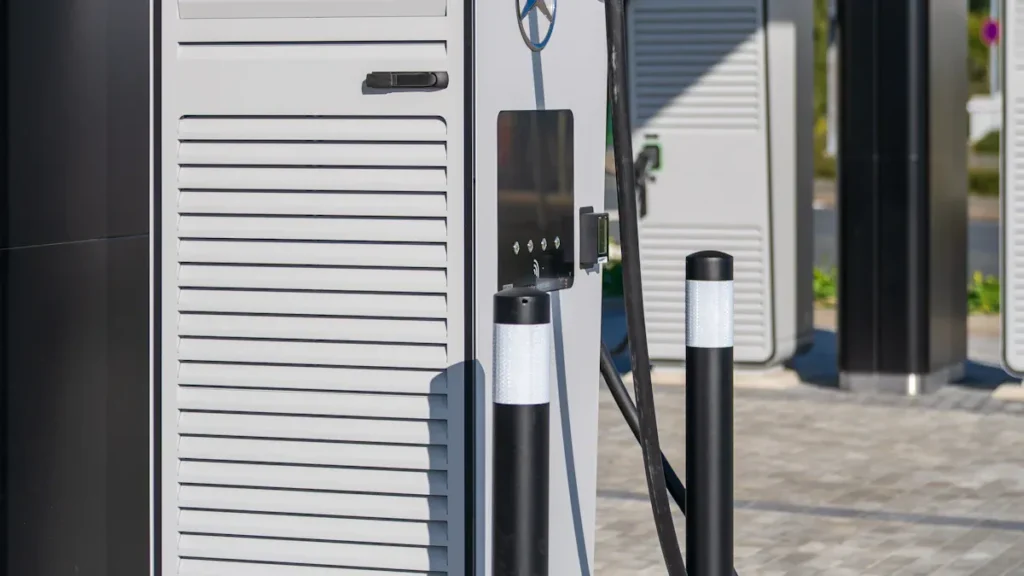
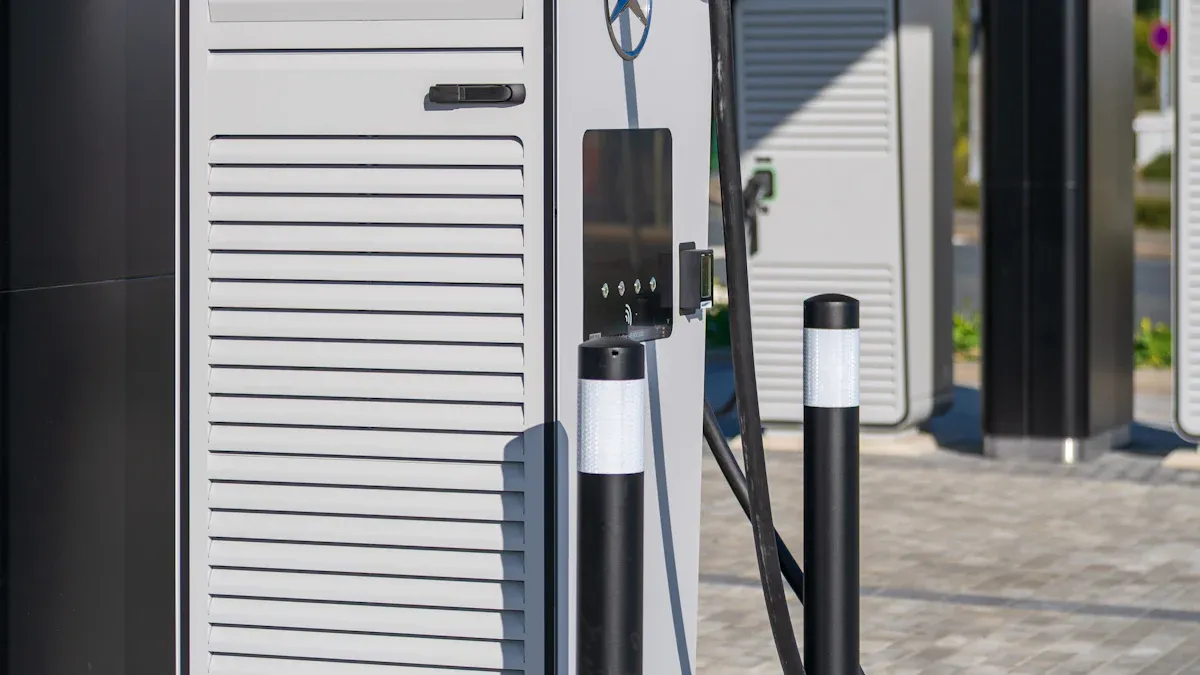
Instalar un Cargador de Nivel 2 Cargador EV in Germany remains possible for both private and commercial users. Germany’s electrical codes set strict requirements for electric car charging, which protect users and property. Compliance with these regulations ensures safety and legal operation. Fabricantes de cargadores para VE must follow these standards when developing Soluciones de recarga de vehículos eléctricos, incluyendo cargadores portátiles ev, to meet national expectations and prevent hazards.
Germany’s Electrical Codes for EV Charging
National Standards and Regulations
VDE 0100 Series for Electric Car Charging
Germany’s electrical codes set the foundation for safe EV charging. The VDE 0100 series outlines the core requirements for installing charging stations. This series addresses wiring, circuit protection, and installation practices. Installers must follow these rules to ensure safety and compliance. The VDE 0100 standards also help prevent electrical hazards at both private homes and public charging points. These codes apply to all charging locations, including residential garages and commercial parking areas.
VDE-AR-N 4100 and Grid Integration
VDE-AR-N 4100 governs how charging stations connect to the grid in Germany. This regulation ensures that EV charging does not overload the local power supply. Grid integration rules require installers to coordinate with utilities before connecting new charging stations. Utilities may set limits on the number of stations or the total charging capacity. Installers must submit technical details and receive approval before starting work. This process protects the grid and supports reliable electric service for all users.
European and International Standards
IEC 61851 for EV Charging Safety
Europe sets high standards for EV charging safety. IEC 61851 defines the methods for safely starting, controlling, and ending the charging process. This standard covers both private and public charging points. It ensures that charging stations communicate properly with electric vehicles. IEC 61851 also addresses compatibility and safety features for all charging equipment.
AFIR and ISO 15118 Requirements for Germany
Germany follows European and international rules for EV charging. The Alternative Fuels Infrastructure Regulation (AFIR) sets minimum requirements for public charging points across Europe. ISO 15118 introduces advanced communication protocols for smart charging and payment processing. These standards help integrate charging stations with smart grids and digital services.
Nota: Installers must select equipment that meets both national and European standards. This approach ensures compatibility and safety at all charging locations.
The following table summarizes key standards for EV charging in Germany and Europe:
| Estándar | Descripción |
|---|---|
| IEC 61851 | Covers safety, compatibility, and communication protocols for electric vehicle charging. |
| IEC 62196 | Governs conductive charging couplers, specifying requirements for plugs, socket-outlets, and connectors. |
| ISO 15118 | Defines advanced digital communication protocols for smart grid integration and payment processing. |
Local Utility and Building Codes
Grid Connection Rules for EV Charging
Local utilities in Germany enforce grid connection rules for EV charging. Installers must notify the utility before connecting new charging stations. Utilities review the technical details and may require upgrades to support additional charging. This process helps maintain grid stability and prevents service interruptions.
Municipal Permitting for Electric Car Charging
Municipalities in Germany require permits for installing EV charging stations. The permitting process checks compliance with building codes and safety standards. Installers must submit plans and receive approval before starting construction. Municipal authorities may inspect the site after installation to verify compliance with Germany’s electrical codes.
Step-by-Step Guide to Safe Level 2 Charger Installation in Germany

Assessing Site and Grid Compatibility
Evaluating Electrical Capacity for EV Charging
Every successful EV charging project begins with a thorough evaluation of the site’s electrical capacity. The installer checks the main electrical panel to determine if it can support the additional load from Level 2 charging. They measure available amperage and review existing circuits. If the panel lacks capacity, the installer recommends upgrades before proceeding. This step prevents overloads and ensures reliable charging for electric vehicles.
Consejo: An installer uses a load calculation worksheet to estimate the total demand. This worksheet includes all household appliances and the planned EV charging station. Accurate calculations help avoid costly mistakes and protect the electrical system.
Consulting Local Utility for Germany’s Electrical Codes
The installer contacts the local utility to confirm compliance with Germany’s electrical codes. Utilities provide guidance on grid connection requirements and review technical specifications for the charging station. They may request details about the charger’s power rating and installation location. Utilities also inform the installer about any necessary upgrades or restrictions. Early consultation streamlines the approval process and prevents delays.
Selecting Compliant EV Charging Equipment
CE Marking and Certification for Electric Car Charging
Installers select equipment that meets strict certification standards. The CE marking indicates that the charging station complies with European safety and performance requirements. Certified equipment reduces risks and ensures compatibility with the grid. TPSON, a technologically advanced electric vehicle charging solution provider, offers chargers that meet these standards. Installers verify certification documents before purchasing any charging equipment.
| Certificación | Descripción |
|---|---|
| CE Marking | Confirms compliance with EU directives |
| VDE Approval | Ensures adherence to German standards |
| IEC 61851 | Guarantees safety for EV charging |
Choosing the Right Level 2 Charger for Germany
The installer considers several factors when selecting a Level 2 charger. They review the charger’s power output, compatibility with the vehicle, and smart features. TPSON provides solutions that support fast charging and advanced connectivity. The installer checks if the charger supports smart grid integration and remote monitoring. They also ensure the charger fits the installation site and meets local utility requirements.
Nota: Choosing a charger with smart features allows users to schedule charging sessions and monitor energy consumption. This approach optimizes charging efficiency and reduces costs.
Hiring a Certified Electrician for EV Charging
Electrician Qualifications and Licensing in Germany
A certified electrician handles the installation of EV charging stations. In Germany, electricians must hold valid licenses and complete specialized training for EV charging projects. They understand national and local electrical codes and follow best practices for safe installation. The installer checks the electrician’s credentials before starting work.
Verifying Experience with EV Charging Installations
Experience matters in EV charging projects. The installer reviews the electrician’s portfolio to confirm previous work with EV charging stations. They ask for references and inspect completed installations. An experienced electrician identifies potential challenges and ensures a smooth installation process. TPSON recommends working with professionals who specialize in electric vehicle charging solutions.
Alerta: Hiring an inexperienced electrician increases the risk of faulty wiring and unsafe charging conditions. Always verify qualifications and experience before proceeding.
Permits and Notifications for Electric Car Charging
Utility Notification Process for EV Charging
Before starting any charging project, installers must notify the local utility. Utilities in Europe require detailed information about the planned charging stations. The installer submits technical specifications, including the power rating and location of the EV charging equipment. Utilities review these details to ensure the grid can handle the additional load from charging. They may request upgrades or set limits on the number of stations. This notification process protects the grid and maintains reliable electric service for all users.
Consejo: Early communication with the utility helps avoid delays and ensures compliance with Germany’s electrical codes. Installers should keep records of all correspondence and approvals.
Building Permit Application for Germany
Installers must apply for a building permit before beginning the installation of EV charging stations. Municipal authorities in Europe review the application to verify compliance with local building codes and safety standards. The installer submits site plans, equipment specifications, and proof of utility notification. Authorities may inspect the site before granting approval. The permit process ensures that charging installations meet structural and electrical requirements.
Steps for a Successful Building Permit Application:
- Prepare detailed site plans showing the location of charging stations.
- Gather technical documents for EV charging equipment.
- Submit proof of utility notification.
- Complete the application form and pay any required fees.
- Schedule a site inspection if requested by municipal authorities.
Alerta: Failure to secure a building permit can result in fines or removal of charging equipment. Installers must follow all local regulations to protect their investment.
Installation and Safety Checks for EV Charging
Wiring and Circuit Protection per Germany’s Electrical Codes
Installers must follow strict wiring and circuit protection standards during EV charging installation. The VDE 0100 series in Europe outlines requirements for cable sizing, circuit breakers, and protective devices. Installers select cables that match the power rating of the charging stations. They install dedicated circuit breakers to prevent overloads and short circuits. Proper wiring ensures safe and reliable charging for electric vehicles.
| Componente | Requisito |
|---|---|
| Cable Size | Must match charging station power rating |
| Disyuntor (Interruptor Automático) | Dedicated for each EV charging station |
| Protective Devices | Installed per VDE 0100 and IEC 61851 |
Nota: Installers should test all circuits before commissioning the charging equipment. Testing prevents hazards and confirms compliance with electrical codes.
Grounding and Residual Current Devices (RCDs) for EV Charging
Grounding plays a critical role in EV charging safety. Installers connect all charging stations to a proper earth ground. This connection protects users from electric shock and prevents equipment damage. Residual Current Devices (RCDs) detect faults and disconnect power quickly. The VDE 0100 series and IEC 61851 require RCDs for all charging installations in Europe. Installers select RCDs with the correct sensitivity for EV charging applications.
Safety Reminder: RCDs must be tested regularly to ensure proper operation. Grounding connections should be inspected during each maintenance visit.
Final Inspection and Documentation for Electric Car Charging
After completing the installation, installers schedule a final inspection with municipal authorities. Inspectors verify that all charging stations meet Germany’s electrical codes and safety standards. They check wiring, circuit protection, grounding, and RCDs. The installer provides documentation, including permits, utility approvals, and test results. Proper documentation supports ongoing compliance and simplifies future upgrades.
Checklist for Final Inspection:
- All wiring and circuit protection installed per code
- Grounding and RCDs tested and operational
- Permits and utility notifications on file
- Charging stations labeled and documented
Llamada: Keeping accurate records ensures that EV charging installations remain compliant with evolving regulations in Europe.
Ensuring Ongoing Compliance and Safety for EV Charging
Regular Maintenance for Electric Car Charging
Scheduled Inspections for EV Charging Equipment
Ongoing maintenance plays a vital role in the safe operation of EV charging stations. Operators schedule regular inspections to keep equipment in top condition. These inspections focus on several key components:
- Transformers and circuit breakers receive thorough checks to confirm proper function.
- Cooling systems and connectors undergo inspection to prevent overheating and ensure secure connections.
- Preventive maintenance identifies hazards such as faulty hoses or damaged cables before they cause problems.
- Load balancing checks help maintain even power distribution across all charging units.
- Cleaning and visual inspections keep stations accessible and performing at their best.
Consejo: Operators should follow the Reglamento sobre puntos de recarga públicos 2023, which require quarterly reporting on network uptime. This practice supports transparency and reliability for all users of e-mobility systems.
Record Keeping for Germany’s Electrical Codes
Accurate records help operators demonstrate compliance with Germany’s electrical codes. They document every inspection, maintenance activity, and repair. These records include test results, equipment upgrades, and any incidents that affect charging safety. Organized documentation makes it easier to respond to regulatory audits and plan future upgrades.
Llamada: Good record keeping also supports warranty claims and helps track the long-term performance of e-mobility systems.
Upgrades and Modifications for EV Charging
Adding Smart Features to Electric Car Charging
Technology continues to advance in the field of EV charging. Operators often upgrade stations by adding smart features. These upgrades may include remote monitoring, user authentication, and dynamic load management. Smart charging solutions allow users to schedule sessions, monitor energy use, and receive notifications. These features improve efficiency and user experience for both private and public charging stations.
Expanding Charging Capacity in Germany
As demand for electric vehicles grows, many sites need to expand their charging capacity. The German Act on Electric Mobility Infrastructure in Buildings (GEIG) outlines the legal requirements for these upgrades. Operators comply with GEIG by deploying fast-charging solutions at retail locations and other public sites. This approach ensures that all legal obligations are met while supporting the growth of e-mobility systems.
- GEIG compliance is essential for any expansion project.
- Fast-charging solutions help meet the needs of more users.
- Operators must coordinate with local authorities to ensure all upgrades align with Germany’s electrical codes.
Alerta: Expanding charging capacity without proper approvals can lead to penalties or forced removal of equipment. Always verify requirements before starting any upgrade.
Common Pitfalls in EV Charging Installation and How to Avoid Them
Electric vehicle charging installation in Germany presents several challenges. Many users and installers encounter obstacles that can delay projects, increase costs, or compromise safety. Understanding these pitfalls helps ensure a smooth and compliant installation process.
| Error | Descripción |
|---|---|
| Poor charging infrastructure | High installation costs and complex agreements between grid operators, manufacturers, and landowners slow progress. |
| Vehicle-grid interoperability | Limited communication between grid operators and manufacturers restricts network reliability. |
| Power issues while charging | Rapid chargers demand significant power, especially during peak times, complicating grid management. |
| Payment method integration | Multiple payment systems create confusion and inconvenience for users. |
Skipping Utility Notification for Electric Car Charging
Many installers overlook the requirement to notify the local utility before connecting a new charging station. This step is not optional in Germany. Utilities must review technical details to ensure the grid can handle the additional load. Skipping this process can lead to overloaded circuits, service interruptions, or even legal penalties.
Alerta: Utilities may require upgrades or set limits on charging capacity. Installers who skip notification risk fines and forced removal of equipment.
To avoid this pitfall, installers should always contact the utility early in the planning phase. They should submit all required documents and keep records of approvals. This approach protects both the user and the local grid.
Using Non-Compliant EV Charging Equipment
Some users select charging equipment based on price or appearance, ignoring certification requirements. Non-compliant chargers may lack essential safety features or fail to meet Germany’s electrical codes. These devices can cause electrical faults, fires, or damage to vehicles.
Installers must verify that all equipment carries the CE marking and, where possible, VDE approval. Certified chargers ensure compatibility with the grid and provide reliable protection for users. TPSON and other reputable manufacturers offer products that meet these standards.
Consejo: Always request certification documents before purchasing or installing any charging equipment.
DIY Installation Risks for Germany’s Electrical Codes
DIY installation appeals to some users who want to save money. However, Germany’s electrical codes require specialized knowledge and training. Unqualified individuals may use incorrect wiring, skip essential safety checks, or install inadequate circuit protection.
These mistakes can lead to electric shock, fire, or equipment failure. Insurance companies may also refuse coverage for damages caused by unauthorized installations.
A certified electrician understands the latest regulations and best practices. They ensure that every aspect of the installation meets national and local standards.
- Hire only licensed professionals with experience in EV charging.
- Request references and review previous projects.
- Schedule a final inspection to confirm compliance.
Safety Reminder: DIY installation puts property and lives at risk. Professional installation remains the safest and most reliable choice.
Inadequate Circuit Protection for EV Charging
In Germany, circuit protection forms the backbone of safe electric vehicle charging. Many installers underestimate the importance of robust protection systems. They may select undersized fuses or overlook the need for advanced contactors. These mistakes can lead to severe electrical hazards, especially as electric vehicles evolve.
Modern EVs draw higher currents to support faster charging and more powerful motors. This trend places greater stress on electrical circuits. If the protection system cannot handle these demands, the risk of overheating, fire, or equipment failure increases. Installers must recognize that every charging station requires a dedicated approach to circuit protection.
The following table outlines key aspects that highlight the importance of proper circuit protection for EV charging in Germany:
| Aspecto | Descripción |
|---|---|
| Increased Power Demands | Modern electric vehicles require higher operating currents due to increased motor power and charging speeds. |
| Higher Fault Currents | The variety of EVs leads to higher fault currents, necessitating advanced protection systems. |
| Circuit Protection Requirements | Coordination between fuses and contactors is essential to cover all potential fault scenarios. |
Installers must coordinate fuses and contactors to address all possible fault scenarios. A mismatch between these components can leave gaps in protection. For example, a fuse that reacts too slowly may not interrupt a dangerous surge in time. A contactor that fails to disconnect during a fault can allow damage to spread through the system.
Alerta: Inadequate circuit protection exposes users to electric shock and property owners to costly repairs. Insurance providers may also deny claims if they find non-compliant installations.
German electrical codes, such as the VDE 0100 series, set strict requirements for cable sizing, circuit breaker selection, and the use of residual current devices (RCDs). Installers must follow these codes to ensure that every charging station operates safely. They should test all protective devices during installation and schedule regular maintenance checks.
Some common mistakes include using general-purpose circuit breakers instead of those rated for EV charging or failing to install RCDs with the correct sensitivity. These errors can go unnoticed until a fault occurs. At that point, the consequences may include equipment damage, fire, or personal injury.
A professional installer reviews the entire protection system before commissioning the charging station. They verify that each component meets the latest standards and matches the specific requirements of the site. This diligence protects users, vehicles, and property.
Consejo: Always request documentation for all protective devices and keep records of testing and maintenance. This practice supports compliance and provides peace of mind for everyone involved in the charging process.
Essential Checklist for Safe, Code-Compliant EV Charging Installation
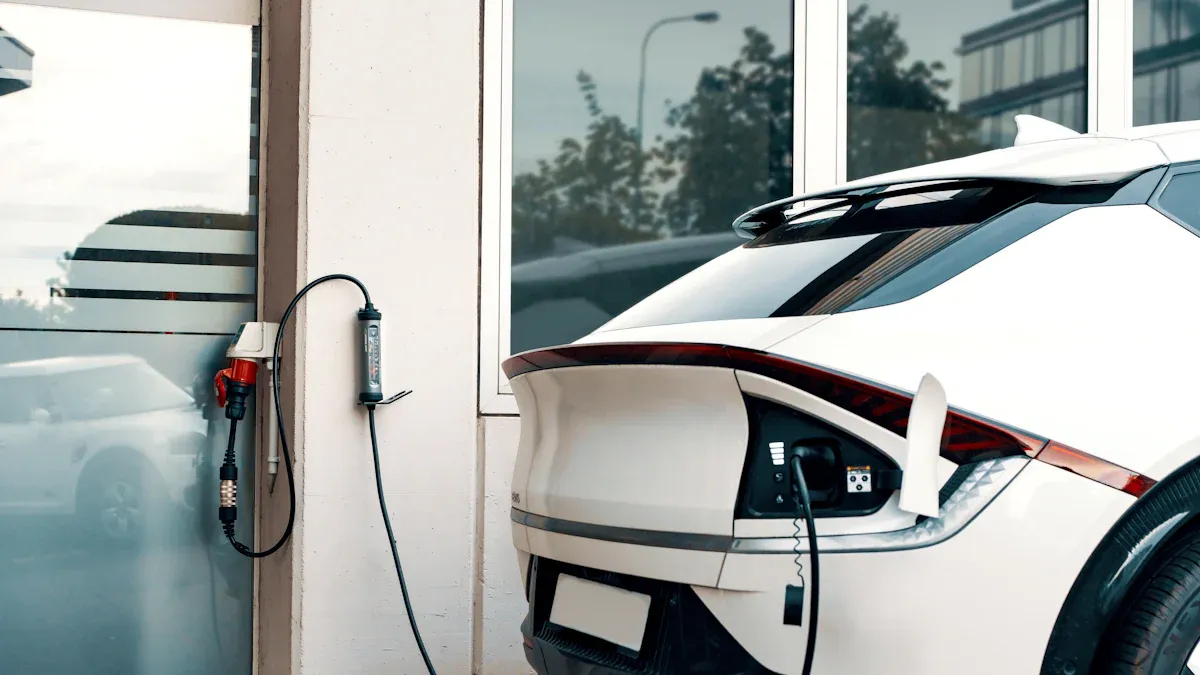
A well-organized checklist helps installers and property owners achieve a safe, code-compliant EV charging installation in Germany. This section outlines the essential steps before, during, and after installation.
Pre-Installation Steps for Electric Car Charging
- Review Germany’s electrical codes and local utility requirements.
- Assess the site’s electrical capacity using a load calculation worksheet.
- Consult with the local utility about grid connection and technical specifications.
- Select equipos de carga certificados with CE marking and VDE approval.
- Contratar a un electricista autorizado with proven experience in EV charging projects.
- Prepare detailed site plans and gather all technical documents.
- Submit a building permit application to municipal authorities.
- Obtain written approval from the utility and municipality before starting work.
Consejo: Early planning and documentation prevent costly delays and ensure compliance with all regulations.
During Installation for EV Charging
- Install dedicated wiring and circuit breakers according to VDE 0100 standards.
- Use cables that match the power rating of the charging station.
- Connect all equipment to a proper earth ground.
- Install Residual Current Devices (RCDs) with the correct sensitivity for EV charging.
- Label all circuits and charging stations clearly.
- Test all protective devices, including circuit breakers and RCDs, before commissioning.
- Maintain a clean and organized work area to reduce hazards.
| Installation Task | Compliance Reference |
|---|---|
| Wiring and Circuit Breakers | VDE 0100, IEC 61851 |
| Puesta a Tierra | VDE 0100 |
| RCD Installation | IEC 61851, VDE 0100 |
Safety Reminder: Solo electricistas certificados deben realizar la instalación y las pruebas. Esta práctica protege a los usuarios y la propiedad.
Acciones Posteriores a la Instalación según las Normas Eléctricas de Alemania
- Programar una inspección final con las autoridades municipales.
- Proporcionar toda la documentación, incluidos permisos, aprobaciones de la compañía eléctrica y resultados de pruebas.
- Registrar los números de serie y los detalles de certificación de cada estación de carga.
- Probar la estación de carga con un vehículo eléctrico para confirmar su correcto funcionamiento.
- Establecer un programa de mantenimiento para inspecciones periódicas y pruebas del interruptor diferencial (RCD).
- Almacenar todos los registros en un lugar seguro y accesible para futuras auditorías o actualizaciones.
Llamada: Los registros precisos y el mantenimiento programado respaldan el cumplimiento continuo y ayudan a evitar sanciones o problemas con los seguros.
Un enfoque sistemático garantiza que cada instalación de carga para vehículos eléctricos en Alemania cumpla con los más altos estándares de seguridad y legales. Los instaladores y propietarios que siguen esta lista protegen su inversión y contribuyen a una infraestructura de movilidad eléctrica confiable.
Cumplir con las normas eléctricas de Alemania garantiza una carga de vehículos eléctricos segura y legal. Los instaladores en Alemania deben revisar los requisitos, seleccionar equipos certificados y contratar electricistas autorizados. Deben completar todos los permisos e inspecciones.
Consejo: Consultar a profesionales certificados y mantenerse actualizado sobre las normativas protege a los usuarios y la propiedad.
Un enfoque cuidadoso respalda una carga confiable y el cumplimiento a largo plazo.
PREGUNTAS FRECUENTES
¿Qué es un cargador de vehículo eléctrico de Nivel 2?
A Cargador de vehículo eléctrico de Nivel 2 utiliza una alimentación de CA de 230V y proporciona una carga más rápida que un enchufe doméstico estándar. La mayoría de los vehículos eléctricos en Alemania utilizan este tipo para carga doméstica y pública.
¿Requiere Alemania un permiso para la instalación de un cargador de vehículo eléctrico en el hogar?
Sí. Las autoridades locales requieren un permiso de construcción para la mayoría de las instalaciones de cargadores de vehículos eléctricos en el hogar. Los instaladores deben presentar planos y recibir la aprobación antes de comenzar los trabajos.
¿Quién puede instalar un cargador de Nivel 2 en Alemania?
Solo electricistas certificados con la licencia adecuada y experiencia en carga de vehículos eléctricos pueden instalar cargadores de Nivel 2. Ellos garantizan el cumplimiento de todas las normas eléctricas nacionales y locales.
¿Qué certificaciones debe tener el equipo de carga para vehículos eléctricos en Alemania?
El equipo de carga para vehículos eléctricos debe mostrar el marcado CE y, idealmente, la aprobación VDE. Estas certificaciones confirman el cumplimiento de las normas de seguridad europeas y alemanas.
¿Es obligatoria la notificación a la compañía eléctrica antes de la instalación?
Sí. Los instaladores deben notificar a la compañía eléctrica local antes de conectar una nueva estación de carga. Las compañías eléctricas revisan los detalles técnicos y pueden requerir actualizaciones para proteger la red.
¿Con qué frecuencia deben inspeccionarse las estaciones de carga para vehículos eléctricos?
Los operadores deben programar inspecciones periódicas, al menos una vez al año. Las comprobaciones de rutina garantizan un funcionamiento seguro y el cumplimiento continuo de las normas eléctricas de Alemania.