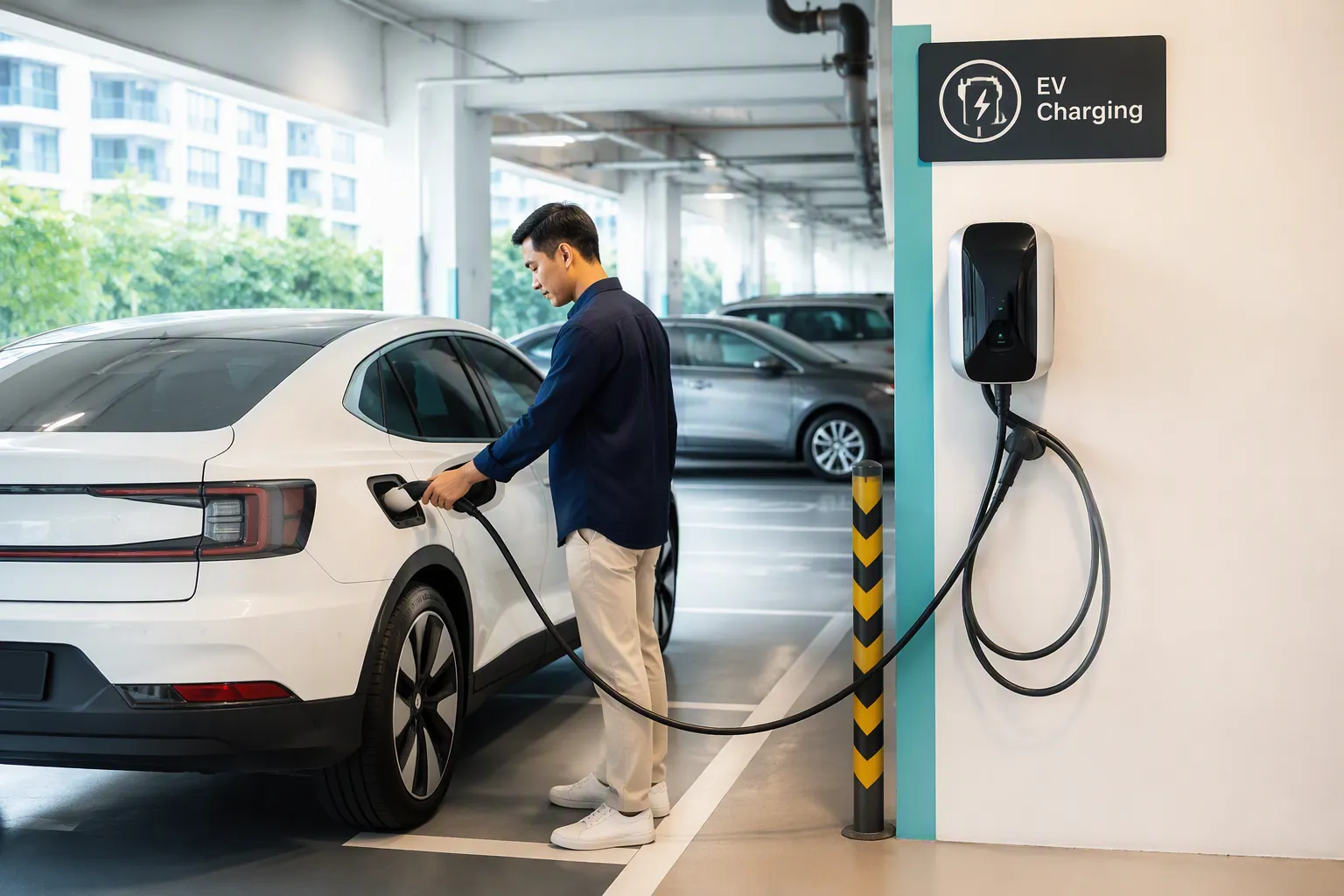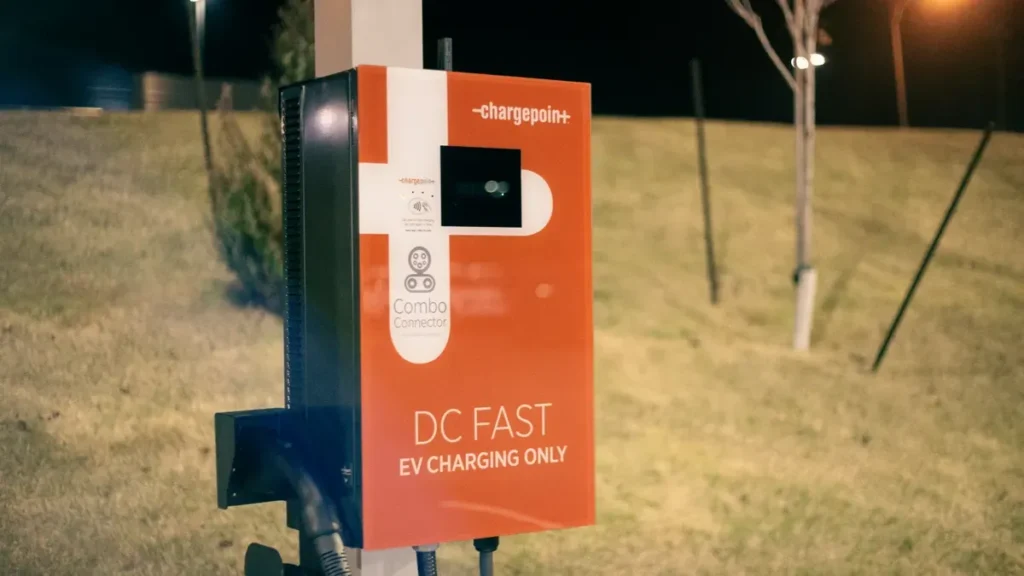
DC fast charging stands out as the fastest solution for replenishing an electric vehicle’s battery. This technology delivers high-voltage direct current directly to the battery, bypassing the onboard charger for rapid results. Unlike Level 1 and Level 2 charging, dc fast charging uses an external EV-Ladegerät that converts alternating current to direct current. Many Hersteller von EV-Ladegeräten now offer advanced EV-Ladelösungen, einschließlich tragbare ev-ladegeräte for flexible use. The following table compares average charging times for different methods, highlighting what-is-dc-fast-charging offers:
| Art der Aufladung | Durchschnittliche Ladezeit bis 80% |
|---|---|
| DC-Schnellaufladung | 20 bis 60 Minuten |
| Level 1 Aufladung | 30+ Stunden |
| Level-2-Ladung | 6 bis 12 Stunden |
DC fast charging dramatically reduces waiting times, making it ideal for drivers who value efficiency.
what-is-dc-fast-charging and How It Works
Direct Current Basics
What Is Direct Current?
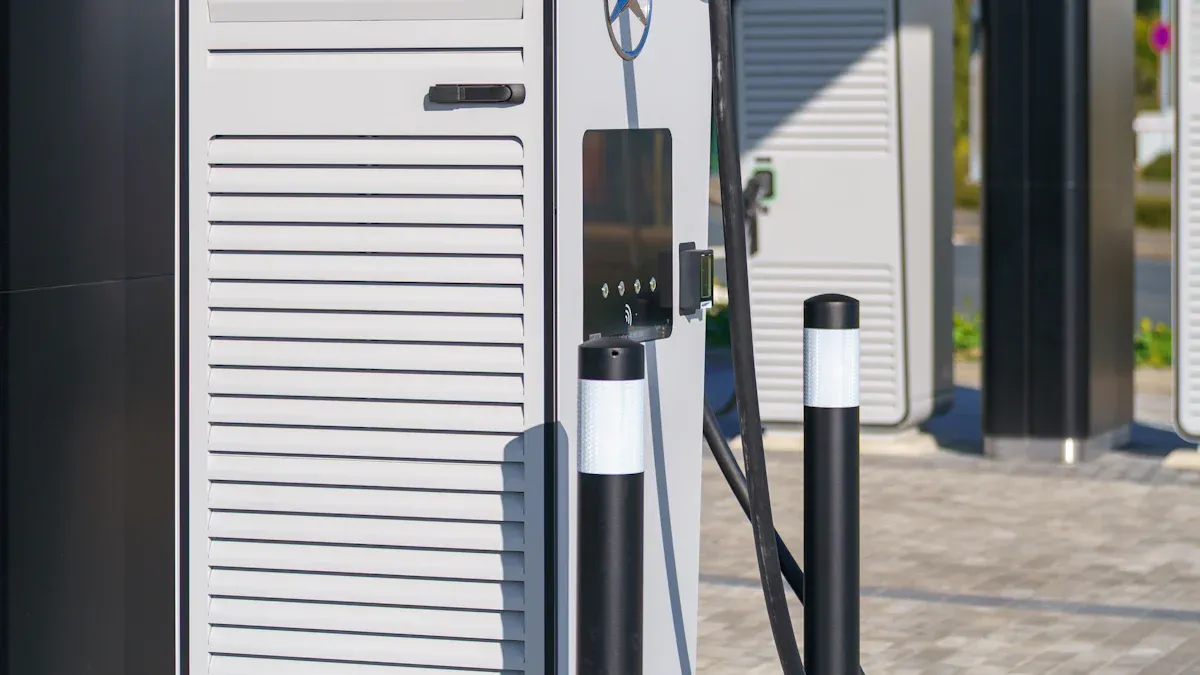
Direct current, often abbreviated as DC, refers to the flow of electric charge in a single direction. This type of current provides a stable and consistent voltage, which makes it ideal for charging batteries. In the context of what-is-dc-fast-charging, direct current enables rapid energy transfer directly into an electric vehicle’s battery. Most batteries, including those in electric vehicles, store and release energy as direct current.
How DC Differs from AC
Alternating current (AC) changes direction periodically, while direct current maintains a constant flow. Homes and businesses typically receive AC from the power grid. Electric vehicles, however, require DC for battery charging. Traditional charging stations use the vehicle’s onboard charger to convert AC to DC. In contrast, what-is-dc-fast-charging uses an external charger to perform this conversion before delivering power to the battery. This process allows for much faster charging speeds compared to AC-based methods.
The DC Fast Charging Process
Power Delivery to the Battery
The process of dc fast charging involves several coordinated steps to ensure safety and efficiency:
- The electric vehicle and the charging station establish a secure communication link through a handshake process.
- Both systems exchange information, authenticate each other, and negotiate charging parameters such as the desired charging rate and energy amount.
- The charging station delivers electrical energy directly to the vehicle’s battery once communication is established.
- The system continuously monitors various parameters throughout the charging session to protect the battery’s health and ensure user safety.
- The charger tracks the battery’s current charge level and monitors temperature to prevent overheating.
- Real-time updates on charging status, estimated completion time, and potential issues are provided to the user.
The DC fast charger has a large, powerful converter built into the charging station itself. It converts the AC grid power to DC power at a high rate and feeds it directly to the vehicle’s battery management system (BMS), bypassing the car’s onboard charger entirely.
This direct approach defines what-is-dc-fast-charging and distinguishes it from slower charging methods.
Typical Charging Times and Power Levels
Charging times and power levels vary based on the charger and the vehicle’s capabilities. DC fast chargers, also known as level 3 charging stations, can typically charge a battery electric vehicle in less than an hour. Most high-power stations deliver between 150 kW and 360 kW, while some models start at 30 kW. Charging to 80% capacity usually takes between 20 and 60 minutes, depending on the battery size and charger output.
| Ladegerät Typ | Spannung (V) | Current (A) |
|---|---|---|
| Low-Power DCFC | 480 | 70 |
| High-Power DCFC | 480 | 600 |
- DC fast chargers typically deliver power outputs ranging from 50 kW to over 350 kW.
- New technologies are capable of reaching megawatt levels.
This range of power levels supports the rapid charging that defines what-is-dc-fast-charging.
DC Fast Charging Equipment
Types of DC Fast Chargers
DC fast charging delivers direct current electricity directly to the vehicle’s battery, enabling faster charging speeds compared to AC charging. The market offers two main categories: rapid chargers and ultra-rapid chargers. Rapid chargers can bring an EV battery to 80% in about 40 minutes at a power output of 50 kW. Ultra-rapid chargers achieve this in approximately 20 minutes with outputs of 100 kW or more. Charging speeds depend on both the charger’s power output and the vehicle’s acceptance rate.
- DC fast chargers typically range from 50 kW bis 350 kW oder mehr.
- Charging speeds vary based on the charger’s power output and the vehicle’s capabilities.
These features make direct current fast chargers essential for drivers who need quick turnaround times.
Steckernormen und Kompatibilität
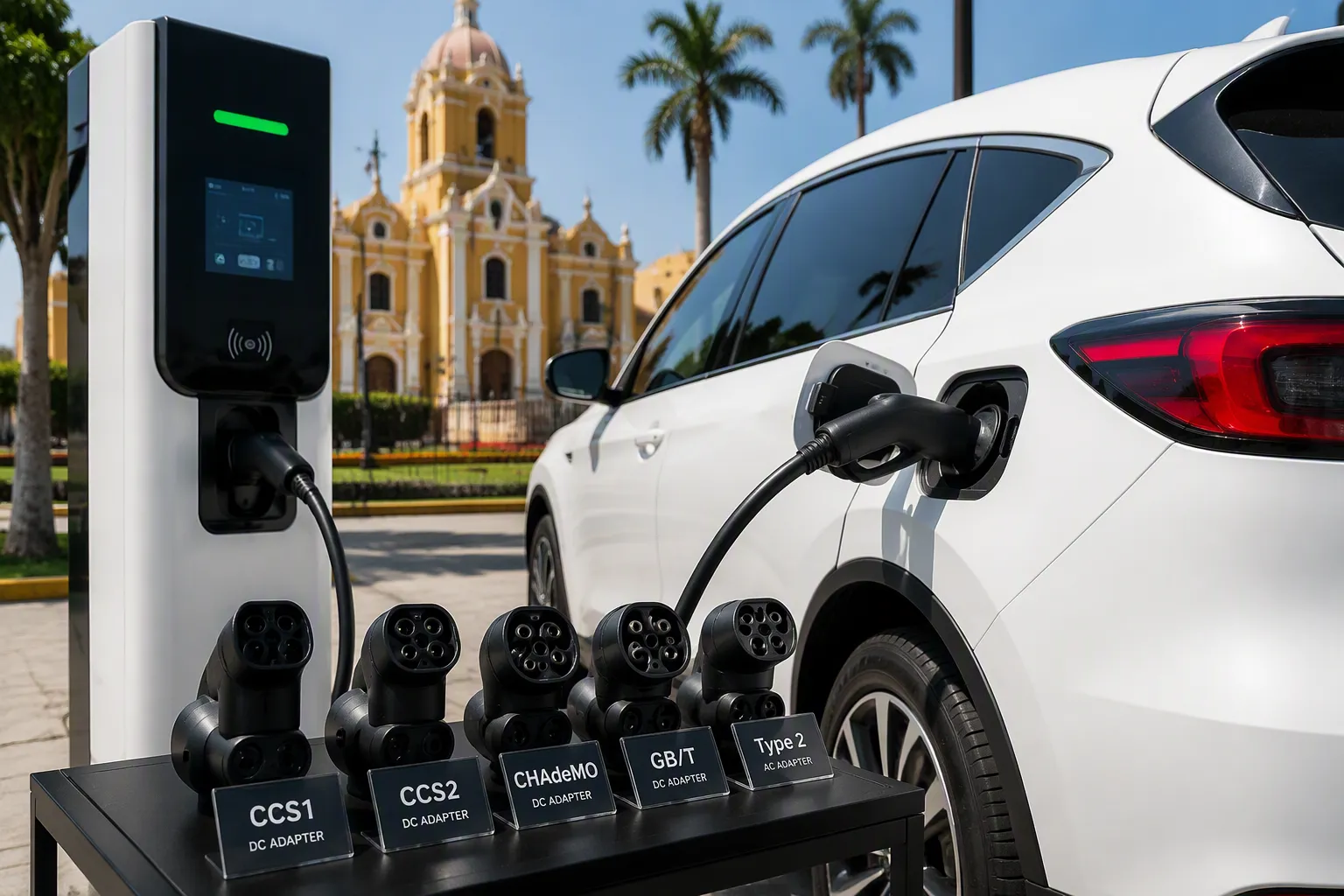
Connector standards play a crucial role in what-is-dc-fast-charging. Each electric vehicle model is designed to work with specific charging connectors, which can lead to compatibility challenges if the standards do not align.
- CCS (Combined Charging System): Standard across Europe and North America
- CHAdeMO: Common in Japanese vehicles like older Nissan Leaf models
- Tesla Supercharger: Proprietary system for Tesla vehicles
Connector standards ensure that electric vehicles can utilize the available charging infrastructure. Compatibility between the vehicle and the charging station determines whether a driver can access the benefits of dc fast charging. As the industry evolves, more manufacturers are adopting universal standards to improve access and convenience for all users.
Comparing DC Fast Charging to Level 1 and Level 2 Charging
Level 1 Charging Overview
Geschwindigkeit und Bequemlichkeit
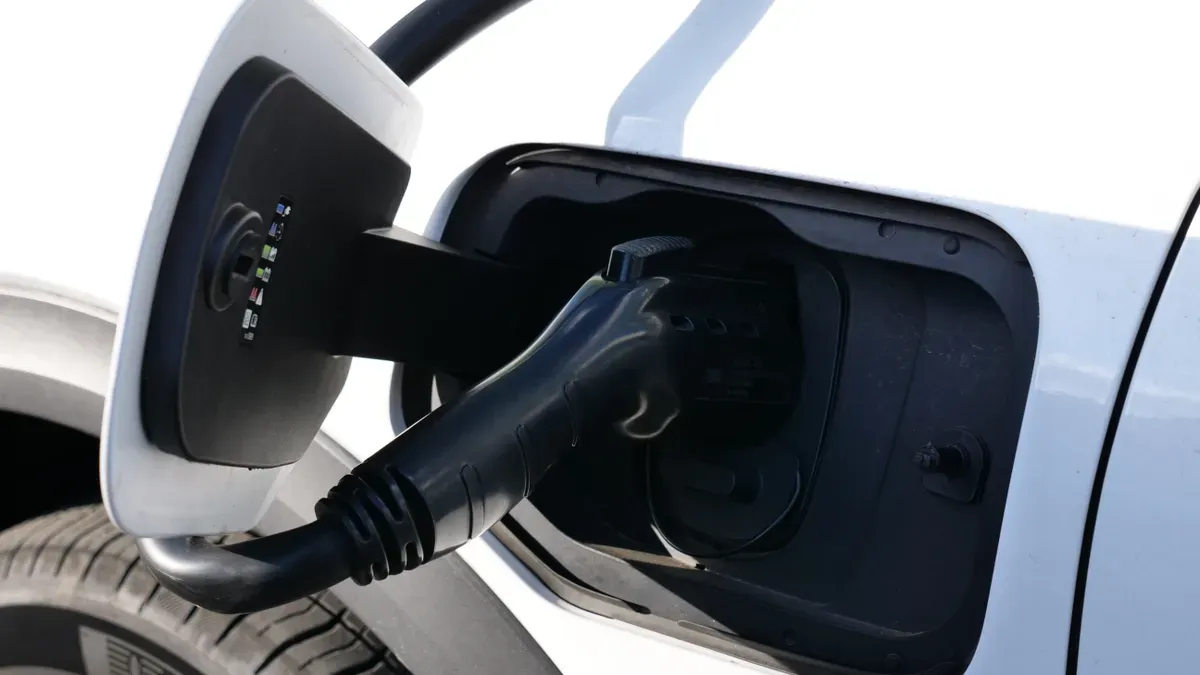
Level 1 charging uses a standard 120-volt outlet, making it accessible in most residential and commercial settings. The process delivers the slowest charging speed, typically adding only 2 to 5 miles of range per hour. This method requires no special installation, which appeals to users seeking simplicity. However, the slow speed limits its practicality for daily use, especially for drivers with longer commutes.
Level 1 charging often serves as an emergency solution or for occasional use when faster options are unavailable.
| Characteristic/Limitations | Beschreibung |
|---|---|
| Aufladegeschwindigkeit | Extremely slow, adding 8-10 miles of range per hour |
| Anforderungen an die Installation | Requires no special installation |
| Suitability for Daily Use | Not suitable for daily use |
| Circuit Strain | Can strain household circuits |
| Energie-Effizienz | Less energy efficient than dedicated chargers |
| Typische Verwendung | Used for occasional or emergency charging |
Häufige Anwendungsfälle
Drivers often rely on Level 1 charging for overnight charging at home or during emergencies. This method suits plug-in hybrid vehicles with smaller batteries or situations where access to higher-powered chargers is limited. Commercial locations may offer Level 1 charging for guests or employees who need a temporary solution.
Level 2 Charging Overview
Geschwindigkeit und Bequemlichkeit
Level-2-Ladung operates with a 240-volt supply, providing a significant improvement in speed compared to Level 1. Most Level 2 chargers deliver 10 to 60 miles of range per hour, allowing drivers to fully recharge their vehicles in 6 to 12 hours. The faster speed makes Level 2 charging ideal for daily use, especially for those who drive longer distances.
Level 2 charging integrates easily into homes and businesses, offering a practical balance between speed and cost.
Häufige Anwendungsfälle
Level 2 charging is popular in residential garages, workplace parking lots, and public charging stations. Drivers use this method for routine overnight charging or during the workday. Many commercial fleets depend on Level 2 charging to maintain operational readiness without incurring high infrastructure costs.
DC Fast Charging Features
Unique Benefits of DC Fast Charging
DC-Schnellladung stands out for its unmatched speed and efficiency. The technology delivers direct current power at levels ranging from 20 kW to over 350 kW, bypassing the vehicle’s onboard charger. This approach enables drivers to add 100 to 200 miles of range in just 30 minutes, making it the fastest charging option available.
| Merkmal | DC-Schnellaufladung | Level 1 Aufladung | Level-2-Ladung |
|---|---|---|---|
| Leistung aufladen | 20-40 kW | Low (120V) | Moderate (240V) |
| Sicherheitsstandards | High-quality components | Basic standards | Improved standards |
| Tragbarkeit | Compact and lightweight | Fixed installation | Fixed installation |
| Vielseitigkeit | Multiple interfaces | Begrenzt | Begrenzt |
DC fast charging uses high-quality components and multiple interfaces, supporting a wide range of electric vehicles. The compact and lightweight design of many fast chargers allows for flexible deployment in public spaces.
Wann sollte man DC-Schnellladung verwenden?
Drivers choose dc fast charging when they need rapid turnaround, such as during long-distance travel or when time is limited. Public charging stations along highways and major routes often feature dc fast charging to support drivers on extended trips. Fleet operators and businesses benefit from fast charging to maximize vehicle uptime and reduce operational delays.
DC fast charging provides a critical solution for reducing range anxiety and supporting the widespread adoption of electric vehicles.
| Ladezustand | Speed (miles per hour) | Anmerkungen |
|---|---|---|
| Stufe 1 | 2 bis 5 | Slowest option, suitable for emergencies |
| Stufe 2 | 10 bis 60 | Faster, requires 240V supply |
| DC-Schnellaufladung | 100 to 200+ | Fastest, adds significant range in short time |
Key Differences Between Charging Levels
Vergleich der Ladegeschwindigkeit
Charging speed remains one of the most important factors for electric vehicle owners. Each charging level offers a different experience in terms of how quickly a vehicle can regain range. Level 1 charging provides the slowest speed. It uses a standard household outlet and typically adds only a few miles of range per hour. Most drivers find this method suitable only for overnight charging or emergency situations.
Level 2 charging delivers a noticeable improvement. It uses a 240-volt supply, similar to what large appliances require. This method can add between 10 and 60 miles of range per hour, depending on the charger and the vehicle. Many drivers use Level 2 charging at home or at work because it balances speed and convenience.
DC fast charging stands out for its rapid performance. These stations can add 100 to 200 miles of range in just 30 minutes. High-power units may deliver even faster results. This speed makes DC fast charging ideal for long trips or when drivers need to get back on the road quickly.
Tip: Drivers planning long-distance travel should look for locations with DC fast charging to minimize downtime.
The table below summarizes the typical charging speeds for each level:
| Ladezustand | Typical Speed (miles/hour) | Bester Anwendungsfall |
|---|---|---|
| Stufe 1 | 2–5 | Overnight, emergencies |
| Stufe 2 | 10–60 | Daily home/workplace charging |
| DC-Schnellaufladung | 100–200+ | Road trips, quick top-ups |
Kostenvergleich
Cost plays a significant role in choosing a charging solution. Level 1 charging uses existing outlets, so installation costs remain minimal. The main expense comes from the electricity used, which is usually included in a household’s utility bill. This method offers the lowest upfront cost but the slowest speed.
Level 2 charging requires a dedicated charging station and professional installation. The equipment and labor can cost several hundred to a few thousand dollars. However, the faster charging speed often justifies the investment for frequent drivers. Electricity rates for Level 2 charging are similar to Level 1, especially when charging at home.
DC fast charging involves higher costs. Installation requires specialized equipment and significant electrical upgrades. Public DC fast charging stations often charge higher usage fees, sometimes based on time or energy delivered. These fees reflect the convenience and speed offered. Businesses and fleet operators may find the investment worthwhile for operational efficiency.
- Level 1: Lowest installation and usage costs, slowest charging.
- Level 2: Moderate installation cost, reasonable charging speed.
- DC Fast Charging: Highest installation and usage costs, fastest charging.
Note: Some public charging networks offer membership plans or discounts, which can help reduce long-term costs for frequent users.
Benefits of DC Fast Charging
Geschwindigkeit und Effizienz
Rapid Charging Times
DC fast charging transforms the experience for electric vehicle drivers by offering rapid charging times. Fast charging stations deliver high-voltage direct current directly to the battery, bypassing slower onboard chargers. Drivers can add 100 to 200 miles of range in 30 minutes or less, making this method ideal for those who need quick turnaround. The table below compares the time savings between charging methods:
| Methode der Aufladung | Speed (Miles per Hour) | Time for 100-200 Miles |
|---|---|---|
| Stufe 2 | 10–40 | 2.5 to 20 hours |
| DC-Schnellaufladung | 100–200+ | 30 minutes or less |
Fast charging stations provide a solution for busy individuals and commercial fleets that require efficient charging. TPSON, a technologically advanced provider, offers electric vehicle charging solutions that maximize speed and reliability.
Convenience for Long-Distance Travel
Fast charging stations play a crucial role in enabling long-distance travel for electric vehicle owners. Drivers can quickly top up their batteries while on the road, reducing logistical challenges and mimicking traditional refueling experiences. DC fast charging delivers a significant charge in minutes, making cross-country trips feasible and practical. Many fast charging stations are strategically located along major routes, supporting seamless travel for both private and commercial vehicles.
Fast charging stations allow drivers to add around 100–200 miles of range in just 20–40 minutes, which is essential for long-distance journeys.
Expanding EV Use
Supporting More Drivers
The expansion of fast charging stations has made electric vehicle ownership accessible to a broader audience. DC fast charging networks enable quick turnaround times, maximizing vehicle utilization for businesses and individuals. Fleet operations benefit from increased operational efficiency, as vehicles spend less time at charging stations and more time on the road. TPSON’s advanced charging solutions support the needs of diverse drivers, from private owners to commercial fleets.
| Auswirkungsbereich | Beschreibung |
|---|---|
| Langstreckenreisen | Fast charging stations make long-distance EV journeys practical and convenient. |
| Flottenbetrieb | Enables quick turnaround times, maximizing vehicle utilization and efficiency. |
| Climate Goals | Supports compliance with climate targets, crucial for reducing greenhouse gas emissions by 2030. |
Reducing Range Anxiety
Range anxiety remains a concern for many electric vehicle drivers. The perception that charging stations are less accessible than petrol stations contributes to this anxiety. However, the rapid growth of fast charging stations has alleviated these concerns. Drivers now find it easier to locate charging options, increasing their confidence in planning long-distance journeys. A survey found that 58% of electric vehicle drivers feel confident about long-distance travel due to the availability of rapid chargers. The number of public charging stations has increased significantly, with over 31,000 locations available in 2022 compared to just 7,000 in 2017.
The expansion of fast charging stations reduces range anxiety and encourages more drivers to adopt electric vehicles.
Business and Public Charging Advantages
Benefits for Fleets
Fleet operators rely on fast charging stations to maximize vehicle uptime. DC fast charging enables quick turnaround, allowing fleets to maintain operational readiness and efficiency. TPSON’s advanced charging solutions help businesses meet demanding schedules and reduce downtime.
Benefits for Public Charging Stations
Public charging stations equipped with DC fast charging technology attract more users and support the transition to electric mobility. These stations provide rapid charging for a wide range of vehicles, making them essential for urban centers, highways, and commercial locations. The presence of fast charging stations encourages electric vehicle adoption and supports climate goals by reducing emissions.
Fast charging stations offer significant advantages for both fleet operations and public infrastructure, driving the growth of electric vehicle use.
Drawbacks of DC Fast Charging
Cost Factors
Higher Installation Costs
Installing dc fast charging stations involves significant expenses. Operators must invest in specialized equipment, site preparation, and electrical upgrades. The process often requires concrete pads, trenching for conduit, and new transformers or switchgear. Coordination with local utilities and upgrades to high-capacity electrical service add complexity. The table below outlines typical cost factors:
| Kostenfaktor | Geschätzter Kostenbereich |
|---|---|
| Ausrüstungskosten | $25,000 to $50,000 per unit |
| Installationskosten | $1,000 to $5,000 per charging point |
| Permitting and Approvals | $1,000 to $5,000 |
| Grid Connection Fees | $5,000 to $20,000 |
| Operating and Maintenance Costs | $500 to $2,000 annually per point |
| Technology and Features | $2,000 to $5,000 per charging point |
| Accessibility Upgrades | $1,000 to $5,000 |
| Project Management | $5,000 to $20,000 |
| Versicherung | $1,000 to $5,000 annually |
| Miscellaneous Costs | 10% to 20% of total project cost |
Compared to Level 2 charging, dc fast charging stations demand much higher investment. For example, Level 2 charging units typically cost $500–$2,000, while dc fast charging units can range from $10,000 to over $100,000 per unit.
Higher Usage Fees
Drivers often pay more to use dc fast charging stations. The higher fees reflect the advanced technology, increased energy delivery, and ongoing maintenance. Operators must cover costs for network services, equipment upkeep, and site management. These expenses make dc fast charging less economical for daily use.
Battery Health Concerns
Potential Battery Wear
Frequent high-speed charging can generate additional heat, which may impact long-term battery health if used excessively.
High charging rates accelerate chemical reactions inside the battery. Over time, this process can reduce battery capacity and shorten its lifespan. Drivers who rely on dc fast charging for every session may notice faster battery degradation.
Herstellerrichtlinien
Manufacturers recommend balancing the use of AC and DC charging to protect battery health. They generally suggest using AC charging for daily needs and reserving dc fast charging for occasional use. This approach helps maintain battery performance and extends the life of electric vehicles.
Availability and Compatibility
Limited Locations
Level 2 charging stations are widely available in urban areas due to lower infrastructure costs. In contrast, dc fast charging stations remain less common. The high installation costs and complex requirements limit their presence, especially outside major travel corridors. Many regions lack sufficient dc fast charging infrastructure to support all drivers.
Vehicle and Connector Compatibility
Not all electric vehicles support the same charging connectors or power levels. Each model has specific requirements for compatible chargers and maximum power intake. The table below shows the differences among popular models:
| Fahrzeugmodell | AC Charging (kW) | DC Fast Charging (kW) |
|---|---|---|
| Nissan Leaf | 6.6 | 50 (CHAdeMO) |
| Tesla Model 3 | 11 | 250 (Supercharger) |
| Volkswagen ID.4 | 11 | 135 (CCS) |
| BMW i4 | 11 | 205 (CCS) |
| Hyundai Ioniq 5 | 11 | 235 (CCS) |

Drivers must check their vehicle’s compatibility with available charging stations. Some may need adapters or may not access the fastest charging speeds, depending on the model and connector type.
Practical Considerations for Using DC Fast Charging
Anforderungen an die Installation
Power Supply Needs
DC fast charging stations require a robust power supply. These stations draw significantly more electricity than Level 1 or Level-2-Ladegeräte. Most sites need a three-phase electrical connection to handle the high power demand. Utility upgrades may become necessary to support the increased load. Operators often coordinate with local utilities to ensure the grid can deliver consistent and reliable power. The installation process may involve new transformers or switchgear to meet safety standards.
Space and Permitting
Site selection plays a crucial role in successful charging station deployment. Operators must allocate enough space for both the equipment and vehicle access. The size of DC fast charging units often exceeds that of AC chargers, so careful planning is essential. Most installations require Baugenehmigung due to the size and high-capacity connections. Workplaces and commercial sites may need to submit ENA applications to address high-power demand needs.
| Anforderung | Beschreibung |
|---|---|
| Baugenehmigung | DC chargers typically require planning permission due to their size and high-capacity connections. |
| ENA Applications | An ENA application is necessary for installations at workplaces to address high-power demand needs. |
Tip: Early engagement with local authorities can help streamline the permitting process and avoid delays.
Cost and Payment
Upfront Installation Costs
The initial investment for DC fast charging stations is substantial. Equipment, site preparation, and utility upgrades contribute to higher costs compared to AC charging options. The table below highlights the cost difference between AC and DC charging units:
| Art der Aufladung | Cost Range (per unit) |
|---|---|
| AC-Ladegeräte | $1,000 – $3,000 |
| DC-Ladegeräte | $20,000 – $50,000 |
Operators should budget for additional expenses such as permitting, construction, and electrical work. These costs can vary based on location and site conditions.
Ongoing Usage Fees
Operating a DC fast charging station involves recurring expenses. These include electricity costs, maintenance, and network service fees. Public charging networks often pass these costs to users through higher per-session or per-kilowatt-hour fees. Drivers should compare pricing structures before selecting a charging provider. Membership plans may offer discounts for frequent users.
Finding DC Fast Chargers
Öffentliche Charging-Netzwerke
Public charging networks continue to expand across highways, urban centers, and commercial areas. Major providers operate thousands of stations, making it easier for drivers to access fast charging when needed. These networks often support multiple connector types to accommodate different electric vehicle models. Drivers benefit from reliable service and standardized payment options.
Apps and Maps for Locating Chargers
Digital tools simplify the process of finding available charging stations. Many apps and online maps display real-time information about station locations, connector types, and availability. Users can filter results based on charging speed or network provider. These resources help drivers plan routes and minimize downtime during long trips.
Note: Popular apps like PlugShare and ChargePoint provide up-to-date data on charging station status and user reviews.
Vehicle Support and Compatibility
Supported EV Models
Automakers continue to expand the range of electric vehicles that support DC fast charging. Most new battery electric vehicles on the market today include this capability as a standard feature. Manufacturers such as Tesla, Ford, Hyundai, Volkswagen, and BMW equip their vehicles with the necessary hardware to access high-speed charging networks. Some older models, especially early-generation electric vehicles, may not support DC fast charging or may only accept lower power levels.
Drivers should always check their vehicle’s specifications before using a DC fast charger. The owner’s manual or the manufacturer’s website provides information about supported charging speeds and connector compatibility. Many vehicles display charging options on their dashboard screens, making it easier for users to select the correct charging station. Plug-in hybrid vehicles often lack support for DC fast charging, as their smaller batteries do not require rapid charging.
A growing number of commercial fleets now rely on electric vehicles with DC fast charging support. Delivery vans, taxis, and ride-sharing vehicles benefit from reduced downtime and increased operational efficiency. As more automakers introduce new models, the list of vehicles compatible with fast charging continues to grow.
Note: Not all vehicles can take full advantage of the highest charging speeds. The maximum rate depends on the vehicle’s battery management system and onboard technology.
Steckertypen
Connector compatibility plays a critical role in the charging experience for electric vehicles. Three main connector types dominate the global market:
- CCS (Combined Charging System): Most new vehicles in North America and Europe use this standard. CCS supports both AC and DC charging, making it versatile for different charging environments.
- CHAdeMO: Many Japanese vehicles, such as older Nissan Leaf models, use this connector. CHAdeMO supports DC fast charging but is less common in new vehicles outside Japan.
- Tesla: Tesla vehicles use a proprietary connector in North America. Tesla Supercharger stations provide high-speed charging exclusively for Tesla vehicles, although adapters are available for some models.
The table below summarizes connector compatibility for popular electric vehicles:
| Stecker Typ | Common Vehicles | Regions Used |
|---|---|---|
| CCS | Volkswagen ID.4, Ford Mustang Mach-E, BMW i4 | Nordamerika, Europa |
| CHAdeMO | Nissan Leaf, Mitsubishi Outlander | Japan, some global |
| Tesla | Tesla Model 3, Model Y, Model S | Nordamerika, Europa |
Drivers should confirm which connector their vehicles require before planning a charging stop. Some public charging stations offer multiple connector types to accommodate a wide range of vehicles. As the industry moves toward standardization, more vehicles will support universal connectors, simplifying the charging process for everyone.
Is DC Fast Charging Right for You?
Assessing Your Needs
Daily Driving Habits
Drivers must evaluate their daily routines before selecting a charging solution. Individuals who travel short distances each day may find Level 1 or Level 2 charging sufficient. Those who commute long distances or operate commercial vehicles often require faster turnaround. The battery size of the electric vehicle also influences the choice. Larger batteries benefit from rapid charging, while smaller batteries charge efficiently with slower methods. Compatibility between the vehicle and the charging station remains essential. Not all electric vehicles support dc fast charging. For example, the Nissan Leaf accepts 50 kW CHAdeMO charging, while the Porsche Taycan handles up to 270 kW through CCS connections.
Tip: Review the vehicle’s manual to confirm charging speed compatibility and connector type.
Langstreckenreisen
Long-distance travel demands reliable and rapid charging options. Drivers who frequently embark on road trips or business journeys need access to public fast charging stations. The availability of these stations along major routes determines the practicality of electric vehicle ownership for extended travel. Charging speed compatibility ensures that the vehicle receives the maximum possible energy in the shortest time. The presence of robust public charging infrastructure reduces range anxiety and supports seamless travel.
- Daily driving distance
- Vehicle battery size
- Charging speed compatibility
- Electrical capacity at home
- Availability of public charging stations
Home vs Public DC Fast Charging
Pros and Cons of Each Option
Home charging offers convenience and cost savings. Drivers can charge overnight without visiting public stations. However, installing dc fast charging equipment at home requires significant electrical upgrades and space. Most residential properties lack the capacity for high-power charging units. Public charging stations provide rapid energy delivery and support long-distance travel. These stations feature advanced technology and multiple connector types. The cost per session at public stations often exceeds home charging expenses.
| Option | Profis | Nachteile |
|---|---|---|
| Startseite | Convenient, lower cost, private access | High installation cost, limited capacity |
| Öffentlich | Rapid charging, supports travel | Higher fees, station availability varies |
Note: Public charging networks continue to expand, increasing accessibility for electric vehicle owners.
Making the Best Choice
Drivers must consider several factors when choosing between home and public charging. The daily driving distance, battery size, and charging speed compatibility influence the decision. Electrical capacity at home determines whether installation is feasible. The presence of public charging stations along regular routes supports long-distance travel. Owners of electric vehicles with large batteries or high-speed charging capability benefit most from dc fast charging. Those with smaller batteries or limited travel needs may prefer Level 1 or Level 2 charging.
Choosing the right charging solution ensures efficient energy management and maximizes vehicle performance.
DC fast charging offers rapid energy delivery for electric vehicles. This technology provides unmatched speed, supports long-distance travel, and reduces range anxiety. Users should weigh Installationskosten, battery health, and compatibility before making decisions.
- Fast charging suits drivers who need quick turnarounds.
- Home and public options each present unique advantages.
Industry experts predict that charging infrastructure will expand, making electric mobility more accessible in the future.
FAQ
What is the main advantage of DC fast charging?
DC fast charging provides the quickest way to recharge an electric vehicle. Drivers can add significant range in under an hour. This speed makes it ideal for long trips or busy schedules.
Können alle Elektrofahrzeuge Gleichstrom-Schnellladegeräte nutzen?
Not every electric vehicle supports DC fast charging. Most new models include this feature, but some older or plug-in hybrid vehicles do not. Always check the vehicle’s manual for compatibility.
How much does it cost to use a DC fast charger?
Costs vary by location and provider. Public DC fast charging often costs more than Level 2 charging. Drivers may pay per kilowatt-hour or per session. Membership plans sometimes offer discounts.
Schadet häufiges DC-Schnellladen der Batterie?
Frequent use of DC fast charging can increase battery wear over time. Manufacturers recommend using it occasionally and relying on slower charging for daily needs. This practice helps maintain battery health.
Where can drivers find DC fast charging stations?
Drivers can locate DC fast charging stations using apps like PlugShare or ChargePoint. Many public charging networks also provide interactive maps on their websites.
What connector types do DC fast chargers use?
| Stecker Typ | Common Vehicles |
|---|---|
| CCS | Ford, Volkswagen, BMW |
| CHAdeMO | Nissan, Mitsubishi |
| Tesla | Tesla models |
Always confirm the connector type before charging.
Is it possible to install a DC fast charger at home?
Home installation of DC fast chargers is rare. These chargers require high power and special electrical upgrades. Most homes lack the necessary infrastructure. Level 2 chargers remain the preferred home solution.