
An EV driver’s primary concern for their home is selecting the right residential EV-Ladegerät. The best EV charger for a Singapore residential property is a TR 25:2022 compliant AC Level 2 model. A Licensed Electrical Worker (LEW) must perform the installation. Key factors influencing the choice of charger include the home’s power supply—single-phase or three-phase—and the desired EV charging speed (kW). These elements are crucial for a safe and efficient charging experience. Hersteller von EV-Ladegeräten bieten verschiedene EV-Ladelösungen, but tragbare EV-Ladegeräte are generally not approved for regular home use.
Understanding Singapore’s Mandatory Charger: AC Level 2
Singapore’s regulations mandate specific standards for electric car charging to ensure safety and grid stability. For residential properties, this means using an AC Level 2 Ladegerät. These EV charging stations are the designated standard for any home installation. Understanding this requirement is the first step toward a compliant and efficient charging setup.
Why AC Level 2 is the Standard for Home EV Charging
AC Level 2 charging is the official standard for a home in Singapore because it offers an ideal balance of speed, safety, and cost. These chargers use a 240V circuit, which provides significantly faster charging times for an EV compared to a basic Level 1 charger that uses a standard wall socket. A typical EV can gain substantial range from just a few hours of charging.
While much faster options like DC fast charging exist, they are designed for commercial locations. These systems are prohibitively expensive and require a power supply far beyond what a typical residential home can support. Therefore, AC Level 2 remains the most practical and effective solution for daily home EV charging needs.
Unapproved Chargers to Avoid in Singapore
EV owners must avoid using unapproved chargers. This category primarily includes portable chargers not compliant with the TR 25:2022 standard or any device lacking official safety certification for use in Singapore. Using such equipment poses significant risks.
Sicherheitswarnung: Uncertified chargers can lead to electrical shorts, damage your EV’s battery, and create serious fire hazards. They do not meet the stringent safety requirements established for the nation’s electrical grid. Only permanently installed, compliant EV charging stations are approved for regular use.
The Essential Role of a Licensed Electrical Worker (LEW)
The installation of all EV charging stations must be performed by a Licensed Electrical Worker (LEW). This is not just a recommendation; it is a mandatory legal requirement. An LEW ensures the installation is safe, compliant, and optimized for your home’s electrical system. The LEW’s responsibilities are comprehensive and critical for a secure charging setup.
An LEW performs several crucial tasks during the installation process:
- Inspecting the main electrical board and existing wiring.
- Installing a dedicated circuit breaker for the charger unit.
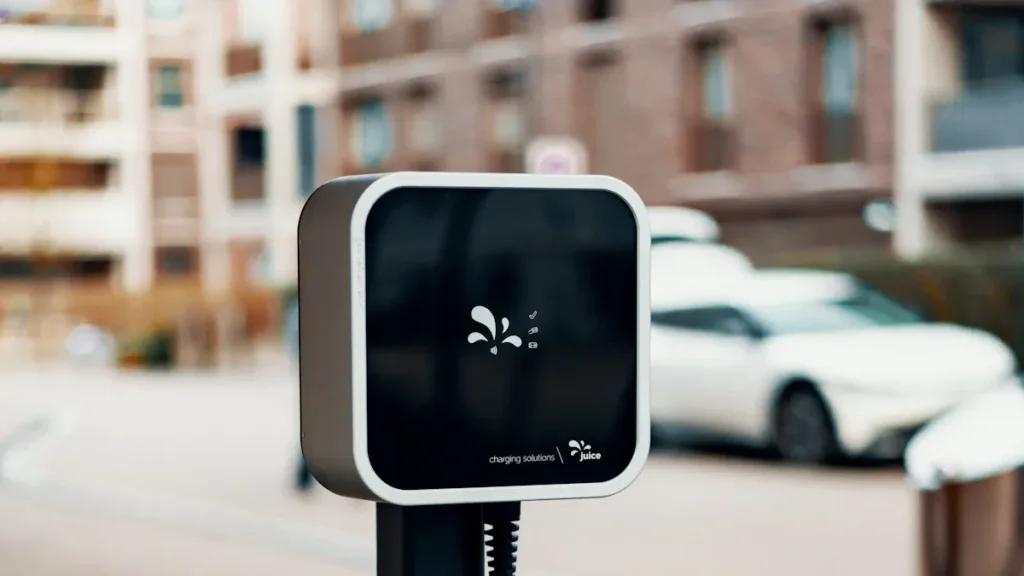
- Mounting the Ladestation securely to a wall or pedestal.
- Verifying all electrical connections are properly made and grounded.
- Checking the charger’s primary function and safety features.
- Measuring the charging speed to ensure it meets specifications.
- Providing the necessary ‘Electrical Installation Certificate’ upon completion.
Engaging an LEW guarantees that your EV charger installation adheres to all national safety standards, protecting your property and your EV.
Decoding Your Home’s Power Supply for EV Charging

An EV owner must understand their home’s electrical supply before selecting a charger. The power supply type, either single-phase or three-phase, directly determines the maximum charging speed available for an EV. This knowledge is fundamental for ensuring charger compatibility and meeting your electric car charging expectations. Most residential properties in Singapore use one of these two systems.
Single-Phase vs. Three-Phase Power Explained
A home’s electrical system delivers power through one or more “phase” wires. A single-phase supply uses one live wire, while a three-phase supply uses three. This difference dictates the total amount of electricity the home can draw from the grid at any given moment.
Identifying a Single-Phase Supply
A single-phase supply is common in most HDB flats and older condominiums. A simple visual clue is the main circuit breaker in your distribution board. It is typically a single-width or double-width switch. This setup is sufficient for standard household appliances but limits the power available for high-demand devices like an EV charger.
Identifying a Three-Phase Supply
A three-phase supply is standard in landed properties and many newer, larger condominiums. The main circuit breaker for this system is noticeably wider, usually a triple-width switch. This configuration provides significantly more power, making it ideal for homes with heavy electrical loads and for faster EV charging.
How Power Supply Impacts Your Charger Choice
The power supply is the most critical factor influencing your charger selection. A three-phase connection delivers more power, enabling much faster charging speeds.
- Conductors: A single-phase charger uses one conductor, limiting its maximum power. A three-phase charger uses three conductors, allowing it to deliver more power simultaneously.
- Maximale Leistung: Single-phase charging in a residential setting typically maxes out at 7,4 kW. Three-phase charging can support 11 kW or even 22 kW chargers.
- Geschwindigkeit: The increased power from a three-phase supply can make charging up to three times faster than a single-phase connection.

This table illustrates the practical difference in charging performance:
| Merkmal | Single-Phase Charger | Three-Phase Charger |
|---|---|---|
| Leistung | Bis zu 7,4 kW | 11 kW or 22 kW |
| Aufladegeschwindigkeit | Slower (e.g., ~8 hours for 60kWh EV) | Faster (e.g., ~3-5 hours for 60kWh EV) |
Why You Must Consult an LEW for a Power Assessment
While you can make a preliminary guess, only a Licensed Electrical Worker (LEW) can definitively confirm your home’s power supply and its available capacity. An LEW performs a professional assessment that goes beyond a simple visual check.
Wichtiger Hinweis: An LEW’s assessment is a mandatory step. The LEW verifies the supply type, calculates the existing electrical load of the home, and determines the maximum safe power rating for a new home EV charging station. This ensures the installation meets all safety requirements and avoids overloading your system.
Selecting the Right Power Rating (kW) for Your EV
After identifying the home’s power supply, the next step is to select a charger with the appropriate power rating, measured in kilowatts (kW). The kW rating directly determines how quickly the charger can replenish an EV’s battery. A higher kW rating means faster charging, but the choice is ultimately constrained by the residential property’s electrical infrastructure and the EV’s own capabilities.
Common Charger Power Ratings
Charger manufacturers offer various power ratings to match different electrical systems and user requirements. In Singapore, these options are closely tied to whether a home has a single-phase or three-phase supply.
7.4kW Chargers for Single-Phase Homes
A 7.4kW charger is the most powerful and common choice for residential properties with a single-phase power supply. This rating provides a reliable speed for overnight charging. It can fully charge most electric vehicles in approximately 8 to 10 hours, making it a perfect solution for EV owners who charge their car while they sleep. This ensures the vehicle is ready with a full battery each morning.
11kW & 22kW Chargers for Three-Phase Homes
Homes equipped with a three-phase supply can support more powerful charging options.
- 11kW Chargers: An 11kW charger is a popular upgrade for three-phase homes. It offers a significant speed boost over a 7.4kW unit, reducing charging time by about one-third. This is ideal for households with multiple EV drivers or for those who need a faster turnaround.
- 22-kW-Ladegeräte: A 22kW charger represents the fastest available speed for AC electric car charging. It can charge an EV up to three times faster than a 7.4kW model. However, achieving this speed requires both a 22kW charger and an EV with an onboard charger capable of accepting that power level. Many electric vehicles have an 11kW onboard limit for AC charging, so it is crucial to check vehicle compatibility to fully utilize a 22kW charger’s potential.
How to Calculate Your EV Charging Time
An EV owner can estimate charging time with a simple formula. This calculation helps set realistic expectations for different charger power ratings. The general formula is:
Battery Size (kWh) ÷ Charger Power (kW) = Charging Time (hours)
For example, to calculate the time to charge a 60kWh EV battery from empty to full with a 7.4kW home charger:
60 kWh ÷ 7.4 kW ≈ 8.1 hours
Wichtiger Hinweis: This formula provides an estimate. Real-world charging is not linear. The battery’s State of Charge (SoC) affects charging speed. An EV battery charges fastest between 20% and 80% and then slows down significantly as it approaches 100%. This tapering protects the battery’s long-term health.
Assessing Your Home’s Total Electrical Load
Installing an EV charger adds a significant and sustained electrical load to a home’s circuit. It is critical to ensure the existing system can handle this new demand without becoming overloaded. An EV charger delivering 7.4kW draws substantially more power than most household appliances.
Overloading a residential electrical circuit can lead to severe consequences. The strain can cause frequent tripping of circuit breakers, overheating of wires, and damage to the charger or the EV itself.
The potential risks of an overloaded system include:
- Fire Hazards: Overheated wiring is a primary cause of electrical fires, posing a significant threat to property and safety.
- Vehicle Damage: Improper power supply can damage the EV’s sensitive onboard electronics and charging system, leading to expensive repairs.
- Inefficient Charging: An overloaded circuit may fail to deliver consistent power, resulting in longer charging times and wasted energy.
An LEW must perform a total electrical load assessment to determine the home’s capacity. This professional evaluation is essential for safety and ensures the chosen charger is a good fit for both the owner’s charging speed needs and the property’s electrical limits. This step guarantees system compatibility and a secure charging setup.
Finding the Best EV Charger: Key Features to Consider

Beyond power ratings and supply types, the best EV charger for your home will include key features that enhance safety, convenience, and efficiency. Modern chargers from providers like TPSON offer advanced functionalities that transform the EV charging experience. An EV owner should prioritize certified safety features and smart capabilities to maximize their investment.
Safety and Compliance Certifications
Safety is the most important consideration when selecting an EV charger. All chargers sold and installed in Singapore must meet strict national standards. These certifications guarantee the device has undergone rigorous testing for electrical safety and operational reliability.
The TR 25:2022 Compliance Mark
The TR 25:2022 (Technical Reference 25) is Singapore’s mandatory standard for EV charging systems. Any charger installed in a home must be compliant with these requirements. This standard ensures the charger is safe for use with the local power grid and includes essential safety mechanisms.
Profi-Tipp: Always look for the TR 25:2022 compliance mark on the charger’s specification sheet or product label. A compliant charger ensures full compatibility with local regulations and provides peace of mind. An LEW will not install a non-compliant device.
Weather-Resistance (IP Ratings) for Singapore’s Climate
Singapore’s tropical climate, with its high humidity and heavy rainfall, demands robust weather protection for any outdoor electrical equipment. An EV charger’s durability is indicated by its Ingress Protection (IP) rating. This two-digit code classifies the degree of protection against foreign objects (first digit) and moisture (second digit).
- IP54: Offers good protection against dust and water splashes from any direction. This is suitable for sheltered locations like carports.
- IP65/IP66: Provides complete protection against dust and powerful water jets. These chargers are ideal for unsheltered outdoor installations where they may be exposed to heavy rain.
Choosing a charger with an appropriate IP rating ensures its longevity and safe operation, regardless of the weather.
Intelligente Funktionen und Konnektivität
Smart EV chargers offer a suite of advanced features that provide greater control, efficiency, and Kosteneinsparungen. These connected devices use Wi-Fi or other networks to communicate with a mobile app, allowing for remote management and optimization of the charging process.
Wi-Fi und App-Steuerung
Modern smart EV chargers connect to a home’s Wi-Fi network, enabling remote control via a dedicated smartphone app. This connectivity unlocks several powerful benefits for the EV owner:
- Remote Control and Monitoring: Owners can start, stop, and monitor charging sessions in real-time from anywhere. This eliminates the need to physically check the charger.
- Planmäßige Aufladung: This feature allows users to schedule charging during off-peak electricity hours, which can significantly reduce energy bills.
- Energieüberwachung: The app provides detailed insights into energy consumption, helping owners track costs and optimize their charging habits for maximum efficiency.
- Convenience and Control: Full control over the charging schedule ensures the EV is always ready when needed, reducing “range anxiety.”
These features make the entire charging process more convenient and cost-effective.
Load Balancing for Power Management
Dynamic Load Balancing (DLB) is a critical feature for smart EV chargers, especially in homes with multiple high-power appliances. This technology intelligently manages power distribution to prevent electrical overloads.
The system works by:
- Monitoring Power Usage: It continuously monitors the total power consumption of the home.
- Assessing Available Power: It calculates the remaining power capacity available on the circuit.
- Distributing Power Dynamically: The system automatically adjusts the power delivered to the EV charger based on real-time demand from other appliances.
For example, if someone turns on an air conditioner while the EV is charging, the DLB system will temporarily reduce the charging speed to keep the total load within safe limits. This prevents tripped circuit breakers and avoids the need for costly electrical panel upgrades, ensuring a stable and safe power supply for the entire home.
Practical Installation Factors for Home EV Charging Stations
Beyond technical specifications, practical factors like cable management and physical placement are crucial for a seamless home EV charging experience. An EV owner must consider how the charger will fit into their daily routine and residential property layout. Thoughtful planning ensures the chosen EV charging stations are convenient, safe, and tidy. These installation requirements are key to long-term satisfaction.
Kabellänge und -management
Proper cable length and management prevent daily frustrations and safety hazards. The cable is the physical link between the EV charging stations and the EV, so its handling is a primary concern.
Choosing the Right Cable Length
Selecting the correct cable length is a balance between reach and convenience. Standard cables for EV charging stations typically range from 5 to 7.5 meters. An owner should measure the distance from the proposed installation spot to their EV’s charging port.
Profi-Tipp: Always account for different parking orientations. Whether an owner reverses in or drives forward can change the required cable length. A cable that is too short creates strain, while one that is too long becomes a cumbersome trip hazard.
Longer cables are available but are heavier and more expensive. A 5-meter cable is often sufficient for a standard residential garage, while a 7.5-meter cable provides more flexibility for wider driveways or if the EV’s charging port is on the opposite side of the charger.
The Importance of Cable Holsters
A cable holster is an essential accessory for any of the EV charging stations. This simple component provides a secure place to store the charging connector and wrap the cable when not in use. Using a holster offers several key benefits:
- Sicherheit: It keeps the cable off the ground, eliminating a serious trip hazard for family members.
- Schutz: It protects the connector from dirt, moisture, and accidental damage.
- Longevity: It prevents unnecessary strain on the cable and the charger unit itself, extending the life of the equipment.
Physical Form Factor and Placement
The physical form of the EV charging stations and their location on the property directly impact usability and Installationskosten. The two primary types of residential EV charging stations are wall-mounted and pedestal units.
Wall-Mounted vs. Pedestal Units
- Wall-Mounted Units: These are the most common type for home installation. They attach directly to a wall in a garage or carport. This setup is compact, secure, and generally more cost-effective.
- Pedestal Units: These freestanding EV charging stations are mounted on a post. They are the ideal solution for open parking lots or driveways where no wall is available for mounting. The installation is typically more complex as it requires trenching for the electrical conduit.
Selecting an Installation Location
Choosing the right spot for the charger is a critical decision. An ideal location for charging an EV at home balances convenience, safety, and cost. Key factors to consider include:
- Nähe zur Schalttafel: Placing the charger near the home’s main electrical panel reduces the length of wiring needed, which can lower installation costs.
- Parking Habit: The charger should be installed at the primary residential parking spot to make daily charging effortless.
- Konnektivität: Smart EV charging stations require a stable Wi-Fi signal to function correctly. An owner should check the signal strength at the proposed location before the installation.
- Wetterschutz: For outdoor installations, placing the charger in a sheltered area is best. Always use a unit with a high IP rating (e.g., IP65) to withstand Singapore’s weather.
A well-chosen location makes the charging process a simple part of the daily routine.
Your Final Checklist Before Buying
Choosing an EV charger involves several critical decisions. This final checklist simplifies the process, ensuring an owner selects a safe, compliant, and efficient unit for their home. Following these steps helps guarantee a successful installation and a positive charging experience.
Step 1: Confirm Your Home Power Supply
The first action is to determine the home’s electrical supply. An owner must know if their property has a single-phase or three-phase connection. This information dictates the maximum power rating the charger can support. While visual checks of the main circuit breaker offer a clue, only a Licensed Electrical Worker (LEW) can provide a definitive assessment. An LEW’s evaluation is a mandatory prerequisite for any installation.
Step 2: Select a TR 25:2022 Compliant Charger
Safety and regulatory compliance are non-negotiable. Any EV charger installed in Singapore must adhere to the TR 25:2022 standard. This certification ensures the device has passed rigorous testing for electrical safety and grid compatibility.
Zur Erinnerung: An LEW will refuse to install a non-compliant charger. Always verify the TR 25:2022 compliance mark on the product’s specifications before making a purchase. This step protects the EV, the home, and ensures the installation is legal.
Step 3: Choose Essential Smart and Safety Features
Die best ev charger combines robust safety mechanisms with intelligent functionalities. These features enhance protection and provide long-term value. An owner should look for a charger equipped with comprehensive safety and smart capabilities.
Key safety protections to prioritize include:
- Comprehensive monitoring of temperature, current, and voltage for secure charging.
- Built-in protection against overcurrent, overvoltage, and short circuits.
- Residual current protection and fire-retardant construction for maximum safety.
Valuable smart features that optimize the charging process are:
- Solare Integration: This directs surplus solar energy to the EV, potentially making charging nearly free.
- Tarifoptimierung: Das System plant das Laden automatisch in Schwachlastzeiten, um die Stromkosten zu senken.
- Lastausgleich: Es verhindert elektrische Überlastungen, indem es die Leistungsaufnahme des Ladegeräts basierend auf dem Echtzeit-Energieverbrauch des Haushalts anpasst.
- Energieüberwachung: Eine App gibt dem Eigentümer die Kontrolle über die Zeitplanung und liefert detaillierte Daten zum Energieverbrauch.
Schritt 4: Beauftragung eines zertifizierten LEW für die Installation
Der letzte und wichtigste Schritt ist die Beauftragung eines konzessionierten Elektroinstallateurs (LEW) für die Installation. In Singapur ist dies gesetzlich vorgeschrieben. Ein LEW stellt sicher, dass der gesamte Prozess den nationalen Sicherheitsstandards entspricht und schützt so das Haus, das Elektrofahrzeug (EV) und seinen Eigentümer. Ein Eigentümer sollte niemals versuchen, eine DIY-Installation durchzuführen oder für diese spezialisierte Aufgabe einen nicht zertifizierten Elektriker zu beauftragen. Die Risiken unsachgemäßer Arbeiten, einschließlich Elektrobränden und Fahrzeugschäden, sind viel zu groß.
Die Überprüfung der Qualifikation eines Elektrikers ist ein einfacher, aber wesentlicher Prozess. Ein Eigentümer sollte diese Schritte unternehmen, um vor Arbeitsbeginn zu bestätigen, dass er einen legitimen LEW beauftragt.
- Nach der Lizenznummer fragen: Ein zertifizierter LEW wird auf Anfrage bereitwillig seine Lizenznummer angeben.
- Im EMA-Register prüfen: Die Energy Market Authority (EMA) führt auf ihrer Website ein öffentliches Register. Ein Eigentümer kann diesen Service nutzen, um zu bestätigen, dass die Lizenz des LEW aktiv und gültig ist.
- Den Personalausweis überprüfen: Der offizielle Personalausweis des LEW enthält sein Foto und seine Lizenznummer. Ein Eigentümer sollte diese Informationen mit den Angaben in der EMA-Datenbank abgleichen.
- Nach dem EMA-Logo Ausschau halten: Lizenzierte Fachkräfte führen das offizielle EMA-Logo oft auf ihren Geschäftsunterlagen, was die Einhaltung der Vorschriften signalisiert.
- In der Gesetzgebung suchen: Zur zusätzlichen Absicherung kann ein Eigentümer den Namen des LEW in den relevanten behördlichen Vorschriften und Amtsblättern suchen.
- Die EMA direkt kontaktieren: Falls Zweifel bestehen bleiben, sollte sich ein Eigentümer zur direkten Bestätigung an die EMA wenden.
Entscheidende Sicherheitsüberprüfung: Ein Eigentümer darf mit der Installation der EV-Ladestation nicht fortfahren, wenn der Elektriker nicht über diese offiziellen Kanäle verifiziert werden kann. Die Beauftragung einer nicht lizenzierten Person macht Garantien ungültig und kann schwerwiegende rechtliche und versicherungstechnische Konsequenzen haben.
Sobald ein Eigentümer einen zertifizierten LEW beauftragt, übernimmt der Fachmann die komplette Installation. Dazu gehören eine abschließende Vor-Ort-Begutachtung, die Installation des eigenen Stromkreises, die Montage des Ladegeräts und alle notwendigen elektrischen Anschlüsse. Nach Abschluss der Arbeiten testet der LEW das System gründlich und reicht die erforderlichen Unterlagen bei den zuständigen Behörden ein. Anschließend stellt er einen Elektroinstallations-Zertifikat aus, das als offizieller Nachweis einer sicheren und konformen Installation dient.
Die Auswahl des besten EV-Ladegeräts für ein Zuhause in Singapur beinhaltet die Wahl eines TR 25:2022-konformen AC Level 2-Geräts. Ein EV-Eigentümer muss das Ladegerät an seine häusliche Stromversorgung anpassen, um optimales Laden zu gewährleisten. Die Priorisierung von Zuverlässigkeit und professionelle Installation gewährleistet einen sicheren Heimladeaufbau. Die beste Wahl eines EV-Ladegeräts für jedes EV ist eines, das von einem zertifizierten LEW installiert wurde, was konformes und sicheres Laden garantiert. Dieser Ansatz schützt das Fahrzeug und das Eigentum und bietet langfristige Sicherheit.
FAQ
🔌 Kann ein Eigentümer ein tragbares Ladegerät verwenden?
Tragbare Ladegeräte sind für den regulären Heimgebrauch nicht zugelassen. Ihnen fehlen die Sicherheitsmerkmale von fest installierten, TR 25:2022-konformen Geräten. Ein LEW wird nur eine fest installierte Ladestation einbauen, um sicherzustellen, dass sie die öffentlichen Sicherheitsstandards erfüllt und das öffentliche Netz schützt.
⚡ Was ist der Unterschied zwischen privatem und öffentlichem EV-Laden?
Heimladen nutzt Wechselstrom (AC) für langsameres Laden über Nacht. Die meisten öffentlichen EV-Ladestationen, insbesondere DC-Schnelllader, bieten viel höhere Geschwindigkeiten. Öffentliche Lader sind für schnelles Nachladen konzipiert, während Heimladegeräte tägliche Bequemlichkeit bieten. Öffentlicher Zugang ist ein Schlüsselmerkmal.
🏠 Kann ein Haushalt auf Drehstrom (Dreiphasenwechselstrom) aufgerüstet werden?
Ja, ein Upgrade ist möglich, kann jedoch komplex und kostspielig sein. Es erfordert die Genehmigung der Behörden und umfangreiche Arbeiten durch einen LEW. Der Prozess beinhaltet die Bewertung der Auswirkungen auf die öffentliche elektrische Infrastruktur. Ein Eigentümer sollte seinen LEW zur Machbarkeit konsultieren.
💨 Warum ist ein öffentlicher Lader schneller als ein Heimlader?
Viele öffentliche Lader sind DC-Schnelllader. Sie umgehen den AC-Wandler im Fahrzeug und liefern hochleistungsfähigen Gleichstrom (DC) direkt an die Batterie. Diese Technologie ist für den Heimgebrauch aufgrund ihrer hohen Kosten und Leistungsanforderungen an das öffentliche Netz nicht verfügbar.
💰 Ist Heimladen günstiger als öffentliches EV-Laden?
Im Allgemeinen ja. Heimladen nutzt private Stromtarife, die oft niedriger sind als gewerbliche Tarife für öffentliches EV-Laden. Laden in Schwachlastzeiten zu Hause kann die Kosten im Vergleich zur Nutzung öffentlicher Stationen weiter senken. Öffentliche Bequemlichkeit hat ihren Preis.
🚚 Was passiert, wenn ein Eigentümer umzieht?
Der Eigentümer kann seinen LEW beauftragen, die Ladestation zu demontieren und in der neuen Immobilie wieder zu installieren. Das neue Zuhause erfordert eine eigene Stromversorgungsbewertung und Installationsgenehmigung. Dies stellt sicher, dass die Einrichtung am neuen Standort weiterhin den öffentlichen Sicherheitsvorschriften entspricht.