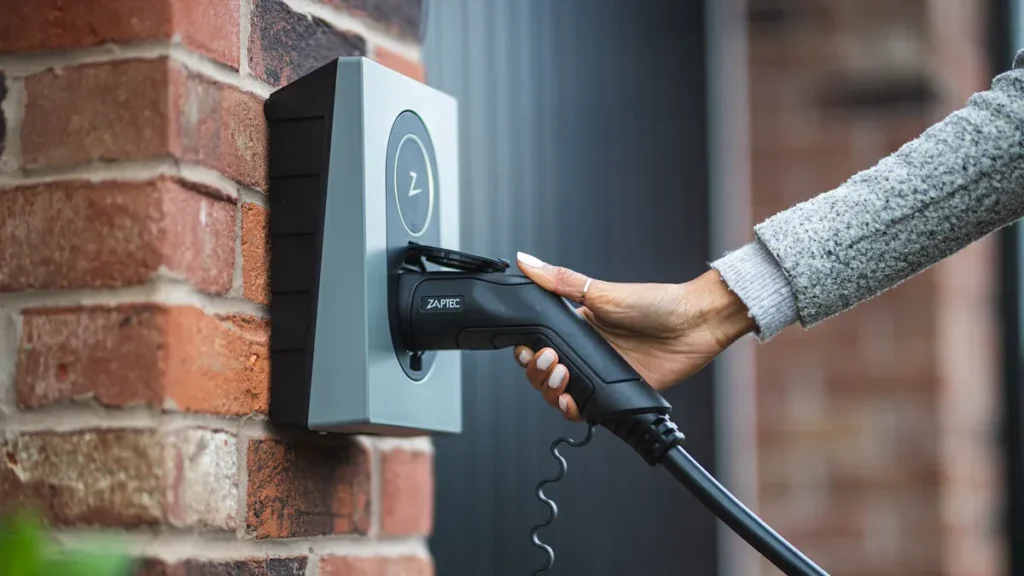
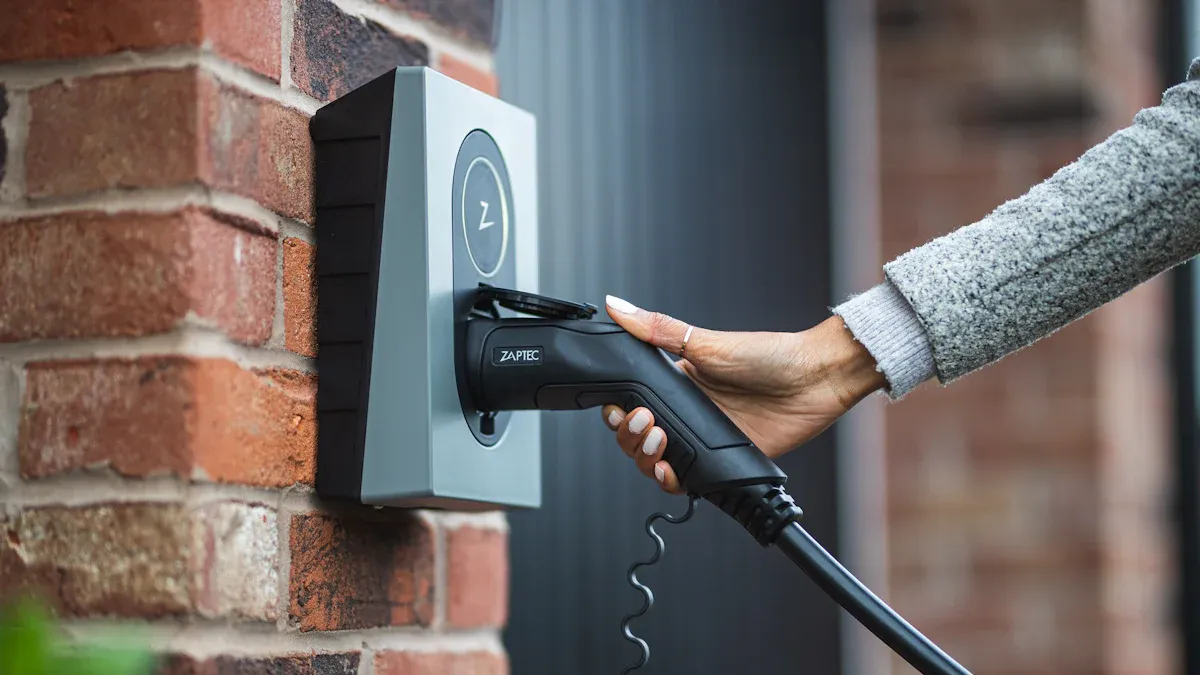
A 7kW charger is the most practical choice for the vast majority of homes in the UK. This home Зарядное устройство для электромобилей provides an ideal balance of charging speed and cost-effectiveness for a home charging setup. It aligns perfectly with the standard single-phase power supply. While faster 11kW and 22kW ac wall chargers offer quicker charging, their installation requires a three-phase supply. This makes the powerful EV Charger impractical for most EV home charging. Производители зарядных устройств для электромобилей такие как TPSON, обеспечивают передовую Решения для зарядки электромобилей, from a dedicated EV charger to портативные зарядные устройства, yet the 7kW unit remains the standard for any EV owner’s home.
Understanding the Basics of EV Charging Power
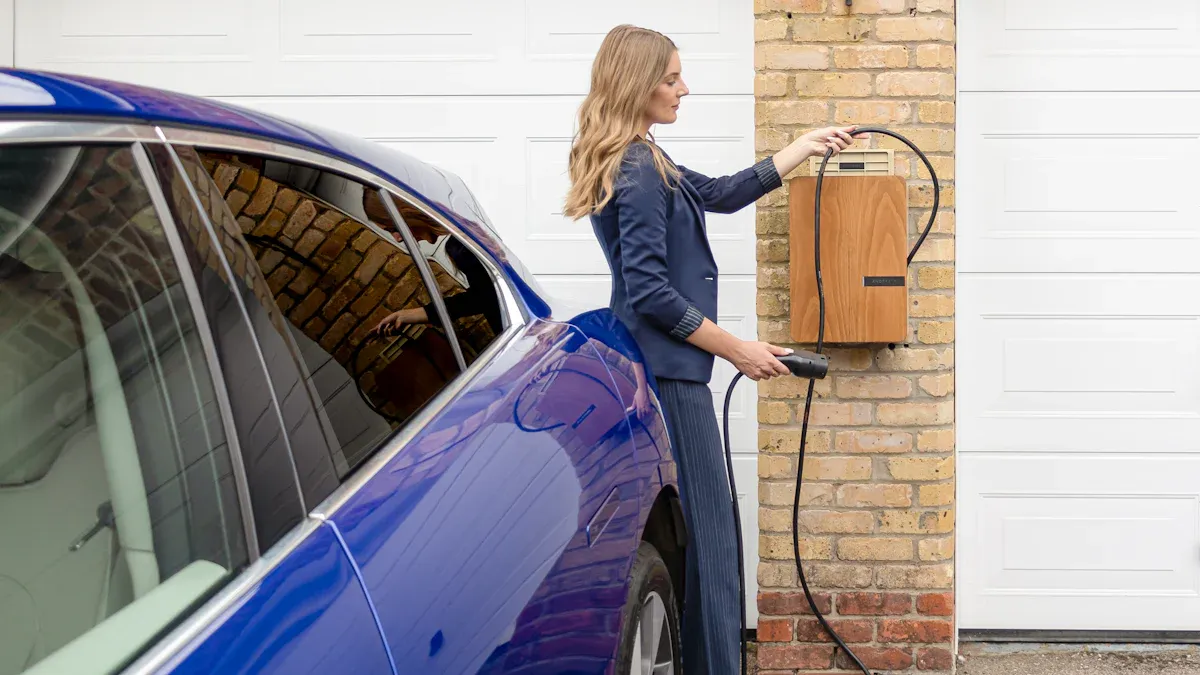
Choosing the right charger requires understanding some fundamental concepts. The power rating and charging type are the most important factors. These elements determine how quickly an electric vehicle’s battery can be replenished.
What Does “kW” Mean for Your Home EV Charger?
The term “kW” or kilowatt is central to any discussion about EV charging. It is the unit of measurement for electrical power.
Kilowatts as a Measure of Power Flow
A kilowatt (kW) represents the rate of electricity flow. Think of it like water flowing through a hose. A higher kW rating is like a wider hose, allowing a greater volume of electricity to pass through to the vehicle’s battery in the same amount of time. This flow of power is the foundation of charging performance.
How Power Translates to Charging Speed
The power rating of a charger directly correlates to its charging speed. A charger with a higher kW output delivers more energy per hour. For instance, a 7.4 kW charging point can supply 7.4 kilowatt-hours (kWh) of energy in one hour. This higher power flow significantly reduces the time needed to recharge an EV battery compared to a lower-power alternative.
The Difference Between AC and DC Charging
Electric vehicles use two types of electrical current for charging: Alternating Current (AC) and Direct Current (DC). The key difference lies in where the power conversion happens.
AC Charging: The Standard for Home Use
Зарядка переменным током is the universal standard for home and workplace installations. The electrical grid supplies AC power, which is sent to the vehicle. The car’s own onboard charger then converts this AC power into DC power to store it in the battery.
Why is AC the home standard?
- Экономичность: AC chargers are less complex, making them more affordable to install and operate.
- Простая установка: They connect to the standard residential power supply, simplifying the setup process for a home.
- Ideal for Overnight Charging: The charging duration is perfect for vehicles parked for extended periods, such as overnight.
Technologically advanced providers like TPSON focus on these practical AC solutions for the domestic market.
DC Charging: Rapid Power on the Go
Зарядка постоянным током, often called “rapid charging,” is much faster. In this system, a large converter inside the charging station transforms AC power from the grid into DC power before it ever reaches the car. The DC power flows directly to the EV battery, bypassing the car’s slower onboard charger. This external conversion allows for extremely high power levels, but the equipment is large, complex, and expensive, making it suitable for public stations, not residential properties.
| Характеристика | Зарядка переменным током | Зарядка постоянного тока |
|---|---|---|
| Расположение конверсии | Inside the car (onboard charger) | Outside the car (in the station) |
| Типичное использование | Home, workplace, overnight | Public stations, quick top-ups |
| Скорость зарядки | Slower (e.g., 7kW) | Rapid (50kW to 350kW) |
| Стоимость установки | Нижний | Significantly Higher |
The Case for 7kW: The UK Home Charging Standard

A 7kW charger represents the default choice for EV home charging in the United Kingdom. It hits the sweet spot between performance, cost, and compatibility with the nation’s residential infrastructure. This power level is not just a popular option; it is the most logical one for the average EV owner.
Why 7kW is the Perfect Fit for UK Homes
The suitability of a 7kW charger is directly tied to the electrical system found in nearly every home in the UK. It operates perfectly within the limits of this standard setup.
Single-Phase Power Explained
Most residences in the UK run on a single-phase power supply. This system delivers electricity through two wires: one live and one neutral. A standard single-phase residential supply in the UK typically provides 230 volts and up to 80 amperes, creating a stable and sufficient power flow for all typical household appliances.
How 7kW Maximizes Your Home’s Supply
A 7kW charger is engineered to draw power safely without overloading a home’s single-phase supply. It maximizes the available power for EV charging, offering the fastest charging speeds possible on this type of connection.
This balance is crucial. It allows a 7kW charger to fully charge an EV battery in approximately 8 hours, making it ideal for overnight charging. Homeowners can replenish their vehicle’s battery without needing expensive and complex electrical upgrades to their home.
Real-World Charging Speeds with a 7kW Unit
The theoretical power of a charger only matters when translated into practical performance. A 7kW unit delivers consistent and predictable charging speeds.
Miles of Range Added Per Hour
A 7kW charger typically adds around 25 to 30 miles of range for every hour of charging. This rate can vary slightly based on the EV model’s size and efficiency. For example:
- Smaller, efficient cars might gain 30 miles per hour.
- Larger, heavier vehicles may see closer to 20-25 miles per hour.
Typical Overnight Charging Scenarios
This charging rate means any EV can be fully charged overnight. A Nissan Leaf might take around 10 hours to go from empty to full, while a Dacia Spring can charge from 20% to 100% in about 4 hours. Even a larger Tesla Model Y can achieve a full charge in around 12 hours, well within a typical overnight window.
Is 7kW Fast Enough for Your Daily EV Use?
For the vast majority of drivers, 7kW charging is more than sufficient. With most daily commutes being under 30 miles, a 7kW charger can replenish that usage in about an hour. This ensures your EV is ready to go every morning with a full battery.
Installation Simplicity and Cost of 7kW Chargers
The practicality of a 7kW домашнее зарядное устройство extends to its installation and overall cost, making it an accessible choice for many.
The Standard Installation Process
Сайт installation of a 7kW charger is a straightforward job for a qualified electrician. The process involves mounting the unit and connecting it to the home’s consumer unit (fuse box) with a dedicated circuit. Companies like TPSON provide these advanced yet easy-to-install charging solutions.
Typical Costs for a 7kW Home EV Charger
The total cost for a 7kW charger, including both the unit and a standard installation, generally от £800 до £1,200. This investment provides a reliable and efficient charging station at your home, eliminating the reliance on public networks for daily needs.
The Role of Your Car’s Onboard Charger in AC Charging
An EV owner might assume that a more powerful wall charger automatically means faster charging. However, the vehicle itself plays the most critical role in determining AC charging speed. The wall charger offers the power, but the car dictates how much of that power it can actually accept.
Your Car Sets the Ultimate Speed Limit
The key component governing this process is the onboard charger (OBC). It acts as the gatekeeper for all AC power entering the vehicle’s battery.
What is an Onboard Charger (OBC)?
The onboard charger is a component inside the electric vehicle. Its primary function is to convert the Alternating Current (AC) from a home wallbox or public AC station into the Direct Current (DC) that the EV battery requires for storage. The efficiency and reliability of this internal charger significantly influence the overall charging experience.
How the OBC Limits AC Charging Speed
Every OBC has a maximum power rating, measured in kilowatts (kW). This rating creates a ceiling for the charging speed, regardless of how powerful the external charger is.
For example, if an EV has an OBC with a 7.4kW capacity, it will only draw 7.4kW of power. Connecting it to a 22kW charger will not make it charge any faster. The vehicle will still only accept 7.4kW, making the extra power from the wallbox unusable.
Common Onboard Charger Ratings in the UK
Vehicle manufacturers choose OBC ratings based on a balance of cost, weight, and intended use. This leads to a few common standards in the UK market.
Why Most EVs Cap at 7kW or 11kW AC
Most fully electric vehicles sold in the UK feature an OBC with a capacity between 7kW and 7.4kW. This aligns perfectly with the standard single-phase home power supply. Some premium models support 11kW AC charging, but this is less common. Plug-in hybrid electric vehicles (PHEVs) often have even slower onboard chargers, typically rated around 3.6kW.
The Mismatch: Why a 22kW Home Charger is Often Wasted
Installing a 22kW charger for a vehicle with a 7.4kW or 11kW OBC results in a significant mismatch. The extra cost and complex installation of the 22kW unit provide no benefit, as the car cannot use the additional power. This highlights the importance of ensuring compatibility between the charger and the vehicle for an efficient charging setup.
How to Check Your EV’s Maximum AC Charging Rate
Before investing in a charger, an EV owner must know their vehicle’s maximum AC charging rate. This information is readily available from several sources.
Finding Information in Your Vehicle Manual
The most reliable source is the vehicle’s user manual. The manufacturer’s official website also lists detailed technical specifications, including the maximum power for AC charging. This ensures you have accurate information directly from the source.
Using Online Databases and Resources
For quick reference, several online resources provide comprehensive guides on EV compatibility and charging specifications. Checking these databases can help you easily find your car’s limits. Key places to look include:
- The car’s official specification sheet
- The car manufacturer or authorized dealer
- Reputable EV charging guides online
Understanding your EV’s capabilities is the first step toward choosing the right charger from a provider like TPSON, ensuring perfect compatibility and performance.
Exploring 11kW and 22kW AC Wall Chargers: The High-Power Options
While a 7kW charger is the standard, some EV owners consider higher-power 11kW and 22kW AC wall chargers. These units promise faster charging speeds. However, their practicality for standard EV home charging is limited by a significant electrical requirement: a three-phase power supply.
The Critical Three-Phase Power Requirement
The main barrier to installing a high-power charger at home is the need for a three-phase electrical connection. This type of supply is fundamentally different from the one found in most UK homes.
What is a Three-Phase Supply?
Трехфазное питание осуществляет подачу электроэнергии через три отдельных проводника.. Такая конфигурация обеспечивает более стабильный и равномерный поток электроэнергии по сравнению с однофазным подключением. Она предназначена для работы с гораздо более высокими электрическими нагрузками.
| Характеристика | Однофазное питание | Трехфазное питание |
|---|---|---|
| Проводники | Один силовой проводник | Три силовых проводника |
| Напряжение (приблизительно) | До 230 В | До 415 В |
| Доставка электроэнергии | Колеблется, непостоянно | Постоянная и стабильная подача электроэнергии |
| Типичное использование | Жилые дома, стандартные бытовые приборы | Промышленные объекты, коммерческая недвижимость |
Почему оно редко встречается в жилых домах Великобритании
Электросеть жилого сектора в Великобритании была построена на основе однофазного питания. Оно обеспечивает достаточное количество электроэнергии для типичных бытовых нужд. Модернизация инфраструктуры целого района для перехода на трехфазное питание непрактична и не является необходимой для бытового использования. Поэтому оно очень редко встречается в существующих жилых объектах.
Стандартное использование в коммерческой недвижимости
Коммерческие и промышленные объекты часто требуют трехфазного питания. Оно необходимо для работы тяжелого оборудования, крупных систем ОВКВ и центров обработки данных. Именно поэтому зарядные устройства мощностью 22 кВт часто можно увидеть на бизнес-парковках и в депо, где уже существует необходимая электрическая инфраструктура.
Процесс и стоимость перехода на трехфазное питание
Владелец электромобиля, желающий установить зарядное устройство на 11 кВт или 22 кВт, должен сначала модернизировать электроснабжение своего дома. Этот процесс является сложным и дорогостоящим.
Оценка возможности с вашим СО
Первый шаг — связаться с вашим местным оператором распределительной сети (СО)..
- Сначала электрик должен оценить потребности вашего дома.
- Затем вы запрашиваете трехфазное подключение у СО. СО проверит пропускную способность местной сети и предоставит смету.
- В случае одобрения, вам необходимо договориться с вашим энергоснабжающим предприятием об установке нового трехфазного счетчика.
- СО выполняет внешние работы по подключению новых кабелей к вашему объекту.
- Наконец, электрик завершает внутренний монтаж.
Высокая финансовая стоимость перехода
Стоимость такой модернизации существенна. Домовладельцы могут рассчитывать на сумму от 3000 до 8000 фунтов стерлингов за установку. Эта высокая цена покрывает сложные инженерные работы и оборудование, необходимые для подведения трехфазного питания к дому.
Оправданы ли инвестиции для домашнего использования?
Для большинства людей высокая стоимость перехода на трехфазное питание не оправдывает более высокую скорость зарядки. Инвестиции дают убывающую отдачу, особенно учитывая, что зарядное устройство на 7 кВт уже удовлетворяет потребности в ночной зарядке любого электромобиля.
Кому на самом деле нужно зарядное устройство на 11 кВт или 22 кВт дома?
Небольшое число пользователей может получить выгоду от этих мощных зарядных устройств. Их конкретные обстоятельства делают инвестиции целесообразными.
Домовладельцы с уже существующим трехфазным питанием
Некоторые новые элитные дома или объекты с большими мастерскими могут уже иметь трехфазное питание. В этих редких случаях установка зарядного устройства на 11 кВт или 22 кВт является логичным выбором, при условии, что их транспортное средство поддерживает такую скорость зарядки.
Водители с исключительно высоким суточным пробегом
Человек, который проезжает более 150–200 миль в день и нуждается в быстрой подзарядке между поездками, может рассмотреть возможность модернизации. Такой сценарий очень нехарактерен для типичного частного водителя.
Пользователи со специфическими потребностями в коммерческом транспорте
Операторы коммерческого автопарка являются основными бенефициарами зарядки на 22 кВт. Бизнесу с парком электрических фургонов необходимо максимизировать доступность транспортных средств. Быстрая зарядка в депо между сменами крайне важна для операционной эффективности. Для таких пользователей мощное зарядное устройство от поставщика, такого как TPSON, является критически важным бизнес-инструментом.
Прямое сравнение: 7 кВт vs. 11 кВт vs. 22 кВт
Выбор правильного уровня мощности требует прямого сравнения ключевых факторов. Зарядные устройства на 7 кВт, 11 кВт и 22 кВт предлагают разные уровни производительности, но их пригодность для домашних условий кардинально различается. Решение зависит от электроснабжения, сложности установки и общей стоимости.
Таблица быстрого сравнения
Эта таблица дает четкое представление об основных различиях между этими настенными зарядными устройствами переменного тока. Она подчеркивает, почему 7 кВт является стандартом для большинства жилых объектов.
Требуемое электроснабжение: Однофазное vs. Трехфазное
Типичная скорость зарядки: Пробег в милях за час
Возможность установки в доме: Простая vs. Сложная
Наилучший вариант использования: Стандартные дома vs. Коммерческие объекты
| Характеристика | Зарядное устройство мощностью 7 кВт | Зарядные устройства на 11 кВт и 22 кВт |
|---|---|---|
| Требуемое электроснабжение | Стандартное однофазное (230 В) | Трехфазное (400 В) |
| Типичная скорость зарядки | ~30 миль пробега в час | ~40 до ~80 миль пробега в час |
| Возможность установки в доме | Простая и понятная | Сложная и очень дорогая |
| Лучший пример использования | Почти все дома в Великобритании | Коммерческие объекты, депо, редкие дома с уже существующим трехфазным питанием |
Детальный анализ затрат и выгод
Финансовый анализ показывает практический выбор для большинства владельцев электромобилей. Более высокая скорость зарядки мощных устройств обходится непропорционально дорого для условий жилого дома.
Comparing Initial Hardware and Installation Costs
The initial outlay for a home EV charger system involves both the unit and the installation.
- A standard 7kW charger installation package typically costs between от 800 до 1200 фунтов стерлингов.. This covers the unit, cabling, and professional fitting.
- The hardware for 11kW and 22kW units is more expensive. The installation is also more complex, requiring larger cabling and more labor. This can add £700 to £900 to the total cost compared to a 7kW charger, even before considering the power supply.
An electrician must first inspect the property’s fuse box to determine the feasibility of any installation. For most homes, this inspection confirms that only a single-phase connection is available.
The Long-Term Value Proposition
The long-term value of a charger is measured by its ability to meet daily needs efficiently and affordably.
- A 7kW charger provides exceptional value. It fully recharges any EV overnight using the existing home electrical supply. This makes it a cost-effective, “fit-and-forget” solution for daily charging.
- The value of 11kW or 22kW chargers at home is limited. The faster charging is often unnecessary for overnight schedules. The primary benefit is only realized in commercial settings where vehicle turnaround time is critical. For a home, the extra expense rarely translates into a meaningful real-world advantage.
Identifying the Point of Diminishing Returns
The point of diminishing returns is where the extra cost of a feature far outweighs its benefit. For home charging, this point is the three-phase upgrade.
- A 7kW charger offers the best balance of cost and performance.
- Upgrading a home to a three-phase supply can cost anywhere from £3,000 to over £15,000.
This enormous financial leap delivers faster charging that most drivers do not need and many vehicles cannot even accept. The lack of vehicle compatibility and the high cost of the supply upgrade make 11kW and 22kW chargers an impractical investment for the average home. The smart money stays with a 7kW unit from a trusted provider like TPSON, which ensures perfect compatibility with your home and vehicle.
Future-Proofing and Other Key Considerations
An EV owner must consider more than just raw power. Future viability, smart features, and available grants are all crucial factors in selecting the right home charge point. These elements ensure a long-term, cost-effective, and safe charging experience.
Will 7kW Chargers Become Obsolete?
Some buyers worry that a 7kW charger might not be sufficient for future electric vehicles. However, this concern is largely unfounded due to the UK’s infrastructure and established user behaviors.
The Longevity of Single-Phase Supply in the UK
The residential electrical grid in the UK is built on a single-phase supply. A nationwide upgrade to three-phase is not financially or logistically feasible. Therefore, single-phase power will remain the standard for homes for the foreseeable future, making the 7kW charge point the most compatible high-power option.
Evolving Battery Sizes vs. Established Charging Habits
While EV battery sizes are increasing, charging habits remain consistent. Most drivers charge their vehicles overnight. A 7kW unit can fully replenish even the largest EV battery within a typical 8-12 hour overnight window. This makes faster charging speeds unnecessary for daily use.
Smart Charging and Load Balancing
Современные зарядные устройства от таких поставщиков, как TPSON offer intelligent features that enhance safety and reduce costs. Smart charging is now a mandatory feature for any new charge point installation.
How to Optimize Your 7kW Charger
A smart charge point gives an owner significant control over their energy usage. Key features allow users to:
- Schedule Charging: Set the charge point to operate during off-peak hours when electricity tariffs are lower.
- Use Renewable Energy: Integrate with home solar panel systems to use self-generated, free electricity for vehicle charging.
- Monitor Usage: Track energy consumption and costs through a mobile app for better financial management.
Protecting Your Home’s Main Fuse
Динамическая балансировка нагрузки is a critical safety feature. It prevents the home electrical system from overloading when the EV is charging and other high-draw appliances are in use.
The system works by using a sensor to monitor the total electricity demand of the property in real-time. If demand gets too high, the charge point automatically reduces the charging speed. When household demand drops, the charging rate increases again. This intelligent management protects the main fuse from tripping.
UK Government Grants and Incentives
The UK government offers financial support to encourage EV adoption, though eligibility is now more targeted.
The EV Chargepoint Grant for Flats and Renters
The EV Chargepoint Grant provides funding toward the cost of a new charge point. It is specifically for people who live in rental properties or own a flat. Key eligibility criteria include:
- You must rent any residential property or own a flat.
- The property must have a designated, private off-street parking space.
- You must own or have primary use of an eligible EV.
Homeowners living in houses are generally not eligible for this grant.
Как уровень мощности влияет на право получения гранта
Грант доступен для умных зарядных устройств, одобренных OZEV, включая модели мощностью 7 кВт. Уровень мощности зарядной точки, как правило, не влияет на право получения, при условии, что устройство находится в утвержденном правительством списке и установлено сертифицированным специалистом.
Настенное зарядное устройство мощностью 7 кВт является наиболее разумным выбором для почти каждого дома в Великобритании. Оно обеспечивает идеальную домашнюю зарядку для любого электромобиля в течение ночи. Значительные затраты и сложная установка трехфазного питания не оправданы для типичного дома. Если только в доме нет трехфазного подключения и совместимого транспортного средства, зарядное устройство на 7 кВт остается наилучшим вариантом. Это обеспечивает эффективное и экономичное решение для ежедневных потребностей в зарядке.
ЧАСТО ЗАДАВАЕМЫЕ ВОПРОСЫ
Какое зарядное устройство лучше всего подходит для типичного британского дома?
Зарядное устройство на 7 кВт является оптимальным выбором для большинства домов в Великобритании. Оно обеспечивает наилучший баланс между скоростью зарядки, стоимостью установки и совместимостью со стандартным однофазным питанием. Оно эффективно заряжает любой электромобиль в течение ночи.
Нужно ли трехфазное питание для домашнего зарядного устройства?
Трехфазное питание требуется только для зарядных устройств на 11 кВт и 22 кВт. Стандартное зарядное устройство на 7 кВт прекрасно работает от однофазной сети, распространенной в британских домах. Модернизация обходится дорого и обычно не требуется для бытового использования.
Будет ли зарядное устройство на 22 кВт всегда заряжать электромобиль быстрее?
Нет. Бортовое зарядное устройство (БЗУ) автомобиля определяет максимальную скорость зарядки переменным током. Если БЗУ автомобиля рассчитано на 7,4 кВт, оно не будет заряжаться быстрее от зарядного устройства на 22 кВт. Сам автомобиль ограничивает потребляемую мощность.
Как быстро зарядное устройство на 7 кВт добавляет запас хода?
Зарядное устройство на 7 кВт обычно добавляет около 25-30 миль запаса хода за каждый час зарядки. Такая скорость позволяет любому электромобилю легко полностью зарядиться за ночь, что делает его идеальным для ежедневных поездок.
Устареет ли скоро зарядное устройство на 7 кВт?
Это крайне маловероятно. Бытовые электросети в Великобритании в обозримом будущем останутся преимущественно однофазными. Зарядное устройство на 7 кВт полностью удовлетворяет потребности в ночной зарядке, даже для электромобилей с большими батареями, что делает его надежной долгосрочной инвестицией.
Каковы преимущества умного зарядного устройства?
Интеллектуальные зарядные устройства позволяют владельцам планировать зарядку в непиковые часы, чтобы экономить деньги. Технологически продвинутые поставщики, такие как TPSON, также включают функции, такие как балансировка нагрузки. Это защищает предохранитель в доме, автоматически регулируя скорость зарядки в периоды высокого потребления электроэнергии в домохозяйстве.