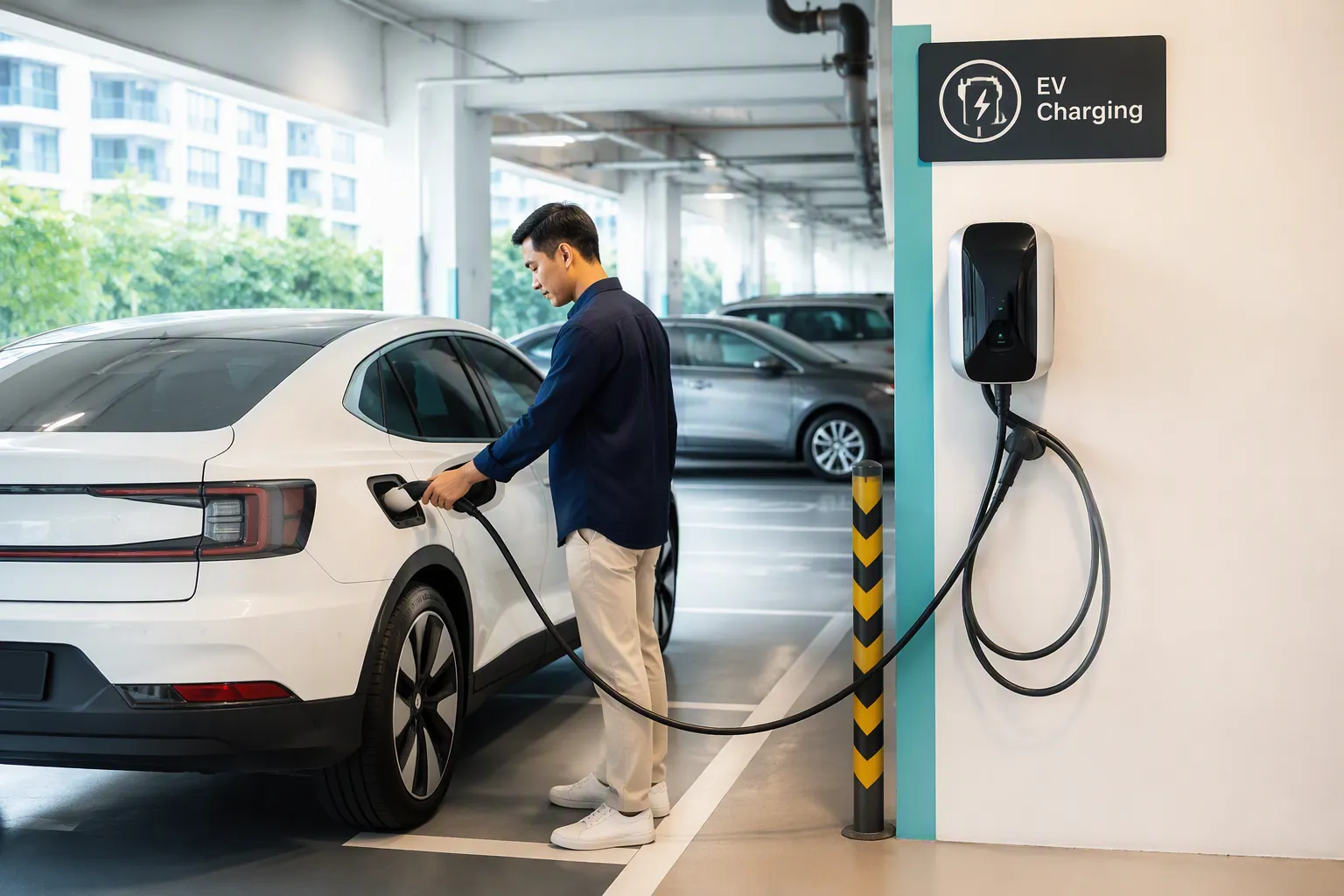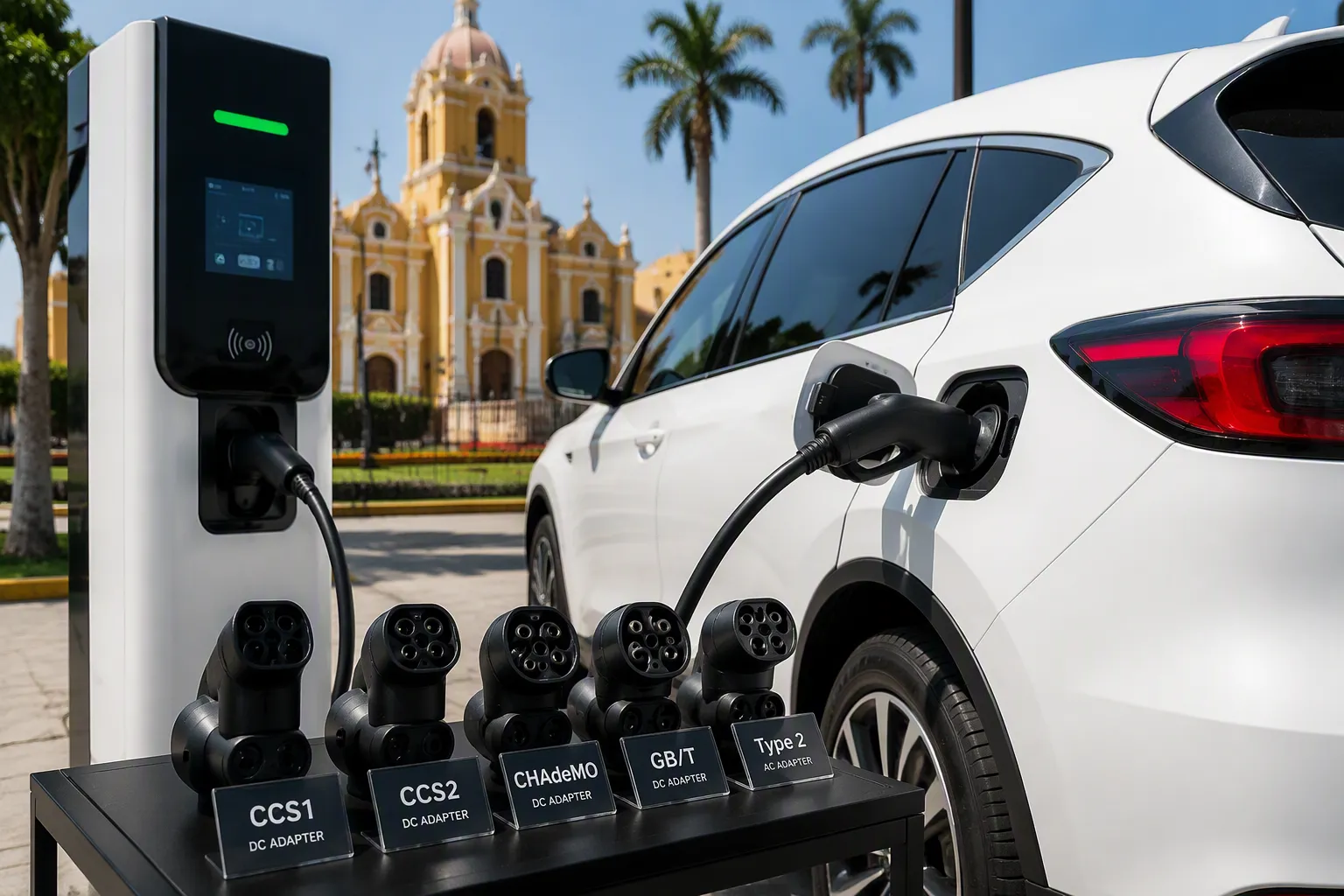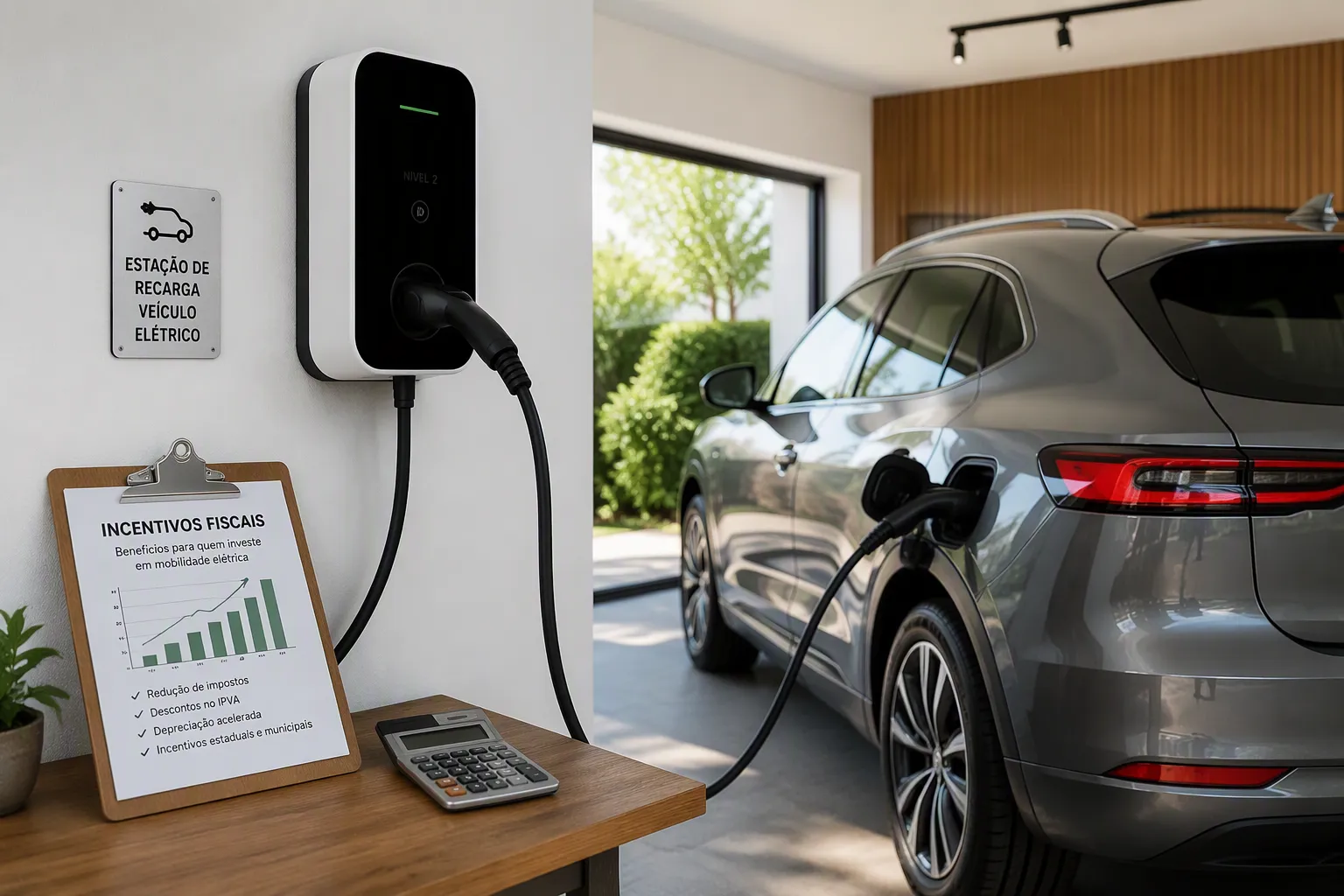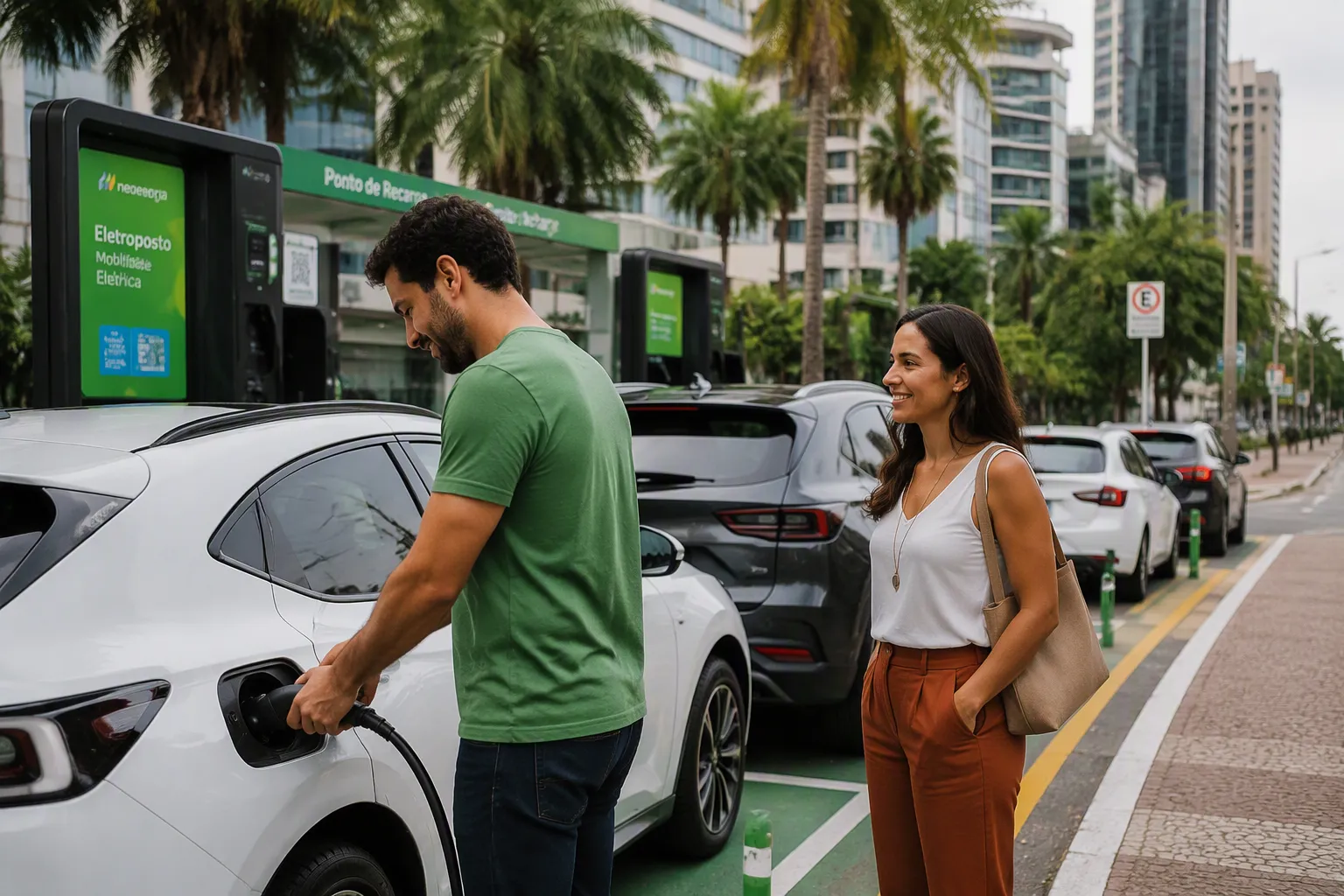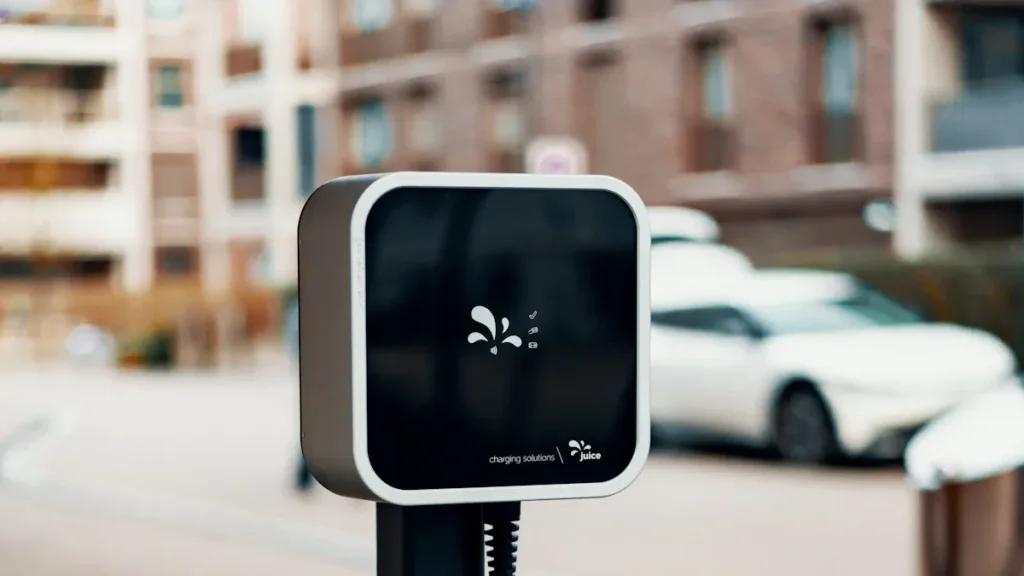

An EV driver’s primary concern for their home is selecting the right residential شاحن السيارة الكهربائية. The best EV charger for a Singapore residential property is a TR 25:2022 compliant AC Level 2 model. A Licensed Electrical Worker (LEW) must perform the installation. Key factors influencing the choice of charger include the home’s power supply—single-phase or three-phase—and the desired EV charging speed (kW). These elements are crucial for a safe and efficient charging experience. الشركات المصنعة لشاحن السيارة الكهربائية offer various حلول شحن السيارات الكهربائية, but شواحن السيارات الكهربائية المحمولة are generally not approved for regular home use.
Understanding Singapore’s Mandatory Charger: AC Level 2
Singapore’s regulations mandate specific standards for electric car charging to ensure safety and grid stability. For residential properties, this means using an AC Level 2 charger. These EV charging stations are the designated standard for any home installation. Understanding this requirement is the first step toward a compliant and efficient charging setup.
Why AC Level 2 is the Standard for Home EV Charging
AC Level 2 charging is the official standard for a home in Singapore because it offers an ideal balance of speed, safety, and cost. These chargers use a 240V circuit, which provides significantly faster charging times for an EV compared to a basic Level 1 charger that uses a standard wall socket. A typical EV can gain substantial range from just a few hours of charging.
While much faster options like DC fast charging exist, they are designed for commercial locations. These systems are prohibitively expensive and require a power supply far beyond what a typical residential home can support. Therefore, AC Level 2 remains the most practical and effective solution for daily home EV charging needs.
Unapproved Chargers to Avoid in Singapore
EV owners must avoid using unapproved chargers. This category primarily includes portable chargers not compliant with the TR 25:2022 standard or any device lacking official safety certification for use in Singapore. Using such equipment poses significant risks.
تنبيه السلامة: Uncertified chargers can lead to electrical shorts, damage your EV’s battery, and create serious fire hazards. They do not meet the stringent safety requirements established for the nation’s electrical grid. Only permanently installed, compliant EV charging stations are approved for regular use.
The Essential Role of a Licensed Electrical Worker (LEW)
The installation of all EV charging stations must be performed by a Licensed Electrical Worker (LEW). This is not just a recommendation; it is a mandatory legal requirement. An LEW ensures the installation is safe, compliant, and optimized for your home’s electrical system. The LEW’s responsibilities are comprehensive and critical for a secure charging setup.
An LEW performs several crucial tasks during the installation process:
- Inspecting the main electrical board and existing wiring.
- Installing a dedicated circuit breaker for the charger unit.
- Mounting the محطة الشحن securely to a wall or pedestal.
- Verifying all electrical connections are properly made and grounded.
- Checking the charger’s primary function and safety features.
- Measuring the charging speed to ensure it meets specifications.
- Providing the necessary ‘Electrical Installation Certificate’ upon completion.
Engaging an LEW guarantees that your EV charger installation adheres to all national safety standards, protecting your property and your EV.
Decoding Your Home’s Power Supply for EV Charging

An EV owner must understand their home’s electrical supply before selecting a charger. The power supply type, either single-phase or three-phase, directly determines the maximum charging speed available for an EV. This knowledge is fundamental for ensuring charger compatibility and meeting your electric car charging expectations. Most residential properties in Singapore use one of these two systems.
Single-Phase vs. Three-Phase Power Explained
A home’s electrical system delivers power through one or more “phase” wires. A single-phase supply uses one live wire, while a three-phase supply uses three. This difference dictates the total amount of electricity the home can draw from the grid at any given moment.
Identifying a Single-Phase Supply
A single-phase supply is common in most HDB flats and older condominiums. A simple visual clue is the main circuit breaker in your distribution board. It is typically a single-width or double-width switch. This setup is sufficient for standard household appliances but limits the power available for high-demand devices like an EV charger.
Identifying a Three-Phase Supply
A three-phase supply is standard in landed properties and many newer, larger condominiums. The main circuit breaker for this system is noticeably wider, usually a triple-width switch. This configuration provides significantly more power, making it ideal for homes with heavy electrical loads and for faster EV charging.
How Power Supply Impacts Your Charger Choice
The power supply is the most critical factor influencing your charger selection. A three-phase connection delivers more power, enabling much faster charging speeds.
- Conductors: A single-phase charger uses one conductor, limiting its maximum power. A three-phase charger uses three conductors, allowing it to deliver more power simultaneously.
- الطاقة القصوى: Single-phase charging in a residential setting typically maxes out at 7.4 كيلوواط. Three-phase charging can support 11 kW or even 22 kW chargers.
- السرعة: The increased power from a three-phase supply can make charging up to three times faster than a single-phase connection.

This table illustrates the practical difference in charging performance:
| الميزة | Single-Phase Charger | Three-Phase Charger |
|---|---|---|
| ناتج الطاقة | حتى 7.4 كيلوواط | 11 kW or 22 kW |
| سرعة الشحن | Slower (e.g., ~8 hours for 60kWh EV) | Faster (e.g., ~3-5 hours for 60kWh EV) |
Why You Must Consult an LEW for a Power Assessment
While you can make a preliminary guess, only a Licensed Electrical Worker (LEW) can definitively confirm your home’s power supply and its available capacity. An LEW performs a professional assessment that goes beyond a simple visual check.
ملاحظة مهمة: An LEW’s assessment is a mandatory step. The LEW verifies the supply type, calculates the existing electrical load of the home, and determines the maximum safe power rating for a new home EV charging station. This ensures the installation meets all safety requirements and avoids overloading your system.
Selecting the Right Power Rating (kW) for Your EV
After identifying the home’s power supply, the next step is to select a charger with the appropriate power rating, measured in kilowatts (kW). The kW rating directly determines how quickly the charger can replenish an EV’s battery. A higher kW rating means faster charging, but the choice is ultimately constrained by the residential property’s electrical infrastructure and the EV’s own capabilities.
Common Charger Power Ratings
Charger manufacturers offer various power ratings to match different electrical systems and user requirements. In Singapore, these options are closely tied to whether a home has a single-phase or three-phase supply.
7.4kW Chargers for Single-Phase Homes
A 7.4kW charger is the most powerful and common choice for residential properties with a single-phase power supply. This rating provides a reliable speed for overnight charging. It can fully charge most electric vehicles in approximately 8 to 10 hours, making it a perfect solution for EV owners who charge their car while they sleep. This ensures the vehicle is ready with a full battery each morning.
11kW & 22kW Chargers for Three-Phase Homes
Homes equipped with a three-phase supply can support more powerful charging options.
- 11kW Chargers: An 11kW charger is a popular upgrade for three-phase homes. It offers a significant speed boost over a 7.4kW unit, reducing charging time by about one-third. This is ideal for households with multiple EV drivers or for those who need a faster turnaround.
- 22kW Chargers: A 22kW charger represents the fastest available speed for AC electric car charging. It can charge an EV up to three times faster than a 7.4kW model. However, achieving this speed requires both a 22kW charger and an EV with an onboard charger capable of accepting that power level. Many electric vehicles have an 11kW onboard limit for AC charging, so it is crucial to check vehicle compatibility to fully utilize a 22kW charger’s potential.
How to Calculate Your EV Charging Time
An EV owner can estimate charging time with a simple formula. This calculation helps set realistic expectations for different charger power ratings. The general formula is:
حجم البطارية (كيلوواط/ساعة) ÷ طاقة الشاحن (كيلوواط) = زمن الشحن (ساعات)
For example, to calculate the time to charge a 60kWh EV battery from empty to full with a 7.4kW home charger:
60 kWh ÷ 7.4 kW ≈ 8.1 hours
ملاحظة مهمة: This formula provides an estimate. Real-world charging is not linear. The battery’s State of Charge (SoC) affects charging speed. An EV battery charges fastest between 20% and 80% and then slows down significantly as it approaches 100%. This tapering protects the battery’s long-term health.
Assessing Your Home’s Total Electrical Load
Installing an EV charger adds a significant and sustained electrical load to a home’s circuit. It is critical to ensure the existing system can handle this new demand without becoming overloaded. An EV charger delivering 7.4kW draws substantially more power than most household appliances.
Overloading a residential electrical circuit can lead to severe consequences. The strain can cause frequent tripping of circuit breakers, overheating of wires, and damage to the charger or the EV itself.
The potential risks of an overloaded system include:
- مخاطر الحريق: Overheated wiring is a primary cause of electrical fires, posing a significant threat to property and safety.
- Vehicle Damage: Improper power supply can damage the EV’s sensitive onboard electronics and charging system, leading to expensive repairs.
- Inefficient Charging: An overloaded circuit may fail to deliver consistent power, resulting in longer charging times and wasted energy.
An LEW must perform a total electrical load assessment to determine the home’s capacity. This professional evaluation is essential for safety and ensures the chosen charger is a good fit for both the owner’s charging speed needs and the property’s electrical limits. This step guarantees system compatibility and a secure charging setup.
Finding the Best EV Charger: Key Features to Consider

Beyond power ratings and supply types, the best EV charger for your home will include key features that enhance safety, convenience, and efficiency. Modern chargers from providers like TPSON offer advanced functionalities that transform the EV charging experience. An EV owner should prioritize certified safety features and smart capabilities to maximize their investment.
Safety and Compliance Certifications
Safety is the most important consideration when selecting an EV charger. All chargers sold and installed in Singapore must meet strict national standards. These certifications guarantee the device has undergone rigorous testing for electrical safety and operational reliability.
The TR 25:2022 Compliance Mark
The TR 25:2022 (Technical Reference 25) is Singapore’s mandatory standard for EV charging systems. Any charger installed in a home must be compliant with these requirements. This standard ensures the charger is safe for use with the local power grid and includes essential safety mechanisms.
نصيحة محترف: Always look for the TR 25:2022 compliance mark on the charger’s specification sheet or product label. A compliant charger ensures full compatibility with local regulations and provides peace of mind. An LEW will not install a non-compliant device.
Weather-Resistance (IP Ratings) for Singapore’s Climate
Singapore’s tropical climate, with its high humidity and heavy rainfall, demands robust weather protection for any outdoor electrical equipment. An EV charger’s durability is indicated by its Ingress Protection (IP) rating. This two-digit code classifies the degree of protection against foreign objects (first digit) and moisture (second digit).
- IP54: Offers good protection against dust and water splashes from any direction. This is suitable for sheltered locations like carports.
- IP65/IP66: Provides complete protection against dust and powerful water jets. These chargers are ideal for unsheltered outdoor installations where they may be exposed to heavy rain.
Choosing a charger with an appropriate IP rating ensures its longevity and safe operation, regardless of the weather.
الميزات الذكية والاتصال الذكي
Smart EV chargers offer a suite of advanced features that provide greater control, efficiency, and cost savings. These connected devices use Wi-Fi or other networks to communicate with a mobile app, allowing for remote management and optimization of the charging process.
الواي فاي والتحكم في التطبيق
Modern smart EV chargers connect to a home’s Wi-Fi network, enabling remote control via a dedicated smartphone app. This connectivity unlocks several powerful benefits for the EV owner:
- Remote Control and Monitoring: Owners can start, stop, and monitor charging sessions in real-time from anywhere. This eliminates the need to physically check the charger.
- الشحن المجدول: This feature allows users to schedule charging during off-peak electricity hours, which can significantly reduce energy bills.
- مراقبة الطاقة: The app provides detailed insights into energy consumption, helping owners track costs and optimize their charging habits for maximum efficiency.
- Convenience and Control: Full control over the charging schedule ensures the EV is always ready when needed, reducing “range anxiety.”
These features make the entire charging process more convenient and cost-effective.
Load Balancing for Power Management
موازنة التحميل الديناميكي (DLB) is a critical feature for smart EV chargers, especially in homes with multiple high-power appliances. This technology intelligently manages power distribution to prevent electrical overloads.
يعمل النظام من خلال:
- مراقبة استهلاك الطاقة: يراقب باستمرار إجمالي استهلاك الطاقة في المنزل.
- تقييم الطاقة المتاحة: يحسب سعة الطاقة المتبقية المتاحة على الدائرة الكهربائية.
- توزيع الطاقة ديناميكيًا: يضبط النظام تلقائيًا الطاقة الموردة لشاحن السيارة الكهربائية بناءً على الطلب الفعلي من الأجهزة الأخرى.
على سبيل المثال، إذا قام شخص بتشغيل مكيف هواء أثناء شحن السيارة الكهربائية، فإن نظام DLB سيقلل مؤقتًا من سرعة الشحن للحفاظ على الحمل الكلي ضمن الحدود الآمنة. وهذا يمنع انقطاع قواطع الدائرة ويتجنب الحاجة إلى ترقيات مكلفة للوحة الكهرباء، مما يضمن إمداد طاقة مستقرًا وآمنًا لكامل المنزل.
العوامل العملية لتركيب محطات شحن السيارات الكهربائية المنزلية
إلى جانب المواصفات الفنية، فإن العوامل العملية مثل إدارة الكابلات والموضع المادي تُعد حاسمة لتجربة شحن منزلية سلسة للسيارة الكهربائية. يجب على مالك السيارة الكهربائية أن يأخذ في الاعتبار كيفية تكامل الشاحن مع روتينه اليومي وتخطيط ممتلكاته السكنية. يضمن التخطيط المدروس أن محطات شحن السيارات الكهربائية المختارة تكون ملائمة وآمنة ومنظمة. متطلبات التركيب هذه هي مفتاح الرضا طويل الأمد.
طول الكابل وإدارته
الطول المناسب للكابل وإدارته يمنعان الإزعاج اليومي ومخاطر السلامة. الكابل هو الرابط المادي بين محطات شحن السيارات الكهربائية والمركبة الكهربائية، لذا فإن التعامل معه هو الشاغل الأساسي.
اختيار الطول المناسب للكابل
اختيار الطول الصحيح للكابل هو توازن بين المدى والملاءمة. تتراوح الكابلات القياسية لمحطات شحن السيارات الكهربائية عادةً من 5 إلى 7.5 متر. يجب على المالك قياس المسافة من موقع التركيب المقترح إلى منفذ شحن سيارته الكهربائية.
نصيحة محترف: ضع دائمًا في الاعتبار اتجاهات الوقوف المختلفة. سواء كان المالك يركن بالسيارة للخلف أو للأمام يمكن أن يغير الطول المطلوب للكابل. الكابل القصير جدًا يسبب إجهادًا، بينما الكابل الطويل جدًا يصبح عائقًا خطيرًا للتعثر.
تتوفر كابلات أطول ولكنها أثقل وزنًا وأعلى تكلفة. غالبًا ما يكون كابل بطول 5 أمتار كافيًا لمرآب سكني قياسي، بينما يوفر كابل بطول 7.5 أمتار مرونة أكبر للممرات الأوسع أو إذا كان منفذ شحن السيارة الكهربائية على الجانب المقابل للشاحن.
أهمية حامل الكابل
حامل الكابل هو ملحق أساسي لأي من محطات شحن السيارات الكهربائية. يوفر هذا المكون البسيط مكانًا آمنًا لتخزين موصل الشحن ولف الكابل عندما لا يكون قيد الاستخدام. يوفر استخدام الحامل عدة فوائد رئيسية:
- السلامة: يبقي الكابل بعيدًا عن الأرض، مما يلغي خطر التعثر الخطير لأفراد الأسرة.
- الحماية: يحمي الموصل من الأوساخ والرطوبة والتلف العرضي.
- طول العمر: يمنع الإجهاد غير الضروري على الكابل ووحدة الشاحن نفسها، مما يطيل عمر المعدات.
الشكل المادي والموضع
الشكل المادي لمحطات شحن السيارات الكهربائية وموقعها في الممتلكات يؤثران مباشرة على سهولة الاستخدام و تكلفة التركيب. النوعان الأساسيان لمحطات شحن السيارات الكهربائية السكنية هما الوحدات المثبتة على الحائط والوحدات القائمة.
الوحدات المثبتة على الحائط مقابل الوحدات القائمة
- الوحدات المثبتة على الحائط: هذه هي النوع الأكثر شيوعًا لـ التركيب المنزلي. يتم تثبيتها مباشرة على حائط في مرآب أو موقف سيارات. هذا الإعداد مضغوط وآمن وعمومًا أكثر فعالية من حيث التكلفة.
- الوحدات القائمة: هذه محطات شحن سيارات كهربائية قائمة بذاتها يتم تركيبها على عمود. وهي الحل المثالي لمواقف السيارات المفتوحة أو الممرات حيث لا يتوفر حائط للتركيب. يكون التركيب عادةً أكثر تعقيدًا لأنه يتطلب حفر خندق لقناة التوصيلات الكهربائية.
اختيار موقع التركيب
اختيار المكان المناسب للشاحن هو قرار بالغ الأهمية. يوازن الموقع المثالي لشحن السيارة الكهربائية في المنزل بين الملاءمة والسلامة والتكلفة. تشمل العوامل الرئيسية التي يجب مراعاتها:
- القرب من اللوحة الكهربائية: وضع الشاحن بالقرب من اللوحة الكهربائية الرئيسية للمنزل يقلل من طول الأسلاك المطلوبة، مما يمكن أن يخفض تكاليف التركيب.
- عادة الوقوف: يجب تركيب الشاحن في مكان الوقوف الرئيسي في المسكن لجعل الشحن اليومي سهلًا.
- الاتصال: تتطلب محطات شحن السيارات الكهربائية الذكية إشارة واي فاي مستقرة لتعمل بشكل صحيح. يجب على المالك التحقق من قوة الإشارة في الموقع المقترح قبل التركيب.
- الحماية من العوامل الجوية: بالنسبة للتركيبات الخارجية، من الأفضل وضع الشاحن في منطقة محمية. استخدم دائمًا وحدة ذات تصنيف IP عالي (مثل IP65) لتحمل طقس سنغافورة.
الموقع المختار بعناية يجعل عملية الشحن جزءًا بسيطًا من الروتين اليومي.
قائمة المراجعة النهائية قبل الشراء
اختيار شاحن سيارة كهربائية يتضمن عدة قرارات حاسمة. تبسط قائمة المراجعة النهائية هذه العملية، مما يضمن أن يختار المالك وحدة آمنة ومتوافقة وفعالة لمنزله. اتباع هذه الخطوات يساعد في ضمان تركيب ناجح وتجربة شحن إيجابية.
الخطوة 1: تأكد من إمداد الطاقة المنزلي
الإجراء الأول هو تحديد الإمداد الكهربائي للمنزل. يجب على المالك معرفة ما إذا كانت ممتلكاته متصلة بطور واحد أو ثلاثة أطوار. تحدد هذه المعلومات الحد الأقصى لتقييم الطاقة الذي يمكن للشاحن دعمه. بينما تقدم الفحوصات البصرية لقاطع الدائرة الرئيسي دليلًا، إلا أن عامل الكهرباء المرخص (LEW) فقط هو الذي يمكنه تقديم تقييم قاطع. تقييم عامل الكهرباء المرخص هو شرط أساسي إلزامي لأي تركيب.
الخطوة 2: اختر شاحنًا متوافقًا مع TR 25:2022
السلامة والامتثال التنظيمي غير قابلين للتفاوض. يجب أن يلتزم أي شاحن سيارة كهربائية يتم تركيبه في سنغافورة بمعيار TR 25:2022. تضمن هذه الشهادة أن الجهاز اجتاز اختبارات صارمة للسلامة الكهربائية والتوافق مع الشبكة.
تذكير: سيرفض عامل الكهرباء المرخص تركيب شاحن غير متوافق. تحقق دائمًا من علامة التوافق مع TR 25:2022 في مواصفات المنتج قبل الشراء. تحمي هذه الخطوة السيارة الكهربائية والمنزل وتضمن أن التركيب قانوني.
الخطوة 3: اختر ميزات الذكاء والسلامة الأساسية
إن أفضل شاحن للسيارات الكهربائية يجمع بين آليات السلامة القوية والوظائف الذكية. تعزز هذه الميزات الحماية وتوفر قيمة طويلة الأمد. يجب على المالك البحث عن شاحن مجهز بقدرات شاملة للسلامة والذكاء.
تشمل حمايات السلامة الرئيسية التي يجب إعطاؤها الأولوية:
- مراقبة شاملة لدرجة الحرارة والتيار والجهد لشحن آمن.
- حماية مدمجة ضد التيار الزائد, overvoltage, and short circuits.
- Residual current protection and fire-retardant construction for maximum safety.
Valuable smart features that optimize the charging process are:
- التكامل الشمسي: This directs surplus solar energy to the EV, potentially making charging nearly free.
- Tariff Optimization: The system automatically schedules charging during off-peak hours to lower electricity costs.
- موازنة الحمل: It prevents electrical overloads by adjusting the charger’s power draw based on the home’s real-time energy use.
- مراقبة الطاقة: An app gives the owner control over scheduling and provides detailed data on energy consumption.
Step 4: Engage a Certified LEW for Installation
The final and most critical step is to engage a Licensed Electrical Worker (LEW) for the installation. In Singapore, this is a legal mandate. An LEW ensures the entire process adheres to national safety standards, protecting the home, the EV, and its owner. An owner must never attempt a DIY installation or hire an uncertified electrician for this specialized task. The risks of improper work, including electrical fires and vehicle damage, are far too great.
Verifying an electrician’s credentials is a straightforward but essential process. An owner should take these steps to confirm they are hiring a legitimate LEW before any work begins.
- Request the License Number: A certified LEW will readily provide their license number upon request.
- Check the EMA Registry: The Energy Market Authority (EMA) maintains a public registry on its website. An owner can use this service to confirm the LEW’s license is active and valid.
- Verify the Identity Card: The LEW’s official identity card contains their photo and license number. An owner should cross-reference this information with the details in the EMA database.
- Look for the EMA Logo: Licensed professionals often display the official EMA logo on their business materials, which signifies regulatory compliance.
- Search Within Legislation: For added assurance, an owner can search for the LEW’s name within relevant government regulations and gazettes.
- Contact the EMA Directly: If any doubts remain, an owner should contact the EMA for direct confirmation.
Crucial Safety Check: An owner must not proceed with the ev charger installation if the electrician cannot be verified through these official channels. Using an unlicensed individual voids warranties and can have serious legal and insurance implications.
Once an owner engages a certified LEW, the professional will handle the complete installation. This includes conducting a final site assessment, installing the dedicated circuit, mounting the charger, and performing all necessary electrical connections. After completing the work, the LEW will test the system thoroughly and submit the required paperwork to the relevant authorities. They will then issue an Electrical Installation Certificate, which serves as the official record of a safe and compliant installation.
Selecting the best EV charger for a Singapore home involves choosing a TR 25:2022 compliant AC Level 2 unit. An EV owner must match the charger to their residential power supply for optimal EV charging. Prioritizing reliability and التركيب الاحترافي ensures a safe home charging setup. The best EV charger choice for any EV is one installed by a certified LEW, guaranteeing compliant and safe charging. This approach protects the vehicle, the property, and provides long-term peace of mind.
الأسئلة الشائعة
🔌 Can an owner use a portable charger?
Portable chargers are not approved for regular home use. They lack the safety features of fixed, TR 25:2022 compliant units. An LEW will only install a permanent charger to ensure it meets public safety standards and protects the public grid.
⚡ What is the difference between home and public EV charging?
Home charging uses AC power for slower, overnight charging. Most public EV charging stations, especially DC fast chargers, provide much faster speeds. Public chargers are designed for quick top-ups, while home units offer daily convenience. Public access is a key feature.
🏠 Can a home be upgraded to three-phase power?
Yes, an upgrade is possible but can be complex and costly. It requires approval from authorities and extensive work by an LEW. The process involves assessing the impact on the public electrical infrastructure. An owner should consult their LEW for feasibility.
💨 Why is a public charger faster than a home charger?
Many public chargers are DC fast chargers. They bypass the car’s onboard AC converter and deliver high-power DC electricity directly to the battery. This technology is not available for home use due to its high cost and power requirements from the public grid.
💰 Is home charging cheaper than public EV charging?
Generally, yes. Home charging uses residential electricity rates, which are often lower than commercial rates for public EV charging. Charging during off-peak hours at home can further reduce costs compared to using public stations. Public convenience comes at a premium.
🚚 What happens if an owner moves to a new home?
The owner can have their LEW uninstall the charger and reinstall it at the new property. The new home will require its own power assessment and installation permit. This ensures the setup remains compliant with public safety regulations at the new location.