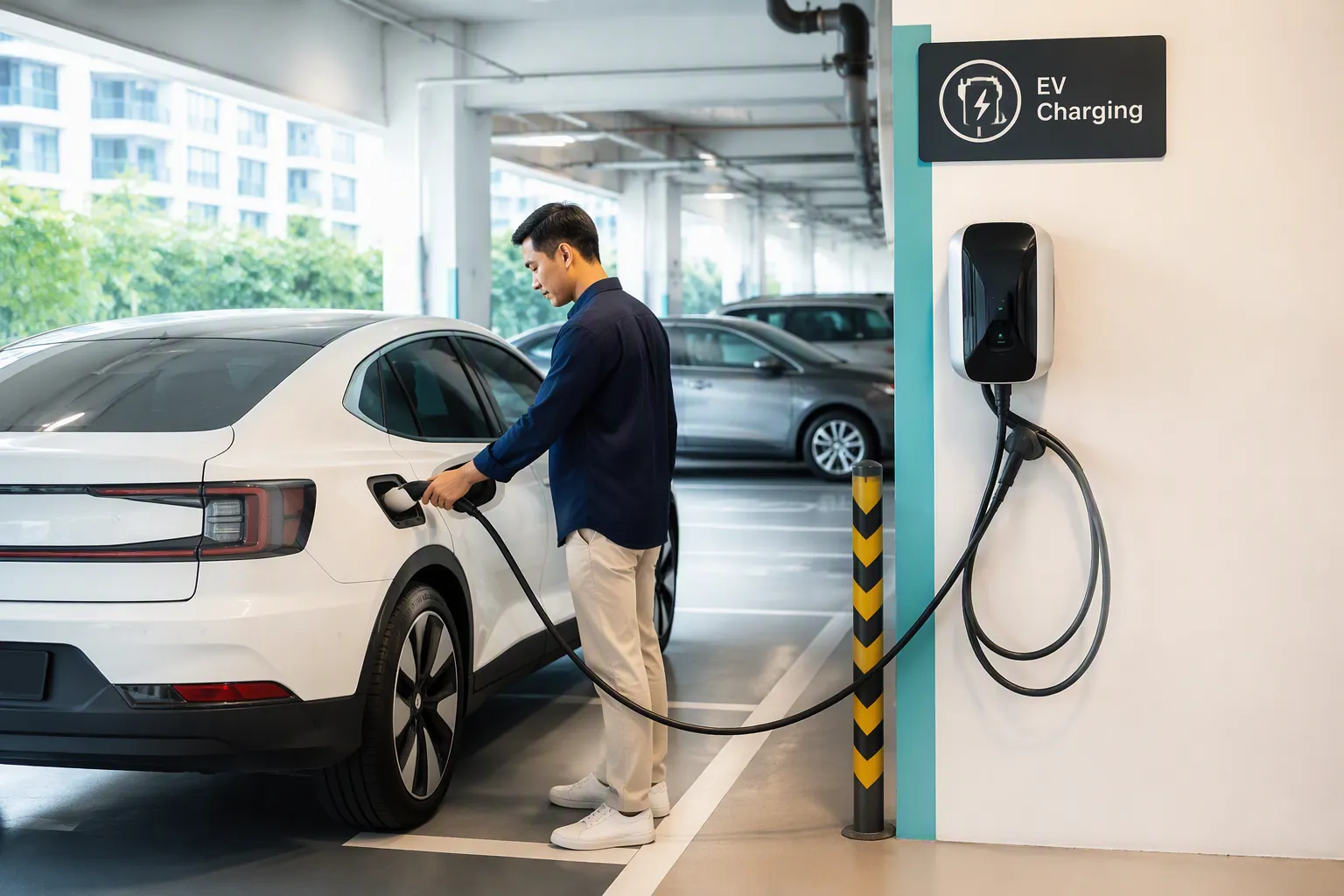

Fahrer in Brasilien können sich jetzt auf Brasiliens aufstrebendes Level-3- ev-Ladegerät Netzwerk verlassen, um ihr Elektrofahrzeug während einer Überlandfahrt aufzuladen. EV-Ladelösungen, einschließlich tragbare ev-ladegeräte, Es hilft Reisenden, die Fahrt kontinuierlich fortzusetzen. Hersteller von EV-Ladegeräten Die Infrastruktur wird weiter ausgebaut, was elektrisches Reisen zugänglicher macht. Strategische Planung stellt sicher, dass jeder Ladestopp mit der Fahrzeugreichweite und dem Gelände abgestimmt ist und so eine nahtlose Elektroreise unterstützt.
Überblick über Brasiliens aufstrebendes Level-3-EV-Ladenetzwerk
Was ist ein Level-3-Ladegerät?
Ladegeschwindigkeit und Technologie
Level-3-Ladegeräte, auch bekannt als DC-Schnelllader, stellen einen bedeutenden Fortschritt in der Elektrofahrzeug- Ladeinfrastruktur. technologie dar. Diese Ladegeräte nutzen Gleichstrom, um hohe Ladegeschwindigkeiten zu liefern, mit Leistungsabgaben im Bereich von 50 kW bis 350 kW. 50 kW bis über 350 kW. Viele Stationen in Brasilien bieten mittlerweile Schnellladung an, sodass Fahrer in weniger als 30 Minuten eine 80%-Ladung erreichen können. Die Schnellladetechnologie ermöglicht es Fahrzeugen, in etwa 160 km in 30-40 Minuten bei 50 kW und bis zu 320 km in nur 20 Minuten bei höheren Leistungen hinzuzugewinnen. Im Gegensatz zu Level-2-Ladegeräten, die langsamer sind und hauptsächlich für das Laden zu Hause oder am Arbeitsplatz verwendet werden, bieten Level-3-Ladegeräte bis zu 2250 km Reichweite pro Stunde und können viele Standard-Elektrofahrzeuge in unter 20 Minuten vollständig aufladen. Die Schnellladeinfrastruktur ist für öffentliche Ladestationen unerlässlich und unterstützt die Verbreitung von Elektrofahrzeugen in ganz Brasilien.
Vorteile für Elektrofahrzeug-Fernreisen
Die Schnellladeinfrastruktur bietet mehrere Vorteile für Fernreisen. Fahrer erleben reduzierte Standzeiten,, was Überlandfahrten praktikabler macht. Schnelllader sind ideal für gewerbliche Anwendungen und Fahrzeuge mit hoher Laufleistung, insbesondere entlang wichtiger Autobahnen und in Logistikdepots. Die hohen Ladegeschwindigkeiten minimieren die Wartezeiten an Elektrofahrzeug-Ladestationen und unterstützen zuverlässiges Reisen über Brasiliens aufstrebendes Level-3-EV-Ladenetzwerk. Allerdings erfordert die Schnellladeinfrastruktur erhebliche Investitions- und Installationskosten, und die Verfügbarkeit ist im Vergleich zu Level-2-Ladegeräten nach wie vor begrenzt.
Aktuelle Abdeckung von Elektrofahrzeug-Ladepunkten
Wichtige Autobahnen und Korridore
Brasiliens Ladeinfrastruktur wird entlang wichtiger Verkehrsrouten weiter ausgebaut. Wichtige Autobahnen und Korridore verfügen nun über Schnellladestationen, sodass Fahrer während Überlandfahrten auf Elektrofahrzeug-Ladepunkte zugreifen können. Das Ladenetzwerk deckt strategische Standorte ab, an denen eine schnelle Abfertigung entscheidend ist, wie Logistikzentren und öffentliche Ladestationen. Investitionen in die Ladeinfrastruktur stellen sicher, dass Elektrofahrzeug-Ladepunkte sowohl für private als auch gewerbliche Fahrzeuge verfügbar sind.
Wichtige Städte und Regionen
Wichtige Städte und Regionen in Brasilien haben die Entwicklung der Elektrofahrzeug-Ladeinfrastruktur priorisiert. Ballungszentren wie São Paulo, Rio de Janeiro und Brasília beherbergen zahlreiche Elektrofahrzeug-Ladestationen. Regionale Investitionen unterstützen die Verbreitung von Elektrofahrzeugen und erhöhen die Dichte der Ladepunkte. Die Abdeckung mit öffentlichen Ladestationen wächst weiter und macht die Elektrofahrzeug-Ladeinfrastruktur für Bewohner und Reisende besser zugänglich.
Wichtige Akteure und Initiativen
Führende Ladebetreiber (Zletric, VoltBras)
Mehrere Unternehmen treiben den Ausbau der brasilianischen Ladeinfrastruktur voran. Zletric und VoltBras leiten die Entwicklung von Schnellladestationen und investieren in fortschrittliche Technologie und zuverlässige Netzwerke. TPSON, ein technologisch fortschrittlicher Anbieter von Elektrofahrzeug-Ladelösungen, trägt zur Bereitstellung einer effizienten Ladeinfrastruktur bei. Internationale Hersteller wie Tesla Inc., Volkswagen AG, BYD Co. Ltd., Stellantis NV und Toyota Motor Corporation investieren ebenfalls in Brasiliens Ladenetzwerk und beschleunigen so die Verbreitung von Elektrofahrzeugen.
Staatliche Anreize und Smart-Grid-Integration
Staatliche Anreize spielen eine entscheidende Rolle beim Ausbau der Elektrofahrzeug-Ladeinfrastruktur. Richtlinien fördern Investitionen in Schnellladestationen und unterstützen die Integration von Smart-Grid-Technologie. Die Smart-Grid-Integration erhöht die Zuverlässigkeit und Effizienz des Ladenetzwerks und stellt sicher, dass Elektrofahrzeug-Ladepunkte betriebsbereit und zugänglich bleiben. Die Zusammenarbeit zwischen öffentlichem und privatem Sektor stärkt Brasiliens Elektrofahrzeug-Ladeinfrastruktur und fördert die landesweite Verbreitung von Elektrofahrzeugen.
Tipp: Fahrer sollten das Ladenetzwerk auf neue Stationen und aktualisierte Abdeckungskarten überwachen, um ihre Reisepläne zu optimieren.
Kartierung von Elektrofahrzeug-Ladepunkten für Überlandreisen
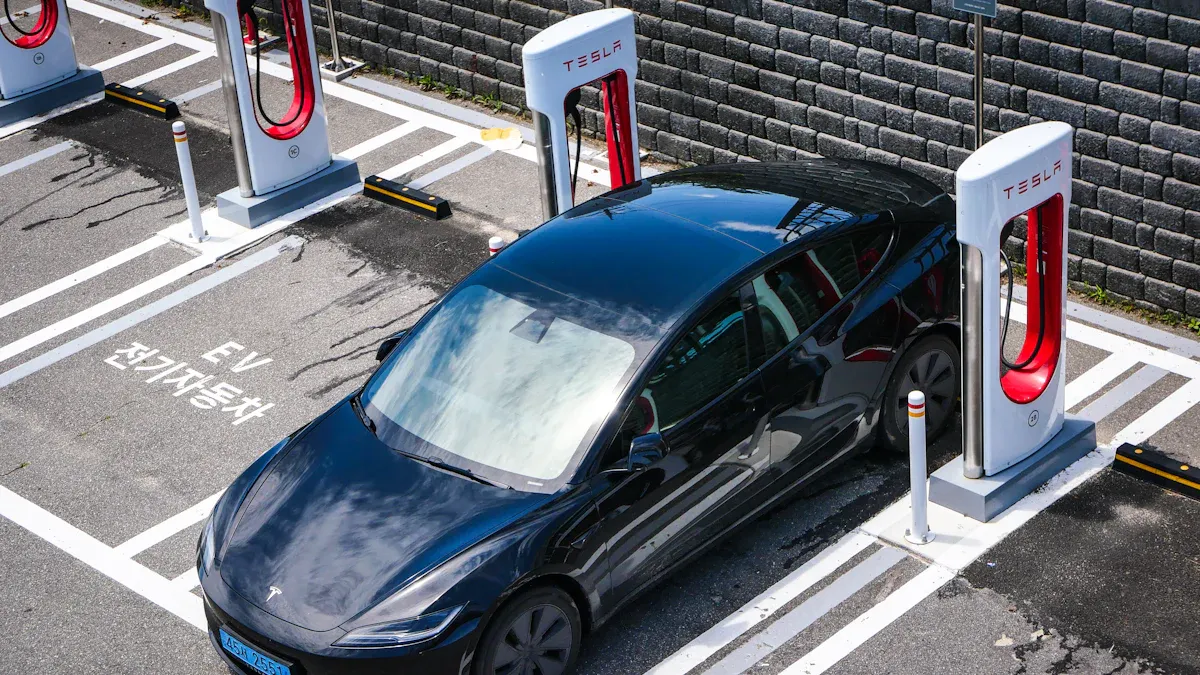
Die besten Online-Karten und Apps für Brasiliens aufstrebendes Level-3-EV-Ladenetzwerk
Echtzeit-Ladestandort-Plattformen
Fahrer in Brasilien verlassen sich auf digitale Plattformen, um Elektrofahrzeug-Ladepunkte während Überlandfahrten zu finden. Diese Plattformen zeigen Echtzeitinformationen zu Ladestandorten, Portverfügbarkeit und Ladegeschwindigkeiten an. Viele moderne Elektrofahrzeuge verfügen über Bordkarten, die nahegelegene Elektroladestationen auf einen Blick. anzeigen. Drittanbieter-Apps wie ZapMap und das Pod Point Network ermöglichen es Nutzern, Routen basierend auf der aktuellen Ladeverfügbarkeit und Fahrzeugreichweite zu planen. Interaktive Karten bieten Live-Statusinformationen zu Stationen und helfen Fahrern, unnötige Umwege und Verzögerungen zu vermeiden. Einige Plattformen nutzen KI-gestützte Berechnungen, um optimale Ladestopps vorzuschlagen, und integrieren GPS und Fahrzeugtelemetrie für eine genaue Routenplanung.
Tipp: Reisende sollten vor Reiseantritt Live-Updates zum Batterieverbrauch, Verkehrsbedingungen und Ladepunktstatus prüfen.
Wichtige Funktionen von Kartierungstools
Die Auswahl des richtigen Kartierungstools verbessert das Elektroreiseerlebnis. Zuverlässige Plattformen bieten mehrere Schlüsselfunktionen:
- Echtzeit-Ladeverfügbarkeit und Statusupdates.
- Ladegeschwindigkeitsinformationen für jede Station.
- Integration mit Fahrzeugreichweite und Batteriedaten.
- Dynamische Routenanpassung basierend auf Live-Verkehr und Ladegerätestatus.
- Nutzerbewertungen und -einschätzungen für Elektroladestationen.
Die folgende Tabelle fasst wesentliche Funktionen zusammen:
| Merkmal | Nutzen Sie |
|---|---|
| Verfügbarkeit in Echtzeit | Reduziert Wartezeiten |
| Ladegeschwindigkeitsinfo | Optimiert Stoppdauer |
| Routenintegration | Gewährleistet effiziente Planung |
| Dynamische Updates | Passt sich ändernden Bedingungen an |
| Nutzerfeedback | Verbessert die Zuverlässigkeit |
Routenplanung mit Elektrofahrzeug-Ladepunkten
Schritt-für-Schritt-Anleitung zur Routenplanung
Eine effektive Planung gewährleistet eine reibungslose Elektroreise durch Brasilien. Fahrer sollten diese Schritte befolgen:
- Startpunkt und Ziel identifizieren.
- Ein Online-Karte oder App um Ladestationen entlang der Strecke zu finden.
- Prüfen Sie die Verfügbarkeit der Ladestationen und die Ladegeschwindigkeit in Echtzeit an jeder Station.
- Berechnen Sie die Entfernungen zwischen den Ladestationen anhand der Reichweite des Fahrzeugs.
- Berücksichtigen Sie die Geländebedingungen und die Verkehrslage, um eine genaue Planung zu gewährleisten.
- Passen Sie die Route dynamisch an, falls sich der Ladestatus während der Fahrt ändert.
Intelligente Routenplaner in modernen Elektrofahrzeugen berechnen automatisch Routen mit den erforderlichen Ladestopps und den voraussichtlichen Wartezeiten. Einige Apps bieten Live-Status-Updates, sodass Fahrer ihre Route bei Bedarf anpassen können.
Ladehaltestellen in Ihre Reiseroute einplanen
Die Einbindung von Ladestopps in die Reiseroute sorgt für maximale Effizienz. Autofahrer sollten Stopps an Ladestationen für Elektrofahrzeuge während der Essens- oder Ruhepausen einplanen. Echtzeit-Updates helfen dabei, Pläne anzupassen, falls eine Ladestation nicht verfügbar ist. Die Planung von Ausweichmöglichkeiten zum Aufladen gewährleistet Zuverlässigkeit bei unerwarteten Ausfällen. Reisende profitieren von Plattformen, die Fahrten auf Basis von Echtzeitdaten dynamisch anpassen und so für ein nahtloses und stressfreies Reisen mit Elektrofahrzeugen sorgen.
Planung einer Reise mit dem Elektroauto quer durch Brasilien
Ladestationen und Entfernungen ermitteln
Berechnung der Entfernungen zwischen Ladestationen
Autofahrer, die eine Fernfahrt durch Brasilien planen, müssen optimale Ladestationen auswählen, um eine reibungslose Reise zu gewährleisten. Spezielle Navigations-Apps für Elektrofahrzeuge helfen dabei, Routen mit ausreichend Ladestationen für Elektrofahrzeuge zu planen und so die Reichweitenangst zu verringern. Diese Apps zeigen Ladestationen für Elektrofahrzeuge entlang der wichtigsten Autobahnen und Verkehrsachsen an, sodass Reisende die Stationen anhand der Verfügbarkeit in Echtzeit und der Ladegeschwindigkeit auswählen können. Abdeckung des Ladenetzes wächst weiter, wodurch es einfacher wird, Bahnhöfe für Fernreisen zu finden.
Tipp: Reisende sollten darauf achten, ihren Akku zwischen 20% und 80% aufladen an jeder Haltestelle. Diese Vorgehensweise gewährleistet eine gleichbleibende Ladegeschwindigkeit und den Erhalt der Akkuleistung und verhindert unnötige Verzögerungen.
Berücksichtigung der Reichweite von Elektrofahrzeugen und des Geländes
Die Reichweite von Elektrofahrzeugen hängt von der Batteriekapazität, dem Fahrstil und dem Gelände ab. Fahrer müssen bei der Planung ihrer Reise Höhenunterschiede, Verkehrslage und Wetterbedingungen berücksichtigen. Navigations-Apps schlagen die energieeffizientesten Routen vor und helfen Reisenden so, ihre Route zu optimieren und Ladestopps zu minimieren. Durch die Planung regelmäßiger Ladevorgänge wird sichergestellt, dass das Fahrzeug auch bei unerwarteten Umwegen oder Verzögerungen einsatzbereit bleibt. Das Aufladen über Nacht in Hotels sorgt jeden Morgen für eine voll aufgeladene Batterie und unterstützt so zuverlässiges Reisen über Brasiliens aufstrebendes Netz an Level-3-Ladestationen für Elektrofahrzeuge.
- Planen Sie Routen mit mehreren Ladestationen, um die Reichweitenangst zu verringern.
- Rechnen Sie mit möglichem Verkehr, da dieser die geschätzte Reichweite des Fahrzeugs beeinträchtigen kann.
- Planen Sie die Abgaben während der Mahlzeiten oder Besichtigungen ein, um die Zeit effizient zu nutzen.
- Halten Sie immer einen Plan B bereit, falls der bevorzugte Sender nicht verfügbar ist.
Schätzung der Ladezeiten und der Reichweite des Fahrzeugs
Wie lange ist an jeder Haltestelle mit einer Wartezeit zu rechnen?
Die Ladezeiten an Ladestationen für Elektrofahrzeuge hängen von der Ladeleistung und der Batteriegröße ab. Level-3-Ladegeräte ermöglichen in der Regel Schnellladen, sodass Fahrer in weniger als 30 Minuten eine Ladekapazität von 80% erreichen können. Die meisten Ladestationen bieten eine Leistung zwischen 50 kW und 350 kW und ermöglichen so eine schnelle Aufladung von Elektrofahrzeugen. Reisende sollten die Details der Ladestation im Voraus prüfen, um die Dauer des Aufenthalts abzuschätzen und ihre Reise entsprechend zu planen.
| Ladegerät Typ | Typische Ladezeit | Pro Sitzung hinzugefügte Reichweite |
|---|---|---|
| Stufe 3 (DC Schnell) | 20-30 Minuten | 100–200 Meilen |
| Stufe 2 | 4-8 Stunden | 20–40 Meilen |
Planung von Mahlzeiten und Pausen während des Ladevorgangs
Die Einbindung von Ladestopps in die Reiseroute sorgt für maximale Effizienz. Fahrer planen das Laden häufig während der Essenspausen oder bei Besichtigungen ein und nutzen so die Wartezeiten produktiv. Öffentliche Ladestationen in der Nähe von Restaurants, Einkaufszentren oder Sehenswürdigkeiten bieten Reisenden bequeme Möglichkeiten. Das Aufladen über Nacht in Hotels gewährleistet eine voll aufgeladene Batterie für die Fahrt am nächsten Tag. Dieser Ansatz fördert die Verbreitung von Elektrofahrzeugen und ermutigt mehr Fahrer, das Ladenetzwerk für Überlandfahrten zu nutzen.
Hinweis: Dank der Echtzeit-Aktualisierungen von Navigations-Apps lassen sich Pläne anpassen, falls eine Ladestation nicht mehr verfügbar ist oder sich die Ladezeiten ändern.
Tipps für zuverlässiges Laden im aufstrebenden brasilianischen Netz von Level-3-Ladestationen für Elektrofahrzeuge
Spitzenzeiten und Wartezeiten vermeiden
Reisende können Stoßzeiten vermeiden, indem sie außerhalb der Spitzenzeiten oder an weniger frequentierten Ladestationen aufladen. Nutzerbewertungen und Live-Status-Updates in Kartendiensten helfen dabei, Ladestationen mit kürzeren Wartezeiten zu finden. Eine vorausschauende Planung verringert das Risiko von Verspätungen und gewährleistet eine reibungslose Fahrt durch das Ladenetzwerk.
Sicherungsoptionen und Notfallplanung
Zuverlässiges Laden erfordert eine Notfallplanung. Autofahrer sollten stets auf Alternativen zurückgreifen können, falls ihre bevorzugte Ladestation nicht verfügbar ist oder ausfällt. Die folgende Tabelle gibt einen Überblick über Wichtige Strategien zur Gewährleistung eines zuverlässigen Ladevorgangs über die sich entwickelnde Infrastruktur für Level-3-Ladestationen für Elektrofahrzeuge in Brasilien:
| Strategie | Beschreibung |
|---|---|
| Sichere Installation und Wartung | Halten Sie sich an die Sicherheitsvorschriften, beauftragen Sie zertifizierte Elektriker und führen Sie regelmäßige Inspektionen durch. |
| Maßnahmen zur Cybersicherheit | Führen Sie starke Authentifizierungsverfahren, Verschlüsselungsprotokolle und regelmäßige Software-Updates ein. |
| Physischer Schutz | Bringen Sie Absperrungen an, setzen Sie Überwachungskameras ein und stellen Sie sicher, dass sich die Ladestationen in gut beleuchteten Bereichen befinden. |
| Optimale Platzierung von Ladestationen für Elektrofahrzeuge | Platzieren Sie die Ladegeräte strategisch, um Brandgefahren zu minimieren und im Notfall einen schnellen Zugang zu gewährleisten. |
| Haftung und Sicherheit der Nutzer | Halten Sie sich an die Standards für das Laden von Elektrofahrzeugen, stellen Sie die Einhaltung der Vorschriften sicher und investieren Sie in die Schulung Ihrer Mitarbeiter. |
| Betriebliche Effizienz | Führen Sie regelmäßig Diagnosen durch und nutzen Sie Backup-Lösungen, um eine optimale Leistung zu gewährleisten. |
| Ausreichender Versicherungsschutz | Ein Versicherungsschutz für Sachschäden, elektrische Brände und Cybervorfälle ist unerlässlich. |
Reisende profitieren von der Planung von Routen mit mehreren Ladepunkten und Ladestationen für Elektrofahrzeuge, wodurch der Zugang zu Ausweichmöglichkeiten gewährleistet ist. Dank betrieblicher Effizienz und regelmäßiger Diagnosen bleibt das Ladenetzwerk auch für Langstreckenfahrten zuverlässig. Die Verbreitung von Elektrofahrzeugen nimmt weiter zu, da sich die Infrastruktur verbessert und öffentliche Ladestationen immer leichter zugänglich werden.
Hinweis: Überprüfen Sie vor Fahrtantritt stets den Status der Ladestationen in Echtzeit und die Verfügbarkeit der Ladegeräte. So ist eine reibungslose Fahrt mit dem Elektroauto durch Brasilien gewährleistet.
Erfahrungen mit Elektrofahrzeugen im Alltag und häufige Herausforderungen

Erfahrungsberichte von Reisen quer durch das Land
Beispiele für erfolgreiche Reisen
Viele Autofahrer haben mithilfe des wachsenden Netzes an Ladestationen für Elektrofahrzeuge Langstreckenfahrten quer durch Brasilien zurückgelegt. Eine Gruppe reiste von São Paulo nach Brasília und nutzte dabei Level-3-Ladestationen entlang der Hauptverkehrsstraßen. Sie planten jeden Halt mithilfe von Echtzeit-Apps und stellten so sicher, dass sie an strategisch günstigen Orten Zugang zu Ladestationen für Elektrofahrzeuge hatten. Ihre Reise unterstrich die Zuverlässigkeit der aktuellen Infrastruktur und den Komfort von Schnellladung. Ein weiterer Reisender hat eine Fahrt von Rio de Janeiro nach Salvador dokumentiert. Er nutzte öffentliche Ladestationen in Einkaufszentren und Hotels und verband die Ladevorgänge mit Essenspausen. Diese Berichte zeigen, dass Fernreisen mit einem Elektrofahrzeug in Brasilien mittlerweile möglich sind.
Erfahrungen von Early Adopters
Frühe Nutzer von Elektrofahrzeugen in Brasilien haben wertvolle Erkenntnisse weitergegeben. Sie empfehlen, vor jeder Etappe der Reise den Ladezustand der Ladestation zu überprüfen. Viele stellten fest, dass das Laden außerhalb der Spitzenzeiten die Wartezeiten an den Ladestationen verkürzte. Einige Fahrer verzeichneten in abgelegenen Gebieten langsamere Ladegeschwindigkeiten, was Flexibilität bei der Planung erforderte. Sie betonten zudem die Bedeutung von Ersatzladelösungen wie tragbaren Ladegeräten, um zusätzliche Sicherheit zu gewährleisten. Die ersten Nutzer wiesen darauf hin, dass sich die Verbreitung von Elektrofahrzeugen beschleunigen wird, sobald mehr Ladestationen zur Verfügung stehen und sich die Infrastruktur verbessert.
Netzwerklücken und Ausfallzeiten überwinden
Umgang mit Ausfällen und Dienstunterbrechungen
Netzlücken und Ausfälle können eine Reise beeinträchtigen. Autofahrer haben von gelegentlichen Ausfällen an Ladestationen für Elektrofahrzeuge berichtet, insbesondere in weniger dicht besiedelten Regionen. Sie empfehlen, stets eine Liste mit alternativen Ladestationen entlang der Route dabei zu haben. Echtzeit-Apps helfen dabei, betriebsbereite Ladestationen zu finden und nicht funktionierende Stationen zu vermeiden. Bei Betriebsunterbrechungen wandten sich einige Reisende an die Betreiber der Stationen, um Unterstützung zu erhalten, oder nutzten öffentliche Ladestationen in der Nähe. Diese Strategien minimieren Verzögerungen und sorgen dafür, dass die Reise planmäßig verläuft.
Alternative Ladelösungen
Alternative Ladelösungen spielen eine entscheidende Rolle bei der Überbrückung von Lücken im Ladenetz. Mit tragbaren Ladegeräten können Autofahrer im Notfall Strom aus Standardsteckdosen beziehen. Einige Hotels und Unternehmen bieten ihren Gästen private Lademöglichkeiten an. Early Adopters empfehlen, einen Adapter mitzuführen, der mit verschiedenen Ladegerätetypen kompatibel ist. Die folgende Tabelle fasst gängige Lösungen für unerwartete Ladeanforderungen zusammen:
| Lösung | Beschreibung |
|---|---|
| Tragbares Ladegerät | Lässt sich für Notfälle an Standardsteckdosen anschließen |
| Hotelabrechnung | Für Gäste an ausgewählten Standorten verfügbar |
| Liste der Backup-Stationen | Stellt Ausweichmöglichkeiten sicher, falls die Hauptstation ausfällt |
| Betreiberunterstützung | Unterstützung durch Betreiber von Ladenetzwerken |
Tipp: Autofahrer sollten ihre Lade-Apps regelmäßig aktualisieren, um auf die neuesten Daten zu den Ladestationen zugreifen zu können und Überraschungen während der Fahrt zu vermeiden.
Die Zukunft des im Aufbau befindlichen Netzes von Level-3-Ladestationen für Elektrofahrzeuge in Brasilien
Bevorstehende Erweiterungen und angekündigte Projekte
Neue Korridore und Ladestationen
Brasilien plant, seine Ladeinfrastruktur für Elektrofahrzeuge durch neue Korridore und Ladestationen auszubauen. Unternehmen und Regierungsbehörden haben Projekte angekündigt, die Großstädte und abgelegene Regionen miteinander verbinden sollen. Im Rahmen dieser Erweiterungen werden Schnellladestationen entlang der Autobahnen errichtet, die São Paulo, Rio de Janeiro und Brasília verbinden. Das Netz wird auch ins Landesinnere reichen und so den Tourismus und die Logistik unterstützen. Je mehr Ladestationen entstehen, desto einfacher wird es für Autofahrer, Überlandfahrten zu planen. Der Ausbau öffentlicher Ladestationen in städtischen Zentren und die Installation von Schnellladestationen entlang wichtiger Verkehrskorridore werden die Erreichbarkeit verbessern und die Reichweitenangst bei Nutzern von Elektrofahrzeugen verringern.
Initiativen der Regierung und des Privatsektors
Initiativen der Regierung und der Privatwirtschaft treiben den Ausbau der Ladeinfrastruktur in Brasilien voran. Im Mittelpunkt dieser Bemühungen stehen nachhaltige Materialien, die Schaffung von Arbeitsplätzen und eine weltweit führende Rolle im Energiebereich. Die folgende Tabelle gibt einen Überblick über einige wichtige Initiativen und deren Auswirkungen auf den Verkehr mit Elektrofahrzeugen:
| Initiative | Auswirkungen auf den Elektrofahrzeugverkehr in Brasilien |
|---|---|
| Die Handelsdelegation von Sigma Lithium nach China | Fördert Investitionen in nachhaltige Materialien für Elektrofahrzeuge |
| Initiative „Lithium Valley“ | Schaffung von Arbeitsplätzen und Wirtschaftswachstum in Minas Gerais sowie Stärkung der lokalen Unterstützung für die Infrastruktur für Elektrofahrzeuge |
| Teilnahme an globalen Energieforen | Positioniert Brasilien als wichtigen Akteur in der globalen Energiedebatte und nimmt Einfluss auf die Politik und Investitionen im Bereich Elektrofahrzeuge |
Diese Projekte fördern den Ausbau der Ladeinfrastruktur für Elektrofahrzeuge und tragen dazu bei, die Verbreitung von Elektrofahrzeugen im ganzen Land voranzutreiben.
Was uns in den nächsten ein bis zwei Jahren beim Reisen mit Elektrofahrzeugen erwartet
Prognostiziertes Wachstum und Verbesserungen bei der Versorgung
Branchenexperten prognostizieren für die nächsten zwei Jahre ein rasantes Wachstum des brasilianischen Ladenetzes. Ein dichteres Netz an Ladestationen wird das Vertrauen in Fernreisen stärken. Die folgende Tabelle fasst zusammen, wie sich die verbesserte Netzabdeckung auf Fernreisen mit Elektrofahrzeugen auswirken wird:
| Beweismittel Beschreibung | Auswirkungen auf den überregionalen Reiseverkehr mit Elektrofahrzeugen |
|---|---|
| Einführung von öffentliche Ladestationen in großen Ballungszentren wie São Paulo und Rio de Janeiro. | Verbessert die Erreichbarkeit und verringert die Reichweitenangst bei Nutzern von Elektrofahrzeugen. |
| Installation von Schnellladestationen entlang wichtiger Verkehrskorridore. | Erleichtert längere Reisen und unterstützt Reisen quer durch das Land. |
| Es wird ein dichteres Netz an Ladestationen erwartet. | Fördert die Verbreitung von Elektrofahrzeugen und stärkt das Vertrauen in Langstreckenfahrten. |
Mit dem Ausbau der Ladeinfrastruktur werden immer mehr Autofahrer Elektrofahrzeuge sowohl für den täglichen Weg zur Arbeit als auch für längere Fahrten in Betracht ziehen.
Auswirkungen auf den überregionalen Reiseverkehr mit Elektrofahrzeugen
Der Ausbau der Ladestationen und die Integration modernster Technologie werden den Fernverkehr in Brasilien grundlegend verändern. Autofahrer werden an den Ladestationen von kürzeren Wartezeiten und höherer Zuverlässigkeit profitieren. Das verbesserte Netz wird die Verbreitung von Elektrofahrzeugen fördern, indem es Fernreisen praktikabel und bequem macht. Reisende können mit mehr Lademöglichkeiten in Hotels, Einkaufszentren und Raststätten rechnen. Diese Veränderungen werden dazu beitragen, dass Brasilien eine Vorreiterrolle im Bereich nachhaltiger Verkehr und Elektromobilität einnimmt.
Tipp: Reisende sollten sich über die Inbetriebnahme neuer Ladestationen und Änderungen an der Infrastruktur auf dem Laufenden halten, um die Vorteile des wachsenden Netzwerks optimal nutzen zu können.
Reisende können ihre Reise erfolgreich planen, indem sie zuverlässige Apps nutzen, Ladestopps einplanen und Echtzeit-Updates verfolgen. Brasiliens aufstrebendes Netz an Level-3-Ladestationen für Elektrofahrzeuge ermöglicht effiziente Fahrten mit Elektroautos im ganzen Land. Mit dem Ausbau der Infrastruktur profitieren Fahrer von mehr Komfort und Sicherheit.
- Verwenden Sie bewährte Kartentools
- Ladevorgänge in den Pausen planen
- Bleiben Sie über neue Sender auf dem Laufenden
Brasilien bietet spannende Möglichkeiten für Reisen mit Elektroautos, wodurch Fernreisen einfacher denn je werden.
FAQ
Was ist ein Level-3-Ladegerät?
A Ladegerät der Stufe 3, auch als Gleichstrom-Schnellladegerät bezeichnet, ermöglicht das Schnellladen. Es kann die meisten Elektrofahrzeuge in weniger als 30 Minuten zu 80% aufladen. Diese Ladegeräte unterstützen Langstreckenfahrten und verkürzen die Wartezeiten für Fahrer.
Wie können Autofahrer in Brasilien Ladestationen der Stufe 3 finden?
Autofahrer können Navigations-Apps oder Online-Karten nutzen, um Ladestationen der Stufe 3 zu finden. Viele Plattformen bieten Echtzeit-Informationen zur Verfügbarkeit, Ladegeschwindigkeit und zum Standort der Ladestationen. Diese Tools helfen Reisenden dabei, effiziente Routen quer durch das Land zu planen.
Sind Level-3-Ladestationen in ländlichen Gebieten verfügbar?
Ladestationen der Stufe 3 sind vor allem entlang der Hauptverkehrsstraßen und in städtischen Zentren zu finden. Die Abdeckung in ländlichen Gebieten ist nach wie vor begrenzt, wird jedoch kontinuierlich ausgebaut. Autofahrer sollten ihre Routen sorgfältig planen und sich vor Fahrten durch abgelegene Regionen über alternative Lademöglichkeiten informieren.
Was sollten Reisende tun, wenn eine Ladestation außer Betrieb ist?
Reisende sollten vor ihrer Ankunft den Status der Ladestationen in Echtzeit überprüfen. Sollte eine Ladestation nicht verfügbar sein, können sie auf die in ihrer Navigations-App aufgeführten Ausweichstationen zurückgreifen. Tragbare Ladegeräte und Lademöglichkeiten in Hotels bieten zusätzliche Unterstützung bei unerwarteten Ausfällen.
Wie lange dauert das Aufladen eines Elektroautos an einer Level-3-Ladestation?
Die Ladezeiten hängen von der Batteriegröße und der Leistung des Ladegeräts ab. An den meisten Level-3-Ladestationen lässt sich die Reichweite in 20 bis 30 Minuten um 100 bis 200 Meilen erhöhen. Fahrer sollten den Ladefortschritt über das Armaturenbrett ihres Fahrzeugs oder eine mobile App überwachen.
Können alle Elektrofahrzeuge Level-3-Ladestationen nutzen?
Nicht alle Elektrofahrzeuge unterstützen das Laden der Stufe 3. Fahrer sollten vor der Planung einer Fahrt die technischen Daten ihres Fahrzeugs überprüfen. Einige ältere Modelle oder Plug-in-Hybride unterstützen möglicherweise nur das Laden der Stufe 2.
Welche Kosten fallen bei der Nutzung von Ladegeräten der Stufe 3 an?
Die Ladekosten variieren je nach Betreiber und Standort. Einige Ladestationen berechnen die Kosten pro Kilowattstunde, während andere eine Pauschalgebühr erheben. Autofahrer sollten sich vor Beginn des Ladevorgangs in der von ihnen gewählten App oder an der Ladestation über die Preisdetails informieren.
Ist die Nutzung öffentlicher Level-3-Ladestationen sicher?
Öffentliche Level-3-Ladestationen unterliegen strengen Sicherheitsstandards. Betreiber führen regelmäßige Wartungen und Inspektionen durch. Fahrer sollten die ausgehängten Anweisungen befolgen und etwaige Probleme dem Stationsbetreiber zur umgehenden Lösung melden.
Tipp: Vor einer Elektroauto-Landreise stets die Ladekompatibilität und den Stationsstatus prüfen.