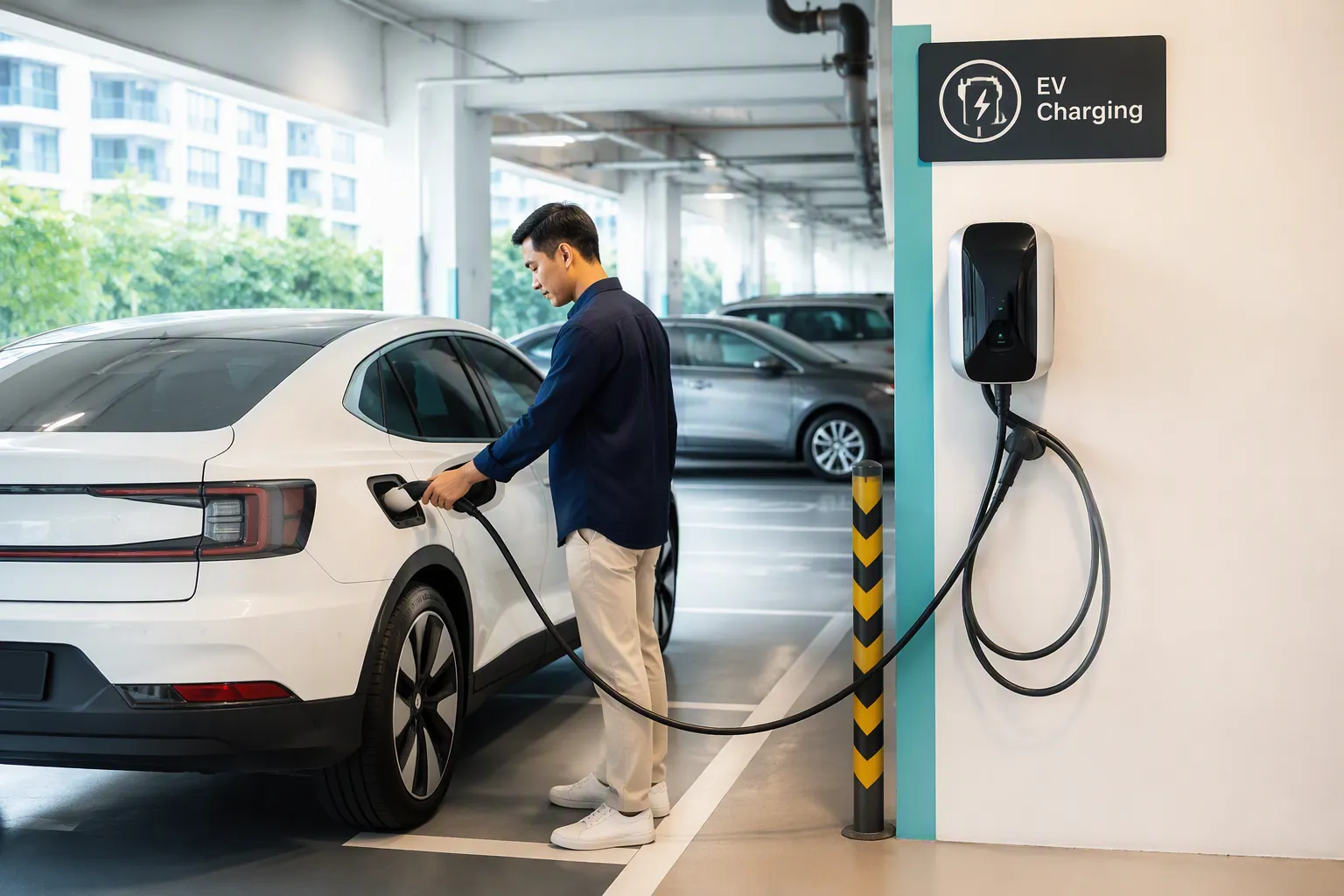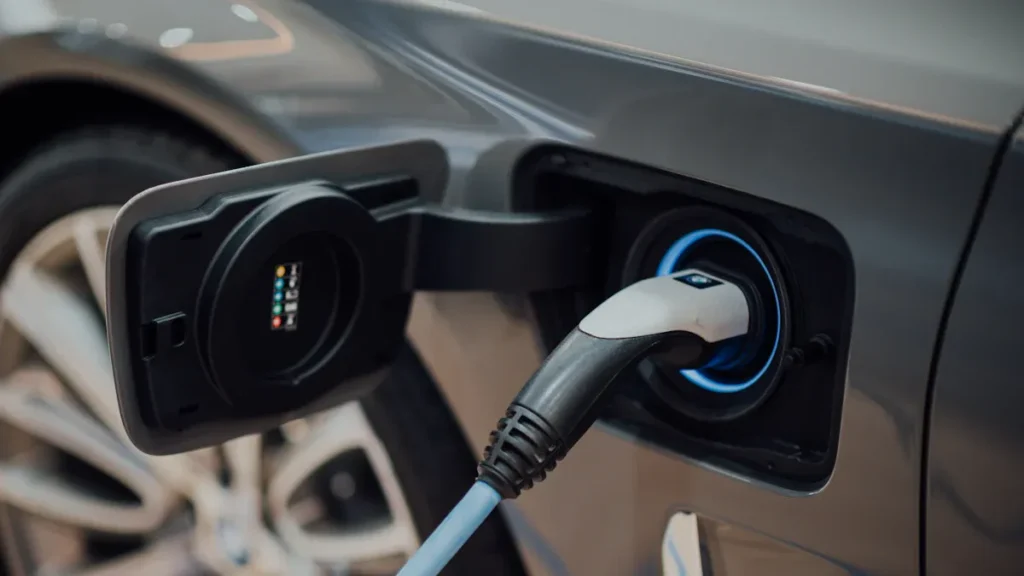

Brazil’s electric vehicle market is expanding rapidly, with revenue projected to hit US$661.3 million in 2024. This growth highlights the increasing importance of reliable EV-Ladelösungen. An EV charging adapter is a crucial device, connecting a car’s charging port to an incompatible charging station plug. Drivers in Brazil need these EV Charging Adapters for two main reasons. The first is for connecting tragbare EV-Ladegeräte to a standard wall socket for home charging. The second is for owners of imported or older cars to utilize Brazil’s modern public charging network. As the market grows 28.9% in 2025, understanding these tools is essential. Hersteller von EV-Ladegeräten like TPSON provide advanced EV charging solutions to support this expansion, ensuring every EV owner has access to a dependable EV-Ladegerät.
Brazil’s Electric Vehicle Charging Landscape in 2025
Understanding Brazil’s charging infrastructure is the first step to confident EV ownership. The country has standardized its network to ensure reliability, but owners of certain vehicles must know the different plug types to navigate the available charging stations effectively.
The Official AC Standard: Type 2 (Mennekes)
What is a Type 2 Plug?
The Type 2 plug, also known as Mennekes, is the official standard for Alternating Current (AC) charging in Brazil. It features a distinctive seven-pin, D-shaped connector. This design supports both single-phase and three-phase power, providing flexible and efficient energy delivery for overnight or workplace charging.
Where You’ll Find Type 2 Chargers
Drivers will find Type 2 connectors at the vast majority of public AC charging stations across Brazil. They are common in shopping centers, supermarkets, commercial buildings, and residential wallbox installations. This widespread adoption makes Type 2 the backbone of the nation’s urban electric vehicle charging infrastructure.
Is Your New Car Type 2 Compatible?
Nearly all new electric vehicles sold in Brazil starting in the 2020s come equipped with a Type 2 inlet port. This standardization simplifies the public charging experience for most new owners, allowing them to connect directly to AC stations without needing an adapter.
The DC Fast Charging Standard: CCS2
How CCS2 Delivers Faster Speeds
The Combined Charging System (CCS2) is Brazil’s standard for Direct Current (DC) fast charging. It cleverly combines the Type 2 AC connector with two large DC pins below it. This setup enables much faster charging speeds because it delivers high-power energy directly to the vehicle’s battery.
- It bypasses the car’s onboard charger, which limits AC charging speeds.
- It supports high power outputs, from 50 kW up to 350 kW for ultra-rapid charging.
- This process provides a massive boost of energy in a short time, unlike slower AC charging.
Locating CCS2 Stations in Brazil
CCS2 stations are strategically placed along major highways and in urban centers. Drivers can locate these fast-charging stations using apps like PlugShare or the navigation system in their vehicle. These powerful stations are essential for long-distance travel.
The CCS2 Advantage for Road Trips
The primary benefit of CCS2 is its ability to significantly reduce charging time. A typical session can add hundreds of kilometers of range in just 20-40 minutes. This rapid energy transfer makes long-distance road trips in an EV practical and convenient.
Legacy Plugs: CHAdeMO and Type 1 (J1772)
Identifying CHAdeMO Plugs
CHAdeMO is a DC fast-charging standard, primarily found on older models from Japanese manufacturers like the Nissan Leaf. The plug is large and round, with a distinct locking mechanism. While once common, new CHAdeMO infrastructure is no longer being installed in Brazil.
Identifying Type 1 (J1772) Plugs
The Type 1 (or J1772) plug is a round, five-pin connector. It was the AC charging standard for early EV models and some vehicles imported from North America. It is now considered a legacy plug within the Brazilian charging network.
Why Adapters are Crucial for These Cars
Owners of vehicles with CHAdeMO or Type 1 ports face a compatibility challenge. Brazil’s modern charging infrastructure is built around CCS2 and Type 2. Therefore, EV charging adapters become essential tools, allowing these cars to connect to the thousands of modern charging stations available nationwide.
The Home Connection: NBR 14136 Socket
While public stations are vital for travel, most EV charging happens at home. Understanding the standard Brazilian wall socket is fundamental for every new EV owner. This connection provides the daily energy needed for most commutes.
Brazil’s Standard Wall Socket
The official standard socket in Brazil is the NBR 14136. It is easily recognizable by its three round pins set inside a recessed hexagonal shape. This design includes a ground pin for safety. These sockets come in two main versions:
- 10 Amperes (10A): For common household appliances.
- 20 Amperes (20A): For higher-power devices, featuring slightly thicker pins.
An EV owner must identify which type is available for their charging needs, as the 20A version supports a faster transfer of energy.
The Role of the NBR 14136 in EV Charging
The NBR 14136 socket is the gateway to Level 1 charging at home. EV owners use a portable charger, an essential accessory included with most vehicles, to connect to these outlets. This device draws AC power from the wall and delivers it safely to the car. This method is perfect for overnight charging. It slowly replenishes the battery, ensuring the vehicle has enough range for the next day’s activities. This slow and steady charging process is also gentle on the battery’s long-term health.
Anmerkung: Portable chargers from technologically advanced providers like TPSON are designed with multiple safety protections. They manage the flow of energy to prevent overloads, making home charging reliable.
Safety Concerns with Standard Sockets
Using a standard wall socket for electric vehicle charging requires caution. These outlets were not originally designed for the sustained, high-load demands of charging a car for several hours. Key safety concerns include:
| Risiko | Beschreibung | Lösung |
|---|---|---|
| Überhitzung | Continuous high current can cause the socket or internal wiring to overheat, creating a fire hazard. | An electrician should inspect the home’s wiring to confirm it can handle the load. |
| Inadequate Wiring | Older homes may have wiring that is not sufficient for the constant energy draw required for EV charging. | A dedicated circuit installed by a professional is the safest long-term solution. |
| Improper Adapters | Using a simple 10A-to-20A plug adapter or a standard extension cord is extremely dangerous and can lead to melting or fire. | Owners must only use the specific plug provided with their portable charger and never use a household extension cord for charging. |
Prioritizing these safety checks ensures that home charging remains a convenient and secure way to power an electric vehicle.
Ihr unverzichtbares Grundset an E-Auto-Ladeadaptern
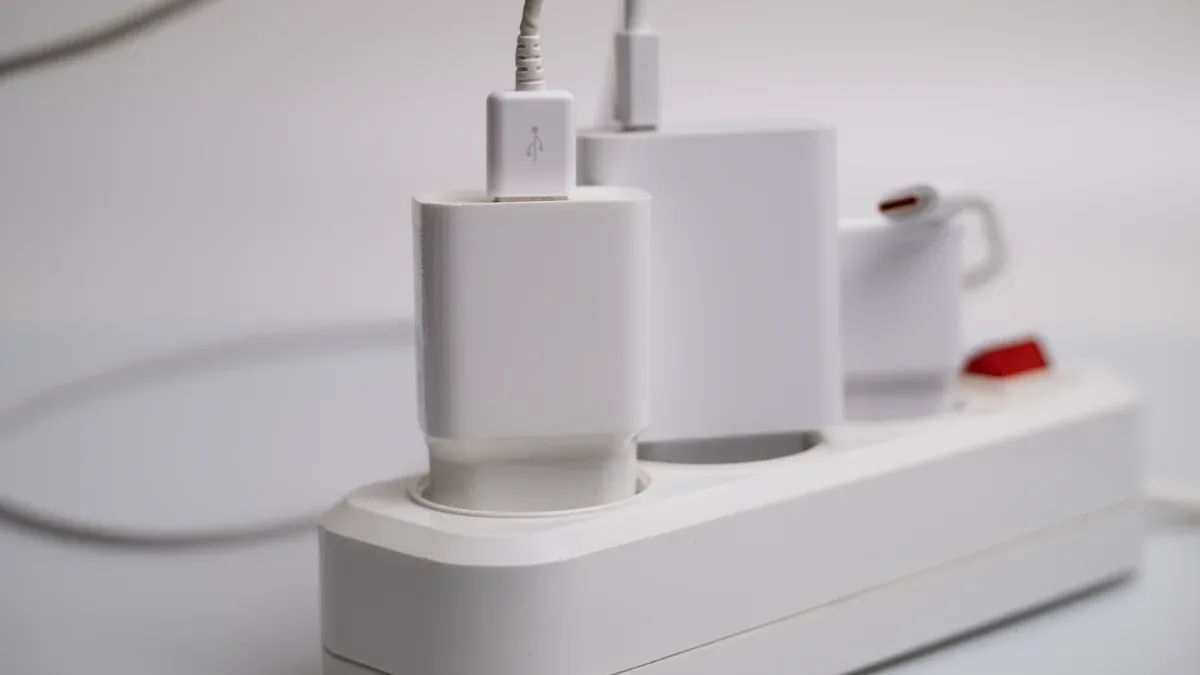
Die Nutzung des brasilianischen Ladenetzes erfordert die richtigen Werkzeuge. Während die meisten neuen Fahrzeuge direkt an die Stationen anschließen, benötigen einige Fahrzeuge Hilfe, um die Technologielücke zu überbrücken. Diese E-Auto-Ladeadapter sind die Schlüssel, die universellen Zugang ermöglichen und sicherstellen, dass ein Fahrer nie liegen bleibt. Dieser Abschnitt erläutert die drei wichtigsten Adapter für den brasilianischen E-Auto-Besitzer.
Adapter 1: Typ 1 (Auto) auf Typ 2 (Station)
Wer benötigt diesen Adapter?
Fahrer bestimmter importierter oder älterer Elektrofahrzeuge benötigen diesen Adapter. Diese Autos, oft aus nordamerikanischen oder frühen asiatischen Märkten, verfügen über einen Typ-1-(J1772)-Einlass. Dieser Adapter ist für sie unerlässlich, um die überwiegende Mehrheit der öffentlichen AC-Ladestationen in Brasilien zu nutzen, die auf Typ 2 standardisiert sind.
Häufige Anwendungsfälle
Dieser Adapter dient primär zum AC-Laden an öffentlichen Standorten. Ein Fahrer würde ihn in Situationen wie diesen einsetzen:
- Aufladen der Batterie in einem Einkaufszentrum während Besorgungen.
- Nachtladen in einem Hotel, das Typ-2-Destination-Charger anbietet.
- Laden am Arbeitsplatz, wo das Unternehmen Typ-2-Wallboxen installiert hat.
Er macht Tausende von AC-Stationen effektiv mit einem Typ-1-Fahrzeug kompatibel.
Leistungs- und Ladegeschwindigkeitsbeschränkungen
Dieser Adapter erhöht nicht die Ladegeschwindigkeit. Das Bordladegerät des Fahrzeugs bestimmt die maximale AC-Laderate. Der Adapter ermöglicht lediglich die Verbindung und überträgt die Energie sicher. Die Gesamteffizienz des Ladevorgangs hängt von den Fähigkeiten des Autos ab.
| Parameter | Typische Grenze | Beschreibung |
|---|---|---|
| Maximale Leistung | ~7,4 kW | Begrenzt durch das einphasige Bordladegerät des Autos. |
| Maximaler Strom | 32 Ampere | Der Adapter ist für die sichere Handhabung dieses Stroms ausgelegt. |
| Spannung | ~220V | Standard für die brasilianische AC-Ladeinfrastruktur. |
Adapter 2: CHAdeMO (Auto) auf CCS2 (Station)
Wer benötigt diesen Adapter?
Dieser spezielle Adapter ist für Besitzer von Fahrzeugen mit einem CHAdeMO-Schnellladeport. Dazu gehören beliebte frühe Modelle wie der Nissan Leaf und Mitsubishi Outlander PHEV. Ohne ihn können diese Autos das moderne DC-Schnellladenetz in Brasilien nicht nutzen.
Zugang zu modernen Schnellladern
Brasiliens Schnellladeinfrastruktur auf Autobahnen und in Städten basiert auf dem CCS2-Standard. Ein CHAdeMO-auf-CCS2-Adapter ermöglicht es diesen älteren Fahrzeugen, Hochgeschwindigkeits-DC-Stationen zu nutzen. Diese Fähigkeit ist ein Wendepunkt für Langstreckenfahrten und macht Roadtrips möglich. Es ist das wichtigste Zubehörteil für das Laden außer Haus in einem CHAdeMO-Fahrzeug.
Verfügbarkeit und Kosten in Brasilien
Dies sind hochspezialisierte E-Auto-Ladeadapter. Sie enthalten aktive Elektronik, um die Kommunikationsprotokolle zwischen Auto und Station zu übersetzen.
- Verfügbarkeit: Sie sind in normalen Geschäften nicht üblich. Fahrer müssen sie über spezialisierte E-Commerce-Seiten oder Importeure beziehen.
- Kosten: Aufgrund ihrer Komplexität sind sie deutlich teurer als einfache AC-Adapter und kosten oft mehrere Tausend Brasilianische Real.
Wichtige Leistungshinweise
Profi-Tipp: Der Adapter kann Ihr Auto nicht schneller laden lassen als seine ursprüngliche Konstruktionsgrenze. Ein CHAdeMO-Auto mit einer maximalen Laderate von 50 kW wird auch an einer 150-kW-CCS2-Station nur 50 kW Energie beziehen. Der Adapter ermöglicht lediglich die Verbindung, während das Batteriemanagementsystem des Autos die Geschwindigkeit des Ladevorgangs steuert.
Adapter 3: Adapter für mobile Ladegerätestecker
Das “Muss” für jeden E-Auto-Besitzer
Dies ist der eine Adapter, den jeder einzelne E-Auto-Besitzer in Brasilien in seinem Kofferraum mitführen sollte. Tragbare Ladegeräte, wie etwa die von fortschrittlichen Anbietern wie TPSON, werden oft aus Sicherheits- und Leistungsgründen mit einem industriellen Stecker geliefert. Ein Adapter wird benötigt, um diesen Stecker an eine Standard-Wandsteckdose anzuschließen und so ein bequemes Laden überall zu ermöglichen.
Anschluss an eine brasilianische Wandsteckdose (Wall Socket)
Der gebräuchlichste Adapter verbindet den Stecker des mobilen Ladegeräts (oft ein blauer 16A- oder 32A-Industriestecker) mit einer standardmäßigen brasilianischen NBR-14136-Wandsteckdose. Es ist entscheidend, den richtigen Adapter für sowohl 10A- als auch 20A-Steckdosen zu haben. Dieses Setup ist perfekt für:
- Nachtladen zu Hause.
- Gelegenheitsladen bei Freunden oder Familienmitgliedern.
- Sicherstellen, dass man im Notfall etwas Energie bekommt.
Dieses einfache Werkzeug bietet ultimative Flexibilität und Sicherheit.
Anpassung an Industriesteckdosen
Für schnelleres und sichereres Level-2-Laden zu Hause oder an gewerblichen Standorten können Fahrer eine Industriesteckdose nutzen. Diese sind oft blau (220V) oder rot (380V) und liefern eine stabilere Leistung als eine Haushaltssteckdose. Ein mobiles Ladegerät kann direkt an diese Steckdosen angeschlossen werden und liefert mehr Energie an das Auto. Diese Methode bietet mehrere Vorteile:
- Schnellere Ladegeschwindigkeiten (bis zu 7,4 kW).
- Erhöhte Sicherheit aufgrund robuster Verkabelung.
- Geringeres Überhitzungsrisiko im Vergleich zu Standardsteckdosen.
Dies macht es zu einer ausgezeichneten Option für Hausbesitzer, die einen dedizierten Ladekreis installieren.
Wie man die richtigen Ladelösungen auswählt
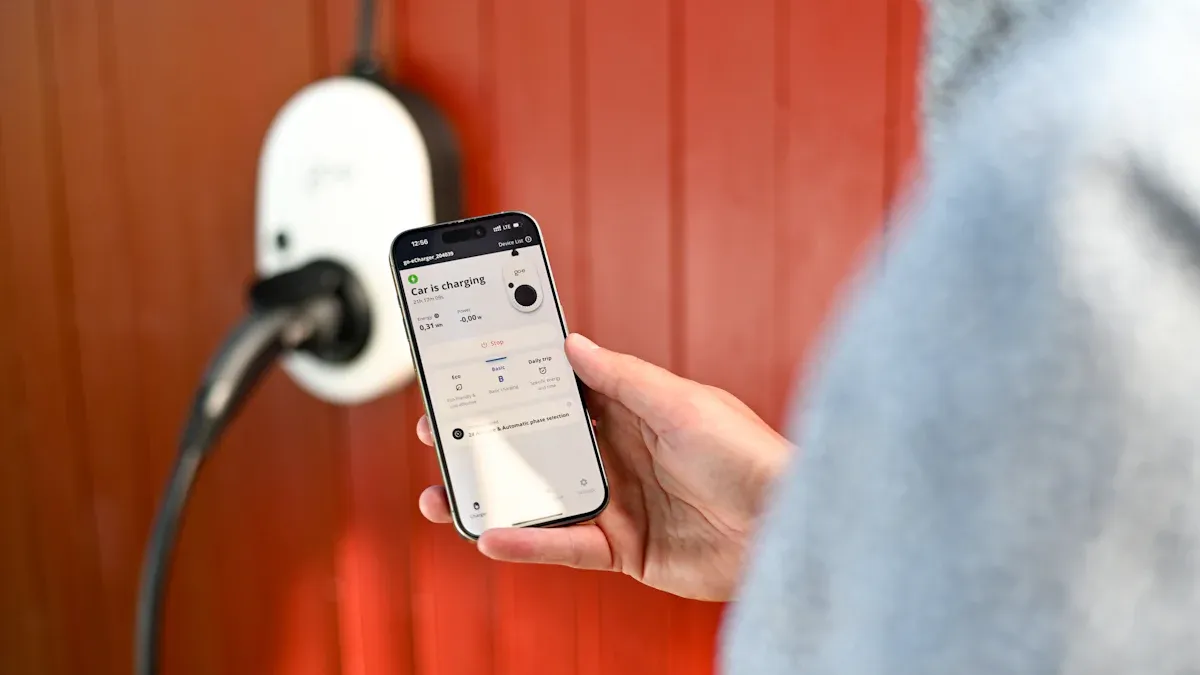
Die Wahl des richtigen Ladelösungen gewährleistet ein nahtloses Elektrofahrzeuge-Erlebnis. Ein durchdachter Auswahlprozess verhindert Kompatibilitätsprobleme und maximiert die Sicherheit. Fahrer sollten ihre spezifischen Bedürfnisse bewerten, bevor sie Geräte kaufen.
Eine Einkaufsliste für Ihren Adapter
Ein systematischer Ansatz hilft Käufern, den perfekten Adapter zu finden. Diese Checkliste deckt die wichtigsten Faktoren für eine fundierte Entscheidung ab.
Bestätigen Sie den Einlass Ihres Autos
Der erste Schritt ist die Identifizierung des Ladeports des Fahrzeugs. Besitzer finden diese Information im Fahrzeughandbuch oder durch Sichtprüfung des Ports. Ein neues, in Brasilien verkauftes Auto wird wahrscheinlich Typ-2- und CCS2-Ports haben. Ein importiertes oder älteres Modell könnte einen Typ-1- oder CHAdeMO-Port haben. Diese Bestätigung ist nicht verhandelbar.
Kartieren Sie Ihre häufigen Ladeorte
Fahrer sollten bedenken, wo sie den Großteil ihres Ladens durchführen werden.
- Laden zu Hause: A Ein Adapter für das mobile Ladegerät für eine standardmäßige NBR-14136-Steckdose ist unerlässlich.
- Öffentliches AC-Laden: Besitzer von Typ-1-Autos benötigen einen Typ-1-auf-Typ-2-Adapter, um öffentliche Ladestationen zu nutzen.
- Highway DC Fast Charging: A CHAdeMO-to-CCS2 adapter is vital for long trips in a CHAdeMO-equipped vehicle.
Mapping these locations reveals which adapters are necessary for daily life and travel.
Match the Power Rating (kW & Amps)
Every adapter has a maximum power rating, measured in Kilowatt (kW) and amperes (Amps). This rating must be compatible with both the vehicle and the charging stations. Using an underrated adapter can limit charging speed and create a safety risk. The adapter’s specifications should meet or exceed the car’s maximum charging rate for optimal efficiency.
Prioritize Certified and Reputable Brands
Brand reputation is a key indicator of quality and reliability. Established brands, including technologically advanced providers like TPSON, invest in robust engineering and customer support. A strong warranty, typically three years or more, also signals confidence in the product’s durability.
Where to Buy EV Adapters in Brazil
Finding reliable EV charging adapters requires knowing where to look. Buyers have several trustworthy options in Brazil for purchasing these essential accessories.
Authorized Car Dealerships
Dealerships often carry manufacturer-approved adapters designed specifically for the vehicles they sell. This option guarantees compatibility and quality, though it may come at a premium price.
Specialized E-Commerce Stores
Online stores focusing on electric vehicle charging equipment are excellent sources. These retailers offer a wide selection of products and often provide expert advice to help customers choose the right charging solutions.
Reputable Online Marketplaces
Large online marketplaces can be a source for adapters, but buyers must exercise caution. It is crucial to purchase from sellers with high ratings and positive reviews. Verifying product certifications is especially important on these platforms.
Understanding Quality and Certification
The quality of an adapter directly impacts safety and performance. Certification provides assurance that a product meets established standards for electric vehicle charging.
Die Bedeutung der INMETRO-Zertifizierung
In Brazil, INMETRO is the national body responsible for setting technical standards. While specific INMETRO certification for all EV adapters is still evolving, choosing products that adhere to international standards (like CE or TÜV) is a strong indicator of quality. These certifications ensure the product has undergone rigorous testing.
Dangers of Cheap, Uncertified Adapters
Warnung: Low-cost, uncertified adapters pose significant risks. They often use substandard materials and lack essential safety features. Potential dangers include overheating, melting, short-circuiting, and even fire, which can damage the vehicle or the charging station.
Reading an Adapter’s Specification Label
The specification label provides critical information about the adapter’s capabilities. Key details to check include:
- Input/Output:
Type 1 to Type 2 - Maximum Voltage:
250V AC - Maximum Current:
32A - IP-Schutzart:
IP54(Indicates protection from dust and water spray) - Certifications: Look for logos like CE, TÜV, or UL.
Understanding this label helps ensure the selected adapter is safe and appropriate for the intended charging task.
Safe and Effective Use of Your Adapters
Properly using an adapter is crucial for safety and charging efficiency. Following a correct sequence protects the vehicle, the charging station, and the adapter itself. This ensures a positive user experience every time a driver needs to power their vehicle.
Step-by-Step Guide for Public AC Charging
Using an adapter at a public AC station is a common scenario for owners of Type 1 vehicles. A methodical approach prevents connection errors.
Connecting the Adapter
A driver first connects the adapter to the vehicle’s charging port. They should listen for a click to confirm it is secure. Next, they plug the station’s Type 2 cable into the adapter. A firm connection is essential to prevent communication failures.
Initiating the Charge
The driver then uses the station’s required method—often an RFID card or a mobile app—to start the flow of energy. This is a common point for issues. Authentication errors or network connectivity problems can prevent the charging session from beginning. A smooth process here is key to a good public charging experience.
The Correct Disconnection Sequence
To end the session, the driver must first stop the charge using the same app or card. They should wait for the station to signal that it is safe to unplug, which unlocks the cable. The driver then removes the station’s cable from the adapter before detaching the adapter from the car.
Step-by-Step Guide for Public DC Fast Charging
DC-Schnellladung with an adapter requires extra attention due to the high power involved. These steps are vital for charging away from home.
Pre-Charge Checks
Before connecting, a driver should visually inspect the station’s connector and their adapter. Any signs of physical damage, such as frayed cables, bent pins, or melted plastic, are red flags. Debris in the port can also prevent a secure latch and cause thermal damage.
Securely Connecting a DC Adapter
The driver selects the correct connector (e.g., CCS2) and connects it firmly to the adapter, which is already in the car’s CHAdeMO port. The station performs safety checks before locking the connector and beginning the high-power energy transfer. This smart charging process ensures the vehicle and station are communicating correctly.
Ending a Fast-Charging Session
The driver uses the station’s interface or app to stop the charging session. The station will halt the energy flow and release the locking pin. Only then should the driver remove the connector. Forcing the plug can damage the locking mechanism on the vehicle or adapter. This careful process improves the overall user experience.
Best Practices for Home Socket Charging
Home charging provides daily energy, but safety is paramount. Smart charging habits protect both the home and the vehicle.
Checking Your Home’s Wiring
A standard wall socket was not designed for the sustained load of EV charging. An electrician should inspect the circuit to confirm it can handle the demand. A dedicated circuit is the best solution for safe and optimised charging.
Never Use a Standard Extension Cord
Warnung: A household extension cord is not rated for the continuous high current of EV charging and can overheat, creating a serious fire risk. Drivers must only use the plug supplied with their portable charger, like those from advanced providers such as TPSON, which are designed for this purpose.
Monitoring for Overheating
During the first few charging sessions, a driver should periodically check the plug and wall socket for excessive heat. Any signs of discoloration or a burning odor indicate a problem that requires immediate attention. This simple check enhances safety and the long-term efficiency of home energy use.
Most new EV owners in Brazil find their vehicles have native Type 2 and CCS2 compatibility. This feature minimizes their need for public charging adapters. The most crucial tool for any driver remains the portable charger adapter, enabling a connection to standard household outlets for convenient charging.
Profi-Tipp: Fahrer sollten stets wichtige Adapter in ihrem Fahrzeug mitführen. Dieser einfache Schritt erschließt Brasiliens gesamte Ladeinfrastruktur und hilft, Reichweitenangst zu vermeiden.
Sich über Adaptertechnologie auf dem Laufenden zu halten, stellt sicher, dass Fahrer bei der Expansion des E-Auto-Markts stets vorbereitet sind.
FAQ
Benötige ich für mein neues E-Auto in Brasilien einen Adapter?
Die meisten in Brasilien verkauften neuen E-Autos verfügen serienmäßig über Typ-2- und CCS2-Anschlüsse. Besitzer benötigen in der Regel keine Adapter für öffentliche Stationen. Der Hauptbedarf besteht in einem Adapter für das mobile Ladegerät, um es an eine Standard-Steckdose anzuschließen.
Was ist der wichtigste Adapter für einen E-Auto-Besitzer?
Der Steckdosenadapter für das mobile Ladegerät ist das entscheidendste Werkzeug. Er ermöglicht es einem Fahrer, sein mobiles Ladegerät – wie etwa von führenden Anbietern wie TPSON – an jede standardmäßige brasilianische Wandsteckdose. anzuschließen. Dies bietet maximale Ladeflexibilität.
Kann ein Adapter mein Auto schneller laden lassen?
Nein, ein Adapter kann die Ladegeschwindigkeit nicht erhöhen. Er ermöglicht lediglich eine physikalische und elektrische Verbindung. Die internen Systeme des Fahrzeugs steuern stets die maximale Laderate. Der Adapter ermöglicht einfach den Energieübertrag zwischen inkompatiblen Steckern.
Ist es sicher, einen billigen, nicht zertifizierten Adapter zu kaufen?
Warnung: Nein, das ist äußerst unsicher. Billige Adapter verfügen oft nicht über kritische Sicherheitsmerkmale, was ein hohes Risiko von Überhitzung, Schmelzen oder Brand bedeutet. Besitzer sollten stets zertifizierte Produkte von renommierten Marken wählen, um ihr Fahrzeug zu schützen.
Wie lade ich einen älteren Nissan Leaf in Brasilien schnell?
Der Besitzer benötigt einen CHAdeMO-auf-CCS2-Adapter. Dieses Spezialgerät verbindet den CHAdeMO-Anschluss des Autos mit modernen CCS2-Schnellladestationen. Es ist ein unverzichtbares Werkzeug, das Langstreckenfahrten für diese älteren Fahrzeuge praktikabel macht.
Was bedeutet eine IP-Schutzart wie ‘IP54’?
Die IP-Schutzart (Ingress Protection) misst die Widerstandsfähigkeit eines Adapters gegen Staub und Wasser. Eine IP54-Einstufung bedeutet, dass das Produkt vor begrenztem Staubeintrag und allseitigem Sprühwasser geschützt ist, was es für den typischen Außeneinsatz geeignet macht.