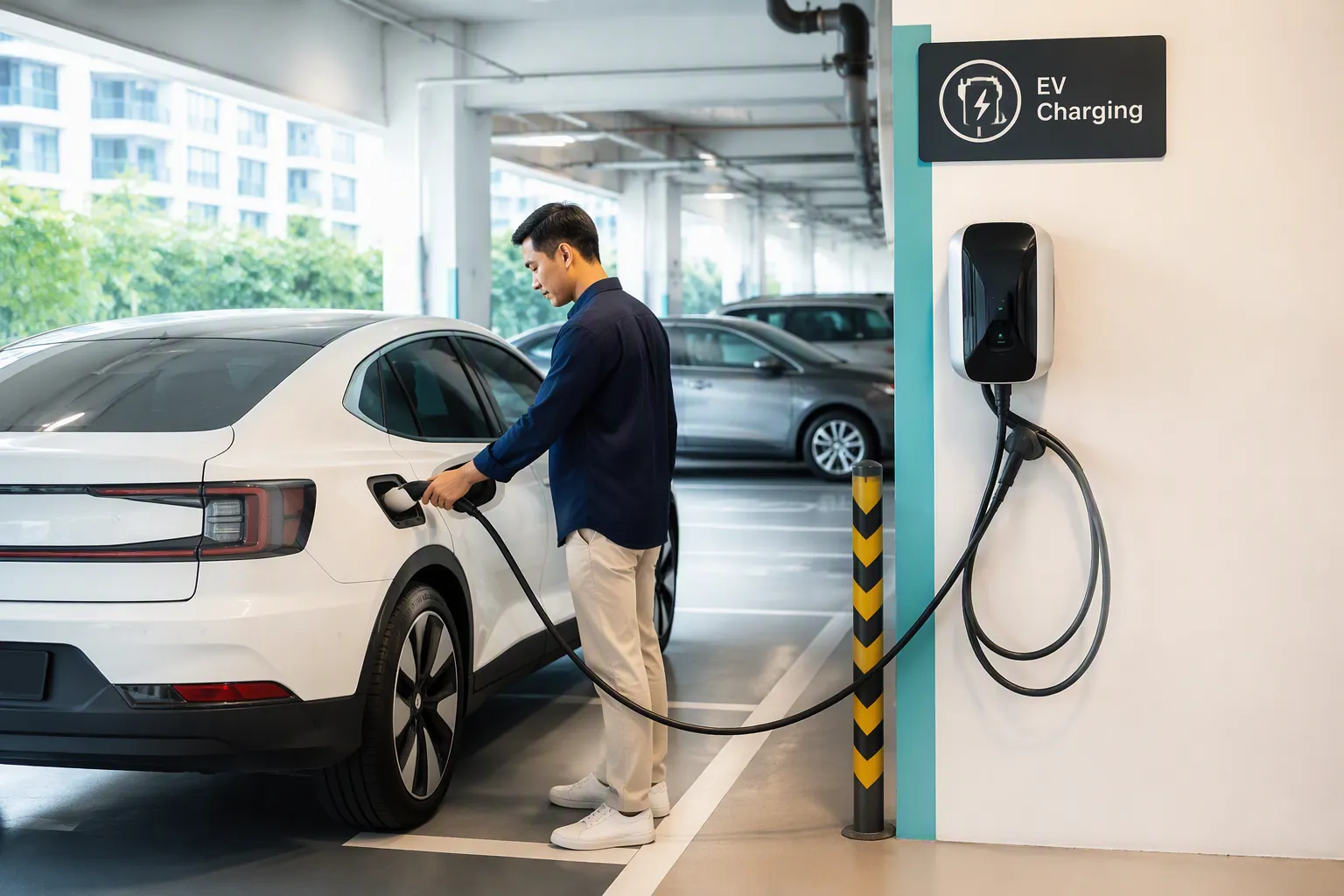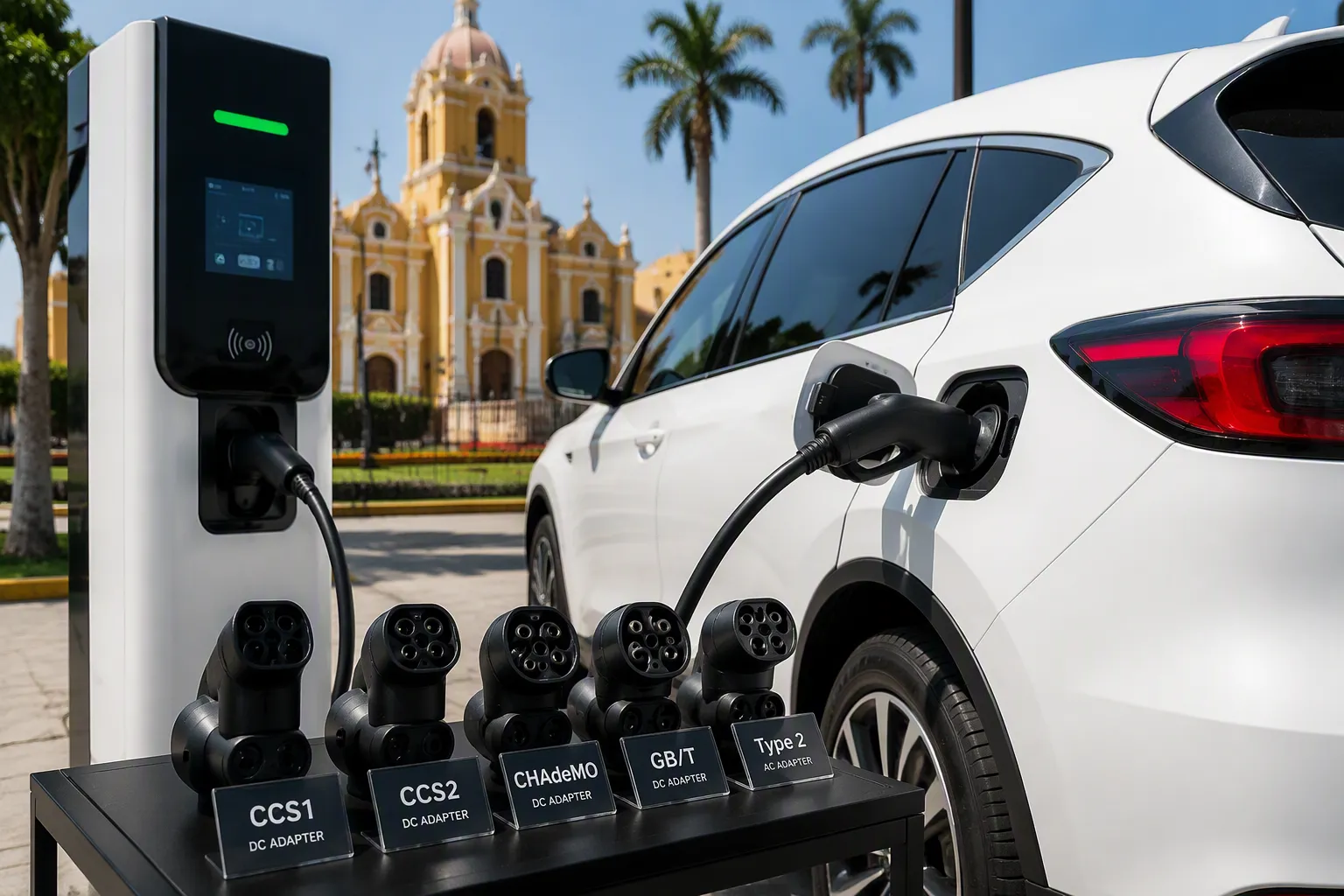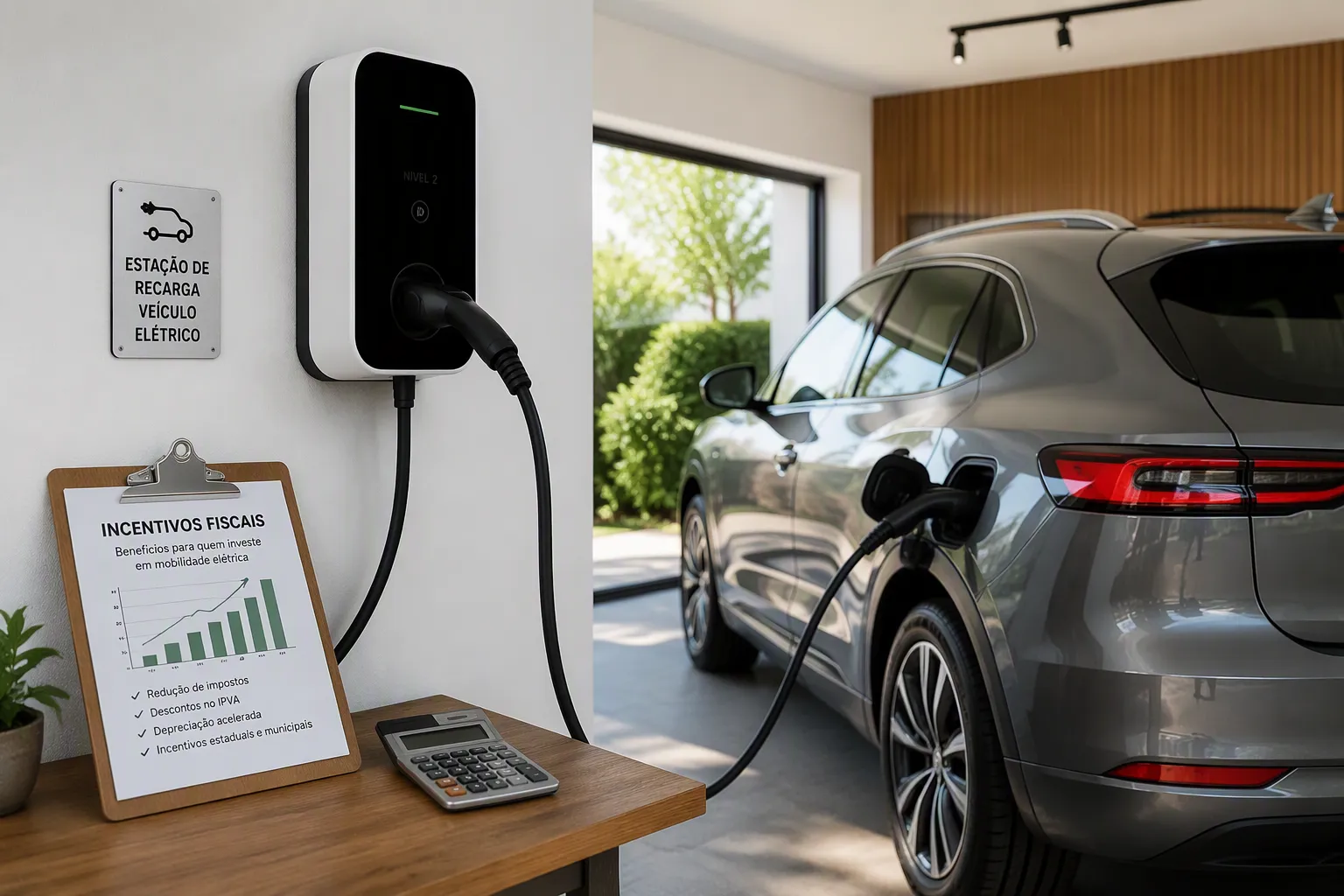
Australia enforces essential safety standards for every AC wall charger. These standards protect users from electric shock risks and address fire safety considerations. Safety Certifications Explained helps buyers recognize genuine products from reputable الشركات المصنعة لشاحن السيارة الكهربائية. Non-compliant or uncertified حلول شحن السيارات الكهربائية, بما في ذلك شواحن السيارات الكهربائية المحمولة, can increase hazards and may not meet legal requirements. Choosing a certified شاحن السيارة الكهربائية ensures safety and reliability for every household.
Safety Certifications Explained: Essential Marks and Standards
Regulatory Compliance Mark (RCM) Certification
What the RCM Mark Means for Safety
إن Regulatory Compliance Mark (RCM) stands as a core requirement for any AC wall charger sold in Australia. This mark signals that the charger meets both electrical safety and electromagnetic compatibility standards. Safety certifications explained often highlight the RCM as a unified symbol that assures buyers of compliance with strict national regulations. The presence of the RCM on a charger means the product has passed rigorous testing and meets the expectations set by Australian authorities. TPSON, as a technologically advanced شحن السيارات الكهربائية solution provider, ensures that each charger in its lineup carries the RCM, reflecting a commitment to user safety and product reliability.
The RCM does not only cover electrical safety. It also addresses electromagnetic compatibility, which prevents interference with other devices. Some chargers may also need to meet energy efficiency requirements under the RCM framework. Safety certifications explained emphasize that the RCM is not optional for legal sale in Australia.
نصيحة: Always check for the RCM when purchasing a charger. This mark provides peace of mind that the product has met essential safety benchmarks.
| المعايير | الوصف |
|---|---|
| RCM | Unified mark for safety and electromagnetic compatibility (EMC); energy efficiency may apply. |
How to Identify the RCM on Chargers and Packaging
Buyers can find the RCM on the charger itself or on its packaging. The mark usually appears as a small triangle with a tick inside. Manufacturers must display this mark clearly, making it easy for consumers to verify compliance. Safety certifications explained recommend checking both the charger and the box, as genuine products always show the RCM in both locations. If the mark is missing or looks altered, the charger may not meet Australian standards.
Electrical Equipment Safety System (EESS) Certification
EESS Overview and Supplier Responsibilities
The Electrical Equipment Safety System (EESS) provides a national framework for electrical safety certification in Australia. Under this system, suppliers must register each charger before offering it for sale. The EESS ensures that every charger meets minimum safety requirements and that suppliers take responsibility for ongoing compliance. Safety certifications explained stress that the EESS registration process includes documentation, testing, and traceability for each charger model.
Suppliers such as TPSON must keep records and provide evidence of compliance if requested by regulators. This system protects consumers by holding manufacturers and importers accountable for the safety of their products.
How to Check EESS Registration
Consumers can verify EESS registration by searching the official EESS database online. Each registered charger will have a unique identifier or registration number. Safety certifications explained suggest that buyers request this number from the seller or check the product listing for EESS details. If a charger does not appear in the database, it may not have the required certification, and buyers should consider alternative options.
Australian Standards for AC Wall Chargers
Key AS/NZS Safety Standards Explained
Australian standards set the technical requirements for every AC wall charger. These standards ensure that chargers operate safely and efficiently in Australian homes and businesses. Safety certifications explained often reference the most important AS/NZS standards for chargers:
| قياسي | الوصف |
|---|---|
| AS/NZS 3000:2018 | Requires each EV charger to have its own dedicated circuit, prohibiting shared loads with other appliances. |
| AS/NZS 3820 | Sets essential safety requirements for all electrical equipment, ensuring compliance with safety criteria. |
These standards address installation, operation, and maintenance. They help prevent electrical faults, overheating, and fire risks. TPSON designs each charger to meet or exceed these standards, providing users with confidence in their purchase.
How to Verify Compliance with Australian Standards
Buyers can verify compliance by reviewing the product documentation and certification labels. Safety certifications explained recommend looking for references to AS/NZS standards in the user manual or technical specifications. Reputable suppliers will provide test reports or certificates upon request. If a charger lacks clear evidence of compliance with Australian standards, consumers should exercise caution and seek products from trusted brands.
International Certifications and Their Role
CE, UL, and Other International Marks
Many buyers notice international marks like CE, UL, FCC, or TUV on chargers. These marks indicate that the charger meets certain international safety regulations. CE certification shows compliance with European standards. UL certification demonstrates adherence to North American safety requirements. FCC and TUV marks represent other global standards. Manufacturers often display these marks to highlight their commitment to safety and quality.
International certifications provide assurance that the charger has undergone testing for electrical safety, electromagnetic compatibility, and fire resistance. These marks help buyers identify products that meet basic safety requirements. Some chargers also feature certifications for energy efficiency and environmental impact. International safety regulations play a role in global markets, but buyers in Australia must understand their limitations.
ملاحظة: International marks do not guarantee compliance with Australian laws. Buyers should treat these marks as supplementary, not primary, indicators of safety.
| International Mark | المنطقة | مجال التركيز |
|---|---|---|
| م | أوروبا | Electrical safety, EMC |
| UL | أمريكا الشمالية | Electrical safety, fire |
| FCC | USA | Electromagnetic compatibility |
| TUV | Germany/Global | Product testing, safety |
Are International Certifications Enough for Australia?
International certifications alone do not satisfy Australian requirements. Australia enforces its own ev charger safety standards, which include as/nzs 3820 compliance and mandatory use of residual current devices. The RCM and EESS certifications remain essential for legal sale and installation. AC chargers must meet local standards to ensure safety for portable ev chargers and fixed installations.
Buyers sometimes assume that a charger with CE or UL marks is ready for use in Australia. This assumption can lead to risks. Non-compliant ev charging equipment may lack features required by Australian law, such as residual current devices or proper circuit protection. Australian authorities require chargers to meet national standards, regardless of international marks.
نصيحة: Always check for Australian certifications before purchasing. International marks add value, but they do not replace local requirements.
State and Territory Safety Standards
Additional Local Requirements
Each Australian state and territory may enforce additional safety requirements for chargers. These requirements can include installation rules, electrical licensing, and specific mandates for residual current devices. Some regions require chargers to connect to dedicated circuits, while others specify minimum cable sizes or installation methods. Local authorities may inspect installations to verify compliance.
Buyers should consult local regulations before installing ac chargers. State and territory rules often supplement national ev charger safety standards. Compliance ensures safety for portable ev chargers and fixed units. Installers must follow both national and local requirements to avoid penalties or unsafe conditions.
- Queensland: Requires EESS registration and strict installation guidelines.
- Victoria: Mandates licensed electricians for all charger installations.
- New South Wales: Enforces additional checks for residual current devices.
Where to Find State-Specific Information
Buyers can find state-specific information on government websites and electrical safety portals. Each state and territory publishes guidelines for compliant ev charging equipment and installation practices. The EESS database provides national registration details, while local authorities offer guidance on additional requirements.
تنبيه: Always verify information with official sources. Regulations change frequently, and outdated advice can lead to non-compliance.
Useful resources include:
- State electrical safety regulators
- EESS registration database
- Australian Standards documentation
- Licensed electrician associations
Buyers should ask installers about local requirements and request documentation for as/nzs 3820 compliance. Proper research ensures that the charger meets both national and regional standards.
Why EV Charger Safety Standards Matter
Protection Against Electrical Hazards
Safety standards play a crucial role in delivering protection for every household and business using an AC wall charger. Electrical hazards can cause severe injuries or property damage. When a charger meets safety standards, it provides multiple layers of protection against electric shock, overheating, and fire. Manufacturers design chargers with built-in protection features such as surge suppression, insulation, and temperature control. These features help prevent accidents and ensure safe operation.
Buyers should always select a charger that complies with safety standards. The right charger offers protection for users, pets, and property. Safety standards require manufacturers to test each charger for durability and reliability. Protection extends beyond the device itself. مخاطر أسلاك التمديد القياسية and maintenance also contribute to safety. Regulations mandate the use of residual current devices, which add another level of protection. The combination of certified chargers and strict safety standards creates a safer environment for everyone.
نصيحة: Always ask installers about the protection features included in your charger. Reliable protection starts with compliance and continues with proper use.
Legal Compliance and Consumer Rights
Safety standards ensure that every charger meets legal requirements. Regulations in Australia demand that chargers comply with national and local safety standards. Legal compliance protects buyers from unsafe products and supports consumer rights. When a charger follows safety standards, buyers gain access to legal remedies if issues arise. Regulations require suppliers to provide accurate documentation and proof of compliance.
Consumers benefit from protection under Australian law. If a charger fails to meet safety standards, buyers can request refunds or replacements. Legal compliance also supports fair competition among manufacturers. Only chargers that meet safety standards can enter the market. Regulations help authorities enforce protection for consumers and maintain high safety levels.
ملاحظة: Buyers should keep records of their charger’s certifications. Documentation supports consumer rights and helps resolve disputes.
Insurance and Warranty Considerations
Insurance companies often require proof that a charger meets safety standards. Protection from electrical hazards depends on compliance. If a charger lacks certification, insurance claims may face rejection. Safety standards provide assurance for both insurers and buyers. Warranty coverage also depends on compliance. Manufacturers offer warranties for chargers that meet safety standards. Protection under warranty covers repairs, replacements, and technical support.
Buyers should review insurance policies and warranty terms before purchasing a charger. Safety standards influence the scope of protection available. Regulations require manufacturers to honor warranties for compliant chargers. Insurance and warranty considerations reinforce the importance of safety standards and reliable protection.
| النظر في | Impact of Safety Standards |
|---|---|
| Insurance Claims | Valid only for compliant chargers |
| تغطية الضمان | Applies to certified chargers |
| Consumer Protection | Supported by regulations |
تنبيه: Always verify that your charger meets safety standards before installation. Protection from insurance and warranty depends on compliance.
How to Verify Certification and Safety Standards
Checking Product Labels and Packaging for Certification
Buyers should always start by examining the product labels and packaging when selecting a charger. Manufacturers must display all required safety compliance marks, such as the RCM, on both the charger and its box. For usb wall chargers, the label should also include information about the input and output voltage, current, and the relevant Australian standards. The presence of international marks like CE, UL, or TUV can indicate additional testing, but these do not replace local requirements.
A genuine charger will show clear, unaltered certification marks. The packaging should also mention the IP rating, with IP65 or higher recommended for outdoor use. Buyers should look for references to IEC 61851, 62752, or 62196, which confirm technical reliability. If the packaging lacks these details or the marks appear inconsistent, the charger may not meet safety compliance standards.
نصيحة: Always compare the marks on the charger with those on the packaging. Discrepancies can signal counterfeit or non-compliant products.
Using the EESS Registration Database
The EESS registration database serves as a reliable tool for verifying charging equipment compliance. Buyers can search for the charger’s model or registration number online. The database will show if the charger has passed all required السلامة compliance checks. For usb wall chargers, the listing should include the supplier’s name, the model number, and the certification status.
A registered charger will have supporting documents, such as test reports from ISO 17025 accredited labs. These reports confirm that the charger has undergone independent testing. Buyers should avoid chargers that do not appear in the EESS database or lack supporting documentation. Suppliers who refuse to provide a registration number or test reports may not meet Australian standards.
- Confirm the charger’s registration number matches the EESS database entry.
- Review available test reports for authenticity.
- Check for ISO 9001 certification to ensure factory quality control.
Verifying Seller and Manufacturer Credentials
Buyers should investigate the credentials of both the seller and the manufacturer before purchasing a charger. Reputable suppliers will provide transparent information about their production processes and component sources. For usb wall chargers, buyers should request details about the type of residual current device (RCD) or overcurrent protection device (OCPD) used. Type B RCDs offer the highest level of leakage protection.
Buyers should remain cautious if a supplier provides certificates without third-party testing reports. Self-declared CE marks or reluctance to disclose component brands can indicate a lack of safety compliance. Reliable sellers will share information about their test labs and quality control measures. They will also maintain traceable production logs to prevent substandard part substitution.
- Ask for the names of test labs and component brands.
- Request ISO 9001 certification and traceable production records.
- Avoid sellers who cannot provide proof of independent testing.
تنبيه: A trustworthy supplier will always support their claims with verifiable documentation. Never accept vague assurances in place of official records.
Practical Checklist for Buyers: Safety Certifications Explained
Step-by-Step Safety Certification Checklist
A practical checklist helps buyers make informed decisions when selecting an AC wall charger. Each step focuses on safety, quality, insulation, and compatibility. This approach ensures that every charger meets Australian standards and delivers reliable performance.
Inspect the RCM Mark
Buyers should locate the Regulatory Compliance Mark on both the charger and its packaging. The RCM mark confirms that the charger meets national safety and electromagnetic compatibility requirements. This step guarantees the charger’s quality.Verify EESS Registration
يجب على المشترين التحقق من قاعدة بيانات EESS لرقم تسجيل الشاحن. يُظهر الشاحن المسجل الامتثال لمعايير السلامة الكهربائية. تؤكد هذه العملية أيضًا التزام الشركة المصنعة بالجودة.مراجعة معايير AS/NZS
يجب على المشترين فحص وثائق المنتج للتحقق من الإشارة إلى المعايير AS/NZS 3000:2018 و AS/NZS 3820. تضمن هذه المعايير ممارسات العزل والتركيب السليمة. يعكس الالتزام بهذه المعايير جودة الشاحن.التحقق من الشهادات الدولية
قد يجد المشترون علامات CE أو UL أو TUV. تشير هذه العلامات إلى اختبارات إضافية للعزل والتوافق. ومع ذلك، يجب أن يتذكر المشترون أن الشهادات الدولية لا تحل محل المتطلبات الأسترالية.تقييم ميزات العزل
يحتاج المشترون إلى التأكد من أن الشاحن يستخدم مواد عزل عالية الجودة. يمنع العزل السليم الصدمات الكهربائية والاحتراق الزائد. العزل عالي الجودة يطيل أيضًا من عمر الشاحن الافتراضي.تقييم التوافق
يجب على المشترين التأكد من تطابق الشاحن مع متطلبات مركبتهم. يُعد التوافق مع الجهد المحلي وأنواع الموصلات أمرًا ضروريًا. تتضمن هذه الخطوة أيضًا التحقق من العزل الذي يدعم بيئات الشحن المختلفة.طلب تقارير الاختبار
يمكن للمشترين طلب تقارير اختبار مستقلة من مختبرات معتمدة بموجب ISO 17025. تتحقق هذه التقارير من عزل الشاحن وجودته وتوافقه مع المعايير الأسترالية.استشارة كهربائي مرخص
يجب على المشترين طلب المشورة من كهربائي مرخص قبل التثبيت. يمكن للخبير تقييم جودة العزل والتوافق مع النظام الكهربائي للمنزل.
🛡️ نصيحة: قائمة مراجعة شاملة تحمي المشترين من الشواحن غير الآمنة أو منخفضة الجودة. تعزز كل خطوة أهمية العزل والتوافق.
جدول ملخص للعلامات والمعايير المطلوبة
يلخص الجدول أدناه العلامات والمعايير الأساسية لشواحن الجدار AC في أستراليا. يمكن للمشترين استخدام هذا الجدول لمقارنة المنتجات والتأكد من استيفاء كل شاحن لأعلى متطلبات الجودة والعزل والتوافق.
| المتطلبات | الغرض | ما يجب التحقق منه |
|---|---|---|
| علامة RCM | الامتثال الوطني للسلامة والتوافق الكهرومغناطيسي | العلامة على الشاحن والتغليف |
| تسجيل EESS | شهادة السلامة الكهربائية | رقم تسجيل ساري |
| AS/NZS 3000:2018 | معايير التركيب والعزل | الإشارة في الوثائق |
| AS/NZS 3820 | السلامة الكهربائية العامة والجودة | الذكر في دليل المستخدم |
| الشهادات الدولية | عزل وتوافق إضافيان | علامات CE, UL, TUV (تكميلية) |
| تقارير الاختبار | التحقق المستقل من الجودة | تقارير من مختبرات معتمدة |
| كهربائي مرخص | التقييم المهني للعزل | استشارة قبل التثبيت |
📋 ملاحظة: يجب على المشترين إعطاء الأولوية للشواحن المتميزة في الجودة والعزل والتوافق. تضمن هذه العوامل شحنًا آمنًا وفعالًا لكل أسرة.
الأخطاء الشائعة والمؤشرات التحذيرية في الشهادات
علامات الشواحن غير الممتثلة أو المزيفة
تشكل الشواحن غير الممتثلة أو المزيفة مخاطر كبيرة على المستخدمين والممتلكات. غالبًا ما تفتقر هذه المنتجات إلى الاختبارات الصارمة التي تتطلبها المعايير الأسترالية. قد يلاحظ المشترين جودة تصنيع رديئة، أو مواد خفيفة الوزن، أو وضع علامات غير متناسقة. تعرض بعض الشواحن أخطاء إملائية أو خطوطًا غير عادية على تغليفها. تحافظ المنتجات الأصلية من الشركات المصنعة ذات السمعة الطيبة على العلامة التجارية المتناسقة والوثائق الواضحة.
قد ترتفع حرارة الشواحن المزيفة بشكل زائد، أو تفشل في تقديم سرعة الشحن المعلن عنها، أو تتوقف عن العمل بعد فترة قصيرة. تفتقر هذه الأجهزة أحيانًا إلى ميزات السلامة الأساسية، مثل الحماية من زيادة التيار أو العزل السليم. يجب على المستخدمين أن يظلوا حذرين إذا كان الشاحن يبدو هشًا أو إذا كان القابس لا يناسب المنفذ بشكل آمن. يجب فصل الشاحن الذي ينتج حرارة مفرطة أو ينبعث منه رائحة احتراق على الفور.
⚠️ تنبيه: إذا كان الشاحن يفتقر إلى وثائق واضحة أو إذا لم يتمكن المورد من تقديم دليل على الشهادة، فيجب على المشترين النظر في خيارات بديلة.
الصفقات والعروض الجيدة بشكل مريب
تشير الأسعار المنخفضة بشكل غير عادي في كثير من الأحيان إلى مشاكل محتملة في جودة الشاحن أو امتثاله. يعلن بعض البائعين عن شواحن بسعر جزء بسيط من سعر السوق النموذجي. قد تجذب هذه الصفقات المشترين الراغبين في توفير المال، لكنها غالبًا ما تأتي بمخاطر خفية. قد تقوم الشواحن منخفضة التكلفة بالتقصير في ميزات السلامة أو استخدام مكونات دون المستوى.
يجب على المشترين مقارنة الأسعار من مصادر ذات سمعة طيبة متعددة قبل الشراء. إذا بدت صفقة أرخص بكثير من المنتجات المماثلة، فمن المرجح أنها تتضمن تنازلاً عن السلامة أو الشهادة. يستثمر الموردون ذوو السمعة الطيبة في الاختبارات والشهادات، وهو ما ينعكس في سعر المنتج. يمكن أن يؤدي اختيار الخيار الأرخص إلى تكاليف أعلى على المدى الطويل بسبب الأضرار المحتملة أو مخاطر السلامة.
💡 نصيحة: ضع السلامة والشهادة دائمًا في الأولوية قبل السعر. لا يمكن للتوفير المبدئي الصغير أن يبرر خطر المخاطر الكهربائية.
علامات الشهادات السلامة المفقودة أو المزيفة
تمثل علامات الشهادات المفقودة أو المزيفة أحد أكثر المؤشرات التحذيرية شيوعًا عند تقييم شواحن الجدار AC. تعرض الشواحن الأصلية علامة RCM والشهادات الأخرى المطلوبة بوضوح على كل من الجهاز وتغليفه. تستخدم بعض المنتجات المزيفة علامات تقليد تشبه العلامات الأصلية عن كثب ولكنها تحتوي على اختلافات طفيفة، مثل الأشكال غير الصحيحة أو التفاصيل المفقودة.
يجب على المشترين فحص علامات الشهادات من حيث الوضوح والاتساق. لا تظهر العلامات الأصلية مشوهة أو معدلة. إذا كان الشاحن يعرض فقط علامات دولية مثل CE أو UL بدون الشهادات الأسترالية المطلوبة، فقد لا يفي بمعايير السلامة المحلية. يساعد التحقق من رقم التسجيل في قاعدة بيانات EESS في تأكيد الأصالة.
| العلامة المراد التحقق منها | ما الذي تبحث عنه | الإجراء إذا كانت مفقودة أو مزيفة |
|---|---|---|
| RCM | رمز واضح وصحيح | تجنب الشراء |
| رقم EESS | يتطابق مع إدخال قاعدة البيانات | التحقق من قاعدة البيانات الرسمية |
| المرجع AS/NZS | مدرج في الوثائق | طلب دليل من المورد |
🛑 ملاحظة: عند الشك،, استشر كهربائيًا مرخصًا أو اتصل بالمورد للتحقق. لا تعتمد أبدًا على ادعاءات التغليف وحدها.
ما يجب فعله إذا اشتبهت في شاحن غير مطابق
الإبلاغ عن المنتجات غير الآمنة أو غير المطابقة
يلعب المستهلكون دورًا حيويًا في الحفاظ على معايير السلامة الكهربائية في أستراليا. عندما يشتبهون في أن شاحنًا لا يستوفي متطلبات المطابقة، يجب عليهم اتخاذ إجراء فوري. يساعد الإبلاغ عن الشواحن غير الآمنة أو غير المطابقة في حماية الآخرين من المخاطر المحتملة.
أولاً، يجب على الأفراد التوقف فورًا عن استخدام الشاحن. افصل الجهاز واحفظه بأمان بعيدًا عن المتناول. لا يجب عليهم محاولة إصلاح الشاحن أو تعديله بأنفسهم.
بعد ذلك، يجب عليهم جمع جميع المعلومات ذات الصلة. وهذا يشمل العلامة التجارية للمنتج ورقم الموديل وإيصال الشراء وصور الشاحن وتغليفه. توفر الوثائق الواضحة دعماً لعملية الإبلاغ.
يمكن للمستهلكين الإبلاغ عن الشواحن غير الآمنة إلى عدة جهات:
- جهة تنظيم السلامة الكهربائية للولاية أو الإقليم: لكل منطقة وكالة متخصصة تتعامل مع شكاوى السلامة الكهربائية، مثل "إنرجي سيف فيكتوريا" أو "نيو ساوث ويلز فير تريدينج".
- لجنة المنافسة وحماية المستهلك الأسترالية (ACCC): تدير ACCC عمليات استدعاء منتجات السلامة وتحقق في السلع الخطرة.
- قاعدة بيانات تسجيل EESS: إذا لم يظهر الشاحن في قاعدة بيانات EESS، يمكن للمستهلكين تقديم تقرير عبر البوابة الرسمية.
⚠️ تنبيه: يساعد الإبلاغ عن المنتجات غير الآمنة في منع الحوادث ويحفز التحقيقات أو عمليات الاستدعاء.
قائمة مراجعة مبسطة للإبلاغ:
- توقف عن استخدام الشاحن.
- جمع تفاصيل المنتج وإثبات الشراء.
- التقاط صور واضحة للشاحن والتغليف.
- الاتصال بجهة السلامة المختصة.
- تقديم تقرير مفصل مدعوم بالأدلة.
طلب استرداد الأموال أو الاستبدال أو اتخاذ إجراءات إضافية
يوفر قانون المستهلك الأسترالي حماية قوية للمشترين. إذا لم يستوفِ الشاحن معايير السلامة، يحق للمستهلكين السعي للحصول على تعويض من البائع أو الشركة المصنعة.
تتضمن الخطوة الأولى الاتصال بمكان الشراء. يجب على المستهلكين شرح المشكلة وتقديم أدلة على عدم المطابقة وطلب استرداد الأموال أو الاستبدال. ستتعاون معظم المتاجر الموثوقة عند تقديم وثائق واضحة لها.
إذا رفض البائع المساعدة، يمكن للمستهلكين تصعيد الأمر:
- تقديم شكوى رسمية إلى وكالة حماية المستهلك في الولاية أو الإقليم.
- الاتصال بـ ACCC للحصول على توجيهات بشأن الإجراءات الإضافية.
- طلب المشورة من كهربائي مرخص إذا تسبب الشاحن في ضرر أو شكل خطرًا على السلامة.
| خطوة الإجراء | الجهة التي يجب الاتصال بها | النتيجة المتوقعة |
|---|---|---|
| طلب استرداد الأموال/الاستبدال | البائع بالتجزئة أو الشركة المصنعة | استرداد الأموال أو الاستبدال أو الإصلاح |
| تصعيد الشكوى | وكالة حماية المستهلك | الوساطة أو التنفيذ |
| الإبلاغ عن خطر السلامة | جهة تنظيم السلامة الكهربائية | التحقيق أو الاستدعاء |
💡 نصيحة: احتفظ بجميع المراسلات والإيصالات. تدعم هذه المستندات المطالبات وتسريع عملية الحل.
لا يجب على المستهلكين تجاهل علامات عدم المطابقة. إن اتخاذ إجراء فوري يحمي حقوقهم ويساهم في سوق أكثر أمانًا للجميع.
التحقق من شهادات السلامة المناسبة والمطابقة للمعايير الأسترالية يحمي المستخدمين والممتلكات. يجب على المشترين دائمًا اتباع قائمة المراجعة قبل الشراء. يمكنهم تحسين السلامة والشرعية من خلال اختيار شواحن مزودة بـ حماية مدمجة ضد زيادة التيار والتجاوزات والدوائر القصيرة. يجب أيضًا أن تتطابق الشواحن مع متطلبات الطاقة لكل جهاز. يوفر الموردون الموثوقون وثائق واضحة ودعمًا. يضمن الاختيار الدقيق شحنًا آمنًا وراحة بال لكل أسرة.
الأسئلة الشائعة
ما الذي يجعل شاحن المركبات الكهربائية آمنًا للاستخدام في أستراليا؟
يستوفي الشاحن متطلبات السلامة في أستراليا عندما يحمل علامة RCM، ويمر بتسجيل EESS، ويتوافق مع معايير AS/NZS. تضمن هذه الخطوات حماية الشاحن للمستخدمين من المخاطر الكهربائية ومواءمته مع اللوائح الوطنية.
كيف يمكن للمشترين التحقق من شهادات شاحن المركبات الكهربائية قبل الشراء؟
يمكن للمشترين التحقق من علامة RCM على الشاحن والتغليف. يمكنهم البحث في قاعدة بيانات EESS للحصول على تفاصيل التسجيل. يقدم الموردون الموثوقون تقارير اختبار ووثائق تؤكد السلامة والمطابقة لمعايير أستراليا.
هل الشهادات الدولية مثل CE أو UL كافية لأستراليا؟
تظهر العلامات الدولية، بما في ذلك CE أو UL، أن الشاحن يستوفي بعض معايير السلامة. تتطلب أستراليا شهادات إضافية. فقط الشواحن ذات تسجيل RCM وEESS تستوفي معايير السلامة المحلية. لا تحل معايير السلامة الأمريكية الشمالية محل المتطلبات الأسترالية.
لماذا تحتاج شواحن المركبات الكهربائية إلى بروتوكولات اختبار محددة؟
تؤكد بروتوكولات الاختبار أن كل شاحن يستوفي معايير السلامة الصارمة. تتحقق هذه البروتوكولات من الأعطال الكهربائية والسخونة الزائدة ومخاطر الحريق. تفرض أستراليا هذه الاختبارات لحماية المستخدمين والممتلكات من المخاطر المحتملة.
ما الدور الذي تلعبه اللوائح الحكومية في سلامة شاحن المركبات الكهربائية؟
قد تضيف كل ولاية في أستراليا متطلبات سلامة إضافية لشواحن المركبات الكهربائية. يمكن أن تؤثر هذه القواعد على التثبيت والتفتيش والترخيص. يجب على المشترين استشارة السلطات المحلية لضمان الامتثال الكامل للمعايير الوطنية والإقليمية.
كيف تؤثر السلامة والتوافق لوصلات الشحن على شحن المركبات الكهربائية؟
تضمن السلامة والتوافق لوصلات الشحن ملاءمة الشاحن للمركبة وتشغيله دون مخاطر. تتطلب أستراليا أن تتطابق الشواحن مع أنواع الوصلات ومستويات الجهد. يمنع هذا التوافق الأعطال الكهربائية ويدعم الشحن الآمن.
ما الذي يجب على المشترين فعله إذا اشتبهوا في شاحن مركبات كهربائية غير مطابق؟
يجب على المشترين التوقف فورًا عن استخدام الشاحن. يجب عليهم جمع تفاصيل المنتج والاتصال بجهة السلامة المختصة في أستراليا. يساعد الإبلاغ عن الشواحن غير الآمنة في منع الحوادث ويدعم سلامة السوق.
هل يمكن رفض مطالبات التأمين لشواحن المركبات الكهربائية غير المعتمدة؟
قد ترفض شركات التأمين في أستراليا المطالبات إذا كان الشاحن يفتقر إلى شهادة السلامة المناسبة. فقط الشواحن المعتمدة تضمن التغطية للحوادث الكهربائية. يجب على المشترين دائمًا التحقق من الامتثال قبل التثبيت.