
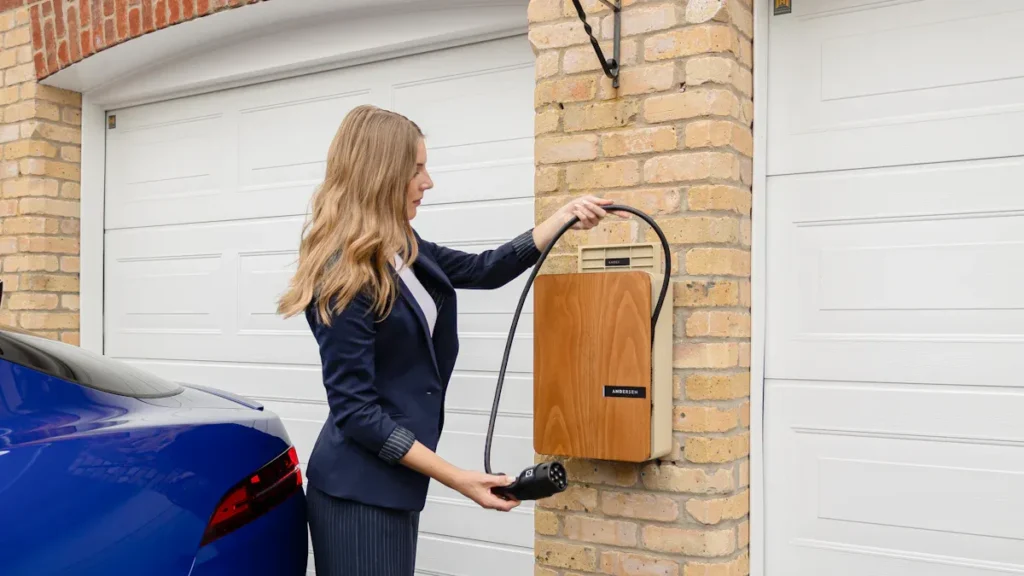

When you install an electric vehicle charger at home, you unlock significant financial advantages. Charging at home usually costs less than public stations or gasoline. The table below shows average annual costs, highlighting the savings you gain with a home electric vehicle charger:
| طريقة الشحن | Average Annual Cost | Savings Compared to Gasoline |
|---|---|---|
| Home EV Charging | $485 | $632 – $1,515 |
| مركبة تعمل بالبنزين | $1,117 | غير متاح |
Smart electric car charging habits and rebates from الشركات المصنعة لشاحن السيارة الكهربائية help you maximize your savings.
Upfront Costs to Install an Electric Vehicle Charger

Electric Car Charger Equipment Costs
شحن السيارة الكهربائية من المستوى 1 مقابل شحن السيارة الكهربائية من المستوى 2
When you consider installing electric car charging stations at home, you need to choose between Level 1 and Level 2 chargers. Level 1 chargers use a standard household outlet and work best for overnight charging. Level 2 chargers require a dedicated 240-volt circuit and deliver faster charging speeds, making them ideal for daily use.
نصيحة: Level 2 chargers can add up to 35 miles of range per hour, while Level 1 chargers typically provide only 3-5 miles per hour.
Features That Affect Electric Car Charger Price
The price of electric car charger equipment depends on the type and features you select. You may want a basic model or a smart charger with advanced scheduling and remote monitoring. The table below shows typical price ranges for popular charger types:
| نوع الشاحن | نطاق السعر (€) | الوصف |
|---|---|---|
| مقبس أخضر'أب المقوى | 150 – 300 | Economical option for light users, ideal for overnight charging. |
| Standard 7kW wallboxes | 500 – 800 | Best compromise for most users, charges about 35 km per hour. |
| Smart connected stations | 800 – 1500 | Advanced features, remote scheduling, and optimization for heavy users. |
| Three-phase stations (11-22 kW) | 1200 – 2000 | High-end solution for fast charging, requires installation upgrades. |
If you want the fastest charging speeds, you may need to upgrade your electrical system, which increases the cost to install an electric car charger.
Installation Expenses for Electric Vehicle Charging
Professional Installation vs. DIY for EV Chargers
You can choose to install an شاحن السيارة الكهربائية yourself or hire a professional electrician. Professional installation ensures safety and compliance with local codes. Labor costs for electricians usually range from $40 to $100 per hour. Simple installations typically cost between $800 and $1,300, but prices vary by region. Costs are higher in the Western and Northeastern U.S., while Central and Southeast states offer lower rates.
Electrical Upgrades for Electric Vehicle Charging
If your home’s electrical panel cannot support a Level 2 charger, you may need upgrades. These upgrades can add $200 to $1,000 or more to your total expenses. The complexity of the installation, local labor rates, and the condition of your existing infrastructure all influence the final price. Most homeowners spend between $800 and $2,500 إلى install an electric car charger, including equipment and labor.
Comparing Home Installation to Public Electric Car Charging
Convenience vs. Cost of Electric Vehicle Charging
When you install an electric car charger at home, you gain convenience and long-term savings. Charging at home can reduce your costs by 30-50% compared to public stations. Over your vehicle’s lifetime, you may save $6,000 to $10,000. Annual savings range from $506 to $720, especially if you drive long distances. Public charging can be up to three times more expensive for the same amount of electricity.
ملاحظة: Home charging offers predictable costs and saves you time by eliminating trips to public stations.
Ongoing Savings from Home Electric Car Charging

Home Electric Vehicle Charging vs. Public Charging
Cost Per Kilowatt-Hour for Electric Car Charging
You can save a substantial amount by charging at home instead of using public stations. The cost per kilowatt-hour for home charging can be as low as 10p during off-peak hours. Public charging stations often charge up to 55p per kilowatt-hour for slow or fast charging. This difference means you pay up to 450% more at public stations compared to charging at home.
- Home charging: as low as 10p per kWh (off-peak)
- Public charging: up to 55p per kWh (slow/fast)
- Public charging is generally more expensive due to location-based energy costs and service premiums
If you install an electric vehicle charger at home, you control your charging schedule and avoid the high rates at public stations.
Subscription and Access Fees for Public Charging
Public charging networks often require you to pay subscription or access fees. These fees add to your overall cost and can make public charging less attractive. You may encounter monthly membership charges, connection fees, or minimum usage requirements. Charging at home eliminates these extra expenses, giving you a more predictable and manageable cost structure.
يقلل الشحن في المنزل helps you avoid hidden fees and gives you full control over your charging routine.
Home Electric Car Charging vs. Gasoline Vehicles
Fuel Cost Comparison: Electric Vehicle Charging vs. Gasoline
Switching from gasoline to electric car charging leads to significant fuel savings. Electric vehicles cost about half as much per mile to operate compared to petrol cars (6p vs 12p). You can save around £600 annually on fuel costs alone. For example, filling a Ford Focus for a year costs about £1,230. Charging a Volkswagen ID.3 at home costs around £630 annually. This difference highlights the financial advantage of charging an electric car at home.
- Electric vehicles: 6p per mile
- السيارات البنزينية: 12 بنس لكل ميل
- التوفير السنوي: حوالي 600 جنيه إسترليني
توفير الصيانة مع شحن المركبات الكهربائية
تتطلب المركبات الكهربائية صيانة أقل مقارنة بالمركبات التي تعمل بالبنزين. تتجنب تغيير الزيت وإصلاح العادم والعديد من الخدمات الدورية الأخرى. يوضح الجدول أدناه تكاليف الصيانة مدى الحياة لكلا نوعي المركبات:
| نوع المركبة | تكاليف الصيانة مدى الحياة | فرق التكلفة |
|---|---|---|
| المركبات الكهربائية | $4,600 | -$4,600 |
| المركبات البنزينية | $9,200 | غير متاح |
يمكنك توقع انخفاض بنسبة 50% في تكاليف الصيانة عند قيادة مركبة كهربائية. تضيف نفقات الصيانة المنخفضة إلى مدخراتك الإجمالية وتجعل شحن السيارة الكهربائية خيارًا ذكيًا.
| نوع المركبة | تخفيض تكلفة الصيانة |
|---|---|
| المركبات الكهربائية | أقل بنسبة 50% |
| المركبات البنزينية | غير متاح |
الفوائد المالية طويلة الأجل لتركيب شاحن مركبة كهربائية
التكاليف الشهرية المتوقعة لشحن السيارة الكهربائية
عند تركيب شاحن مركبة كهربائية في المنزل، تستفيد من تكاليف شهرية متوقعة. تتجنب تقلبات أسعار الوقود ورسوم الشحن العامة غير المتوقعة. يمكنك مراقبة استهلاكك للكهرباء وضبط جدول الشحن للاستفادة من الأسعار خارج أوقات الذروة. يساعدك هذا التحكم في إدارة ميزانيتك وتخطيط نفقاتك بثقة.
تقليل البلى والتمزق الناتج عن الشحن المنزلي
يقلل الشحن في المنزل من البلى والتمزق في مركبتك. تتجنب الرحلات المتكررة لمحطات الشحن العامة وتقلل من القيادة غير الضرورية. كما تحمي بطاريتك باستخدام روتين شحن ثابت. بمرور الوقت، تطيل هذه العادات عمر مركبتك وتخفض إجمالي تكلفة امتلاكها.
- يمكن أن يؤدي تركيب شاحن مركبة كهربائية منزلي إلى زيادة قيمة عقارك من خلال جذب المشترين الواعين بيئيًا والملمين بالتكنولوجيا.
- أصبحت العقارات المجهزة بمحطات شحن المركبات الكهربائية ميزة متوقعة في المنازل الحديثة، مما يعزز جاذبيتها السوقية.
- يقلل الامتثال للحوافز الحكومية من تكاليف التركيب ويتوافق مع أهداف الاستدامة، مما يزيد من قيمة العقار بشكل أكبر.
إذا قمت بتركيب شاحن مركبة كهربائية، فلن توفر المال على الوقود والصيانة فحسب، بل تعزز أيضًا قيمة منزلك وجاذبيته.
الحوافز والحسمات الحكومية لتركيب شاحن مركبة كهربائية
الحوافز الفيدرالية لشحن المركبات الكهربائية
الاعتمادات الضريبية لتركيب شاحن سيارة كهربائية
يمكنك تقليل تكاليفك المقدمة عند تركيب شاحن مركبة كهربائية من خلال الاستفادة من الاعتمادات الضريبية الفيدرالية. تقدم الحكومة الفيدرالية ائتمانًا ضريبيًا بقيمة تصل إلى 30% من إجمالي نفقات التركيب، بحد أقصى 1,000 دولار لكل منزل. يغطي هذا الائتمان تكلفة شواحن المنزل من المستوى 2 وترقيات لوحة الكهرباء والتركيب الاحترافي. يجب تركيب المعدة وبدء تشغيلها بحلول 31 ديسمبر 2032. للمطالبة بهذه الميزة، تحتاج إلى إكمال نموذج مصلحة الضرائب 8911.
- ينطبق الائتمان الضريبي على مسكنك الرئيسي.
- يمكنك تضمين العمالة والممتلكات المتعلقة مباشرة بالشاحن.
- الحد الأقصى للائتمان هو 1,000 دولار لكل منفذ شحن.
متطلبات الأهلية لحوافز شاحن المركبات الكهربائية
قبل التقدم بطلب للحصول على الحوافز الفيدرالية، يجب مراجعة معايير الأهلية. يوضح الجدول أدناه المتطلبات الأكثر شيوعًا:
| نوع المتطلبات | التفاصيل |
|---|---|
| متطلبات المركبة | يجب أن تستوفي معايير مثل سعة البطارية، وتقييم الوزن، ومصدر المكونات. تنطبق حدود سعر الشركة المصنعة المقترح للبيع. |
| متطلبات المشتري | قيود الدخل، على سبيل المثال،, قد يؤدي تجاوز الدخل الإجمالي المعدل 150,000 دولار للمقدمين الفرديين إلى حرمان المشترين من الأهلية. |
| التخفيض التدريجي | كان لدى الشركات المصنعة حدود قصوى للمركبات المؤهلة، وهي الآن مرتبطة بمعايير سلسلة التوريد. |
| ائتمان المركبة الكهربائية المستعملة | ما يصل إلى 4,000 دولار متاح إذا استوفت المركبة متطلبات العمر والسعر واستوفى المشتري عتبات الدخل. |
يجب التأكد من أهليتك قبل تركيب شاحن مركبة كهربائية لضمان استحقاقك للاعتمادات الضريبية المتاحة.
الحسمات الحكومية والمحلية لشحن المركبات الكهربائية
البرامج الإقليمية لتركيب شاحن السيارة الكهربائية
تقدم العديد من الولايات والوكالات المحلية حسمات للمساعدة في تعويض تكلفة تركيب محطات شحن السيارات الكهربائية. يسلط الجدول أدناه الضوء على بعض أعلى مبالغ الحسم المتاحة:
| الولاية/المزود | مبلغ الخصم |
|---|---|
| تعاونية سنترال إلكتريك | حتى 150 دولارًا |
| شركة كونسيومرز باور. | $400 |
| تعاونية دوغلاس إلكتريك | $250 |
| مجلس يوجين للمياه والكهرباء | حتى $500 |
| تعاونية لين إلكتريك | $500 |
| باسيفيك باور | ما يصل إلى $1,500 |
| بورتلاند جنرال إلكتريك | 300 دولار (حتى 1,000 دولار للمؤهلين حسب الدخل) |
| مجلس سبرينغفيلد للمرافق | حتى $500 |
| تيلاموك بود | $250 |
| تعاونية أوماتيلا إلكتريك | $200 |
| إدارة حماية البيئة في بنسلفانيا | ما يصل إلى $2,000 |
| ناشونال غريد | حتى 1,400 دولار |

عروض شركات المرافق لشحن المركبات الكهربائية
تقدم شركات المرافق أيضًا خصومات وبرامج خاصة لتشجيعك على تركيب شاحن مركبة كهربائية منزلي. يمكن أن تغطي هذه البرامج جزءًا كبيرًا من تكاليف التركيب. على سبيل المثال، تقدم برامج كاليفورنيا مثل SGIP وبرامج المرافق ما يصل إلى 800 دولار، بينما تقدم خصومات Xcel Energy في كولورادو ما يصل إلى 1500 دولار للأسر المؤهلة. كما تمتلك ولايات ماساتشوستس ونيويورك وتكساس برامج تتراوح من 250 إلى 1000 دولار. تستهدف بعض البرامج العملاء المؤهلين حسب الدخل، مما يزيد من إمكانية الوصول.

يمكنك الجمع بين الخصومات الفيدرالية وحكومات الولايات وخصومات المرافق لتوفير مبلغ يتراوح بين 500 و1500 دولار, ، حيث تغطي بعض البرامج ما يصل إلى 75٪ من إجمالي نفقاتك.
كيفية التقدم للحصول على حوافز شحن المركبات الكهربائية
المستندات المطلوبة لخصومات شاحن المركبات الكهربائية
عند التقدم للحصول على خصومات أو حوافز، يجب عليك جمع مستندات محددة. يوضح الجدول أدناه المتطلبات النموذجية:
| نوع المستند | الوصف |
|---|---|
| إثبات الشراء | اتفاقية البيع، أو فاتورة البيع، أو اتفاقية التأجير. |
| تفاصيل المركبة | رقم تعريف المركبة (VIN)، والماركة، والموديل، وسنة الصنع. |
| البيانات الشخصية | رخصة القيادة، وإثبات الإقامة، ومستندات الدخل. |
| إيصالات معدات الشحن | إيصالات تركيب الشاحن المنزلي في حالة المطالبة بالخصومات. |
يجب عليك الاحتفاظ بجميع الإيصالات والأوراق المتعلقة بالشراء والتركيب.
عملية التقديم للحصول على حوافز شاحن السيارات الكهربائية
للتقدم بطلب للحصول على الحوافز، تحتاج إلى اتباع هذه الخطوات:
- مراجعة متطلبات الأهلية لكل برنامج.
- جمع جميع المستندات اللازمة.
- استكمال نماذج الطلب المطلوبة، مثل نموذج مصلحة الضرائب 8911 للحصول على الاعتمادات الضريبية الفيدرالية.
- تقديم طلبك عبر الإنترنت أو عن طريق البريد، حسب البرنامج.
- تتبع حالة طلبك والرد على أي طلبات للحصول على معلومات إضافية.
نصيحة: ابدأ تقديم طلبك بعد تركيب محطات شحن السيارات الكهربائية مباشرة لتجنب تفويت المواعيد النهائية.
نصائح عملية لتعظيم التوفير عند تركيب شاحن مركبة كهربائية
الشحن خلال ساعات الذروة المنخفضة لشحن المركبات الكهربائية
تعرفة الكهرباء حسب وقت الاستخدام لشحن السيارات الكهربائية
يمكنك لتعظيم توفيرك ، قم بشحن مركبتك الكهربائية خلال ساعات الذروة المنخفضة. تقدم العديد من شركات المرافق تعرفة حسب وقت الاستخدام، مما يعني أن تكلفة الكهرباء تكون أقل في وقت متأخر من الليل أو في الصباح الباكر. يمكن أن يقلل الشحن بين منتصف الليل والساعة الخامسة صباحًا من تكاليفك بمقدار حتى 70% مقارنة بأوقات الذروة. يوضح الجدول التالي مقدار ما يمكنك توفيره في كل عملية شحن:
| وقت الشحن | التكلفة لكل شحن كامل | التوفير لكل شحن |
|---|---|---|
| خارج أوقات الذروة (12 صباحًا – 5 صباحًا) | £4-5 | £10-12 |
| الوقت النموذجي | £15-16 | غير متاح |
يمكن أن تخفض تعرفات المركبات الكهربائية المتخصصة سعرك إلى 6.7 بنس لكل كيلوواط/ساعة. من خلال الشحن باستمرار في هذه الأوقات، يمكنك توفير مئات الجنيهات سنويًا.
ضبط جداول الشحن لتحقيق أقصى توفير
تتيح معظم الشواحن والمركبات الكهربائية الحديثة ضبط جداول الشحن. يمكنك برمجة شاحنك لبدء العمل تلقائيًا خلال ساعات الذروة المنخفضة. تضمن هذه الاستراتيجية استفادتك دائمًا من أدنى الأسعار. تساعدك تطبيقات الشحن الذكية في تتبع استهلاكك للطاقة وتحسين روتين الشحن الخاص بك. يمكنك أيضًا مقارنة تعرفات المزودين للعثور على أفضل صفقة لأس.
Tip: Use telematics to monitor your kWh usage and avoid energy waste.
Choosing the Right Electric Car Charger for Your Needs
Assessing Daily Driving Habits for Electric Vehicle Charging
Selecting the right charger depends on your driving patterns. If you drive short distances daily, a lower-power charger may suffice. For longer commutes or frequent travel, a Level 2 charger offers faster and more efficient charging. Consider the following factors when choosing a charger:
| العامل | الوصف |
|---|---|
| Driving Habits | Match charger power to your daily mileage (3.6kW, 7kW, or 22kW). |
| Available Space | Ensure your home has enough room and electrical capacity for installation. |
| الميزانية | Chargers range from £350 to £1,500; balance cost with features. |
| سرعة الشحن | Select a charger that matches your vehicle’s capabilities. |
| نوع الموصل | Confirm compatibility with your EV’s charging port. |
| متطلبات التثبيت | Check your home’s electrical system and safety standards. |
Future-Proofing Your Electric Car Charging Setup
You should plan for future needs when installing a charger. Choose a model with remote monitoring and control features. Smart chargers can help you save energy and reduce costs, potentially saving up to £200 a year. If you expect to upgrade your EV or add another vehicle, select a charger with higher capacity and flexible connectivity.
Maintaining Your Electric Vehicle Charger
Regular Inspections for Electric Car Chargers
Routine maintenance keeps your charger reliable and safe. Inspect the charging cable and plug for wear or damage. Clean the plug and charging port regularly to prevent poor connections. Monitor electrical components for unusual heat or noises.
Troubleshooting Common Issues with EV Chargers
Firmware updates enhance your charger’s functionality and reliability. If you notice charging interruptions or slow performance, check for software updates or consult your manufacturer’s support resources. Addressing minor issues early prevents costly repairs and ensures long-term savings.
Note: Consistent maintenance extends the life of your charger and protects your investment in charging an electric car.
Additional Ways to Save with Home Electric Vehicle Charging
Sharing Electric Car Charging Costs
Multi-Vehicle Households and Electric Vehicle Charging
If your household owns more than one electric vehicle, you can maximize savings by sharing a single home charger. This approach reduces the need for multiple installations and lowers both initial and ongoing maintenance costs. Smart chargers help you manage charging times for each vehicle, so you avoid peak electricity rates and optimize your energy use. You can also integrate your charging setup with renewable energy sources, such as solar panels, to further decrease expenses.
- Sharing a charger cuts down on installation and maintenance costs.
- Smart charging schedules help you minimize electricity expenses.
- Integrating with solar power can drive costs even lower.
Neighborhood Charging Co-ops for Electric Car Charging
You can join or form a neighborhood charging co-op to share the benefits of installing electric car charging stations. By pooling resources, you and your neighbors can split installation and maintenance costs. This arrangement works well in communities where not every home has the infrastructure for a dedicated charger. Smart scheduling ensures everyone gets access when needed, and group purchasing may unlock discounts on equipment or installation.
Integrating Solar Power with Electric Vehicle Charging
Solar Panel Installation for Electric Car Charging
Pairing solar panels with your home charging station leads to significant financial and environmental benefits. You reduce your monthly utility bills and make your electric vehicle charging more cost-effective. When you add battery storage, you can store excess solar energy for use during peak hours, maximizing your savings. This setup also lowers your carbon footprint, supporting a cleaner environment.
Net Metering Benefits for Electric Vehicle Charging
Net metering programs allow you to sell excess solar energy back to the grid, which further enhances your savings. Solar energy costs over 60% less than grid electricity, making it a smart choice for powering your EV. Charging your vehicle with solar energy ensures your driving remains 100% carbon-free. Installing a solar system locks in your electricity costs for up to 25 years, protecting you from rising utility rates.
- You benefit from reduced electricity bills.
- You may sell excess energy back to the grid.
- The initial investment in solar panels leads to long-term cost savings.
Monitoring and Managing Energy Use for Electric Car Charging
Smart Charging Apps for Electric Vehicle Charging
Smart charging apps give you powerful tools to manage your energy use and control costs. These apps let you set charging schedules, collect data on electricity usage, and receive notifications about your charging sessions. The table below highlights key features:
| الميزة | الوصف |
|---|---|
| Set charging schedules | Charge at convenient times to take advantage of lower rates and avoid overloading circuits. |
| Collect data, insights, and statistics | Track electricity usage and charging behavior to optimize costs and battery life. |
| Receive notifications and alerts | Get updates on charging status and alerts for any issues during the session. |
Tracking Savings Over Time with Electric Car Charging
You can track your savings over time by reviewing your charging data and utility bills. Many smart apps provide monthly reports, so you see exactly how much you save by charging at home. Monitoring your usage helps you adjust your habits and maximize the benefits of your home charging setup.
Common Misconceptions About the Cost to Install an Electric Vehicle Charger
Myth: Home Electric Car Chargers Are Too Expensive
Breaking Down Real Costs of Electric Vehicle Charging
Many drivers believe that installing a home electric vehicle charger costs too much. You might hear that the upfront investment is out of reach for most households. However, the reality often surprises people. Here are some facts that challenge this myth:
- 27% of petrol or diesel car owners think charging an EV at home costs more than refueling a traditional vehicle.
- Installation costs for home chargers usually range from $800 to $2,000. The final price depends on factors like the distance from your electrical panel and the type of charger you select.
- Not every home charger needs professional installation. Some models plug directly into existing outlets, which can reduce your expenses.
You can see that the initial cost is manageable for many homeowners. When you compare these numbers to the ongoing costs of gasoline, the investment becomes even more attractive.
Comparing to Long-Term Savings from Home Charging
You save money over time by charging your EV at home. The overall cost of running an electric vehicle is now 50% lower than fueling a car with an internal combustion engine for the same distance. You avoid frequent trips to the gas station and benefit from انخفاض أسعار الكهرباء, especially if you charge during off-peak hours. The savings add up quickly, making the upfront cost of a home charger a smart financial decision.
Tip: You can further reduce your costs by taking advantage of available rebates and incentives for home charger installation.
Myth: Public Electric Vehicle Charging Is Always Cheaper
Hidden Fees and Inconveniences of Public Charging
Some drivers assume that using a public charging point will always cost less than charging at home. This belief often overlooks hidden fees and extra charges. Public charging networks may require you to pay connection fees, subscription costs, or higher rates for fast charging. These expenses can make public charging more expensive than you expect.
Public electric vehicle charging can be more expensive than home charging, especially when you use fast chargers. The type of public charge point and current electricity prices both affect your total cost. You also spend more time waiting for your vehicle to charge, which adds inconvenience to your routine.
Reliability and Accessibility of Electric Car Charging
You may also face challenges with reliability and accessibility at public charging stations. Sometimes, chargers are out of service or already in use. You might need to drive out of your way to find an available spot. Home charging gives you control and convenience, letting you charge your vehicle whenever you need without extra hassle.
Note: Charging at home offers predictable costs and greater peace of mind compared to relying on public infrastructure.
Is It Worth It to Install an EV Charger at Home?
Assessing Your Home’s Suitability for Electric Vehicle Charging
Electrical Capacity for Installing an EV Charger
Before you قم بتركيب شاحن كهربائي متطور, you need to check your home’s electrical system. Your panel must handle the extra load, especially if you want a Level 2 charger. Many homes can support a Level 1 charger with no upgrades, but Level 2 units often require a dedicated circuit. You should also confirm that your wiring meets national and local codes. In the U.S., NEC 625 sets the standard for safe installation. This includes a dedicated circuit, GFCI protection, and proper grounding.
Parking and Accessibility for Electric Car Charging
You should consider where you park your vehicle. The ideal location for your charger is close to your parking spot, whether in a garage or driveway. Think about whether you need an indoor or outdoor installation. Make sure the area is accessible and safe for daily use. Some local building codes require permits for installation, so check with your city or county before you begin.
Tip: Easy access to your charger makes daily charging simple and stress-free.
Key factors to evaluate:
- Electrical system capacity
- Space and installation location
- Local building codes and permit requirements
Evaluating Your Driving Patterns for Electric Vehicle Charging
Daily Commute Needs and Electric Car Charging
Your driving habits play a major role in your potential savings. If you drive many miles each year, you will charge your vehicle more often at home. This leads to greater savings on electricity compared to gasoline. Charging at home also lets you take advantage of off-peak rates, which can lower your costs even further.
Occasional Long Trips and Electric Vehicle Charging
If you take long trips only occasionally, you can still benefit from home charging. Most of your charging will happen at home, where rates are lowest. For rare road trips, you may use public chargers, but your main savings come from daily home use. Local electricity rates and gasoline prices in your area also affect your total savings.
- Frequent home charging maximizes your cost benefits.
- Off-peak pricing increases your savings.
- High local gas prices make switching to electric even more attractive.
Making the Decision to Install an Electric Vehicle Charger
Cost-Benefit Analysis for Electric Car Charging
You should weigh the costs and benefits before you install an electric vehicle charger. The table below outlines the main points to consider:
| الفئة | التفاصيل |
|---|---|
| Upfront Installation Costs | Total typical cost ranges from $1,000 to $2,500, including charger, installation, and potential upgrades. |
| Ongoing Electricity Costs | Average cost per mile for EV is approximately $0.04-$0.05, significantly lower than gas costs of $0.14 per mile. |
| Potential Annual Savings | For 10,000 miles driven, savings can reach $1,000 annually compared to gas vehicles. |
| Non-Financial Benefits | Includes convenience, improved battery health, time savings, and energy independence. |
Next Steps to Install an EV Charger
To move forward, follow these steps:
- Assess your electrical infrastructure to ensure it can support an ev charger.
- Choose a charger that fits your vehicle’s connector type and future needs.
- Understand installation requirements, including local codes and safety standards.
- Research available incentives and rebates to offset your installation costs.
Note: Compliance with wiring codes and safety standards ensures reliable and safe operation for years to come.
By evaluating your home’s suitability, your driving patterns, and the financial impact, you can make an informed decision about whether to install an ev charger at home.
Installing an electric vehicle charger at home helps you save money on fuel and maintenance. You benefit from federal tax credits, state rebates, and smart charging management. You also increase your property value. Review the table below to see how these factors improve your return on investment:
| المزايا | Impact on Savings |
|---|---|
| الحوافز الضريبية | 6% federal tax credit |
| Long-Term Cost Savings | 40% lower maintenance costs |
| Immediate Fuel Savings | Lower energy costs |
| Smart Charging Management | Up to 45% reduced energy costs |
| زيادة قيمة العقار | Higher rental income |
| Grants and Rebates | Lower upfront installation cost |
Consider your driving habits and available incentives. You can maximize your savings with a home EV charger.
الأسئلة الشائعة
ما هي تكلفة تركيب شاحن كهربائي منزلي؟
You typically spend between $800 and $2,500 for equipment and installation. The final price depends on your charger type, labor rates, and any electrical upgrades needed.
هل يمكنك تركيب شاحن كهربائي بنفسك؟
You can install some Level 1 chargers yourself. For Level 2 chargers, you should hire a licensed electrician to ensure safety and compliance with local codes.
What incentives are available for installing an EV charger?
You may qualify for federal tax credits, state rebates, and utility company offers. These incentives can cover up to 75% of your installation costs. Check eligibility before you apply.
Will a home EV charger work with any electric vehicle?
Most chargers use standard connectors like J1772. You should confirm compatibility with your vehicle’s charging port before purchasing.
How often should you maintain your EV charger?
You should inspect your charger monthly for wear or damage. Clean the plug and port regularly. Schedule professional inspections annually to ensure safe operation.
Does installing an EV charger increase your home’s value?
You can boost your property’s appeal by adding an EV charger. Many buyers look for homes with charging stations, especially in areas with high EV adoption.
How much can you save by charging at home instead of public stations?
You save up to 50% on charging costs by using home electricity, especially during off-peak hours. You also avoid subscription and access fees from public networks.
What should you do if your EV charger stops working?
يجب التحقق من الوصلات غير المحكمة وإعادة ضبط الشاحن. إذا استمرت المشاكل، اتصل بالشركة المصنعة أو بكهربائي معتمد للحصول على الدعم.




