
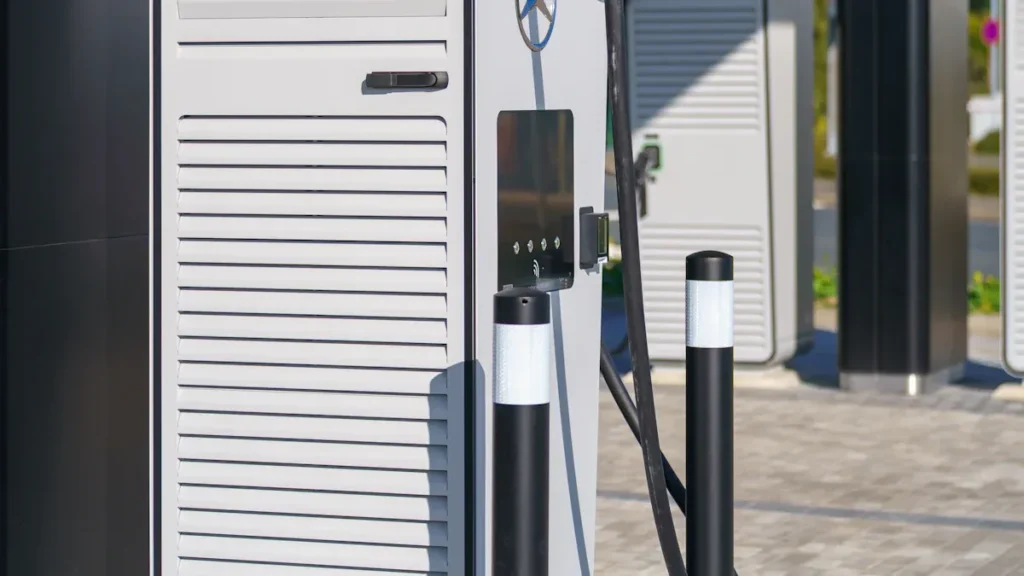

Level 3 Charging delivers rapid power, making it a popular choice for drivers who need quick energy boosts. EV charger manufacturers design systems to handle high-speed charging, but frequent use can generate excess heat and accelerate battery wear. Studies show that regular use of DC fast chargers, especially in hot climates, leads to faster battery degradation. The best practice involves reserving fast charging for occasional needs and using a standard EV Charger for daily charging. Adopting smart charging habits helps drivers protect battery health, save money, and maintain long-term vehicle reliability.
| Charging Method | Impact on Battery Lifespan |
|---|---|
| Level 3 Charging | Faster battery degradation, more heat |
| Level 2 Charging | Better for battery longevity |
Level 3 Charging Explained
What Sets Level 3 Charging Apart
How Level 3 Charging Works
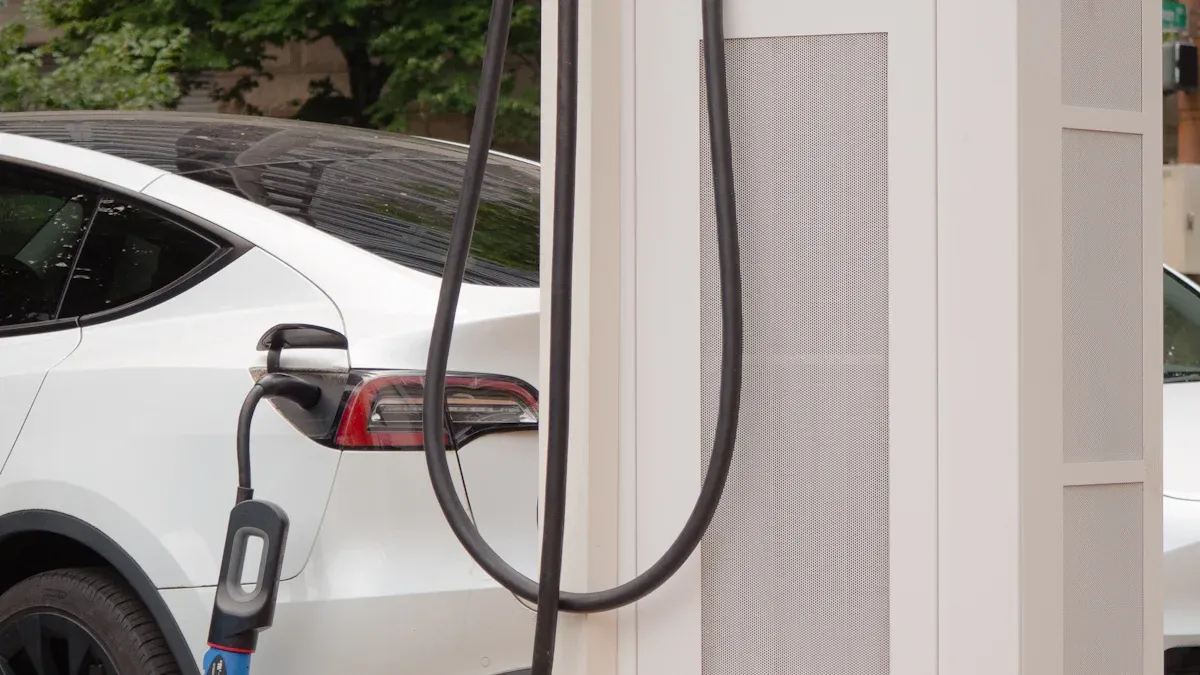
Level 3 charging uses direct current (DC) to deliver energy straight to the electric vehicle’s battery. This process bypasses the onboard charger, which is required for Level 1 and Level 2 charging. Level 3 chargers operate at much higher power levels, typically between 50 kW and 350 kW. These stations require a 480-volt electrical source, far greater than the 120 volts found in standard outlets. The high voltage and direct current allow for rapid charging, making it possible to add significant range in a short period.
- Level 3 charging delivers DC power directly to the battery.
- Power output ranges from 50 kW to 350 kW.
- Requires a 480-volt electrical source.
- Bypasses the vehicle’s onboard charger for faster energy transfer.
Why Drivers Use Level 3 Charging
Drivers choose level 3 charging when they need to recharge quickly. This method suits those on long trips or with limited time at public stations. Many drivers stop at service stations or highway rest areas, where fast charging can add up to 80% battery capacity in 20 to 30 minutes. The convenience of rapid charging appeals to those who value flexibility and efficiency.
Tip: Level 3 charging works best for quick stops and long-distance travel, not for daily charging routines.
Where Level 3 Charging Is Available
Public Charging Networks
Most level 3 charging stations appear in public networks. These networks include service stations, shopping centers, and highway rest stops. Operators design these locations for high turnover and short dwell times. The infrastructure supports high-voltage connections and advanced safety systems.
| Location Type | Typical Charging Speed | Accessibility |
|---|---|---|
| Highway Rest Stops | 50-350 kW | High |
| Shopping Centers | 50-150 kW | Moderate |
| Service Stations | 50-350 kW | High |
Typical Scenarios for Level 3 Charging
Level 3 charging fits several scenarios:
- Road trips where drivers need to recharge quickly.
- Urban commuters who lack home charging options.
- Emergency situations when battery levels drop unexpectedly.
- Fleet vehicles that require minimal downtime.
Drivers often use level 3 charging during travel or when time is limited. Level 2 charging, by comparison, suits overnight or workplace charging, requiring four to eight hours for a full charge. Level 3 charging can deliver up to 80% battery capacity in less than half an hour, making it ideal for those who prioritize speed and convenience.
Level 3 Charging and Battery Health
Impact on Battery Chemistry
What Happens Inside the Battery
During level 3 charging, the battery experiences intense chemical activity. The high current of dc fast charging causes lithium ions to move rapidly between the cathode and anode. This process can trigger several side reactions:
- Overcharging may lead to lithium plating on the anode.
- Decomposition of active materials and the electrolyte can occur, resulting in irreversible degradation.
- Excess lithium ions extract from the cathode and insert into the anode at a faster rate.
- Structural changes and exothermic reactions at the cathode generate oxygen and heat, which can promote thermal runaway.
- Lithium deposits on the anode may form dendrites, increasing the risk of internal short circuits.
- Dendrite growth expands the active surface area, accelerating further side reactions.
- Gas release, including CO2, H2, CO, and CH4, can cause the battery to expand and potentially rupture.
These chemical changes highlight the importance of proper charging management and safety features in modern electric vehicles.
The Role of Heat in Battery Wear
Heat plays a critical role in battery wear during dc fast charging. High currents generate significant heat inside the battery cells. This heat accelerates side reactions and speeds up the breakdown of the battery’s internal structure. Efficient cooling systems are essential to manage this heat and maintain optimal thermal conditions. Without proper cooling, the battery may degrade faster, reducing its lifespan and performance.
- Fast charging produces more heat than slow charging.
- High temperatures cause chemical reactions to occur more rapidly.
- Battery management systems monitor and regulate temperature to ensure safety and longevity.
Note: Charging in extreme temperatures, whether hot or cold, can further stress the battery and increase the risk of degradation.
Long-Term Effects of Frequent Level 3 Charging
Battery Degradation Over Time
Frequent use of dc fast charging can lead to gradual battery degradation. Studies show that using fast charging more than three times a month over two years results in an average increase of 0.1 percent in battery degradation compared to those who never use fast charging. For example, in a comparison of two Nissan Leafs, vehicles using dc fast charging lost 27 percent of their original capacity over 85,000 kilometers, while those using AC charging lost 23 percent. Although the difference exists, it remains relatively small over the vehicle’s lifetime.
Comparing Level 2 and Level 3 Charging Impact
The long-term impact of different charging methods can be summarized as follows:
| Charging Method | Long-term Capacity Loss | Notes |
|---|---|---|
| Level 2 | Negligible | Battery management systems mitigate effects |
| Level 3 | Slightly greater | Difference often negligible over time |
Fast charging leads to slightly faster degradation, but the difference is not statistically significant for most users. Frequent level 3 charging has a negligible effect on range and battery capacity over time, thanks to advancements in battery management systems. Both charging methods can be used without significant long-term effects on battery health, especially when drivers follow manufacturer guidelines.
Research and Real-World Data
What Studies Reveal About Level 3 Charging
Recent peer-reviewed studies provide valuable insights into the safety and longevity of batteries subjected to rapid charging:
| Aspect | Findings |
|---|---|
| Aging Effect | Capacity fade and impedance rise over time due to aging. |
| Temperature Impact | Higher temperatures accelerate degradation of lithium-ion batteries. |
| Cell Balancing Techniques | Various methods reviewed to maintain uniform cell voltages, enhancing performance and longevity. |
| Dynamic Cell Balancing | Novel algorithms proposed to mitigate voltage deviations among cells during operation. |
Researchers also note that building a network of level 3 charging stations can help reduce range anxiety for electric vehicles. However, financial feasibility and the need for local power grid upgrades remain important considerations.
Differences Among EV Models
Real-world data from EV fleets, such as electric buses, show that battery health trajectories in operational conditions differ from laboratory results. Accurate estimation of the state of health (SOH) in real-world settings requires advanced calibration methods. Over four years, studies of nine electric buses demonstrated that users often charge to 100% state of charge to maximize driving range, even though this practice can negatively affect battery health. This behavior appears across all vehicle types, suggesting that user education and thoughtful charging infrastructure design can help improve battery longevity and operational efficiency.
Safety Risks and Manufacturer Guidelines for Level 3 Charging

Known Risks of Frequent Level 3 Charging
Overheating and Thermal Stress
Frequent use of level 3 charging exposes electric vehicle batteries to intense electrical currents. This process generates significant heat, which can stress battery cells and increase the risk of thermal runaway. Overheating may lead to dangerous situations, especially in enclosed spaces like parking garages. The following table outlines the most commonly reported safety risks associated with rapid charging:
| Safety Risk | Description |
|---|---|
| Fire Hazards | Significant risk of smoke and fire, especially in parking garages. |
| Electrical Issues | Risks include electrical fires that may not be immediately visible. |
| Toxic Smoke | Burning lithium-ion batteries release harmful substances like hydrogen fluoride and carbon monoxide. |
| Thermal Runaway | Excessive heat can lead to battery fires, intensifying the risk of fire spreading to other cells. |
| Cyber Attacks | Charging stations are vulnerable to hacking, potentially disabling vehicles or holding stations hostage. |
| Trip and Fall Incidents | Charging cables can pose tripping hazards, especially in fast-paced environments. |
Note: Ultra-rapid charging increases the risk of overheating, making robust thermal management essential for safety.
Reduced Battery Performance
Repeated exposure to high temperatures and rapid charging cycles can degrade battery performance over time. Drivers may notice reduced range, slower charging speeds, or increased charging interruptions. These effects highlight the importance of monitoring battery health and following best practices for charging.
Automaker Recommendations
Official Guidelines from Major Brands
Major automakers provide clear recommendations for safe charging practices. Most brands advise drivers to use level 3 charging only when necessary, such as during long trips or emergencies. Automakers often recommend relying on slower charging methods for daily use to preserve battery health and maintain optimal performance.
Warranty and Level 3 Charging
Automaker warranties typically cover battery defects but may exclude damage caused by improper charging habits. Some manufacturers specify limits on the frequency of fast charging or rapid charging sessions to maintain warranty coverage. Drivers should review their vehicle’s manual and warranty terms to understand any restrictions related to charging.
How EVs Manage Level 3 Charging Safety
Built-In Battery Protections
Modern electric vehicles feature multiple built-in protections to ensure safety during charging. These systems include:
- Surge protection
- Overcurrent protection
- Overvoltage protection
- Ground fault protection
- Temperature monitoring
- Automatic shutoff
These features work together to prevent electrical faults and overheating during fast charging sessions.
Software and Battery Management Systems
Advanced battery management systems (BMS) play a critical role in maintaining safety during level 3 charging. The BMS monitors temperature, voltage, and current in real time. Thermal management systems, including liquid cooling and direct or indirect refrigerant cooling, help keep battery cells within safe temperature ranges. High-grade BMS technology actively controls charging rates and battery temperature, reducing the risk of thermal runaway and extending battery life. These systems ensure that rapid charging remains safe and efficient for drivers.
Best Practices for Level 3 Charging
Smart Charging Habits
When to Use Level 3 Charging vs. Level 2
Drivers often face decisions about which charging method to use. Level 3 charging offers rapid charging speeds, making it ideal for long trips or emergency situations. However, using Level 2 charging at home or work provides a gentler approach that supports battery longevity. Experts recommend reserving fast charging for times when quick energy is essential. For daily routines, slower charging methods help maintain battery health and reduce stress on the battery cells.
Tip: Use Level 3 charging when time is limited or range is critical. Choose Level 2 charging for regular, overnight, or workplace charging sessions.
Avoiding 100% Fast Charges
Charging a vehicle to full capacity during every session can accelerate battery degradation. Most manufacturers suggest maintaining charge levels between 20% and 80% for daily use. This range minimizes stress on the battery and supports long-term performance. Occasional full charges are necessary to recalibrate the battery management system, but frequent charging to 100% should be avoided. Drivers who limit charging to 80-90% for daily needs experience less wear on battery cells.
- Charging within the 20-80% range promotes battery longevity.
- Frequent full charges increase battery degradation by 3-5% over 50,000 miles.
- Occasional full charges help maintain accurate battery management system calibration.
Managing Battery Temperature During Level 3 Charging
Charging in Extreme Weather
Extreme temperatures can affect battery performance and safety during level 3 charging. Cold weather increases internal resistance in lithium-ion batteries, resulting in slower charging times and higher energy consumption. The battery’s capacity to hold a charge decreases, and the vehicle uses more power to heat the cabin and battery. Charging in hot conditions can also accelerate battery wear if thermal management systems are not functioning properly.
- Cold weather reduces battery capacity and charging speeds.
- The vehicle consumes more energy to maintain optimal temperature.
- Charging in extreme cold without preconditioning stresses the battery.
Note: Always check the battery temperature before starting a rapid charging session, especially in extreme weather.
Preconditioning Your Battery
Preconditioning prepares the battery for optimal charging by warming or cooling it to the ideal temperature. This process helps ensure faster charging and reduces the risk of lithium plating, which can damage the battery. Most modern electric vehicles offer preconditioning features that activate before charging begins. Drivers should use these features in both hot and cold conditions to maintain battery health.
- Precondition the battery before charging in extreme weather.
- Preconditioning supports efficient energy transfer and reduces battery stress.
- Let the vehicle rest for 30–60 minutes after driving to stabilize battery temperature before charging.
Monitoring and Maintaining Battery Health
Using Battery Health Tools
Monitoring battery health is essential for vehicles that frequently use level 3 charging. Many electric vehicles provide real-time energy consumption monitoring, battery health diagnostics, and deep charge-discharge cycle tracking. These tools help drivers identify trends in charging speed and set alerts for overcharging. Regular monitoring allows for early detection of potential issues and supports proactive maintenance.
- Real-time monitoring tracks energy consumption and battery status.
- Battery health diagnostics identify performance changes.
- Charge-discharge cycle tracking reveals long-term battery trends.
Scheduling Regular Maintenance
Routine maintenance ensures optimal battery health, especially for vehicles that rely on rapid charging. Drivers should limit daily charging to around 80-90% and reserve full charges for long trips. Occasional full charges are necessary to recalibrate the battery management system. Scheduling regular maintenance checks helps identify and address issues before they impact performance.
| Charging Practice | Impact on Battery Health |
|---|---|
| Frequent Full Charges | Increases battery degradation by 3-5% over 50,000 miles |
| Charging to 80-90% | Recommended for daily driving needs to minimize stress on battery cells |
| Occasional Full Charges | Necessary for recalibrating the Battery Management System (BMS) |
Reminder: Schedule battery health checks and maintenance at regular intervals to maximize safety and extend battery life.
Level 3 Charging Strategies for Different Lifestyles
Road Trips vs. Daily Use
Electric vehicle owners often adjust their charging strategies based on their driving patterns. For daily commuting, most drivers find that Level 2 charging meets their needs. Home charging stations or workplace chargers provide a convenient and cost-effective way to keep the battery topped up. Level 2 charging offers steady power, which supports battery health and reduces long-term wear.
Level 3 charging, also known as DC fast charging, serves a different purpose. Drivers rely on this method during long-distance travel or when they need a quick recharge. Public charging stations along highways typically offer Level 3 charging, making them ideal for road trips. These stations can add 60-100 miles of range in just 20 minutes and reach up to 80% battery capacity in about 30 minutes. The rapid charging speeds help minimize downtime and keep drivers on schedule.
DC fast chargers can add 60-100 miles of range in just 20 minutes and can charge an EV up to 80% in about 30 minutes. They are typically found at public charging stations along highways, making them suitable for long-distance travel.
Drivers who use their vehicles mainly for commuting benefit from sticking to Level 2 charging. This approach keeps costs low and supports battery longevity. Those who travel frequently or take road trips find Level 3 charging invaluable for its speed and convenience. However, using Level 3 charging daily can increase battery wear and operating costs.
- Level 2 charging is generally sufficient for daily commuting, especially with home charging options.
- Level 3 charging is invaluable for longer trips and quick recharges, making it ideal for road trips.
Balancing Convenience and Longevity
Balancing convenience with battery longevity requires thoughtful planning. Drivers who prioritize battery health should avoid frequent use of Level 3 charging for everyday needs. Instead, they can reserve fast charging for situations where time is limited or range is critical. Maintaining an optimal charge level of around 80% helps enhance battery performance and lifespan.
Many drivers invest in smart home chargers to automate and optimize their charging sessions. These devices allow users to schedule charging during off-peak hours, which saves on electricity costs and supports the power grid. Charging during cooler periods also helps manage battery temperature and reduces stress on the cells.
- Charge your vehicle during off-peak hours to save on electricity costs and support the grid.
- Invest in a smart home charger to automate and optimize charging sessions.
- Maintain an optimal charge level of around 80% to enhance battery longevity and performance.
Drivers who plan their charging sessions carefully enjoy both convenience and long-term savings. They use Level 3 charging when necessary but rely on slower charging methods for daily routines. This strategy supports a healthy battery and ensures reliable performance over the life of the vehicle.
Tip: Smart charging habits and the right mix of charging methods help drivers maximize both convenience and battery life.
Myths vs. Facts About Level 3 Charging Safety
Common Misconceptions
“Fast Charging Always Damages Your Battery”
Many drivers believe that fast charging always leads to battery damage. This misconception often comes from early reports about battery wear in older electric vehicles. However, modern battery systems include advanced protections. Battery management systems monitor temperature, voltage, and current during every charging session. These safeguards help prevent overheating and reduce the risk of long-term damage. Occasional use of fast charging does not cause significant harm to battery health. Most studies show that the difference in battery degradation between frequent and infrequent fast charging remains minimal.
Note: Fast charging, when used occasionally, does not significantly harm battery health. Battery management systems provide essential protection during every charging session.
“You Should Never Use Level 3 Charging”
Some drivers avoid level 3 charging entirely, fearing it will shorten their battery’s lifespan. This belief ignores the benefits and safety features built into modern electric vehicles. Level 3 charging offers a practical solution for long trips and emergencies. Manufacturers design batteries to handle higher charging rates for short periods. Drivers who use level 3 charging only when necessary can enjoy both convenience and long-term battery performance.
The Truth About Level 3 Charging
Occasional vs. Frequent Use
Research shows that occasional use of level 3 charging does not significantly impact battery health. Drivers who use fast charging for road trips or emergencies see little difference in battery degradation compared to those who rely mostly on slower charging methods. Key findings include:
- Fast charging does not significantly harm battery health when used occasionally.
- Studies show minimal differences in battery degradation between frequent and infrequent fast charging.
- Safeguards like Battery Management Systems are in place to protect battery health during fast charging.
Drivers who balance their charging habits—using level 2 charging for daily needs and reserving level 3 charging for special situations—help extend battery life. This approach supports both convenience and longevity.
Advances in Battery Technology
Recent advances in battery technology address many concerns about frequent level 3 charging. Manufacturers have introduced several improvements that help protect batteries during rapid charging sessions.
| Technological Advance | Benefit |
|---|---|
| Improved Thermal Management | Reduces thermal stress by maintaining optimal battery temperatures. |
| Adaptive Charging Algorithms | Optimizes charging process to minimize wear based on battery condition. |
| Enhanced Cell Chemistry | Increases resistance to higher charging rates, extending battery lifespan. |
These innovations allow batteries to handle higher charging speeds with less risk of damage. Drivers benefit from faster charging times without sacrificing long-term performance. As technology continues to improve, electric vehicles will become even more resilient to the demands of rapid charging.
Level 3 charging remains safe when drivers use it thoughtfully and in moderation. Key factors such as build quality, frequency of use, environmental exposure, and regular maintenance play a significant role in battery longevity and charging safety.
| Key Factor | Importance for Battery Life |
|---|---|
| Build Quality & Certification | Ensures reliability and safety |
| Usage Patterns | Affects battery wear and lifespan |
| Environmental Exposure | Impacts charger durability |
| Maintenance | Prevents failures and extends life |
By following best practices, drivers can maximize their EV’s value and enjoy a healthier, longer-lasting battery. Smart charging choices today lead to reliable performance tomorrow.
FAQ
How often can drivers use Level 3 charging without harming the battery?
Most manufacturers recommend using Level 3 charging only when necessary. Occasional use, such as during road trips or emergencies, does not significantly impact battery health. Daily reliance on fast charging may accelerate battery wear.
Does Level 3 charging void the EV battery warranty?
Level 3 charging does not void the warranty if drivers follow manufacturer guidelines. Some automakers set limits on frequent fast charging. Always review the vehicle’s manual and warranty terms for specific details.
Can drivers charge to 100% with Level 3 chargers?
Charging to 100% with Level 3 chargers increases battery stress. Most experts suggest charging to 80% for daily use. Full charges should occur only when maximum range is essential.
Is Level 3 charging safe in extreme temperatures?
Level 3 charging remains safe when the vehicle’s thermal management system works properly. Preconditioning the battery before charging in hot or cold weather helps maintain safety and efficiency.
What signs indicate battery degradation from frequent fast charging?
Reduced driving range, slower charging speeds, and increased charging interruptions may signal battery degradation. Regular battery health checks help detect early signs of wear.
Do all EVs support Level 3 charging?
Not all electric vehicles support Level 3 charging. Drivers should check the vehicle’s specifications and charging port compatibility before using a DC fast charger.
How does Level 3 charging affect charging costs?
Level 3 charging usually costs more per kilowatt-hour than Level 2 charging. Public fast chargers often charge premium rates for convenience and speed.
What safety features protect batteries during Level 3 charging?
Modern EVs use advanced battery management systems, temperature sensors, and automatic shutoff features. These systems monitor charging conditions and protect the battery from overheating or electrical faults.




