An electric vehicle (EV) charging solution provider, such as TPSON, which is at the forefront of technological advancements, is actively shaping the future of fast charging points. The EV charging industry is witnessing rapid innovation. New trends are emerging to address key consumer concerns and enhance the overall EV experience. Fast charging solutions are evolving beyond simple power delivery. They now encompass convenience, intelligence, and sustainability. This progress is crucial for the widespread adoption of electric vehicles.
Did You Know? A significant number of potential EV buyers hesitate due to charging concerns. Similarly, many current owners find long charging times to be a major drawback.
- Globally, 42% of existing EV owners identify long charging durations as a primary issue.
- Charging time is a top-three deterrent for prospective buyers considering an electric vehicle.
The industry’s focus is on creating a seamless and efficient charging infrastructure. Elektrikli araç şarj cihazı üreticileri are developing systems that offer more than just speed. The future of EV charging integrates wireless EV charging for ultimate charging convenience and smart grids for better energy management. These advancements are making EV ownership more practical and appealing than ever before.
Trend 1: The Leap to Ultra-Fast Charging (350kW+)
The quest for speed is one of the most significant trends in the EV industry. Drivers want to minimize downtime and get back on the road quickly. This demand has pushed manufacturers and charging solution providers like TPSON to develop ultra-fast chargers that redefine the EV ownership experience. This leap in power delivery is making electric vehicles a more viable option for everyone.
Defining the New Speed Tiers
From Level 2 to DC Ultra-Fast
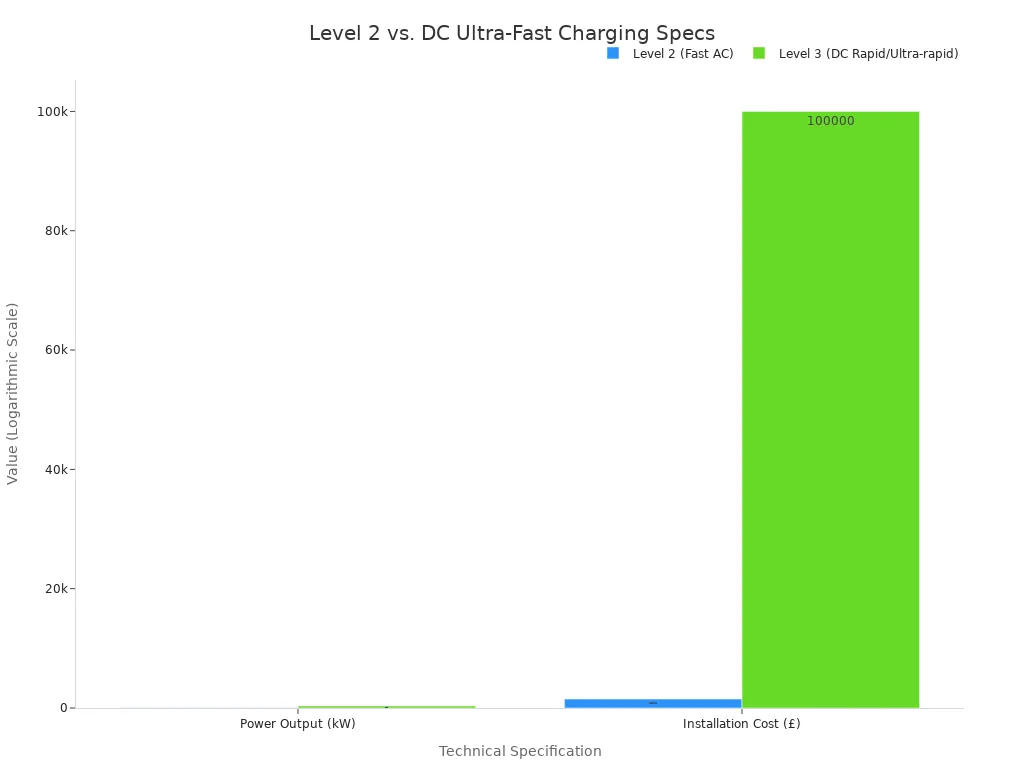
A key technical difference separates common Level 2 charging from DC ultra-fast charging. EV batteries store Direct Current (DC) power, but the grid supplies Alternating Current (AC). Level 2 systems rely on the vehicle’s onboard charger to convert AC to DC. This internal component has a limited capacity, creating a bottleneck that restricts charging speed.
In contrast, DC ultra-fast charging stations perform the conversion externally. This process bypasses the car’s slower onboard charger, delivering high-power DC electricity directly to the battery. The result is a dramatic reduction in charging time.
The 350kW+ Benchmark
The 350kW power level has become the new benchmark for premium EV charging. Chargers operating at this capacity can add hundreds of miles of range in under 20 minutes. A growing number of EV models are now engineered to take advantage of these speeds.
- Genesis GV60
- Hyundai Ioniq 5
- Kia EV6
- Lotus Eletre
- MG IM5 & IM6
The Technology Enabling Record Speeds
800V+ Vehicle Architectures
Many new electric vehicles use an 800-volt architecture instead of the older 400-volt standard. This higher voltage allows the system to deliver the same amount of power with less electrical current. The primary benefit is reduced heat generation, which enables faster and more efficient charging.
Advanced Battery Chemistries
An EV battery must be able to accept a massive influx of energy safely. Automakers are developing sophisticated battery chemistries and thermal management systems. These advancements protect the battery from degradation while maximizing charging speeds.
Liquid-Cooled Cabling Systems
Delivering over 350kW of power generates immense heat. Liquid-cooled cables are essential for managing these temperatures safely. These systems circulate a coolant through the charging cable, actively dissipating heat. This technology allows for a 70% increase in current capacity compared to uncooled designs. It also makes the cables lighter and more flexible for users, ensuring the EV charging process is both fast and reliable.
Impact on the EV Driver Experience
Making Long-Distance Travel Seamless
Ultra-fast charging transforms long-distance travel. Drivers can plan road trips with brief stops that align with a coffee or meal break, making the journey more convenient and less stressful.
Addressing Core Range Anxiety
The fear of an EV running out of power, known as range anxiety, remains a barrier for many potential buyers. Knowing that a significant amount of range can be added in minutes provides drivers with crucial peace of mind.
Parity with Gas Station Refueling Times
While not yet instantaneous, a 15-20 minute charging session brings the EV experience much closer to the time spent at a traditional gas station. This growing parity is a critical factor in accelerating mass EV adoption.
Infrastructure Challenges for Ultra-Fast Speeds
While ultra-fast speeds represent one of the most exciting trends in the EV world, deploying this technology at scale presents significant hurdles. The immense power requirements create a new set of challenges for grid operators, station developers, and even the vehicles themselves. Overcoming these obstacles is essential for making 350kW+ charging a widespread reality.
Grid Upgrade Requirements
A single bank of ultra-fast chargers can draw as much power as a small commercial district. This places enormous strain on local power grids. A small hub of just 8–12 rapid charging points requires a grid connection with at least 800 kVA of capacity. Many locations simply lack this level of available power.
Not: Charge Point Operators (CPOs) must apply to a Distribution Network Operator (DNO) for grid access. If the existing infrastructure is insufficient, the DNO will provide a cost estimate for the necessary upgrades, a process that can take over a month.
This required electrical infrastructure often needs substantial and costly reinforcement. The lack of public funding for these grid upgrades remains a major barrier, slowing the deployment of the next generation of Elektrikli araç şarj çözümleri.
Managing Battery Health and Longevity
Pushing massive amounts of power into a battery generates significant heat and stress on its internal cells. While modern EV batteries are designed to handle fast charging, frequent use of ultra-fast speeds can potentially accelerate battery degradation over the vehicle’s lifespan.
To address this, EV manufacturers and advanced solution providers like TPSON are developing sophisticated safeguards:
- Battery Management Systems (BMS): These onboard computers constantly monitor cell temperature and voltage, adjusting the charging speed to protect the battery.
- Preconditioning: Many EV models can pre-heat or pre-cool their batteries on the way to a fast charger, preparing them to accept the highest possible power safely.
- Smart Charging Curves: The charging rate is not constant. It starts high and then tapers off as the battery fills to manage heat and prolong battery life.
These systems work together to balance the demand for rapid charging with the need to preserve the long-term health of the EV battery.
High Cost of Station Deployment
The financial investment required for an ultra-fast charging station is substantial. The network upgrades needed to support this level of power can be prohibitively expensive, often dwarfing the cost of the charging equipment itself. If a grid upgrade is necessary, the total cost can range between £400,000 and £500,000, with the new connection alone averaging around £100,000.
These high upfront costs, which are borne by the CPO, can make some otherwise promising sites commercially unviable. This financial burden severely impacts the business case for building out the necessary charging infrastructure, especially in areas where grid reinforcement is most needed. Increased collaboration between local authorities, DNOs, and CPOs is crucial for creating a viable path forward for this powerful EV charging technology.
Trend 2: The Convenience of Wireless EV Charging
While speed is a primary focus, the ultimate convenience in EV charging is eliminating the cable altogether. Wireless EV charging technology promises a future where powering an electric vehicle is as simple as parking it. This hands-free approach removes the need to handle heavy, dirty, or wet cables, representing a major leap in user experience. Advanced solution providers like TPSON recognize that this level of seamless automation is a key driver for broader EV adoption.
How Inductive Charging Works
The Science of Inductive Power Transfer
Inductive charging operates on the principle of electromagnetic induction. A ground-based charging pad uses electricity to generate a fluctuating magnetic field. When an EV equipped with a compatible receiver pad parks over it, this magnetic field induces an electric current in the receiver coil. This current then charges the vehicle’s battery without any physical connection.
Key Components: Ground and Vehicle Pads
The system consists of two main components:
- Ground Assembly Unit (GA): This is the transmitter pad, installed on the surface of or embedded within a parking space. It connects to a power source and creates the magnetic field.
- Vehicle Assembly (VA): This is the receiver pad, mounted on the underside of the electric vehicle. It captures the energy from the magnetic field and delivers it to the battery.
The Automated Charging Handshake
Modern wireless systems feature an automated “handshake.” As the vehicle approaches the pad, the system detects its presence and aligns for optimal power transfer. Once parked correctly, the charging session begins automatically without any driver intervention. This seamless communication ensures a safe and efficient energy transfer.
Applications for a Cable-Free Future
At-Home and Private Garage Systems
For many EV owners, the garage is the primary charging location. Wireless systems transform this experience. Drivers can simply park their car at the end of the day, and the charging process starts on its own. Companies are already developing solutions that integrate these charging pads into new driveway surfaces, making the technology nearly invisible.
Public Parking and Commercial Fleet Integration
The applications for wireless EV charging extend far beyond the home. Pilot programs are demonstrating its value for commercial fleets and public use.
In a notable collaboration, Volvo Cars and InductEV tested wireless-charging electric taxis in Gothenburg. The program was a success, showing the technology’s reliability in a demanding, high-usage environment. Similar initiatives are underway in cities like Oslo for taxi fleets, while companies such as UPS and Amazon explore inductive charging for their delivery vehicles.
This technology is also appearing in public charging stations and parking garages in cities from San Francisco to Tokyo, enhancing the urban EV charging infrastructure.
The Long-Term Vision: Dynamic In-Road Charging
The ultimate future for this technology is dynamic charging. This concept involves embedding charging hardware directly into roadways. It would allow an EV to charge while driving, effectively eliminating range limitations for long-distance travel.
Hurdles to Widespread Adoption
Efficiency Gaps vs. Wired Charging
A primary technical challenge is charging efficiency. While a wired Level 2 charger can achieve up to 95% efficiency, current wireless systems typically see a 20 to 30 percent reduction due to energy lost as heat. The industry target for commercial wireless charging is 90% and above, but this gap remains a significant hurdle to overcome for energy-conscious users.
Standardization and Interoperability Issues
For wireless charging to become mainstream, it needs a universal standard. Without one, an EV from one brand may not be able to use a charging pad from another manufacturer. This lack of interoperability fragments the market and discourages investment from both consumers and infrastructure developers.
Initial Installation Costs
Trend 3: Smart and Bi-Directional Charging Infrastructure (V2G)
The next evolution in EV charging is intelligence. Beyond just delivering power, modern charging infrastructure is becoming an active participant in the energy ecosystem. This shift transforms electric vehicles from simple transportation into dynamic energy assets. Technologically advanced providers like TPSON are developing the smart systems that make this two-way communication between the car and the grid possible, unlocking new levels of efficiency and value.
The Foundation: Unidirectional Smart Charging (V1G)
What is V1G?
Unidirectional smart charging, or V1G, represents the first step toward intelligent energy management. In this model, the power flow is still one-way: from the grid to the EV. However, the charging process is “smart.” The utility provider or charging operator can remotely control when the EV charging session starts and stops to optimize power consumption.
Optimizing Charging for Off-Peak Rates
For an EV owner, the most immediate benefit of V1G is cost savings. The system can automatically schedule charging to occur during off-peak hours, typically overnight when electricity demand and prices are at their lowest. This ensures the vehicle is ready by morning while minimizing the owner’s energy bill without any manual intervention.
Reducing Strain on the Power Grid
V1G technology is crucial for managing grid stability as EV adoption grows. Unmanaged charging can lead to significant grid congestion, especially when many drivers plug in simultaneously during peak hours. Smart charging helps prevent this overload.
“We have to solve those congestion problems, which means we need more charge points and to encourage charging at the right moment, which will also help against energy curtailing for renewables, which is another problem. It must be scaled massively and correctly.”
By shifting charging to times of lower demand, V1G helps utilities balance the load on the existing infrastructure, delaying the need for costly upgrades.
The Revolution: Vehicle-to-Grid (V2G) Technology
How EVs Become Mobile Power Units
Vehicle-to-Grid (V2G) technology takes smart charging a revolutionary step further by enabling bi-directional energy flow. An EV with V2G capability can not only draw power from the grid but also export stored energy from its battery back to the grid. This effectively turns the car into a mobile power unit, or a battery on wheels.
Supporting Grid Stability and Peak Shaving
V2G offers a powerful solution for grid management. During periods of high electricity demand, a network of connected EVs can discharge a small amount of energy back to the grid. This process, known as “peak shaving,” helps stabilize the grid and reduces the need to activate expensive and less environmentally friendly peaker power plants.
The Role of Bi-Directional Inverters
This two-way energy transfer is made possible by a key piece of hardware: the bi-directional inverter. Standard EV chargers only convert AC power from the grid to DC power for the battery. A bi-directional unit can perform this conversion in both directions, allowing the EV’s DC battery power to be converted back into grid-compatible AC power.
Benefits for Owners, Utilities, and the Grid
Creating Revenue Streams for EV Owners
V2G technology creates a direct financial incentive for EV owners. By allowing utilities to use their vehicle’s battery during peak times, owners can earn passive income.
- Customers in a UK trial earned as much as £725 annually.
- Participants in another program could save up to £840 per year compared to unmanaged charging.
Enhancing Overall Energy Resilience
A large fleet of V2G-enabled vehicles creates a massive, distributed energy storage network. This virtual power plant can provide backup power during outages, enhancing the resilience of the entire energy system and supporting the charging infrastructure.
Integrating More Renewables
V2G is a game-changer for renewable energy. It solves the intermittency problem of solar and wind power. EVs can store excess energy when the sun is shining or the wind is blowing and then release it back to the grid when renewables are not generating. This capability is driving massive investment in the technology, with the global market projected to grow significantly. The Asia-Pacific region alone is expected to command 40% of the global V2G market share by 2025.

Trend 4: The Drive for Standardization and Interoperability
A fragmented charging landscape has long been a point of friction in the EV charging industry. Drivers have faced a confusing mix of plug types, payment apps, and network memberships. This lack of charging infrastructure compatibility creates uncertainty and complicates the ownership experience. Now, a powerful trend toward standardization is emerging to unify the EV charging ecosystem and accelerate EV adoption.
Unifying the Charging Infrastructure
From “Charging Wars” to a Unified Standard
For years, the EV market was defined by a “charging war” between competing standards, primarily CCS and CHAdeMO. This forced drivers to seek out specific stations compatible with their vehicle and often carry bulky adapters. The industry recognized that this complexity was a significant barrier. A unified standard simplifies the entire process, making public charging as straightforward as plugging in.
Kuzey Amerika Şarj Standardının (NACS) Yükselişi
The North American Charging Standard (NACS) has rapidly gained momentum as the potential unified plug. What began as a proprietary connector has seen widespread industry support. Technologically advanced providers like TPSON are developing solutions to bridge the gap during this transition. A powerful alliance of automakers has committed to building a new charging network incorporating NACS.
- BMW
- General Motors
- Honda
- Hyundai
- Kia
- Mercedes-Benz
- Stellantis
Furthermore, brands like Polestar and Sony Honda Mobility have announced plans to equip their future electric vehicles with the NACS port, granting their drivers access to a vast and reliable network.
The Role of Plug-and-Charge Technology
Standardization is the key that unlocks a truly seamless experience through the plug and charge initiative. This technology automates the authentication and billing process. Drivers simply plug their EV into a compatible charger, and the session starts automatically. The payment is handled through a pre-linked account. The plug and charge initiative eliminates the need for RFID cards or mobile apps, making the charging process effortless.
Impact of NACS Adoption on the EV Industry
Simplifying the User Experience
The shift toward a single standard like NACS dramatically simplifies the user experience. It removes the need for drivers to carry multiple adapters and manage different accounts. This streamlined approach resolves the inconsistent experience of third-party charging. A unified system provides a predictable and reliable EV charging experience every time.
Accelerating Network Build-Out
A common standard gives charging network operators the confidence to invest and expand. Companies can build out the charging infrastructure more quickly without worrying about supporting multiple, competing plug types. This focused investment leads to a denser, more robust network of high-speed charging stations for all drivers.
What It Means for CCS and CHAdeMO
The rise of NACS is reshaping the competitive landscape. The CHAdeMO standard, once a major player, has seen its market presence diminish as automakers like Nissan shift their future lineups to NACS. While CCS remains a prominent standard, the growing support for NACS signals a clear industry trend toward consolidation. The future will likely see a market dominated by one or two primary standards rather than a fragmented field.
The Future of Global Charging Standards
Will NACS Expand Globally?
The move by Sony Honda Mobility to adopt NACS for its AFEELA EV in both North American and Japanese markets suggests the standard’s potential for global reach. As more international automakers commit to the plug, its influence could extend well beyond its original market.
The Push for Universal Payment Systems
Ultimately, the goal is a universal system where any EV can use any public charger with zero friction. The plug and charge initiative is a major step in this direction. The future of charging is one of complete interoperability, where secure, automated payments are the norm across all networks.
Trend 5: The Future of Fast Charging Points and Renewable Energy
The future of fast charging points is not just about speed; it is about sustainability. Integrating renewable energy sources directly at charging sites is one of the most critical trends shaping the industry. This move toward self-sufficient power generation transforms EV charging from a grid-dependent activity into a truly green solution. TPSON gibi teknolojik açıdan gelişmiş sağlayıcılar are exploring these sustainable energy practices to build a cleaner and more resilient charging infrastructure.
Why On-Site Renewables are Critical Trends
Ensuring Truly “Green” Kilometers
An electric vehicle (EV) produces zero tailpipe emissions, but its overall carbon footprint depends on its electricity source. Charging an EV from a grid powered by fossil fuels still carries an environmental cost. On-site renewable energy sources solve this problem.
- Integrating solar power makes the entire vehicle lifecycle cleaner and more sustainable.
- Using solar energy for EV charging dramatically reduces emissions, as the car essentially runs on sunlight.
- This approach helps decarbonize road transport by ensuring the power for each kilometer is genuinely green.
Achieving Grid Independence
On-site generation provides charging station operators with a degree of independence from the electrical grid. This is especially valuable in remote areas or locations where the local grid infrastructure is weak and cannot support the high power demands of multiple fast chargers. It ensures operational continuity and reduces strain on public utilities.
Lowering Long-Term Operational Costs
While the initial setup requires a significant investment, on-site renewables offer substantial long-term savings. Generating free electricity from the sun or wind reduces reliance on purchasing grid electricity, which is subject to price volatility. This makes the business model for public charging stations more stable and profitable over time.
Key Renewable Integration Technologies
Şarj Merkezlerinde Solar Kanopiler
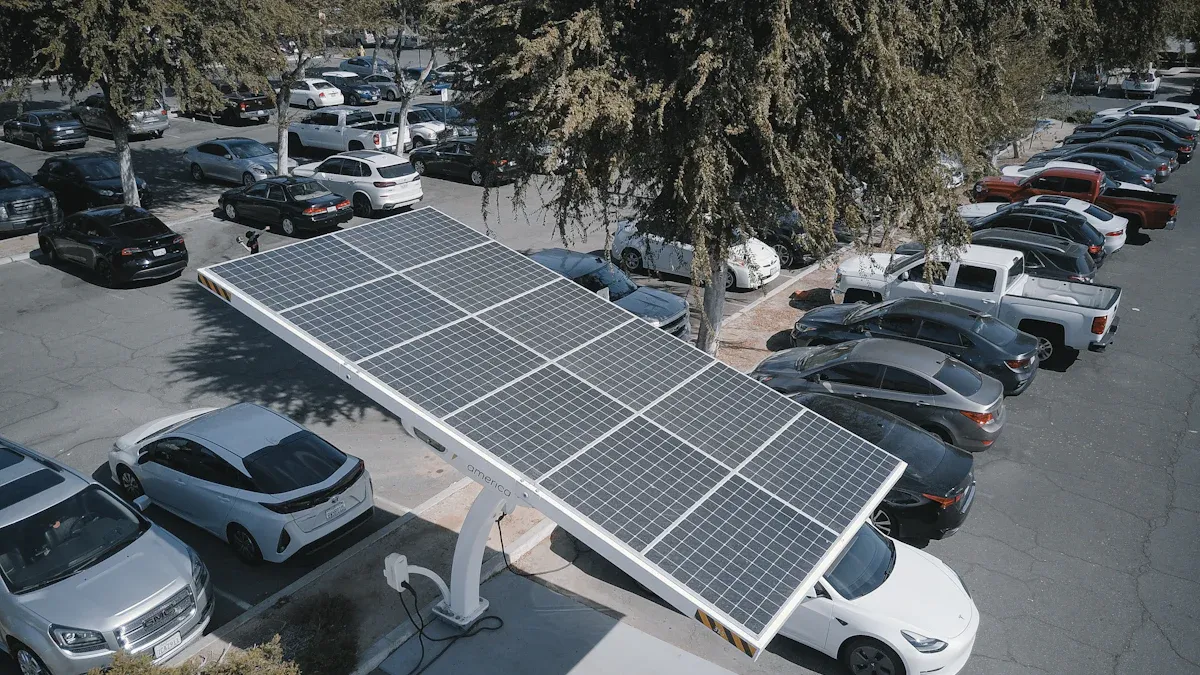
Solar canopies are a highly effective and visible form of renewable integration. These structures provide shelter for vehicles while their roofs, covered in photovoltaic panels, generate clean electricity. Innovative examples include 3ti’s Papilio3, a pop-up mini solar car park built from recycled shipping containers. These modular solar-powered charging stations can be deployed rapidly to create sustainable charging solutions.
On-Site Battery Energy Storage Systems (BESS)
Battery Energy Storage Systems (BESS) are the crucial link that makes renewable charging practical. These systems store excess solar energy generated during the day for later use.
This allows operators to offer EV charging overnight or during periods of low sunlight, using the stored solar power. It avoids drawing expensive electricity from the grid during peak hours, giving businesses greater control over their energy supply.
Specialized Use Cases: Wind Turbine Integration
While less common than solar, small-scale wind turbines can be integrated at charging sites in locations with consistent wind. This technology offers another avenue for on-site generation, often complementing solar power to provide a more consistent energy supply around the clock.
Challenges of Integrating Renewables
Managing Power Intermittency
The primary challenge with renewable energy sources like solar and wind is their intermittent nature. The sun does not always shine, and the wind does not always blow. BESS is essential for managing this, but it adds complexity and cost to the system, requiring sophisticated software to balance generation, storage, and charging demand.
High Upfront Capital Investment
The financial barrier is significant. Building a comprehensive charging network with integrated renewables requires substantial investment. The costs include not only the solar panels and batteries but also potential upgrades to the local grid to handle the power flow, which can be a major hurdle for developers.
Space and Land Requirements
Renewable energy generation requires physical space. Large solar canopies or ground-mounted solar farms need considerable land, which can be expensive or unavailable in dense urban areas. This makes site selection a critical and often difficult part of the planning process for the future of fast charging points.
Trend 6: Mobile and Modular EV Charging Solutions
Fixed charging stations are the backbone of the EV ecosystem, but the industry is also embracing flexibility. Mobile and modular solutions are emerging to address specific needs for on-demand power and scalable infrastructure. Technologically advanced providers like TPSON are developing these adaptable systems to make EV charging more accessible and cost-effective in a wider range of scenarios.
The Rise of On-Demand Charging
What Are Mobile EV Chargers?
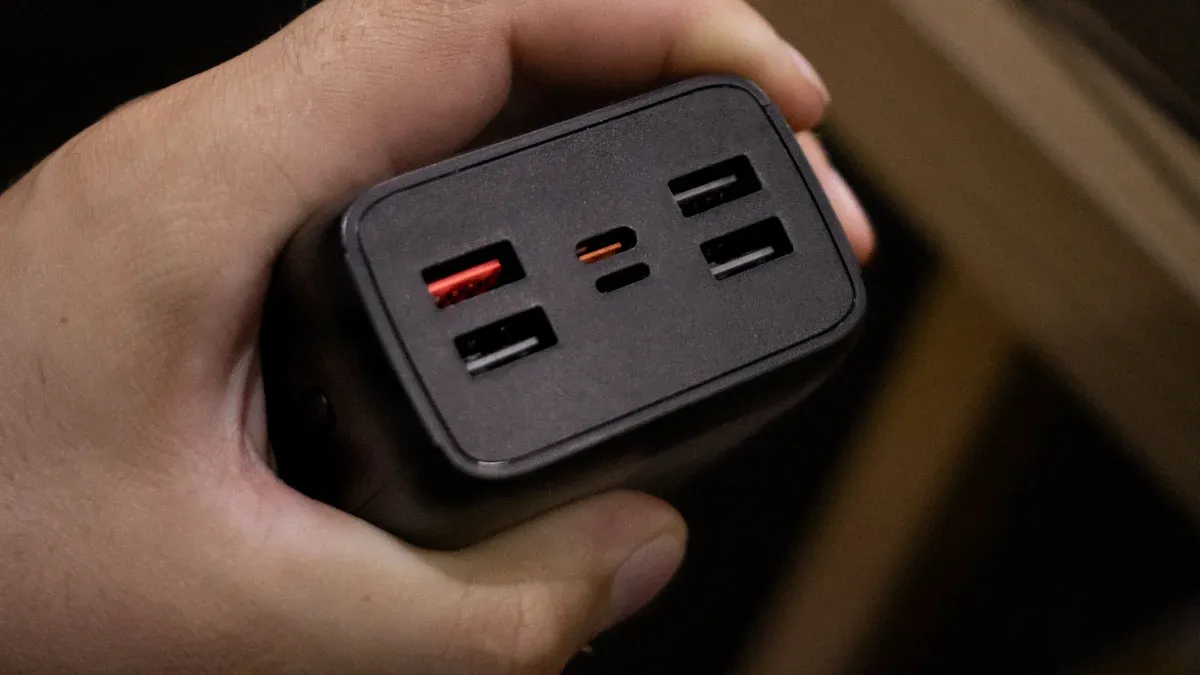
Mobile EV chargers are essentially large, portable battery packs designed to deliver a charge to an electric vehicle anywhere. These units are not tied to the grid. They can be transported in a van or on a small trailer. This technology brings the power directly to the EV, eliminating the need for the vehicle to travel to a fixed station.
Benefits for Fleets and Businesses
Businesses with electric fleets gain immense operational flexibility from mobile charging. A company can charge its vehicles at a depot, in a remote lot, or at a job site without installing permanent infrastructure. This approach is ideal for managing charging schedules for a large number of vehicles without requiring every parking space to have a dedicated charger.
Use Cases in Roadside Assistance
Mobile chargers are transforming roadside assistance for EV drivers. A service provider can dispatch a mobile unit to a stranded EV that has run out of power. This service provides enough energy for the driver to reach the nearest stationary charging station. It is the modern equivalent of delivering a can of fuel to a conventional car.
Modular Infrastructure for Scalable Growth
Defining Modular Charging Systems
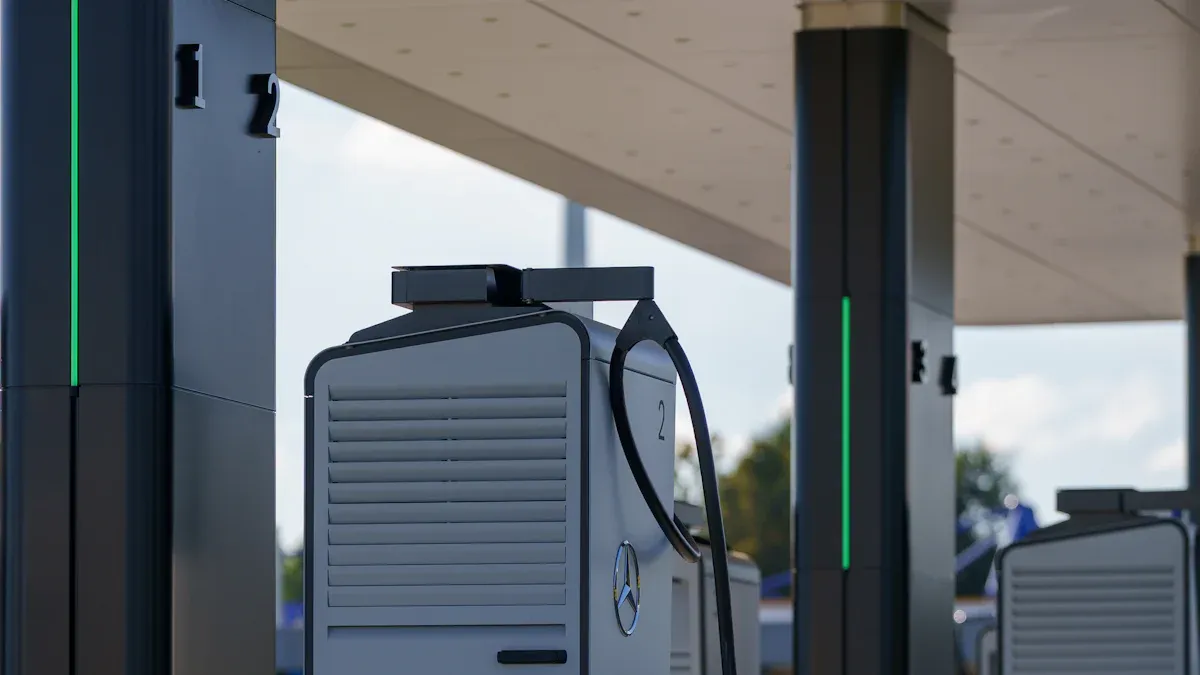
Modular charging infrastructure takes a building-block approach to station deployment. Instead of a single, monolithic unit, these systems consist of separate power cabinets and multiple user-facing dispensers. This design allows for greater flexibility and scalability.
Advantages for Phased Deployment
Modular architectures are ideal for businesses planning for future growth. They allow for a phased rollout that aligns infrastructure investment with increasing demand. This scalable approach offers several key benefits:
- Systems can support distribution across complex sites with multiple metering points or transformers.
- The architecture facilitates future expansion, allowing operators to add capacity as their needs grow.
- Installation causes minimal disruption, as new modules can be retrofitted into existing networks without major electrical work.
Reducing Initial Investment and Footprint
This “grow-as-you-go” model significantly lowers the initial financial barrier. Companies can start with a smaller power cabinet and a few dispensers, then add more components as their EV fleet expands. This strategy makes the transition to electric mobility more manageable and financially viable.
The future of fast charging points is being defined by a multi-faceted innovation push. The EV charging industry is advancing beyond just speed. Key trends like ultra-fast charging and NACS standardization are removing major barriers for electric vehicles. Smart V2G technology and renewable integration are strengthening our energy infrastructure.
The future of EV charging is seamless. The Plug and Charge initiative, based on the ISO 15118 standard, will automate the entire charging process. This makes powering an EV more convenient than ever.
Emerging solutions like wireless EV charging and mobile charging promise a future where powering an EV is effortless. These collective advancements in EV charging are accelerating the transition to a fully electric and sustainable transportation ecosystem.
SSS
### What is the main difference between Level 2 and DC fast charging?
Level 2 charging uses the vehicle’s slow onboard converter. DC fast charging bypasses this component. It converts power externally and delivers high-power DC electricity directly to the battery for significantly faster charging speeds.
### Can ultra-fast charging damage an EV’s battery?
Modern EVs have advanced safeguards. The Battery Management System (BMS) monitors cell temperature and adjusts charging speed to protect the battery. This process balances the demand for speed with the need for long-term battery health.
### How does wireless EV charging work?
Wireless charging uses electromagnetic induction. A ground pad transmits energy via a magnetic field. A receiver pad on the EV captures this energy. The system then charges the battery automatically without any physical cables.
### What is Vehicle-to-Grid (V2G) technology?
Vehicle-to-Grid (V2G) enables bi-directional energy flow. An EV can export stored battery power back to the grid. This feature helps stabilize the energy supply during peak demand and can create revenue streams for vehicle owners.
### Why is charging standardization so important?
Standardization simplifies the user experience. It eliminates the need for multiple adapters and accounts. A unified standard creates a reliable charging process for all drivers and accelerates the expansion of public charging networks.
### What are the benefits of integrating solar power with charging stations?
On-site solar ensures EVs run on clean energy. This integration provides grid independence and lowers long-term operational costs. Technologically advanced providers like TPSON use renewables to build a truly sustainable charging infrastructure.
### What is a mobile EV charger used for? 🔋
Mobile chargers are portable power banks for EVs. They bring a charge directly to a vehicle. Common uses include:
- Roadside assistance for stranded drivers.
- Flexible charging solutions for commercial fleets.