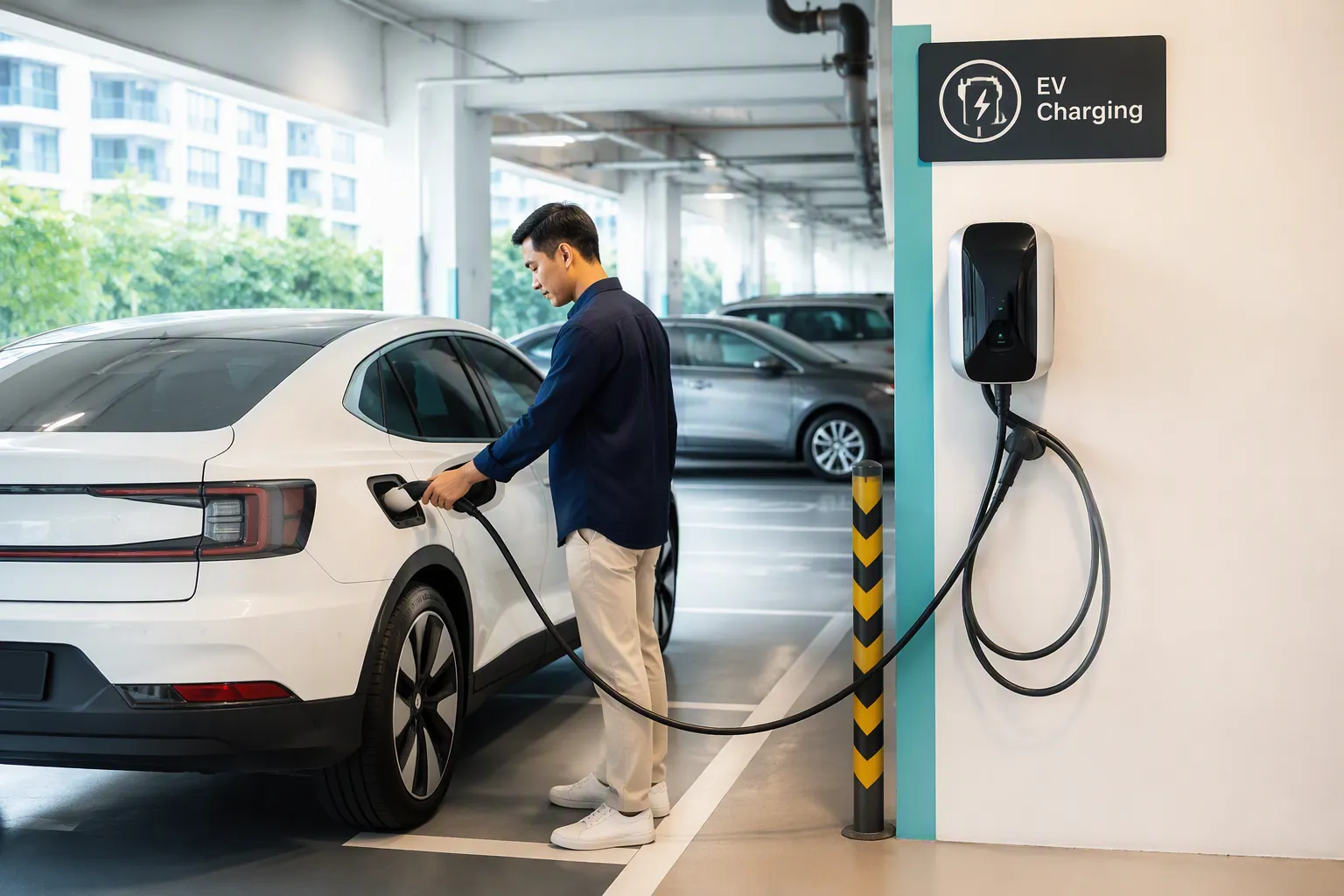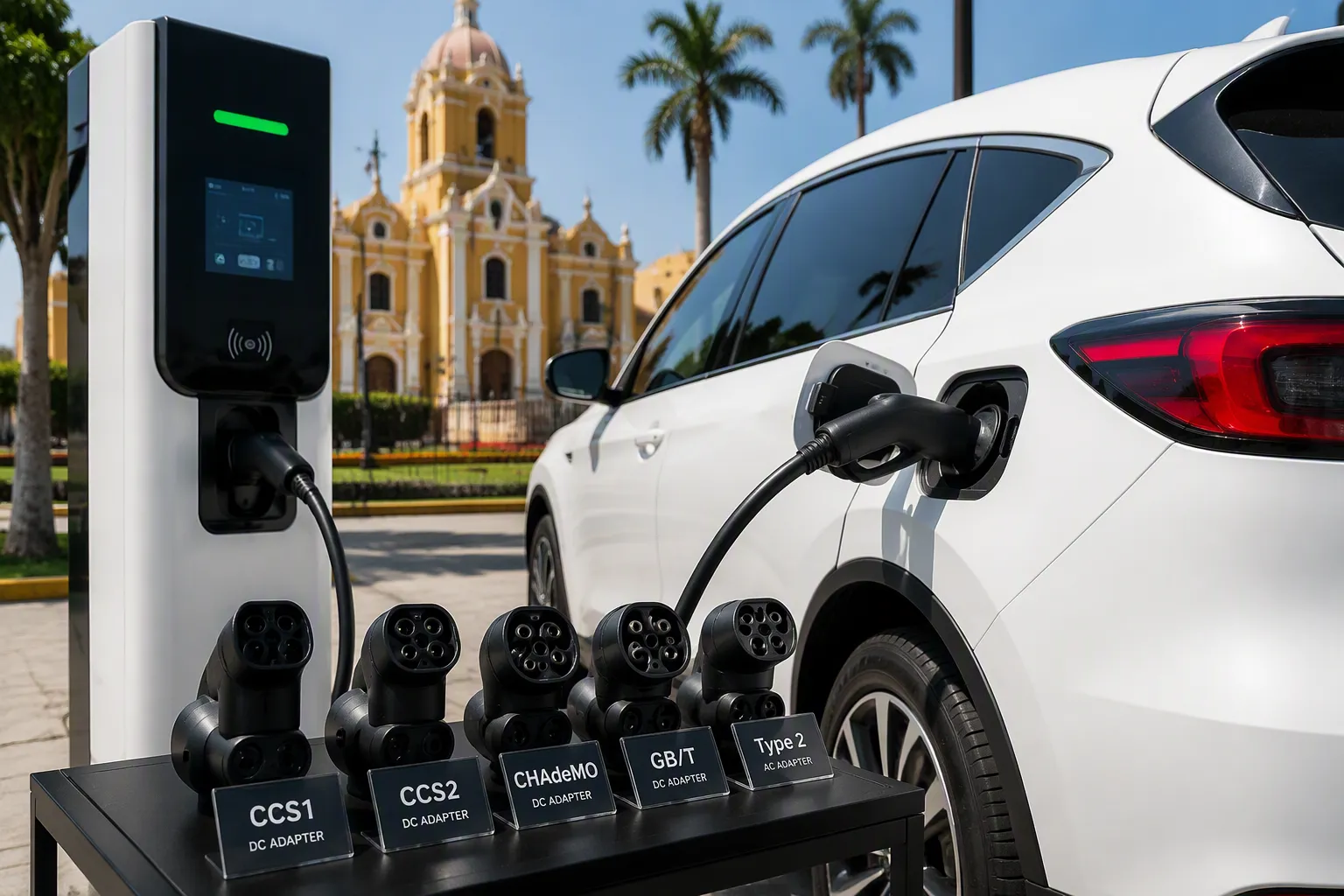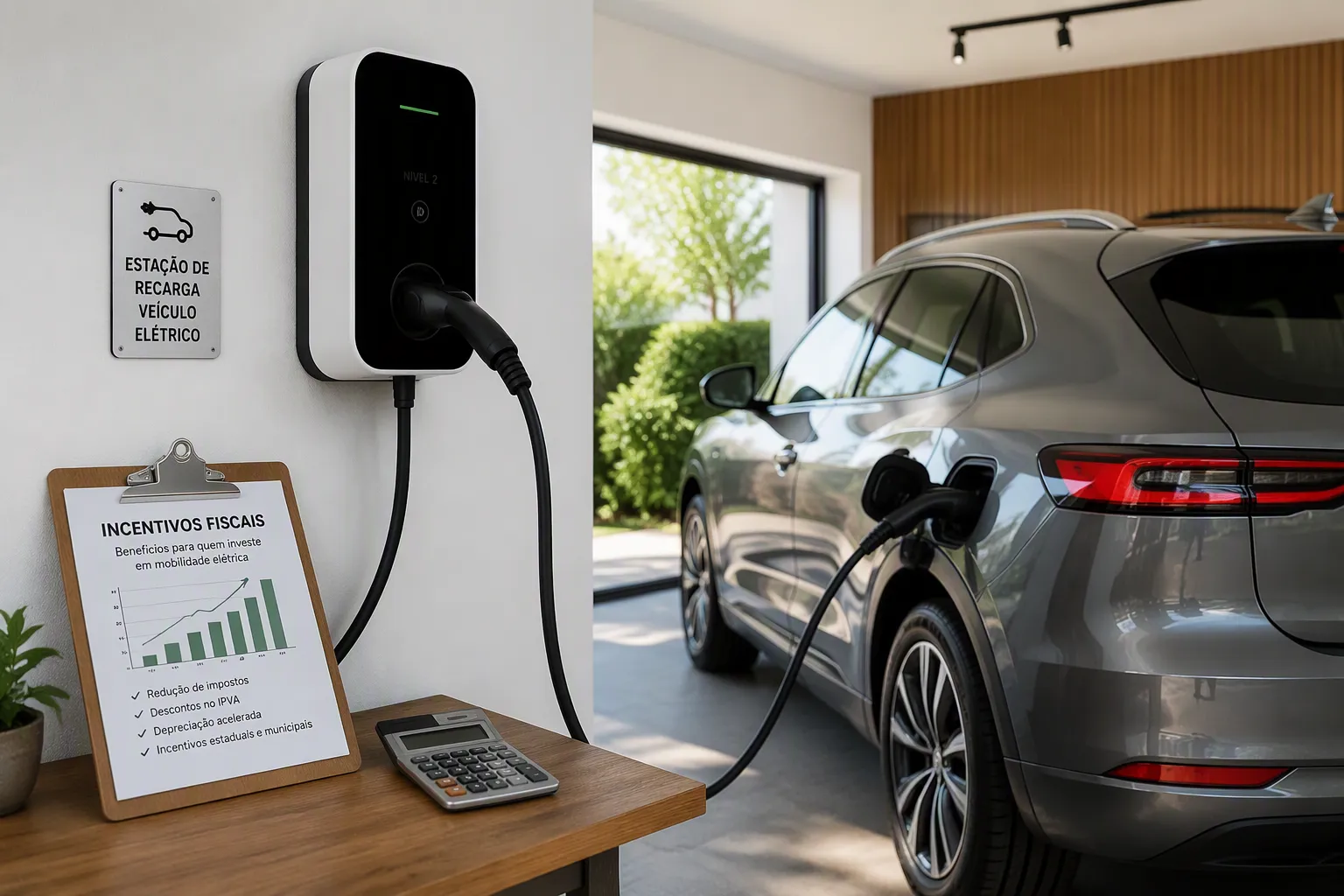
EV charger installation requirements are primarily determined by one question: how much continuous electrical load the property can safely support without overloading the service, panel, or branch circuit. In practice, “electrical upgrades” usually mean one of four things—adding a dedicated circuit, upgrading breaker/panel capacity, increasing service capacity, or adopting dynamic load management to avoid major upgrades. When requirements are assessed correctly, most homes can charge overnight with a Level 2 setup, while higher-power configurations become worthwhile only when the vehicle, the electrical system, and the usage pattern all justify the added infrastructure.
This guide explains the electrical upgrade path step-by-step, with evidence from independent testing and real market configurations. It also clarifies when akıllı yük dengeleme can replace expensive electrical work, and when the site profile shifts from AC charging to DC solutions.
- What “installation requirements” actually include
- Why EV charger installs trigger upgrades (continuous load reality)
- The minimum data needed for a correct electrical assessment
- Circuit sizing explained: breaker, wire, and the 80% rule
- Common upgrade types (and what each one solves)
- Plug-in vs. hardwired: how it changes the requirements
- Load management vs. electrical upgrades: decision framework
- When the requirement is no longer AC: when to consider DC
- Project checklist for homeowners and site managers
- SSS
- Referanslar ve harici kaynaklar
What “installation requirements” actually include
Installation requirements are not limited to “mounting a wallbox.” A compliant installation is a coordinated system of electrical capacity, protective devices, wiring method, environmental rating, and commissioning. In professional practice, requirements usually fall into the categories below:
- Elektriksel kapasite: service rating, panel headroom, and peak household load
- Dedicated branch circuit: breaker rating, conductor sizing, routing, and termination quality
- Protection and safety: ground fault protection requirements, short-circuit protection, temperature/overload handling
- Environmental suitability: indoor/outdoor enclosure rating (NEMA/IP), UV/water exposure, and routing protection
- Commissioning: configured maximum current, scheduling, access control, and verification charging session
TPSON positions its product ecosystem around safety and intelligent energy management, offering AC solutions with Dynamic Load Balancing and DC solutions for specialized applications under its Elektrikli Araç Şarj Cihazları program.
Why EV charger installs trigger upgrades (continuous load reality)
EV charging is typically a multi-hour, high-power load. Car and Driver’s home charger testing guide explains that charging equipment can demand sustained current and should be sized using an 80% continuous-load approach. This is the reason many “simple installs” become upgrades: the circuit and service must support a stable, continuous draw without overheating conductors or nuisance-tripping protective devices.
Market behavior reinforces this: Smart Charge America’s catalog shows that mainstream home Level 2 chargers commonly operate in the 7.7–11.5 kW range (often 32–48A), while higher outputs (e.g., 80A/19.2 kW) appear more often in commercial or fleet contexts. In other words, most residential upgrades are about achieving reliable continuous operation, not chasing the maximum amperage label.
The minimum data needed for a correct electrical assessment
A correct assessment uses verifiable inputs rather than guesswork. At minimum, an electrician or site engineer will need:
| Input | Where it comes from | Neden önemli |
|---|---|---|
| Main service rating | Main breaker / utility service documentation | Sets the upper ceiling for total simultaneous load |
| Panel capacity and spaces | Panel inspection | Determines whether a new dedicated breaker can be added cleanly |
| Peak household load profile | Load calculation; monitoring if available | Shows whether EV load fits without service upgrade |
| Vehicle onboard AC limit | Vehicle spec sheet / owner manual | Prevents oversizing the circuit for capacity the car cannot use |
| Desired charging window | Usage pattern | Determines if a modest circuit is enough (often it is) |
A well-designed installation also accounts for cable routing length and environmental exposure, which can influence conductor sizing, conduit requirements, and enclosure selection.
Circuit sizing explained: breaker, wire, and the 80% rule
Car and Driver explains that EV charging hardware should run continuously at about 80% of circuit capability. This is why a “50A circuit” is often used to deliver “40A charging,” and why hardwired installations can scale higher when the electrical system supports it.
| Circuit Breaker | Continuous Charging Current (≈80%) | Approx. Power @ 240V | Typical Context |
|---|---|---|---|
| 40A | 32A | 7.7 kW | Common “overnight” home tier |
| 50A | 40A | 9,6 kW | Balanced cost/speed target per Car and Driver guidance |
| 60A | 48A | 11,5 kW | Premium hardwired home charging |
| 100A | 80A | 19,2 kW | Rare residential; often commercial/fleet |
Importantly, breaker size alone does not define compliance. Conductor gauge, insulation rating, installation method (conduit/cable), ambient temperature, and run length all influence the safe continuous rating. These should be specified by a qualified electrician under applicable local codes.
Common upgrade types (and what each one solves)
“Electrical upgrade” can mean very different work scopes. The table below distinguishes the most common upgrade types and the problems they solve.
| Yükseltme Türü | What it is | When it is needed | What it avoids / enables |
|---|---|---|---|
| Dedicated circuit add | New breaker + wiring to EVSE location | Most common home requirement | Prevents shared-load overheating and nuisance trips |
| Panel upgrade / replacement | New panel or larger bus rating/space | No breaker space; aging equipment; capacity constraints | Enables clean circuit addition and safer long-term expansion |
| Service capacity upgrade | Increase utility feed/service rating | Total load exceeds service during peaks | Supports higher continuous EV load without curtailment |
| Load management (DLB) | Adaptive EV current based on total building load | Limited headroom; multiple large appliances | Can reduce/avoid service upgrades while maintaining safe charging |
TPSON’s approach emphasizes intelligent energy control and safety monitoring (Current Fingerprint Algorithm, real-time diagnostics), reflected across its home page positioning and the EV charger portfolio description. For readers comparing categories, TPSON’s AC EV Şarj Cihazları page provides a direct navigation entry to the TW-series family.
Plug-in vs. hardwired: how it changes the requirements
Installation method affects both the achievable output and the protection design. Emporia’s guidance states that plug models are easy to install and portable but typically limit charge rate to 40A, whereas hardwired installation can charge up to 48A and is more permanent. Car and Driver notes that plug-type home chargers generally top out at 40A continuous on a 50A circuit, while hardwired setups can go higher when the electrical system supports it.
GFCI coordination and nuisance tripping (an overlooked requirement)
Emporia also documents a common problem: rahatsız edici açma can occur when an EVSE with built-in GFCI protection is paired with a circuit that also uses a GFCI breaker, particularly with certain outlet-based installations. This does not remove the need to comply with local code; it highlights that “requirements” include protection coordination, not just amperage.
Load management vs. electrical upgrades: decision framework
Load management is the practical alternative when the home can support charging, but not at the maximum current all the time. Car and Driver’s testing describes the value of systems that monitor household draw and adjust EV charging output to avoid a panel upgrade. This aligns with broader market positioning: Smart Charge America lists products that explicitly promote dynamic load optimization and energy management for apartments and fleet situations.
| Situation | Best-first move | Why |
|---|---|---|
| Adequate service headroom, simple garage install | Dedicated circuit at a modest size (often 40–50A) | Meets overnight needs with controlled cost (per Car and Driver guidance) |
| Limited capacity, frequent peak household load | Dinamik yük dengeleme | Reduces breaker trips and can avoid service upgrade |
| No panel space / aging panel hardware | Panel upgrade or reconfiguration | Safety and compliance; enables clean circuit additions |
| True high-turnover charging need (fleet/operations) | Reassess AC vs DC (do not simply increase AC amps) | DC may match operational reality better than ever-larger AC circuits |
For organizations evaluating charging as part of a managed program (billing, uptime, data reporting, fleet support), ChargePoint describes an EV charging platform approach combining software, services, and hardware, including operation of OCPP compliant hardware. That framing is useful because “requirements” can be operational (software + access control), not only electrical.
When the requirement is no longer AC: when to consider DC
Most residential use cases are served by Level 2 AC. Car and Driver states Level 3/DC fast charging is typically illogical for home use due to cost, but DC becomes rational in certain scenarios where turnaround time and mobility matter.
Real-world network mix supports the AC + DC model
Love’s describes adding more DC fast chargers (Level 3) to complement an existing AC (Level 2) network. This mirrors an infrastructure principle: AC şarj serves longer dwell times; DC şarj serves time-critical refueling.
Portable DC: a requirements-driven solution
TPSON’s TP?DC Compact Series is specified with 20kW/30kW/40kW power options, AC380V input, DC50–1000V output range, and a mobile all-in-one design with wheel mobility. It is positioned for roadside assistance, fleet/logistics, events/temporary sites, and dealerships—situations where fixed residential circuits do not match the operational requirement. These specifications and scenarios are stated on the TPSON portable DC product page.
For those deployments, TPSON groups the product under DC EV Şarj Cihazları.
Project checklist for homeowners and site managers
- Confirm vehicle AC limit (onboard charger acceptance) before selecting amperage.
- Choose a circuit target based on overnight replenishment needs, not maximum label output.
- Apply continuous-load sizing (≈80% rule) when selecting breaker and setting charger max current.
- Decide Takılabilir vs doğrudan bağlantılı Çıkış hedeflerine ve koruma koordinasyonuna dayalı (GFCI dikkate alınmalı).
- DLB/yük yönetimini değerlendir servis kapasite marjı sınırlıysa veya birden fazla büyük cihaz eşzamanlı çalışıyorsa.
- Dış mekan uygunluğunu doğrula (NEMA/IP ve kanal yönlendirme kutuları) dış mekana kurulum yapılıyorsa.
- Devreye doğru al: akım limitini ayarla, düşük talep zamanlı şarj programı oluştur, termal stabilite ve devre kesici davranışını test et.
Üretici konumlandırmalarını karşılaştıran okuyucular için, TPSON şirket profili, 2015'ten beri Akım Parmak İzi Algoritması kullanarak akıllı enerji çözümleri geliştirdiğini, EV Şarj Cihazları üreticisi olarak teknolojisini ve kilometre taşlarını tanımlar sayfasında anlatılmaktadır.
SSS
1) Ev tipi EV şarj cihazı kurulumu için en yaygın elektrik iyileştirmeleri nelerdir?
En yaygın iyileştirme, sürekli EV şarjı için boyutlandırılmış bir özel devre eklenmesidir. Pano veya servis yükseltmeleri genellikle yalnızca kapasite veya alan yetersiz olduğunda gerçekleşir.
2) Neden genellikle özel bir devre gerekir?
EV şarjı saatler süren sürekli bir yüktür. Özel bir devre, paylaşılan yük riskini azaltır, sürekli yük boyutlandırmasını destekler ve gece şarjı sırasında güvenlik ve güvenilirliği artırır.
3) sürekli yük kuralı nedir ve devre kesici boyutunu nasıl etkiler?
Car and Driver, EV şarj donanımının devre kapasitesinin yaklaşık 'inde sürekli çalışması gerektiğini açıklamaktadır. Pratikte, 50A'lık bir devre ~40A sürekli şarjı destekler,.
4) Takılabilir şarj cihazlarının kurulum gereksinimleri doğrudan bağlantılı olanlardan farklı mıdır?
Evet. Takılabilir kurulumlar, uygun derecelendirilmiş bir priz ve muhafazaya bağlıdır ve çıkış gücü priz/devre konfigürasyonu ile sınırlanabilir.
5) Neden bazı kurulumlarda GFCI gereksiz devre kesmeleri yaşanır?
Emporia belgeleri, hem devre kesicinin hem de EVSE'nin GFCI koruması sağladığı durumlarda, özellikle priz tabanlı kurulumlarda, gereksiz devre kesmelerinin meydana gelebileceğini belirtmektedir.
6) Bir saha ne zaman AC kapasitesini yükseltmek yerine DC şarjı düşünmelidir?
DC, operasyonel gereklilik hızlı dönüş veya mobil konuşlandırma (filolar, yol yardımı, geçici sahalar, bayiler) olduğunda önem kazanır. Love's, farklı kalış sürelerini karşılamak için.
Özet
EV şarj cihazı kurulum gereksinimleri en iyi şekilde, bir ürün sorunu değil, bir kapasite ve güvenlik sorunu olarak anlaşılmalıdır. Çoğu mülk, sürekli yük için boyutlandırılmış özel bir Seviye 2 devresi,dinamik yük dengeleme tam bir servis yükseltmesi yerine yük yönetimi ile başarılı olur. Daha yüksek çıkışlar ve DC çözümleri, kullanım modeli, araç ihtiyaçları.
Kategori keşfi için, TPSON çözümleri Elektrikli Araç Şarj Cihazları (genel portföy), AC EV Şarj Cihazları (TW serisi duvar kutuları) ve özel taşınabilir seçenekler olarak DC EV Şarj Cihazları.
Referanslar ve harici kaynaklar
Aşağıdaki kaynaklar, gerçek ifadeler, özellikler ve pazar örnekleri için referans alınmıştır:
- Car and Driver (ev tipi EV şarj cihazları test rehberi; sürekli yük boyutlandırma; Seviye 2 vs DC hızlı şarj bağlamı): https://www.caranddriver.com/shopping-advice/a39917614/best-home-ev-chargers-tested/
- Emporia (takılabilir vs doğrudan bağlantılı; GFCI gereksiz devre kesme açıklaması; devre kesici rehberi): https://shop.emporiaenergy.com/products/emporia-ev-charger
- Smart Charge America (Seviye 2/Seviye 3 ürünlerinin piyasa örnekleri; listelerde yük yönetimi konumlandırması): https://smartchargeamerica.com/electric-car-chargers/
- Love's (Seviye 2 ve Seviye 3'ü karıştıran kamu şarj ağı stratejisi): https://www.loves.com/ev-charging
- ChargePoint (platform yaklaşımı: yazılım + hizmetler + donanım; OCPP uyumlu donanım konumlandırması): https://www.chargepoint.com/
- TPSON (Dinamik Yük Dengeleme ile AC ve özel senaryolar için DC portföy genel bakışı ve konumlandırması): https://tpsonpower.com/ev-chargers/
- TPSON (TW serisi için AC şarj cihazı kategori gezintisi): https://tpsonpower.com/ac-ev-chargers/
- TPSON (taşınabilir DC şarj cihazı özellikleri ve 20/30/40kW için uygulanabilir senaryolar): https://tpsonpower.com/portable-dc-ev-charger/
- TPSON (şirket ve teknoloji geçmişi; Akım Parmak İzi Algoritması; 2015'te kuruluş; ekip nitelikleri): https://tpsonpower.com/about/
Sorumluluk Reddi: Bu içerik eğitim amaçlıdır ve yerel elektrik yönetmeliklerinin, izin gereksinimlerinin veya profesyonel değerlendirmenin yerini alamaz. Kurulum, nitelikli bir elektrikçi tarafından yapılmalı veya doğrulanmalıdır.