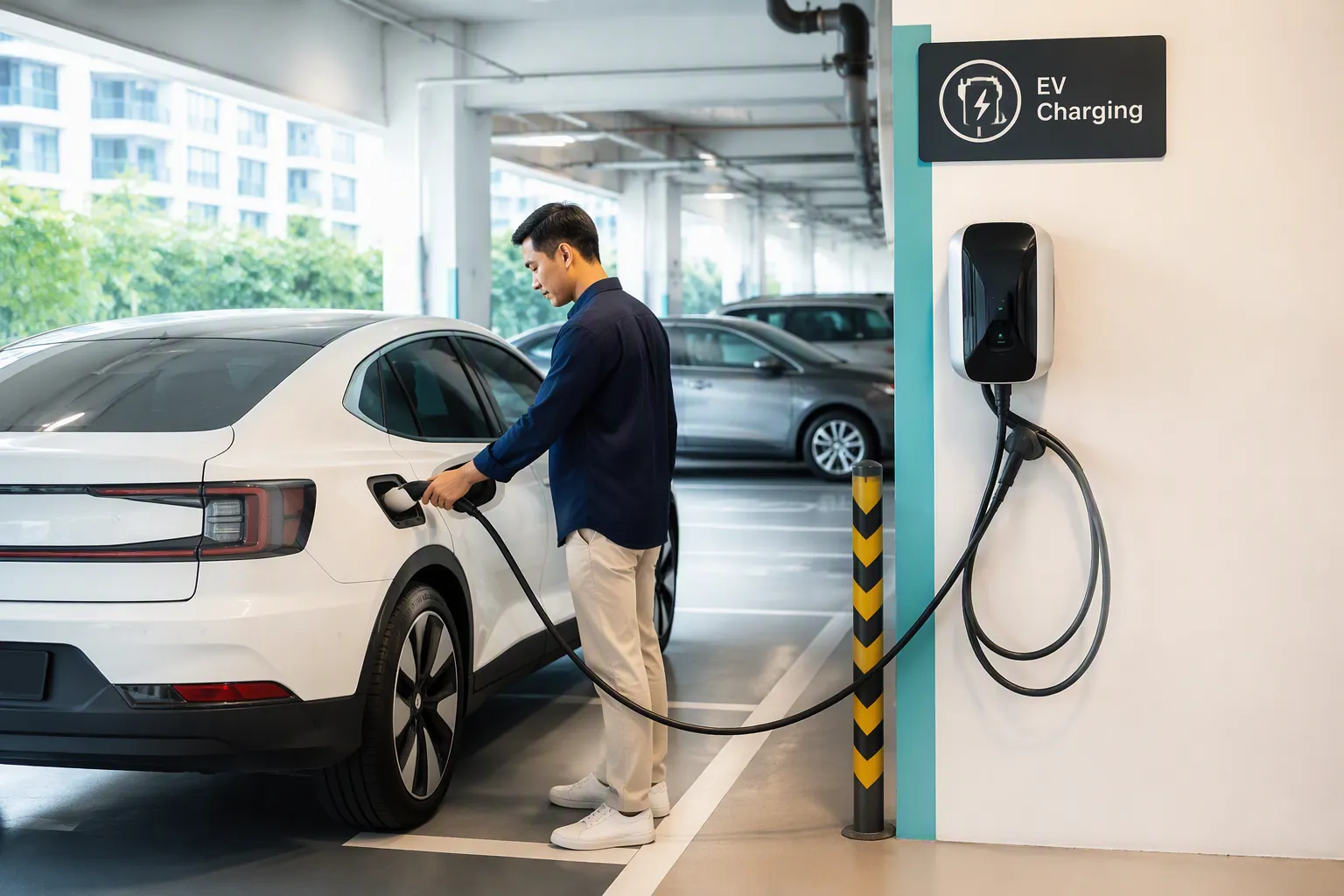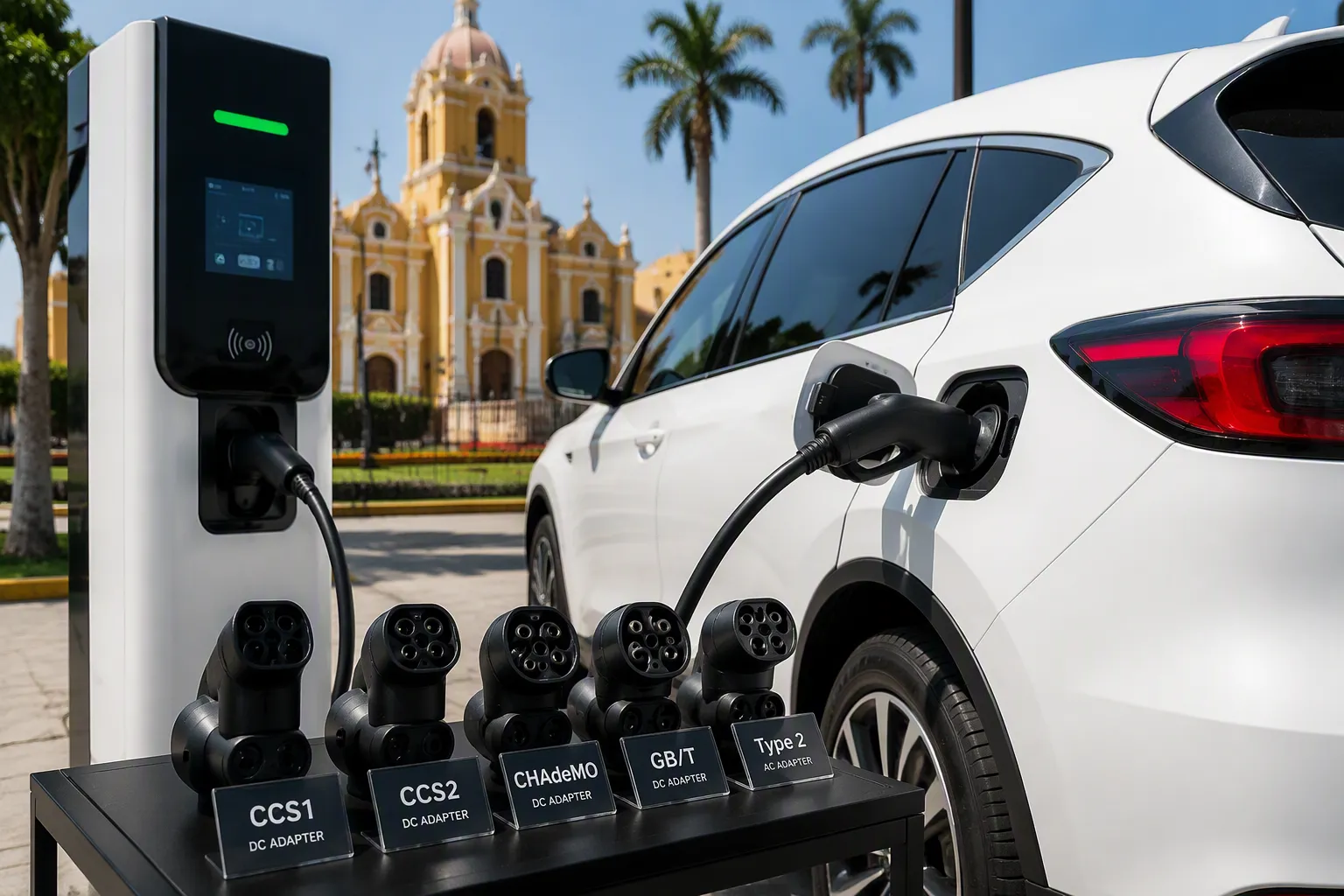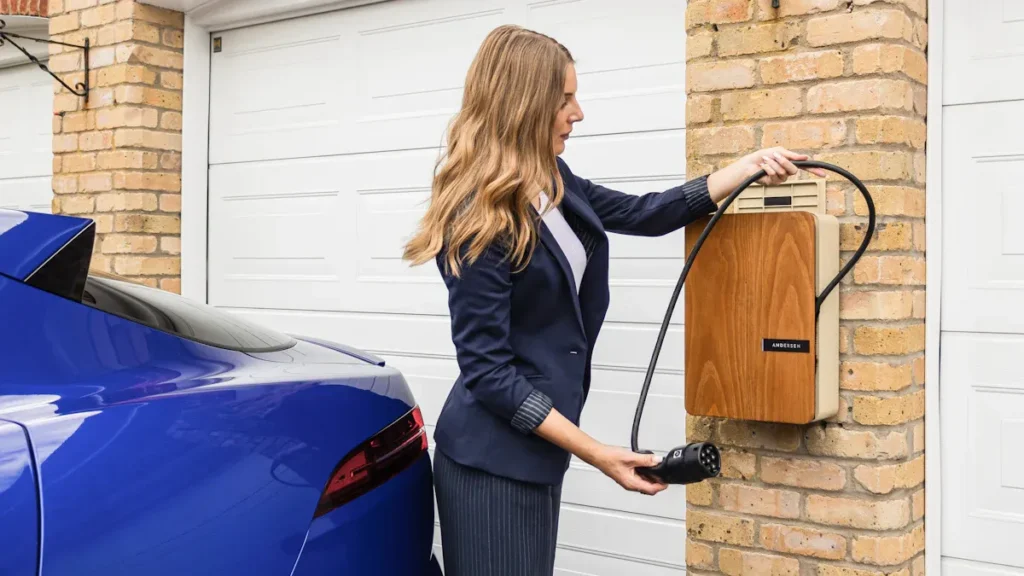

Getting a free EV şarj cihazı at home is possible for many drivers. With the electric vehicle market share growing—fully electric models (BEVs) reached 7.9% in Q3 2023—the need for convenient home charging is clear. Research shows roughly 80% of EV owners install a home charger, making it their primary refueling method.
Key Avenues for a Free Charger: The path to free EV charging involves specific programs. An EV Charger from various Elektrikli araç şarj cihazı üreticileri can be acquired through automaker deals, utility Elektrikli araç şarj çözümleri, and government incentives. These offers, distinct from basic taşınabilir ev şarj cihazları, can make free electric vehicle charging with a new electric car charger a reality.
Automaker Promotions: Your First Stop for a Free Home Charger
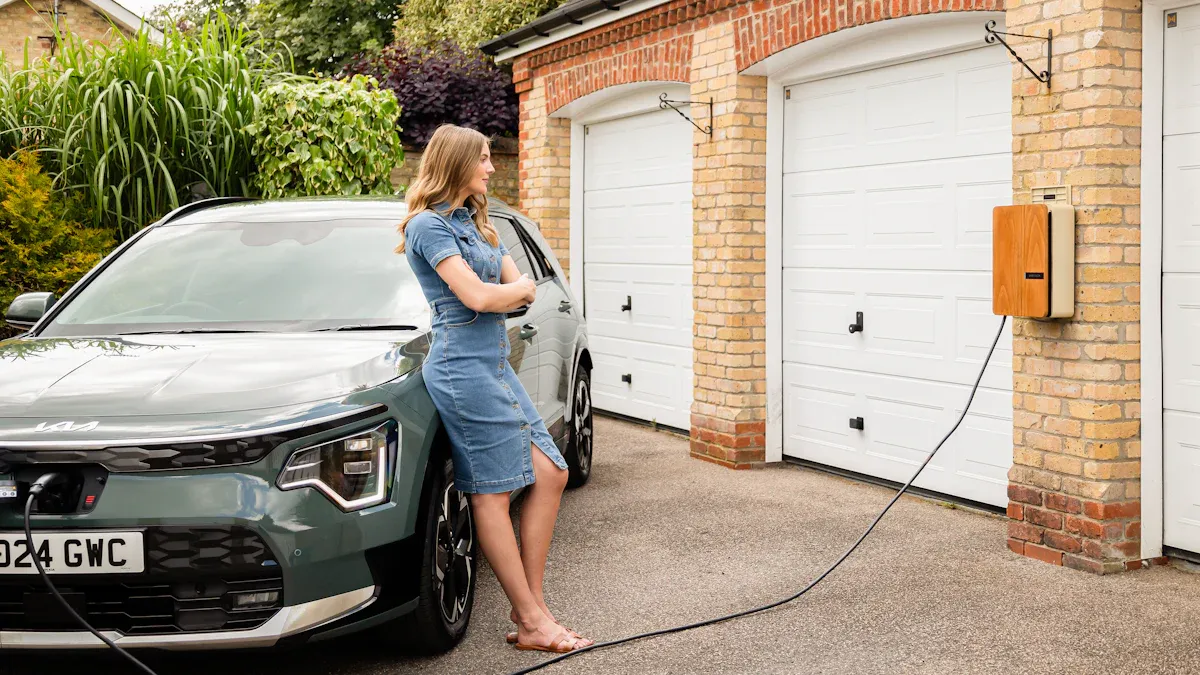
An EV buyer’s journey often starts at the dealership. This makes automaker promotions a primary and highly effective channel for securing a free home charger. Car manufacturers frequently use these incentives to make the transition to an electric vehicle seamless and more appealing. These offers typically fall into two categories: chargers bundled directly with the EV purchase or credits that cover the cost of charging equipment.
Chargers Bundled with Your EV Purchase
Many automakers simplify the process by including a Level 2 home charger as part of the vehicle purchase package. This popular promotion removes the guesswork for new EV owners, providing them with a reliable charging solution from day one.
Nasıl Çalışır
When an automaker bundles a charger, the offer is usually presented during the sales process. The deal often includes not just the charger itself but also “standard installation.” However, the terms are specific. Customers typically must be homeowners or have landlord permission, possess off-street parking, and reside at the installation address.
Önemli Not: These offers are non-transferable and have no cash alternative. If a customer cancels their vehicle order after the charger is installed, they may be liable for the full cost of the unit and the installation service.
The process involves the automaker sharing the customer’s details with a partner installation company, like Ohme or Octopus Energy. This partner then contacts the customer to arrange a site survey and schedule the installation.
Examples of Past Promotions
Automakers consistently run promotions to attract buyers. These offers change, but they provide a good sense of what to look for. For instance, Škoda has offered a choice between a free Ohme home EV charger or a $630 Powerpass charging voucher for customers purchasing new Enyaq models. Other notable examples include:
- Hyundai: Offered a complimentary 7kW Ohme charger with standard installation for customers purchasing approved used EVs like the IONIQ 5 or KONA EV through Hyundai Finance.
- Volvo: Provided a free Ohme charger with standard installation for buyers of models such as the EX30, EX40, and various plug-in hybrids, available for cash, PCP, or loan purchases.
- Ford: Ran its “Power Promise” promotion, giving new EV buyers a free Wallbox charger and installation, plus a significant credit for free EV charging at home.
Credits and Vouchers for Charging Equipment
Instead of a physical charger, some automakers provide credits or vouchers. This approach offers more flexibility, allowing customers to choose their preferred charging hardware or apply the funds toward installation costs.
Understanding Charging Credits
A charging credit is a specific monetary value that a customer can use for EV-related expenses. Automakers like Škoda have provided a $630 Powerpass voucher as an alternative to a physical charger. This credit is loaded onto a charging network app, allowing the owner to pay for public charging sessions.
Other manufacturers offer credits directly for hardware and installation. For example, some promotions provide a credit equivalent to the value of a standard installation, which can be substantial. Ford’s offer valued its standard installation at $1,310. In cases where a home’s wiring is complex and doesn’t qualify for a standard setup, some automakers provide a cash alternative, such as Ford’s $2,000 offer. This flexibility helps cover non-standard installation costs, making the electric car charger more accessible.
How to Redeem Your Credit
Redeeming a credit or voucher involves a few steps. The process is designed to be straightforward but requires attention to detail.
- App-Based Vouchers: For public charging credits like the Škoda Powerpass, the customer must download the automaker’s app, create an account, and link their vehicle’s VIN. After selecting a payment tariff, they can enter the voucher code to apply the credit to their account.
- Kurulum Kredileri: When a credit is for a home charger and installation, the customer typically works with the automaker’s preferred installation partner. The credit is applied directly to the invoice, reducing or eliminating the upfront cost.
- Post-Purchase Rebates: In some cases, like with General Motors’ $7,500 rebate for certain EV models, the credit functions more like a rebate applied at the point of sale to reduce the vehicle’s price, indirectly freeing up funds for a charger purchase.
Customers should always request the voucher or confirm the credit process with their dealer during the purchase to ensure they meet all eligibility requirements and redemption deadlines.
Utility Company Programs: Powering Up with a Free EV Charger
Electric utility companies are key players in the transition to electric transportation. They often provide some of the most generous incentives for EV owners. Utilities benefit from managing energy demand, so they create programs that encourage off-peak charging. These initiatives can range from substantial rebates to completely free hardware, making the utility a crucial resource for any new EV driver.
Direct Rebates Covering 100% of the Cost
Some utilities offer direct financial rebates that can cover the entire purchase price of a home charger. These programs are designed to remove the upfront cost barrier for customers. A full rebate means the customer buys the charger and the utility reimburses them for the total amount, effectively making it free.
Finding Utility Rebate Programs
Discovering these valuable programs requires a bit of research. The best place for an EV owner to start is their local utility’s website.
- Navigate to the EV Section: Most utility websites have a dedicated section for electric vehicle information. Customers should look for tabs or links labeled “Electric Vehicles,” “EVs,” or “Clean Transportation.”
- Search for Rebates: Within the EV section, look for pages titled “Rebates & Incentives,” “Special Offers,” or “EV Charger Programs.”
- Use Specific Search Terms: If navigating the site is difficult, using the site’s search bar with terms like
EV charger rebate,home charging incentive, Sigorta panelinin üstünde veya altında, diğerlerinden ayrı bir büyük sigorta vardır. Buelectric car charger programcan yield direct results.
Profesyonel ipucu: Many utilities list their programs in state-level databases for clean energy incentives. A quick web search for “[Your State] EV incentives” can also lead to the right utility program page.
The Application Process
The application process for a utility rebate is typically straightforward. While specifics vary, most follow a similar pattern.
- Step 1: Confirm Eligibility: The customer must first verify they are a residential customer in the utility’s service area and that the charger model they plan to buy is on the approved list.
- Step 2: Purchase and Install: The customer purchases and installs a qualifying Level 2 charger. It is critical to save all receipts and invoices.
- Step 3: Submit the Application: The customer completes the utility’s online or paper application form. They will need to upload or attach required documents, which usually include:
- A copy of the sales receipt for the charger.
- A copy of the installation invoice from a licensed electrician.
- A recent copy of their utility bill.
- Step 4: Receive the Rebate: After the utility reviews and approves the application, it will mail a check to the customer for the rebated amount. This process can take several weeks.
Free Chargers for Program Enrollment
An alternative to rebates is receiving a free charger in exchange for enrolling in a specific utility program. These programs, often called “managed charging” or “demand response” programs, offer a direct path to a no-cost home charger for the EV owner.
What Are Managed Charging Programs?
Managed charging programs give the utility limited control over when an EV charges. The goal is to shift energy consumption away from “peak hours”—typically late afternoons and early evenings when electricity demand is highest. By charging the EV overnight during “off-peak” hours, the utility can maintain grid stability. The customer sets their desired departure time and required state of charge in an app, and the utility’s software automatically schedules the charging session for the most grid-friendly times. This approach helps enable free ev charging for participants.
Pros and Cons of Enrollment
Enrolling in a managed charging program comes with significant benefits but also a few trade-offs. Customers should weigh these factors before committing.
| Artıları ✅ | Eksiler ❌ |
|---|---|
| Free Hardware: The primary benefit is receiving a smart charger, often valued at $500-$700, at no cost. | Loss of Direct Control: The utility can pause charging during peak events, which may be inconvenient. |
| Bill Credits: Many programs offer ongoing annual credits or lower electricity rates for participation. | Program Commitment: Enrollment often requires a multi-year commitment to the program. |
| Grid Support: Participation helps stabilize the local power grid and supports renewable energy integration. | Internet Dependent: These smart chargers require a stable Wi-Fi connection to communicate with the utility. |
| Automated Savings: The system automatically optimizes for the cheapest charging times, ensuring free ev charging or lower costs without manual effort. | Potential for Slower Charging: If a driver needs a quick charge during a peak event, the system may prevent it. |
Ultimately, these programs offer a compelling deal for the average EV driver whose electric vehicle charges overnight.
Can Government Incentives Make Your Electric Car Charger Free?
Government incentives play a significant role in lowering the cost of an electric car charger. While they may not always cover 100% of the expense on their own, they can bring the net cost to zero when combined with other offers. Federal, state, and local governments offer these programs to encourage the adoption of clean transportation. For any new EV owner, exploring these incentives is a critical step toward reducing or eliminating charging hardware costs.
The Federal Tax Credit Explained
The U.S. government offers a key incentive known as the Alternatif Yakıt Altyapı Vergi Kredisi. This is not a direct rebate but a credit that reduces an owner’s federal tax liability. It directly lowers the amount of tax an individual owes, making it a powerful cost-saving tool for any EV driver.
How the Credit Reduces Your Cost
The federal tax credit allows an individual to claim 30% of the total cost of their charging equipment and installation, with a maximum credit of $1,000. This credit applies to the purchase and installation of a qualified home charger. The costs covered by the Alternative Fuel Infrastructure Tax Credit include:
- The price of the charging station itself.
- Labor costs for professional installation.
- Any necessary wiring or electrical upgrades.
For businesses, the incentive is even greater. A commercial entity can claim a credit of up to $100,000, encouraging the build-out of public and workplace EV charging infrastructure.
Who Qualifies for the Federal Credit?
Eligibility for the federal credit has specific requirements. An EV owner must install the charging station at their primary residence. Crucially, the property must be located in an eligible census tract. These are typically designated as low-income communities or non-urban areas. An EV owner can check their eligibility using online tools provided by government agencies. The credit is available for equipment placed in service during the tax year.
Eyalet ve Yerel İndirim Programları
Beyond the federal level, many states, cities, and even local utility districts offer their own rebate programs. These incentives are often more direct than tax credits, providing cash back after a purchase. Stacking these offers with other promotions is the most effective strategy for achieving free EV charging.
Finding Your State’s Incentives
An EV owner should start their search on their state’s official energy or environmental agency website. These sites often maintain databases of available clean energy incentives. Some states offer particularly generous programs. For example:
- Illinois: Reimburses residents for up to 80% of the cost to install a home charger.
- Indiana: Provides a $500 incentive to help cover the cost of wiring for a residential EV meter.
These programs can significantly offset the remaining cost of an electric vehicle charger after applying other discounts.
Programs for Low-Income Households
Many states design their programs with equity in mind. They often provide enhanced rebates for low-income households to ensure the benefits of an electric vehicle are accessible to everyone. These programs may cover a higher percentage of the cost or offer a larger rebate amount for qualifying individuals. Applicants typically need to provide proof of income or participation in other assistance programs to qualify for these enhanced benefits.
The Big Question: Is Installation Included with a Free Charger?
An EV owner might secure a free charging unit, but the question of installation costs often remains. This is a critical detail, as installation can be a significant expense. While many “free charger” offers from automakers include “standard installation,” this term has specific limits. Most other programs, like utility rebates veya government tax credits, often treat the hardware and the labor as separate costs. Understanding this distinction is key to managing the total expense of setting up a home charging station.
Why Installation Is a Separate Cost
Installation is more than just plugging in a device. It is a complex electrical project that requires a licensed professional. The cost varies widely based on a home’s existing electrical system, the location of the charger, and the labor involved. This variability is why hardware and installation are frequently billed separately.
What’s in a Level 2 Installation
To install an electric vehicle charger, a qualified electrician performs several key tasks. The process typically involves:
- Saha Değerlendirmesi: The electrician evaluates the home’s main electrical panel to ensure it can handle the additional load of an EV charger.
- Circuit Installation: A new, dedicated 240-volt circuit is run from the panel to the desired charger location, such as a garage or driveway.
- Wiring and Conduit: Heavy-gauge wiring is installed, often protected by a conduit, to safely deliver power.
- Şarj Cihazı Montajı: The electrician securely mounts the charging unit to the wall.
- Final Connection and Testing: The charger is connected to the new circuit, and the system is tested to ensure it operates safely and correctly.
Typical Installation Cost Ranges
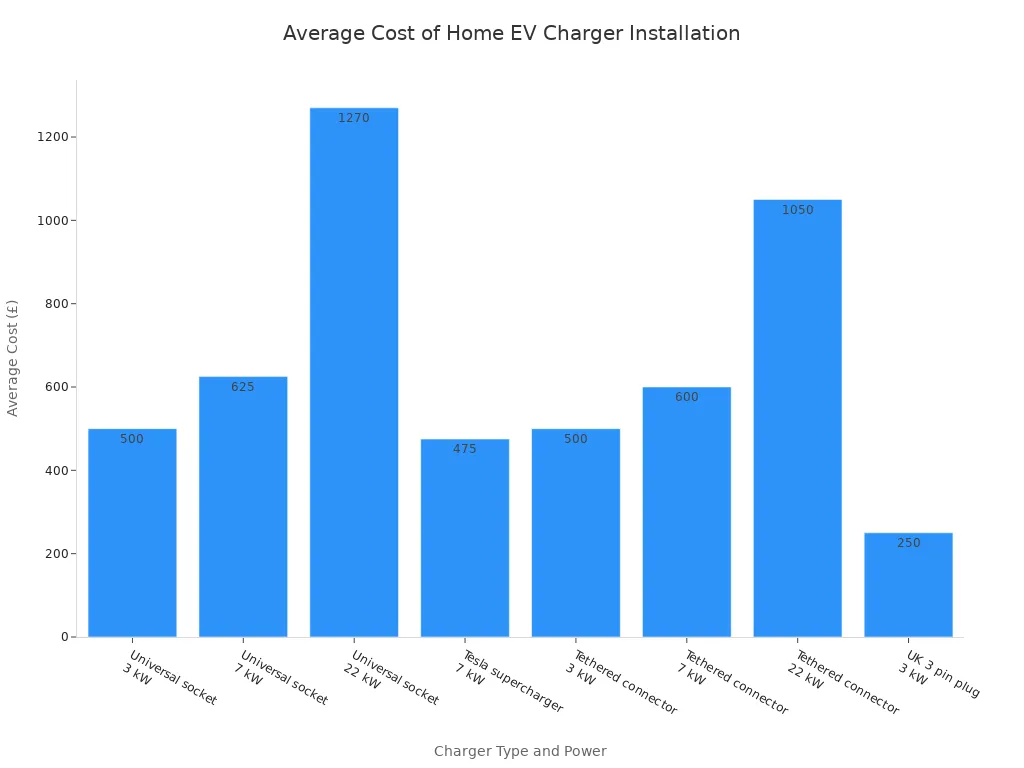
The cost to install a Level 2 charger can vary, but a professional installation often costs around $1,260. This price can fluctuate based on the charger’s power and type. For example, a common 7kW tethered home charger might have an installation cost between $630 and $880. More powerful 22kW units can push the installation price higher, sometimes exceeding $1,510.
Not: These costs can be influenced by the complexity of the job. A simple installation where the electrical panel is in the garage will be cheaper than one requiring extensive wiring to be run across a property.
Finding Programs That Cover Installation
While installation is often a separate line item, several programs exist specifically to help cover this cost. An EV owner can find rebates and grants that target installation expenses directly, making the entire setup more affordable. These programs are essential for any EV driver looking to minimize their upfront investment.
Utility Rebates for Installation
Many utility companies offer rebates that can be applied to installation costs. These incentives are part of their broader effort to promote EV adoption. An EV owner should check their local utility’s website for programs that provide a specific dollar amount or percentage back for the labor portion of the installation. These rebates often require submitting an invoice from a licensed electrician as proof of the work.
Stacking Incentives to Cover All Costs
The most effective strategy for an EV owner is to “stack” multiple incentives. This involves combining offers from different sources to cover both the hardware and the installation. For example, an EV driver might:
- Receive a free charger from their automaker.
- Apply for a state rebate that covers 75% of the installation cost.
- Use the federal tax credit to offset the remaining 25% of the installation expense.
By layering these programs, it is possible to reduce the total out-of-pocket cost to zero. Grants like the EV Chargepoint grant for landlords, which covers 75% of costs up to $440, can also be combined with other offers to make an electric vehicle charging setup completely free.
Understanding “Free EV Charging” Offers: The Hidden Details
The promise of free EV charging hardware is enticing. However, these offers come with terms and conditions that every EV owner should understand. “Free” can mean different things depending on the program. An owner must look past the headline to see the full picture, including payment structures and long-term commitments. This ensures the offer aligns with their needs and avoids unexpected costs or obligations.
Rebates vs. Free at Point of Sale
The method of receiving a “free” charger significantly impacts an owner’s upfront cost. The two most common models are post-purchase rebates and instant discounts. Each has a different effect on an EV owner’s budget.
Paying Upfront for a Rebate
Many utility and government programs operate on a rebate model. An owner first purchases the charger and pays for installation out of pocket. They then submit an application with receipts and other documentation. The organization reviews the claim and mails a check weeks or even months later.
Key Consideration: This model requires the owner to have the cash on hand to cover the initial expense. While the charger eventually becomes free, the upfront financial requirement is a crucial detail.
Instant Discounts and Vouchers
Automaker promotions and some utility partnerships offer a more direct path to free EV charging. These programs provide an instant discount or voucher at the point of sale. The value of the charger is simply deducted from the total cost, or a voucher code covers the hardware price. This approach eliminates the need for the EV owner to pay upfront and wait for reimbursement, making it a truly “free at the time of purchase” experience.
Program Commitments and Agreements
Receiving a free charger, especially from a utility, often involves enrolling in a specific program. These agreements come with rules and requirements that an EV owner must follow. Understanding these commitments is essential before accepting the hardware.
Managed Charging Lock-ins
Utilities provide free hardware in exchange for participation in managed charging programs. These programs help balance the grid, but they require a commitment from the EV owner. Some providers require an incredibly long time-commitment, and breaking the contract can be costly. An owner might be locked into a multi-year agreement. Other providers, however, offer more flexibility with no contractual obligation. An EV driver should always read the fine print to understand the duration of the commitment and any penalties for early termination. This knowledge is vital for anyone seeking free electric vehicle charging.
Time-of-Use Rate Requirements
Many programs that offer free EV charging hardware also require the customer to switch to a Time-of-Use (TOU) electricity rate plan. On a TOU plan, the price of electricity changes throughout the day.
- Yoğun olmayan saatler: Electricity is cheapest late at night.
- Yoğun Saatler: Electricity is most expensive in the late afternoon and early evening.
This rate structure encourages charging during off-peak hours. An owner must adapt their household energy consumption to avoid high bills, as running other large appliances during peak hours could negate the savings from their EV.
A Step-by-Step Guide to Finding Your Free Home Charger
Securing a free home charger requires a proactive and organized approach. An EV owner can systematically explore promotions and incentives by following a clear path. This guide breaks down the process into three essential steps, maximizing the chances of reducing costs to zero.
Step 1: Check with Your Automaker
The journey for a new EV owner often begins at the dealership, making it the first and best place to inquire about charger promotions.
During the Purchase Process
An EV buyer should make the charger a key part of the purchase conversation. It is essential to ask the sales representative directly about any ongoing offers.
- Inquire about bundled promotions that include a charger with the vehicle.
- Ask about credits or vouchers for charging hardware and installation.
- Confirm the terms of any “standard installation” offer to understand what is covered.
Post-Purchase Opportunities
Opportunities may still exist after driving the new EV off the lot. Automakers sometimes launch new programs or send targeted offers to recent buyers. An owner should register their vehicle on the manufacturer’s official website and opt into email communications to stay informed about potential deals.
Step 2: Contact Your Electric Utility
Electric utilities are a primary source for charger incentives. Their programs are designed to manage grid demand and promote clean energy adoption.
Navigating Their Website
Most utility websites have a dedicated section for electric vehicles. An owner can typically find this under tabs like “EVs,” “Clean Transportation,” or “Rebates.” Using the site’s search bar with terms like EV charger rebate can also lead directly to the relevant program information.
Who to Call for Information
For specific details, a direct phone call is highly effective. An EV owner should contact their utility’s customer service line and ask to speak with a representative from the EV program team. A crucial question to ask is about the home’s power supply. An owner should inquire about the amperage (e.g., 60, 80, or 100 amps) and whether the utility can upgrade it free of charge if it is insufficient for a charger that uses up to 32 amps.
Step 3: Research Government Rebates
Federal, state, and local governments offer valuable incentives that can make free ev charging a reality when combined with other offers.
Federal and State Databases
Profesyonel ipucu: The U.S. Department of Energy’s Alternative Fuels Data Center (AFDC) is an excellent resource. It maintains a searchable database of federal and state laws and incentives related to alternative fuels and vehicles.
An owner should also visit their state’s department of energy or environmental protection website for a list of available rebates.
Local and Municipal Grants
An EV owner should not overlook smaller, local programs. City governments, counties, and regional air quality districts sometimes offer their own grants. These can often be “stacked” on top of state and utility rebates to cover any remaining costs for the hardware or installation.
What if You Can’t Get a Charger for Free?
Not every EV owner will qualify for a completely free charger. Limited-time promotions end, and local incentives vary. However, this does not mean an owner must pay the full retail price. Numerous opportunities for deep discounts and partial rebates exist, making a home charging station an affordable and valuable investment for any new EV driver. The goal shifts from getting a free unit to paying as little as possible for one.
Deep Discounts and Partial Rebates
Even without a 100% free offer, an EV owner can significantly reduce the cost of a charger. Many utility and local government programs provide partial rebates that cover a substantial portion of the hardware and installation expenses. These discounts make acquiring a high-quality charger much more accessible.
How to Maximize Your Savings
Maximizing savings requires a strategic approach. An owner should investigate all available avenues for financial assistance.
- Check Utility Offers: Many electric utilities provide rebates of several hundred dollars for purchasing an approved smart charger.
- Look for Manufacturer Discounts: Some charger manufacturers offer seasonal sales or promotional pricing on their websites.
- Explore Local Grants: Municipalities or air quality districts sometimes have small grants available to residents who install charging equipment.
Combining Multiple Small Offers
The most effective cost-reduction strategy is “stacking” incentives. An owner can combine several smaller offers to create one large discount. For example, an EV driver might use a 10% manufacturer discount on a charger, then apply for a $250 utility rebate. This layering of offers can bring the total cost down dramatically, getting the owner very close to the ideal of ücretsiz ev şarjı.
The Value of a Low-Cost Home Charger
A purchased home charger is a powerful asset. The convenience and long-term savings it provides almost always outweigh the initial purchase price. It transforms the ownership experience by ensuring the vehicle is always ready to go.
Long-Term Savings vs. Upfront Cost
An owner should view a charger purchase as an investment with a clear return. Home charging is significantly cheaper than relying on public charging networks.
The upfront cost of a charger, especially a discounted one, is often recovered within the first year or two of ownership through savings on “refueling” costs. The daily convenience of waking up to a full battery is an immediate and invaluable benefit.
Top-Rated Affordable Chargers
The market for EV charging solutions is competitive, which benefits the consumer. Many companies offer feature-rich, reliable chargers at an accessible price point. Technologically advanced electric vehicle charging solution providers like TPSON deliver high-quality hardware without a premium cost. An owner can find a top-rated home charger that fits their budget, ensuring their EV is powered by a safe and efficient system.
An EV owner can secure a free EV charger at home. This goal requires dedicated research into automaker deals, utility programs, and government incentives. The path to free EV charging involves a clear action plan for every new electric vehicle owner.
Your Action Plan:
- An EV owner should ask their dealer about promotions for a free electric car charger.
- They must call their utility to inquire about EV programs and rebates.
- An EV driver should search government databases for energy incentives.
- They need to confirm if installation is included with the home charger.
SSS
Is a “free” charger always completely free upfront?
No. Many programs are rebates, requiring an owner to pay first and get reimbursed later. Automaker deals or some utility partnerships may offer an instant discount at the point of sale, eliminating the upfront cost for the EV driver.
Do free charger offers include the cost of installation?
Not always. Automaker promotions sometimes include “standard installation,” but this has limits. Most utility and government incentives treat hardware and installation as separate costs. An EV owner should always verify what an offer covers before committing.
Can anyone claim the federal tax credit for a home charger?
No. The Alternative Fuel Infrastructure Tax Credit has specific eligibility rules. The EV owner’s property must be in a designated low-income or non-urban census tract. An owner should check their address eligibility using government tools before purchasing.
What is the catch with utility-managed charging programs?
Ana denge kontrol konusundadır. Bir sahip, şebekeyi desteklemek için şarj sürelerini ayarlama iznini elektrik dağıtım şirketine verir. Bu genellikle çok yıllık bir taahhüt ve Zamanlı Kullanım elektrik tarifesine geçiş gerektirir.
Ücretsiz bir şarj cihazı aramaya başlamak için en iyi yer neresidir?
Bir elektrikli araç alıcısı bayiden başlamalıdır. Otomobil üreticisi promosyonları, genellikle paket şarj cihazı veya kredi almanın en doğrudan yoludur. Bu, yeni bir elektrikli araç sahibi için araç satın alma müzakerelerinin kilit bir parçası olmalıdır.
Bir elektrikli araç sahibi 100% ücretsiz şarj cihazı bulamazsa ne olur?
Yüksek indirimler hala yaygın olarak mevcuttur. Bir sahip, kısmi elektrik dağıtım şirketi iadesi ve üretici indirimi gibi birden fazla teklifi “üst üste ekleyebilir”. Bu strateji, nihai maliyeti önemli ölçüde düşürerek ev şarj cihazını çok uygun fiyatlı bir yatırım haline getirebilir.