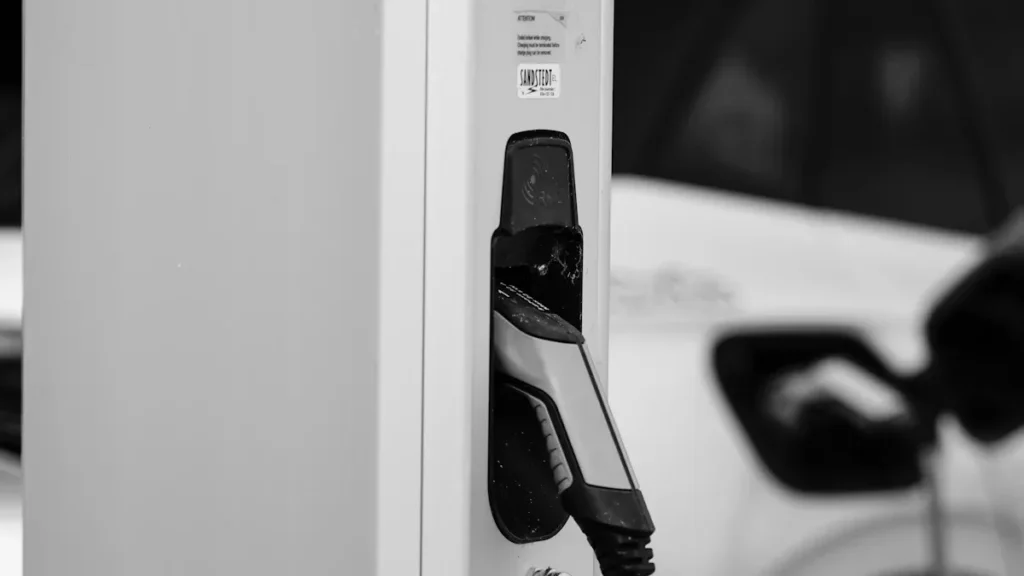

This traveler’s guide confirms that an electric road trip across Malaysia and Thailand is reliable. The key to a successful EV journey involves understanding each country’s unique charging ecosystem. This comprehensive guide provides the essential information for a smooth experience.
A Note on Technology: The landscape for electric vehicles is evolving. Advanced Elektrikli araç şarj çözümleri liderlerden Elektrikli araç şarj cihazı üreticileri like TPSON are crucial. A quality EV Şarj Cihazı ensures efficient charging, while taşınabilir ev şarj cihazları offer peace of mind.
Understanding Level 3 Charging and Your EV
A successful electric road trip hinges on understanding the technology that makes it possible. Before hitting the road, travelers must familiarize themselves with Level 3 chargers and confirm their vehicle’s compatibility.
What is a Level 3 (DC Fast) Charger?
Speed and Power Explained
A Level 3 charger, also known as a DC fast charger, is the most powerful type of EV charging station available to the public. These units deliver Direct Current (DC) power straight to the vehicle’s battery. This process bypasses the car’s slower onboard AC converter, enabling rapid charging.
Profesyonel ipucu: Think of it like this: Level 2 charging is like charging your phone with a standard wall plug, while Level 3 is like using a dedicated high-speed power bank. The difference in charging time is significant.
Power outputs for a DC fast charger typically range from 50kW to over 350kW. This high-powered charging capability is made possible by technologically advanced solutions from leading providers like TPSON, which enhance network efficiency and reliability.
Why It’s Essential for Road Trips
Level 3 charging is the key to eliminating range anxiety on long journeys. While a Level 2 charger might take several hours to add significant range, a Level 3 charger can often bring an EV battery from 20% to 80% in under an hour. This drastic reduction in downtime transforms a multi-day charging ordeal into a quick stop for coffee or a meal. For any cross-country trip, relying on this infrastructure is not just a convenience; it is a necessity that makes the journey feasible and enjoyable, mitigating range anxiety etkili bir şekilde.
Is Your EV Ready for the Trip?
Checking Your Plug Type (CCS2)
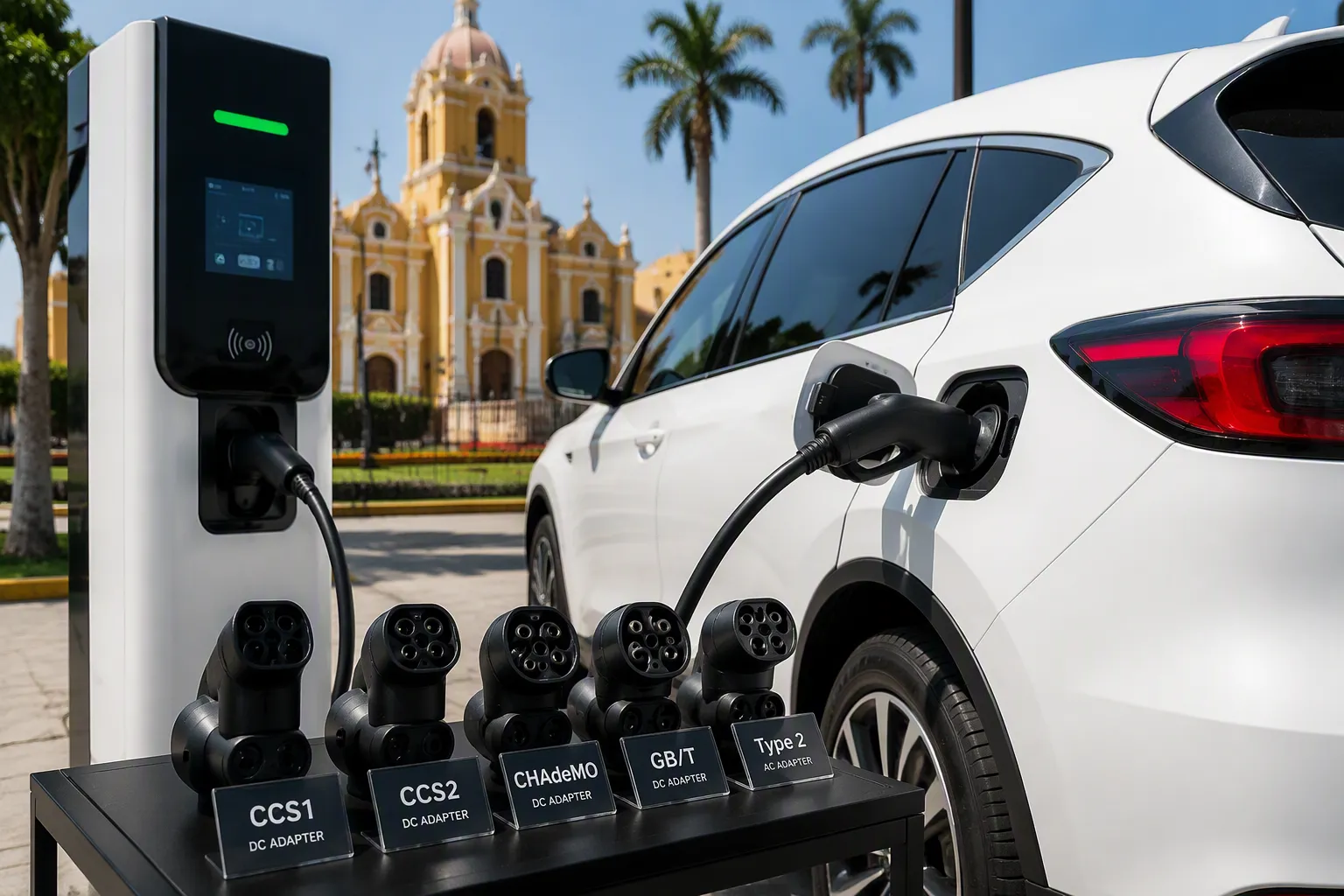
Vehicle and charger compatibility is non-negotiable. For travel in Malaysia and Thailand, the prevailing standard for DC fast charging is the Combined Charging System 2 (CCS2) plug. Before departing, a driver must confirm their EV is equipped with a CCS2 port.
- Most modern EVs sold in Southeast Asia, Europe, and Australia come with a CCS2 port.
- Vehicles imported from other regions (like Japan or North America) may have different plugs (e.g., CHAdeMO or NACS) and would require an adapter, which may limit charging speeds.
- Ensuring plug
compatibilitybeforehand prevents the frustrating scenario of arriving at a station only to find the charger doesn’t fit.
Understanding Your Car’s Max Charging Speed
The charger’s power output is only half of the equation. Every electric vehicle has a maximum charging speed it can accept. Plugging an EV into a 350kW charger does not guarantee it will charge at that rate. The car’s battery management system will only draw power up to its designated limit. For example, the BYD Atto 3 has a maximum rapid charging rate of around 88 kW. Knowing your vehicle’s specific charging speed needs helps set realistic expectations for each stop.
| Model | Max DC Fast Charging Speed |
|---|---|
| Hyundai Ioniq 5 | ~235kW |
| Tesla Model 3 | ~250kW |
| BYD Atto 3 | ~88kW |
Understanding this ensures better planning and confirms compatibility between your EV and your travel timeline.
Malaysia EV Charging: A Traveler’s Guide to the Networks

An EV road trip across Malaysia is not just possible; it’s becoming increasingly convenient. The country’s charging infrastructure is expanding rapidly, led by a few key players. This traveler’s guide provides the essential details for navigating the Malaysian EV charging landscape. A driver’s primary task is to understand the major networks and prepare the right digital tools before starting the engine.
Major Level 3 Charging Networks
Malaysia’s public charging stations are dominated by three major operators. Each has its own app and payment system. Familiarity with these networks is crucial for a seamless journey.
Gentari (via Setel App)
Gentari, a subsidiary of Petronas, is a dominant force in Malaysia’s EV charging scene. Its network is strategically located at Petronas stations and other prime locations.
- Activation: Gentari chargers are activated exclusively through the Setel app.
- Coverage: The network offers extensive coverage along major highways, including the North-South Expressway, and in urban centers.
- Charger Types: Gentari provides a mix of DC fast chargers (from 50kW up to 350kW) and AC chargers.
ChargeEV
ChargeEV operates one of the largest networks in Malaysia, with a significant number of charging points across the country. It has been a foundational player in building the nation’s infrastructure.
- Activation: Users need the ChargeEV app to locate and operate these chargers.
- Partnerships: ChargeEV often partners with other providers, so its chargers may sometimes be accessible via other apps like JomCharge.
- Focus: While expanding its DC fast charger offerings, the network also has a vast number of AC charging points.
JomCharge
JomCharge is another key operator with a user-friendly platform and a growing network of high-speed chargers. The company focuses on providing reliable charging solutions in commercial areas and along travel routes.
- Activation: The JomCharge app is required for starting and stopping a charging session.
- Locations: JomCharge points are commonly found at shopping malls, hotels, and dedicated charging hubs.
- Technology: The network includes advanced chargers, reflecting the industry’s move toward faster and more efficient technology, similar to solutions developed by providers like TPSON.
Diğer Önemli Sağlayıcılar
Ana üçlünün ötesinde, diğer operatörler de şarj ekosistemine katkıda bulunur. Bunlar arasında Shell istasyonlarında varlığını genişleten Shell Recharge ve çeşitli bağımsız ağlar yer alır. Daha az yaygın olsalar da bu noktalar değerli alternatifler olabilir.
Temel Uygulamalar ve Ödeme Yöntemleri
Malezya'da elektrikli araç seyahati için dijital hazırlık tartışmasız bir gerekliliktir. Her ağ, ödeme için belirli bir uygulamaya ve dijital cüzdana dayanır. Bunları önceden ayarlamak önemli ölçüde zaman ve stres tasarrufu sağlar.
Dijital Cüzdanlarınızı Ayarlama
Çoğu Malezya şarj uygulaması, uygulama içinde doğrudan yabancı kredi kartı ödemesini kabul etmez. En güvenilir yöntem, bir Malezya e-cüzdanını bağlamaktır.
Gezgin İpucu: Uluslararası ziyaretçiler için
Touch 'n Go eWalletgenellikle en erişilebilir seçenektir. Bir gezgin uygulamayı indirip kredi kartıyla veya 7-Eleven gibi yerel marketlerden yeniden yükleme PIN'i satın alarak bakiye yükleyebilir.
Adım Adım: Setel Uygulamasını Kullanma
Setel uygulaması, Gentari ağını kullanmak için gereklidir. Yakıt, park ve EV şarjı için hepsi bir arada bir platformdur.
- İndir ve Kaydol: Cihazınızın uygulama mağazasından Setel uygulamasını edinin.
- Cüzdana Bakiye Yükle: Kredi kartı veya internet bankacılığı kullanarak Setel Cüzdanı'na fon yükleyin.
- Şarj Cihazı Bul: Yakındaki bir Gentari şarj cihazını bulmak için uygulamanın haritasını kullanın.
- Şarjı Başlat: Şarj cihazındaki QR kodunu tarayın, fişinizi seçin ve uygulama üzerinden oturumu başlatın.
- İzle ve Durdur: Uygulama şarj ilerlemesini gösterir. Sürücü oturumu istediği zaman telefonundan durdurabilir.
Adım Adım: JomCharge ve ChargEV Uygulamalarını Kullanma
JomCharge ve ChargeEV için süreç benzerdir. Her ikisinin de çalışması için kendi özel uygulamaları gerekir.
- İndir ve Kaydol: İlgili uygulamayı (JomCharge veya ChargeEV) yükleyin.
- Kredi Ekle: Uygulama içi cüzdana bakiye yükleyin. Bu genellikle Malezya e-cüzdanı veya internet bankacılığı gerektirir.
- Oturumu Başlat: Şarj işlemini başlatmak için şarj cihazındaki QR kodunu tarayın.
- Oturumu Sonlandır: Elektrikli aracınız yeterli menzile ulaştığında şarjı uygulamadan durdurun.
Yabancı Gezginler için Ödeme Çözümleri
Ödeme engellerini aşmak, bu gezi rehberinin kilit bir parçasıdır. Doğrudan kredi kartı ödemeleri nadir olduğundan, yabancılar buna göre plan yapmalıdır.
| Uygulama | Birincil Ödeme Yöntemi | Yabancı Dostu Seçenek |
|---|---|---|
| Setel | Setel Cüzdanı | Uluslararası kredi kartı ile bakiye yükleyin (bankaya göre değişebilir). |
| JomCharge | Uygulama İçi Kredi | Touch ‘n Go eWallet veya yerel internet bankacılığı ile bakiye yükleyin. |
| ChargeEV | Uygulama İçi Kredi | Touch ‘n Go eWallet veya yerel internet bankacılığı ile bakiye yükleyin. |
Ziyaret eden bir EV sürücüsü için Touch ‘n Go eWallet'ı kurmak ve bakiye yüklemek en evrensel çözümdür.
Malezya'da Şarj Cihazı Bulma
Güvenilir bir şarj cihazını nerede bulacağınızı bilmek, onu nasıl kullanacağınızı bilmek kadar önemlidir. Rotanızı mevcut DC hızlı şarj cihazlarına göre planlamak, sorunsuz bir yolculuğun anahtarıdır.
Malezya için PlugShare Kullanımı
PlugShare, herhangi bir EV sürücüsü için vazgeçilmez, kitle kaynaklı bir uygulamadır. Tüm operatörlerden şarj istasyonlarının kapsamlı bir haritasını sağlar.
- Fişler için Filtrele: Filtreyi
CCS2olarak ayarlayarak yalnızca uyumlu DC hızlı şarj cihazlarını görün. - Son Aktiviteleri Kontrol Et: Bir şarj cihazının çalışır durumda olduğunu doğrulamak için son kullanıcı girişlerini inceleyin. Kullanıcılar genellikle deneyimleri hakkında yararlı yorumlar bırakır.
- Yedeklilik Planlayın: Ana durağınızın yakınında, dolu veya hizmet dışı olması durumunda kullanılmak üzere yedek şarj cihazlarını belirleyin.
Kuzey-Güney Otoyolu Boyunca Rota Planlama
Kuzey-Güney Otoyolu (NSE), Batı Malezya'nın omurgasıdır ve DC hızlı şarj noktalarıyla iyi donatılmıştır.
- Gentari Hakimiyeti: NSE boyunca çoğu Dinlenme ve Hizmet Alanı'nda (R&R) Gentari şarj cihazları bulunur. Sürücü yaklaşık her 100-200 kilometrede bir mola planlayabilir.
- Yüksek Güçlü Merkezler: Artık birkaç konumda, bekleme sürelerini azaltan ve birden fazla şarj cihazına sahip yüksek güçlü şarj merkezleri bulunmaktadır.
- Rota Planlama: Şarj duraklarını planlamak için PlugShare'i elektrikli aracınızın navigasyon sistemi ile birlikte kullanın. Bu, bir sonraki şarj noktasına her zaman yetecek menzile sahip olmanızı sağlar.
Tayland EV Şarjı: Manzarada Yolunuzu Bulma

Tayland'ın EV altyapısı etkileyici bir hızla büyüyor ve bu da onu elektrikli araç yolculukları için heyecan verici bir destinasyon haline getiriyor. Ancak şarj ekosistemi, Malezya'dan farklı şekilde işler. Bu gezi rehberi, bir sürücünün Krallık'ta başarıyla yolunu bulması için gereken temel ağları, uygulamaları ve ödeme stratejilerini detaylandırır. Başarı, baskın oyuncuları anlamaya ve benzersiz ödeme sistemlerine hazırlanmaya bağlıdır.
Major Level 3 Charging Networks
Tayland'ın DC hızlı şarj ağının omurgasını üç büyük operatör oluşturur. Bir EV sürücüsü özellikle ana otoyollar ve şehir merkezlerinde öncelikle bu sağlayıcılarla etkileşimde bulunacaktır.
EA Anywhere (Energy Absolute)
Energy Absolute (EA) is a pioneer in Thailand’s public charging stations. Its “EA Anywhere” network is one of the most extensive in the country.
- Network Strength: EA Anywhere has a strong presence in Bangkok and other major cities. It also provides crucial coverage along primary travel corridors.
- App Requirement: The EleXA app is necessary to locate and operate its chargers.
- Charger Technology: The network features a wide range of charger speeds, including high-powered units over 150kW, reflecting the industry’s push for advanced hardware similar to solutions from TPSON.
PEA VOLTA
PEA VOLTA is the EV charging brand of the Provincial Electricity Authority (PEA), a state-owned enterprise. Its mission is to expand EV adoption across all provinces.
- Nationwide Coverage: PEA VOLTA aims for comprehensive coverage, placing charging points in provincial capitals and smaller towns, not just on main highways.
- Activation: A driver must use the PEA VOLTA app or an associated RFID card for charging.
- Güvenilirlik: As a government-backed initiative, its stations are often well-maintained, providing reliable points for any EV.
PTT EV Station PluZ
PTT, Thailand’s largest oil and gas retailer, has entered the ev charging market with its EV Station PluZ network. These stations are conveniently located at PTT gas stations.
- Convenience: The placement of chargers at existing PTT service stations offers access to amenities like restrooms, cafes (like Café Amazon), and convenience stores.
- Uygulama Kontrolü: The EV Station PluZ app manages the entire charging process, from finding a station to payment.
- Growing Network: PTT is rapidly expanding its network, making it an increasingly important player for long-distance travel.
Regional and Hotel Networks
Beyond the big three, other networks provide valuable charging options. Many major hotel chains (e.g., Marriott, Holiday Inn) now offer destination chargers for guests. Additionally, some shopping malls and regional operators have installed their own charging infrastructure. These smaller networks can be excellent for overnight charging or as backups.
Temel Uygulamalar ve Ödeme Yöntemleri
Payment is the most significant hurdle for foreign travelers using an EV in Thailand. Unlike Malaysia, where e-wallets are somewhat accessible, Thai apps often require a local bank account or phone number. This makes pre-trip preparation essential.
Setting Up the EleXA App (for EA)
The EleXA app is the gateway to the EA Anywhere network.
- İndir ve Kaydol: A driver can download the app from their app store. Registration may require a valid phone number.
- Payment Setup: The app’s wallet is designed to be topped up via Thai mobile banking or QR PromptPay, which is difficult for tourists.
- Primary Use: For foreigners, the app is best used for locating a charger and monitoring a session initiated by other means, such as an RFID card.
Using the PEA VOLTA App
The PEA VOLTA app functions similarly to EleXA. It helps users find stations and check their status. However, its payment system also presents challenges for international visitors. The most reliable method for using a PEA VOLTA charger is with its RFID card.
Overcoming Payment Hurdles as a Foreigner
Direct credit card payments are almost non-existent in Thai charging apps. This makes RFID cards the most effective solution for a seamless charging experience.
Traveler’s Pro Tip: 💡 Do not rely on topping up app wallets with a foreign credit card. The most reliable strategy is to acquire an RFID card from a major network like EA Anywhere or PEA VOLTA before or at the beginning of the trip.
The Role of RFID Cards
An RFID card is a pre-paid, tap-and-go card that activates a charging session without needing an app for payment. This is the most recommended method for international travelers.
| Şebeke | RFID Card Availability | How to Acquire |
|---|---|---|
| EA Anywhere | Yes (EleXA Card) | Can be ordered online (to a Thai address) or sometimes acquired at EA’s head office in Bangkok. |
| PEA VOLTA | Evet | Often available at regional PEA offices. It is best to call ahead to confirm stock. |
| PTT EV Station PluZ | Evet | Available at select PTT stations or through their customer service. |
Acquiring one of these cards transforms the charging process from a frustrating puzzle into a simple tap.
Finding Chargers in Thailand
Knowing where to find the next available charger is fundamental to a successful journey. This part of the traveler’s guide focuses on the tools for effective route planning.
Using PlugShare for Thailand
PlugShare remains the ultimate tool for finding charging points from all operators in one place. Its crowd-sourced data is invaluable in Thailand.
- Filter and Search: A driver should filter for
CCS2plugs to find compatible DC fast chargers. - Check-in Comments: Pay close attention to recent user check-ins. Travelers often leave crucial tips, such as whether a charger is working, if an RFID card is needed, or if a station is located inside a paid parking area.
- Identify Key Locations: Use the map to see the density of points along your intended route, helping you plan stops with confidence.
Planning for Major Tourist Routes
Thailand’s major highways connecting popular destinations are increasingly well-served by DC fast chargers.
- Bangkok to Hua Hin/Pattaya: These routes are saturated with chargers from EA, PEA, and PTT, making the trip simple for any EV.
- Bangkok to Chiang Mai: The long-haul route north is now feasible with strategically placed fast chargers. A driver must plan each charging stop carefully, ensuring the EV has enough range to reach the next station.
- Southern Routes (to Phuket/Krabi): Coverage is improving but can be less dense than in the central region. Meticulous planning using PlugShare is essential for these longer journeys.
Cross-Border Planning for Electric Vehicles
Crossing an international border with electric vehicles requires specific planning. A driver must understand the differences between the two charging ecosystems. A sound strategy ensures a smooth transition from Malaysia into Thailand.
Malaysia vs. Thailand: A Charging Comparison
While both countries are rapidly developing their infrastructure, key differences affect the traveler’s experience.
Network Density and Coverage
Malaysia has excellent network density along its main North-South Expressway, with charging points available at most major rest stops. Thailand’s network is expanding quickly from urban hubs like Bangkok, with major operators like EA Anywhere and PEA VOLTA filling in gaps along tourist routes. A driver will find more consistent coverage on Malaysia’s primary highway but growing options in Thailand.
App Usability and Language
Malaysian apps like Setel are generally more user-friendly for international visitors, sometimes allowing top-ups with foreign credit cards. Thai charging apps often require a local bank account or phone number, making RFID cards the superior option for tourists. While most apps offer an English interface, the payment process is the main differentiator.
kWh Başına Ortalama Maliyet
Costs for DC fast charging vary by operator and location.
- Malaysia: A driver can expect to pay between RM 1.20 and RM 1.80 per kWh.
- Thailand: Costs typically range from 7 to 9 THB per kWh. Travelers should check the specific rates in the operator’s app before starting a session.
Plug Type Consistency
Fortunately, both countries have standardized on the CCS2 plug for DC fast charging. This consistency is a major advantage for travelers, as it eliminates the need for adapters for most modern electric vehicles.
Your Cross-Border Charging Strategy
A successful border crossing in an ev depends on a simple, three-part plan. This strategy minimizes range anxiety and accounts for the change in charging networks.
Charging Before You Cross (Malaysia Side)
A driver should fully charge their ev before leaving Malaysia. The final charging session provides a crucial energy buffer for the first leg of the journey into Thailand. This ensures there is ample range to reach the first reliable charger across the border without stress.
Charging After You Cross (Thailand Side)
Once in Thailand, the immediate goal is to navigate to the first pre-identified DC fast charger. This stop is less about a full charge and more about confirming the chosen payment method (like an RFID card) works. It also adds enough range to comfortably continue to the next destination.
Chargers Near the Sadao-Bukit Kayu Hitam Border
The Sadao-Bukit Kayu Hitam crossing is the main artery for travelers. Several charging points are available on both sides.
| Konum | Operator(s) | Notlar |
|---|---|---|
| Jitra / Alor Setar (Malaysia) | Gentari, ChargeEV | Multiple high-speed points are available just south of the border. |
| Sadao / Hat Yai (Thailand) | PEA VOLTA, EA Anywhere | Hat Yai, a short drive from the border, has a growing number of reliable DC fast chargers. |
This strategic approach to electric charging makes the cross-border journey seamless and predictable.
Essential Checklist and On-the-Road Etiquette
Proper preparation and courteous behavior are fundamental to a successful EV journey. A driver’s pre-trip diligence ensures a smooth experience, while good etiquette makes the charging infrastructure better for everyone.
Pre-Trip EV Checklist
A traveler should complete these essential steps before beginning their road trip. This proactive approach minimizes potential issues on the road.
Download and Register All Apps
A driver must download and create accounts for all necessary apps well before departure. This includes Setel, JomCharge, and ChargeEV for Malaysia, as well as EleXA, PEA VOLTA, and PTT EV Station PluZ for Thailand. Verifying accounts in advance prevents delays at the station.
Pre-Load Digital Wallets
Payment systems are the most common challenge for travelers. A driver should pre-load funds onto their Setel and Touch ‘n Go eWallets. For Thailand, acquiring a network-specific RFID card is the most reliable strategy to bypass app payment difficulties.
Pack Necessary Adapters (If Any)
While CCS2 is the standard for DC fast charging, carrying a domestic plug adapter (Type G for Malaysia, Type O for Thailand) is a wise precaution. This allows for slow Level 1 charging from a standard wall socket in an emergency. Technologically advanced solutions from providers like TPSON often feature robust, multi-standard hardware, but public infrastructure varies.
Have a Backup Plan (Level 2 Locations)
Smart planning involves having a contingency. A driver should use PlugShare to identify not only primary DC fast charging points but also nearby Level 2 (AC) chargers. These slower points can serve as a crucial backup if a fast charger is occupied or out of service.
Southeast Asia Charging Etiquette
Shared public infrastructure requires a community-minded approach. Following these simple rules of etiquette ensures a positive experience for all ev drivers.
A Note on Courtesy: etiquette at charging stations is universal. A little consideration goes a long way in making the network efficient and accessible for the next person.
Don’t Occupy a Finished Stall
A DC fast charging stall is not a parking spot. Once a vehicle reaches its target state of charge (typically 80-90%), the driver should promptly move it. This frees up the high-demand charger for the next user.
Use Apps to Monitor Your Session
Most network apps send notifications when a charging session is nearing completion. A driver should use this feature to monitor progress remotely. This allows them to return to their vehicle on time without inconveniencing others.
Be Mindful of Queues
If other drivers are waiting, a driver should only charge their vehicle to a sufficient level to reach the next station. Charging to 100% at a busy DC fast charger is generally discouraged, as charging speeds slow dramatically after 80%.
Şarj Alanını Temiz Tutun
Travelers should leave the charging station as they found it. This includes properly stowing the charging cable and disposing of any trash. A clean and orderly station is safer and more pleasant for everyone.
Bu kapsamlı rehber, elektrikli araçlarla yapılan karayolu seyahatlerinin sorunsuz maceralar olduğunu teyit eder. Bir sürücünün temel araç seti, planlama için Malezya'da Setel, Tayland'da EleXA ve PlugShare'ı içerir. Bu kapsamlı rehber, stressiz bir elektrikli yolculuk için gereken hazırlıkları detaylandırır. Doğru planlama, modern elektrikli araçlarla keşfetme özgürlüğünün kapılarını açar ve her elektrikli seyahati keyifli hale getirir.
SSS
Bu seyahat için en önemli uygulama hangisidir?
PlugShare en kritik araçtır. Tüm operatörlerden gelen şarj istasyonları şarj noktalarını tek bir haritada toplar. Bir sürücü, şarj cihazı durumunu kontrol etmek ve her iki ülkede de rota planlamak için bunu kullanır.
Sürücü, şarj cihazında kredi kartı ile ödeme yapabilir mi?
Doğrudan kredi kartı ödemeleri yaygın değildir. Sürücü, yerel e-cüzdanlarla fonlanan ağa özel uygulamaları kullanmalıdır. Tayland için, bir ağ RFID kartı edinmek, gezginler için en güvenilir ödeme yöntemidir.
Hızlı şarj cihazı arızalıysa sürücü ne yapmalıdır?
Sürücü her zaman bir yedek plana sahip olmalıdır. Bir sonraki en yakın şarj cihazını bulmak için PlugShare'ı kullanın. Bu yedek, başka bir DC hızlı şarj cihazı veya daha yavaş bir Seviye 2 (AC) istasyonu olabilir..
Tayland'da şarj etmek için RFID kartı gerekli midir?
Evet, şiddetle tavsiye edilir. EA Anywhere veya PEA VOLTA gibi büyük bir ağdan bir RFID kartı, sürücünün genellikle yerel bir banka hesabı gerektiren uygulama ödeme sistemlerini atlamasına olanak tanır.
Hızlı şarj için standart fiş tipi nedir?
Bu CCS2 fişi, hem Malezya hem de Tayland'da DC hızlı şarj için evrensel standarttır. Bölgede satılan çoğu modern elektrikli araç, uyumluluğu sağlamak için bu portla donatılmıştır.
Teknoloji, şarj güvenilirliğini nasıl etkiler?
Gelişmiş donanım, güvenilir bir ağın anahtarıdır. TPSON gibi sağlayıcılardan gelen teknolojik olarak gelişmiş çözümler, verimli güç dağıtımı ve sağlam performans sağlar; bu da tüm elektrikli araç sürücüleri için kamu şarj deneyimini geliştirir.
Sınır geçişi yakınlarında şarj cihazları mevcut mu? 🗺️
Evet, Sadao-Bukit Kayu Hitam sınırının her iki tarafında da şarj cihazları mevcuttur.
- Malezya Tarafı: Sürücü, Jitra ve Alor Setar gibi kasabalarda DC hızlı şarj cihazları bulabilir.
- Tayland Tarafı: Sınır yakınındaki Hat Yai şehrinde birden fazla şarj seçeneği bulunmaktadır.