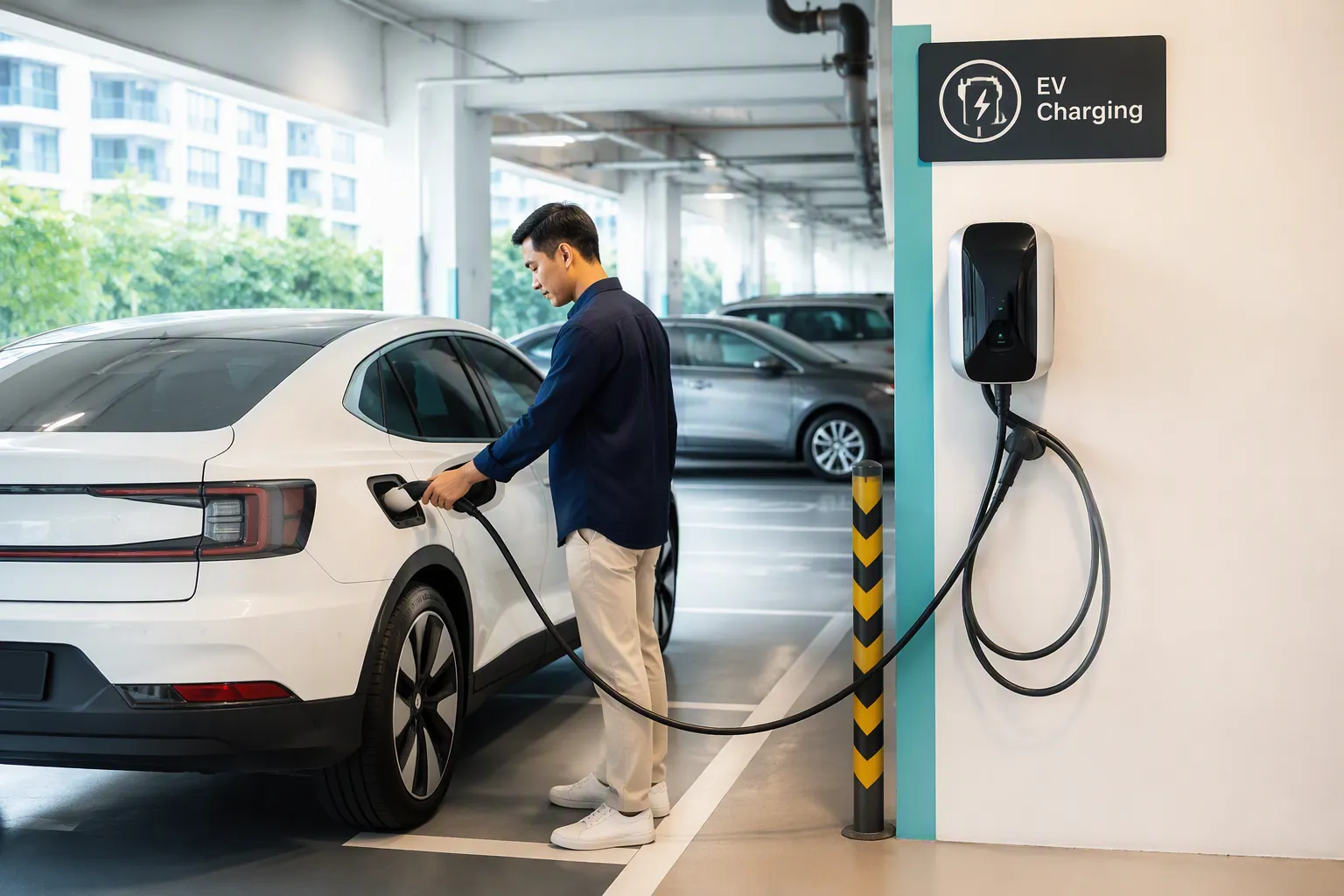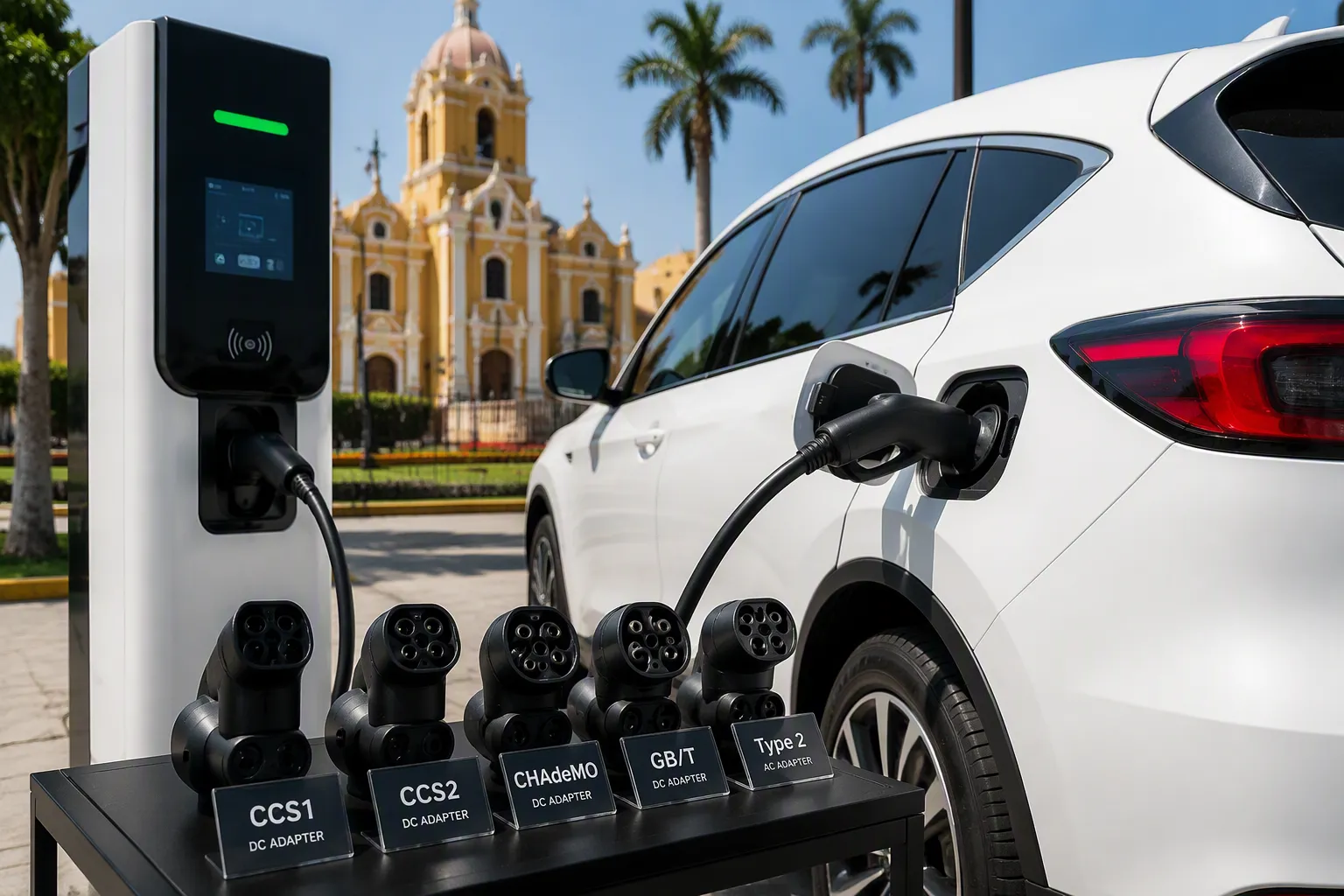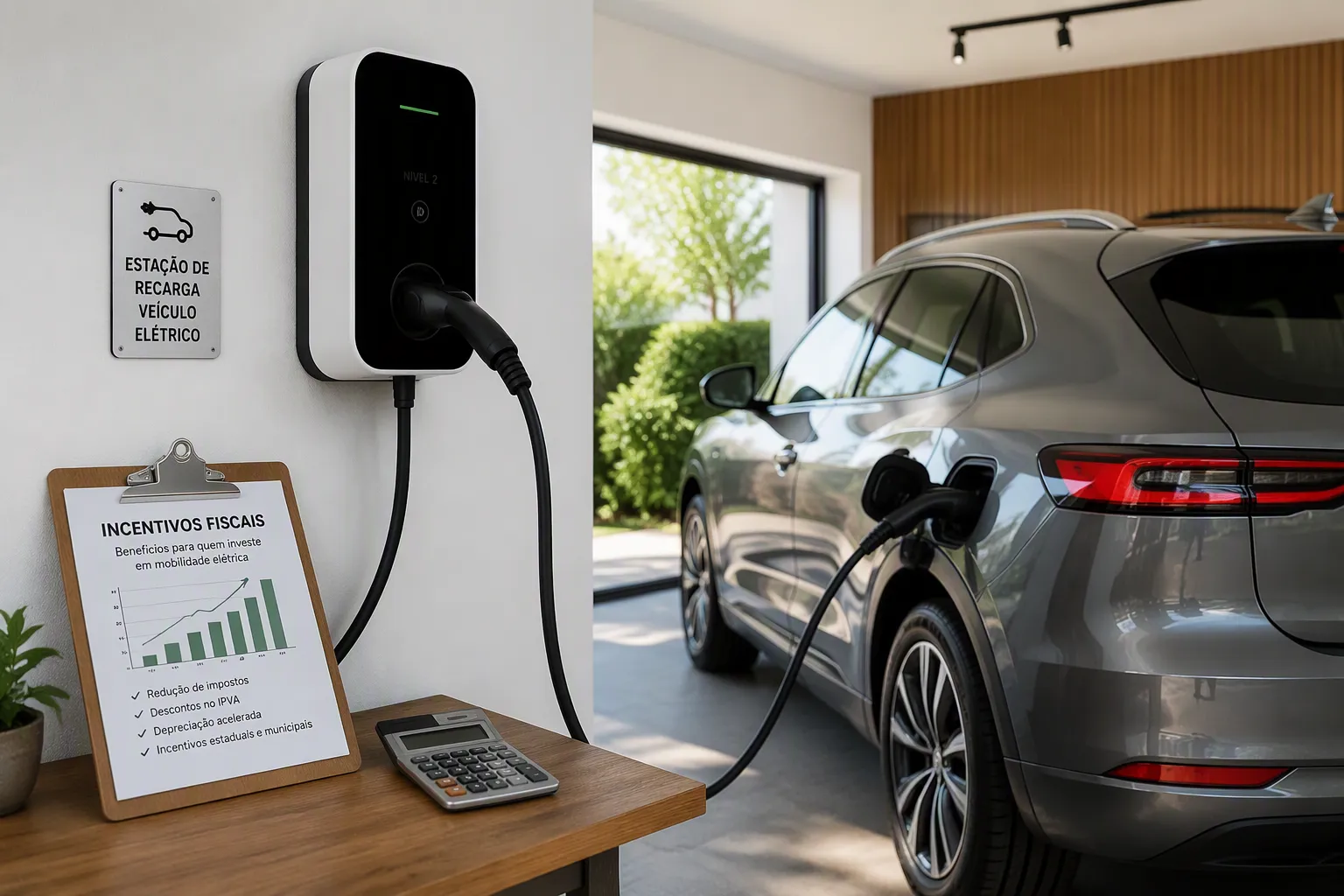
An EV owner often finds the true cost to charge your EV extends beyond simple home electricity rates. The final bill reflects many factors. Equipment, charging location, and even charging speed influence the total electricity costs. The cost of EV charging is a complex calculation involving several variables.
Key factors determining the final cost include your chosen EV Şarj Cihazı, public charging premiums, and charging inefficiency. Technologically advanced Elektrikli araç şarj cihazı üreticileri like TPSON design solutions to help manage this complex electric vehicle charging landscape for every EV. This makes understanding your charging expenses crucial.
The Upfront Cost of EV Charging: Home Setup and Installation

The journey to convenient home charging begins with a significant upfront cost. While the long-term savings on fuel are substantial, the initial setup requires careful financial planning. The primary expenses involve purchasing the right hardware and paying for professional installation, which can sometimes reveal the need for major electrical work in the home.
Your First Major Investment: The Level 2 Charger
Seviye 1 ve Seviye 2 Şarj Cihazları
Every new EV typically comes with a Level 1 charger. This unit plugs into a standard household outlet and offers a slow, trickle charge, adding only a few miles of range per hour. For most drivers, this is impractical for daily use. A Level 2 charger is the standard for effective home charging. It operates on a 240V circuit, similar to an electric oven, and can fully charge an EV overnight. This makes it an essential first purchase for any new owner.
Typical Price Range for Hardware
The hardware cost for a quality Level 2 charger varies. Basic models are available, but many owners opt for smart chargers. Technologically advanced providers like TPSON offer units with features like Wi-Fi connectivity, app integration, and charge scheduling. These features are crucial for managing electricity consumption and minimizing charging costs over time.
The Real Expense: Professional Installation
Why a Licensed Electrician is Non-Negotiable
Installing a 240V circuit is not a DIY project. A licensed electrician possesses the required knowledge of electrical systems and local codes to ensure a safe and compliant installation. This protects the home from electrical hazards and validates the warranty of the charging equipment. Proper installation is fundamental to the safety of charging at home.
Standard vs. Complex Installation Scenarios
The installation cost can fluctuate dramatically. A “standard” installation involves placing the charger near the home’s electrical panel, which has sufficient capacity. A “complex” scenario might involve running conduit across long distances, drilling through concrete walls, or trenching in a garden, each adding to the final cost.
Breaking Down Electrician Labor Costs
The labor cost for a straightforward 240V outlet installation is often manageable. Assuming a compatible electrical system, estimates for setting up a new 240V wall outlet typically range from £150 to £200. This figure includes the electrician’s time and basic materials for a simple setup.
The Big Surprise: Electrical Panel Upgrades
Assessing Your Home’s Electrical Capacity
Many homes, especially older ones, have electrical panels (100 amps or less) that cannot handle the sustained power draw required for EV charging alongside other household appliances. An electrician must assess the panel’s capacity to determine if it can support the additional load.
Profesyonel ipucu: Before buying a charger, have an electrician evaluate your home’s main electrical panel. This simple check can prevent a major unexpected expense and delay.
Signs You Need a Panel Upgrade
Common signs that an upgrade is necessary include having a panel rated at 100 amps or less, frequently tripping circuit breakers, or lights that flicker when large appliances turn on. An electrician will confirm if the existing electricity infrastructure can support the new charging demands.
The High Cost of a New Panel
If an upgrade is required, it represents the single largest potential cost in a home charging setup. The cost to upgrade an electrical panel in the UK, for instance, generally ranges from £500 ila £2,500. This wide range depends on the complexity of the job and the home’s specific requirements, making it a critical factor in the total EV setup budget.
Navigating Bureaucracy: Permits and Inspections
The final hidden cost of a home charging installation involves administrative hurdles. Many homeowners overlook the paperwork and official oversight required for electrical work. Navigating these bureaucratic steps adds both time and expense to the project budget. This process ensures the installation is safe, compliant, and officially recognized by local authorities.
Understanding Local Permitting Requirements
Most municipalities require a permit for installing a new 240V circuit. This is not merely a suggestion; it is a legal mandate designed to enforce safety standards. The permit process typically involves submitting a plan of the electrical work to the local building or planning department for approval before any work begins.
An owner’s licensed electrician usually manages this entire process. The steps often include:
- Drafting a simple electrical plan for the new circuit.
- Submitting the application and plan to the municipal office.
- Paying the associated permit fee.
This fee is a direct cost passed on to the homeowner. It varies significantly between different localities. Skipping this step can lead to fines, issues with home insurance, and problems when selling the home. The permit is the first official step in a compliant charging installation.
Factoring in Municipal Inspection Fees
After the electrician completes the installation, a final inspection is almost always required. A municipal inspector visits the property to verify that the work complies with all local and national electrical codes. The inspector checks the wiring, the circuit breaker, the outlet or hardwired charger, and the overall safety of the setup. This inspection carries its own fee, adding another layer to the total project cost.
Önemli Not: A passed inspection is crucial. It provides official certification that the home charging system is safe. Without this approval, an insurance company could deny a claim related to an electrical fire.
The inspection guarantees that the new ev charging infrastructure is secure. Technologically advanced chargers, like those from providers such as TPSON, require precise installation to function correctly and safely. The final inspection confirms that even the most sophisticated charging equipment is integrated properly into the home’s electrical system, protecting the owner’s investment and property.
How Much Does It Cost to Charge an Electric Car in Public?

While home charging offers convenience and lower costs, drivers inevitably rely on public charging networks. Answering “how much does it elektrikli bir arabayı şarj etme maliyeti” in public reveals a landscape of variable pricing and extra fees. The cost to charge an electric car at public electric vehicle charging stations is often significantly higher than charging at home.
The Sticker Shock of Public Charging Networks
Drivers new to the EV world often experience sticker shock when they see public charging prices. The convenience of on-the-go electricity comes at a steep premium compared to residential rates.
Cost per kWh: The Home vs. Public Gap
The most direct comparison highlights a major cost difference. The price per kilowatt-hour for public charging is typically much higher than the electricity rate at home. This gap is a fundamental part of electric car charging costs.
- Evde EV Şarjı: Yaklaşık olarak £0.17 per kilowatt-hour (off-peak).
- Public EV Charging: Approximately £0.36 per kilowatt-hour (before fees).
Why DC Fast Charging Carries a Premium
DC fast chargers deliver a large amount of electricity in a short time, making them ideal for long journeys. This speed and convenience command a higher cost. The expensive hardware, grid connection upgrades, and high-power demand contribute to higher per kWh pricing for this service.
Fees Beyond the Electricity Itself
The final bill for a public charging session often includes more than just the cost of electricity. Networks use various fee structures that can inflate the total expense.
Per-Minute vs. Per-kWh Billing Models
Networks bill drivers in one of two ways: per kilowatt-hour (kWh) or per minute. Per kWh pricing is straightforward; drivers pay for the exact amount of electricity their EV receives. Per-minute charging can be less predictable. An EV that charges slowly will end up paying more for the same amount of energy than a vehicle that charges quickly.
The “Connection Fee” or “Session Fee” Trap
Some networks add a flat fee just for initiating a charging session. This “connection fee” or “session fee” is a fixed cost applied to every charge, regardless of duration or energy consumed. It can make short top-ups disproportionately expensive.
How Idle Fees Penalize You for Lingering
To ensure charger availability, many networks penalize drivers for leaving their vehicle plugged in after the battery is full. These idle fees can be substantial.
For example, some providers charge £1 to £5 per hour. The policy is designed to free up the charger for the next user.
| Şebeke | Idle Fee Rate | Start Time (after full charge) |
|---|---|---|
| Tesla Supercharger (UK) | 50p/min (station < 100%) / £1/min (station = 100%) | Immediately after full charge |
Analyzing Charging Network Subscription Plans
Frequent users of public charging can sometimes lower their costs with a subscription plan. These plans require careful analysis to determine their value.
How Monthly Subscriptions Work
A driver pays a recurring monthly fee to a specific network. In exchange, they gain access to discounted per kWh pricing for their charging sessions. Technologically advanced providers like TPSON design charging solutions that integrate seamlessly with these network plans.
Başa Baş Noktanızı Hesaplama
A subscription only saves money if a driver uses the network enough to offset the monthly fee. For instance, if a plan costs £10.50 per month and offers a 31p/kWh discount, the driver must consume at least 34 kilowatt-hour of electricity that month to break even.
When a Subscription Actually Saves You Money
A subscription becomes profitable once a driver’s monthly public charging consumption exceeds the break-even point. The chart below shows the break-even points for several popular networks, helping drivers visualize the required usage.

This analysis is crucial for managing the overall cost to charge an electric car.
The Incidental Costs You Don’t Think About
The final bill for a public charging session often includes more than just the price of electricity. Several incidental costs can inflate the total expense, catching many drivers by surprise. These extra charges are tied to the location and convenience of the charging station, adding another layer of complexity to the overall cost to charge an electric car. Understanding these factors is essential for accurately budgeting for on-the-go power.
Paying for Parking Just to Access a Charger
Many public charging stations are located within paid parking facilities, such as city-center car parks or private lots. In these scenarios, a driver pays for two services simultaneously: the electricity for charging and the fee for parking. This effectively doubles the expense of a charging stop. The parking fee is a separate transaction, but it is an unavoidable part of the total cost associated with that specific charging session.
For example, a driver might pay £0.45 per kWh for the electricity while also paying a £3 per hour parking fee. For a two-hour charging session, the parking cost alone could add £6 to the bill, significantly increasing the price of the energy obtained.
This hidden expense makes some public charging locations far less economical than they first appear. A driver must always factor in parking fees when evaluating the affordability of a particular station.
The Premium for “Convenience” Locations
The question of “how much does it cost to charge an electric car” often depends heavily on where the charging occurs. Charging stations at prime locations like airports, major shopping centers, and motorway service areas frequently carry a “convenience premium.” Operators at these high-demand sites know that drivers have fewer alternatives and are often willing to pay more for the accessibility. This premium is reflected in higher per-kWh rates or steeper session fees compared to chargers in less central areas.
This location-based pricing strategy is a critical component of the public charging ecosystem. The higher cost at these sites covers expensive leases and the high demand for fast charging services. For an EV owner, this means a quick top-up during a shopping trip could be one of the most expensive ways to get energy. The increased cost to charge an electric car at these spots is a trade-off for the prime location. Technologically advanced charging solutions, such as those developed by providers like TPSON, often integrate with apps that help drivers compare these variable rates, allowing for more informed decisions before plugging in. This strategic planning is key to managing the true cost of public charging.
Key Factors Affecting EV Charging Costs on Your Utility Bill
The convenience of home charging introduces new variables to a household’s monthly utility bill. Several factors affecting ev charging costs are directly tied to a utility provider’s pricing structure. An EV owner’s charging habits can dramatically influence the final electricity bill. Understanding how do electric cars affect your electric bill is the first step toward managing these new expenses effectively.
When You Charge Matters: Time-of-Use (TOU) Rates
What Are Utility TOU Plans?
Utility companies often offer Time-of-Use (TOU) plans to manage grid demand. These plans apply different electricity rates at different times of the day. The goal is to incentivize consumers to shift their heavy electricity usage away from periods of high demand. For an EV owner, this presents a major opportunity for savings.
Peak vs. Off-Peak Pricing Explained
TOU plans divide the day into distinct pricing periods. The cost of electricity fluctuates significantly between these windows.
- Yoğun Saatler: These are typically late afternoon and early evening when overall electricity consumption is highest. Charging an EV during this time results in the highest rates.
- Yoğun olmayan saatler: These hours are usually late at night and early in the morning when demand for electricity is low. Utilities offer much lower rates during this period.
- Super Off-Peak Hours: Some providers offer an even cheaper tier during the lowest demand hours, often in the middle of the night, providing maximum savings.
Finding the “Super Off-Peak” Savings Window
An owner should check their utility’s specific TOU schedule to identify the cheapest charging window. Smart chargers from technologically advanced providers like TPSON can automate this process. They allow users to schedule charging sessions to begin only when the lowest rates are active, ensuring the lowest possible electricity costs without manual intervention.
The High Price of Post-Work Charging Habits
How Peak-Hour Charging Inflates Your Bill
Many new EV owners develop a habit of plugging in their vehicle as soon as they get home from work. This timing often coincides directly with peak electricity rates. This simple habit can needlessly inflate the monthly bill, negating some of the fuel savings of driving an electric car. This routine is a key reason people wonder how do electric cars affect your electric bill so much.
Comparing On-Peak vs. Off-Peak Scenarios
The financial impact of charging timing is substantial. Shifting the electric vehicle charging schedule from peak to off-peak hours leads to significant savings. A single charging session can cost three times more during peak hours. Over a year, the difference in electric car charging costs becomes very clear.
A comparison illustrates the savings potential. Charging a 60 kWh battery can cost far less during off-peak hours, leading to annual savings of over £600 for a typical driver.
| Metrik | Peak Rate (30p/kWh) | Off-Peak Rate (10p/kWh) |
|---|---|---|
| Cost for 60 kWh | £18 | £6 |
| Savings per charge | – | £12 |
| Yıllık Tasarruflar | – | Over £600 (charging 3x/week) |
Demand Charges: A Hidden Fee for High Power Use
What Are Residential Demand Charges?
Demand charges are a less common but impactful fee on a utility bill. Instead of billing for total energy consumed (kWh), a demand charge is based on the highest level of power (kW) drawn from the grid during a specific period. It is a fee for the intensity of electricity use.
How EV Charging Can Trigger These Fees
Level 2 home charging requires a significant and sustained power draw. This high-power usage, especially if it occurs during a peak demand window, can trigger these charges. The fee appears as a separate line item on the bill, adding an unexpected expense.
Checking Your Utility’s Fine Print
Not all residential plans include demand charges, but it is crucial for an EV owner to check. Reviewing the utility’s tariff sheet or calling customer service can clarify if these fees apply. Understanding this part of the bill is essential for avoiding costly surprises from a home charging routine.
The Invisible Costs: Inefficiency and Environmental Impacts
An EV owner’s final bill includes costs that are not immediately obvious. Beyond the price per kilowatt-hour, invisible factors like energy loss and weather conditions add to the total expense. This wasted electricity represents money spent on power that never reaches the vehicle’s battery, impacting the overall cost of charging.
Paying for Power Your Battery Never Receives
Every charging session includes a hidden energy tax in the form of inefficiency. An owner pays for all the electricity drawn from the grid, but only a portion of it is stored in the EV battery. Understanding this gap is key to grasping the true cost of charging.
The Reality of Charging Inefficiency
The process of transferring electricity from a charger to a battery is not perfectly efficient. During any charging event, a certain amount of energy is lost. This inefficiency means an owner must purchase more electricity than the battery actually holds, which directly increases the charging bill.
How Much Energy Is Lost as Heat?
Most energy loss during charging occurs as heat. The vehicle’s onboard charger, the battery management system, and the battery cells themselves generate heat as they work. This thermal loss can account for 10% to 20% of the total electricity consumed. For every 10 kWh of electricity an owner pays for, only 8 or 9 kWh may end up powering the EV.
Comparing AC vs. DC Charging Losses
The type of charging affects the amount of energy lost.
- AC Şarj: When using a Level 1 or Level 2 charger, the EV’s onboard converter changes AC electricity from the grid to DC electricity for the battery. This conversion process is a primary source of energy loss.
- DC Hızlı Şarj: A DC fast charger converts the electricity before it reaches the vehicle. This bypasses the car’s onboard converter, but the high-powered station has its own significant thermal losses.
How Weather Changes Your Charging Bill
Environmental conditions, particularly temperature, have a noticeable effect on charging efficiency and cost. A battery’s chemical processes are sensitive to its surroundings, altering how it accepts and stores electricity.
The Cold Weather Efficiency Penalty
Cold temperatures are a major enemy of battery efficiency. In winter, a battery’s internal chemical reactions slow down, making it harder to accept a charge. The charging process takes longer and requires more overall electricity to fill the battery. This penalty means an owner’s winter electricity bill will be higher for the same driving habits.
Battery Preconditioning and Energy Consumption
To combat the cold, many modern EV models use a feature called battery preconditioning. The vehicle uses electricity to warm its battery to an optimal temperature before or during a charging session.
Not: This preconditioning function draws power directly from the charger. While it improves charging speed and battery health, the energy it consumes is added to the final bill.
Hot Weather’s Impact on Charging Speed
Extreme heat also presents challenges. A battery that gets too hot during charging can suffer damage and degradation. To prevent this, the EV’s cooling system works hard to maintain a safe temperature. This cooling process consumes electricity. In some cases, the charging system may automatically reduce the charging speed to manage heat, extending the session time. Technologically advanced providers like TPSON design charging solutions that communicate effectively with the vehicle’s systems to help manage these thermal demands.
A Practical Guide to Lowering Your Total Cost to Charge Your EV
An EV owner can actively manage expenses with strategic planning. Lowering the total cost to charge your EV involves optimizing both home charging and public charging habits. These practical steps transform hidden costs into predictable, manageable variables.
Mastering Your Home Charging Strategy
Effective home charging is the foundation of affordable EV ownership. A smart approach to setup and daily use significantly reduces the long-term cost of electricity.
Get Multiple Quotes for Installation
An owner should always obtain several quotes from licensed electricians before installing a home charging station. Installation costs can vary widely. Comparing offers ensures a fair price for a safe and compliant setup in the home.
Hunt for Utility and Government Rebates
Financial incentives can dramatically lower the initial setup cost. The Inflation Reduction Act offers a federal tax credit for 30% of home charging equipment expenses, up to $1,000, for residents in eligible low-income or non-urban areas. Additionally, many state and utility programs provide rebates that further reduce the financial burden of home charging.
Use a Smart Charger for Off-Peak Scheduling
A smart charger is an essential tool for managing electricity expenses. Technologically advanced providers like TPSON offer chargers that automate charging during off-peak hours when electricity rates are lowest. This simple scheduling ensures the EV always uses the cheapest power available, directly lowering the monthly utility bill.
Becoming a Savvy Public Charger User
While home charging is cheapest, public charging is a necessity for travel. Smart usage minimizes the high cost associated with on-the-go electricity.
Reserve Fast Charging for Long Trips
DC fast charging offers speed at a premium price. An owner should reserve its use for long-distance journeys where time is critical. For routine top-ups around town, slower and cheaper public charging options are more economical.
Use Apps to Plan Routes and Compare Prices
Numerous mobile apps help drivers locate chargers and compare prices. Using these tools allows an owner to plan routes around the most affordable public charging stations, avoiding the “convenience premium” at high-demand locations.
Set Alerts to Avoid Costly Idle Fees
Idle fees can add a significant, unnecessary expense to a public charging session. A driver can avoid these penalties by setting a timer on their phone to return to their vehicle as soon as the charging session is complete.
Optimizing Your Battery for Long-Term Savings
Protecting the EV battery’s health is crucial for long-term financial savings. Proper charging habits extend battery life and help owners avoid the single most expensive repair.
The 20-80% Rule for Battery Health
Lithium-ion batteries experience less stress when they are not regularly charged to 100% or depleted to zero. For daily driving, experts recommend keeping the battery’s state of charge 20% ile 80% arasında. This simple practice enhances battery longevity and overall efficiency.
How Battery Longevity Impacts Overall Costs
A replacement EV battery is a massive expense. An out-of-warranty battery for a Tesla Model 3 can cost between £13,000 and £16,000. While most owners will never face this bill due to long warranties, preserving battery health minimizes degradation. Good charging habits protect the vehicle’s value and prevent costly repairs, making it a critical part of lowering the total cost to charge your EV over the vehicle’s lifetime.
The total cost to charge your EV combines installation, public charging fees, peak electricity rates, and energy inefficiency. An EV owner can view these factors not as obstacles but as manageable variables. Adopting smart charging habits makes EV ownership predictable and highly advantageous. This strategic approach to electricity consumption directly lowers the monthly bill and overall electricity costs. Şarj maliyetindeki fark oldukça belirgindir.

TPSON gibi sağlayıcıların çözümleriyle bu faktörleri kontrol altına almak, bir elektrikli araç kullanmanın gerçek tasarruf potansiyelini ortaya çıkarır. Bu kontrol, nihai elektrik faturasını çok daha yönetilebilir hale getirir.
| Araç Tipi | Yıllık Maliyet (Evde Şarj/Yakıt) |
|---|---|
| Elektrikli Araç | £700 |
| Benzinli Araç | £1,500 |
SSS
Evde şarj etmek her zaman halka açık şarj istasyonlarından daha ucuz mudur?
Evet, evde şarj etmek neredeyse her zaman daha ekonomiktir. Halka açık şarj ağları, donanım, bakım ve kar maliyetlerini içerir; bu da kWh başına daha yüksek ücretlere yol açar. Bir sahibin en düşük elektrik maliyeti, konut elektrik tarifesinden, özellikle de düşük talep saatlerinde gelir.
Elektrikli aracım neden kışın daha yavaş şarj oluyor?
Soğuk hava sıcaklıkları, pilin kimyasal verimliliğini azaltır. Pil yönetim sistemi, hücreleri korumak için şarj hızını sınırlayabilir. Araç ayrıca pili ısıtmak için enerji kullanır; bu da toplam şarj süresini uzatabilir ve enerji tüketimini artırabilir.
Elektrikli aracım için özel bir elektrik tarifesine ihtiyacım var mı?
Özel bir tarife gerekli değildir, ancak şiddetle tavsiye edilir. Zamanlı Kullanım (TOU) tarifesi, düşük talep saatlerinde önemli ölçüde daha düşük elektrik ücretleri sunar. Bir sahip, şarj işlemini bu saatlere planlayarak elektrik faturasında önemli tasarruf sağlayabilir.
Evde şarj etmenin en büyük gizli maliyeti nedir?
En büyük potansiyel gider, elektrik panosu yükseltmesidir. Birçok eski ev, Seviye 2 şarj cihazını destekleyecek kapasiteden yoksundur. Bir elektrikçi panoyu değerlendirmeli ve bir yükseltme, ev sahibi için önemli ve beklenmedik bir ön maliyet oluşturabilir.
Yüksek halka açık şarj ücretlerinden nasıl kaçınabilirim?
Bir sahip, önceden plan yaparak yüksek ücretlerden kaçınabilir.
- Fişi takmadan önce fiyatları karşılaştırmak için uygulamaları kullanın.
- Pahalı DC hızlı şarj cihazlarını yalnızca uzun yolculuklar için ayırın.
- Şarj tamamlandıktan sonra maliyetli bekleme ücretlerinden kaçınmak için bir zamanlayıcı ayarlayın.
Akıllı bir şarj cihazı gerçekten para tasarrufu sağlayabilir mi?
Kesinlikle. Akıllı bir şarj cihazı, şarj sürecini en ucuz düşük talep saatleri elektrik ücretleriyle uyumlu hale getirmek için otomatikleştirir. TPSON gibi teknolojik olarak gelişmiş sağlayıcılar, bir sahibin herhangi bir manuel çaba olmadan sürekli olarak mümkün olan en düşük maliyetle şarj etmesini sağlayan çözümler sunarak tasarrufu maksimize eder.