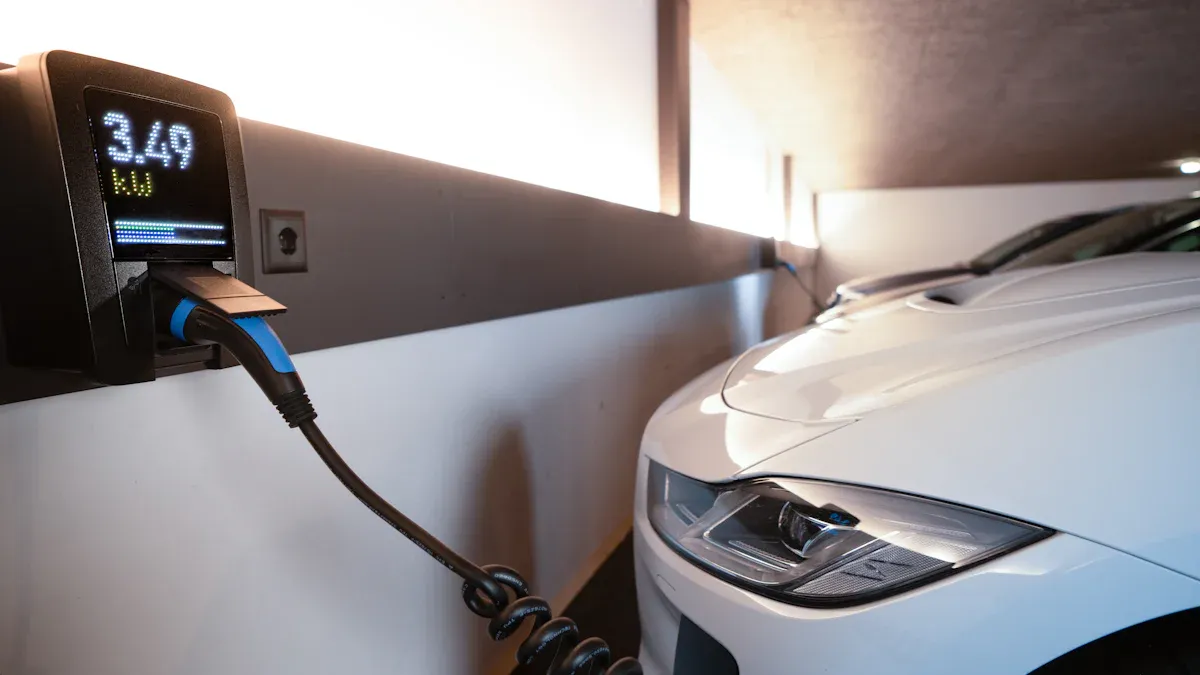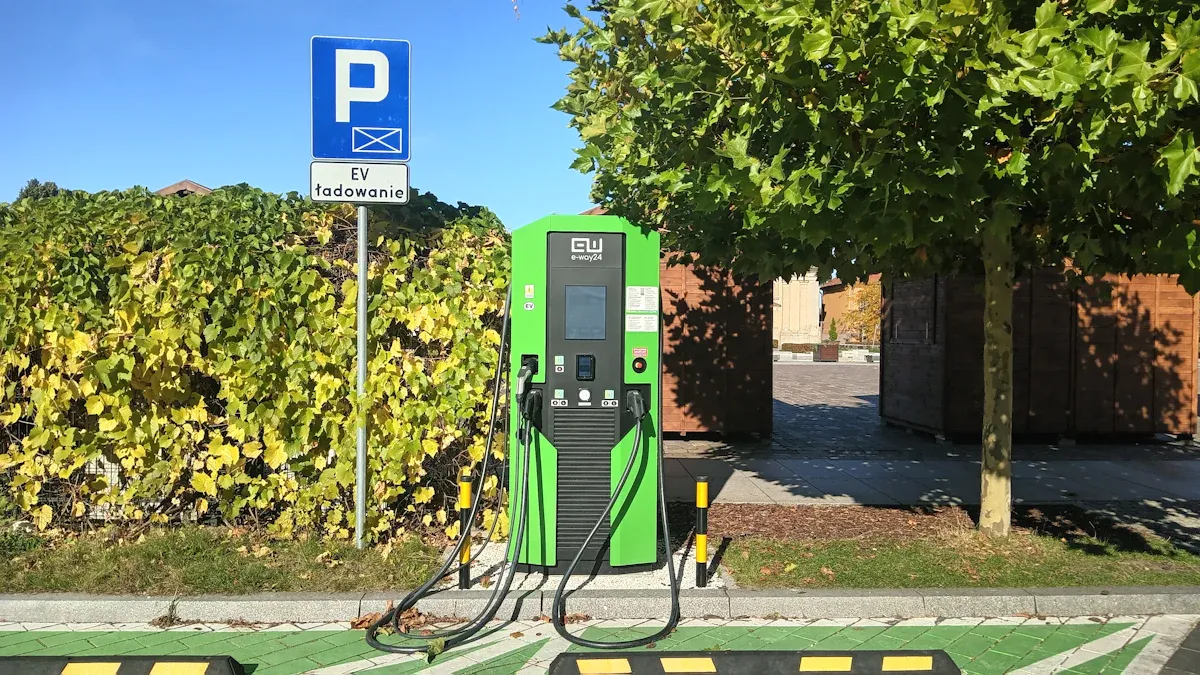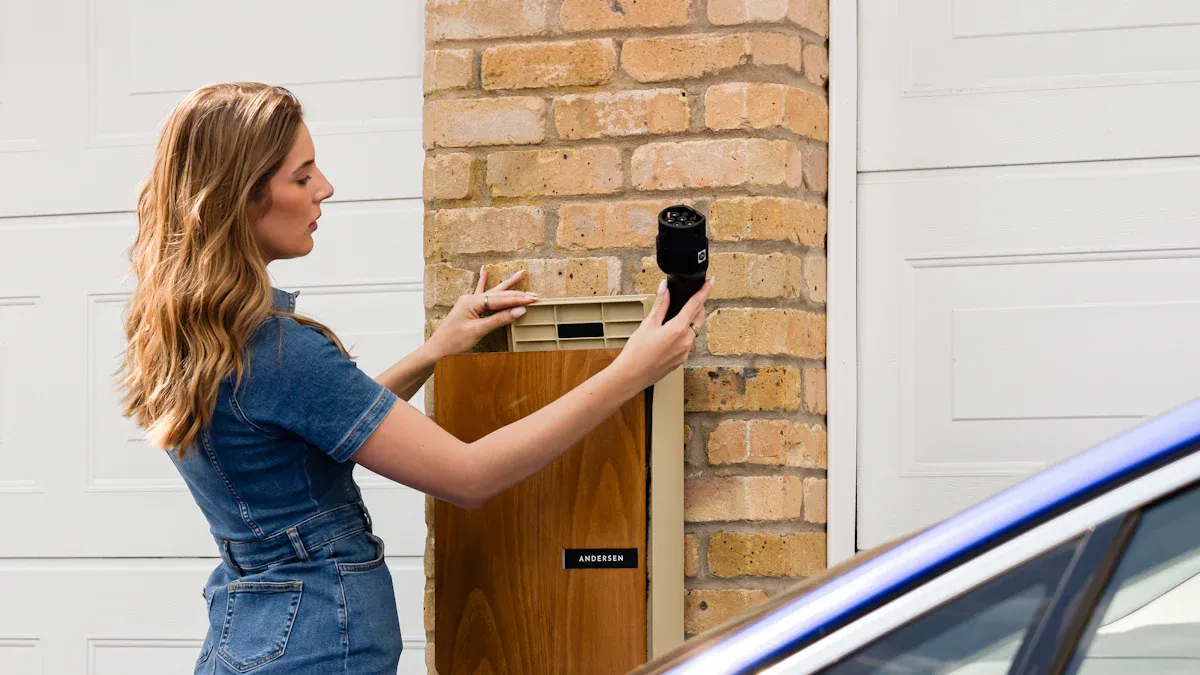
Subsidies for electric car owners have become widely available in the UK for 2025. The electric vehicle chargepoint grant offers up to £350 toward installing a home EV Charger, making it easier for drivers to reduce upfront costs. Most UK electric car owners have already installed chargers at home, with around 80% using dedicated units from EV charger manufacturers. About 20% of drivers still rely on public charging or alternative options. The grant provides immediate financial relief for those seeking efficient and affordable charging solutions.
- Approximately 80% of UK electric vehicle owners have home chargers.
- About 20% do not have a charge point at home.
2025 UK Electric Car Home Charger Incentives and Subsidies for Electric Car Owners
Government Electric Vehicle Grants
OZEV EV Chargepoint Grant
The UK government offers several electric car grant programs to encourage the adoption of home chargepoint solutions. The OZEV EV Chargepoint Grant stands out as a primary source of financial support for electric vehicle owners. This grant covers up to 75% of the cost for buying and installing a chargepoint socket, with a maximum of £350 per socket. Each residential property can receive up to 200 grants per year, making it accessible for both individuals and landlords.
| Grant Type | Description | Financial Support |
|---|---|---|
| EV Chargepoint Grant | Provides financial assistance for buying and installing a chargepoint socket. | 75% off (up to £350 per socket), 200 grants/year for residential properties |
| EV Infrastructure Grant | Supports costs for installation work for multiple chargepoints. | 75% off (up to £30,000), £350 per socket, £500 per parking space |
| Chargepoint Grant for Renters/Flat Owners | Financial support for renters and flat owners installing home chargers. | 75% off (up to £350 per socket) |
This grant reduces the upfront cost of installation and makes home charging more affordable for electric car owners across the UK.
Scotland Home Charger Grant (£400 funding)
In Scotland, electric car owners can access an additional home charger grant. This program provides up to £400 in funding for eligible applicants. The grant helps cover the cost of purchasing and installing a home chargepoint, offering extra support beyond the standard UK-wide incentives. Residents in Scotland benefit from this targeted financial support, which encourages more widespread adoption of electric vehicles.
Electric Car Grant for Vehicle Purchase (£3,750 discount)
The plug-in vehicle grant remains a significant incentive for those purchasing a new electric car. Buyers can receive up to £3,750 off the purchase price of eligible electric vehicles. This discount lowers the barrier to entry for new buyers and supports the transition to cleaner transportation. The government electric vehicle grants for car purchases work alongside home charger incentives, providing comprehensive financial support options for consumers.
Local Authority Home Charging Scheme (£25 million fund)
Local authorities in the UK have access to a dedicated £25 million fund for home charger installations. This funding supports the rollout of charging points in residential areas, especially where off-street parking is limited. The scheme aims to increase the availability of charging solutions and ensure that more drivers can benefit from electric vehicle ownership.
Note: The total value of local authority funding for home charger installations in the UK in 2025 is £25 million. This substantial investment demonstrates the government’s commitment to expanding the charging infrastructure.
Local Authority EV Chargepoint Grant Schemes
Regional Incentives for Home Chargers
Many local authorities operate their own EV scheme to supplement national programs. These regional incentives often provide additional funding or support for installing home chargepoints. The On-Street Residential Chargepoint Scheme (ORCS) is one example, offering up to 60% of installation costs, with a maximum grant amount of £7,500 per chargepoint. Some projects with high connection costs may receive up to £13,000 per unit.
| Scheme Name | Funding Percentage | Maximum Grant Amount | Eligibility Criteria | Application Deadline |
|---|---|---|---|---|
| On-Street Residential Chargepoint Scheme (ORCS) | 60% | £7,500 (up to £13,000 for high connection costs) | Local authorities considering EV strategies | N/A |
Local authorities with highway authority support can also apply for up to 50% funding, with a maximum grant of £200,000 or £7,500 per chargepoint. These regional programs help bridge the gap for residents who may not qualify for national grants.
City-Specific Electric Car Grant Offers
Some cities in the UK provide unique electric car grant offers tailored to local needs. These city-specific programs may include additional subsidies for electric car owners, priority access to charging points, or reduced permit fees for EV drivers. By working with local councils, residents can maximize their savings and access more charging options.
Utility Company Subsidies for Electric Car Charging
Energy Provider Rebates for EV Owners
Utility companies in the UK have introduced their own subsidies for electric car charging. Many providers offer rebates to customers who install home chargepoints or switch to electric vehicles. These rebates can reduce the cost of installation and make home charging more accessible.
Special Tariffs for Electric Vehicle Charging
Energy suppliers also promote special tariffs designed for electric vehicle owners. These tariffs offer lower electricity rates during off-peak hours, allowing drivers to charge their cars at a reduced cost. By choosing the right tariff, electric car owners can further decrease their charging expenses and maximize the benefits of home charging solutions.
Tip: Compare different energy providers and their EV tariffs to find the best deal for your charging needs.
Manufacturer and Installer Promotions
Charger Brand Discounts and Cashback
Manufacturers and installers in the UK have increased their promotional activities to attract electric vehicle owners. Many brands now offer discounts and cashback deals on home EV chargers. These promotions deliver immediate savings, especially for buyers who want to reduce upfront costs. Operators often use data analytics to tailor these offers, making them more frequent as competition intensifies.
| Promotion Type | Offer Details |
|---|---|
| At home package | A free home EV charger with standard installation. |
| On the road package | £800 of credit on the Electroverse network for public charging. |
| Eligible New Cars | Promotions available for various new car models including OMODA E5, Ford Explorer, and others. |
| Eligible Used Cars | Promotions available for used Tesla Model Y. |
- Standard installation comes included for most homes.
- Most chargers support both Type 1 and Type 2 electric vehicles.
- Many brands now feature dynamic charging technology and solar charging compatibility.
Cashback offers and discount programs have become increasingly popular. These deals provide value to users in price-sensitive markets. As more drivers seek to benefit from the electric car grant, manufacturers respond with competitive pricing and bundled offers.
Installer Offers for EV Chargepoint Grant Recipients
Installers also play a key role in maximizing savings for electric vehicle owners. Many installation companies provide special offers for those who qualify for the EV Chargepoint Grant. These offers often include:
- Standard installation at no extra cost for most properties.
- Custom installation options for homes with unique requirements.
- Flexible scheduling to fit the customer’s needs.
Note: Installers frequently collaborate with manufacturers to deliver bundled packages, combining hardware discounts with professional installation services.
Some installers extend exclusive deals to customers who use the electric car grant, ensuring that the total cost of ownership remains low. These partnerships help more drivers access reliable home charging solutions while taking full advantage of available incentives.
Who Qualifies for Electric Car Grant and EV Chargepoint Grant?
Eligible Vehicle Types for Electric Vehicle Grants
Fully Electric Vehicles
The government in the UK provides electric vehicle grants to encourage the adoption of cleaner transportation. Fully electric vehicles qualify for the highest level of financial support under the plug-in vehicle grant. Buyers who purchase eligible electric cars outright, lease them through approved schemes, or participate in salary sacrifice programs can access these grants. The grant amount reaches up to £3,750 for qualifying vehicles priced under £37,000. The government sets a price cap of £42,000 for eligible models. Band One vehicles receive the full grant, while others qualify for a reduced amount of £1,500.
| Type of Buyer | Eligibility Criteria |
|---|---|
| Private buyers | Purchasing eligible EVs outright |
| Personal lease customers | Taking delivery of qualifying vehicles |
| Salary sacrifice participants | Through approved workplace charging scheme |
| Business lease customers | For vehicles under £37,000 with qualifying sustainability credentials |
| Grant Amount | Up to £3,750 off the cost of qualifying EVs under £37,000 |
| Environmental Criteria | Band One vehicles receive the full grant, others qualify for £1,500 |
| Price Cap | £42,000 for eligible vehicles |
Plug-in Hybrid Vehicles
Plug-in hybrid vehicles also receive support through the electric car grant, although the financial assistance is typically lower than for fully electric models. The government evaluates plug-in hybrids based on their environmental impact and price. Only vehicles meeting strict sustainability criteria and falling within the price cap qualify for the grant. Buyers must check the latest list of eligible plug-in hybrids before applying for financial support.
Homeowner vs. Renter Eligibility for Subsidies
Homeowners with Off-Street Parking
Homeowners in the UK previously qualified for the EV Chargepoint Grant. As of March 2022, the government changed the eligibility rules. Homeowners no longer receive direct financial support for home charger installation through this grant. The government now focuses on supporting renters and flat owners who face greater barriers to installing home charging solutions.
| Category | Eligibility Criteria |
|---|---|
| Homeowners | No longer eligible for the EV chargepoint grant as of March 2022. |
| Renters | Eligible for the £350 EV charger grant if they have dedicated off-street parking, proof of rental agreement, landlord permission, and an OZEV-approved charger. |
| Flat Owners | Eligible for the £350 grant if they own and live in the flat, have dedicated off-street parking, and meet other conditions similar to renters. |
Renters and Landlords in Flats or Apartments
Renters and landlords in flats or apartments now benefit from the EV scheme. The government offers a £350 grant for eligible applicants who install OZEV-approved chargers. To qualify, renters must provide proof of a rental agreement, secure landlord permission, and have dedicated off-street parking. Flat owners who live in their property and meet similar requirements also qualify for the grant. This shift in policy ensures that those who face the most challenges with home charging receive targeted support.
Tip: Renters and flat owners should confirm their eligibility before starting the installation process. Landlords can help tenants access the grant by providing written permission and supporting documentation.
Property Requirements for EV Chargepoint Grant
Off-Street Parking Criteria
Properties must meet specific requirements to qualify for the EV Chargepoint Grant. The government mandates that residential properties have dedicated off-street parking for tenants or residents. The chargepoint must be for the exclusive use of those living in the property. Commercial properties must also provide off-street parking and ensure that chargepoints serve only staff or company vehicles.
| Property Type | Requirement |
|---|---|
| Residential | Must have off-street parking for tenants. |
| Chargepoint must be for the exclusive use of tenants or residents. | |
| Commercial | Must be rented to businesses paying business rates. |
| Chargepoints must be for the private use of the building’s staff or company vehicles. | |
| Property must have off-street parking. |
Residential Property Ownership or Lease Agreement
Applicants must demonstrate ownership or a valid lease agreement for the property where the charger will be installed. Renters must provide proof of tenancy and landlord approval. Flat owners must show that they live in the property and have access to dedicated off-street parking. The government requires all applicants to use OZEV-approved chargers and certified installers to ensure safety and compliance.
Note: Meeting all property and documentation requirements increases the likelihood of grant approval and smooth installation.
Charger Specifications for Grant Approval
OZEV-Approved Charger Models
The UK government enforces strict requirements for home EV charger models eligible for grant approval. Only chargers listed on the official Office for Zero Emission Vehicles (OZEV) registry qualify for the Electric Vehicle Chargepoint Grant. This registry includes a wide range of models from leading manufacturers, each designed to meet rigorous safety and performance standards.
OZEV-approved chargers must support reliable and efficient charging for both residential and commercial use. The government updates the approved list regularly, ensuring that only the latest and most secure technologies remain eligible. Some of the most recognized models include:
- Zaptec Go
- Zaptec Pro
- ZAPPI-2H07TB
- ZAPPI-2H07TW
- ZAPPI-2H07UB
- ZAPPI-2H07UW
- ZAPPI-2H07UW-G
- ZAPPI-2H07UB-G
- ZAPPI-2H07TW-G
- ZAPPI-2H07TB-G
- Cord One – CRD5MV1BLK7KW-
- Cord One – CRD7MV1BLK7KW-UK
- Cord One – CRD7MV1WHT7KW-UK
- Cord One – CRD5MV1WHT7KW-UK
- EO Genius-2 EG201
- EO Mini Pro 3 EM301-PME-DCL
- Indra Smart PRO: Tethered Type 1
- Indra Smart PRO: Tethered Type 2
- Indra Smart PRO: Untethered Type 2
Note: The OZEV registry features dozens of approved models, including options from brands such as EO, Cord One, and Indra. This variety allows property owners to select a charger that fits their specific needs and preferences.
OZEV-approved chargers often include advanced features such as dynamic load management, solar compatibility, and integrated safety systems. These features help future-proof installations and ensure compliance with evolving industry standards.
Installation Standards and Safety Requirements
Proper installation plays a critical role in grant approval. The government mandates that only certified OZEV installers can fit eligible chargepoints. Installers must follow strict guidelines to guarantee safety, reliability, and data transparency.
Key installation and safety requirements include:
- Certified Installer: Only OZEV-approved installers, such as BES Group, can perform installations for grant-eligible chargers.
- Data Transparency: Chargers must provide clear data on energy usage and charging sessions, supporting both user monitoring and regulatory compliance.
- Safety Features: All approved chargers must include built-in safety mechanisms, such as overcurrent protection, earth fault detection, and surge protection.
- Commercial Suitability: For commercial properties, the chargepoint must support business use and meet additional safety and reporting standards.
| Requirement | Description |
|---|---|
| OZEV-Approved Installer | Installation must be completed by a certified professional |
| Safety Mechanisms | Overcurrent, earth fault, and surge protection required |
| Data Transparency | Chargers must record and report usage data |
| Commercial Use Compliance | Chargers must meet standards for business and multi-user environments |
Tip: Property owners should always verify the installer’s credentials and confirm that the chosen charger appears on the OZEV-approved list before starting the installation process.
Installers must also ensure that the property meets all grant eligibility criteria, including dedicated off-street parking and exclusive use for residents or staff. Adhering to these standards not only secures grant approval but also guarantees a safe and reliable charging experience for years to come.
How to Apply for Electric Vehicle Grants and EV Chargepoint Grant

Step-by-Step Application Process for Subsidies
Choosing an OZEV-Approved Installer
Applicants must start by selecting an OZEV-approved installer. These professionals have the necessary certification to carry out compliant installations. The installer will provide a consultation and a detailed quote for the work. Choosing an approved installer ensures the process meets government standards and increases the likelihood of a successful grant application.
Completing the EV Chargepoint Grant Application Form
After selecting an installer, the application process follows a clear sequence:
- Choose an OZEV-approved installer.
- Receive a consultation and quote from the installer.
- The installer initiates the grant application on behalf of the applicant.
- Complete the online form sent by OZEV.
- OZEV reviews and approves the application.
- The installer completes the EV chargepoint installation.
- The installer claims the grant after installation.
- The grant amount is deducted from the applicant’s bill.
- OZEV pays the grant directly to the installer.
Note: The installer manages most of the paperwork, making the process straightforward for applicants.
Required Documents for Electric Car Grant
Proof of Electric Vehicle Ownership
Applicants must provide documentation that proves ownership or lease of an eligible vehicle. The most common documents include the V5C registration certificate, order confirmation, or lease contract documents. These documents confirm the applicant’s eligibility for the electric car grant.
Proof of Residence or Tenancy
Proof of residence or tenancy is also required. Applicants may need to submit a rental agreement, proof of address, or an eligibility checklist. The checklist typically includes confirmation of private off-street parking, vehicle purchase date, and property status.
| Document Type | Description |
|---|---|
| OLEV EVHS Grant Application Form | Required form for the grant application. |
| V5C or Order Confirmation | Proof of vehicle ownership if registered privately. |
| Lease Contract Documents | Required if the vehicle is leased. |
| Eligibility Checklist | Confirms off-street parking and other conditions. |
Tip: Upload all required documents and forms promptly to avoid delays.
Timelines and Approval for Grant Applications
Application Processing Timeframes
Once all documents are submitted, the processing time for electric vehicle grant applications in the UK is typically about one month. OZEV reviews the application and supporting documents before granting approval.
Receiving the Electric Vehicle Grant Payment
After approval, the installer completes the installation and claims the grant. The grant amount is deducted from the applicant’s final bill, and OZEV pays the installer directly. This process ensures applicants receive the benefit of the grant without waiting for reimbursement.
How Much Can You Save with Electric Car Grant and EV Chargepoint Grant?
Grant Value Breakdown for Home Chargers
Maximum Subsidy Amounts (£350, £400, £3,750)
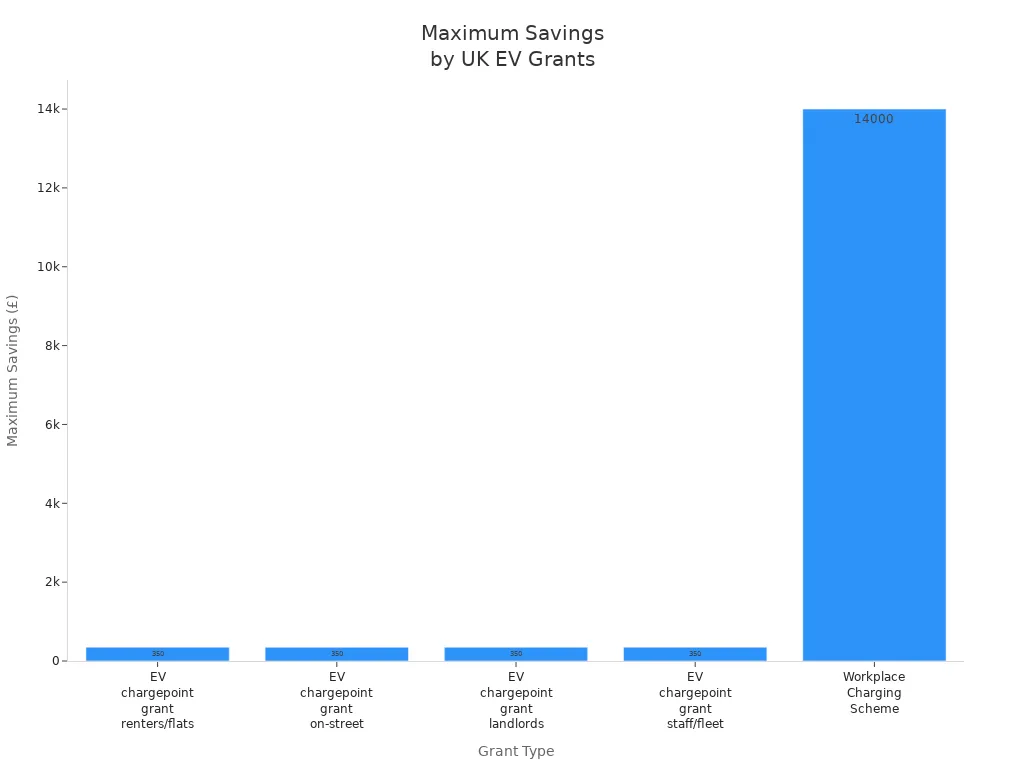
The UK offers several financial incentives to help electric car owners reduce the cost of installing a home charger. The most common grant for renters and flat owners covers up to £350 per installation. In Scotland, eligible applicants can receive up to £400. For those purchasing a new electric car, the electric car grant can provide a discount of up to £3,750 on the vehicle price. The table below summarizes the maximum savings available for different grant types:
| Grant Type | Maximum Savings | Conditions |
|---|---|---|
| EV chargepoint grant for renters and flat owners | £350 | For renters and flat owners installing EV chargers. |
| EV chargepoint grant for households with on-street parking | £350 | For households with on-street parking installing EV chargers. |
| EV chargepoint and infrastructure grant for landlords | £350 | For landlords installing EV chargers in car parks. |
| EV chargepoint and infrastructure grant for staff and fleet car parks | £350 | For staff and fleet car parks installing EV chargers. |
| Workplace Charging Scheme | Up to £14,000 | Covers up to 75% of the total cost for up to 40 sockets. |
Percentage of Installation Costs Covered (up to 75%)
The OZEV grant covers up to 75% of the installation costs for a home EV charger. The maximum amount is £350. This significant subsidy for electric car owners makes home charging more affordable and accessible.
- The OZEV grant covers 75% of the installation costs for home EV chargers.
- The maximum grant amount is £350.
Example Savings Scenarios for Electric Vehicle Owners
Typical Homeowner Savings with Subsidies
A typical electric car owner installing a home charger can expect substantial savings. The EV chargepoint grant can provide up to 75% off the cost and installation of a home EV charger. Many drivers who install a smart charger with scheduling features can save up to £1,000 over time by optimizing charging during off-peak hours.
Savings for Renters and Landlords Using EV Chargepoint Grant
Renters and landlords benefit from targeted support. The grant for renters and flat owners offers up to £350 toward installation. The Motability scheme provides a free home EV charger and installation for those receiving a qualifying mobility allowance. These programs help more people access reliable charging at home.
- The EV chargepoint grant can provide up to 75% off the cost and installation of a home EV charger.
- Installing a smart home EV charger with charge scheduling features can lead to potential savings of up to £1,000.
- The Motability scheme offers a free home EV charger and installation for those receiving a qualifying mobility allowance.
Comparing Costs With and Without Electric Vehicle Grants
Upfront Cost Comparison for Home Charger Installation
The cost of installing a home EV charger in the UK typically ranges from £800 to £1,500. With the electric car grant, eligible households can reduce this cost to between £450 and £1,150. The table below shows the difference:
| Cost Type | Cost Without Grant | Cost With Grant |
|---|---|---|
| Typical Installation Cost | £800 – £1,500 | £450 – £1,150 |
| Grant Amount | N/A | Up to £350 |
- The EV Chargepoint Grant can cover up to 75% of the installation cost for eligible households.
- Eligible households can receive a grant of up to £350, significantly reducing upfront costs.
- Typical installation costs range from £800 to £1,200, which can be lowered with the grant.
Long-Term Value and Return on Investment
The EV Chargepoint Grant offers up to 75% coverage of installation costs for home chargers. The maximum grant amount is capped at £350. This financial support lowers the initial investment for UK electric vehicle owners. Over time, drivers save even more by charging at home, especially when using off-peak tariffs or smart charging features. The long-term return on investment increases as fuel and maintenance costs decrease.
Note: Subsidies for electric car charging not only reduce upfront expenses but also deliver ongoing savings for years to come.
Practical Tips to Maximize Your Savings with Electric Vehicle Grants
Choosing the Right EV Charger for Subsidies
Features to Look For in OZEV-Approved Models
Selecting the right charger ensures eligibility for the most generous financial support. Buyers should consider several factors before making a decision:
- Charging level: Options range from standard domestic plug sockets to 7 kWh and 22 kWh units, as well as DC fast chargers. Each level suits different needs and budgets.
- Charging speed: The charger’s power output (measured in kW) should match the vehicle’s maximum charging capacity for optimal efficiency.
- Connector type: Compatibility matters. Most UK electric vehicles use Type 2 connectors, but some models require CHAdeMO or CCS.
- Installation requirements: The property’s electrical infrastructure must support the chosen charger. Installers must comply with all safety standards.
- Financial incentives: Buyers should review available subsidies and rebates to offset the cost of purchasing and installing an EV charger.
OZEV-approved models often include smart features such as scheduling, load balancing, and remote monitoring. These features help drivers optimize charging times and reduce electricity costs.
Future-Proofing Your Home Charging Installation
Future-proofing a home charging setup protects the investment as technology evolves. Owners should select chargers that support software updates and offer compatibility with solar panels or battery storage. Some models allow for easy upgrades to higher power outputs. Planning for future vehicle purchases or changes in household needs ensures the installation remains valuable for years.
Tip: Choose a charger with smart capabilities and flexible installation options to adapt to new EV technologies.
Selecting a Qualified Installer for EV Chargepoint Grant
Finding OZEV-Approved Installers
Only OZEV-approved installers can complete work under the EV scheme. These professionals have the training and certification required to meet government standards. A list of approved installers appears on the official OZEV website. Selecting a qualified installer increases the likelihood of grant approval and guarantees a safe installation.
Comparing Quotes and Service Packages
Comparing quotes from multiple installers helps owners find the best value. Service packages may include standard installation, extended warranties, or maintenance plans. Some installers offer bundled deals with hardware discounts. Reviewing these options ensures the installation meets both budget and technical requirements.
Combining Multiple Electric Car Grants and Incentives
Stacking National, Local, and Utility Subsidies
Drivers can maximize savings by stacking national grants, local authority funding, and utility company rebates. For example, the £3,750 grant for eligible vehicles can reduce monthly costs by about £104 over a typical three-year lease. Basic rate taxpayers may save £75 monthly through salary sacrifice, while higher rate taxpayers can save £60. Combining these benefits with a low Benefit-in-Kind rate of 3% for electric vehicles can result in total savings ranging from 20% to 50%.
Timing Your Application for Maximum Savings
Timing plays a crucial role in maximizing financial support. Some schemes operate on a first-come, first-served basis or have annual funding limits. Applying early in the year increases the chance of securing the full grant amount. Monitoring updates from local authorities and utility providers helps drivers take advantage of new offers as they become available.
Note: Staying informed about changes to the ev scheme and acting quickly can help secure the highest level of support.
Common Mistakes to Avoid When Applying for Electric Vehicle Grants
Applying for electric vehicle grants can help drivers save money, but several common mistakes can delay or even prevent approval. Understanding these pitfalls ensures a smoother application process and maximizes the benefits of available incentives.
Using Ineligible Installers or Non-Approved Chargers
Many applicants overlook the importance of choosing an OZEV-approved installer and charger. The government only recognizes installations completed by certified professionals using approved equipment. If an applicant selects a non-approved installer or a charger not listed on the OZEV registry, the grant application will be rejected. This mistake often leads to unnecessary expenses, as the applicant must pay the full installation cost without financial support.
Tip: Always verify the installer’s credentials and confirm the charger model appears on the official OZEV-approved list before starting the process.
A table can help clarify the requirements:
| Requirement | Approved Option Needed? | Where to Check? |
|---|---|---|
| Installer | Yes | OZEV official installer list |
| Charger Model | Yes | OZEV approved charger registry |
Missing Application Deadlines for EV Chargepoint Grant
Deadlines play a critical role in the grant process. Some applicants miss out on funding because they submit their paperwork after the deadline. The government and local authorities often set strict timelines for applications, especially when funding is limited or distributed on a first-come, first-served basis. Missing these deadlines means losing access to valuable financial support.
Applicants should:
- Mark important dates on a calendar.
- Gather all required documents early.
- Respond promptly to requests from installers or grant administrators.
Note: Early preparation increases the chance of receiving the grant before funds run out.
Overlooking Local Authority or Utility Subsidies for Electric Car Owners
Many drivers focus only on national grants and miss additional savings from local authorities or utility companies. Local councils may offer extra funding, reduced permit fees, or priority access to charging points. Utility providers sometimes provide rebates or special tariffs for electric car owners. Ignoring these opportunities can result in higher out-of-pocket costs.
To avoid this mistake, applicants should:
- Research local council programs in their area.
- Contact their energy provider about EV-specific tariffs or rebates.
- Combine national, local, and utility incentives for maximum savings.
Callout: Stacking multiple incentives can significantly reduce the total cost of home charger installation.
By avoiding these common mistakes, applicants can make the most of electric vehicle grants and enjoy a more affordable transition to electric driving.
The Future of Electric Vehicle Grants and Home Charger Incentives in the UK
Expected Changes to Subsidies for Electric Car Owners After 2025
The landscape for electric vehicle support in the UK will evolve after 2025. The government plans to adjust several policies to encourage continued adoption while balancing fiscal responsibility. One significant change involves road tax for electric cars. Starting April 1, 2025, owners of electric cars will pay road tax, but the rate remains much lower than for petrol or diesel vehicles. The first-year rate stands at £10, which helps maintain affordability for new buyers.
Grants for EV charger installation will continue to play a vital role. Funding remains available for expanding charging infrastructure, with grants covering up to 75% of installation costs in various settings. New regulations require all new homes to include EV chargers, a rule that took effect on June 15, 2022. From May 29, 2025, planning rules for retrofitting chargers in existing homes will become more relaxed, making it easier for property owners to upgrade.
The following table summarizes key changes and regulations expected after 2025:
| Change/Regulation | Details |
|---|---|
| Road Tax for EVs | Electric cars pay £10 for the first year, lower than petrol/diesel. |
| EV Charger Installation Grants | Grants continue, covering 75% of installation costs. |
| New Build Regulations | EV chargers mandatory in new homes; relaxed retrofit rules from 2025. |
Additional support measures will remain in place, including LEVI funding, company car tax discounts, and exemptions from Ultra Low Emission Zone and Congestion Charge fees. Vehicle Excise Duty discounts and plug-in van and truck grants will also continue to benefit drivers and businesses.
Trends in EV Charging Support and Electric Car Grant Programs
Several trends will shape the future of EV charging support and grant programs in the UK. The government continues to prioritize infrastructure expansion, focusing on both urban and rural areas. Increased investment in public and private charging stations aims to address range anxiety and support wider adoption.
Local authorities and utility companies will likely introduce more targeted incentives. These may include rebates for smart chargers, special tariffs for off-peak charging, and additional funding for community charging hubs. The market for home charger technology will see rapid innovation, with manufacturers offering advanced features such as solar integration and dynamic load management.
Industry experts expect grant programs to become more flexible, adapting to changing consumer needs and technological advancements. The focus will shift toward supporting renters, landlords, and those without dedicated parking. Collaboration between government, energy providers, and manufacturers will drive the development of comprehensive solutions for electric vehicle owners.
Note: The future of electric vehicle support in the UK depends on sustained investment, regulatory updates, and ongoing collaboration across sectors. Drivers should monitor policy changes and new incentives to maximize benefits.
Subsidies for electric car owners in the UK offer significant savings on both vehicle purchases and home charger installations. These incentives lower upfront costs and make electric vehicle ownership more accessible. Individuals should review eligibility requirements and apply for subsidies for electric car charging as soon as possible. Early action ensures maximum financial benefit and supports the shift toward cleaner transportation.
Taking advantage of current programs helps drivers save money and encourages a faster transition to electric vehicles.
FAQ
What is the OZEV EV Chargepoint Grant?
The OZEV EV Chargepoint Grant provides up to £350 toward the cost of installing a home electric vehicle charger. Only renters, flat owners, and landlords with eligible properties can apply. The grant covers up to 75% of installation costs.
Who can apply for the home charger grant in 2025?
Renters, flat owners, and landlords with dedicated off-street parking qualify for the grant. Homeowners in single-unit houses do not qualify. Applicants must use OZEV-approved installers and chargers.
Can I combine national and local grants for more savings?
Yes. Many drivers combine the OZEV grant with local authority or utility company incentives. Stacking these programs can maximize total savings on installation and charging costs.
What documents do I need for the grant application?
Applicants need proof of electric vehicle ownership or lease, proof of residence or tenancy, and landlord permission if renting. Installers may request additional documents for verification.
How long does the grant approval process take?
The approval process usually takes about one month after submitting all required documents. OZEV reviews the application, and the installer receives payment directly after installation.
Are all EV chargers eligible for the grant?
No. Only chargers listed on the OZEV-approved registry qualify for the grant. Applicants should check the official list before purchasing or installing a charger.
Do utility companies offer special tariffs for EV charging?
Many UK energy providers offer special tariffs for electric vehicle owners. These tariffs often feature lower rates during off-peak hours, helping drivers reduce charging costs.
What happens if I miss the grant application deadline?
Missing the deadline means losing access to the grant for that funding period. Applicants should prepare documents early and respond quickly to installer or authority requests.