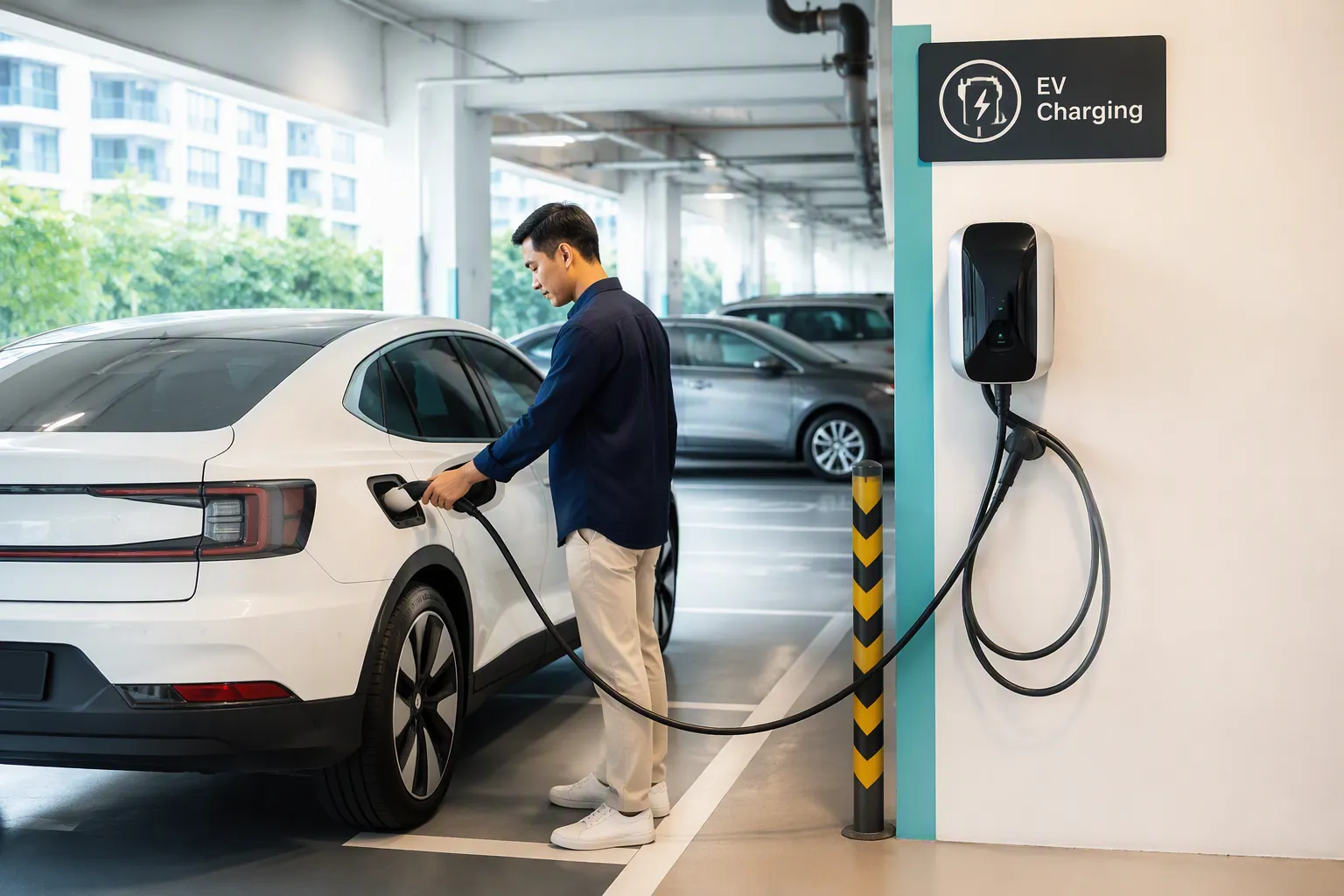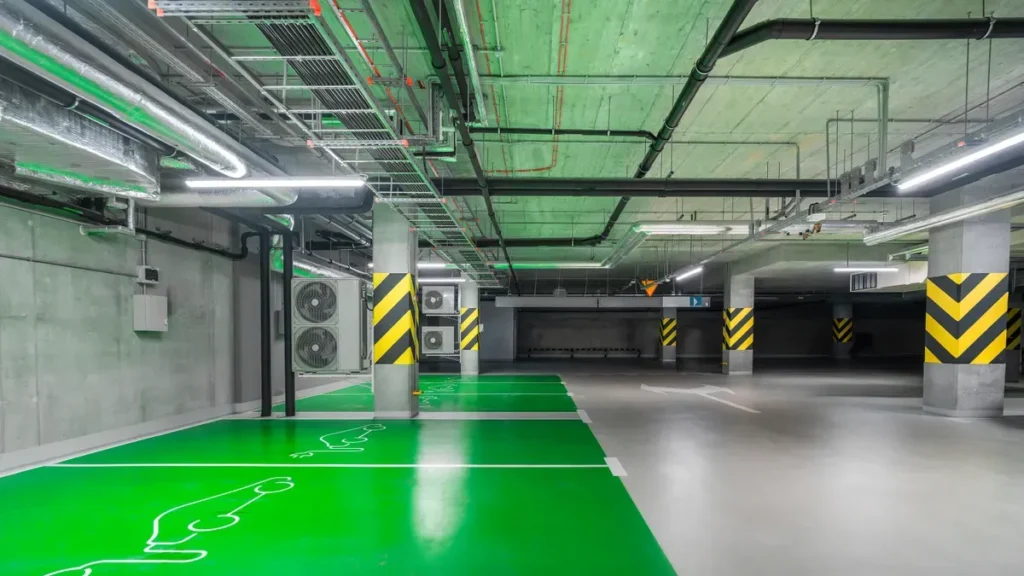
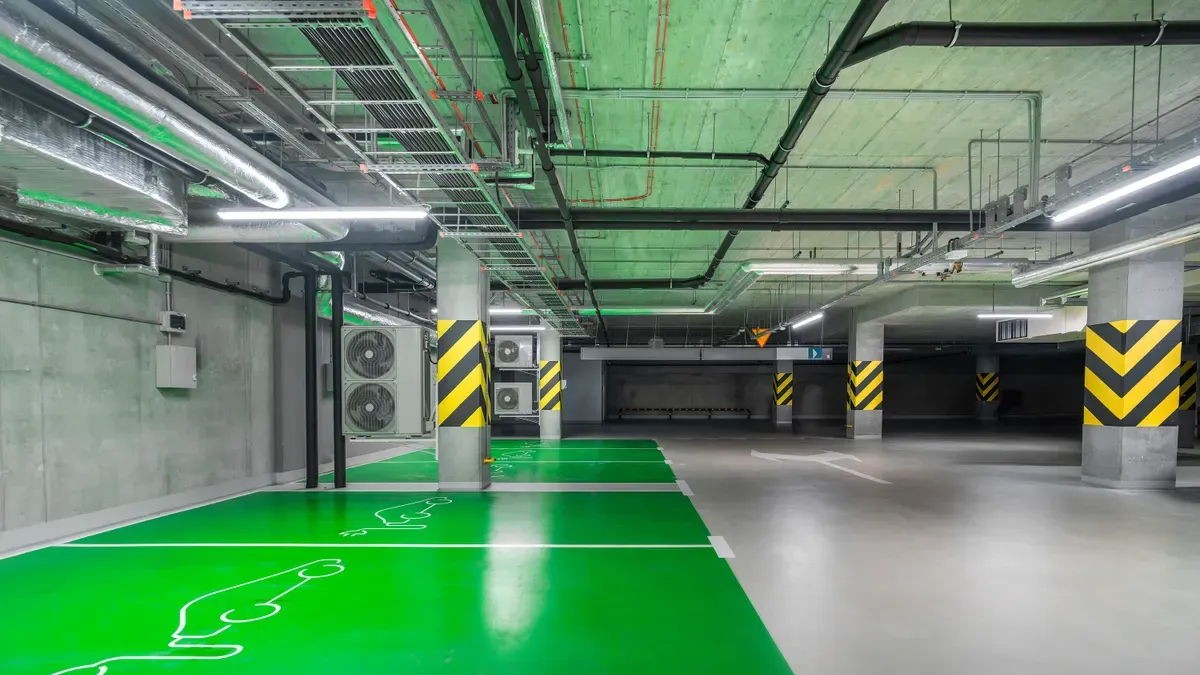
Shopping malls in Thailand stand out as prime destinations for both shoppers and businesses. These shopping centers offer extensive amenities and attract diverse crowds daily. Many drivers seek convenient charging stations electric cars rely on, especially as electric vehicles become more popular. Shoppers can park their cars, enjoy the mall, and access EV Charger units from leading EV charger manufacturers. EV charging solutions, including portable ev chargers, help malls support the growing EV market. Shopping malls in Thailand deliver unmatched value to the EV community.
High Foot Traffic and Dwell Time in Shopping Malls in Thailand

Consistent Visitor Numbers
Daily Traffic Patterns
Shopping centers in Thailand consistently attract large crowds throughout the week. CentralPlaza WestGate, for example, welcomes about 60 million visitors each year. This figure translates to an average daily footfall of 160,000 shoppers. High-traffic shopping malls maintain steady visitor numbers, even during weekdays, due to their diverse retail offerings and entertainment options. These patterns create a reliable environment for charging stations electric cars depend on, as a constant flow of potential users passes through the premises.
- Shopping malls generate more traffic than most other commercial properties.
- Commercial sites with charging facilities experience a 5-10% boost in traffic compared to those without.
- Malls equipped with charging infrastructure see a 20% increase in customer dwell time and a 12% rise in retail sales.
Diverse Shopper Demographics
Shopping centers in Thailand attract a wide range of visitors. Families, professionals, tourists, and students all frequent these locations. This diversity ensures that charging solutions reach a broad audience, including both local residents and international travelers who drive electric vehicles. CentralWorld, for instance, has upgraded its facilities with over 2,000 digital panels, enhancing the experience for all demographics. This investment has led to a 35% increase in ad recall rates, demonstrating the effectiveness of engaging a varied customer base.
Extended Shopping Duration
Average Visit Times
Visitors to Thai shopping centers typically spend significant time on-site. EV owners, in particular, spend between 30 and 90 minutes in malls while their vehicles charge. This extended duration aligns perfectly with the average charging session, allowing drivers to shop, dine, or enjoy entertainment without feeling rushed. The synergy between charging and shopping activities maximizes convenience for both customers and mall operators.
Optimal Charging Opportunities
Longer customer dwell time creates ideal conditions for charging electric vehicles. Shoppers can leave their cars at charging stations and make full use of mall amenities. The presence of charging infrastructure encourages visitors to stay longer, which benefits both retailers and EV drivers. As a result, shopping centers become preferred destinations for those seeking efficient charging solutions. The combination of high traffic, diverse demographics, and extended visit times positions these malls as optimal locations for supporting the growing demand for electric vehicle charging.
Tip: Shopping centers that invest in charging infrastructure not only attract more visitors but also encourage them to stay longer, leading to increased sales and stronger customer loyalty.
Central and Accessible Locations of Shopping Malls in Thailand
Urban and Suburban Placement
Proximity to Residential Communities
Shopping malls in Thailand often sit at the heart of both urban and suburban neighborhoods. Developers select these sites to maximize convenience for local residents. Many families and professionals live within a short drive of major malls. This proximity allows electric vehicle drivers to access charging stations during routine shopping trips or errands. Malls in suburban areas also serve as community hubs, drawing visitors from nearby housing developments and apartment complexes. As a result, these centers become natural gathering points for people seeking both retail and charging services.
Access via Major Roads and Highways
Most shopping malls in Thailand enjoy strategic placement along major roads and highways. This location ensures easy access for drivers traveling from different parts of the city or surrounding regions. Urban centers like Bangkok, Chiang Mai, and Chonburi have seen rapid deployment of EV charging stations in malls and commercial spaces. Real estate developers now integrate charging infrastructure into smart building designs, anticipating the needs of modern commuters. The rise of ride-hailing fleets and electric taxis in densely populated areas has further increased demand for fast-charging hubs. Shoppers and drivers benefit from seamless entry and exit, reducing travel time and making charging more convenient.
Note: Shopping malls that offer quick access from main roads attract a broader customer base, including tourists and business travelers who rely on efficient routes.
Ease of Access for Charging Stations Electric Cars
Ample Parking and Facilities
Thai shopping malls typically provide large parking areas, which accommodate hundreds or even thousands of vehicles. Mall operators allocate dedicated spaces for electric vehicle charging, ensuring that drivers can find available spots without difficulty. The rapid growth of the EV market has prompted malls to expand their parking and charging facilities. These improvements enhance convenience for EV customers and support the overall charging infrastructure. Shoppers can park close to entrances, making it easier to carry purchases or escort family members.
- Malls allocate sufficient parking space for EVs alongside charging stations.
- Charging facilities are often located near main entrances or in covered areas for added comfort.
- Enhanced parking options encourage more drivers to choose malls as their preferred charging destination.
Clear Navigation and Signage
Effective navigation plays a crucial role in the customer experience. Shopping malls in Thailand invest in clear signage to direct drivers to charging stations. Digital panels, floor markings, and wayfinding maps help visitors locate charging points quickly. These features reduce confusion and save time, especially for first-time users or tourists unfamiliar with the mall layout. Well-marked routes and visible instructions ensure that electric vehicle drivers can access charging infrastructure without unnecessary delays.
Tip: Malls that prioritize clear navigation and signage create a welcoming environment for EV drivers, increasing the likelihood of repeat visits.
Enhanced Customer Experience with Charging Stations Electric Cars
Convenience for Shoppers
Integrated Charging During Shopping
Shopping malls in Thailand provide a seamless experience for customers who drive electric cars. They can park their vehicles and start charging as soon as they arrive. This integration allows customers to enjoy shopping, dining, or entertainment while their cars receive power. The process eliminates the need for separate trips to dedicated charging locations. Customers appreciate the ability to combine errands and leisure with essential vehicle maintenance.
Tip: Customers who charge their cars during shopping often report higher satisfaction with their overall mall experience.
Efficient Use of Time
Charging stations in shopping malls help customers maximize their time. They can browse stores, meet friends, or relax in cafes while their vehicles charge. This efficient use of time appeals to busy professionals and families. Customers do not need to wait in their cars or search for alternative charging spots. The convenience of charging while shopping encourages repeat visits and builds loyalty among electric vehicle owners.
Incentives and Loyalty Benefits
Exclusive Offers for EV Users
Many shopping malls in Thailand offer special incentives for customers who use charging stations. These exclusive offers may include discounted parking, free charging hours, or vouchers for mall retailers. Customers who drive electric vehicles often receive notifications about these benefits through mall apps or loyalty programs. These perks create a sense of appreciation and encourage more drivers to choose malls with charging facilities.
- Free charging for the first hour
- Discounted rates for frequent users
- Special promotions during holidays
Retailer Partnerships and Rewards
Retailers within shopping malls often partner with charging service providers to deliver additional rewards. Customers who use charging stations may earn points or receive coupons for participating stores. These partnerships benefit both retailers and customers by increasing foot traffic and encouraging purchases. Malls that support such collaborations create a vibrant ecosystem where everyone gains value.
| Incentive Type | Benefit for Customers | Benefit for Retailers |
|---|---|---|
| Loyalty Points | Redeemable for discounts | Increased repeat business |
| Shopping Vouchers | Savings on purchases | Higher sales volume |
| Event Invitations | Access to exclusive events | Enhanced brand engagement |
Note: Retailer partnerships with charging providers help malls stand out in a competitive market.
Customers who experience these benefits often share positive feedback with friends and family. This word-of-mouth promotion helps malls attract new visitors and strengthens their reputation as forward-thinking destinations.
Business Benefits for Shopping Malls in Thailand
Increased Footfall and Dwell Time
Attracting New Customer Segments
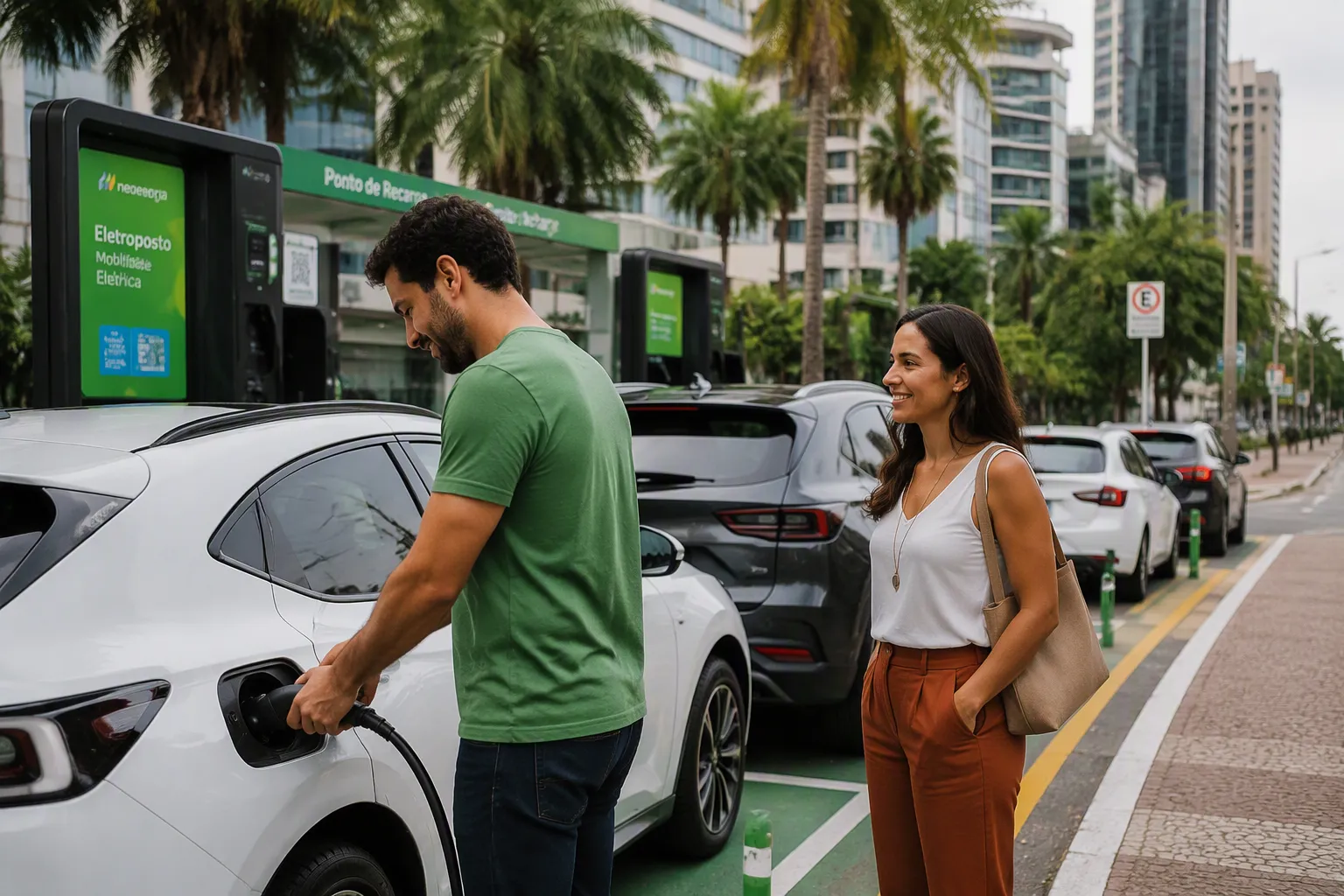
Shopping centers in Thailand attract new customer segments by offering charging stations electric cars. Many EV drivers prefer locations with charging infrastructure. Half of EV owners choose shopping centers with charging facilities, which increases foot traffic. These customers often have higher purchasing power and seek convenient charging options. Shopping centers that provide charging create opportunities to reach both local residents and tourists who drive electric cars.
Encouraging Longer Visits
Charging times range from 15 minutes to 2 hours. Customers spend more time in shopping centers while their cars charge. This extended dwell time leads to increased spending. Unlike traditional gas stations, shopping centers turn charging into shopping opportunities. Customers can browse stores, dine, or enjoy entertainment while waiting for their cars. Longer visits benefit retailers and enhance the overall shopping experience.
New Revenue Streams from Charging Stations Electric Cars
Charging Fees and Service Packages
EV charging business models offer new revenue generation for mall operators. Charging fees and service packages provide steady income. Shopping centers can set rates based on charging speed or offer subscription packages for frequent users. TPSON delivers advanced solutions that help malls manage charging operations efficiently. Charging stations electric cars create a reliable revenue stream that complements traditional retail income.
Advertising and Sponsorship Opportunities
EV charging business models also include advertising and sponsorship. Digital panels near charging stations display promotions from mall retailers or external brands. Companies sponsor charging infrastructure to reach environmentally conscious customers. Advertising during charging sessions increases brand visibility and drives sales. Shopping centers use these opportunities to diversify revenue generation and strengthen partnerships with retailers.
Tip: Shopping centers that combine charging fees with advertising maximize their EV charging business models and boost profitability.
| Revenue Source | Description | Benefit to Shopping Centers |
|---|---|---|
| Charging Fees | Pay-per-use or subscription packages | Steady income |
| Advertising | Digital panels and sponsored charging spots | Increased brand visibility |
| Retail Partnerships | Promotions for charging customers | Higher sales volume |
Enhanced Brand Image and Sustainability
Leadership in Green Initiatives
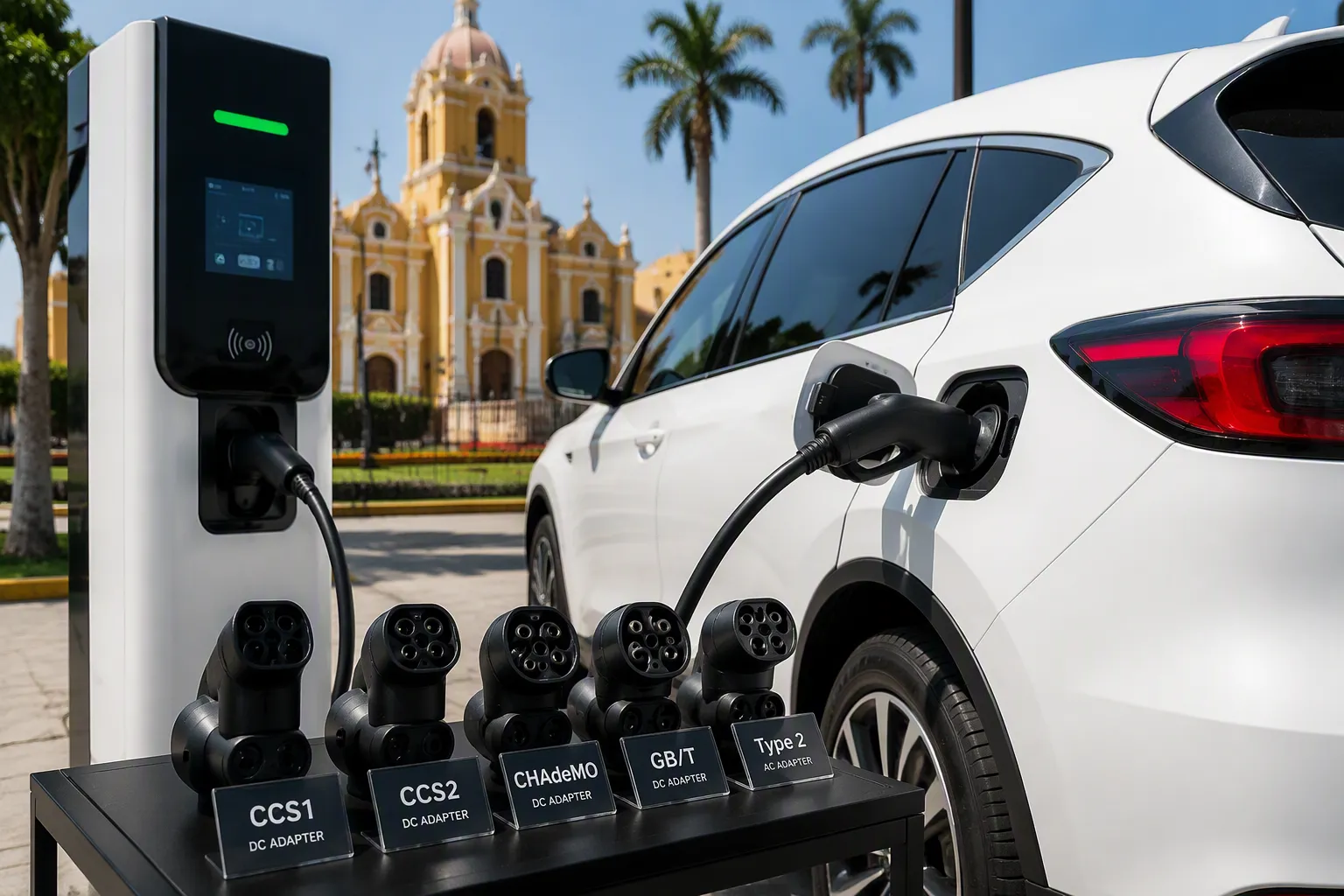
Shopping centers that invest in charging infrastructure demonstrate leadership in sustainability. CentralWorld, Central Chidlom, Central Embassy, and other malls feature multiple charging stations for electric cars. These locations offer Tesla Superchargers, On | ion EV Charging Stations, and Evolt units. Central Village Suvarnabhumi provides Type 2 connectors, CCS/SAE, and Tesla Superchargers. Central Westville has a head charger with 23 spots. These examples show how shopping centers lead green initiatives and attract customers who value sustainability.
Community Engagement
Shopping centers engage the community by supporting sustainable practices. Over 73% of global consumers change purchasing habits to reduce environmental impact. Electric vehicle owners prefer shopping centers with charging stations, which increases sales. Non-EV customers also appreciate visible sustainability efforts. Shopping centers build loyalty and improve brand perception by investing in charging infrastructure. TPSON helps malls enhance their sustainability profile and connect with environmentally conscious customers.
- Shopping centers are seen as environmentally responsible.
- Charging stations enhance the shopping experience for EV owners.
- Sustainability efforts attract both EV and non-EV customers.
Supporting Thailand’s EV Growth with Charging Stations Electric Cars
Alignment with National Sustainability Goals
Contribution to Emissions Reduction
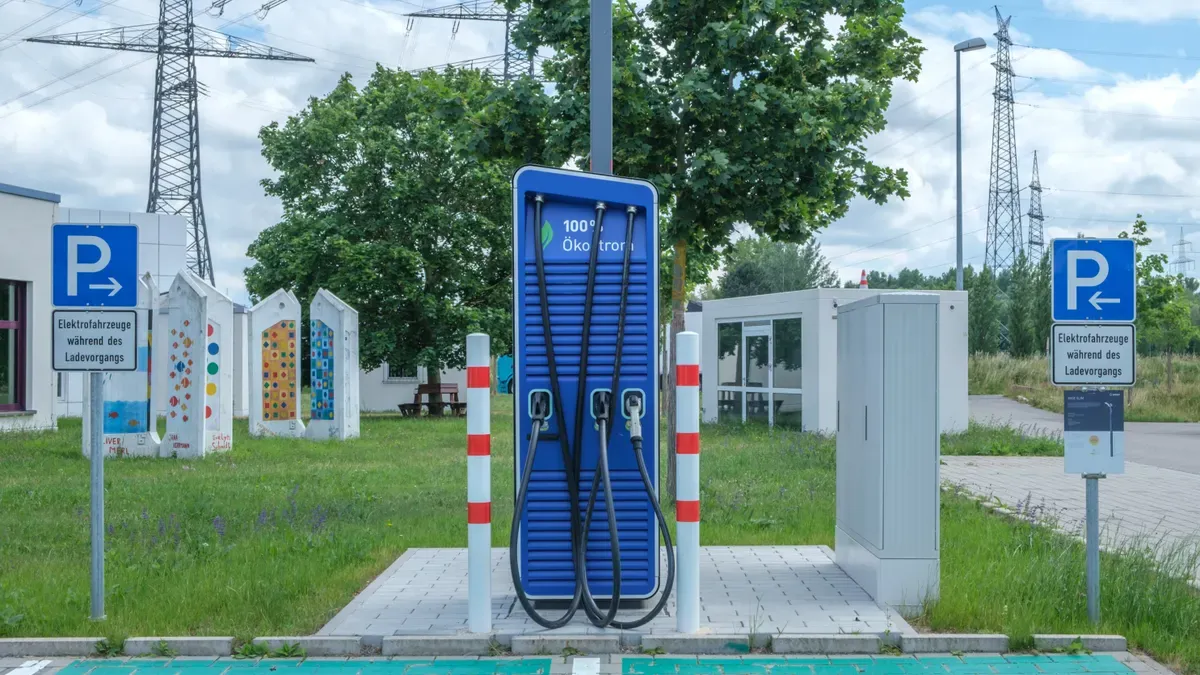
Thailand has set ambitious targets for environmental sustainability. The government aims to reduce emissions by promoting electric mobility across the country. Shopping malls play a vital role in this transition. By installing charging stations, these commercial centers help lower the carbon footprint of transportation. The integration of charging infrastructure in malls supports the advancement of electric mobility and encourages drivers to choose electric cars over traditional vehicles. This shift benefits the environment and aligns with Thailand’s commitment to a cleaner future.
- Thailand is rapidly transitioning to electric vehicles in both production and consumption.
- The renewable energy sector supports the advancement of electric mobility and national sustainability goals.
- Charging stations in shopping malls enhance the accessibility of charging facilities, making electric mobility more practical for everyday users.
Support for Government Initiatives
The Thai government has introduced policies to accelerate the adoption of electric vehicles. These initiatives include incentives for manufacturers and consumers, as well as targets for electrifying public and private transportation. By 2030, the government wants 30% of all domestically produced vehicles to be electric. The plan includes electrifying 225,000 passenger cars, 360,000 motorcycles, 18,000 buses, and 500 tuktuks by 2025. Shopping malls that provide charging infrastructure directly support these goals by making charging more accessible and convenient for the public.
Meeting Growing EV Demand
Addressing Infrastructure Gaps
Thailand’s electric vehicle market is expanding quickly. However, the current infrastructure does not meet the needs of a market targeting millions of electric vehicle sales. The country has around 11,600 electric vehicle chargers, which is not enough to support widespread adoption. Many drivers experience range anxiety due to limited charging options. Shopping malls can help close this gap by installing more charging stations. This approach increases the availability of charging infrastructure and encourages more people to consider electric mobility.
Encouraging EV Adoption
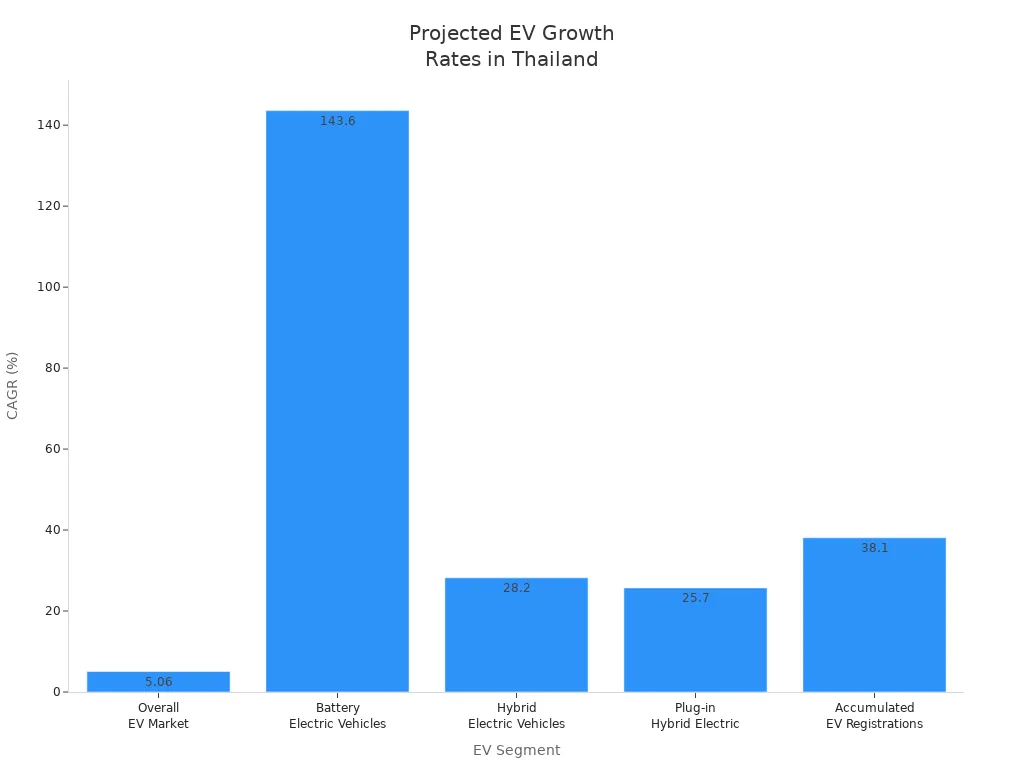
The electric vehicle market in Thailand is projected to grow at an annual rate of 5.06% from 2024 to 2028, reaching a market volume of approximately US$1,344.0 million by 2028. The following table shows the projected compound annual growth rates (CAGR) for different EV segments:
| Segment | CAGR (%) |
|---|---|
| Overall EV Market | 5.06 |
| Battery Electric Vehicles | 143.6 |
| Hybrid Electric Vehicles | 28.2 |
| Plug-in Hybrid Electric Vehicles | 25.7 |
| Accumulated EV Registrations | 38.1 |
Shopping malls that invest in charging infrastructure make electric mobility more attractive. They provide convenient charging options in locations where people already spend time. This strategy reduces barriers to adoption and supports the advancement of electric mobility. As more drivers see the benefits, the market for electric cars will continue to grow, helping Thailand achieve its sustainability and transportation goals.
Note: Shopping malls that expand charging infrastructure not only support government policy but also help create a cleaner, more sustainable environment for everyone.
Safety, Security, and Amenities in Shopping Malls in Thailand
Secure Charging Environment
24/7 Security and Surveillance
Shopping malls in Thailand prioritize the safety of visitors and their vehicles. Security teams monitor parking areas around the clock. Many malls use advanced surveillance systems, including CCTV cameras, to oversee charging zones. Security personnel patrol these areas regularly. Their presence deters theft and vandalism. Shoppers feel confident leaving their vehicles at charging stations, knowing that trained staff and technology protect their property.
Security measures in shopping malls help build trust among electric vehicle owners. Drivers can focus on shopping or dining without worrying about their cars.
Well-Lit Parking Areas
Lighting plays a crucial role in creating a safe environment. Thai shopping malls invest in bright, energy-efficient lighting for parking lots and charging stations. Well-lit areas reduce the risk of accidents and discourage criminal activity. Clear visibility also helps drivers locate charging points more easily, especially during evening hours. Mall operators often install additional lighting near entrances and exits to further enhance safety.
- Bright lighting improves visibility for drivers and pedestrians.
- Enhanced lighting supports security camera effectiveness.
- Shoppers feel safer when walking to and from their vehicles at night.
Comfort and Convenience for EV Drivers
Access to Restrooms and Food Courts
Shopping malls offer a wide range of amenities that benefit electric vehicle drivers. Restrooms remain easily accessible from most parking areas. Food courts and cafes provide comfortable spaces for drivers to relax while their vehicles charge. Many malls feature diverse dining options, from quick snacks to full meals. These facilities allow drivers to make the most of their time, turning a charging session into a pleasant break.
| Amenity | Benefit for EV Drivers |
|---|---|
| Restrooms | Convenience and hygiene |
| Food Courts | Meals and refreshments |
| Lounges | Comfortable waiting areas |
Tip: Drivers who use mall charging stations often combine errands, meals, and relaxation in one visit.
Shelter from Weather
Thailand’s climate can be unpredictable, with sudden rain or intense heat. Shopping malls address this by providing covered parking and sheltered walkways. Charging stations often sit under canopies or within multi-level parking structures. These features protect both vehicles and drivers from harsh weather. Shoppers can move between their cars and the mall without exposure to rain or sun. This attention to comfort encourages more people to use mall-based charging stations.
- Covered parking shields vehicles from rain and sun.
- Sheltered walkways offer protection for shoppers.
- Comfortable environments support repeat visits from EV owners.
Shopping malls in Thailand combine robust security with thoughtful amenities. These features create a welcoming environment for electric vehicle drivers and support the growth of sustainable transportation.
Future-Proofing and Scalability of Charging Stations Electric Cars
Adaptability to Evolving Technology
Upgrading Charging Equipment
Shopping malls in Thailand recognize the rapid pace of innovation in the electric vehicle sector. They invest in charging station installation that supports both current and future vehicle models. Mall operators frequently upgrade charging equipment to deliver faster charging speeds and improved reliability. These upgrades ensure compatibility with new electric vehicles as they enter the market. Many malls also adopt dynamic load management systems. These systems distribute energy efficiently across multiple charging points, preventing grid overload and optimizing power use.
Integration with Smart Systems
Modern charging infrastructure in Thai malls integrates advanced smart systems. Operators use user-friendly dashboards for real-time monitoring and control. Smart charging algorithms adjust charging rates based on energy availability and demand. Some systems even enable vehicle-to-grid capabilities, allowing energy to flow back to the grid when needed. Integration with grid systems and renewable energy sources further enhances sustainability. Advanced security features, such as encryption and access control, protect user data and system integrity.
| Feature | Description |
|---|---|
| Dynamic Load Management | Distributes energy across multiple charging stations to prevent grid overload |
| Integration with Grid Systems | Links charging nodes to utilities and renewable energy sources |
| User-Friendly Management | Provides dashboards for real-time monitoring and control |
| Smart Charging Algorithms | Adjusts rates and enables vehicle-to-grid capabilities |
| Scalable SaaS Architecture | Allows quick feature deployment and scalability |
| Advanced Security & Compliance | Ensures data privacy and system integrity |
Tip: Smart charging infrastructure helps malls stay ahead in the future of ev charging by adapting to new technologies and user needs.
Scalability for Growing Demand
Expanding Charging Capacity
The demand for charging in shopping malls continues to rise as more drivers switch to electric vehicles. Mall operators plan for scalable charging infrastructure from the start. They design parking areas with the flexibility to add more charging stations as usage grows. Scalable SaaS architecture allows quick deployment of new features and supports additional users without major disruptions. This approach ensures that malls can meet increasing demand without sacrificing service quality.
Flexible Space Utilization
Efficient space management plays a key role in supporting the growth of charging facilities. Mall operators allocate parking zones that can easily convert to accommodate more charging stations. Flexible layouts allow for the integration of new equipment and technology upgrades. This adaptability ensures that malls remain competitive as the market evolves. By planning for expansion, shopping centers can support the future of ev charging and maintain their position as leaders in sustainable transportation.
Note: Forward-thinking malls view charging station installation as an ongoing investment, not a one-time project. This mindset prepares them for long-term success in a rapidly changing industry.
Shopping centers in Thailand deliver unmatched value for charging stations serving electric cars. These locations combine high traffic, strategic placement, and customer-focused amenities. Both ev drivers and mall operators gain advantages from reliable infrastructure, eco-friendly travel, and new business opportunities. The following table shows how shopping centers support electric mobility:
| Benefit Type | Electric Vehicle Drivers | Mall Operators |
|---|---|---|
| Infrastructure | Access to essential charging facilities | Increased foot traffic and customer dwell time |
| Environmental Impact | Supports eco-friendly travel | Aligns with sustainability goals |
| Business Opportunities | Availability of charging stations enhances travel | New revenue streams from charging services |
| Investment Scenarios | Various charging options tailored to needs | Potential for profit through strategic placement |
Mall-based charging infrastructure accelerates Thailand’s transition to electric mobility and strengthens the role of shopping centers in sustainable transportation.
FAQ
What types of EV charging stations do shopping malls in Thailand offer?
Shopping malls in Thailand typically provide Level 2 and DC fast charging stations. These options support most electric vehicles and allow drivers to choose the best charging speed for their needs.
How long does it take to charge an electric vehicle at a shopping mall?
Charging time depends on the station type and vehicle model. Most drivers can expect a full charge in 30 minutes to two hours while enjoying mall amenities.
Are there any fees for using EV charging stations in shopping malls?
Many malls charge a fee based on charging speed or duration. Some offer free charging for a limited time or provide discounts through loyalty programs.
Can visitors find charging stations easily in large shopping malls?
Most shopping malls use clear signage and digital maps to help drivers locate charging stations quickly. Charging spots often sit near main entrances or in covered parking areas.
Do shopping malls provide support if a charging station malfunctions?
Mall staff and charging service providers offer assistance if a station malfunctions. Many malls display contact information at each charging point for quick support.
Are EV charging stations in shopping malls safe to use at night?
Shopping malls maintain 24/7 security and well-lit parking areas. Security cameras and regular patrols help ensure a safe environment for drivers and their vehicles.
Can tourists use EV charging stations in Thai shopping malls?
Tourists can use most charging stations with compatible vehicles. Many malls accept international payment methods and provide instructions in multiple languages.
Tip: Drivers should check their vehicle’s compatibility with the charging station before plugging in.