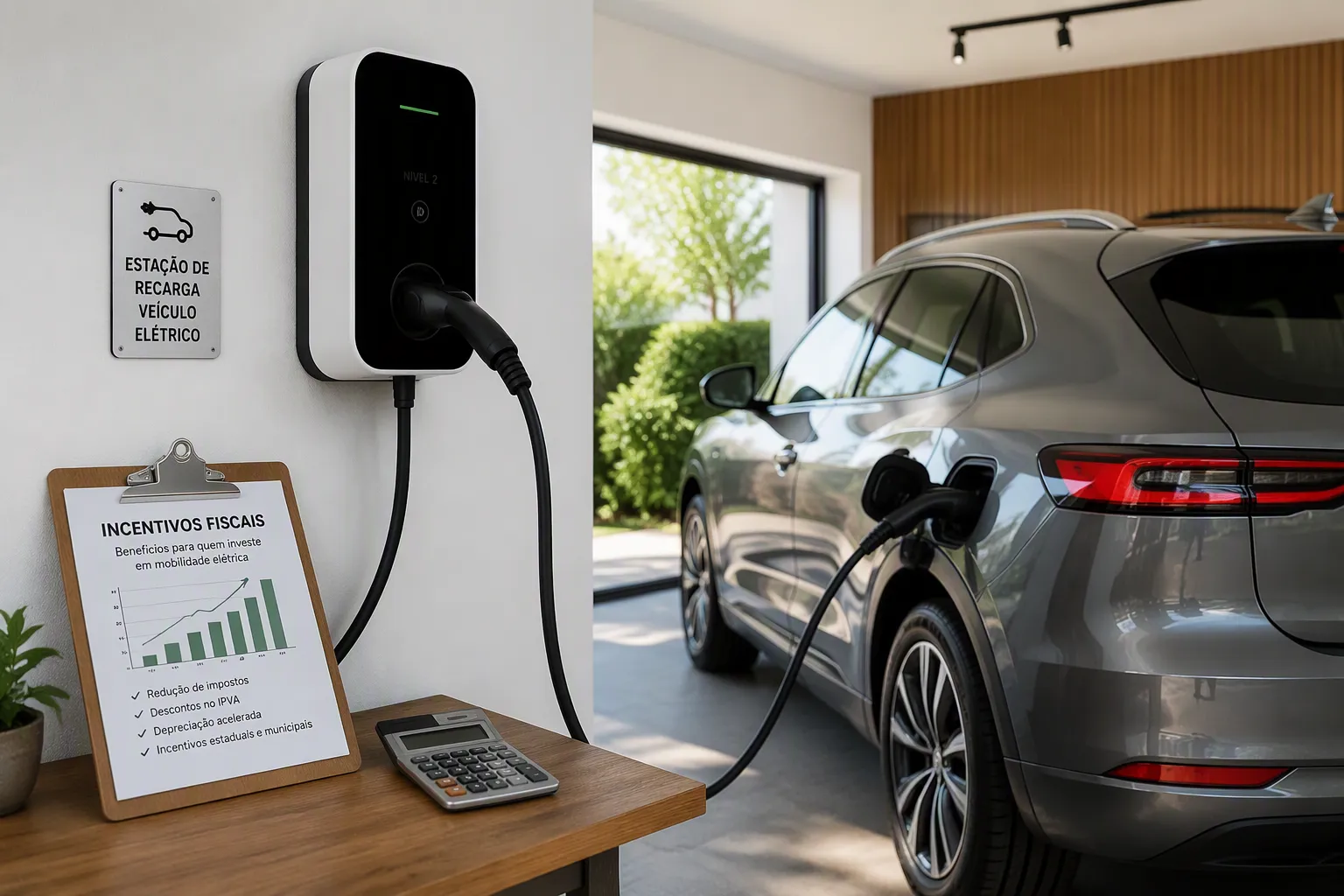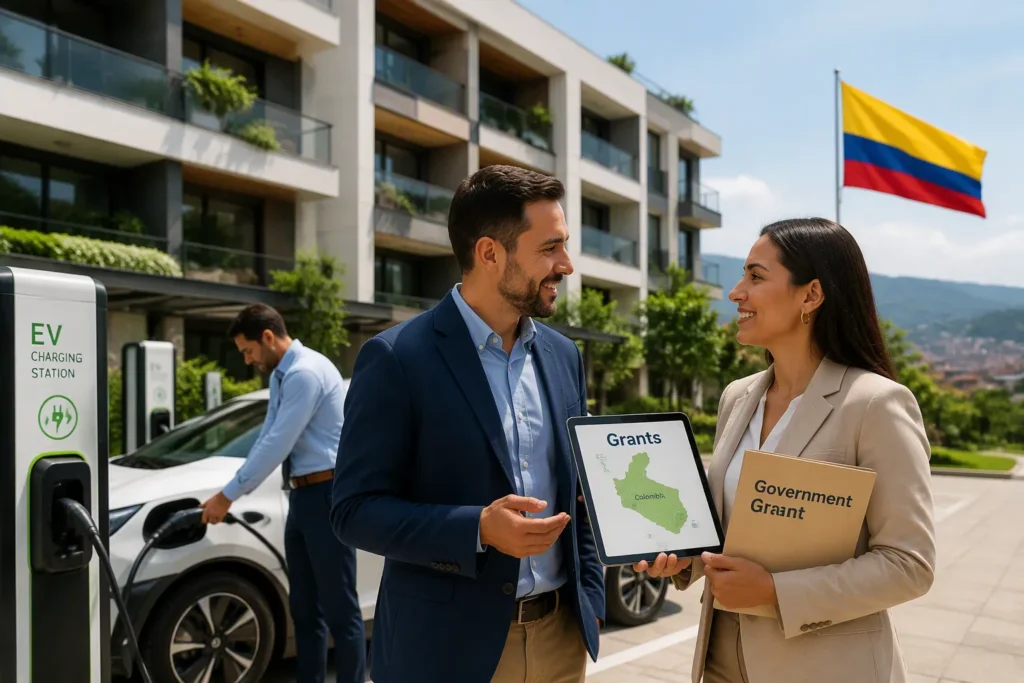
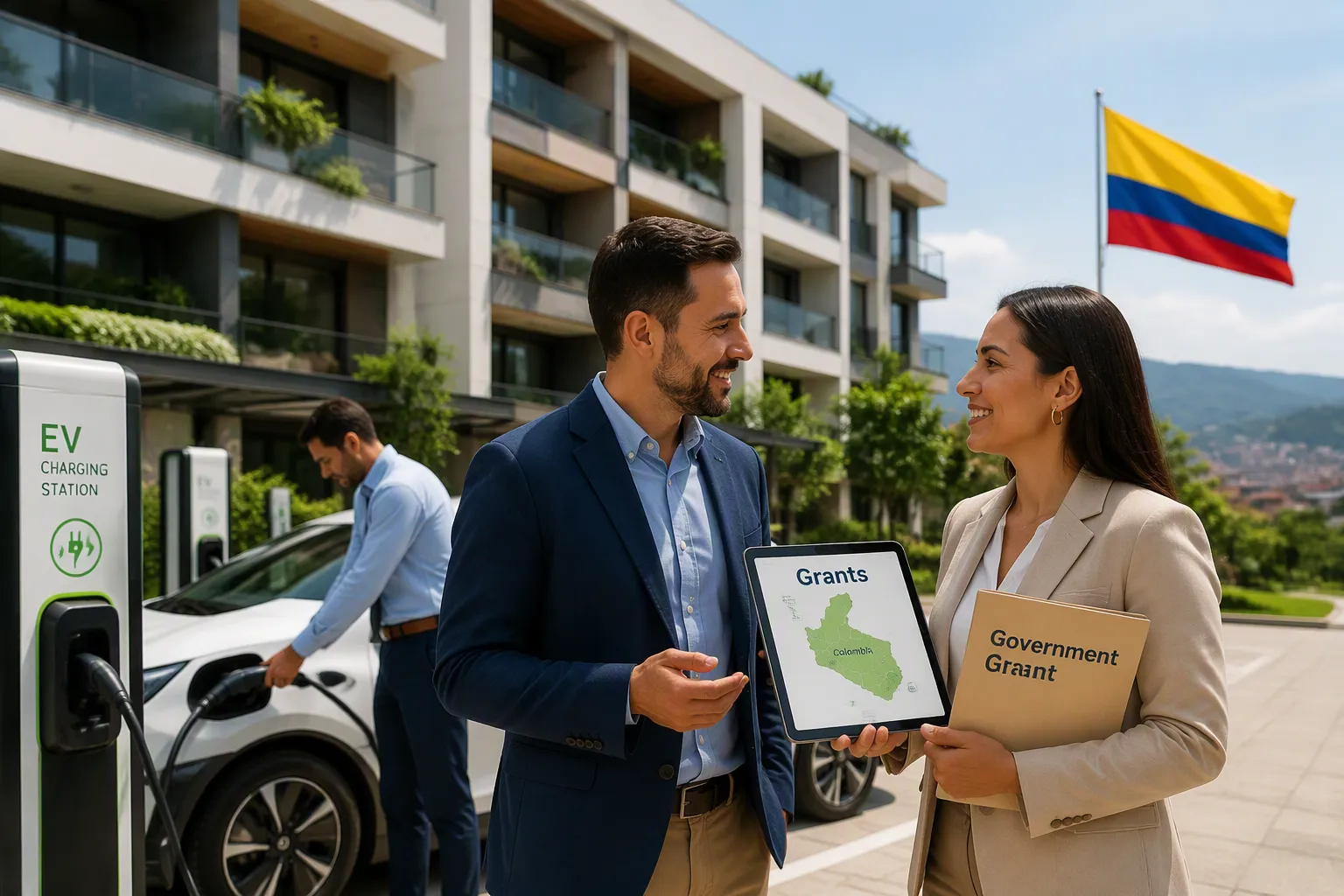
What Government Grants are available for electric vehicle charging in Colombian apartment buildings? The government offers several programs for multi-unit dwellings. FENOGE provides national funding. Bogotá and Medellín run local programs. Ley 1964 de 2019 grants tax benefits. These Government Grants help owners install EV chargers. This guide explains eligibility, application steps, covered costs, and common hurdles. It covers how to access funds for Решения для зарядки электромобилей in multifamily housing. It also highlights how Производители зарядных устройств для электромобилей и поставщиков портативные зарядные устройства для электромобилей can support these projects.
Key Government Grant Programs for Multi-Unit Dwellings
Colombia offers a layered system of government grants for electric vehicle charging in многоквартирные дома. Each program targets different aspects of the installation process. Building administrators must understand these options to maximize their funding potential.
FENOGE (National Fund for Energy Efficiency and Electric Mobility)
FENOGE stands as the primary national entity for energy efficiency and electric mobility projects. This fund manages resources from the national government and international partners. It supports projects that reduce carbon emissions and promote clean transportation.
What is FENOGE?
FENOGE operates as a special fund under Colombia’s Ministry of Mines and Energy. The organization provides technical and financial support for energy efficiency initiatives. It also promotes the adoption of electric vehicles and related infrastructure. The fund receives capital from various sources. These sources include national budgets, international cooperation agreements, and carbon credit mechanisms. FENOGE prioritizes projects that demonstrate measurable environmental benefits. The fund also requires co-financing from project owners. This requirement ensures shared commitment between the government and private beneficiaries.
Specific Grant for EV Charging Infrastructure in Buildings
FENOGE offers dedicated grants for electric vehicle charging infrastructure in residential buildings. This program targets multi-unit dwellings with ten or more parking spaces. The grant covers a significant portion of installation costs. Building owners typically receive coverage for hardware, labor, and electrical upgrades. The program requires a technical study before approval. Certified engineers must assess the building’s electrical capacity. They also evaluate the optimal placement for charging stations. FENOGE reviews each application through a competitive process. The fund prioritizes projects in cities with high air pollution levels. It also favors buildings that adopt renewable energy sources. Successful applicants sign a contract with FENOGE. This contract outlines disbursement schedules and reporting requirements.
Local and Regional Incentives
Several Colombian cities operate their own programs for electric vehicle charging. These local initiatives complement national funding sources. They often provide faster approval times and simplified application processes.
Bogotá’s Movilidad Eléctrica Program
Bogotá leads Colombian cities in electric mobility support. The Movilidad Eléctrica program provides grants for charging equipment in multifamily housing. The city government allocates funds through annual budget cycles. Building administrators apply directly to the Secretaría de Movilidad. The program covers up to fifty percent of equipment costs. It also offers technical assistance for electrical load assessments. Bogotá prioritizes projects in zones with high vehicle density. The city also targets areas with existing electrical capacity. This approach reduces infrastructure upgrade costs. The program requires buildings to install smart charging systems. These systems monitor energy consumption and manage peak loads.
Medellín’s EPM Charging Subsidies
Medellín operates a distinct program through its public utility company. EPM provides direct subsidies for electric vehicle charging equipment. The utility also offers reduced electricity rates for overnight charging. This rate structure benefits residential buildings significantly. EPM’s program covers installation costs for shared charging stations. The utility requires buildings to use approved contractors. EPM maintains a list of certified installers in the region. The program also provides funding for electrical panel upgrades. Buildings must demonstrate sufficient parking capacity for electric vehicles. EPM reviews applications on a quarterly basis. The utility prioritizes projects in low-income neighborhoods. This focus ensures equitable access to charging infrastructure.
Other City Initiatives (Cali, Barranquilla)
Cali and Barranquilla have developed emerging programs for electric vehicle charging. Cali’s initiative focuses on commercial and residential buildings. The city offers property tax reductions for buildings with charging stations. Cali also provides matching funds for installation costs. Barranquilla operates a pilot program for multifamily housing. This program targets buildings in the city’s northern districts. Barranquilla offers technical support and partial funding. The city plans to expand the program based on initial results. Both cities coordinate with national agencies for additional resources. Building administrators should contact local planning offices for current details.
Tax Benefits Under Ley 1964 de 2019
Ley 1964 de 2019 establishes significant tax benefits for electric vehicle charging investments. This law applies nationwide and complements direct grant programs. Building owners can claim these benefits in addition to other incentives.
Income Tax Deduction for Charger Investment
The law allows building owners to deduct charger investments from taxable income. This deduction applies to the full cost of equipment and installation. Owners can claim the deduction in the year of purchase. The deduction reduces the effective cost of charging infrastructure. This benefit applies to both individual owners and condominium associations. The law requires proper documentation of all expenses. Owners must retain invoices and technical certificates. The deduction covers hardware, labor, and electrical upgrades. It also includes costs for feasibility studies and permits. This tax benefit provides immediate financial relief. It encourages building administrators to proceed with installation projects.
VAT Exemption on Charging Equipment and Installation
Ley 1964 de 2019 exempts charging equipment from value-added tax. This exemption applies to both hardware and installation services. The VAT exemption reduces project costs by nineteen percent. This savings applies at the point of purchase. Suppliers must register with the tax authority to offer this benefit. Building owners should verify supplier registration before purchase. The exemption covers Level 2 and Level 3 chargers. It also includes load management devices and smart meters. Installation labor and electrical materials qualify for the exemption. This tax benefit simplifies the purchasing process. It eliminates the need for later reimbursement claims.
Eligibility Criteria for Apartment Buildings and Condos
Government grant programs impose requirements for electric vehicle charging projects. Building administrators must review these criteria before applying. Understanding each requirement helps avoid delays.
Building Type and Legal Structure
Colombian law defines multi-unit dwellings through the strata system. This classification determines which buildings are eligible for funding.
Definition of Multi-Unit Dwelling (Strata)
A strata refers to any property divided into multiple private units. These units share common areas such as hallways, parking lots, and green spaces. The strata system applies to apartment buildings and condominiums. Grant initiatives require proof of strata registration. Colombian law demands this documentation for eligible funding applications.
Requirements for Strata Registration and Approval
Buildings must demonstrate formal strata registration with local authorities. The property owners assembly must approve projects. Official minutes from assembly meetings serve as legal evidence. These minutes must include voting results and project details. Building administrators should store these documents.
Charger Type and Technical Requirements
Each program specifies acceptable charger types. Technical requirements ensure compatibility with existing systems.
Level 2 Chargers (Standard for Residential)
Зарядные устройства уровня 2 represent the standard choice for multifamily housing. These chargers deliver power between 3.3 kW and 19.2 kW. They charge typical vehicles within four to eight hours. This program requires Level 2 equipment for apartment buildings. These chargers balance installation cost with charging speed.
Level 3 Fast Chargers (if applicable)
Level 3 fast chargers serve high-traffic buildings with shared parking areas. These units deliver significantly higher power levels. They require substantial charging and fueling infrastructure upgrades. Program administrators rarely fund Level 3 installations in residential settings. Every program lists eligible equipment specifications. Building owners should confirm eligibility before pursuing this option. Ev adoption requires proper infrastructure planning.
Minimum Electrical Capacity and Load Management
Electrical capacity determines building suitability for ev charging access. Certified engineers conduct load calculations during the pre-feasibility study. The building’s main electrical panel must support additional ev demand. Load management systems distribute power across multiple charging stations. These devices prevent circuit overload during peak usage hours. Transportation agencies often require load management installation. This requirement protects building infrastructure. The national electric vehicle infrastructure program prioritizes load management features. Ev network expansion depends on adequate capacity planning.
Ownership and Resident Status
Ownership structure influences eligibility. Programs distinguish between condominium associations and individual unit owners.
Condominium Association vs. Individual Unit Owner
Condominium associations typically apply for shared charging infrastructure. Individual ev owners may apply for dedicated parking space chargers. The association must demonstrate authority over common areas. Individual applicants require association permission for installation. Eligible applicants must provide specific documentation. Grant sources request detailed paperwork for verification. The table below outlines required documents.
| Applicant Type | Required Ownership Documents |
|---|---|
| Freeholder of a multi-unit property | Land Registry title showing freeholder status |
| Property management company | Letter of appointment or management agreement |
| Condominium association | Strata registration certificate and assembly minutes |
| Individual unit owner | Unit title deed and association approval letter |
| All applicants | A quote from a certified installer |
Prior Approval from the Property Owners Assembly (Acts as Strata)
The property owners assembly holds final authority over building modifications. Assembly approval requires a formal vote during an official meeting. The proposed project must receive majority support according to strata regulations. Building administrators should present project details during the voting process. Providing funding information often increases owner support. Legal documentation of the vote becomes part of the application package. Eligible projects receive priority consideration. Ev adoption benefits the entire building community.
These initiatives also consider geographic restrictions. Some priority zones focus on electric mobility transportation. Building administrators must verify transportation network proximity for approval. The transportation sector benefits from increased charging access. Building administrators must verify eligible service areas before applying.
Multifamily housing projects benefit from understanding these application criteria. Proper preparation ensures efficient use of available funds. Grant funds support infrastructure improvements across all regions. Building administrators should consult with certified professionals.
Geographic Restrictions
Grant availability depends heavily on where a building sits. National and local programs define their own service areas. Building administrators must confirm their location falls within an eligible zone before investing time in an application.
National vs. Local Program Service Areas
FENOGE operates as a national program. It accepts applications from multifamily buildings across Colombia. The fund prioritizes urban areas with documented air quality challenges. Rural multifamily housing projects may qualify under special sustainability categories. However, FENOGE reviews these applications on a case-by-case basis.
Local programs restrict funding to their own jurisdictions. Bogotá’s Movilidad Eléctrica program serves only buildings within the capital district. Medellín’s EPM subsidies apply exclusively to properties in the metropolitan area. Cali and Barranquilla follow the same geographic logic. A building in one city cannot access another city’s funds.
This structure creates a layered system. A multifamily building in Bogotá may qualify for both FENOGE and local programs. A building in a smaller municipality may only access national funds. Administrators should map every available program against their building’s address.
Priority Zones for Electric Mobility Subsidies
Several programs designate priority zones for electric mobility investment. These zones reflect transportation planning goals and environmental targets. The national electric vehicle infrastructure strategy identifies corridors with high traffic density. Buildings near these corridors receive preference during evaluation.
Bogotá prioritizes zones with heavy transportation activity. Areas near bus rapid transit lines and major avenues rank highest. The city also targets neighborhoods with elevated pollution levels. These zones align with broader transportation emission reduction goals.
Medellín focuses on low-income neighborhoods for equitable access. EPM reserves a portion of its subsidy budget for these areas. The utility also prioritizes zones with existing electrical capacity. This approach reduces infrastructure upgrade costs for the program.
Cali and Barranquilla define priority zones through local development plans. Cali targets commercial districts with mixed-use buildings. Barranquilla focuses on northern districts with growing ev adoption rates.
Buildings outside priority zones remain eligible for some programs. However, they may face lower funding percentages or longer review periods. Administrators should verify zone status with the granting agency. This step prevents wasted effort on applications with low approval odds.
Geographic restrictions shape every funding decision. A building’s location determines which programs it can access. Administrators who understand these boundaries save time and improve their approval chances.
Step-by-Step Application Process
Building administrators who want to secure government grants for electric vehicle charging must follow a структурированный процесс. Each step builds on the previous one. Skipping steps leads to rejected applications and wasted time. This section walks through the complete process from initial assessment to final submission.
Step 1: Pre-Feasibility Study and Site Assessment
The pre-feasibility study forms the foundation of every successful grant application. This study determines whether a building can support EV charging infrastructure. It also identifies potential obstacles before they become expensive problems. Building administrators should complete this step before contacting any grant agency.
Electrical Load Calculation by a Certified Engineer
A certified engineer must assess the building’s electrical system. This assessment checks whether the existing distribution board can handle an additional 7 kW circuit. Domestic properties typically require a minimum 100 A supply for 7 kW charging. The engineer examines the total demand analysis, including heating and lighting loads. They also verify distribution board space for dedicated MCBs and RCD protection.
The study evaluates cable routes from distribution points to parking areas. It identifies accessible pathways and communal penetrations. Earthing systems require inspection as well. TN-C-S or TT configurations affect charging point specifications. Structural constraints also matter. Listed buildings need conservation officer approval. Flats require freeholder consent before any work begins.
Load management needs careful evaluation. Dynamic load balancing distributes power across multiple charging stations. This technology prevents circuit overload during peak usage hours. The engineer determines whether the building requires this system. Smart charging integration allows systems to monitor building loads and adjust charging rates automatically.
The table below summarizes the key components of a pre-feasibility study.
| Component of Pre-feasibility Study | Описание |
|---|---|
| Electrical capacity assessment | Check distribution board and consumer unit capacity for an additional 7 kW circuit. |
| Cable route evaluation | Identify path from consumer unit to parking bay, including communal penetrations. |
| Load management need | Determine if dynamic load balancing is required for shared supplies. |
| Fire-stopping requirements | Assess fire-stopping for cables passing through communal walls or floors. |
| Meter separation | Verify whether the charger can be billed separately from the flat’s supply. |
| Resident demand survey | A signed interest list from five or more residents can trigger a feasibility study. |
| Freeholder permission process | Obtain written consent; a professional feasibility study often converts initial refusal into approval. |
| Cost and timeline estimate | Typical durations listed (e.g., initial enquiry to site survey: 3–7 days; permission: 2–8 weeks). |
| Grant eligibility check | Confirm grant requirements during the site survey. |
| Written quote with grant deduction | Must show gross cost, grant amount, and net payment. |
Compliance challenges may arise during this assessment. Insufficient capacity, limited cable access, planning restrictions, and permission delays represent common hurdles. Alternative compliance pathways exist when on-site installation proves impractical. Off-site charging provision may satisfy regulations in these cases.
Choosing an Approved Supplier or Installer
Grant programs require work performed by certified professionals. FENOGE maintains a list of approved installers across Colombia. Local programs like Bogotá’s Movilidad Eléctrica and Medellín’s EPM subsidies also provide approved contractor lists. Building administrators should select installers from these official registries.
TPSON stands as a technologically advanced electric vehicle charging solution provider. The company offers equipment that meets grant program specifications. Building administrators can request quotes from TPSON and other approved suppliers. Each quote must show the gross cost, grant amount, and net payment. This breakdown helps administrators compare offers accurately.
The installer selection process requires careful evaluation. Administrators should verify each contractor’s certification status. They should also confirm the installer’s experience with multifamily housing projects. References from previous building installations provide valuable insight. The chosen installer will conduct the site survey and prepare the technical documentation for the grant application.
Step 2: Gather Required Documents
Documentation requirements vary by program. However, every grant agency requests a core set of documents. Building administrators should prepare these materials before starting the application. Missing documents cause delays and may disqualify an otherwise eligible project.
Building Registration and Strata Certification
Every multifamily building must demonstrate formal strata registration. This registration proves the building operates as a legal multi-unit dwelling. The strata certificate comes from local property authorities. It confirms the building’s legal status and ownership structure.
Grant programs require this document to verify eligibility. Buildings without proper strata registration cannot access funds. Administrators should obtain a current copy of the strata certificate. The document must show the building’s official registration number and date. Some programs also request the building’s tax identification number.
Minutes of Owner Assembly Approving EV Charging Installation
The property owners assembly holds authority over building modifications. Assembly approval requires a formal vote during an official meeting. The proposed project must receive majority support according to strata regulations. Building administrators should present project details during the voting process.
The official minutes must include specific information. They should document the date, time, and location of the meeting. The minutes must record the exact motion presented to owners. They should also show the voting results with vote counts. Providing funding information during the presentation often increases owner support. The approved minutes become a required document in the grant application package.
Quotes from Suppliers and Installers
Grant programs require detailed quotes from approved suppliers. Each quote must include specific cost breakdowns. The document should list equipment costs separately from labor charges. It should also detail any electrical upgrade expenses. Permits, certifications, and technical study fees require separate line items.
The quote must show the gross cost before any grant deduction. It should then display the grant amount being requested. Finally, it must show the net payment the building will owe. This format allows grant reviewers to verify the funding request. Administrators should obtain at least two quotes for comparison. Some programs require three quotes from different suppliers.
Proof of Property Ownership or Condominium Authority
Applicants must demonstrate legal authority over the property. The required documents differ based on applicant type. The table below outlines these requirements.
| Applicant Type | Required Ownership Documents |
|---|---|
| Freeholder of a multi-unit property | Land Registry title showing freeholder status |
| Property management company | Letter of appointment or management agreement |
| Condominium association | Strata registration certificate and assembly minutes |
| Individual unit owner | Unit title deed and association approval letter |
| All applicants | A quote from a certified installer |
Condominium associations typically apply for shared charging infrastructure. Individual unit owners may apply for dedicated parking space chargers. The association must demonstrate authority over common areas. Individual applicants require association permission for installation. Every applicant must provide the documentation listed above.
Step 3: Submit the Application
The submission step requires careful attention to program-specific requirements. Each grant program operates its own portal and review process. Building administrators must follow the correct procedures for their chosen program.
Where to Apply (FENOGE Online Portal or Local Entity)
FENOGE accepts applications through its online portal. The portal guides applicants through each required field. Administrators must create an account before starting the application. The system saves progress and allows document uploads. FENOGE reviews applications on a rolling basis throughout the year.
Local programs use different submission channels. Bogotá’s Movilidad Eléctrica program accepts applications through the Secretaría de Movilidad. Medellín’s EPM subsidies require submission through the utility’s commercial office. Cali and Barranquilla operate their own intake processes. Administrators should contact each local entity for current submission procedures.
Some buildings qualify for multiple programs simultaneously. A multifamily building in Bogotá may apply to both FENOGE and the city program. This approach maximizes available funding. However, each application requires separate documentation and review.
Application Timelines and Review Period
Timelines vary significantly across programs. FENOGE typically reviews applications within 60 to 90 days. Local programs often provide faster decisions. Bogotá’s program reviews applications within 45 days. Medellín’s EPM reviews submissions quarterly.
The complete process from initial enquiry to final approval takes longer. Site surveys occur within 3 to 7 days of initial contact. Permission from freeholders or assemblies requires 2 to 8 weeks. Technical evaluation and site inspection add another 2 to 4 weeks. Building administrators should plan for a total timeline of 4 to 6 months.
Priority deadlines exist for some programs. FENOGE allocates funds in annual cycles. Early submission improves approval chances. Local programs may have quarterly or annual deadlines. Administrators should verify current deadlines with each granting agency.
Technical Evaluation and Site Inspection
Grant agencies conduct technical evaluations after receiving applications. This evaluation verifies the information provided in the pre-feasibility study. Agency engineers review the electrical load calculations. They confirm the proposed charger specifications meet program requirements.
A site inspection follows the desk review. Agency representatives visit the building to verify conditions. They inspect the electrical system and proposed installation locations. They confirm cable routes and load management plans. The inspection ensures the project meets all technical standards.
Buildings must pass this evaluation to receive funding approval. Administrators should prepare for the inspection by organizing all documents. They should also ensure building access for the inspection team. Any discrepancies between the application and actual conditions may delay approval. In some cases, discrepancies lead to rejection.
Successful applicants receive a formal approval letter. This letter outlines the grant amount and any conditions. It also specifies the contract signing process. Administrators should review the approval letter carefully. They must understand all reporting requirements before signing.
Step 4: Grant Approval and Funding Disbursement
Approval marks a critical milestone in the grant process. The granting agency reviews the technical evaluation and site inspection results. Successful applicants receive formal notification. This notification outlines the approved funding amount and any conditions attached to the award. Building administrators must then complete several steps before receiving funds.
Contract Signing with the Granting Agency
The contract formalizes the agreement between the building and the granting agency. This legal document specifies the rights and obligations of both parties. Building administrators should review every clause before signing. The contract typically includes the approved grant amount and the project scope. It also details the disbursement schedule and reporting requirements.
FENOGE contracts require specific commitments from recipients. Buildings must complete installation within a defined timeframe. They must also use approved equipment and certified installers. The contract may include penalties for non-compliance. Administrators should clarify any unclear terms with the agency before signing.
Local programs follow similar contract procedures. Bogotá’s Movilidad Eléctrica program requires signed agreements with the Secretaría de Movilidad. Medellín’s EPM subsidies involve contracts with the utility company. Each program maintains its own contract templates and requirements. Administrators should request sample contracts during the application phase. This preparation speeds up the signing process after approval.
The contract signing often triggers the first disbursement. Some programs release funds immediately after signing. Others wait until installation begins. Administrators should confirm payment timing before committing to the project. This information helps with cash flow planning.
Payment Terms (Upfront vs. Reimbursement)
Grant programs use different payment structures. Understanding these terms helps administrators plan their finances. The two primary models are upfront payment and reimbursement.
Upfront payment models provide funds before installation begins. The granting agency transfers the approved amount to the building’s account. The building then pays the installer directly. This model reduces the financial burden on building owners. It also ensures the project has sufficient capital from the start.
Reimbursement models require the building to pay first. The granting agency refunds eligible costs after installation. This approach demands that buildings have available funds. The grant amount is deducted from the upfront price paid by the customer, and the installer is responsible for claiming the grant from the government after the installation is completed. This structure benefits buildings with adequate reserves.
The claim process follows a defined sequence for reimbursement programs. The customer requests a quote and completes the grant application form. Eligibility of the applicant and installer is confirmed by the grant administrator. The eligible chargepoint is installed at the customer’s property. The installer submits a claim, uploading photos and providing requested information. The claim is assessed, and if successful, the grant is paid to the installer.
Some programs combine both models. They provide partial upfront funding and reimburse remaining costs later. This hybrid approach balances risk between the agency and the building. Administrators should review payment terms carefully. They must understand when funds arrive and what documentation triggers each payment.
Payment timelines vary across programs. FENOGE typically disburses funds within 30 days of contract signing. Local programs may process payments faster. Some utilities issue payment within 15 days. Administrators should factor these timelines into their project schedules.
Post-Installation Verification and Reporting
Installation completion does not end the grant process. Granting agencies require verification that the project meets specifications. They also require ongoing reporting from grant recipients.
Post-installation verification confirms the work matches the approved application. Agency representatives may conduct site visits after installation. They inspect the installed equipment and verify serial numbers. They confirm the charger specifications match the approved model. They also check that electrical upgrades meet safety standards.
They consent to participate in ongoing monitoring and evaluation activities, including physical site audits/visits.
This consent requirement appears in most grant contracts. Buildings must allow agency access for inspections. They must also provide documentation when requested. Failure to comply may result in withholding or reclaiming the grant. Administrators should maintain complete records throughout the project.
Reporting requirements extend beyond the initial verification. Some programs require annual reports for several years. These reports document charger usage and maintenance activities. They also track energy consumption and cost savings. Buildings must submit these reports on schedule to maintain compliance.
The reporting process serves multiple purposes. It helps agencies measure program effectiveness. It also identifies successful projects for future funding cycles. Buildings that complete reporting requirements build credibility for future applications. This track record improves access to additional funds.
Administrators should assign responsibility for ongoing reporting. A designated person should track deadlines and prepare submissions. This approach prevents missed reports and compliance issues. It also ensures the building maintains its eligible status for future programs.
The transportation sector benefits from comprehensive data collection. Usage reports help planners understand charging patterns. They inform decisions about future infrastructure investments. Buildings that participate fully in reporting contribute to broader transportation planning efforts.
Grant recipients must also maintain the installed equipment. Regular maintenance ensures chargers remain operational. Broken equipment may trigger compliance issues. Administrators should budget for ongoing maintenance costs. These expenses typically fall outside grant coverage.
The complete grant process rewards careful preparation. Buildings that follow all steps receive full funding. They also position themselves for future opportunities. The transportation landscape continues to evolve. Early adopters gain experience that benefits later projects.
Grant Funding Amounts and Covered Costs
Every program defines specific funding limits for multifamily housing. Building administrators must understand these financial boundaries. Each program sets maximum amounts per charging point. Programs also specify qualifying costs. Government grants cover significant portions of installation expenses. Transportation electrification goals drive these initiatives.
Maximum Grant Amounts per Charging Point
Typical Co-Payment Percentage (e.g., 60% Grant, 40% Owner)
Most initiatives use a co-payment model. FENOGE covers 60% of eligible costs. Building owners pay the remaining 40%. This structure applies to each charging point. Bogotá’s Movilidad Eléctrica program provides a 50% co-payment rate. Medellín’s EPM subsidies vary by neighborhood. The co-payment percentage reduces the upfront burden for multifamily property owners.
Caps on Hardware and Installation Costs
Programs impose maximum amounts per category. FENOGE caps hardware costs per charging station. Installation labor and electric upgrades also face limits. These caps prevent cost overruns. Caps change with each budget cycle. Administrators should compare multiple program caps. This comparison helps secure maximum funding.
Eligible Costs Under the Grant
Grant initiatives cover a defined set of expenses. Building owners must understand qualifying costs. Eligible costs include hardware, labor, upgrades, studies, and permits. Each category follows specific rules. Understanding these categories helps administrators plan their budgets.
EV Charger Hardware (Equipment)
Charger hardware qualifies for funding. Programs cover Level 2 and Level 3 equipment. The hardware must meet program specifications for ev use. Approved models appear on official lists. Administrators should confirm eligibility before purchase. The funding covers the equipment cost up to the cap. Transportation planners support this equipment standard approach.
Installation Labor and Electrical Upgrades (Panel, Wiring)
Installation labor costs qualify. Certified installers must perform the work. Electrical upgrades also qualify. Panel upgrades and new wiring connections count. Electric load management devices distribute power across multiple charging stations. These devices support electric vehicles. Transportation agencies require load management for multifamily projects. The funding covers labor and materials for approved upgrades.
Permits, Certifications, and Technical Studies
Permit fees qualify under most initiatives. Required certifications also count. Technical studies form another eligible category. Pre-feasibility studies and electric load calculations qualify. These studies confirm the building can support ev adoption. Electric vehicle charging requires proper infrastructure planning. The funding covers study costs up to specified limits. Grant funds make these studies affordable for multifamily housing owners.
Ineligible Costs
Not every cost qualifies for funds. Initiatives explicitly exclude certain categories. Building administrators must plan for these expenses separately.
Ongoing Maintenance and Repairs
Routine maintenance costs do not qualify for grant funds. Repair expenses also fall outside eligible categories. Building owners must budget for ongoing charger maintenance. Regular upkeep keeps equipment operational for ev users. Grant coverage ends after installation verification.
Software Subscription Fees or Network Membership
Software subscription fees are not eligible for funding. Network membership costs also fall outside coverage. These expenses support charger monitoring and payment processing. Building owners must pay these fees from operating budgets. Funding focuses on capital costs. It does not cover recurring service charges.
Costs Incurred Before Grant Approval
Expenses before grant approval do not qualify. Building owners cannot claim costs for work before contract signing. Administrators should wait for formal approval. This rule prevents unauthorized use of funds. It also ensures proper documentation for transportation officials. Ev projects require careful expense tracking. These requirements protect program integrity.
Understanding these financial parameters helps building administrators plan effectively. Grant funding significantly reduces upfront costs for multifamily dwellings. Proper planning ensures full utilization of available funds for ev infrastructure projects. Administrators should review all eligible categories before submitting applications. This preparation maximizes the benefits of these government grants.
Common Hurdles and How Grants Help Overcome Them
Building administrators face several obstacles when pursuing electric vehicle charging installations. Government grants address these challenges directly. Each program provides solutions that make projects feasible for multifamily housing.
Obtaining Owner Consensus in Strata
Using the Grant as an Incentive to Gain Approval
Owner resistance often blocks charging projects in multifamily buildings. Administrators can present grant funding as a powerful incentive. The program reduces owner costs significantly. This financial benefit convinces hesitant owners to support the initiative. A 60% grant coverage means owners pay only 40% of total costs. This argument wins votes during assembly meetings.
Simplified Voting Rules Under Ley 1964 de 2019
Ley 1964 de 2019 introduces favorable voting rules for charging infrastructure. The law allows approval through simple majority votes. Previous regulations required complex unanimous consent. This change removes a major barrier for multifamily housing projects. Administrators should cite this law during assembly presentations.
Electrical Capacity Upgrades
Grant Covering Load Management Devices
Electrical upgrades represent a significant cost hurdle. The OZEV grant for residential buildings covers up to 75% of eligible costs. These costs include electrical upgrades, cable routing, and charge point hardware. Freeholders, managing agents, and resident management companies all qualify to apply. This funding mechanism reduces the cost of EV charging points for communal buildings substantially.
They might also be eligible for separate EV infrastructure grants that help fund the cost of upgrading cabling and distribution systems in car parks serving flats or apartment blocks. These grants are also administered by OZEV and designed to support future expansion of charge point networks in residential developments.
Working with Local Utility (EPM, Enel) for Capacity Increases
Local utilities like EPM and Enel coordinate with grant programs. These partnerships streamline capacity increase approvals. The program funds cover load management devices that distribute power across charging stations. This technology prevents circuit overloads. Utilities prioritize buildings that participate in government funding programs. This coordination accelerates the approval process for electrical upgrades.
Technical Complexity and Certification
Grant-Funded Pre-Feasibility Studies
Technical complexity often discourages building administrators. The Workplace Charging Scheme offers up to £350 per socket. This funding covers 75% of total installation cost including necessary electrical upgrades. This financial support directly addresses technical complexity by funding infrastructure improvements required for safe, compliant installations.
List of Approved Installers Provided by FENOGE
Certification requirements add another layer of complexity. Installations must meet BS-EN-61851-1:2019 and IET Wiring Regulations BS 7671:2018+A1:2020. The IET Code of Practice requires training to handle complexities such as load management. Grants ensure only installers meeting these standards are eligible, thereby addressing technical complexity.
FENOGE maintains a list of approved installers. These professionals hold proper credentials:
- OZEV approval for grant eligibility
- NICEIC or equivalent electrical registration
- EV-specific training certification (City & Guilds or EAL)
- Professional indemnity insurance
Grants require installers to be OZEV-authorised, which involves holding a Competent Person Scheme membership number, often through MCS. This ensures only qualified installers with proper certification can apply grants, directly addressing certification requirements. Installers must comply with BS 7671:2018+A4:2026 (18th Edition) and its Section 722 for EV charging, along with the IET Code of Practice (5th Edition). Grants thus enforce adherence to these standards, mitigating technical complexity.
Timing and Budget Uncertainty
Building administrators face two major uncertainties when planning EV charging projects. Costs can change during the installation process. Program deadlines create pressure to act quickly. Government grant programs address both concerns directly. The grant structure eliminates many common financial risks. Each program provides clear parameters for every project component.
Fixed Grant Amounts Reduce Financial Risk
Grant programs specify exact funding amounts for each project component. This fixed structure eliminates budget surprises. Administrators know the maximum support before signing any contracts. This certainty allows precise financial planning for the entire EV installation.
The funding covers a defined percentage of eligible costs. Hardware, labor, and electrical upgrades each receive predetermined caps. These limits protect buildings from unexpected price increases. Suppliers cannot inflate costs beyond the funded amount. This protection proves especially valuable during periods of market volatility. Transportation electrification projects benefit from this budget stability. The program supports long-term transportation planning goals. The program absorbs market uncertainty.
A fixed grant amount ensures the building pays only the agreed percentage. Any cost overruns become the contractor’s responsibility, not the building’s.
This structure shifts financial risk away from building owners. Administrators can proceed with confidence knowing their EV infrastructure budget remains intact. Eligible projects receive consistent support regardless of economic conditions. Funding recipients face fewer obstacles throughout the installation process. This program supports transportation electrification across the country.
Priority Deadlines for Submission
The grant program operates on specific submission timelines. Each funding cycle has defined opening and closing dates. Administrators must track these deadlines carefully. Missing a deadline means waiting for the next cycle. This delay can push a project back by six months or more.
Priority deadlines create a structured application process. The agency evaluates applications in the order they arrive. Early submissions receive faster reviews. Late applications may face budget exhaustion. Eligible buildings benefit from submitting as soon as possible.
The transportation sector operates on annual allocation cycles. Each year brings new allocation targets for the program. Officials adjust deadlines based on available resources and policy priorities. Administrators should monitor official announcements regularly. They should prepare documentation before the submission window opens. This preparation ensures a complete application on day one.
Building administrators who understand these timelines gain a competitive advantage. They position their projects for approval before resources run out. The program rewards proactive planning. Eligible buildings that act quickly secure their share of available funding. This approach minimizes uncertainty and maximizes program success rates.
Government grants reduce the financial burden of electric vehicle charging installations. These grants help multifamily housing projects overcome obstacles. Building administrators must start early and assess eligibility with eligible programs. FENOGE and local programs offer support. Strata approval requires proper documentation. The program operates on a first-come, first-served basis. Funding cycles change frequently. Eligible applicants should verify current funding availability. Administrators must consult the condominium assembly before proceeding. This program supports transportation electrification goals. The transportation initiative provides essential funds for ev infrastructure in ev-ready multifamily housing. Electric vehicle charging access becomes more affordable through dedicated funding. The transportation sector benefits from increased ev adoption.
ЧАСТО ЗАДАВАЕМЫЕ ВОПРОСЫ
What grants exist for EV charging in Colombian apartment buildings?
FENOGE provides national funding for EV charging infrastructure. Bogotá and Medellín run local programs. Ley 1964 de 2019 offers tax benefits. These programs support multifamily buildings. Each source covers different costs. Building administrators should review all options.
Who qualifies as an eligible applicant for these grants?
Condominium associations qualify for shared charging infrastructure. Individual unit owners may apply for dedicated parking chargers. Freeholders and property management companies also qualify. Every applicant needs strata registration and assembly approval. The program verifies ownership documents before approval.
How much funding can a building receive per charging point?
FENOGE covers 60% of eligible costs. Bogotá’s program provides 50% co-payment. Medellín’s EPM subsidies vary by neighborhood. Caps limit hardware and installation costs. The funding reduces upfront expenses significantly.
What costs do these grants cover?
Grants cover Зарядное устройство для электромобилей hardware and installation labor. Electrical upgrades qualify, including panel and wiring work. Permits, certifications, and technical studies also count. Ongoing maintenance and software fees remain ineligible. Costs incurred before approval do not qualify.
Сколько времени занимает процесс подачи заявки?
The complete process takes four to six months. Site surveys occur within one week. Assembly approval requires two to eight weeks. Technical evaluation adds two to four weeks. FENOGE reviews applications within 60 to 90 days.
What technical requirements must buildings meet?
Buildings need Level 2 chargers for residential use. Certified engineers conduct electrical load calculations. Load management systems prevent circuit overloads. The building’s main panel must support additional EV demand. Transportation officials require these standards for approval.
Can a building apply to multiple grant programs?
Yes. A building in Bogotá may apply to FENOGE and the city program. Each application requires separate documentation. This approach maximizes available funding. Administrators should verify program rules before submitting.
What happens after grant approval?
Applicants sign a contract with the granting agency. Payment terms vary between upfront and reimbursement models. Post-installation verification confirms the work meets specifications. Buildings must submit ongoing reports. Compliance maintains eligibility for future funding.