
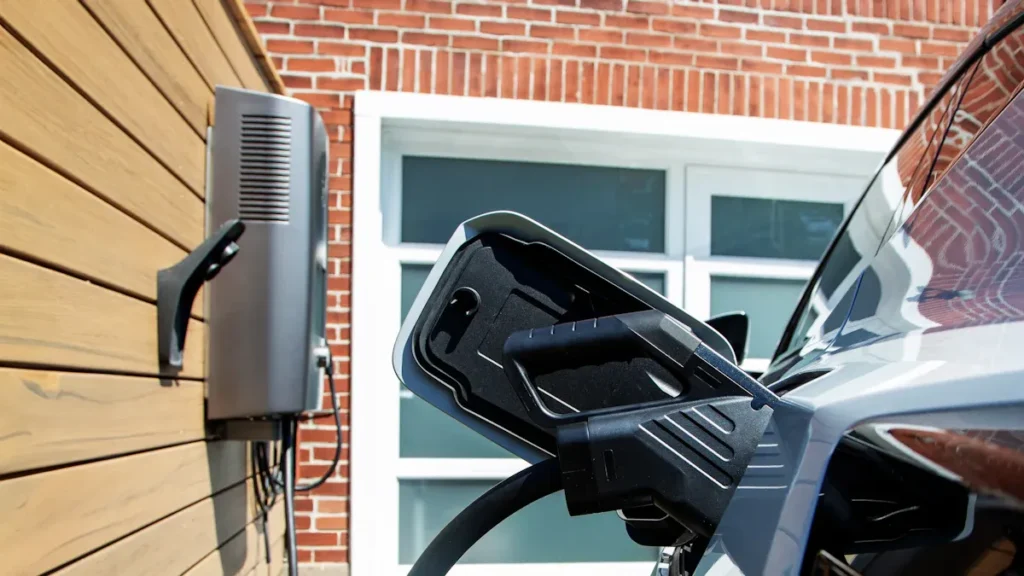
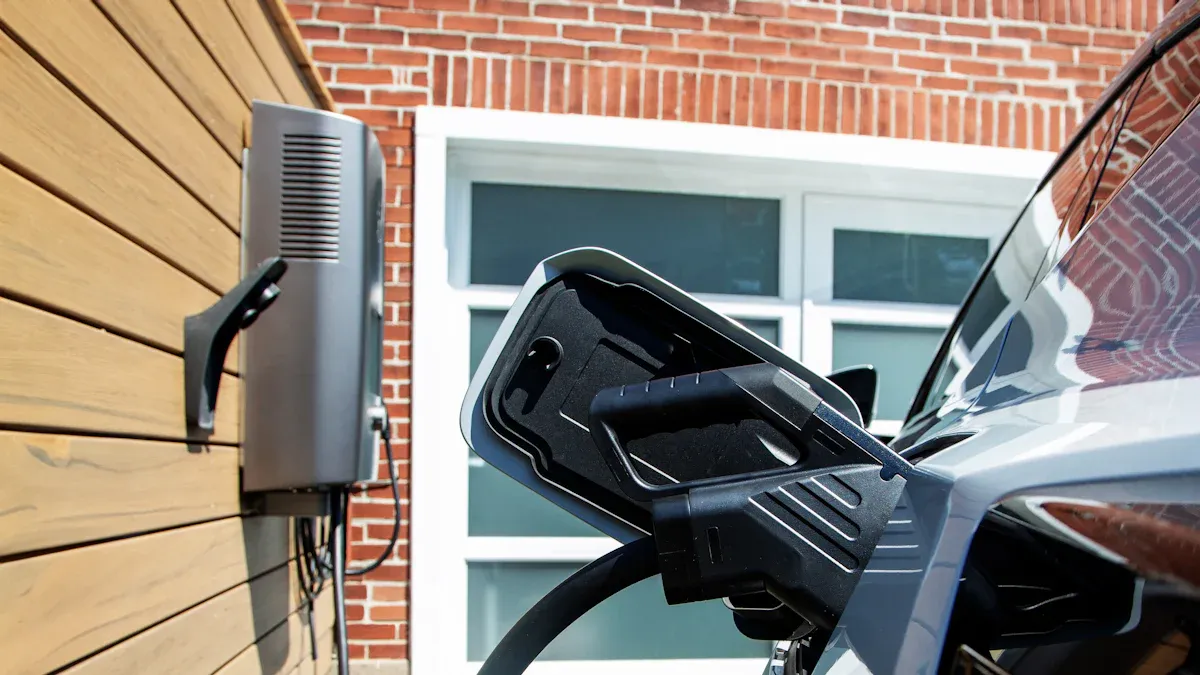
Selecting the ideal ev charging box is a critical decision for any EV owner in France. The process involves matching the charger to a vehicle’s specific charging needs. The market presents numerous options, from basic портативные зарядные устройства для электромобилей to a fully integrated residential Зарядное устройство для электромобилей.
Технологически продвинутый Производители зарядных устройств для электромобилей, such as TPSON, offer sophisticated Решения для зарядки электромобилей. A homeowner must choose a home charging station that aligns with their power, features, and budget. This ensures the best performance for their EV.
Step 1: Determine Your Required Charging Power

Selecting the correct power level is the most critical decision when choosing a home EV charger. This choice directly impacts charging speed and installation requirements. An owner must balance their vehicle’s capabilities with their home’s electrical infrastructure and daily driving needs to find the perfect fit.
Understanding EV Charger Power Levels in France
In France, residential EV chargers are categorized by their power output, measured in kilowatts (kW). Each level offers a different charging speed, and understanding these differences is fundamental to making an informed choice.
Standard Power: 3.7 kW and 7.4 kW Chargers
Most French homes use a single-phase electrical supply, making 3.7 kW and 7.4 kW chargers the most common options.
- 3.7 kW Chargers: These are the entry-level models. They are suitable for plug-in hybrid vehicles (PHEVs) or for EV owners with low daily mileage. A 3.7 kW charger can fully replenish a battery overnight.
- 7.4 kW Chargers: This is the most popular choice for home charging in France. A 7.4 kW charger offers a practical balance of speed and cost. It can provide up to 250 km of range during an overnight charging session, which is more than enough for the average daily commute.
High Power: 11 kW and 22 kW Chargers
Higher power chargers require a three-phase (трехфазный) electrical connection, which is less common in residential properties but available.
- 11 kW Chargers: An 11 kW charger provides a significant speed boost over 7.4 kW models. It is an excellent option for households with multiple EVs or for drivers who need faster turnaround times. Many modern EVs, like the MINI electric, are equipped with an 11 kW onboard charger to take full advantage of this power.
- 22 kW Chargers: This is the fastest available AC charging option. While 22 kW chargers offer maximum speed, few electric vehicles currently have an onboard charger capable of accepting this much power. They are best suited for future-proofing or for specific high-end EV models.
Match the Charger to Your Electric Vehicle
The EV itself is a key factor in the charging equation. The vehicle’s internal hardware, specifically its onboard charger (OBC), dictates the maximum AC charging speed it can handle.
Check Your Vehicle’s Onboard Charger (OBC) Capacity
Every EV has an onboard charger that converts AC power from the wallbox into DC power to store in the battery. The OBC has a maximum power rating. An owner can find this information in their vehicle’s manual or on the manufacturer’s website. This rating is the absolute limit for AC charging speed, regardless of the wallbox’s power.
Why a 22 kW Charger Won’t Speed Up Charging for an 11 kW Car
A common misconception is that a more powerful charger will always charge a vehicle faster. This is incorrect. The charging process is a negotiation between the EV charger and the vehicle’s OBC. The system will always default to the lowest maximum power rating between the two.
Пример: If an owner connects a vehicle with an 11 kW OBC to a 22 kW charger, the vehicle will only charge at a maximum of 11 kW. The charger cannot force the car to accept more power than its OBC is designed for.
Compatibility Table: Common EVs and Max AC Charging Speeds
The French EV market features a wide range of vehicles with different charging capabilities. The Renault ZOE, a consistent top-seller in France, features an 11 kW onboard AC charger, making it a great match for an 11 kW wallbox. The following table shows the maximum AC charging speeds for some popular models.
| Модель автомобиля | Maximum AC Charging Speed |
|---|---|
| Tesla Model 3 | 11 кВт |
| Peugeot e-208 | 7.4 kW (or 11 kW option) |
| Renault ZOE | 11 кВт |
| Dacia Spring | 6,6 кВт |
| Fiat 500e | 11 кВт |
| MG 4 | 11 кВт |
| Audi Q6 e-tron | 11 kW (22 kW option planned) |
Assess Your Daily Driving and Charging Needs
An owner’s lifestyle and driving patterns are the final pieces of the puzzle. A clear understanding of daily energy consumption helps determine if a standard or high-power charger is necessary.
For the Daily Commuter: Is Overnight Charging Enough?
For most drivers, the answer is yes. An average daily commute in France is around 30-50 kilometers. A 7.4 kW charger can easily replenish this amount of energy in just a couple of hours. An overnight charging window of 8-10 hours provides more than enough time to ensure a full battery every morning.
For the High-Mileage Driver: The Need for Faster Charging
Drivers who cover long distances daily or have unpredictable schedules may benefit from faster charging. An 11 kW charger can significantly reduce charging times, offering greater flexibility. This is especially useful for households that share a single EV and need quick top-ups between trips.
How to Calculate Your Required Charging Time
An owner can estimate their charging time with a simple formula. This helps visualize how different charger power levels will meet their specific needs.
Formula:
Charging Time (hours) = Battery Size to Add (kWh) / Charger Power (kW)
For example, to add 40 kWh of energy to an EV:
- With a 7.4 kW charger: 40 kWh / 7.4 kW ≈ 5.4 hours
- With an 11 kW charger: 40 kWh / 11 kW ≈ 3.6 hours
This calculation demonstrates the tangible time savings a higher-power charger can provide for a compatible vehicle. Technologically advanced EV charging solution providers, such as TPSON, offer a range of chargers to meet these varied power requirements.
Check Your Home’s Electrical System: The Deciding Factor
A vehicle’s capabilities and a driver’s habits are important, but the home’s electrical system is the ultimate gatekeeper for charging power. The existing electrical installation determines which type of charger a homeowner can safely install. Understanding this system is a non-negotiable step before making a purchase.
Single-Phase (Monophasé): The Standard for Most French Homes
The vast majority of houses and apartments in France operate on a single-phase electrical supply. This system is perfectly adequate for typical household electricity consumption and is the foundation for the most common home charging solutions.
- Supported Power: A single-phase connection reliably supports chargers up to 7.4 kW.
- Совместимость: It is ideal for most EV owners, as a 7.4 kW charger can fully charge nearly any EV overnight.
- Subscription Impact: Installing a 7.4 kW charger usually requires an electricity subscription (subscription) of at least 9 kVA to prevent overloading the circuit when other appliances are in use.
This setup meets the daily charging needs of the average driver without requiring complex electrical work.
Three-Phase (Triphasé): For Higher Power Demands
A three-phase electrical supply delivers more power and is more stable under heavy loads. While less common in older residential properties, it is often found in newer, larger homes, or properties with high-consumption equipment like large heat pumps or professional workshops.
Примечание: A three-phase connection is a prerequisite for installing a high-power 11 kW or 22 kW wallbox. It is impossible to run these powerful chargers on a standard single-phase supply.
Advanced providers like TPSON offer a versatile product range, ensuring homeowners can find a compatible charger for either a single-phase or three-phase installation.
How to Identify Your Electrical Installation Type
A homeowner can easily determine their electrical system type with a quick inspection. There are two simple methods to identify whether the supply is single-phase () электрического подключения, которое является наиболее распространенным типом во французских домах. Это отличный и достаточный выбор для ночной зарядки большинства электромобилей.) or three-phase (трехфазный).
Examine the Main Circuit Breaker (Disjoncteur d’Abonné): This is the main switch, usually located next to the Linky meter.
- Single-Phase: The breaker will be narrower and have two terminals at the bottom for the main wires (one phase and one neutral).
- Three-Phase: The breaker will be wider and have four terminals at the bottom (three phases and one neutral).
Check Your Electricity Bill: The monthly or bimonthly bill from the electricity supplier (e.g., EDF, TotalEnergies) contains details about the service. The contract section will specify the subscribed power (сукровица) and often indicates if the connection is ) электрического подключения, которое является наиболее распространенным типом во французских домах. Это отличный и достаточный выбор для ночной зарядки большинства электромобилей. или трехфазный.
Upgrading Your Electrical Service (Abonnement) with Enedis
Installing an EV charger often requires more power than a standard household subscription provides. A homeowner may need to upgrade their electrical service, or subscription, to accommodate the new load. This process involves increasing the maximum power available from the grid, measured in kilovolt-amperes (kVA).
Совет эксперта: Before contacting your energy supplier, consult with your IRVE-certified installer. The installer will calculate your total power requirements, including the charger and existing appliances, and recommend the appropriate kVA subscription level (e.g., upgrading from 6 kVA to 9 kVA or 12 kVA).
To upgrade, a homeowner contacts their electricity provider. The provider then arranges the change with Enedis, the public grid operator. The upgrade may be performed remotely if the home has a Linky meter, but sometimes a technician’s visit is necessary. This change will result in a higher monthly subscription fee.
Step 2: Select the Right Features for Your EV Charging Box

After determining the right power level, the next step is to choose the features that will define the charging experience. This decision balances non-negotiable safety standards with convenience-enhancing smart technologies. A careful selection ensures the charger is safe, cost-effective, and future-proof.
Essential Safety and Compliance Features
Safety is the absolute priority for any home electrical installation. An EV charger must comply with strict European and French standards to guarantee protection for the user, the EV, and the home.
The Importance of Mode 3 Charging Protocol
Mode 3 is the required standard for dedicated home charging stations in France. This protocol establishes a continuous communication link between the EV and the charger. This “digital handshake” verifies that all conditions are safe before charging begins, during the session, and upon completion. It actively monitors for faults and can immediately stop the power flow if a problem is detected, making it significantly safer than charging from a standard domestic socket (Mode 2).
Built-in DC Leakage Protection (6mA DC)
An EV’s battery system can sometimes introduce small amounts of DC leakage current back into the home’s AC electrical system. Standard household circuit breakers (Type AC or Type A RCDs) are not designed to handle this and can be “blinded,” failing to trip during a genuine fault.
A built-in 6mA DC leakage detection device (RDC-DD) is a critical safety feature. It specifically monitors for this type of DC fault current. If detected, it signals the charger to shut down, ensuring the primary Type A RCD in the electrical panel continues to function correctly and protect against electric shock. This integrated protection is a hallmark of a high-quality, compliant EV charger.
IP and IK Ratings for Weather and Impact Resistance
The location of the charger—whether in a sheltered garage or exposed to the elements outdoors—dictates the required level of physical protection. These are defined by two key ratings:
- IP Rating (Ingress Protection): This two-digit code measures protection against solids (like dust) and liquids (like rain). For outdoor installation in France, a rating of at least IP54 is recommended to withstand rain and dust.
- IK Rating (Impact Protection): This rating indicates resistance to mechanical impacts. A rating of IK08 or higher is advisable for chargers in high-traffic areas like driveways or shared parking lots to protect against accidental bumps.
Smart Charging Features: Are They Worth It?
Интеллектуальные функции зарядки transform a basic charger into an intelligent device that offers cost savings, convenience, and greater control. For most EV owners, the benefits far outweigh the modest increase in upfront cost.
.
Connectivity is the gateway to all smart functionalities. Smart chargers use Wi-Fi or Bluetooth to connect to a home network and a smartphone. This connection enables a seamless experience, allowing the charger to communicate with the user’s app and, in some cases, directly with the electricity grid operator. This data exchange is fundamental for managing the charging process remotely.
Scheduled Charging for Off-Peak Tariffs (Heures Creuses)
One of the most valuable smart charging features is the ability to schedule charging sessions. In France, many electricity contracts offer “Heures Creuses” (off-peak hours) with significantly lower electricity rates, typically overnight. A homeowner can use a smartphone app to program their EV to start charging only when these cheaper rates kick in, leading to substantial savings on their energy bill.
Remote Monitoring and Control via Mobile App
A dedicated mobile app puts complete control in the owner’s hands. From anywhere with an internet connection, a user can:
- Запускайте или останавливайте сеанс зарядки дистанционно.
- Track real-time energy consumption and costs.
- Receive notifications when the EV is fully charged.
- Manage access for different users.
- Receive over-the-air software updates that can add new features.
Advanced Energy Management Systems
For homeowners looking to maximize efficiency and safety, advanced energy management systems offer sophisticated control over how and when their EV draws power.
Dynamic Load Balancing (Délestage) to Prevent Overloads
Dynamic Load Balancing (DLB), or délestage in French, is a premier smart feature that prevents a home’s main circuit breaker from tripping. It works by continuously monitoring the home’s total electricity consumption in real-time.
How It Works: The system uses a smart meter or a current transformer (CT) clamp to measure the total power being used by the house. If it detects that the total demand is approaching the limit of the electrical subscription (e.g., when the oven, washing machine, and water heater are all running), it automatically and temporarily reduces the power going to the EV. Once other appliances turn off, the system restores full power to the charging session. This intelligent management prevents power outages and avoids the need for a costly electrical service upgrade.
Solar Integration for Photovoltaic (PV) System Owners
Homeowners with solar panels can leverage smart charging to maximize their self-consumption of green energy. Chargers with solar integration can be set to a “solar-only” mode. In this mode, the EV will only charge using the surplus electricity generated by the PV system that would otherwise be exported to the grid. This is the most economical and environmentally friendly way to power an EV.
Vehicle-to-Grid (V2G) and Vehicle-to-Home (V2H) Readiness
V2G and V2H are cutting-edge technologies that enable bidirectional charging, allowing an EV to not only draw power from the grid but also send it back.
- Автомобиль-дом (V2H): Allows the EV to power the home during a blackout.
- Vehicle-to-Grid (V2G): Allows the EV to sell power back to the grid during peak demand, potentially generating income for the owner.
In France, this technology is still in its infancy. V2H is not yet authorized for general use, and only a single AC V2G charger is commercially available, requiring specific compatible vehicles like the new Renault 5 E-Tech. While not a primary feature for most buyers today, choosing a “V2G-ready” charger can be a wise investment for the future. Technologically advanced providers like TPSON are developing solutions to meet this emerging demand.
Access and Usability Options
Beyond power and connectivity, the daily usability of an EV charger depends on its physical design and access controls. These practical features determine how an owner interacts with their charging station every day. A homeowner should consider these charging options to ensure a seamless and secure experience.
Tethered vs. Untethered EV Charger Models
The first physical choice is between a tethered model with a permanently attached cable and an untethered model with a universal socket. Each design offers distinct advantages and disadvantages.
A привязанное зарядное устройство comes with a fixed cable. This design prioritizes convenience and security.
- Advantages:
- The cable is included in the unit’s price.
- Charging is fast and simple; the owner just uncoils the cable and plugs it into the EV.
- The permanently attached cable is less likely to be stolen.
- Disadvantages:
- The owner is limited to the manufacturer-supplied cable length.
- The unit is restricted to one connector type (Type 2 is standard in Europe), limiting compatibility if a visitor has a different vehicle type.
. отсоединяемое зарядное устройство features a socket, requiring the user to supply their own cable. This design offers maximum flexibility.
- Advantages:
- It is future-proof; an owner can easily switch cables for different lengths or connector types.
- The unit has a cleaner, tidier look when not in use, as the cable can be stored separately.
- The portable cable can be used for public charging.
- Disadvantages:
- The charging cable is usually a separate purchase.
- The process is less convenient, requiring the user to handle the cable at both ends for each session.
- The cable can be stolen or disconnected if not properly secured.
Decision Point: A tethered ev charger is ideal for users who value plug-and-go simplicity. An untethered model is better for those who prioritize a tidy aesthetic and the flexibility to use different cables.
RFID Card or App-Based Access Control
If the charging station is in an accessible area like a driveway or a shared parking garage, controlling who can use it is essential. This prevents unauthorized use and ensures the charger is always available for the owner. Modern chargers offer two primary access control options.
- RFID Card Access: This system requires a user to tap a small card or key fob against the charger to start or stop a charging session. It is a simple and reliable method, perfect for households where multiple family members need access without needing a smartphone app.
- App-Based Access: This method uses a smartphone application to authorize charging. It offers greater control, allowing the owner to remotely lock or unlock the charger, grant temporary access to guests, and monitor usage from anywhere.
Many advanced units from providers like TPSON offer both options, giving homeowners the best of both worlds.
User Interface: Simple LED Indicators vs. LCD Screens
The user interface on the ev charging box provides at-a-glance information about the charging status. The choice comes down to a preference for minimalist design or detailed, real-time data.
- Simple LED Indicators: Most chargers use a system of colored LED lights to communicate their status. For example, a blue light might indicate “ready,” a flashing green light “charging,” a solid green light “fully charged,” and a red light “fault.” This is a straightforward and effective interface that provides all the essential information.
- LCD Screens: Higher-end models often include a small LCD screen directly on the unit. This screen can display detailed information in real-time, such as the current charging power (kW), the amount of energy delivered (kWh), the duration of the session, and even the estimated cost. This is ideal for the data-driven EV owner who wants immediate feedback without opening a mobile app.
Step 3: Budgeting for Your Home Charging Station
Creating a clear budget is a crucial step in acquiring a home charging station. An owner must account for the price of the unit itself, the professional installation costs, and the potential savings from French government subsidies. This financial planning ensures there are no surprises along the way.
The Cost of the EV Charging Box Unit
The price of an ev charging box varies widely based on its power, features, and brand. Technologically advanced providers like TPSON offer a range of models to fit different budgets and needs.
Price Range for Basic 7.4 kW Chargers
Зарядные устройства начального уровня мощностью 7,4 кВт являются наиболее доступным вариантом. Эти модели обеспечивают базовые функции зарядки без расширенной функциональности подключения. Владелец дома может рассчитывать на стоимость в диапазоне от 400 до 700 евро за надежную, неинтеллектуальную модель.
Диапазон цен на интеллектуальные зарядные устройства мощностью 7,4 кВт и 11 кВт
Интеллектуальные зарядные устройства предлагают значительные преимущества, такие как дистанционное управление и запланированная зарядка. За интеллектуальную модель мощностью 7,4 кВт или 11 кВт с подключением по Wi-Fi и интеграцией с приложением цены обычно варьируются от 700 до 1200 евро. Эта категория представляет наилучшее соотношение цены и качества для большинства владельцев электромобилей.
Диапазон цен на зарядные устройства премиум-класса мощностью 22 кВт
Мощные зарядные устройства на 22 кВт и модели с премиальными функциями, такими как динамическое распределение нагрузки или готовность к технологии V2G, имеют самые высокие цены. Эти устройства высшего класса, как правило, стоят 1200 евро и более, что отражает их расширенные возможности и технологичность, рассчитанную на будущее.
Понимание стоимости установки во Франции
Правильная установка обязательна для обеспечения безопасности и соответствия нормам. Во Франции эти работы должны выполняться квалифицированным специалистом.
Роль установщика с сертификатом IRVE
Сертифицированный установщик IRVE (Инфраструктура подзарядки для электромобилей) — это профессиональный электрик, прошедший специальное обучение по системам зарядки электромобилей. Наем установщика с сертификатом IRVE является законодательным требованием для любого зарядного устройства мощностью выше 3,7 кВт. Это также гарантирует безопасность установки и дает право владельцу дома на получение государственной помощи.
Факторы, влияющие на стоимость установки
На окончательную стоимость установки влияет несколько факторов. Расстояние от электрощита до места установки зарядного устройства является одним из основных. Более длинная прокладка кабеля увеличивает стоимость материалов и работ, особенно если кабели необходимо прокладывать через стены или под землей. Кроме того, в домах со старой электропроводкой может потребоваться модернизация электрощита для поддержки новой зарядной станции, что также увеличивает общие расходы.
Средняя стоимость установки для стандартной конфигурации
Для стандартной установки на небольшом расстоянии от электрощита без серьезных электромонтажных работ владелец дома может рассчитывать на сумму от 500 до 1200 евро. Эта цена включает работу, кабели и необходимые защитные устройства в электрощите.
Что должно включать предложение по стандартной установке
Профессиональное предложение должно быть детальным и прозрачным. Оно должно включать:
- Стоимость зарядного устройства (если его поставляет установщик).
- Трудозатраты на установку.
- Цену кабелей и кабельных каналов.
- Стоимость необходимых компонентов безопасности (например, УЗО типа A, автоматический выключатель).
- Проверку после установки и ввод в эксплуатацию.
Навигация по финансовой помощи и субсидиям во Франции
Французское правительство предлагает несколько финансовых стимулов для поощрения внедрения домашних решений для зарядки электромобилей. Эти программы могут значительно снизить общую стоимость.
“Crédit d’impôt” (Налоговый кредит) для домашней зарядки
Владельцы домов могут воспользоваться налоговым кредитом на покупку и установку зарядной станции. Этот кредит покрывает процент от общей стоимости, до фиксированной суммы на одну точку зарядки.
Примечание: Эта помощь доступна для основного или второго жилья и распространяется как на владельцев, так и на арендаторов.
Программа субсидирования “Prime ADVENIR”
Программа ADVENIR предлагает субсидию на установку точек зарядки в коллективных жилых зданиях (например, в жилых комплексах). Она помогает покрыть часть расходов на поставку и установку индивидуальных или общих зарядных устройств.
Пониженная ставка НДС (TVA à 5,5%) для установки
Для объектов недвижимости старше двух лет установка зарядного устройства для электромобилей сертифицированным специалистом имеет право на пониженную ставку НДС в размере 5,5% вместо стандартных 20%. Это относится как к оборудованию, так и к работе, если они приобретаются через установщика.
Местные и региональные гранты
Некоторые регионы и муниципалитеты предлагают дополнительные гранты для продвижения электромобилей. Владельцу следует уточнить в местной мэрии (town hall) или региональном совете, доступны ли какие-либо местные программы помощи.
Шаг 4: Процесс установки вашего зарядного устройства для электромобиля
Выбор подходящего зарядного устройства — это только половина пути; профессиональная установка необходима для обеспечения безопасности, соответствия нормам и производительности. Этот последний шаг включает поиск сертифицированного специалиста, проведение технической оценки и контроль за днем установки. Правильная установка гарантирует корректную и безопасную работу системы на долгие годы.
Поиск и выбор сертифицированного установщика IRVE
Выбор квалифицированного установщика является наиболее важной частью процесса установки. Во Франции только сертифицированный IRVE специалист может на законных основаниях установить зарядную станцию мощностью более 3,7 кВт и открыть доступ к государственным субсидиям.
Где найти квалифицированных специалистов
Владельцы домов могут найти сертифицированных установщиков через официальные базы данных, такие как база, управляемая Qualifelec, французским органом по сертификации. Кроме того, многие уважаемые производители и поставщики зарядных устройств для электромобилей, включая технологически продвинутых поставщиков, таких как TPSON, имеют сеть проверенных партнеров по установке, которых они могут рекомендовать своим клиентам.
Как сравнивать предложения по установке
Прежде чем принять решение, разумно получить как минимум два или три предложения. Владельцу дома следует сравнивать не только итоговую цену. Профессиональное предложение будет прозрачным, с детализацией затрат на зарядное устройство, кабели, работу и необходимые устройства безопасности. Расплывчатые или неполные предложения могут быть тревожным сигналом.
Предмонтажный технический выезд на объект (Visite Technique)
Прежде чем предоставить окончательное предложение, авторитетный установщик проведет visite technique, или технический выезд на объект. Эта оценка на месте имеет решающее значение для планирования безопасной и эффективной установки.
Что будет оценивать установщик
Во время визита установщик оценивает существующую электрическую инфраструктуру дома, чтобы определить объем работ. Это детальная проверка, выходящая за рамки простого визуального осмотра.
Установщик проводит несколько ключевых проверок безопасности:
- Анализ материала труб: Они определят, являются ли водопроводные и газовые трубы металлическими (сторонними проводящими частями) или пластиковыми (не являющимися сторонними проводящими частями). Металлические трубы могут проводить токи утечки и требуют особого внимания.
- Проверка системы уравнивания потенциалов: В домах с металлическими трубами установщик проверяет наличие существующего электрического уравнивания потенциалов. Это защитное соединение связывает трубы с главной заземляющей клеммой. Если такое соединение отсутствует, его необходимо добавить до начала установки зарядного устройства.
Получение окончательного, детализированного предложения (Devis)
После выезда на объект установщик предоставит окончательное, детализированное предложение (devis). Этот документ будет отражать конкретные требования объекта, включая любые необходимые модернизации электропроводки или сложную прокладку кабеля. Данное предложение составляет основу договора на выполнение монтажных работ.
День установки
После подписания предложения можно назначить дату установки. Процесс систематизирован и разработан для эффективного выполнения профессионалами.
Ключевые этапы установки
Физический монтаж следует структурированному плану, чтобы обеспечить правильное выполнение всех работ от начала до конца.
- Уведомление DNO (оператора распределительной сети): Установщик сначала уведомляет оператора распределительной сети (DNO) о новом высокомощном устройстве. Это обязательный шаг для обеспечения способности местной сети выдерживать дополнительную нагрузку.
- Работы на объекте: В назначенный день инженер прокладывает выделенный электрический кабель от главного щита до места установки зарядного устройства, размещая его в защитном коробе (кабельном канале).
- Установка компонентов: Установщик монтирует необходимые защитные устройства (УЗО и автоматический выключатель) в электрощите и крепит зарядное устройство для электромобиля к стене.
Финальные проверки и ввод зарядного устройства в эксплуатацию
После установки оборудования установщик вводит зарядное устройство в эксплуатацию. Это включает его включение, тестирование защитных функций и подключение к домашней сети Wi-Fi. Для умного зарядного устройства он поможет владельцу настроить мобильное приложение для управления и мониторинга новой зарядной станции для электромобиля.
Получение сертификата соответствия
По завершении работ установщик предоставляет домовладельцу сертификат соответствия (attestation de conformité). Этот официальный документ подтверждает, что установка соответствует всем французским электротехническим стандартам. Он необходим для страховки и для подтверждения гарантии на электромобиль.
Владелец выбирает идеальную зарядную станцию для электромобиля, сопоставляя мощность с возможностями своего электромобиля и домашней электрической системы. Тип системы, — однофазная или трехфазная —, определяет максимальную скорость зарядки. Далее домовладелец выбирает интеллектуальные функции, соответствующие его образу жизни и бюджету. Дистанционное управление и запланированная зарядка предлагают долгосрочную выгоду, но безопасность важнее всего. Наконец, найм сертифицированного установщика IRVE гарантирует безопасную домашнюю зарядную станцию и доступ к французской финансовой помощи. Следуя этим шагам, владелец будет готов выбрать зарядное устройство, отвечающее его потребностям в зарядке.
ЧАСТО ЗАДАВАЕМЫЕ ВОПРОСЫ
Может ли домовладелец самостоятельно установить зарядное устройство?
Нет. Французское законодательство требует, чтобы любое зарядное устройство мощностью выше 3,7 кВт устанавливал сертифицированный профессионал IRVE. Это обеспечивает безопасность, соответствие нормам и право на государственную помощь. Самостоятельная установка таких мощных устройств не разрешена.
В чем основное различие между зарядным устройством на 7,4 кВт и на 11 кВт?
Зарядное устройство на 7,4 кВт использует однофазное подключение, распространенное в большинстве домов. Зарядное устройство на 11 кВт требует трехфазного подключения и обеспечивает более быструю зарядку для совместимого электромобиля. Выбор определяется электрической системой дома.
Все ли электромобили заряжаются с одинаковой скоростью?
Нет. Каждый электромобиль имеет максимальную скорость зарядки переменным током, определяемую его бортовым зарядным устройством. Транспортное средство будет потреблять мощность только в пределах своего лимита, даже если подключено к более мощной настенной зарядной станции.
Необходимо ли интеллектуальное зарядное устройство?
Хотя это и не обязательно, умное зарядное устройство для электромобиля предлагает значительные преимущества. Оно позволяет планировать зарядку в непиковые часы для экономии средств и обеспечивает дистанционное управление через приложение для большего удобства и мониторинга.
Как домовладелец может подать заявку на crédit d’impôt?
?Домовладелец заявляет о налоговом кредите при подаче ежегодной декларации о подоходном налоге (income tax return.
). Он должен предоставить счет от установщика IRVE в качестве доказательства покупки и установки.
Что делает зарядное устройство «рассчитанным на будущее»? динамическая балансировка нагрузки, Зарядное устройство, рассчитанное на будущее, обладает такими функциями, как.




