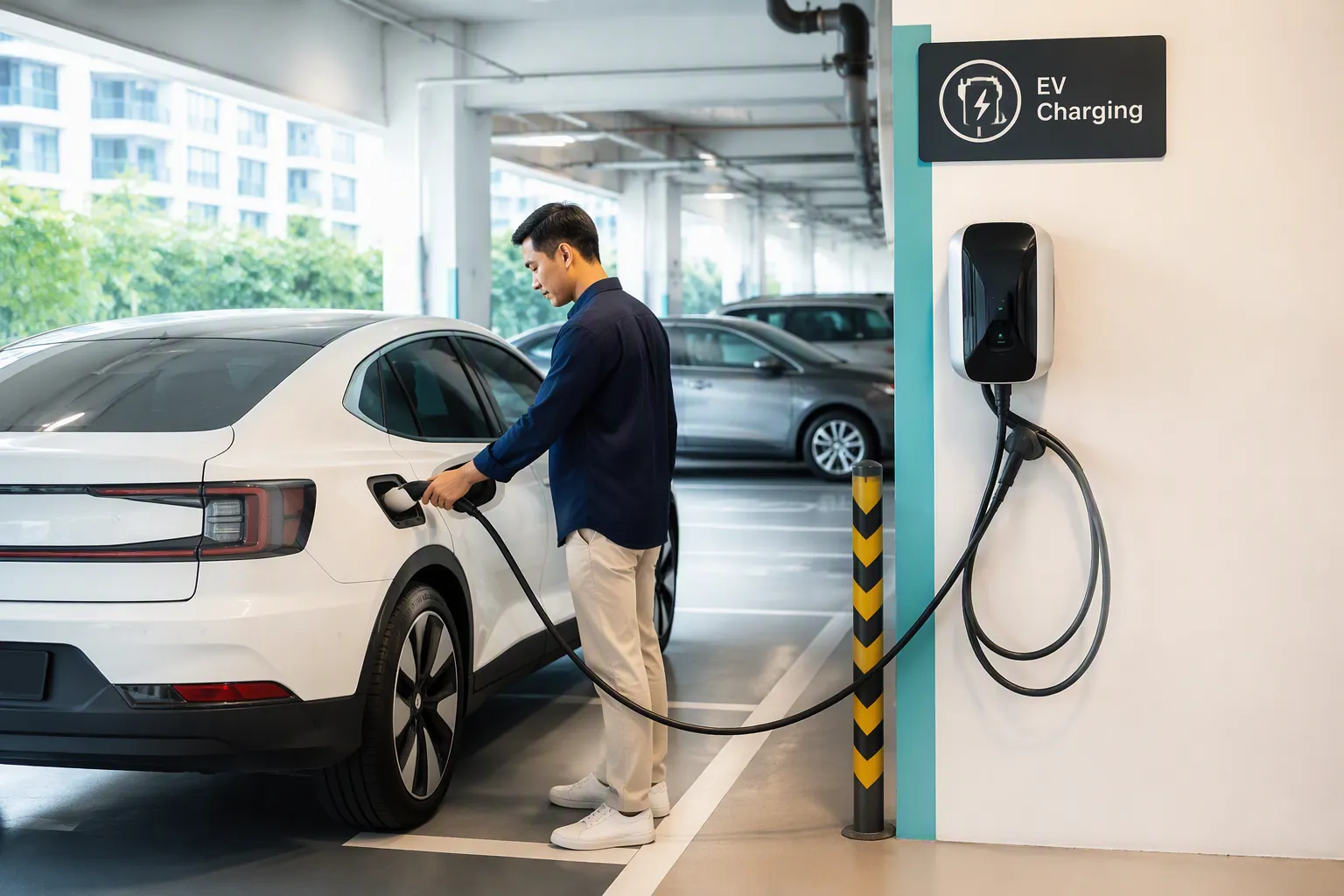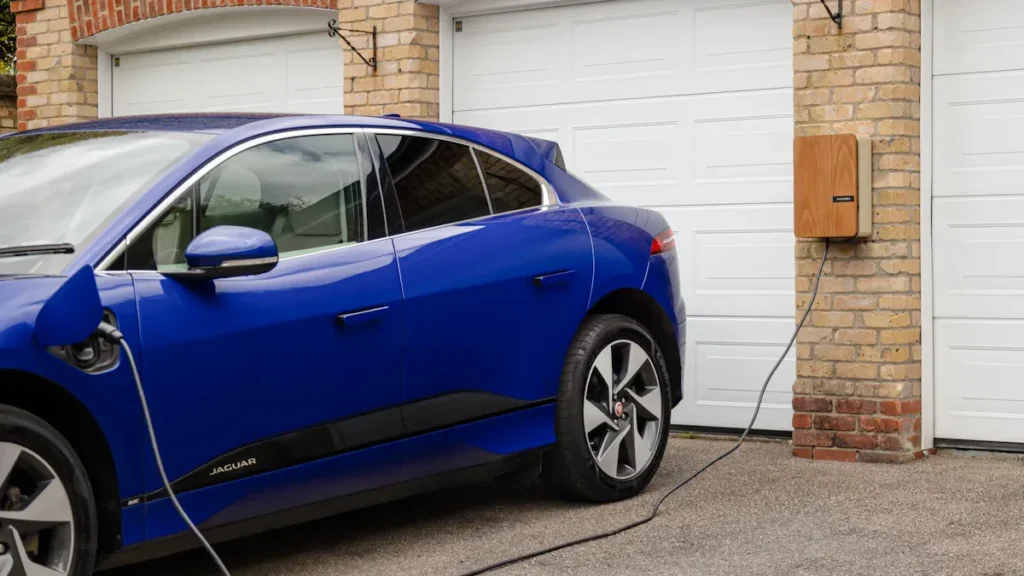
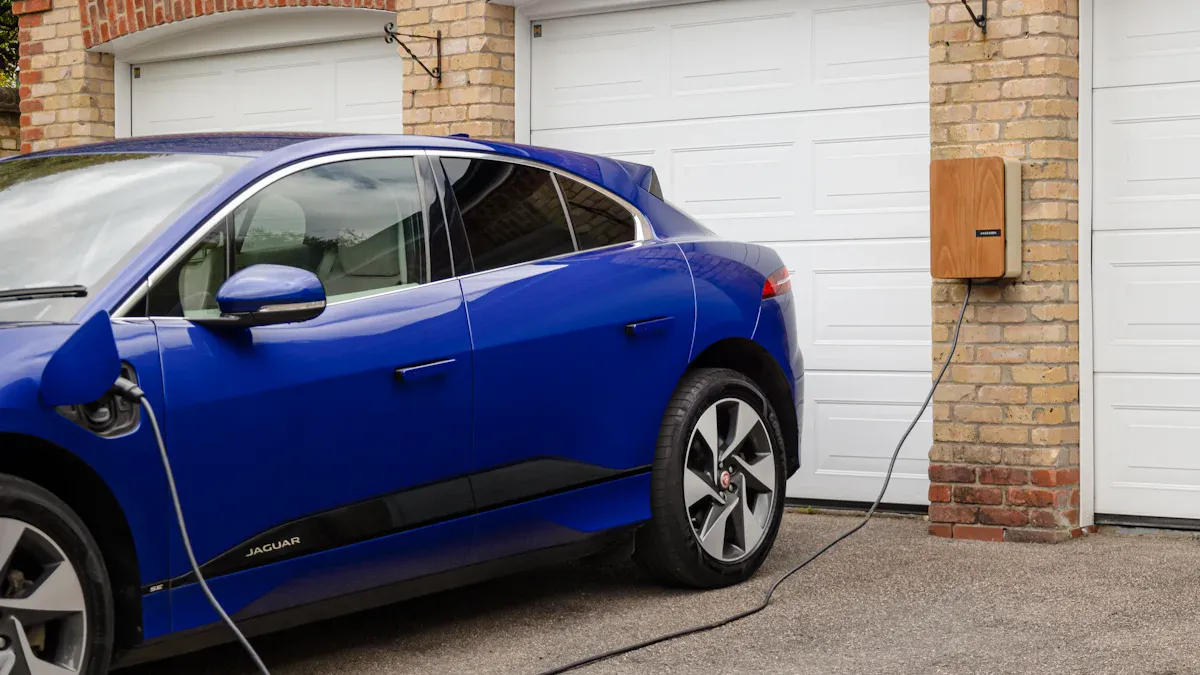
Зарядка уровня 1 часто удовлетворяет потребности большинства итальянских водителей подключаемых гибридов, придерживающихся регулярного ежедневного графика. Многие полагаются на стандартные домашние розетки, чтобы их электромобили были готовы к городским поездкам. Некоторые водители используют портативные зарядные устройства для электромобилей в качестве практичного решения. Производители зарядных устройств для электромобилей разработали различные Решения для зарядки электромобилей , подходящие для итальянских домохозяйств. Зарядное устройство для электромобилей дома обеспечивает удобство, но тем, кто совершает длительные поездки, могут потребоваться более быстрые варианты помимо зарядки уровня 1.
Объяснение зарядки уровня 1

Как работает зарядка уровня 1 для PHEV
Использование стандартных итальянских розеток
В большинстве итальянских домов установлены стандартные розетки на 230 В. Эти розетки позволяют водителям подключать свой PHEV без специального оборудования. Многие владельцы PHEV используют портативный зарядный кабель, поставляемый с автомобилем. Такая конфигурация хорошо совместима с итальянской электросетью и не требует дорогостоящей модернизации. Владельцы домов обычно могут найти подходящую розетку в гараже или на подъездной дорожке.
Скорость зарядки и выходная мощность
Зарядка уровня 1 предлагает практичное решение для ежедневного использования. Типичная выходная мощность составляет от 1,4 до 1,9 киловатт. При такой скорости зарядки добавляется около 3–5 миль (приблизительно 5–8 км) электрического запаса хода в час. Водители часто выбирают ночную или многодневную зарядку, чтобы их PHEV был готов к коротким поездкам.
- Типичная выходная мощность: 1,4–1,9 кВт (1400–1900 Вт)
- Скорость зарядки: Добавляет около 3–5 миль (приблизительно 5–8 км) запаса хода в час
- Подходит для ночной или многодневной зарядки
Зарядка уровня 1 vs. Зарядные станции
Обзор зарядки уровня 2 и быстрой зарядки постоянным током (DC)
Зарядные станции уровня 2 используют более высокую мощность и требуют специального монтажа. Эти станции обеспечивают значительно более быструю зарядку по сравнению со стандартными розетками. Быстрая зарядка постоянным током (DC) предлагает еще большую скорость, но большинство PHEV не поддерживают эту опцию из-за меньшего размера их аккумуляторов.
Различия в скорости и удобстве
В таблице ниже приведено сравнение основные варианты зарядки для PHEV:
| Уровень зарядки | Скорость зарядки (миль в час) | Время зарядки (от 10% до 80%) |
|---|---|---|
| Уровень 1 | От 3 до 5 | Н/Д |
| Уровень 2 | 25 | Н/Д |
| DC Fast | Н/Д | 20–30 минут |
Зарядка уровня 1 работает лучше всего для водителей с предсказуемым распорядком дня и доступом к домашним розеткам. Зарядка уровня 2 и быстрая зарядка постоянным током подходят тем, кому нужна более быстрая подзарядка или кто совершает длительные поездки. Каждый метод имеет свои уникальные преимущества, поэтому водителям следует учитывать свои ежедневные потребности и совместимость автомобиля.
Совместимость PHEV с зарядкой уровня 1
Типичные размеры аккумуляторов PHEV
Потребности в энергии для PHEV
Подключаемые гибридные электромобили используют аккумуляторы меньшего размера, чем полностью электрические автомобили. Большинство моделей подключаемых гибридов в Италии имеют емкость аккумулятора от 8 до 15 киловатт-часов (кВт·ч). Этих батарей достаточно для ежедневной городской езды и коротких поездок на работу. Водители часто обнаруживают, что одной ночной зарядки достаточно для восстановления энергии на следующий день.
Примечание: Типичная батарея подключаемого гибрида обеспечивает запас хода только на электротяге в 30–60 километров. Этот диапазон соответствует потребностям многих итальянских водителей, которые ежедневно преодолевают короткие расстояния.
Оценка времени зарядки для популярных моделей
Время зарядки зависит от размера аккумулятора и выходной мощности домашней розетки. В таблице ниже приведены оценки для нескольких популярных моделей PHEV в Италии при использовании Уровень 1 зарядки:
| Модель | Размер батареи (кВтч) | Время зарядки уровня 1 (0–100%) |
|---|---|---|
| Toyota Prius Plug-in | 8.8 | 5-6 часов |
| Mitsubishi Outlander | 13.8 | 8–10 часов |
| Volvo XC60 Подзарядка | 11.6 | 7–8 часов |
| BMW 330e | 12 | 7–9 часов |
Большинство водителей подключают свой PHEV на ночь и просыпаются с полностью заряженным аккумулятором. Такой режим хорошо вписывается в итальянский образ жизни и типичный рабочий график.
Домашняя зарядка в Италии
Стандарты домашней электросети в Италии
В итальянских домах используется электрическая система на 230 В. Стандартные розетки поддерживают зарядку уровня 1 для подключаемых гибридных автомобилей. Большинству домов не требуется серьезная модернизация для использования PHEV. Однако водителям следует проверить состояние проводки и розеток перед регулярным использованием.
Советы по безопасности и установке
Безопасность остается главным приоритетом при установке зарядного решения дома. Водителям следует придерживаться этих рекомендаций:
- Проконсультируйтесь с сертифицированным электриком перед началом регулярной зарядки.
- Используйте розетки с надлежащим заземлением для предотвращения опасности поражения электрическим током.
- Избегайте использования удлинителей, которые могут перегреваться во время длительной зарядки.
- По возможности установите выделенную линию для стабильной работы.
Совет: Регулярно проверяйте зарядный кабель и вилку на наличие признаков износа или повреждения. Безопасная зарядка защищает как автомобиль, так и дом.
Потребности в ежедневных поездках для PHEV в Италии

Средние расстояния до работы
Особенности вождения в городе и сельской местности
Ежедневный распорядок итальянских водителей различается в зависимости от местоположения. В крупных городах, таких как Милан, Рим и Турин, большинство людей преодолевают короткие расстояния. Городские поездки на работу часто составляют от 10 до 20 километров в одну сторону. Городской трафик и частые остановки делают электрическое вождение практичным для этих маршрутов. В отличие от этого, жители сельской местности и пригородов могут сталкиваться с более длительными поездками. Многие сельские водители ежедневно преодолевают 30–50 километров, иногда больше, если они ездят на работу в соседние города. Эти модели влияют на то, как каждый водитель использует PHEV и планирует зарядку.
Ежедневно используемый запас хода на электротяге
Типичный PHEV предлагает запас хода только на электротяге от 30 до 60 километров. Для многих городских водителей этого запаса хватает на всю ежедневную поездку на работу без использования бензинового двигателя. Сельские водители могут использовать полный электрический запас хода по пути на работу и переключаться на гибридный режим для обратной дороги. Ежедневно используемый электрический запас хода зависит от длины поездки и доступности зарядки дома или на работе. Большинство итальянских домохозяйств считают, что их ежедневные поездки укладываются в электрические возможности их автомобиля.
Ночная зарядка уровня 1
Реальное время зарядки
Уровень 1 зарядки предлагает практичное решение для большинства итальянских владельцев PHEV. Используя стандартную домашнюю розетку, водители могут зарядить свой автомобиль за ночь. Этот процесс обычно занимает около 6 hours and 20 minutes to reach a full charge. The table below summarizes this information:
| Способ зарядки | Duration to Full Charge |
|---|---|
| Level 1 AC | Approximately 6 hours and 20 minutes |
This duration allows drivers to plug in their phev after work and wake up to a fully charged battery. Overnight charging fits well with the Italian lifestyle, where vehicles often remain parked for extended periods during the night.
Impact on Daily Routine
Overnight charging minimizes disruption to daily routines. Drivers do not need to visit public stations or adjust their schedules for refueling. They simply connect their phev at home and let the vehicle charge while they sleep. This approach works especially well for those with predictable commutes and consistent parking arrangements. For families with multiple vehicles, scheduling may require some coordination, but most households find Level 1 charging sufficient for their needs.
Tip: Setting a regular charging schedule helps ensure the phev always starts the day with maximum electric range, reducing reliance on gasoline and lowering running costs.
When Level 1 Charging Is Enough for PHEVs
Scenarios Where Level 1 Charging Works
Short Commutes and City Driving
Level 1 charging meets the needs of many Italian drivers who use their phev for daily city commutes. In urban environments, most people travel short distances. A plug-in hybrid with a fully charged battery can cover these routes without switching to gasoline. Overnight charging at home allows the vehicle to regain its electric range by morning. This routine fits well with the lifestyle in cities like Milan or Rome, where parking and access to outlets are common. Drivers who use their phev for errands, school runs, or work commutes rarely need more than the electric range provided by a single charge.
Note: For city dwellers, level 1 charging offers a practical and reliable solution. It eliminates the need to visit public stations and reduces dependence on fossil fuels.
Occasional Longer Trips
Some Italian families use their phev for occasional longer journeys. Level 1 charging still provides value in these cases. Drivers can rely on the plug-in hybrid’s gasoline engine when the electric range runs out. After returning home, they can recharge the battery overnight. This approach works well for those who do not travel long distances every day. The flexibility of a phev ensures that drivers never feel limited by the battery alone.
Benefits of Level 1 Charging
Экономия средств
Level 1 charging offers significant cost advantages. Home electricity rates in Italy are generally lower than the cost of gasoline. Drivers avoid the expense of installing a dedicated charging station. Most plug-in hybrid owners use the portable cable that comes with their vehicle. This setup reduces upfront costs and ongoing expenses. Over time, the savings add up, especially for those who drive mostly on electric power.
| Выгода | Описание |
|---|---|
| Более низкая стоимость установки | No need for special equipment or upgrades |
| Reduced energy cost | Home electricity is cheaper than gasoline |
| Minimal maintenance | Fewer components to service or repair |
Simplicity and Convenience
Level 1 charging stands out for its simplicity. Drivers only need a standard outlet to keep their phev ready for use. There is no need to search for public charging stations or wait in line. The process fits easily into daily routines. Most people plug in their vehicle at night and unplug it in the morning. This convenience appeals to busy families and professionals who value time and reliability.
Tip: Setting a regular charging schedule helps maximize the electric range and ensures the phev is always ready for the next trip.
Level 1 charging also supports the transition to electric cars for those new to the technology. It provides a low-barrier entry point for Italian households considering a plug-in hybrid. The combination of cost savings, ease of use, and compatibility with daily driving patterns makes level 1 charging an ideal choice for many.
When You Need More Than Level 1 Charging
Longer Trips and Heavy Use
Limits of Overnight Charging
Уровень 1 зарядки supports most daily routines for PHEV drivers. However, some situations demand more power and flexibility. Drivers who cover long distances each day may find overnight charging insufficient. A single night may not restore the full electric range if the battery depletes completely during heavy use. Those who rely on their PHEV for business travel or frequent intercity trips often need faster solutions. The limited speed of Level 1 charging can create gaps in mobility, especially when multiple charging sessions are required within a short period.
Note: Drivers who regularly exceed their vehicle’s electric range may experience increased fuel consumption and reduced electric driving benefits.
Planning for Extended Travel
Extended travel requires careful planning for PHEV owners. They must consider the availability of charging points along their route. Level 1 charging at hotels or friends’ homes may not provide enough energy for the next leg of a journey. In these cases, access to faster charging stations becomes essential. Many drivers use mobile apps to locate charging infrastructure before starting a trip. They also check the compatibility of their PHEV with available charging points. Proper planning ensures that long journeys remain smooth and efficient.
Public Charging Stations in Italy
Availability of Level 2 and Fast Chargers
Italy continues to expand its public charging infrastructure. Major cities and highways now feature a growing number of charging stations. The Tesla supercharger network operates 50 charging stations across the country. These high-power charging points support both Tesla vehicles and, in some cases, other brands with compatible adapters. National infrastructure plans include investments to install more high-power charging stalls at fueling stations. This expansion aims to make long-distance travel more convenient for PHEV and electric vehicle owners.
- Major cities offer multiple Level 2 charging stations.
- Highways feature fast charging points for quick top-ups.
- The Tesla network provides reliable coverage in strategic locations.
- Infrastructure investments target both urban and rural areas.
Using Charging Networks for Flexibility
Charging networks offer flexibility for PHEV drivers who need more than Level 1 charging. Membership in a charging network allows access to a wide range of charging stations across Italy. Drivers can use mobile apps to find available charging points, check real-time status, and pay for charging sessions. This flexibility proves valuable during road trips, unexpected detours, or when home charging is unavailable. Reliable infrastructure ensures that PHEV owners can maintain electric driving even during demanding travel schedules.
Tip: Registering with multiple charging networks increases access to charging stations and reduces waiting times during peak hours.
Comparing Level 1 Charging to Faster Charging Stations
Pros and Cons of Level 1 vs. Level 2 Charging
Installation Costs and Requirements
Level 1 charging uses a standard household outlet, so most Italian homes do not require upgrades. Owners of a plug-in hybrid can start charging immediately with the cable provided by the manufacturer. This approach keeps installation costs low and avoids the need for professional electrical work.
Зарядные станции уровня 2 require a dedicated circuit and professional installation. Electricians often need to upgrade the home’s wiring or add a new breaker. The cost for Level 2 charging stations can range from several hundred to over a thousand euros, depending on the brand and features. TPSON, a technologically advanced electric vehicle charging solution provider, offers reliable Level 2 charging stations that meet Italian safety standards.
| Характеристика | Зарядка уровня 1 | Зарядные станции 2-го уровня |
|---|---|---|
| Стоимость установки | Минимум | От умеренного до высокого |
| Professional Required | Нет | Да |
| Home Upgrades Needed | Rare | Часто |
Tip: Always consult a certified electrician before installing any charging stations at home to ensure safety and compliance.
Charging Speed and Time Management
Level 1 charging provides a slow but steady charge, usually adding 3 to 5 miles of range per hour. For a plug-in hybrid, this speed covers most daily needs if the vehicle charges overnight. However, drivers with longer commutes or unpredictable schedules may find Level 1 charging too slow.
Level 2 charging stations deliver much faster charging, often adding up to 25 miles of range per hour. This speed allows drivers to top up their battery during the day or quickly prepare for unexpected trips. Faster charging reduces downtime and increases flexibility, especially for families with multiple vehicles.
Note: Level 2 charging stations can make a significant difference for those who need to maximize their vehicle’s electric range in a short period.
Choosing the Right Charging Solution
Factors to Consider
Drivers should evaluate several factors before choosing between Level 1 and Level 2 charging stations:
- Daily driving distance: Short commutes favor Level 1 charging, while longer trips may require faster charging.
- Home electrical capacity: Some homes may not support the higher power needs of Level 2 charging stations without upgrades.
- Budget: Level 1 charging remains the most affordable option, but Level 2 charging stations offer greater convenience.
- Vehicle type: The battery size and charging capability of the plug-in hybrid influence the best solution.
Balancing Cost, Convenience, and Lifestyle
Selecting the right charging solution depends on balancing cost, convenience, and lifestyle. Level 1 charging suits those with predictable routines and overnight parking at home. Level 2 charging stations benefit drivers who need rapid charging or share their home with other electric vehicles. TPSON provides advanced charging stations that combine safety, speed, and smart features for Italian households.
Callout: Consider future needs when investing in charging stations. A Level 2 solution may offer more flexibility as electric vehicle adoption grows.
Real-Life Scenarios for Italian PHEV Owners
Commuting in Major Cities with Level 1 Charging
Milan, Rome, and Urban Charging Challenges
Drivers in Milan, Rome, and other Italian cities often face unique challenges. Urban streets can be crowded, and parking spaces may be limited. Many residents live in apartment buildings where private garages are rare. These factors make it difficult for some to access a dedicated outlet for their plug-in hybrid. Public charging stations exist, but competition for these spots remains high during peak hours. City drivers must plan their routines to ensure their vehicle stays ready for daily use.
Tip: Urban PHEV owners can benefit from workplace charging if their employer provides it. This option helps supplement home charging and reduces range anxiety.
Parking and Outlet Access
Parking arrangements play a key role in the success of Level 1 charging. Homeowners with private garages or driveways enjoy the most convenience. They can plug in their vehicle overnight and start each day with a full battery. Apartment dwellers may need to coordinate with building managers to install accessible outlets. Some Italian cities offer incentives for residential charging infrastructure, making it easier for more people to adopt plug-in hybrids.
| Сценарий | Charging Access | Convenience Level |
|---|---|---|
| Private garage/driveway | Легко | Высокий |
| Shared parking | Possible with approval | Средний |
| Street parking | Ограниченный | Низкий |
Rural and Suburban Living with PHEVs
Home Charging Reliability
Residents in rural and suburban areas often have more space and private parking. They can set up reliable home charging without major obstacles. Overnight charging fits well with longer parking periods at home. These drivers rarely need to visit public stations unless they travel far from home. Reliable home charging supports daily commutes and local errands.
Longer Distances and Charging Needs
Rural drivers often cover greater distances each day. They may need to recharge more frequently, especially if their route exceeds the electric range of their PHEV. Tools like Mitsubishi CONNECT help these drivers locate charging stations near their destination. The app also allows remote control of charging and climate functions, making it easier to manage energy use. These features support flexibility and reduce the stress of long journeys.
- Locate nearby charging stations with mobile apps.
- Use remote features to monitor and control charging sessions.
- Plan routes to include charging stops when necessary.
Note: Rural PHEV owners who travel long distances should check charging station availability before starting their trip.
Family and Multi-Car Households Using Level 1 Charging
Sharing Outlets and Scheduling
Families with more than one plug-in hybrid must coordinate their charging routines. Sharing a single outlet requires careful scheduling. Some households set up a charging calendar to avoid conflicts. Others install a second outlet if their electrical system allows. Good communication ensures that each vehicle receives enough energy for the next day.
Managing Multiple PHEVs
Managing multiple PHEVs in one household can present challenges. Drivers must monitor charging times and adjust schedules for everyone’s needs. Level 1 charging works best when vehicles remain parked overnight. For families with unpredictable routines, a Level 2 charging station may offer more flexibility. Each household should evaluate its driving patterns and choose the solution that fits best.
Callout: Multi-car households can maximize efficiency by staggering charging times and using smart plugs or timers.
Уровень 1 зарядки offers a practical solution for Italian PHEV owners who drive short distances and have consistent access at home. Many drivers find that electric cars fit their daily routines without the need for expensive upgrades. Those who travel frequently or manage multiple electric cars may benefit from faster charging stations. Each household should evaluate its driving habits, home setup, and travel needs before choosing the best option. Electric cars provide cost-effective mobility, but owners must understand the limits of Level 1 charging.
ЧАСТО ЗАДАВАЕМЫЕ ВОПРОСЫ
Can Level 1 charging fully recharge most PHEV batteries overnight?
Most PHEV batteries reach full charge overnight with Level 1 charging. Drivers plug in their vehicles for 6–10 hours, depending on battery size. This routine fits typical Italian work schedules.
Is Level 1 charging safe for Italian home electrical systems?
Certified electricians recommend Level 1 charging for Italian homes. Owners should use grounded outlets and avoid extension cords. Regular inspections ensure safe operation.
Does Level 1 charging require special equipment or installation?
Level 1 charging uses the standard cable provided by the manufacturer. Italian homes with 230V outlets do not need upgrades or special equipment. Owners can start charging immediately.
How much does Level 1 charging cost compared to gasoline?
Level 1 charging costs less than gasoline. Home electricity rates in Italy remain lower than fuel prices. Drivers save money by charging at home and using electric power for daily commutes.
Can Level 1 charging support multiple PHEVs in one household?
Families with more than one PHEV can share outlets by scheduling charging times. Installing a second outlet increases convenience. Level 2 charging stations offer faster charging for multi-car households.
What happens if a driver needs to travel longer distances?
Drivers use the gasoline engine when the electric range runs out. For extended trips, public charging stations provide faster charging. Planning routes with charging stops ensures smooth travel.
Are public charging stations widely available in Italy?
Italy continues to expand its charging infrastructure. Major cities and highways feature Level 2 and fast charging stations. Drivers use mobile apps to locate available charging points.