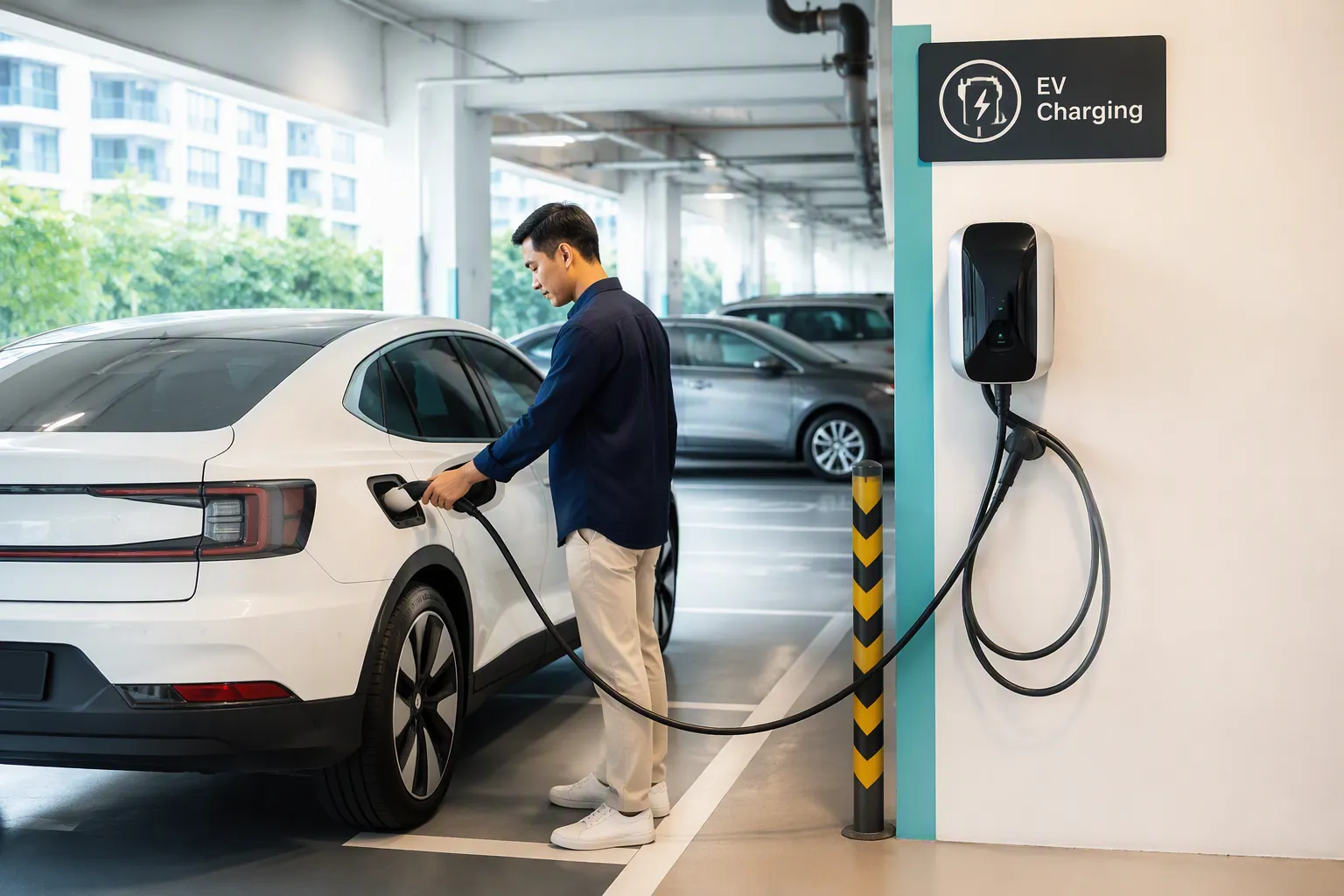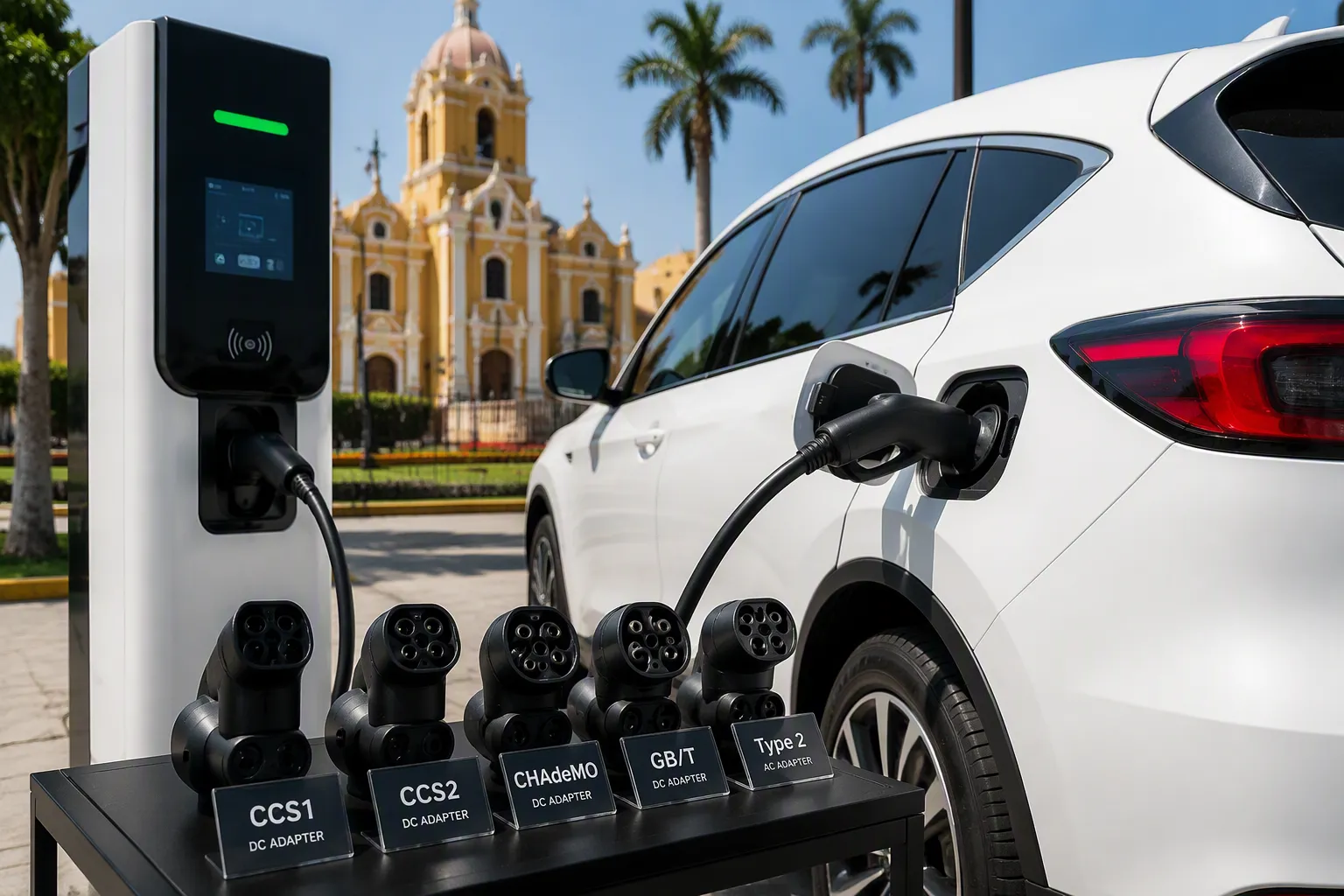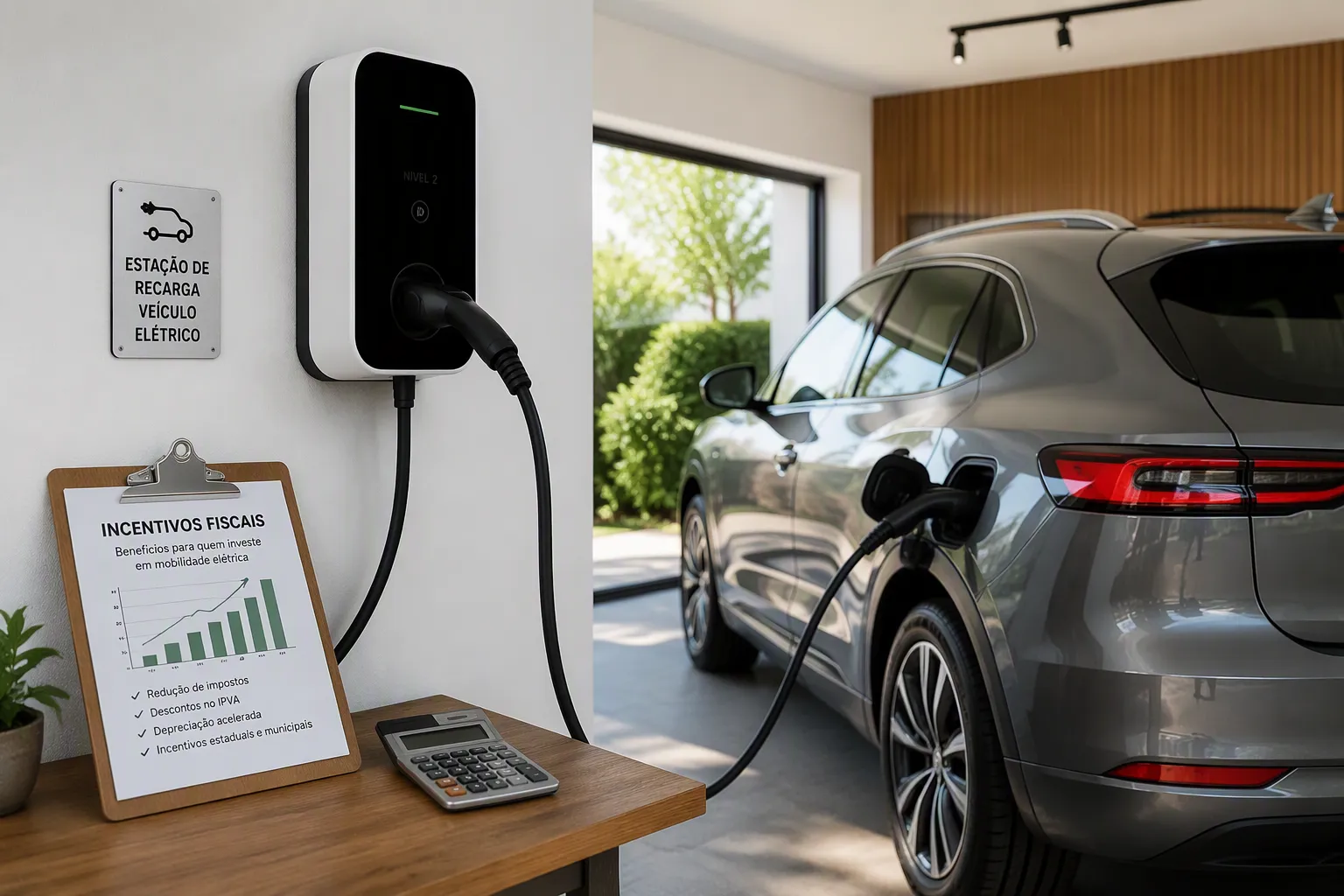

An EV owner can indeed charge an EV using a regular outlet. This process, known as Level 1 charging, utilizes a standard household socket for power. The charging speed from this type of outlet is the slowest available. This makes the charging method a temporary solution rather than a primary daily charging strategy for an EV.
Примечание: В то время как портативные зарядные устройства often use a regular outlet, this method is best reserved for emergencies or occasional top-ups.
TPSON, a technologically advanced provider of Решения для зарядки электромобилей, confirms that a dedicated Зарядное устройство для электромобилей offers superior performance for the vehicle. Производители зарядных устройств для электромобилей design these basic systems for convenience, not speed, as the outlet provides a minimal charge.
What Is Charging at a Normal Socket?

Charging at a normal socket involves using the standard electrical outlets found in a home to power an electric vehicle. This method is formally known as Level 1 charging. It represents the most accessible but slowest way to charge an EV.
Understanding Level 1 Charging
The Standard 120-Volt Household Outlet
The power source for Level 1 charging is the common 120-volt household socket. This is the same type of regular outlet used for lamps, televisions, and other small appliances. Its universal availability makes it a convenient option. However, the power it delivers is limited.
Power Output Facts A standard 120-volt outlet used for Level 1 charging typically provides:
- A power output ranging from 1.0 to 1.8 kilowatts (kW).
- A current that should not exceed 10A for sustained charging sessions.
This low power output is the primary reason for the slow charging speeds associated with using a normal outlet.
How It Works and What to Expect
The process of charging from an outlet is straightforward. The driver simply plugs the vehicle’s mobile charging cable into the wall outlet and then connects the other end to the EV’s charge port. The vehicle will begin charging automatically. While simple, drivers should expect a very slow rate of charge. Charging via wall socket is not a rapid process; it adds only a few miles of range for every hour of charging.
The Equipment Needed to Charge an EV This Way
Charging at a normal socket requires specific, yet basic, equipment that typically comes standard with the purchase of a new electric vehicle.
The Mobile Connector Cable
Most EVs include a mobile connector cable. This is not just a simple cord; it is a specialized piece of equipment designed for safety and durability. High-quality cables meet strict technical requirements. They often use robust H07RN-F rubber cable, which is resistant to impacts, abrasion, and a wide range of chemicals. This construction ensures the cable can handle sustained use in various conditions, from -25°C to 60°C.
The In-Cable Control Box (ICCB)
A critical component of the mobile connector is the In-Cable Control Box (ICCB). This box, located between the domestic plug socket and the vehicle connector, acts as a safety device. It manages the communication between the household socket and the EV, ensuring the charging session is safe. The ICCB monitors the connection and regulates the electrical current. It prevents the regular outlet from overloading by limiting the charge rate, a key safety feature for charging from a normal socket. While this basic equipment enables charging, providers like TPSON focus on technologically advanced, dedicated chargers for superior safety and performance.
How Long Does It Take to Charge an Electric Car with a Regular Outlet?
The most significant drawback of using a regular outlet is the extremely long charging time. While convenient, charging at a normal socket is a test of patience. The low power output of a standard household outlet directly translates to a slow energy transfer to the vehicle’s battery. Understanding these speeds is crucial for managing expectations and planning vehicle usage.
The Reality of Level 1 Charging Speeds
Level 1 charging provides a minimal trickle of power. This method is not designed for rapid replenishment of a battery. It is better suited for overnight top-ups on vehicles with small batteries or for drivers who cover very few miles each day.
Miles of Range Added Per Hour
An EV owner can expect a very slow increase in driving range when using a standard 120-volt outlet. The power delivery is only sufficient to add a few miles for every hour the electric car is plugged in.
Typical Level 1 Charging Gains
- A regular outlet generally adds 3 to 5 miles of range per hour of charging.
- This rate means a 10-hour overnight charging session might only add 30 to 50 miles of range.
This slow pace makes it difficult to recover significant range after a long day of driving.
Calculating Time for a Full Charge
Calculating the time to fully charge an electric car from a normal outlet reveals the impracticality of this method for daily use. For an EV with a common 60 kWh battery, a full charge from empty could take more than 20 hours. This lengthy duration means a driver might not even achieve a full charge over an entire weekend. The slow charging process from a standard outlet stands in stark contrast to the efficiency offered by dedicated solutions from advanced providers like TPSON.
Сравнение скорости зарядки
Putting Level 1 charging speeds into context highlights why most EV owners quickly seek faster alternatives. The difference between using a regular outlet and a dedicated charger is not minor; it is a fundamental change in the ownership experience.
Зарядка дома: Уровень 1 против Уровня 2
The most common upgrade for home charging is a Level 2 charger. This equipment uses a 240-volt circuit, similar to an electric stove or dryer, to deliver power much faster. A dedicated 7kW Level 2 charger can fully charge most electric cars with a 60kWh battery in approximately 7-8 часов. This allows an owner to reliably charge an EV from empty to full overnight, every night. Level 1 charging simply cannot offer this level of practicality.
Level 1 vs. Public DC Fast Charging
The gap between Level 1 charging and public DC Fast Charging is even more dramatic. DC Fast Chargers are the high-powered stations found along major travel routes, designed to get drivers back on the road quickly during long trips. They bypass the car’s internal charger and supply DC power directly to the battery. The following table illustrates the immense difference when adding just 50 miles of range.
| Тип зарядного устройства | Выходная мощность | Time to Add 50 Miles of Range |
|---|---|---|
| Level 1 (Regular Outlet) | ~1,4 кВт | Approximately 10 to 12 hours |
| 150kW DC Fast Charger | 50kW or higher | Менее 30 минут |
Данное сравнение показывает, что то, на что с обычной розеткой уходит целый рабочий день, можно сделать за короткий перерыв на кофе на станции быстрой зарядки постоянным током.
Плюсы и минусы использования обычной розетки
Решение о том, заряжать ли электромобиль от обычной розетки предполагает взвешивание ее неоспоримого удобства против существенных практических ограничений. Хотя этот метод доступен, владельцам электромобилей необходимо понимать как его преимущества, так и недостатки, прежде чем на него полагаться.
Ключевые преимущества
Основная привлекательность зарядки от обычной розетки заключается в ее простоте и экономической эффективности. Эти преимущества делают ее полезным инструментом в определенных ситуациях.
Отсутствие затрат на установку
Самое весомое преимущество — полное отсутствие платы за установку. Владелец может начать заряжать свой электромобиль немедленно, используя оборудование, поставляемое с автомобилем. Это резко контрастирует со стоимостью специализированного зарядного устройства. Покупка и профессиональная установка домашней зарядной станции Уровня 2 обычно обходятся в сумму от 1000 до 2000 долларов США в США. Использование обычной розетки исключает эти значительные первоначальные расходы.
Универсальная портативность и удобство
Стандартная бытовая розетка доступна повсеместно. Эта портативность предлагает ценную страховку. Водитель электромобиля, навещающий друзей или останавливающийся в месте без специальной зарядной инфраструктуры, все же может добавить некоторый заряд своему автомобилю за ночь. Эта гибкость обеспечивает спокойствие, гарантируя, что базовый вариант зарядки почти всегда под рукой.
Основные недостатки
Недостатки использования обычной розетки существенны. Они часто перевешивают преимущества для тех, кто использует свой электромобиль в качестве основного ежедневного транспортного средства.
Чрезвычайно медленное время зарядки
Как подробно описано ранее, скорость зарядки является самым значительным недостатком. Зарядка Уровня 1 невероятно медленная, добавляя всего несколько миль запаса хода в час. Это делает ее непрактичной для восполнения заряда батареи после обычной ежедневной поездки, не говоря уже о подготовке к длительному путешествию. Низкая скорость может вызывать "тревогу запаса хода" и ограничивать полезность автомобиля.
Потенциальные опасности
Продолжительные сеансы зарядки создают непрерывную высокую нагрузку на электрическую цепь. Использование обычной розетки розетки, не подключенной к выделенной цепи, представляет реальный риск.
Предупреждение по электробезопасности ⚠️.
Выделенная цепь необходима для предотвращения этих проблем и обеспечения безопасности процесса зарядки.
Долгосрочная неэффективность
Медленная зарядка может быть менее эффективной, чем быстрые методы. В течение долгих часов, необходимых для зарядки от розетки, больший процент энергии может теряться в виде тепла как бортовыми системами автомобиля, так и самим зарядным оборудованием. Хотя для одного сеанса это незначительно, эта неэффективность накапливается со временем, слегка увеличивая общее энергопотребление по сравнению с более продвинутыми решениями от таких поставщиков, как TPSON.
Безопасно ли заряжать электромобиль от обычной розетки?
Безопасность является первостепенной задачей при зарядке электромобиля. Хотя использование обычной розетки возможно, оно создает риски, которых нет при использовании специального зарядного оборудования. Владелец электромобиля должен понимать эти потенциальные опасности и принимать конкретные меры предосторожности для обеспечения безопасного процесса зарядки. Непрерывное потребление высокой мощности электромобилем не похоже ни на один другой бытовой прибор.
Основной контрольный список безопасности
Следование простому контрольному списку безопасности может значительно снизить риски, связанные с зарядкой от бытовой розетки. Эти шаги не являются необязательными; они критически важны для защиты автомобиля, дома и его обитателей.
Используйте выделенную цепь
Электромобиль требует значительного количества энергии в течение многих часов. Совместное использование цепи с другими приборами может легко вызвать перегрузку.
Требование безопасности: Выделенная цепь Электротехнические нормы, включая Национальный электротехнический кодекс (NEC), содержат особые требования к зарядке электромобилей. Ключевое правило заключается в том, что зарядное устройство для электромобиля должно быть подключено к собственной выделенной цепи. Это предотвращает перегрузку системы во время зарядки электромобиля. Выделенная цепь гарантирует, что электромобиль является единственным устройством, потребляющим энергию, устраняя риск срабатывания автоматических выключателей и перегрева проводов, вызванный другими приборами.
Проверьте состояние розетки
Перед подключением владелец всегда должен проверять настенную розетку. Бытовой розетке, предназначенной для зарядки электромобиля, необходимо быть в отличном состоянии. Проверьте:
- Трещины на лицевой панели
- Признаки изменения цвета или оплавления
- Неплотное прилегание кабеля при подключении
Любой из этих признаков указывает на то, что розетка может быть старой, поврежденной или неправильно подключена. Использование ненадежной розетки для высокой и продолжительной нагрузки при зарядке электромобиля представляет серьезную опасность возгорания.
Опасность стандартных удлинителей
Владелец никогда не должен использовать стандартный внутренний или наружный удлинитель для зарядки электромобиля. Эти шнуры не предназначены для высокой, непрерывной передачи энергии, необходимой для зарядки автомобиля. Они могут быстро перегреться, расплавиться и вызвать пожар.
Правильные кабели для зарядки электромобилей разработаны в соответствии со строгими стандартами безопасности. Они проходят обширные испытания на устойчивость к раздавливанию, электрические характеристики и долговечность. Технологически продвинутые поставщики, такие как TPSON, гарантируют, что их продукция соответствует этим строгим мировым стандартам.
| Стандарт | Сфера применения | Рынок |
|---|---|---|
| EN 50620 | Электрические кабели – Зарядные кабели для электромобилей | Европа |
| Серия IEC 62893 | Зарядные кабели для электромобилей | Европа |
| UL 2263 | Кабель для электромобилей | Соединенные Штаты |
| CSA C22.2 NO. 332:22 | Кабель для электромобилей | Канада |
| JCS 4522 | Гибкие зарядные кабели | Япония |
Следует рассматривать только сверхпрочный удлинитель, специально рассчитанный на зарядку электромобилей, и только для временного использования в чрезвычайных ситуациях.
Когда следует вызвать профессионального электрика
Home wiring is not something to experiment with. Certain situations demand the expertise of a qualified professional to ensure the safety of charging your EV.
Warning Signs of Old or Faulty Wiring
If an owner observes any of the following signs while using a regular outlet for charging, they should unplug the vehicle immediately and contact an electrician. These symptoms point to an overloaded circuit or faulty wiring.
- Lights in the house flickering or dimming when charging begins
- The outlet or plug feeling warm or hot to the touch
- A circuit breaker that repeatedly trips
- A faint burning smell coming from the outlet or electrical panel
- A buzzing or sizzling sound from the wall outlet
Ignoring these warnings can lead to severe electrical damage or a house fire.
Why a Home Electrical Inspection is a Smart Move
The safest approach for any EV owner considering home charging is to schedule an electrical inspection. A professional electrician can assess the home’s entire electrical system. They will verify that the wiring, breaker panel, and outlet are safe for the demands of EV charging. An electrician can also install a dedicated circuit for the regular outlet, making Level 1 charging much safer. This proactive step provides peace of mind and confirms the home’s electrical system meets all necessary safety codes for charging an electric vehicle.
How Much Does It Cost to Use a Regular Outlet?
The cost of charging an electric car is a primary consideration for any owner. Using a regular outlet is often perceived as the cheapest method because it requires no upfront installation investment. However, the final cost on an electricity bill depends on local energy rates and the efficiency of the charging process itself. Calculating this cost is straightforward, but owners must also account for hidden inefficiencies.
Calculating Your Electricity Costs
An owner can estimate charging expenses by understanding how electricity is measured and priced. The calculation is simple and reveals the direct cost of replenishing an EV’s battery.
Understanding Kilowatt-Hours (kWh)
Utility companies bill for electricity in kilowatt-hours (kWh), which is a unit of energy. The price per kWh varies by location and time of day. The average residential electricity rate is typically between 15 and 17 cents per kilowatt-hour. An owner can find the exact rate on their monthly utility statement. This figure is the foundation for calculating any charging cost.
Factoring in Charging Time
The cost to charge an EV is determined by the amount of energy added to the battery, not the time it takes. To calculate the cost of a full charging session, an owner multiplies the vehicle’s battery size in kWh by the electricity rate.
Example Calculation
- An electric car with a 75 kWh battery.
- An electricity rate of $0.15 per kWh.
- Total Cost: 75 kWh × $0.15/kWh = $11.25 for a full charge.
This formula provides a clear baseline for the cost of charging at a normal socket.
The Hidden Cost of Inefficiency
While the direct cost seems low, charging from a household socket introduces inefficiencies that can increase the total energy consumed. These “hidden costs” stem from energy lost during the slow transfer of power.
Energy Loss During Slow Charging
Level 1 charging from a regular outlet is a very slow process. During these extended charging sessions, the EV’s onboard electronics and battery management systems must remain active for many hours. This continuous operation consumes power. A portion of the energy drawn from the outlet is lost as heat, never making it into the battery. This means the owner pays for more energy than the vehicle actually stores.
Comparing Cost vs. a Level 2 Charger
A dedicated Level 2 charger is significantly more efficient. It completes a charging session much faster, reducing the time the vehicle’s systems need to run and minimizing energy losses. While the price per kWh from the utility remains the same, less total energy is pulled from the wall to deliver the same amount of charge to the battery. Technologically advanced providers like TPSON engineer their charging solutions for optimal efficiency, ensuring more of the paid-for electricity powers the car. Over the lifetime of an EV, these small efficiency gains can lead to noticeable savings.
When Does Using a Regular Outlet Make Sense?
Despite its significant limitations, charging an EV with a regular outlet is a practical solution in specific circumstances. An owner must evaluate their driving habits and vehicle type to determine if this method aligns with their needs. For some, the convenience of a household socket outweighs the slow charging speed.
Ideal Scenarios for Level 1 Charging
Level 1 charging is not a one-size-fits-all solution, but it excels in situations where speed is not a priority. These scenarios make charging at a normal socket a viable and cost-effective option.
For Plug-in Hybrid Electric Vehicle (PHEV) Owners
Owners of Plug-in Hybrid Electric Vehicles (PHEVs) are ideal candidates for using a regular outlet. PHEVs have much smaller batteries than fully electric cars, often around 14 kWh. This allows them to gain a full charge in just 5-6 часов from a standard outlet. With a typical all-electric range of 20-40 miles, an overnight charging session is more than enough to replenish the battery for daily errands, maximizing the vehicle’s efficiency.
For Drivers with Very Short Daily Commutes
An EV driver with a very short daily commute may find Level 1 charging perfectly adequate. If a person drives only 20-30 miles per day, an overnight charging session can easily replace the energy used.
Overnight Charging Reality A 10-hour overnight charge typically adds 30 to 50 miles of range. This is often sufficient for drivers who use their electric car for local trips and do not need a full battery each morning.
When Visiting Locations Without EV Chargers
The universal availability of the standard outlet makes it an invaluable tool for travel. When visiting friends or family whose homes are not equipped with a dedicated EV charger, an owner can still add a useful amount of range to their vehicle overnight. This flexibility provides peace of mind and ensures a basic charging option is almost always available.
When You Should Absolutely Avoid It
For many Battery Electric Vehicle (BEV) owners, relying on a normal outlet is impractical and frustrating. The slow pace of charging makes it unsuitable for anyone with moderate to heavy driving needs.
As Your Primary Daily Charging Method
Using a standard outlet as the main method for charging your EV is highly discouraged for BEV owners. The slow charging rate of just 3-5 miles per hour makes it impossible to recover from a long day of driving. A full charge for a modern EV could take up to 50 hours, rendering the car unusable for long periods. This inefficiency makes it a poor long-term strategy. For reliable daily use, advanced solutions from providers like TPSON are far superior.
If You Drive Long Distances Regularly
Drivers who frequently cover long distances should not rely on this charging method. A lengthy commute or a weekend road trip can deplete a significant portion of the battery. Attempting to charge an EV with a large battery from a low state of charge using this method is impractical. It simply cannot replenish the required energy in a reasonable timeframe, limiting the usability of the electric car.
What Are the Better Alternatives for Home Charging?
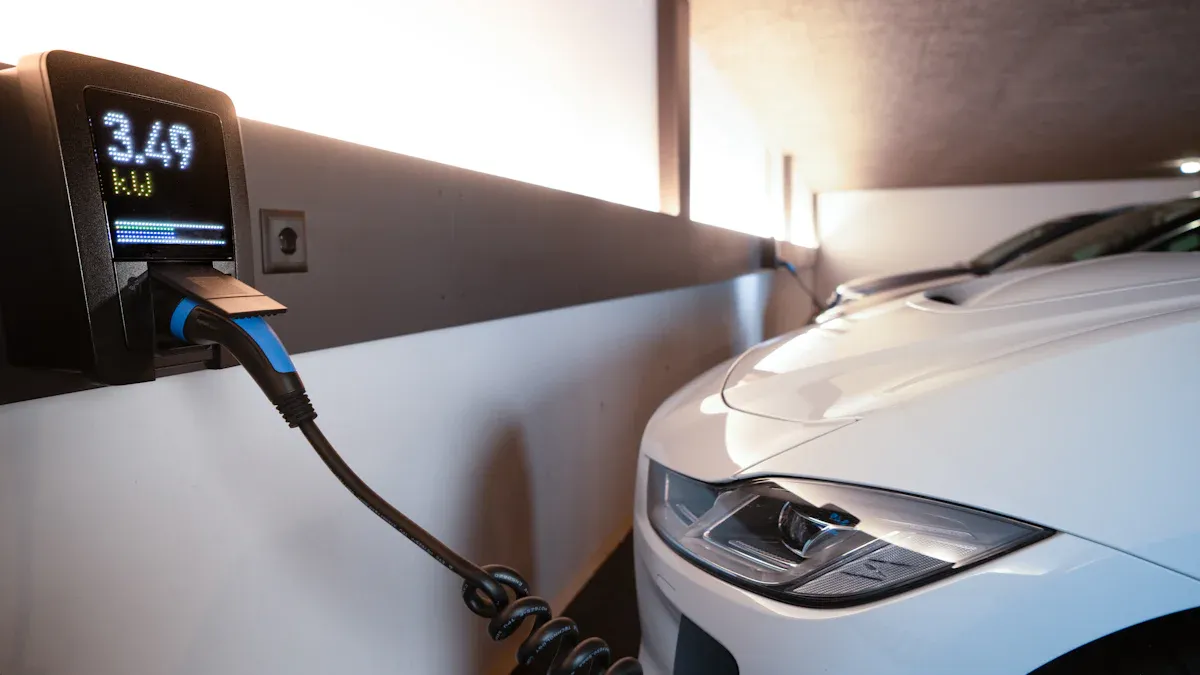
While a standard wall outlet offers a basic charging function, most EV owners will require faster and more robust solutions. A dedicated home wallbox and public charging networks provide superior alternatives for daily use and long-distance travel. These options deliver faster charging, enhanced safety, and greater convenience.
The Recommended Solution: Level 2 Chargers
For efficient and reliable charging at home, the industry standard is a Зарядное устройство уровня 2, commonly known as a wallbox. This solution transforms the EV ownership experience.
What Is a Level 2 Charger?
A Level 2 charger is a dedicated home wallbox that is professionally installed and wired directly into a home’s electrical system. Unlike a regular outlet, a wallbox operates on a higher voltage circuit to deliver power much more quickly. Technologically advanced providers like TPSON engineer these charging station units to meet strict safety and performance requirements. The power output of a wallbox makes it the ideal solution for overnight charging.
| Charger Rating | Estimated Range Added per Hour |
|---|---|
| 3,7 кВт | 12–15 miles |
| 7 кВт | 25–30 miles |
| 22 кВт | 60–75 miles |
Benefits of Faster, Safer Charging
The primary benefit of charging with a wallbox is speed. A 7kW wallbox can fully charge an electric car overnight, a task that could take days with a standard outlet. This speed ensures the vehicle is always ready for a full day of driving. Furthermore, a professionally installed charging station is inherently safer. It uses a dedicated circuit designed to handle the sustained electrical load, eliminating the risks of overheating associated with a regular wall outlet. The UK government even offers grants, such as up to £350 for renters and flat owners, to make installing a safer wallbox more affordable.
Smart Features for Off-Peak Savings
Modern wallbox systems offer intelligent features that enhance convenience and reduce costs. Charging with a wallbox can be optimized through smart controls, often managed via a smartphone app. These features allow an owner to:
- Schedule charging sessions to begin during off-peak hours when electricity is cheapest.
- Monitor energy consumption and track charging costs.
- Automatically adjust charging based on grid carbon intensity.
- Initiate a “boost charge” for immediate power when needed.
Options for Charging Away From Home
When away from home, a network of public charging stations keeps an electric car moving. These are divided into two main categories based on their speed and intended use.
Public Level 2 Charging Stations
Public Level 2 charging station units are similar in speed to a home wallbox. They are commonly found at destinations like shopping centres, workplaces, and public car parks. This type of charging station is perfect for topping up the vehicle’s battery while the driver is occupied for a few hours. It is a convenient way to add significant range during the day.
DC Fast Charging for Road Trips
For long-distance journeys, DC Fast Charging stations are essential. These high-powered units can add hundreds of miles of range in under an hour, making road trips in an EV practical. This speed comes at a higher cost, with public ultra-rapid charging typically costing around 99 cents per kWh. The price can vary significantly between networks.
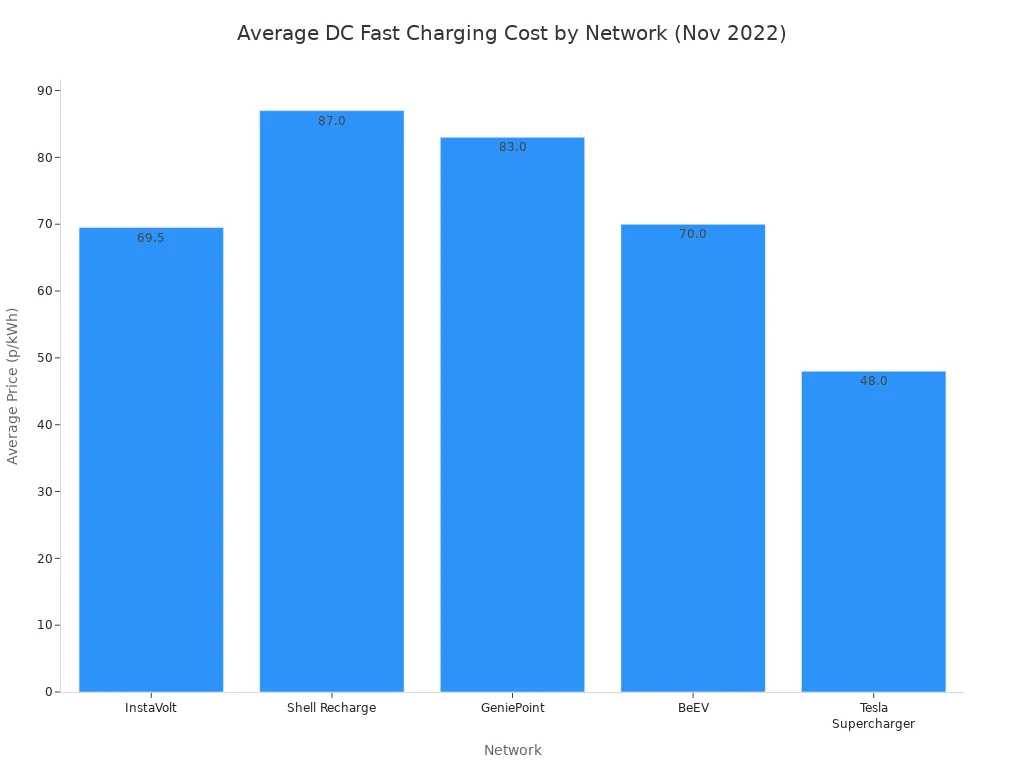
This type of charging station is designed for speed, not daily use, providing a quick charge to get drivers back on the road.
An owner can charge an EV using a обычной розетки, but this method is not a practical long-term strategy. The slow speed of Level 1 charging makes it suitable for emergencies or some PHEV owners who do not require a full charge quickly. For most EV drivers, the limitations of charging from a regular outlet are significant.
Основные выводы 💡 For safe, fast, and efficient daily charging, investing in a dedicated Level 2 charger is the best decision. This is why 75% of BEV owners use one for their primary home charging. Technologically advanced providers like TPSON engineer these solutions for superior performance. An owner should always keep the mobile connector for the outlet in their vehicle for charging flexibility.
ЧАСТО ЗАДАВАЕМЫЕ ВОПРОСЫ
Can any regular outlet be used for EV charging?
No, not every outlet is suitable. An owner should use an outlet on a dedicated circuit that is in excellent condition. Using old or damaged sockets is a significant safety risk. A professional inspection can confirm if an outlet meets the necessary requirements for charging.
Is a home charging station better than a public charging station?
A home charging station offers convenience and lower overnight electricity rates. A public charging station is essential for long trips or for drivers without home charging access. Many owners use a combination of a home charging station and a public charging station for maximum flexibility.
What is the main difference between an outlet and a home charging station?
A regular outlet (Level 1) is slow, adding 3-5 miles of range per hour. A dedicated home charging station (Level 2) is much faster, adding 25-30 miles per hour. A charging station also has advanced safety features not present when using a standard outlet.
Is it cheaper to use an outlet than a dedicated charging station?
Using an outlet avoids the upfront installation cost of a home charging station. However, a dedicated charging station is more energy-efficient, which can lead to small savings over time. The main benefit of a charging station is its speed and enhanced safety features.
Do I need a special adapter to use a regular outlet?
No. Most EVs come with a mobile connector cable designed to plug directly into a standard household outlet. This equipment allows an owner to charge without needing any special adapters. A dedicated charging station, however, requires профессиональная установка.
What are the safety requirements for using a regular outlet?
The primary safety rule is to use a dedicated circuit. This prevents overloading the electrical system. An owner must also inspect the outlet for damage and never use a standard extension cord. Following these requirements minimizes the risk of fire or electrical damage.
Why is a dedicated charging station recommended?
A dedicated charging station is the recommended solution for its speed, safety, and efficiency. Technologically advanced providers like TPSON engineer each charging station for optimal performance. A charging station provides a reliable and fast charge that a regular outlet cannot match.