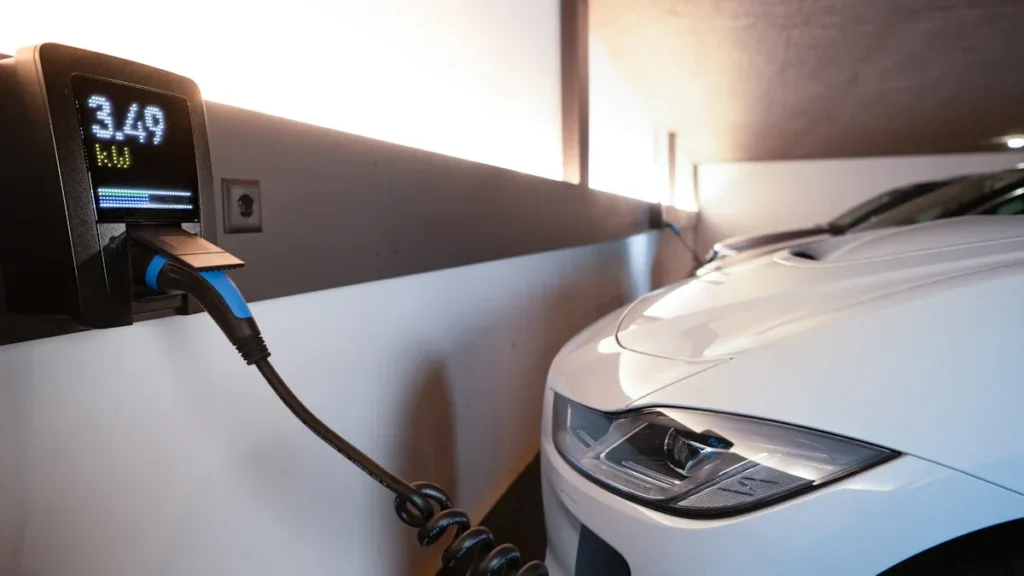
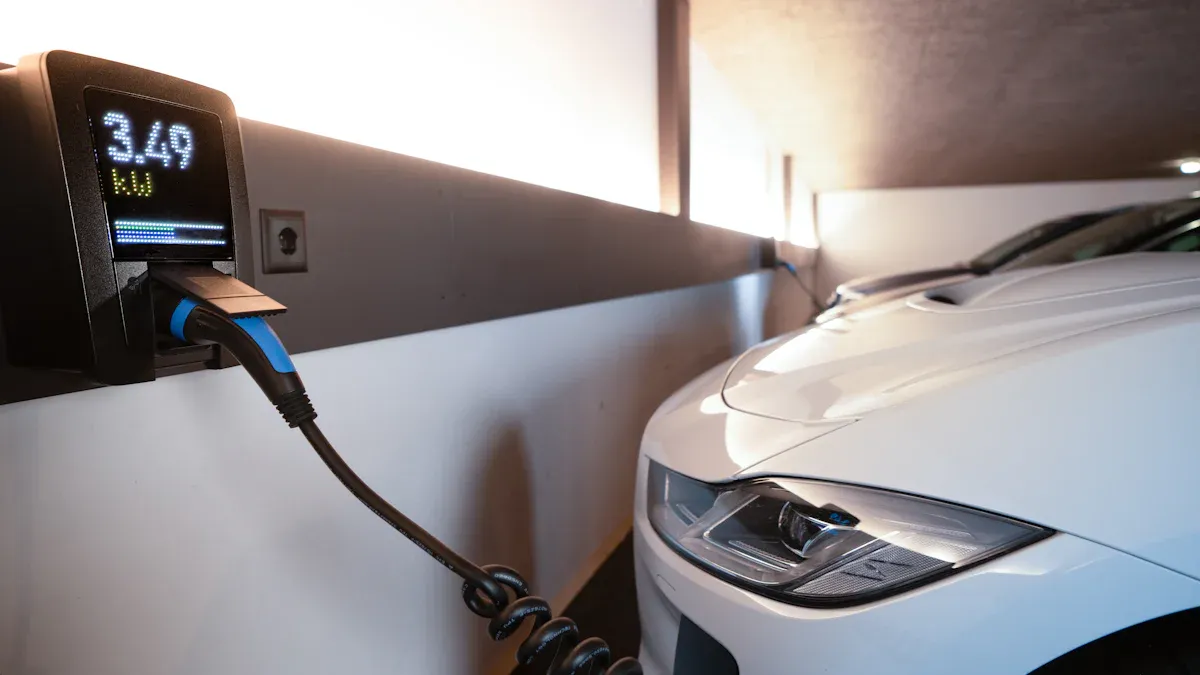
Many EV owners in Singapore face the challenge of achieving an effective overnight charge in HDB flats. Selecting a reliable Зарядное устройство для электромобилей and understanding the role of Производители зарядных устройств для электромобилей can make a significant difference. With the right Решения для зарядки электромобилей, drivers can maximize battery performance even with портативные зарядные устройства. A safe and optimized setup ensures the vehicle receives a consistent charge throughout the night.
Understanding Level 1 Charging and Overnight Charge in HDBs

Что такое зарядное устройство первого уровня?
A Level 1 charger uses a standard household outlet to supply power to an electric vehicle. This charging method suits residents in HDB flats who lack access to dedicated charging infrastructure. Level 1 chargers typically deliver between 1 and 2 kilowatts of power. Drivers can plug their EVs into a regular socket, making this option accessible and convenient for overnight charge. The simplicity of Level 1 charging appeals to those who want to maximize battery performance without investing in expensive equipment.
Charging Speed and Overnight Charge Potential
Charging speed plays a crucial role in determining how much energy an EV receives during an overnight charge. Level 1 charging remains the slowest option available, but it fits situations where time is not a constraint. The following table compares Level 1 and Level 2 chargers:
| Уровень зарядного устройства | Power Delivered (kW) | Range Added (miles/hour) | Время до полной зарядки |
|---|---|---|---|
| Уровень 1 | 2.3 – 3 | 8 – 10 | 20+ hours |
| Уровень 2 | 15 – 35 | 15 – 35 | 6 – 10 hours |
Level 1 chargers add roughly 3 to 5 miles of range per hour. This rate allows drivers to achieve a meaningful overnight charge, especially when the vehicle remains parked for extended periods. Level 2 chargers provide much faster charging, but most HDB residents rely on Level 1 chargers due to limited infrastructure. For daily commuting needs, Level 1 charging can deliver enough energy if drivers optimize their charging schedule.
Tip: Drivers should plan their charging sessions to ensure the battery receives the maximum possible energy during the available hours.
Common HDB Charging Challenges
HDB residents encounter several obstacles when charging their EVs overnight. Ограниченная доступность of charging points in residential areas often forces drivers to compete for access. Aging electrical infrastructure may not support the increased demand for EV charging, leading to safety concerns and inconsistent charging speeds. Apartment dwellers face difficulty accessing charging facilities compared to those with private garages. These challenges make it essential for drivers to adopt smart charging habits and coordinate with neighbors to maximize their overnight charge.
- Limited charging points in HDB car parks
- Electrical systems that may not support high demand
- Restricted access for residents without private parking
Drivers who understand these challenges can take practical steps to improve their charging experience and ensure their EV receives a reliable overnight charge.
Key Factors Affecting Your Overnight Charge
Размер и степень заряда батареи
Battery size plays a major role in determining how much energy an electric vehicle can store during an overnight charge. Larger batteries require more time to reach full capacity. Smaller batteries fill up faster but may provide less driving range. The state of charge at the start of the session also affects the outcome. If the battery sits at a low percentage, it will need more hours to reach an optimal level. Drivers should check the battery’s current state before plugging in. This habit helps them estimate how much energy the vehicle will gain overnight.
Note: A battery that starts at 50% will reach a higher charge by morning compared to one that starts at 10%, given the same charging window.
Available Charging Hours in HDB Car Parks
The number of hours an EV remains plugged in directly impacts the effectiveness of an overnight charge. Many HDB car parks restrict access to charging points during certain periods. Some lots may only allow charging from late evening until early morning. Drivers should review the car park’s rules and plan their sessions accordingly. Longer charging windows allow the vehicle to absorb more energy. Shorter windows may limit the range gained overnight.
A simple table can help drivers visualize the relationship between charging hours and estimated range:
| Charging Hours | Estimated Range Added (km) |
|---|---|
| 4 | 20 – 30 |
| 8 | 40 – 60 |
| 12 | 60 – 90 |
Drivers who maximize their available charging hours can ensure their EV meets daily commuting needs.
Impact of Temperature and Environment
Temperature and environmental conditions influence battery performance during an overnight charge. High humidity and heat, common in Singapore, can affect charging efficiency. Batteries may charge slower or experience increased energy loss in extreme conditions. Parking in shaded or covered areas helps maintain a stable temperature. Drivers should avoid exposing their EVs to direct sunlight for long periods.
Tip: Monitoring the weather forecast can help drivers plan charging sessions during cooler hours, improving efficiency.
Environmental factors also include the cleanliness and safety of the charging area. Dust, debris, or water near outlets can pose safety risks. Drivers should inspect the area before starting a session. A clean and safe environment supports consistent charging and protects both the vehicle and the user.
Practical Steps to Maximize Your Overnight Charge
Pre-conditioning Your EV and Battery
Why Pre-conditioning Matters
Pre-conditioning stands as a critical step for electric vehicle owners who want to maximize charging efficiency. This feature allows the vehicle to optimize battery temperature and interior comfort before a journey. When the battery reaches an ideal temperature, it operates more efficiently and delivers improved range and performance. Pre-conditioning proves especially beneficial in extreme weather conditions, as it mitigates the negative effects of heat or cold on charging times. Many electric vehicles, including models from leading manufacturers, offer pre-conditioning functions that use grid electricity to heat or cool the battery while charging. This process avoids draining stored battery energy and ensures the vehicle is ready for optimal operation.
Keeping the vehicle plugged in overnight helps maintain battery warmth, which supports battery health and range.
How to Pre-condition Effectively
Drivers can follow several steps to pre-condition their EVs effectively:
- Activate the pre-conditioning feature through the vehicle’s app or onboard system before starting the charging session.
- Schedule pre-conditioning to coincide with the charging period, so the battery warms up while plugged in.
- Use grid electricity for heating or cooling, rather than relying on stored battery energy.
- Maintain the vehicle plugged in throughout the night to preserve battery warmth and optimize range.
- Adjust pre-conditioning settings based on weather forecasts, especially during periods of high humidity or temperature extremes.
A warm battery charges faster and more efficiently, which reduces the energy needed to heat or cool the cabin and battery. Some vehicles, such as those from TPSON and other advanced EV charging solution providers, offer automated pre-conditioning features that simplify this process.
Optimizing Your Charging Schedule
Choosing Start and End Times
Выбор правильного времени начала и окончания зарядки позволяет максимизировать количество энергии, полученной за ночь. Водителям следует изучить доступные часы зарядки на парковке HDB и соответствующим образом планировать сеансы. Более длительные окна зарядки позволяют транспортному средству поглотить больше энергии, в то время как короткие окна могут ограничить прирост запаса хода. Настройка расписания зарядки гарантирует, что батарея получит максимально возможную энергию в пределах доступного временного интервала.
| Окно зарядки | Estimated Range Added (km) |
|---|---|
| 4 часа | 20 – 30 |
| 8 часов | 40 – 60 |
| 12 часов | 60 – 90 |
Водители, которые планируют свои сеансы зарядки с учётом этих окон, могут более надёжно удовлетворять ежедневные потребности в поездках.
Использование часов пиковой нагрузки
Зарядка в период ночными часами предлагает значительную экономию средств и повышает эффективность. Системы накопления энергии в Сингапуре часто заряжаются в периоды, когда цены на электроэнергию ниже, что снижает общие затраты на энергию. Зарядка в непиковые часы эффективно перераспределяет потребление энергии и способствует лучшему управлению энергоресурсами. Водители могут запланировать начало своих сеансов зарядки после полуночи или в установленные непиковые периоды, воспользовавшись сниженными тарифами. Эта практика не только экономит деньги, но и гарантирует, что транспортное средство будет полностью заряжено к утру.
Ночная зарядка позволяет использовать тарифы на электроэнергию в непиковые часы, экономя деньги и обеспечивая готовность транспортного средства к следующему дню.
Обеспечение безопасной и эффективной электрической установки
Проверка розеток и проводки
Безопасность остаётся первостепенной при установке зарядной станции в квартире HDB. Водителям следует проверить все розетки и проводку перед подключением зарядного устройства уровня 1. Розетки должны быть свободны от пыли, мусора и влаги для предотвращения опасности поражения электрическим током. Проводка должна соответствовать действующим стандартам и выдерживать возросшую нагрузку от зарядки электромобиля. Если инфраструктура выглядит устаревшей или повреждённой, водителям следует обратиться к квалифицированному электрику для модернизации.
- Проверьте розетки на наличие признаков износа или перегрева.
- Убедитесь, что проводка соответствует стандартам безопасности и может выдержать нагрузку от зарядного устройства.
- Избегайте использования удлинителей, если они не рассчитаны на зарядку электромобилей.
Использование сертифицированного зарядного оборудования
Сертифицированное зарядное оборудование гарантирует безопасную и эффективную работу. Водителям следует выбирать зарядные устройства от проверенных производителей, таких как TPSON, которые предлагают технологически продвинутые решения. Сертифицированные зарядные устройства проходят тщательные испытания и соответствуют отраслевым стандартам, снижая риск электрических неисправностей. Использование одобренного оборудования также обеспечивает совместимость с транспортным средством и местной электрической сетью.
Всегда используйте сертифицированное зарядное оборудование для защиты как транспортного средства, так и пользователя во время ночной зарядки.
Следуя этим практическим шагам, водители в сингапурских квартирах HDB могут максимизировать эффективность ночной зарядки, улучшить производительность аккумулятора и обеспечить безопасные методы зарядки.
Минимизация потерь энергии во время ночной зарядки
Владельцы электромобилей в сингапурских квартирах HDB часто упускают из виду важность минимизации потерь энергии во время сеансов зарядки. Снижение ненужного потребления энергии гарантирует, что батарея получит максимально возможный заряд. Этот подход также продлевает срок службы батареи и повышает общую эффективность зарядки.
Отключение ненужных систем
Многие электромобили продолжают питать вспомогательные системы даже на стоянке. К этим системам относятся внутреннее освещение, информационно-развлекательные дисплеи, климат-контроль и охранные функции. Каждая активная система потребляет энергию от батареи или сети во время зарядки. Водителям следует отключать все второстепенные системы перед подключением своих транспортных средств.
- Выключите салонное освещение и развлекательные блоки.
- Отключите климат-контроль, если не требуется предварительное кондиционирование.
- Закройте все окна и люки, чтобы предотвратить случайную активацию вентиляторов.
- Убедитесь, что зарядные порты и двери надёжно закрыты, чтобы избежать срабатывания сигнальных ламп.
Совет: Некоторые автомобили позволяют пользователям установить “энергосберегающий режим” через бортовое меню. Активация этого режима снижает фоновое энергопотребление во время ночной зарядки.
Отключая ненужные системы, водители могут направить больше энергии в батарею. Эта практика максимизирует эффективность каждого сеанса зарядки.
Снижение потерь в режиме ожидания
Потери в режиме ожидания, иногда называемые “паразитным разрядом”, происходят, когда электронные системы потребляют электроэнергию, даже когда транспортное средство кажется неактивным. Современные электромобили оснащены продвинутой электроникой, которая продолжает работать в фоновом режиме. Эти системы отслеживают состояние батареи, поддерживают подключение и выполняют диагностику. Хотя они необходимы, они могут снизить чистую энергию, полученную во время зарядки.
Водители могут предпринять несколько шагов для минимизации потерь в режиме ожидания:
- Включите режим глубокого сна или пониженного энергопотребления, если они доступны в настройках автомобиля.
- Отключите дополнительные устройства, такие как видеорегистраторы или Wi-Fi-адаптеры, которые постоянно потребляют энергию.
- Избегайте частого удалённого доступа к автомобилю через мобильные приложения в часы зарядки.
- Паркуйтесь в зонах со стабильным сотовым сигналом и сигналом Wi-Fi, чтобы предотвратить многократный поиск подключения автомобилем.
В следующей таблице приведены распространённые источники потерь в режиме ожидания и рекомендуемые действия:
| Источник потерь в режиме ожидания | Рекомендуемое действие |
|---|---|
| Информационно-развлекательная система | Выключать, когда не используется |
| Камеры безопасности | Отключать во время зарядки |
| Телематика/Удалённый доступ | Ограничить использование приложений в ночное время |
| Дополнительные аксессуары | Отключать или деактивировать |
Примечание: Снижение потерь в режиме ожидания не только повышает эффективность зарядки, но и со временем помогает поддерживать здоровье батареи.
Внедряя эти стратегии, водители в квартирах HDB могут гарантировать, что их транспортные средства получат максимально возможный заряд во время каждого ночного сеанса зарядки. Этот подход обеспечивает надёжные ежедневные поездки и продлевает срок службы как батареи, так и автомобиля.
Советы по эффективной ночной зарядке в квартирах HDB
Максимальное использование ограниченного количества зарядных точек
Планирование сеансов зарядки
Жильцы квартир HDB часто сталкиваются с ограниченным доступом к зарядным точкам. Они могут максимизировать использование, планируя сеансы зарядки заранее. Планирование по времени позволяет водителям заряжать свои транспортные средства в непиковые часы. Эта стратегия снижает тарифы на электроэнергию до 60%.. Оптимизация по цене использует анализ тарифов в реальном времени для минимизации затрат. Интеграция реагирования на спрос связывает зарядку с управлением сетью, позволяя заряжать в периоды низкого спроса. В следующей таблице приведены эти стратегии:
| Стратегия | Описание | Преимущества |
|---|---|---|
| Планирование по времени | Настраивает зарядку на непиковые часы | Снижает тарифы на электроэнергию на 30-60% в непиковые часы |
| Оптимизация по цене | Использует анализ тарифов в реальном времени | Может снизить стоимость зарядки на 40-50% по сравнению с неуправляемой зарядкой |
| Demand Response Integration | Connects charging to grid management | Allows for charging during low-demand periods and can provide compensation for participation |
Drivers who plan their sessions using these methods achieve greater efficiency and cost savings.
Sharing Points with Neighbors
Sharing charging points requires cooperation among residents. They can establish a rotation system to ensure fair access. Some groups use digital sign-up sheets or messaging apps to coordinate usage. By sharing points, residents reduce waiting times and improve the overall charging experience. Clear rules and mutual respect help maintain harmony in shared spaces.
Coordinating with Neighbors for Overnight Charge
Setting Up a Charging Schedule
A structured charging schedule benefits everyone in the community. Residents can agree on time slots based on their commuting needs. Early risers may charge their vehicles first, while others use later slots. This approach prevents conflicts and ensures each vehicle receives adequate charging time. Scheduling also supports optimal use of available infrastructure.
Effective Communication
Effective communication forms the foundation of successful coordination. Residents should discuss their charging needs openly. Group chats or notice boards in car parks facilitate information sharing. Regular updates help everyone stay informed about changes in schedules or charging point availability. Transparent communication builds trust and fosters a cooperative environment.
Using Smart Plugs and Timers
Automating Charging Start Time
Smart plugs and timers automate the charging process. Drivers set devices to start charging during off-peak hours. Automation reduces manual intervention and ensures the vehicle receives a consistent charge. Many smart plugs offer app-based controls, allowing users to adjust settings remotely.
Monitoring Energy Usage
Monitoring energy usage helps residents track consumption and identify patterns. Smart plugs provide real-time data on electricity use. Drivers can review reports to optimize their charging habits. Tracking energy usage supports cost management and promotes sustainable practices.
Residents who adopt these strategies make the most of their Overnight Charge, improve efficiency, and foster a collaborative community in HDB flats.
Monitoring and Tracking Your Overnight Charge

Using EV Apps and Built-in Systems
Electric vehicle owners in Singaporean HDB flats benefit from advanced apps and built-in systems that monitor charging sessions. These tools provide real-time updates and historical data, helping drivers understand how their vehicles charge overnight. Many EVs feature integrated dashboards that display battery status, charging speed, and estimated completion times. Mobile apps from manufacturers allow users to check progress remotely and receive notifications.
Setting Charging Alerts
Charging alerts play a crucial role in maximizing efficiency. Drivers can set notifications to inform them when charging starts, stops, or reaches a specific battery percentage. These alerts prevent overcharging and help maintain battery health. Some apps offer customizable thresholds, allowing users to receive reminders when the battery reaches 80% or when the charging session ends. By using alerts, drivers avoid unnecessary energy consumption and ensure their vehicles are ready for daily use.
Tip: Setting alerts for completion times helps drivers plan their morning routines and avoid leaving the charger plugged in longer than necessary.
Tracking Charging History
Tracking charging history enables drivers to analyze patterns and optimize future sessions. Built-in systems and apps record each charging event, including start and end times, energy delivered, and battery percentage changes. Reviewing this data helps drivers identify periods of high energy consumption and adjust their schedules. Consistent tracking supports informed decisions about charging frequency and duration.
Adjusting Charging Habits Based on Data
Drivers who monitor their charging sessions gain valuable insights for improving efficiency. Analyzing data from apps and built-in systems reveals trends in energy usage and charging behavior.
Identifying Patterns
Identifying patterns in charging habits allows drivers to make strategic adjustments. They can observe how often they charge, the typical battery percentage at the start, and the impact of environmental factors. The following table summarizes key data types to analyze for improved efficiency:
| Тип данных | Описание |
|---|---|
| Energy consumption | Monitors historical and real-time energy usage, identifying which appliances consume the most energy. |
| Energy tariffs and peak usage | Analyzes when to use electricity to minimize costs and carbon footprint based on tariff data. |
| Weather forecasts | Considers weather patterns to optimize scheduling of appliances, especially for solar energy usage. |
| Energy sources available | Evaluates the availability of renewable energy sources to make informed decisions on energy usage. |
Drivers who review these data types can optimize their charging schedules and reduce costs.
Making Improvements
Making improvements based on tracked data ensures optimal charging performance. Drivers should review their habits regularly and adjust as needed. The following points highlight best practices:
- Assess the vehicle’s daily needs to determine charging frequency.
- For short distances (around 30 km daily), charging every 2-3 days may suffice.
- Before long trips, fully charge to minimize the need for fast charging.
- Maintain battery charge between 20% and 80% to prolong battery life, avoiding daily 100% charges unless necessary.
By following these practices, drivers maximize the effectiveness of their Overnight Charge and support long-term battery health.
- Drivers should optimize their charging schedule and prepare their EV battery for each session.
- They need to ensure a safe electrical setup and minimize energy drain during Overnight Charge.
- Residents can coordinate with neighbors and use smart plugs to improve efficiency.
Implementing these strategies helps drivers achieve reliable and efficient EV charging in Singaporean HDB flats.
ЧАСТО ЗАДАВАЕМЫЕ ВОПРОСЫ
How long does a Level 1 charger take to fully charge an EV in an HDB flat?
Charging times depend on battery size. Most EVs require 20 hours or more for a full charge using a Level 1 charger. Drivers often achieve partial charges overnight for daily commuting needs.
Могут ли жители использовать удлинители с зарядными устройствами Уровня 1?
Сертифицированные удлинители, рассчитанные на зарядку электромобилей, обеспечивают безопасность. Жителям следует избегать стандартных бытовых удлинителей. Они должны проверять их на перегрев и консультироваться с электриком при сомнениях.
Что должны делать водители, если зарядные станции недоступны?
Водители могут координировать действия с соседями для совместного использования зарядных станций. Организация планируемых сеансов и использование цифровых листов записи помогает управлять доступом. Некоторые жители выбирают общественные зарядные станции поблизости.
Безопасно ли заряжать электромобиль ночью во влажную погоду в Сингапуре?
Зарядка остаётся безопасной, если водители проверяют розетки на наличие влаги и используют сертифицированное оборудование. Парковка на крытых площадках снижает воздействие влажности. Регулярное обслуживание зарядного оборудования предотвращает риски.
Как водители могут отслеживать процесс зарядки?
Приложения для электромобилей и встроенные системы предоставляют обновления в реальном времени. Водители устанавливают оповещения о завершении зарядки и просматривают историю зарядок. Умные розетки также предоставляют отчёты об энергопотреблении.
Вредит ли частая ночная зарядка аккумулятору?
Поддержание уровня заряда аккумулятора между 20% и 80% продлевает срок его службы. Водителям следует избегать ежедневной зарядки до 100%, если в этом нет необходимости. Современные электромобили оснащены системами управления батареей, которые защищают от перезаряда.
Каковы преимущества использования умных розеток и таймеров?
Умные розетки автоматизируют время начала зарядки и отслеживают энергопотребление. Водители оптимизируют зарядку в периоды низкой нагрузки. Автоматизация снижает необходимость ручного вмешательства и повышает эффективность.
Могут ли жители заряжать несколько электромобилей от одной точки?
Жители устанавливают графики очередности и эффективно взаимодействуют. Совместное использование зарядных станций обеспечивает равный доступ. Цифровые инструменты и групповые часы помогают организовывать сеансы для нескольких транспортных средств.