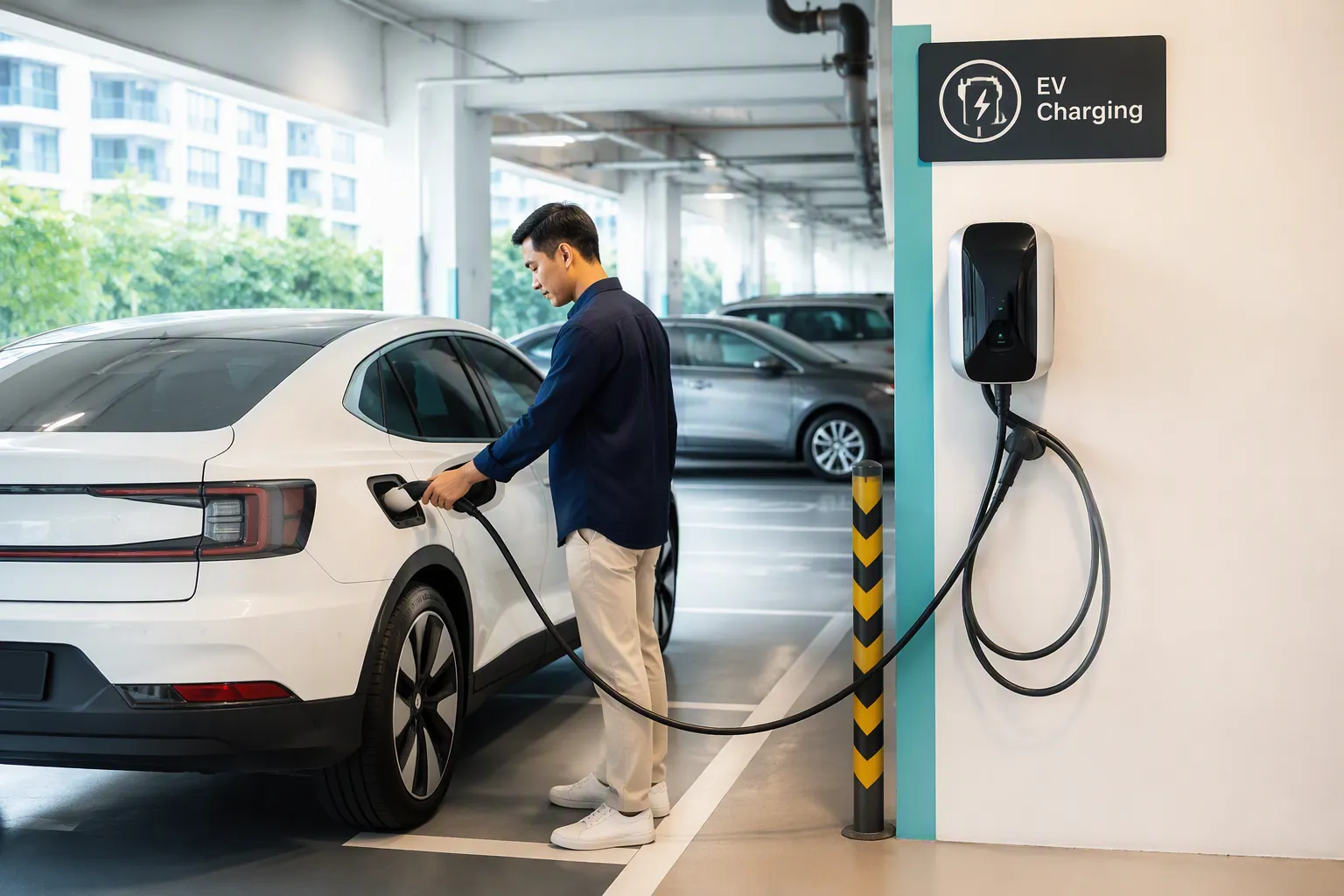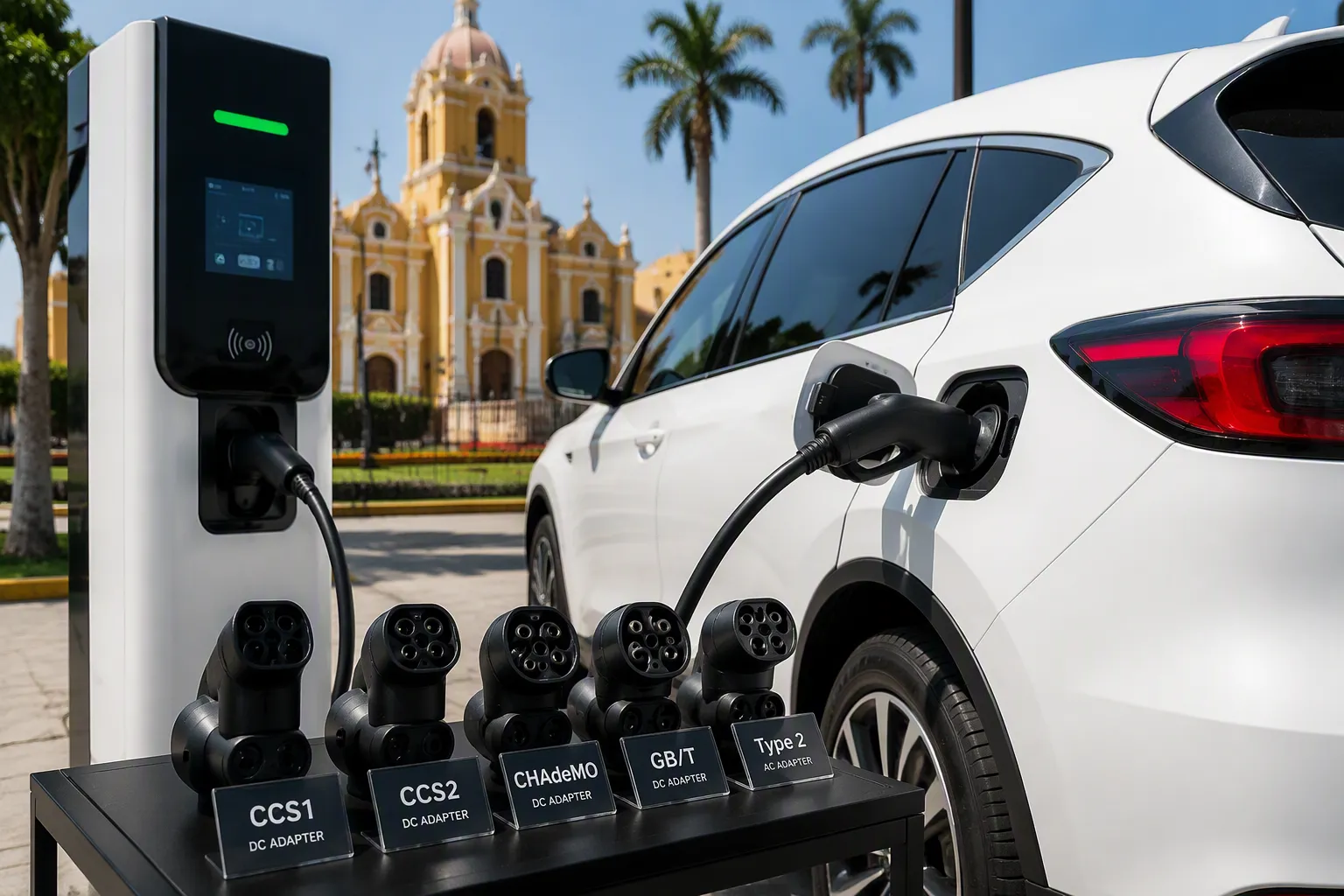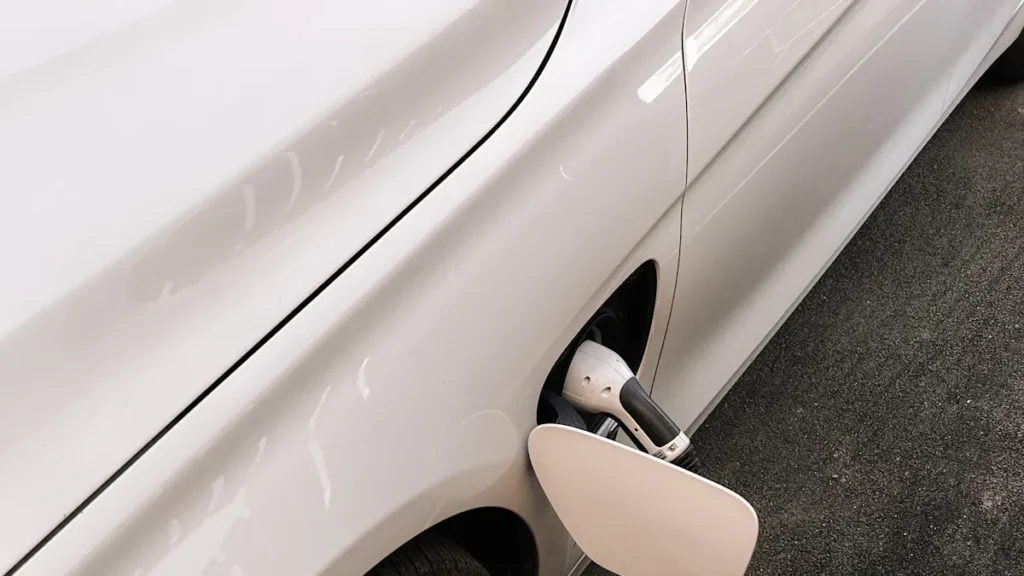

EV owners can indeed plug my EV into a standard wall socket. This method, known as Level 1 charging, utilizes a regular outlet and портативные зарядные устройства для электромобилей for convenience. However, this is the slowest form of charging available. It’s best reserved for emergencies or occasional top-ups rather than daily use.
Примечание: While a standard plug offers accessibility, the market trend leans toward speed. DC Fast Charging already accounts for over 52% of the global Зарядное устройство для электромобилей market. Technologically advanced Производители зарядных устройств для электромобилей, like TPSON, provide a range of Решения для зарядки электромобилей to meet this demand for faster, more efficient charging. Using a normal socket to charge an EV remains a backup, not a primary, solution.
What Does It Mean to Charge an EV with a Normal Socket?
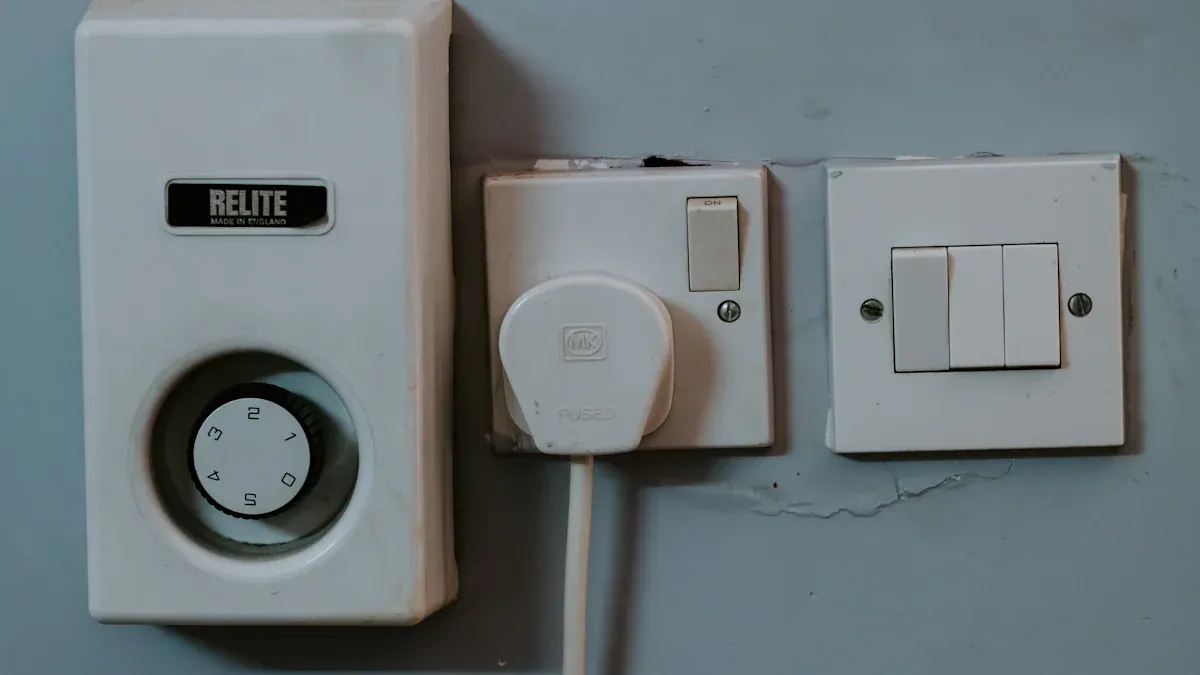
Charging an EV with a normal socket involves using the standard electrical outlet found in any home. This method, officially known as Level 1 charging, is the most basic way to power an electric vehicle. It requires no special installation. An owner simply uses a портативный зарядный кабель to connect their car to a regular wall socket. While convenient, this approach provides the slowest charging speed available.
Understanding Level 1 Charging Basics
The Standard 120-Volt Household Outlet
The foundation of Level 1 charging is the common 120-volt household socket. This is the same domestic plug socket you use for lamps and laptops. The process of charging at a household socket uses a standard three-pin plug, making it universally accessible. This accessibility is the primary advantage of home socket charging. However, this type of outlet was not designed for the heavy, continuous power demands of charging an electric car.
The Mobile Connector Cable Your EV Comes With
Most electric vehicles come with a мобильным зарядным устройством (кабелем). This essential cable acts as the bridge between a regular outlet and the vehicle’s charging port.
- Function: It manages the flow of electricity from the socket to the car.
- Components: The cable includes a standard three-pin plug on one end and a connector that fits your EV on the other.
- Безопасность: It contains built-in safety features that communicate with the EV to ensure a safe, albeit slow, charging session.
Совет профессионала: Always use the manufacturer-provided cable for Level 1 charging. Technologically advanced EV charger manufacturers, like TPSON, design dedicated charging solutions that offer superior speed and safety compared to a normal socket.
How the Charging Process Works
Converting AC Power from Your Wall to DC for Your Battery
Your home’s electrical system supplies Alternating Current (AC). An EV battery, however, can only store Direct Current (DC). The charging process requires a conversion. When you plug my EV into a household socket, the car’s onboard charger performs this critical task. It takes the AC power from the outlet and transforms it into DC power to store in the battery. This conversion process itself consumes some energy, which affects overall efficiency.
Why Power Draw Is Limited on a Regular Outlet
A regular outlet is part of a circuit shared with other outlets and lights in your home. These circuits have circuit breakers that limit the total power draw to prevent overloads.
The sustained energy demand of charging an electric car can strain this system. To prevent tripping breakers or overheating the socket, the mobile connector deliberately limits the amount of power it draws. This safety-first approach is why charging from a normal socket is so slow. The limited power draw protects your home’s wiring but significantly extends the time needed to charge an electric car. This makes charging at a household socket a lengthy process.
How Slow Is Charging with a Regular Outlet?
Using a regular outlet to charge an electric car is a lesson in patience. The process is notoriously slow because a standard household socket was never designed for the sustained, high-power demands of an EV. This method provides only a trickle of energy, making it impractical for most daily driving needs.
Charging Speed Explained in Simple Terms
Gaining Miles of Range Per Hour
Charging speed is often measured in the number of miles of range added per hour. When charging an electric car with a regular outlet, the gains are minimal. A standard 120-volt outlet typically delivers between 1 to 1.8 kilowatts (kW) of power. This low power output translates to a slow recovery of driving range.
A Slow Trickle: An EV owner can expect to add only От 3 до 5 миль дальности на каждый час of charging with a normal socket. An overnight charging session of 8 hours might only add 24 to 40 miles, which is often insufficient to replenish the energy used during a typical day’s commute.
Factors That Affect Charging Speed
Several variables can influence the actual speed of Уровень 1 зарядки. The “3 to 5 miles per hour” figure is an average, and real-world results may vary. Key factors include:
- Battery State of Charge: An EV battery charges faster when it is nearly empty and slows down significantly as it approaches 100%.
- Ambient Temperature: Extreme cold or heat can cause the vehicle’s battery management system to reduce charging speed to protect the battery cells.
- Battery Size: A larger battery will naturally take longer to charge than a smaller one at the same power level.
- Onboard Charger Efficiency: The car’s internal charger, which converts AC power to DC, has its own efficiency rating that affects the overall charging process.
Примеры реального времени зарядки
To understand the practical implications of this slow charging speed, it helps to look at specific examples with popular EV models. The time required to fully charge an electric car from a regular outlet can be staggering.
Time to Fully Charge a 40kWh Battery (e.g., Nissan Leaf)
A vehicle with a smaller battery, like a Nissan Leaf with a 40kWh pack, still requires an extensive amount of time to charge using a normal socket. A full charge from empty is not an overnight task; it is a multi-day event.
| Способ зарядки | Estimated Time to Full Charge (from 0%) |
|---|---|
| Regular Outlet (120V) | Up to 60 hours |
This timeframe makes a regular outlet unsuitable for a primary charging solution. A driver could be without their car for more than two full days just to get a complete charge.
Time to Fully Charge a 75kWh Battery (e.g., Tesla Model 3 Long Range)
For an EV with a larger battery, such as a Tesla Model 3 Long Range with its 75kWh battery, the situation becomes even more challenging. The time needed for a full charge extends dramatically, highlighting the limitations of a standard outlet.
| Способ зарядки | Estimated Time to Full Charge (from 0%) |
|---|---|
| Regular Outlet (120V) | 36 to 40+ hours |
Waiting nearly two days for a vehicle to charge is simply not feasible for the average driver. This is why technologically advanced EV charger manufacturers, like TPSON, focus on providing faster and more reliable EV charging solutions. These dedicated systems bypass the severe limitations of charging from a standard socket.
Is It Safe to Plug My EV Into a Normal Socket?
While an owner can technically plug my EV into a normal socket, the question of safety is paramount. Using a regular outlet for Level 1 charging introduces electrical risks that are not present with dedicated charging stations. Standard home wiring was not designed to handle the heavy, continuous load required for charging an electric car. This mismatch creates significant safety concerns that every EV owner must understand.
The Potential Electrical Risks Involved
Overheating the Outlet and Plug
A standard domestic plug socket is designed for intermittent use with appliances like lamps or televisions. An EV, however, draws a large amount of power continuously for many hours. This sustained load can cause significant heat buildup. Continuous high-power charging through a regular outlet can cause temperatures to reach dangerous levels, potentially approaching 100°C. The plastic around the outlet and the three-pin plug can melt, deform, or scorch, indicating a severe and immediate hazard.
The Risk of an Electrical Fire from Sustained Use
Overheating is a direct precursor to an electrical fire. The intense heat generated during a long charging session can degrade the wiring insulation inside the wall and within the charging cable itself. Once this protective layer is compromised, a short circuit can occur, creating sparks that can easily ignite surrounding materials like drywall, insulation, or dust. These safety concerns make charging at a household socket a risky long-term strategy.
Strain on Older or Shared Home Wiring
Many homes, especially older ones, have wiring that is not equipped to handle the demands of EV charging. A regular outlet is often part of a shared circuit that also powers other outlets and lights.
- Shared Circuits: Running a high-draw appliance like an EV charger on a circuit with other devices can easily cause the circuit breaker to trip frequently.
- Older Wiring: Aging wiring may have degraded insulation or loose connections, making it more susceptible to overheating and failure under a heavy, sustained load. This constant strain can accelerate the wear and tear on a home’s entire electrical system.
Safety Best Practices for Level 1 Charging
An owner who must use a normal socket for occasional charging should follow strict safety protocols to minimize risks. These practices are essential for protecting both the vehicle and the home.
Why You Should Use a Dedicated Circuit
The safest way to use a household socket for charging is to ensure it is on a dedicated circuit. This means the outlet has its own circuit breaker in the electrical panel and is not shared with any other outlets or fixtures. A dedicated circuit prevents overloading and ensures the EV has access to the full, stable power the circuit can safely provide. For any EV charging installation, compliance with safety standards like the Национальный электрический кодекс (NEC) is mandatory to ensure safe operation.
Never Use a Standard Household Extension Cord
It is critically dangerous to use a standard indoor or outdoor extension cord to connect an EV to an outlet. These cords are not thick enough to handle the amperage and duration of EV charging. They will overheat quickly, creating a significant fire risk. If an extension is absolutely necessary, only a heavy-duty, EV-specific extension cord with the proper wire gauge and safety certifications should be used.
How to Inspect Your Outlet for Safety
Before you plug in your car, perform a quick visual inspection of the regular outlet. A safe outlet is crucial for safe charging.
Safety Checklist:
- Check for Damage: Look for any cracks, chips, or signs of melting on the outlet faceplate.
- Look for Discoloration: Brown or black marks around the plug slots are a clear sign of past overheating.
- Test the Fit: The charger’s plug should fit snugly into the socket. A loose connection can create electrical arcs and intense heat.
- Feel for Heat: After a short period of charging, the plug and outlet should not feel hot to the touch. Warm is acceptable, but hot is a warning sign.
When to Call an Electrician for an Inspection
If an outlet shows any signs of damage, or if a home is older, a professional inspection is necessary. A licensed electrician can assess the wiring, confirm if the outlet is on a dedicated circuit, and ensure everything complies with local codes and Национальный электрический кодекс (NEC) guidelines. Consulting a professional is the best way to address any Level 1 charging safety concerns and get peace of mind. Technologically advanced providers like TPSON design dedicated EV charging solutions that bypass these risks entirely, offering a much safer and more efficient experience.
Pros and Cons of Using a Regular Outlet
Deciding whether to use a regular outlet for EV charging involves weighing its clear convenience against significant drawbacks. While the ability to plug in anywhere is appealing, owners must understand the full picture before relying on this method.
The Main Advantages
The benefits of Level 1 charging are centered on ease of use and cost avoidance. For some EV owners, these advantages make it a viable short-term or emergency option.
Unmatched Convenience and Accessibility
The primary benefit of using a regular outlet is its universal availability. An owner can find a standard socket almost anywhere, from a garage to a friend’s house. This accessibility provides a reliable backup charging plan.
- Charge Anywhere: The ability to plug my EV in at any location with a standard household socket offers great flexibility.
- Home Comfort: Charging at a household socket allows the process to happen in the safety and comfort of one’s own property.
- Простота: It works much like charging a smartphone; an owner can simply plug the car in overnight.
Zero Upfront Installation Cost
Using a normal socket for charging requires no additional investment. Most electric vehicles include a mobile connector cable, so there is no need to purchase extra hardware or hire an electrician for a special installation. This makes Level 1 charging a practical and cost-effective solution for new EV owners who are not yet ready to commit to a dedicated charger. Home electricity rates are also often lower than public charging fees, adding to the cost savings.
The Significant Disadvantages
Despite the convenience, the downsides of using a regular outlet are substantial. These drawbacks make it an impractical primary solution for most drivers.
Extremely Slow Charging Speeds
The most significant disadvantage is the incredibly slow charging speed. Gaining only a few miles of range per hour makes it difficult to replenish a battery after a typical day of driving. This slow pace can cause “range anxiety” and limit the usability of the electric car.
Potential Safety and Fire Hazards
Sustained, high-power charging places immense strain on a normal socket and home wiring. This creates serious risks that выделенные зарядные устройства are designed to prevent.
Внимание: A regular outlet was not built for the continuous load of an EV. This can lead to the outlet overheating, melting of the plug, and a genuine risk of an electrical fire.
Lower Energy Efficiency and Higher Costs Over Time
Level 1 charging is the least efficient way to power an EV. During the long charging session, the car’s onboard electronics must remain active, consuming power that never reaches the battery. This energy loss, known as “vampire drain,” means an owner pays for more electricity than the car actually stores. Over time, this inefficiency can lead to higher electric bills compared to faster, more efficient charging methods.
Calculating the Cost of Charging Your Electric Vehicle at Home
Understanding the cost of charging your electric vehicle is simpler than most people think. The final price depends on two main factors: the size of the car’s battery and the price of electricity from a local utility. Calculating this cost helps an EV owner budget effectively for charging at home.
How to Figure Out Your Electricity Cost
An owner can determine the expense of charging an electric car with a straightforward calculation. It requires knowing the battery’s capacity and the local electricity rate.
Understanding Kilowatt-Hours (kWh) and Your Battery Size
A kilowatt-hour (kWh) is a unit of energy. An EV battery’s size is measured in kWh, similar to how a gasoline car’s tank is measured in gallons. To find the cost of a full charge, an owner multiplies the battery size by the electricity rate.
Simple Formula:
Battery Size (in kWh) × Electricity Rate (per kWh) = Cost for a Full Charge
How to Find Your Local Utility Rate
An owner can find the electricity rate on their monthly utility bill, usually listed as a price per kWh. While rates vary by location, the average residential electricity rate is often between 15 and 17 cents per kilowatt-hour. Some utilities offer Time-of-Use (TOU) plans, which directly impact charging costs.
- Off-Peak Savings: These plans offer lower rates during off-peak hours, typically overnight. Scheduling EV charging during these times significantly reduces costs.
- Peak Hour Costs: Charging during peak demand hours, like late afternoons, results in higher expenses.
- Grid Stability: This pricing encourages charging when grid demand is low.
A smart meter is necessary for a home to use a TOU plan, as it tracks when the energy is consumed.
Сравнение затрат на зарядку 1-го и 2-го уровней
The charging method an owner chooses also influences the total cost due to differences in energy efficiency. Faster charging is often more efficient.
The Hidden Cost of Lower Charging Efficiency
Level 1 charging is the least efficient method. The long charging duration means the vehicle’s onboard systems run for many hours, consuming power that never reaches the battery. This wasted energy adds to the electric bill.
| Уровень зарядки | Типичная эффективность | Energy Loss |
|---|---|---|
| Level 1 (120V) | ~88% | ~12% |
| Уровень 2 (240 В) | ~92% | ~8% |
This table shows that with Level 1 charging, approximately 12% of the electricity pulled from the wall is lost. A more efficient Level 2 charger reduces that loss.
A Look at the Long-Term Financial Impact
While the inefficiency of a single charging session may seem small, the costs accumulate over the lifetime of the electric vehicle. The wasted energy from consistently using a slow, inefficient method translates to a higher total cost of ownership. Technologically advanced providers like TPSON design dedicated EV charging solutions with smart features that can schedule charging for off-peak hours, maximizing both efficiency and cost savings.
The Recommended Solution: A Dedicated Level 2 Charger
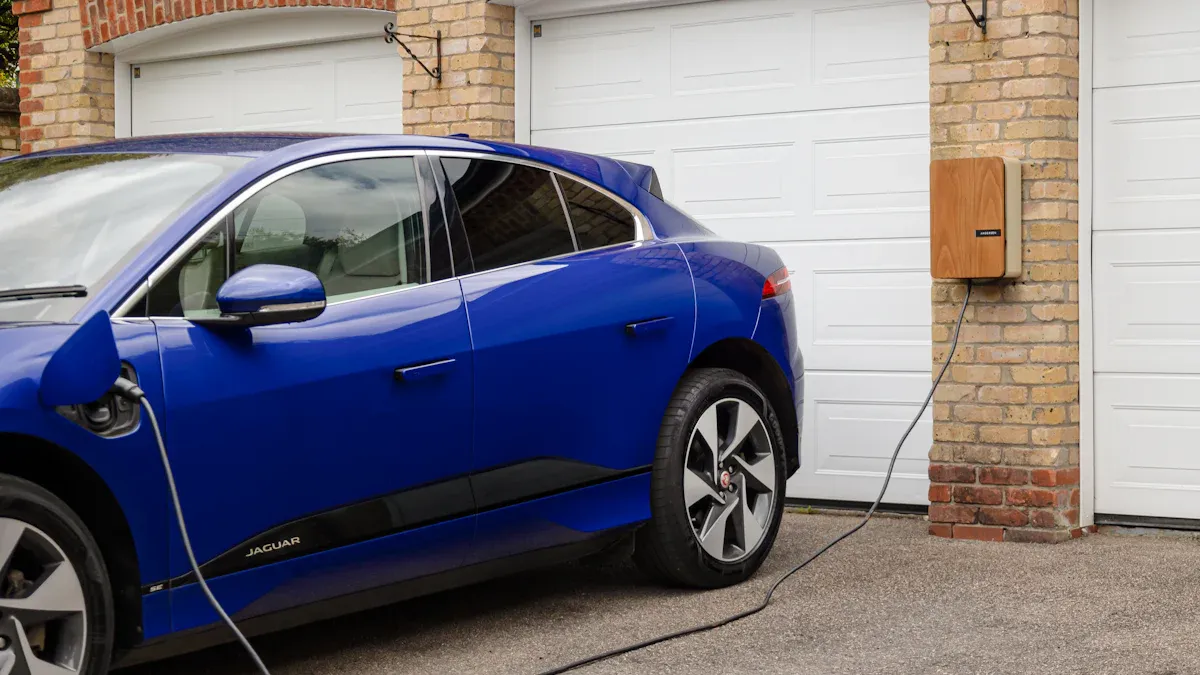
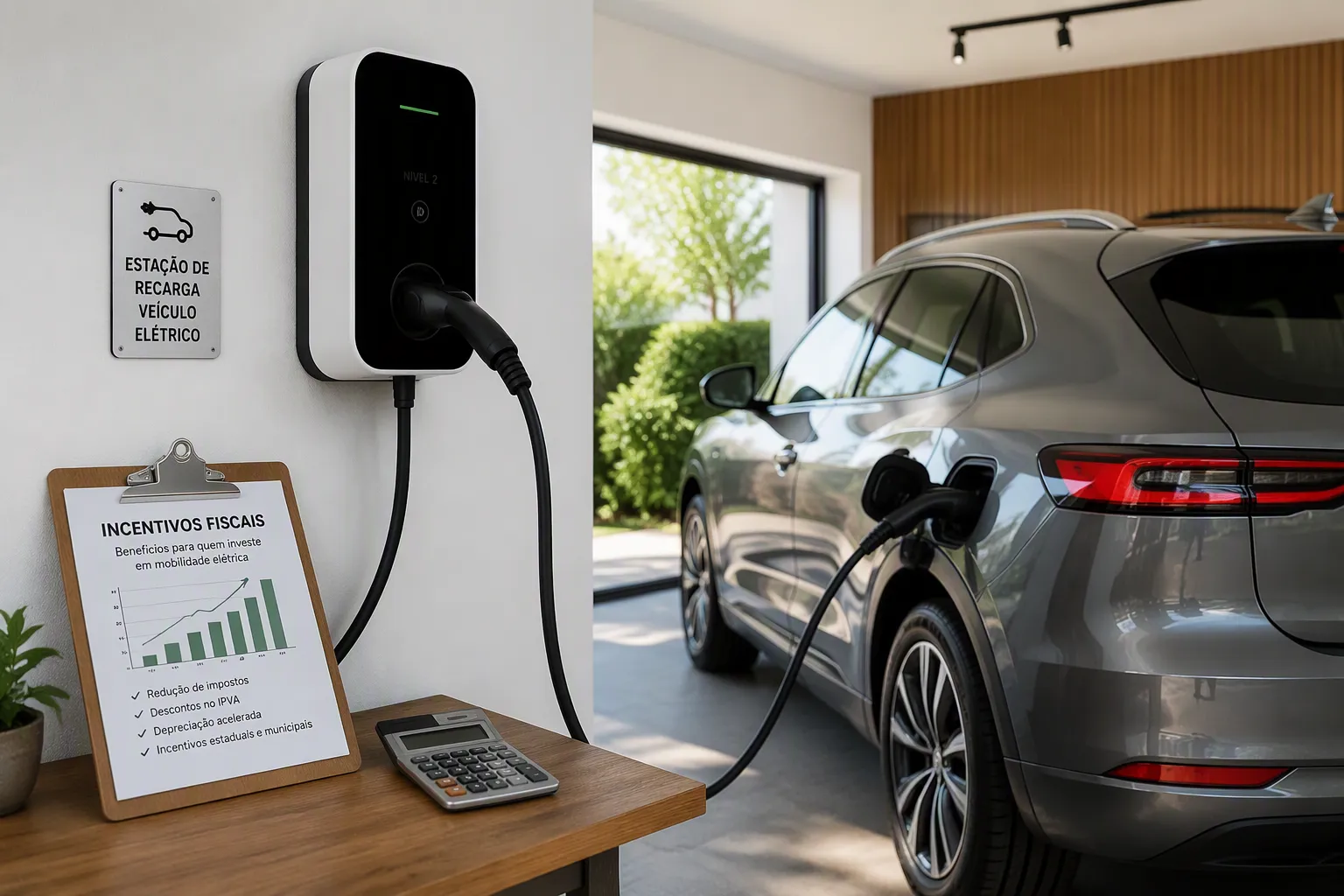
For most electric vehicle owners, the optimal solution for home charging is a dedicated Зарядное устройство уровня 2. This device, commonly known as a wallbox, is professionally installed and offers a significant upgrade in speed, safety, and convenience over a standard outlet. It transforms the charging experience from a slow trickle to an efficient, overnight process.
What Is a Level 2 Home Charger?
A Level 2 charger is a purpose-built piece of equipment designed specifically for charging an electric car. Technologically advanced providers like TPSON engineer these systems for robust, daily use.
How It Differs from a Normal Socket
Unlike a multi-purpose household socket, a dedicated home wallbox is a fixed installation. An electrician hardwires the unit directly into the home electrical panel. This direct connection eliminates the risks associated with overloading shared circuits. The wallbox is built to handle a continuous high-power draw safely for many hours, a task a regular outlet was never designed to perform.
The Power of a 240-Volt Connection
A wallbox uses a 240-volt connection, similar to what powers large appliances like an electric stove. This higher voltage allows the wallbox to deliver significantly more power to the EV. Fast AC charging delivers power in a much wider range than a standard socket.
| Тип зарядного устройства | Выходная мощность (кВт) |
|---|---|
| Стандартный переменный ток | 3.5 to 7 |
| Быстрая зарядка AC | 7 to 23 |
A typical single-phase charger can deliver up to 7.7kW, making it a powerful tool for any EV owner.
Key Benefits of Upgrading Your Home Charging
Upgrading to a Level 2 wallbox provides three primary advantages that greatly enhance the electric vehicle ownership experience.
Drastically Faster Charging Times (Overnight Full Charge)
The most noticeable benefit is the dramatic reduction in charging time. Charging with a wallbox is significantly faster.
A Real-World Comparison: A аккумулятора электромобиля на 60 кВт·ч может занять более 20 часов to charge from empty using a regular outlet. In contrast, a typical 7.4 kW Level 2 charger can fully charge the same car in just 6-8 hours, easily accomplished overnight.
Built-In Safety Features for Peace of Mind
A modern wallbox comes equipped with multiple layers of built-in safety features. These systems constantly monitor the charging session for issues like overcurrent, overheating, and ground faults. This active protection provides peace of mind that a standard outlet cannot offer, ensuring a safe charge every time.
Access to Smart Features like Off-Peak Scheduling
Many Level 2 chargers offer smart capabilities, turning the device into an intelligent energy management tool. Charging with a wallbox can be both cheaper and greener. Key features often include:
- Cost Optimization: Система может запланировать зарядку в периоды низкого спроса, когда тарифы на электроэнергию минимальны.
- Контроль со стороны пользователя: Владелец может использовать приложение на смартфоне для установки целей зарядки, например, целевого уровня заряда батареи или конкретного времени завершения.
- Балансировка сети: Зарядное устройство может интеллектуально управлять временем зарядки, чтобы помочь снизить нагрузку на локальную энергосеть.
Как установить зарядную станцию Уровня 2
Установка выделенной зарядной станции уровня 2 (wallbox) — это простой процесс, обеспечивающий быструю и безопасную домашнюю зарядку. Следование четкому набору шагов помогает владельцу электромобиля плавно перейти от стандартной розетки к мощному, выделенному решению.
Пошаговый процесс установки
Выбор подходящего зарядного устройства для вашего электромобиля и дома
Выбор правильного wallbox — это первый критически важный шаг. Владелец должен учесть несколько факторов, чтобы убедиться, что зарядное устройство соответствует его потребностям.
- Скорость зарядки: Мощность зарядных устройств измеряется в киловаттах (кВт). Wallbox мощностью 7 кВт может полностью зарядить типичный электромобиль за ночь, в то время как модели с более высокой мощностью обеспечивают еще более высокую скорость.
- Совместимость: Разъем зарядного устройства должен соответствовать порту автомобиля. Большинство современных электромобилей используют стандартный тип разъема.
- Умные функции: Технологически продвинутые поставщики, такие как TPSON, предлагают wallbox с такими функциями, как удаленное планирование через приложение. Это позволяет владельцу воспользоваться более дешевыми тарифами в периоды низкого спроса.
- Защита от будущих изменений: Выбор зарядного устройства, способного работать на более высоких уровнях мощности, гарантирует его полезность для будущих моделей электромобилей.
Поиск и найм квалифицированного электрика
Безопасная установка требует квалифицированного электрика. Этот специалист оценит домашнюю электрическую систему, убедится, что щиток выдержит нагрузку, и установит wallbox в соответствии со всеми нормами безопасности. Его опыт необходим для безопасной и надежной зарядной установки.
Оформление разрешений и финальные проверки
В большинстве регионов для установки зарядной станции для электромобиля требуется разрешение от местных властей или строительного департамента. Установщик, как правило, управляет всем процессом подачи заявки на разрешение.
Это гарантирует, что установка соответствует всем строительным нормам. Для объектов в заповедных зонах или для зданий, являющихся памятниками архитектуры, могут потребоваться специальные разрешения.. Понимание полной стоимости установки.
Общая стоимость зарядки
Сайт с использованием wallbox включает как стоимость оборудования, так и профессиональную работу. Разделение затрат на оборудование и работу.
Итоговая цена состоит из двух основных частей: стоимости самого блока wallbox и оплаты труда электрика. Стоимость работ может варьироваться от нескольких сотен до более тысячи долларов, в зависимости от сложности установки. Простая установка рядом с электрощитом будет стоить дешевле, чем установка, требующая протяженной прокладки кабелей.
Поиск потенциальных скидок и налоговых льгот.
Многие правительства и местные энергокомпании предлагают финансовые стимулы для поощрения установки домашних зарядных устройств. Эти программы могут значительно снизить общую стоимость. Владельцу следует изучить доступные
скидки или налоговые кредиты в своем регионе. Эти стимулы делают переход на wallbox уровня 2 еще более привлекательным финансовым решением. Технически владелец может подключить свой электромобиль к обычной розетке, но этот метод лучше оставить для чрезвычайных ситуаций. Низкая скорость зарядки от обычной розетки делает ее непрактичной для ежедневного использования. Постоянное использование обычной розетки также создает риски для безопасности, поскольку этот тип розетки не рассчитан на такую высокую нагрузку.
Для быстрого, безопасного и удобного опыта владения инвестиции в выделенное зарядное устройство от технологически продвинутого поставщика, такого как TPSON, являются наилучшим выбором. Это обеспечивает надежную зарядку от выделенной розетки. В конечном счете, обычная розетка — это резервный вариант, а не основное решение; вилка для обычной розетки не идеальна для этой цели.
Дешевле ли заряжать электромобиль от обычной розетки?.
ЧАСТО ЗАДАВАЕМЫЕ ВОПРОСЫ
Первоначальные затраты равны нулю, так как установка не требуется. Однако этот метод менее энергоэффективен. Со временем владелец платит за большее количество потраченной впустую электроэнергии, что делает более быстрые методы зарядки более экономичными в долгосрочной перспективе.
Можно ли использовать удлинитель с мобильным зарядным устройством?.
Владелец никогда не должен использовать стандартный бытовой удлинитель для зарядки электромобиля. Эти шнуры не рассчитаны на длительное потребление мощности и создают значительную опасность возгорания из-за перегрева.
Как часто я могу использовать обычную розетку для зарядки автомобиля?.
Владельцу следует использовать обычную розетку только в чрезвычайных ситуациях или для периодической подзарядки. Низкая скорость и потенциальные проблемы с безопасностью делают ее непрактичным и рискованным решением для регулярной ежедневной зарядки.
В чем основной риск зарядки от обычной розетки?.
Основной риск — это электрический пожар.
Розетка может перегреться под непрерывной высокой нагрузкой от электромобиля. Это может привести к расплавлению вилки и розетки, создавая серьезную опасность. обычной розетки Почему выделенная зарядная станция уровня 2 — лучшее решение?.
Зарядное устройство уровня 2 значительно быстрее и безопаснее. Технологически продвинутые поставщики, такие как TPSON, проектируют эти системы со встроенными защитами и интеллектуальными функциями, обеспечивая надежную и эффективную зарядку каждый раз.
Вредит ли зарядка от обычной розетки аккумулятору моего электромобиля?.
Нет,
это не вредит аккумулятору автомобиля. Бортовой системой управления батареей регулируется поток энергии для ее защиты. Риски безопасности связаны с домашней электрической розеткой и проводкой, а не с автомобилем., Уровень 1 зарядки Могу ли я оставить электромобиль подключенным на неделю?.