French EV owners in 2025 face important choices when it comes to home charging. Level 1 vs. Level 2 Charging remains a central decision, with each option offering distinct benefits. Many drivers find Level 2 charging more suitable for regular EV use because it delivers faster charging and greater convenience for busy routines. Others prefer Level 1 charging, especially when cost or limited installation options guide their decision. Several main factors influence these choices:
- Cost of EV charging solutions and equipment.
- Charging speed and daily EV driving habits.
- Home’s electrical readiness, including compatibility with Fabricantes de carregadores para veículos eléctricos and available power supply.
Home charging options now include carregadores ev portáteis, which offer flexibility for drivers with changing needs. Selecting the right Carregador EV ensures reliable performance at home and supports long-term EV ownership.
Level 1 vs. Level 2 Charging: Understanding the Basics
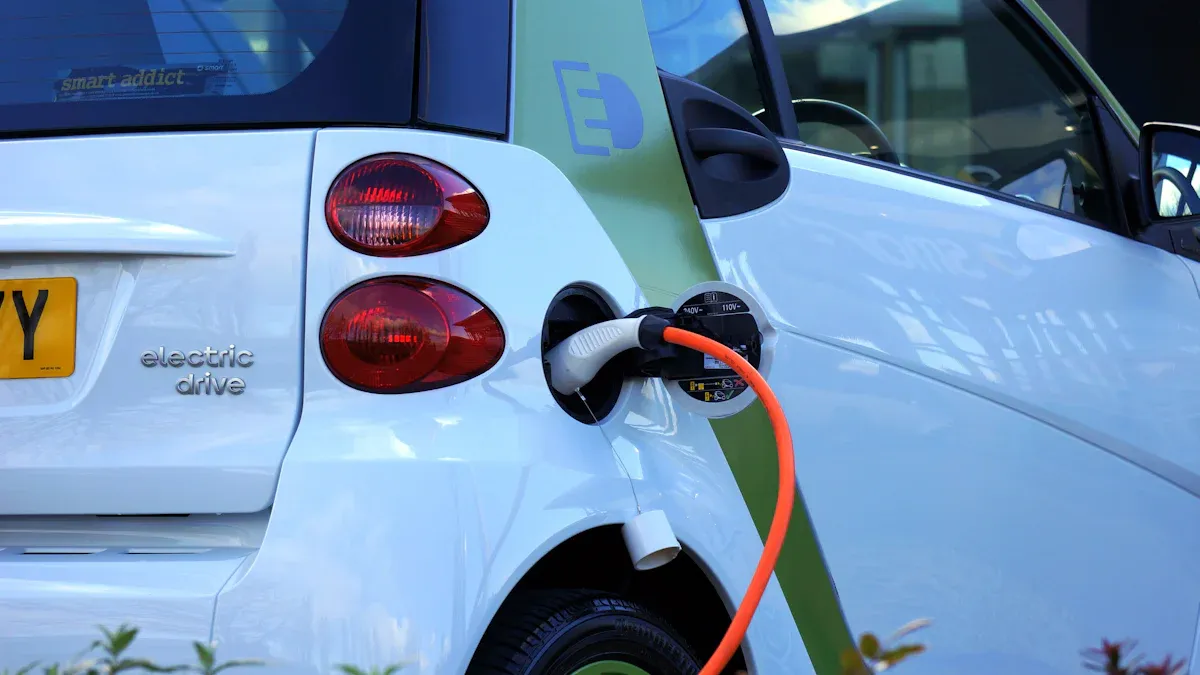
Level 1 Charging Overview
How Level 1 Charging Works
Level 1 charging uses a standard household outlet to power an EV. Most French homes already have compatible outlets, which makes this option accessible for many drivers. The process involves plugging the vehicle into a regular socket, usually with the charging cable provided by the manufacturer. This method does not require special stations or complex installation. The power output for Level 1 charging ranges from 1.4 kW to 1.9 kW, which delivers a slow but steady charge.
| Especificação | Valor |
|---|---|
| Potência de saída | 1.4kW to 1.9kW |
| Velocidade de carregamento | 3 to 5 miles of range per hour |
| Melhor para | Plug-in Hybrid Electric Vehicles (PHEVs) or short daily commutes |
Level 1 charging stations suit drivers who travel short distances each day. Many plug-in hybrid owners rely on this method because their battery capacity is smaller.
Typical Use Cases for Level 1
Level 1 charging works best for EV owners with predictable, low-mileage routines. For example, a commuter who drives less than 50 kilometers per day can often recharge overnight without issue. This method also benefits those who lack access to dedicated charging stations or who live in older buildings. Some drivers use Level 1 charging as a backup solution when traveling or staying at locations without advanced infrastructure.
Sugestão: Level 1 charging provides a simple entry point for new EV owners who want to avoid upfront installation costs.
Level 2 Charging Overview
How Level 2 Charging Works
Level 2 charging uses a dedicated 240-volt outlet, which delivers more power than a standard socket. This setup requires a specialized charging station, often installed by a professional. The higher voltage allows for much faster charging speeds, making Level 2 charging ideal for daily use. Many French homes and businesses now install these stations to support the growing number of EVs.
TPSON, a technologically advanced electric vehicle charging solution provider, offers Level 2 charging stations that meet the needs of modern drivers. These stations often include smart features, such as scheduling and energy monitoring, which enhance convenience and efficiency.
Typical Use Cases for Level 2
Level 2 charging stations serve drivers with longer commutes or multiple vehicles. Households with busy schedules benefit from the ability to recharge an EV in just a few hours. Urban residents, who may not have access to public charging, often choose Level 2 charging for its speed and reliability. Rural drivers, who cover greater distances, also prefer this option to ensure their vehicles remain ready for travel.
Nota: Many workplaces and public parking areas in France now offer Level 2 charging stations, supporting EV adoption across the country.
Key Differences Between Level 1 and Level 2 Charging
Comparação da velocidade de carregamento
Charging speed remains the most significant difference in the level 1 vs. level 2 charging debate. Level 1 charging provides about 3 to 5 miles of range per hour, which means a full charge can take up to 40 hours for larger batteries. In contrast, Level 2 charging delivers 20 to 25 miles of range in just one hour, reducing total charging time to as little as 4 to 8 hours for most EVs.
| Caraterística | Carregamento de nível 1 | Carregamento de nível 2 |
|---|---|---|
| Velocidade de carregamento | ~1.4 kW/hour, up to 40 hours for full charge | 3 to 20 kW/hour, 20-25 miles of range in 1 hour |
| Compatibilidade | Standard home charger, comes with most EVs | Requires 240-volt outlet, more powerful chargers available |
| Conveniência | Suitable for users with short daily commutes | Ideal for heavy users and long-distance commuters, faster charging overnight |
Drivers who need to recharge quickly or who own larger EVs often find Level 2 charging essential for their routines.
Equipment and Compatibility
Level 1 charging stations require only the cable supplied with the vehicle and a standard outlet. Most EVs in France include this equipment. Level 2 charging stations, however, need a dedicated 240-volt circuit and a compatible charging unit. Installation usually involves a certified electrician. TPSON provides advanced Level 2 charging stations that integrate with many French EV models, ensuring broad compatibility.
Level 1 vs. level 2 charging decisions often depend on home electrical capacity and the willingness to invest in new infrastructure. Level 2 charging stations offer more features, such as adjustable power settings and smart connectivity, which appeal to tech-savvy drivers.
Chamada: Choosing between level 1 vs. level 2 charging depends on daily driving needs, home setup, and the desire for future-proof technology.
Charging Speed and Daily Routine Impact

Level 1 Charging Speed and Limitations
Cenários de carregamento noturno
Level 1 charging provides a slow but steady energy supply. Many French EV owners rely on overnight charging to restore their battery. This method works best for those who park their vehicles at home each night. The charging speed allows a typical electric car to gain enough range for short daily trips by morning. However, drivers with larger batteries or unexpected travel needs may find this method restrictive.
Suitability for Short Commutes
Level 1 charging fits drivers with predictable routines and short commutes. They can depend on a full battery each morning if their daily distance remains low. The following points illustrate how charging speed affects daily life for these drivers:
- Charging at supermarkets lets drivers shop for essentials while their car charges.
- Long trips require careful planning for charging stops, which often align with meal breaks.
- Charging speed varies by location, sometimes causing frustration during long journeys when slower chargers extend travel time.
Carregamento de nível 1 suits those who value simplicity and have limited charging infrastructure at home.
Level 2 Charging Speed for Busy Lifestyles
Fast Charging for Multiple Vehicle Households
Level 2 charging transforms the experience for families with more than one electric car. The faster charging speed means each vehicle can reach a full charge within a few hours. This efficiency supports households where several drivers need their vehicles ready at different times. Parents, teenagers, and working professionals all benefit from the flexibility that level 2 charging provides.
Flexibility for Urban and Rural Needs
Urban residents often lack access to public charging stations. Level 2 charging at home ensures their vehicles remain ready for daily use. Rural drivers, who cover longer distances, also depend on this solution to avoid delays. The ability to quickly recharge supports spontaneous trips and reduces anxiety about battery levels.
“It’s still important to balance different types of charging to maximize battery longevity. This involves using Level 2 chargers for regular charging and reserving DC fast charging for when it’s necessary, such as during long trips.”
Real-Life Scenarios: Level 1 vs. Level 2 Charging
Weekend Travel Considerations
Weekend travel often exposes the limitations of Level 1 charging. Drivers may need to plan stops carefully and allow extra time for charging. Level 2 charging, on the other hand, enables quick top-ups before departure. Families can leave for a weekend getaway with confidence, knowing their vehicles have enough range.
Managing Charging for Different Driving Patterns
Drivers with unpredictable schedules or varying daily distances benefit most from level 2 charging. They can adapt to last-minute changes without worrying about battery levels. Those with consistent, short commutes may continue to use Level 1 charging, but most find that upgrading to level 2 charging improves convenience and peace of mind.
Costs: Equipment, Installation, and Electricity Rates
Upfront Equipment Costs for EV Charging Stations
Level 1 Charger Pricing
Level 1 charging remains the most affordable entry point for French EV owners. Most new electric vehicles include a compatible Level 1 charger at no extra cost. These chargers use standard household outlets and require no additional equipment. For those who need a replacement or a portable backup, prices typically range from €150 to €300. This low upfront cost makes level 1 charging attractive for drivers with simple charging needs or limited infrastructure.
Level 2 Charger Pricing
Level 2 EV charging stations require a more significant investment. The purchase price for a 7 kW charging station usually falls between €400 and €1200. For drivers seeking faster charging, a 22 kW model can cost from €700 to €1500. These stations often include advanced features such as smart scheduling and energy monitoring. The higher cost reflects the increased power and technology built into these EV charging stations, which support a wider range of vehicles and charging scenarios.
Installation Costs and Charging Infrastructure
Requisitos de instalação profissional
Installing Level 2 charging infrastructure often requires a certified electrician. The complexity of the installation can affect the final price. Factors such as distance from the electrical panel, the need for dedicated circuits, and potential upgrades to home infrastructure all play a role. Typical installation costs for Level 2 charging stations in French homes range from €500 to €2500. Instalação profissional ensures safety, compliance with regulations, and optimal performance of the charging station.
DIY Installation Options
Some EV owners consider do-it-yourself installation for level 1 charging. Since these chargers use existing outlets, most homes need no upgrades to their infrastructure. However, Level 2 charging stations almost always require professional help. Attempting DIY installation for these stations can lead to safety risks and may void warranties. For most French households, investing in professional installation guarantees reliable charging infrastructure and peace of mind.
Ongoing Electricity Costs in France
French Electricity Rates
Electricity rates in France remain among the most competitive in Europe. Most households pay between €0.20 and €0.25 per kilowatt-hour. The actual cost depends on the time of day, the provider, and the chosen tariff. Charging an EV at home allows owners to take advantage of off-peak rates, which can lower the overall cost of using EV charging stations.
Impact on Monthly Bills
Charging an EV at home increases monthly electricity bills, but the impact varies by usage. Level 1 charging adds a modest amount for drivers with short commutes. Level 2 charging, with its faster speeds, can raise consumption more noticeably, especially in multi-vehicle households. Many owners find that the savings on fuel offset the additional electricity costs. Monitoring usage through smart charging stations helps families manage their energy budget and optimize their charging infrastructure.
Cost Comparison: Level 1 vs. Level 2 Charging
Typical Scenarios for French EV Owners
French EV owners often compare Level 1 and Level 2 charging by looking at real-world scenarios. Each charging method presents unique financial implications, depending on driving habits, home setup, and vehicle type.
Scenario 1: Low-Mileage Urban Commuter
A city resident drives less than 40 kilometers per day. This driver uses a Level 1 charger that came with the vehicle. No installation fees apply, and the only expense is the slight increase in the monthly electricity bill. Over a year, the total cost remains low. This scenario suits plug-in hybrid owners or those who rarely need a full battery overnight.
Scenario 2: Busy Family with Multiple EVs
A suburban family owns two electric vehicles. They install a Level 2 charging station at home. The upfront equipment and installation costs are higher, but the ability to charge both vehicles quickly justifies the investment. The family benefits from lower fuel expenses and can take advantage of off-peak electricity rates. Over time, the convenience and flexibility outweigh the initial outlay.
Scenario 3: Rural Driver with Long Commutes
A rural EV owner travels over 100 kilometers daily. Level 1 charging cannot restore enough range overnight. This driver invests in a Level 2 charger, paying for both the station and professional installation. The higher charging speed ensures the vehicle is ready each morning. The owner also monitors energy use to manage monthly charging costs.
Sugestão: French EV owners should calculate the total cost of ownership, not just the price of the charging station. Consider equipment, installation, and ongoing electricity expenses.
| Cenário | Carregamento de nível 1 | Carregamento de nível 2 |
|---|---|---|
| Upfront Equipment Cost | €0–€300 | €400–€1,500 |
| Custo de instalação | €0 | €500–€2,500 |
| Velocidade de carregamento | 3–5 miles/hour | 20–25 miles/hour |
| Melhor para | Low-mileage, single EV | Multi-EV, long commutes |
| Typical Monthly Electricity Cost | Baixa | Moderado a elevado |
French EV owners should weigh the benefits of faster charging against the higher initial investment. Level 2 charging often pays off for those with demanding routines or multiple vehicles. Level 1 remains a practical choice for drivers with simple needs and limited budgets.
Home Electrical Requirements and Installation Process
Level 1 Charging Infrastructure Needs
Standard Outlets and Minimal Upgrades
O carregamento de nível 1 utiliza um standard 230-volt outlet found in most French homes. This charging setup requires no special equipment beyond the cable supplied with the vehicle. Most homeowners can plug their EV directly into an existing socket. In rare cases, an electrician may recommend upgrading the outlet to ensure safety, especially in older buildings. The simplicity of this infrastructure appeals to drivers who want a hassle-free solution.
Sugestão: Always check the condition of the outlet before regular use. A worn or damaged socket can cause interruptions in charging.
Compatibility with Existing Home Setup
Level 1 charging works well with most home electrical systems. French homes built in the last few decades usually support this charging setup without modification. Owners of older properties should verify that their wiring can handle continuous charging. If the infrastructure shows signs of age, a quick inspection by a professional can prevent future issues.
Level 2 Charging Infrastructure and Installation
Dedicated Circuits and Electrical Panel Upgrades
Level 2 charging requires a dedicated 240-volt circuit. Most homes need a new line from the electrical panel to the charging location. Some properties may also need an upgrade to the main panel to support the increased load. This charging infrastructure delivers faster charging but demands more from the home’s electrical system. Electricians assess the existing infrastructure before installation to ensure safety and compliance.
| Requisito | Carregamento de nível 1 | Carregamento de nível 2 |
|---|---|---|
| Standard Outlet | Sim | Não |
| Circuito dedicado | Não | Sim |
| Panel Upgrade Needed | Rarely | Por vezes |
Encontrar um instalador qualificado
A certified electrician should always install Level 2 charging infrastructure. These professionals understand French electrical codes and ensure the charging setup meets all safety standards. Many EV owners find qualified installers through manufacturer recommendations or local directories. Choosing an experienced installer helps avoid costly mistakes and guarantees reliable charging.
Nota: Some French regions offer directories of approved installers for EV charging infrastructure projects.
Permits and Regulations for EV Charging Stations in France
Home Charging Standards
France enforces strict standards for home charging infrastructure. All installations must comply with national electrical codes. Level 2 charging stations require a dedicated circuit and must pass inspection. Homeowners should keep documentation of their charging setup for insurance and warranty purposes.
Apartment and Condo Rules
Residents of apartments or condominiums face additional rules for charging infrastructure. French law supports the “right to plug,” allowing residents to request installation of a charging setup. However, property managers may require formal approval and proof that the infrastructure will not overload the building’s electrical system. Owners should consult building management before starting any installation.
Installing EV charging infrastructure in shared buildings often involves extra steps, but French regulations continue to make the process easier for residents.
Resolução de problemas comuns
Power Outages and Charging Interruptions
French EV owners sometimes face power outages or charging interruptions at home. These disruptions can delay charging schedules and create uncertainty about vehicle readiness. Most Level 1 and Level 2 charging stations include basic safety features that stop charging during an outage. When power returns, some chargers automatically resume charging, while others require manual restart.
Common causes of charging interruptions include:
- Temporary power cuts in the neighborhood
- Tripped circuit breakers due to electrical overload
- Faulty or loose connections at the outlet or charging station
Sugestão: Owners should check the circuit breaker and outlet before restarting the charger. If the problem persists, contacting a certified electrician ensures safety and prevents equipment damage.
Some advanced Level 2 chargers offer mobile notifications for charging status. These alerts help owners respond quickly to interruptions. For frequent outages, installing a surge protector or uninterruptible power supply (UPS) can protect both the charger and the vehicle.
A simple troubleshooting checklist:
- Inspect the power source and outlet.
- Reset the circuit breaker if tripped.
- Check the charging cable for visible damage.
- Restart the charging session using the station’s controls.
- Consult the charger’s manual for error codes.
If the issue continues, professional assistance may be necessary.
Compatibility with French EV Models
Compatibility issues can arise when using different EV models with Level 1 or Level 2 charging stations. Most French EVs use the Type 2 connector, which aligns with European standards. However, some imported vehicles or older models may require adapters.
| EV Model Type | Tipo de conetor | Level 1 Compatible | Level 2 Compatible |
|---|---|---|---|
| Modern French EVs | Tipo 2 | Sim | Sim |
| Older/Imported EVs | Type 1/Other | Sometimes (adapter) | Sometimes (adapter) |
Manufacturers like Renault, Peugeot, and Citroën design their vehicles for seamless integration with French charging infrastructure. Owners should verify charger compatibility before purchase. Using the correct connector and following manufacturer guidelines prevents charging errors and ensures optimal performance.
Nota: Always use certified adapters and cables. Unapproved accessories can cause charging failures or void warranties.
If a vehicle fails to charge, owners should:
- Confirm the connector type matches the vehicle inlet.
- Test the charger with another EV, if possible.
- Update the vehicle’s charging software if prompted.
By following these steps, French EV owners can resolve most compatibility and charging interruption issues efficiently.
Battery Health and Longevity with Level 1 vs. Level 2 Charging
Charging Speed Impact on Battery Health
Level 1 Effects on Battery Longevity
Level 1 charging delivers a slow and steady current to the battery. This gentle approach generates minimal heat and places little stress on battery cells. Over time, vehicles that rely mainly on Level 1 or other low-power charging methods tend to retain a higher percentage of their original battery capacity. After eight years, these vehicles often maintain about 88% of their initial battery strength. The slow charging process helps reduce the risk of accelerated degradation, making Level 1 a safe choice for drivers who prioritize long-term battery health.
Level 2 Effects on Battery Longevity
Carregamento de nível 2 operates at higher power levels, typically between 3.3 kW and 19.2 kW. This method charges the battery much faster than Level 1 but still avoids the extreme heat and stress associated with DC fast charging. Studies show that vehicles using Level 2 or similar AC charging experience a moderate degradation rate of around 1.5% per year. This rate remains significantly lower than the 3.0% annual loss seen in vehicles that frequently use high-power DC fast charging. Level 2 charging strikes a balance between convenience and battery preservation, making it suitable for daily use in most French households.
Nota: Charging at Level 2 minimizes heat buildup compared to DC fast charging, which helps preserve battery health and slow down capacity loss.
Best Practices for Battery Care
Charging Habits for French EV Owners
French EV owners can extend battery life by adopting a few simple habits:
- Maintain the battery charge between 40% and 85%.
- Avoid overcharging or letting the battery deplete entirely.
- Use a smart charger to manage charge levels and schedules.
- Take advantage of lower electricity rates during off-peak periods, such as weekends.
These practices help keep the battery in optimal condition and reduce unnecessary wear.
Avoiding Overcharging and Battery Degradation
Overcharging and deep discharging both contribute to faster battery degradation. Owners should:
- Set charging limits to prevent the battery from reaching 100% unless necessary for long trips.
- Schedule charging sessions to finish close to departure time, reducing the period the battery spends at high charge.
- Conduct regular diagnostics and keep vehicle software updated to ensure the battery management system functions correctly.
- Manage temperature by parking in shaded areas during hot weather or using pre-conditioning features.
Sugestão: Treat the EV battery like a smartphone—charge it regularly, but avoid keeping it at full or empty for extended periods.
Manufacturer Recommendations for EV Charging Stations
Guidelines for French EV Models
Manufacturers such as Renault, Peugeot, and Citroën provide specific guidelines for charging their electric vehicles. They recommend:
- Using certified charging stations compatible with the vehicle’s connector type.
- Following optimal charging habits, including regular but moderate charging cycles.
- Inspecting high-voltage systems during scheduled maintenance.
- Updating vehicle software to benefit from the latest battery management improvements.
By following these recommendations, French EV owners can maximize battery longevity and enjoy reliable performance for years to come.
Future Trends and Government Incentives for Charging Infrastructure in France
Upcoming Regulations Affecting EV Charging Stations
Home Charging Standards in 2025
French authorities continue to update home charging standards to support the rapid growth of EVs. In 2025, new regulations require all newly constructed homes to include pre-wiring for level 2 charging. This policy ensures that homeowners can install ev charging stations without major electrical upgrades. The government also enforces strict safety and compatibility guidelines for these stations, promoting reliable operation and protecting users. These standards help create a consistent experience for EV owners across the country.
Apartment and Condo Charging Rules
Residents in apartments and condominiums benefit from evolving rules that support access to ev charging stations. The “right to plug” law allows tenants and owners to request installation of level 2 charging infrastructure. Property managers must review requests promptly and cannot refuse without valid technical reasons. These regulations encourage more multi-unit buildings to offer charging options, making EV adoption easier for urban dwellers. Public charging stations remain important, but home-based solutions now reach more people.
Incentives and Subsidies for Level 2 Charging
Financial Support for Installation
The French government provides strong financial incentives for installing level 2 charging at home. In recent years, increased funding and subsidies have driven the expansion of these stations. Homeowners can receive grants that cover a significant portion of equipment and installation costs. This supportive environment encourages more drivers to choose level 2 charging, which helps reduce reliance on public charging stations and supports the national push for sustainability.
Tax Benefits for French EV Owners
Tax benefits further enhance the appeal of level 2 charging. EV owners can claim tax credits for the purchase and installation of approved ev charging stations. These credits lower the overall cost and make advanced charging technology accessible to a wider audience. By combining grants and tax incentives, France accelerates the transition to sustainable charging solutions and strengthens its leadership in clean mobility.
Technology Advancements in Charging Infrastructure
Smart Charging Solutions
Recent advancements in technology have transformed the way French households use ev charging stations. Tecnologia de carregamento inteligente adapts to grid conditions and optimizes energy use, reducing costs and supporting grid stability. Many stations now feature IoT capabilities for real-time monitoring and predictive maintenance. Homeowners can track charging status remotely and schedule sessions to take advantage of off-peak electricity rates. Mitsubishi and EVHACS have introduced integrated home units that combine a heat pump with an EV charger, allowing users to manage heating, cooling, and vehicle charging efficiently.
Integração com as energias renováveis
Sustainability remains a top priority for future charging infrastructure. New stations increasingly support integration with solar panels and other renewable sources. Vehicle-to-grid (V2G) technology enables EVs to return energy to the grid, enhancing energy resilience and reducing environmental impact. Fast charging solutions, such as DC chargers, now allow drivers to reach 80% charge in under 30 minutes. These innovations make level 2 charging more attractive and align with France’s commitment to sustainable charging solutions.
| Caraterística | Descrição |
|---|---|
| Multi-protocol support | Supports various electric vehicle models for compatibility. |
| Carregamento rápido | High-power DC chargers enable rapid charging sessions, significantly reducing wait times. |
| Remote monitoring and management | Allows users to track charging status and manage energy usage efficiently. |
| Robust build quality | Designed for durability and reliability in residential settings. |
| Smart technology | Optimizes charging for energy efficiency and cost-effectiveness. |
O futuro do carregamento de veículos eléctricos stations in France centers on technology, sustainability, and accessibility. These trends ensure that level 2 charging remains the preferred choice for most EV owners.
Frequently Asked Questions: Level 1 vs. Level 2 Charging
Is Level 2 charging worth the investment for daily use?
Many French EV owners consider Level 2 charging a practical investment for daily routines. Level 2 chargers deliver velocidades de carregamento mais rápidas, which suits drivers who rely on their vehicles for regular commutes. They enable users to wake up each morning with a fully charged battery. For individuals who drive 30 miles or more each day, Level 2 charging stations efficiently top off the battery overnight. These benefits make Level 2 charging options ideal for households with busy schedules or multiple vehicles.
- Level 2 chargers provide reliable performance for daily drivers.
- They support overnight charging, ensuring readiness each morning.
- Households with higher mileage benefit from faster charging speeds.
Level 2 charging stations offer advanced features, such as scheduling and energy monitoring, which enhance convenience and efficiency. Many owners find that the initial investment pays off through improved flexibility and reduced reliance on public charging infrastructure.
Can I install a Level 2 charger in an apartment or condo?
French regulations support the installation of Level 2 charging stations in apartments and condominiums. The “right to plug” law allows residents to request charging infrastructure, and property managers must review these requests promptly. Installation often requires approval from the building management and a certified electrician. The process includes assessing the electrical capacity and ensuring compliance with safety standards.
Residents should consult their property manager before starting the installation process. Approval ensures that the charging station will not overload the building’s electrical system.
Multi-unit dwellings increasingly offer charging options for EV owners. Many new developments include pre-wiring for Level 2 stations, making installation easier. Owners benefit from convenient access to charging at home, which supports the transition to electric mobility.
How much faster is Level 2 charging compared to Level 1?
Level 2 charging delivers significantly faster results than Level 1 charging. Level 1 chargers typically provide 3 to 5 miles of range per hour, which suits low-mileage drivers. Level 2 stations offer 20 to 25 miles of range in one hour, allowing most EVs to reach a full charge in 4 to 8 hours.
| Opção de carregamento | Gama adicionada por hora | Typical Full Charge Time |
|---|---|---|
| Nível 1 | 3–5 miles | Up to 40 hours |
| Nível 2 | 20-25 milhas | 4-8 horas |
Level 2 charging options support busy lifestyles and multiple vehicle households. The faster charging speed reduces downtime and increases flexibility for EV owners. Many drivers choose Level 2 stations to ensure their vehicles remain ready for daily use.
Will home charging increase my electricity bill significantly?
Home charging does increase the monthly electricity bill, but the impact depends on driving habits and the type of charger used. Most French EV owners notice a moderate rise in their energy costs after switching to electric vehicles. For example, charging a typical EV with a 50 kWh battery from empty to full at home costs about €10–€12, based on average French electricity rates in 2025.
A simple calculation helps owners estimate monthly expenses:
- Daily commute: 40 km
- Energy consumption: 15 kWh per 100 km
- Monthly distance: 1,200 km
- Monthly energy use: 180 kWh
- Estimated cost: €36–€45 per month
Sugestão: Charging during off-peak hours can lower costs. Many French electricity providers offer reduced rates at night.
Most drivers find that the savings on fuel outweigh the increase in electricity bills. Households with multiple EVs or frequent long trips may see higher costs, but smart charging stations help manage and monitor energy use efficiently.
Are there government incentives for installing EV charging stations in France?
France offers several incentives to encourage the installation of home EV charging stations. These incentives make Level 2 charging more accessible and affordable for many households. In 2025, French EV owners can benefit from:
- Ademe grants: Financial support covering up to 50% of equipment and installation costs, with a maximum cap.
- Tax credits: Up to €300 per charging point, available for both homeowners and tenants.
- Reduced VAT: Lower value-added tax rates apply to approved charging station installations.
- Local subsidies: Some regions and municipalities provide additional grants or rebates.
| Tipo de incentivo | Descrição | Typical Value |
|---|---|---|
| National Grant | Covers part of equipment/installation | Up to 50% |
| Tax Credit | Deduction on income tax | Up to €300 |
| Reduced VAT | Lower tax rate for installation | 5.5% instead of 20% |
| Local Subsidies | Extra support from local authorities | Varia |
Nota: Eligibility requirements and application processes may change. Owners should check official government websites or consult certified installers for the latest information.
Does fast charging harm my EV battery?
Fast charging, especially using DC rapid chargers, can accelerate battery wear if used frequently. However, Level 2 home charging operates at lower power levels and does not cause significant harm to battery health. French EV manufacturers design battery management systems to protect against overheating and overcharging.
Key points to consider:
- Occasional fast charging: Minimal impact on battery life.
- Frequent fast charging: May increase battery degradation over time.
- Level 2 charging: Balances speed and battery preservation.
Alerta: To maximize battery longevity, experts recommend using Level 2 charging for daily needs and reserving DC fast charging for long trips or emergencies.
Manufacturers such as Renault and Peugeot advise following best practices, including keeping the battery between 20% and 80% charge and avoiding extreme temperatures. By adopting these habits, French EV owners can enjoy reliable performance and extended battery life.
What’s the best option for rural vs. urban EV owners?
Urban and rural EV owners in France face different charging challenges. Urban drivers often live in apartments or homes with limited parking. They may not have access to private driveways or garages. Public charging stations in cities can be crowded or expensive. For these drivers, Level 2 home charging offers a significant advantage if installation is possible. It provides fast, reliable charging overnight. Urban residents with access to a dedicated parking spot should prioritize Level 2 charging for daily convenience.
Rural EV owners usually have more space and private parking. They can install charging stations without restrictions from building management. Long commutes and greater travel distances are common in rural areas. Level 2 charging becomes essential for these drivers. It ensures the vehicle is ready each morning, even after long trips. Level 1 charging may suit rural owners with low daily mileage, but most benefit from the speed and flexibility of Level 2.
Sugestão: Urban drivers should check for local incentives or shared charging solutions in their building. Rural drivers should consider future-proofing with a higher-capacity Level 2 charger.
| Localização | Best Charging Option | Key Considerations |
|---|---|---|
| Urbano | Level 2 (if possible) | Parking access, building rules |
| Rural | Nível 2 | Long distances, installation ease |
How do I find a qualified installer for Level 2 charging infrastructure?
Finding a qualified installer ensures safety and compliance with French regulations. Most EV manufacturers maintain a list of certified electricians. These professionals understand the technical requirements for Level 2 charging stations. They also know local codes and standards.
A step-by-step approach helps owners select the right installer:
- Contact the EV manufacturer or charging station provider for recommendations.
- Check the official government directory of certified installers.
- Request quotes from at least two professionals.
- Verify credentials and ask for references.
- Review the installer’s experience with similar projects.
Nota: A qualified installer will assess the home’s electrical panel, recommend upgrades if needed, and handle all permits.
Some regions in France offer directories of approved installers. Owners should avoid unlicensed contractors. Proper installation protects the vehicle, the home, and the warranty.
What are the main differences between Level 1 and Level 2 charging?
Level 1 and Level 2 charging differ in speed, equipment, and installation requirements. Level 1 uses a standard household outlet. It charges slowly and suits drivers with low daily mileage. Level 2 requires a dedicated 240-volt circuit. It charges much faster and supports busy households or long commutes.
The table below summarizes the main differences:
| Caraterística | Carregamento de nível 1 | Carregamento de nível 2 |
|---|---|---|
| Fonte de energia | Standard outlet (230V) | Circuito dedicado de 240V |
| Velocidade de carregamento | 3–5 miles/hour | 20–25 miles/hour |
| Instalação | Plug-and-play | Instalação profissional |
| Melhor para | Low-mileage, single EV | Multi-EV, long commutes |
| Custo | Baixa | Moderado a elevado |
Level 2 charging offers greater speed and flexibility. Level 1 remains a practical choice for simple needs or limited budgets.
Can I upgrade from Level 1 to Level 2 charging later?
Many French EV owners begin their electric journey with Level 1 charging. This approach offers simplicity and low upfront costs. Over time, as driving needs change or as families add more vehicles, the demand for faster charging often grows. Upgrading from Level 1 to Level 2 charging remains a practical and common step for households seeking greater convenience and efficiency.
The upgrade process involves several key steps:
Assess the Home’s Electrical Capacity:
An electrician evaluates the existing electrical panel. Some homes already support a dedicated 240-volt circuit. Others may require an upgrade to handle the increased load of a Level 2 charging station.Select a Compatible Level 2 Charger:
Owners choose a charging station that matches their vehicle’s connector type and desired features. Most French EVs use the Type 2 connector, which simplifies compatibility.Plan the Installation Location:
The ideal spot for a Level 2 charger is close to where the vehicle parks. Shorter cable runs reduce installation complexity and cost.Schedule Professional Installation:
A certified electrician installs the new circuit and mounts the charging station. This step ensures compliance with French safety standards and local regulations.
Sugestão: Owners should keep documentation of the installation. This paperwork may be required for insurance claims or when applying for government incentives.
Potential challenges during the upgrade include:
- Electrical Panel Limitations:
Older homes may lack the capacity for a new circuit. In these cases, panel upgrades add to the project cost. - Building Restrictions:
Apartment or condo residents must obtain approval from property management. The “right to plug” law supports these requests, but the process can take time. - Budget Considerations:
Upgrading involves equipment and labor costs. However, government grants and tax credits often offset a significant portion of the expense.
| Etapa | Typical Cost (2025) | Time Required |
|---|---|---|
| Electrical Assessment | €100–€200 | 1–2 hours |
| Charger Purchase | €400–€1,500 | Immediate |
| Instalação profissional | €500–€2,500 | 1–2 days |
Benefits of upgrading to Level 2 charging:
- Faster charging times for daily convenience
- Support for multiple vehicles in one household
- Enhanced features such as smart scheduling and energy monitoring
Most French EV owners find that upgrading from Level 1 to Level 2 charging increases flexibility and future-proofs their home for evolving mobility needs. The process remains straightforward with the right planning and professional support.
Level 2 charging stands out as the optimal choice for most French EV owners in 2025. It delivers speed, convenience, and adaptability for future needs. Level 1 charging remains a solid option for drivers with minimal daily mileage or limited installation options. Owners should:
- Assess their driving habits and daily range requirements.
- Review their home’s electrical capacity.
- Investigate available government incentives.
Staying informed about new regulations and charging technologies ensures every EV owner can make a smart, future-ready decision.
FAQ
What is the main advantage of Level 2 charging over Level 1?
Level 2 charging provides much faster charging speeds. Most EVs can reach a full charge overnight. This option suits drivers with longer commutes or multiple vehicles. Level 1 charging works best for low-mileage users.
Can every home in France support a Level 2 charger?
Most modern homes in France can support Level 2 chargers. Some older properties may require an electrical panel upgrade. A certified electrician can assess the home’s capacity and recommend necessary improvements.
Does Level 2 charging require special permits?
Yes, Level 2 charging installations often require permits. French regulations ensure safety and compliance. Homeowners should consult local authorities and hire certified electricians to handle the process.
Will using Level 2 charging harm my EV battery?
Level 2 charging does not harm EV batteries when used as recommended. Manufacturers design battery management systems to protect against overcharging and overheating. Regular use of Level 2 charging supports daily driving needs.
Are there financial incentives for installing a home charging station?
The French government offers grants, tax credits, and reduced VAT for home charging station installations. These incentives lower the overall cost and encourage EV adoption. Eligibility depends on the type of property and equipment.
Can renters install EV charging stations in apartments?
French law supports the “right to plug.” Renters can request permission to install charging stations. Property managers must review requests and cannot refuse without valid technical reasons. Approval ensures safe and compliant installation.