
Many residents find that living with an electric car in a german apartment presents unique opportunities and challenges. They often seek Soluções de carregamento de veículos eléctricos that fit their lifestyle and building setup. A reliable charging infrastructure remains essential, as not every apartment has a space suitable for electric vehicle charging. Some turn to carregadores ev portáteis or consult Fabricantes de carregadores para veículos eléctricos for advice. The right Carregador EV can transform the home experience. As electric vehicle ownership rises, robust infrastructure and support from the car community become vital for those seeking dependable electric options.
Main Charging Options in a German Apartment
Shared EV Charging Stations in Apartment Buildings
How Shared Charging Stations Work
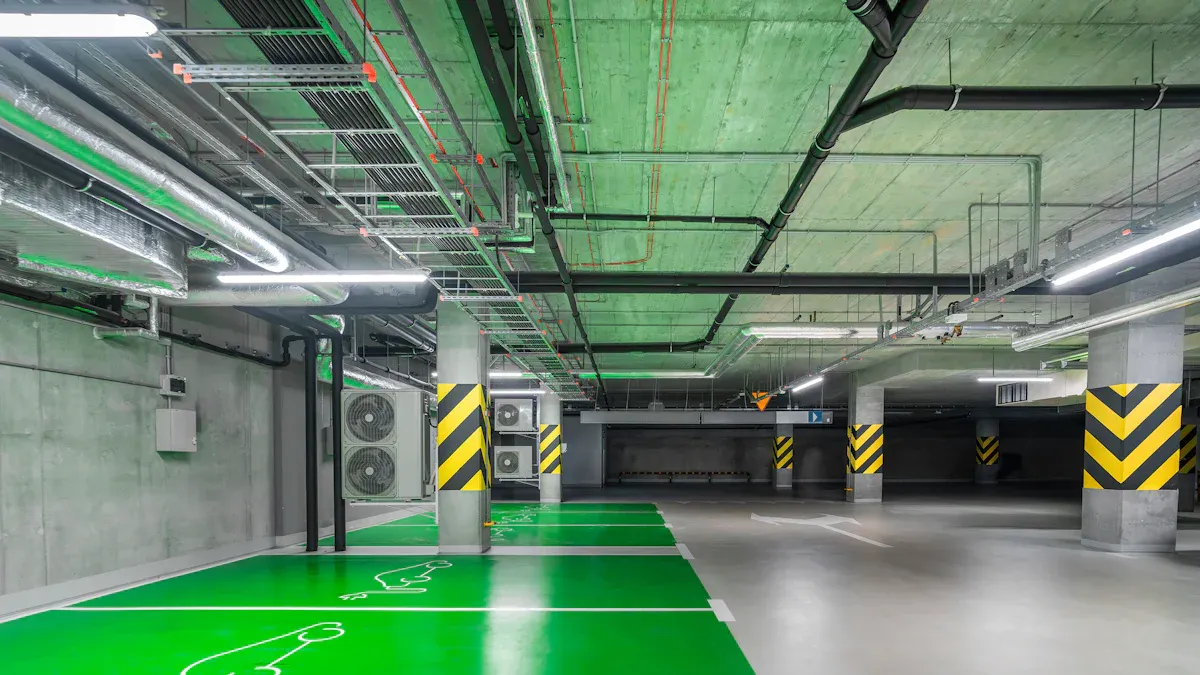
Shared EV charging stations have become a practical solution for residents who drive electric cars but do not have access to a private parking space. These stations allow multiple users to charge their vehicles in a communal area, such as an underground garage or a designated parking lot. The demand for these chargers continues to rise as more people choose electric vehicles. Residents often face barriers when trying to access EV charging facilities, including limited parking and the need for upgrades to the building’s electrical infrastructure.
Sugestão: Residents should check if their building already has a shared charging station before considering other options.
Key considerations for installing shared chargers include:
- Assessing the building’s electrical capacity
- Determining cost-sharing models among residents
- Coordinating with property managers or landlords
Landlords and investors can benefit financially from shared EV charging stations. By partnering with charging point operators, they can generate rental income that ranges from €1,000 to €5,000 per charger each year, depending on the location. This financial incentive encourages more property owners to support the installation of these stations.
Access and Usage Rules for Shared Charging
Access to shared charging stations usually requires registration with the building’s management or the charging service provider. Residents may receive a key card or use a mobile app to activate the charger. Usage rules often include time limits to ensure fair access for all users. Some buildings implement a reservation system, while others operate on a first-come, first-served basis.
Cost recovery remains a major topic. Residents typically pay for the electricity they use, either through a monthly fee or a pay-per-use model. In some cases, the building’s homeowners’ association sets guidelines for maintenance and repairs. Clear communication and transparent rules help prevent disputes and ensure smooth operation of the shared charging system.
Private Wallbox Home Charging for Electric Vehicles
What Is a Wallbox for EV Charging?
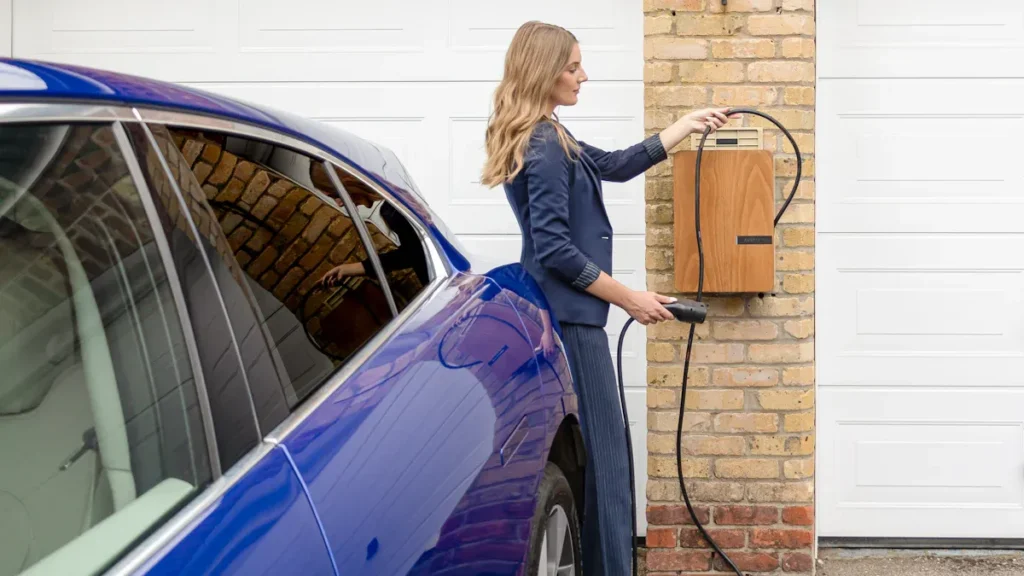
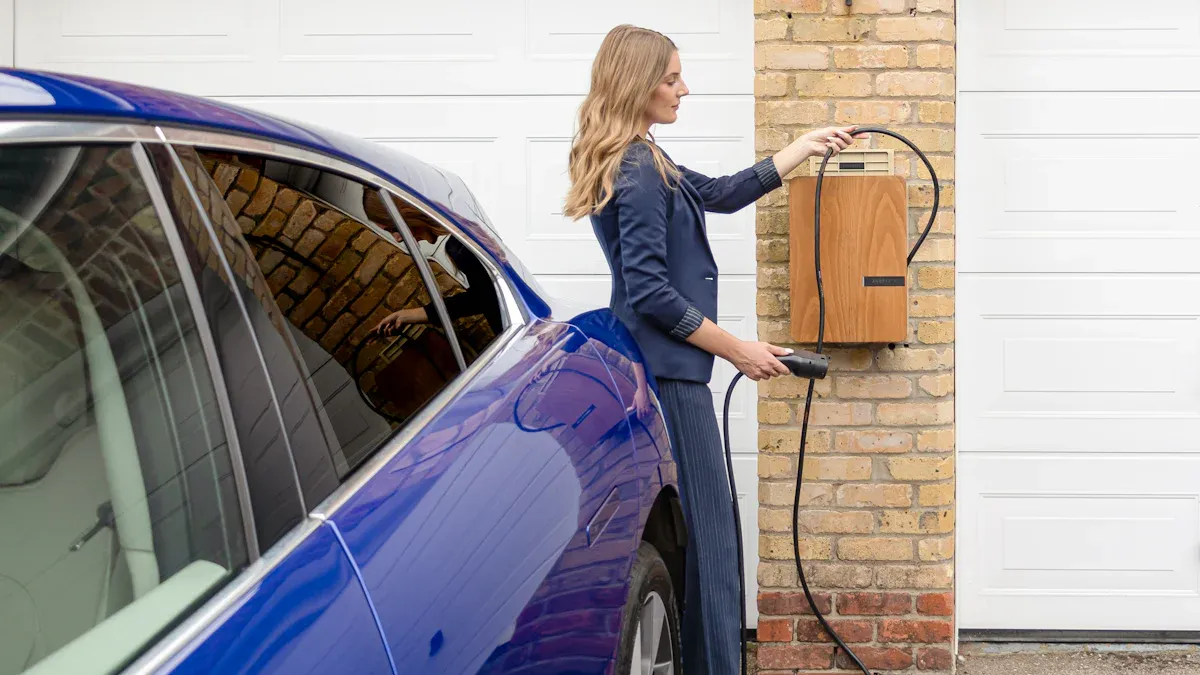
A wallbox is a dedicated home charger designed for electric vehicles. It delivers faster and safer charging compared to a standard household outlet. Residents who own their parking space in a german apartment often choose to install a wallbox for maximum convenience. Home EV chargers like those from TPSON offer advanced features, such as smart charging management and integration with energy monitoring systems.
A wallbox can transform the charging experience by providing reliable access to power at any time. This solution suits drivers who want to avoid the uncertainty of public charging points and prefer the comfort of charging their car at home.
Technical Requirements for Wallbox Installation
Installing a wallbox in an apartment building requires careful planning. The building’s electrical infrastructure must support the additional load from the charger. An electrician should conduct a thorough assessment to determine if upgrades are necessary. In older buildings, the installation process can become complex and costly, as new wiring or circuit breakers may be required.
Professional installation ensures compliance with safety standards and local regulations. Residents must obtain permission from the landlord or homeowners’ association before proceeding. TPSON provides technologically advanced solutions that simplify the installation process and enhance safety for all users.
Public Charging for Electric Vehicles Near Your German Apartment
Finding Public EV Chargers Nearby
Many apartment residents lack dedicated parking spaces and must rely on public charging networks. These networks continue to expand in urban areas, making it easier to find a public charging point within walking distance. Apps and online maps help drivers locate available chargers, compare prices, and check real-time availability.
Nota: Public charging points offer flexibility for those who cannot install a home charger or access a shared station.
Using Public Charging Networks in Germany
Public charging networks in Germany provide a range of options, from fast chargers at supermarkets to standard chargers in residential neighborhoods. Drivers can access these chargers using RFID cards, mobile apps, or contactless payment methods. While public charging offers convenience, it cannot match the ease of home charging for electric vehicle owners.
Renters and apartment dwellers often face challenges with public charging, such as limited availability during peak hours and higher costs compared to home charging. Creative solutions like workplace charging programs, charging cooperatives, and mobile charging services are emerging to address these issues. However, homeowners with private wallboxes still enjoy a significant advantage in terms of convenience and cost savings.
Alternative EV Charging Solutions for Apartment Residents
Mobile EV Charging Services in German Cities
Mobile EV charging services have emerged as a flexible option for residents who lack access to fixed charging infrastructure. These services operate in major German cities and deliver on-demand charging directly to parked vehicles. Companies deploy vans equipped with battery packs or generators. They visit apartment complexes and public parking areas, providing charging without the need for permanent installations.
Residents benefit from mobile charging in several ways:
- They avoid the complexity of installing a wallbox or negotiating with landlords.
- They receive charging at convenient times, often scheduled through a mobile app.
- They access charging even in buildings with limited electrical capacity.
Sugestão: Residents should check local regulations and service availability before relying on mobile charging. Some cities restrict where mobile charging vans can operate.
A typical mobile charging session involves booking a time slot, specifying the location, and confirming the vehicle type. The service provider arrives and connects the charger to the vehicle. Payment occurs through digital platforms, offering transparency and ease of use. Mobile charging services continue to expand, driven by the growing demand for electric mobility in urban environments.
Charging Your Electric Vehicle at Work
Workplace charging provides another practical solution for apartment residents. Many employers in Germany have installed charging stations in office parking lots. Employees charge their vehicles during work hours, reducing reliance on home or public charging.
Workplace charging offers several advantages:
- Employees maximize vehicle uptime by charging while at work.
- Employers support sustainability goals and attract talent interested in electric mobility.
- Charging costs often remain lower than public charging rates.
| Workplace Charging Benefits | Descrição |
|---|---|
| Conveniência | Employees charge during work hours |
| Poupança de custos | Lower rates compared to public charging |
| Sustentabilidade | Supports company environmental initiatives |
Some companies offer free charging as an employee perk. Others implement pay-per-use models or integrate charging costs into parking fees. Employees should consult their human resources department or facility manager to learn about available options.
Workplace charging complements other solutions, such as mobile services and public networks. Apartment residents who drive an electric car gain flexibility and reduce charging stress by leveraging multiple charging locations.
Steps to Access or Install EV Charging in a German Apartment

Talking to Your Landlord or Property Manager About Home Charging
Requesting Permission for EV Charging Installation
Residents in a german apartment often need to approach their landlord or property manager before starting any home charging project. They should prepare a written request that outlines the benefits of electric vehicle charging and the technical requirements for installation. This request should include details about the chosen wallbox, the location of the socket, and the expected impact on the building’s electrical supply.
Sugestão: Attach product brochures or technical specifications to help the landlord understand the proposal.
Presenting Your Case for Electric Vehicle Charging
A well-prepared case can increase the chances of approval. Residents should highlight how home charging supports sustainability and increases property value. They can mention that modern charging installations include advanced safety features, such as a residual current device (RCD), which provides protection against electrical faults. Clear communication about safety precautions and maintenance responsibilities reassures property managers and neighbors.
Legal Rights for Electric Vehicle Charging in German Apartments
German Law on EV Charging (WEG Reform and EPBD)
German law now supports the right to install charging infrastructure in apartment buildings. The WEG reform and the European EPBD directive require property owners and associations to allow reasonable requests for charging installations. These laws aim to promote electric mobility and ensure that residents can access charging for their car at home.
Tenant vs. Owner Rights for Home Charging
Tenants and owners have different rights regarding charging installations. Owners can usually proceed after informing the homeowners’ association and following building rules. Tenants must obtain written permission from the landlord. Both groups must ensure that the installation meets safety standards and does not compromise the safety of the supply.
Technical and Safety Requirements for EV Charging
Electrical Infrastructure Checks in Apartment Buildings
Before installation, a certified electrician should inspect the building’s electrical infrastructure. This check ensures that the supply can handle the additional load from the charging station. The electrician will assess the main panel, wiring, and socket locations to confirm compatibility with the planned charging installations.
Professional Installation Standards for Wallboxes
Professional installation guarantees safety and compliance with regulations. Installers must use certified equipment and follow strict safety precautions. The wallbox should include an RCD or residual current device for protection. Regular maintenance checks help maintain the safety of the supply and extend the lifespan of the charging equipment.
Nota: Never attempt to install a wallbox or modify the electrical system without professional assistance. Proper installation protects both residents and the building.
Costs, Installation, and Maintenance of EV Charging in German Apartments
Installation Costs for Home Charging Solutions
Wallbox Purchase and Setup Expenses
A wallbox represents a significant investment for residents who want to charge electric cars at home. The price for a basic charger starts around €500, but advanced models with smart features can exceed €1,500. Installation costs depend on the complexity of the electrical supply and the distance from the main panel to the parking space. Electricians may need to upgrade wiring or add a dedicated socket, which can increase expenses. Most installations in a German apartment range from €800 to €2,500, including labor and materials. Residents should always request a detailed quote before starting the project.
Shared Charging Station Fees and Contributions
Shared charging stations require collective investment from the building’s residents or owners. The initial cost covers the purchase of the charger, installation, and any necessary upgrades to the building’s supply. Residents usually contribute through a one-time fee or ongoing payments into a maintenance fund. Property managers often coordinate these contributions and manage the billing process. Transparent agreements help prevent disputes and ensure fair access to the charger.
Ongoing Costs of Electric Vehicle Charging
Electricity Pricing for Home and Shared Charging
The ongoing cost of charging an EV depends on where the car receives power. Home charging remains the most affordable option for most drivers. The price per kilowatt-hour (kWh) at home varies based on the energy tariff and the size of the car’s battery. In contrast, public charging stations in Germany often charge higher rates, with an average price of about 81 cents per kWh. Fast chargers can be even more expensive. Unless residents have access to free public charging points, they will find home charging much cheaper. High public charging costs continue to act as a barrier for many drivers.
- Home charging is generally cheaper than public charging.
- Public charging prices in Germany are higher than in many other European countries.
- Fast public chargers can significantly increase the cost of charging an electric car.
Maintenance and Repairs of Charging Equipment
Charger maintenance ensures safety and reliability. Residents should schedule regular inspections by qualified electricians. Most wallboxes require minimal upkeep, but shared stations may need more frequent checks due to higher usage. Repairs for damaged cables, sockets, or electronic components can add to the total cost. Property managers usually organize maintenance for shared chargers, while individual owners handle their own equipment.
Who Pays for EV Charging in a German Apartment?
Tenant vs. Landlord Responsibilities for Charging Costs
Responsibility for charger costs depends on the rental agreement and building ownership structure. Tenants typically pay for the installation and electricity used by their charger. Landlords may cover part of the installation if it increases property value. Clear agreements help avoid misunderstandings about who pays for repairs or upgrades.
Cost Sharing in Multi-Unit Apartment Buildings
In multi-unit buildings, residents often share the cost of installing and maintaining shared chargers. The homeowners’ association or property manager collects contributions and manages the supply of electricity. Transparent billing and clear rules ensure that all users pay their fair share.
Practical Tips for German Apartment Residents with Electric Vehicles
Choosing the Best EV Charging Option for Your Needs
Assessing Your Electric Vehicle Charging Habits
Every resident should evaluate their daily driving patterns before selecting a charger. Some drivers need to charge their car overnight, while others only require a top-up once or twice a week. They should consider the tipo de carregador that matches their routine. Slow chargers work well for those who park for long periods, while fast or rapid chargers suit drivers with limited time. Residents must also check if their garage space or parking spot is close enough to their home for easy access. Electricity consumption and power availability play a role in the decision. The building’s electrical system must support the charger’s load to ensure safety and reliable operation.
Comparing Home, Shared, and Public Charging Options
Residents can choose from several charging solutions. Home charging offers the most convenience for electric cars, but not every apartment has the infrastructure for a private charger. Shared chargers in communal garages provide a balanced approach, allowing multiple users to access charging without the need for individual installations. Public charging stations near the building serve as a backup when home or shared options are unavailable. Each solution has a different cost structure, so residents should compare installation fees, ongoing electricity rates, and maintenance expenses before making a decision.
Navigating Building Regulations for EV Charging
Understanding House Rules and Apartment Policies
Apartment buildings often have specific rules for installing and using chargers. Residents should review these policies to avoid conflicts. Effective strategies include monitoring individual usage to spot potential issues early and setting fair usage policies. These policies might define charging duration limits or establish priority systems during peak times. Clear guidelines help maintain order and ensure everyone has access to the charger.
Dealing with Neighbors and Shared Spaces
Living in a shared environment requires cooperation. Residents should communicate openly with neighbors about charger use and respect shared spaces. Establishing dispute resolution mechanisms can help address conflicts quickly and maintain good relationships. A transparent process for handling disagreements protects both the community and individual rights. Everyone benefits when the building supports fair and safe access to electric vehicle charging.
Maximizing Convenience with Home Charging Solutions
Scheduling EV Charging Times in Apartments
Scheduling plays a key role in maximizing charger availability. Residents can set specific charging times to avoid peak demand and reduce waiting periods. Some buildings use reservation systems or sign-up sheets to coordinate access. This approach ensures that every electric car owner gets a fair opportunity to charge.
Using Apps and Smart Features for Charging Management
Modern chargers often include smart features that simplify management. Mobile apps allow users to monitor charging progress, schedule sessions, and receive notifications. These tools help optimize electricity usage and provide an extra layer of protection by alerting users to any issues. Smart management systems also track cost and usage, making it easier for residents to manage their charging expenses.
Common Challenges and Solutions for EV Charging in German Apartments
Vagas de Estacionamento Limitadas e Acesso ao Carregamento de Veículos Elétricos
Gestão Compartilhada de Estacionamento para Veículos Elétricos
Os complexos de apartamentos na Alemanha frequentemente enfrentam disponibilidade limitada de estacionamento. Os residentes devem coordenar-se para garantir acesso justo a cada carregador. Os administradores do condomínio geralmente implementam um sistema de rodízio ou atribuem vagas específicas para veículos elétricos. Esta abordagem evita conflitos e maximiza o uso da infraestrutura disponível. Alguns edifícios utilizam plataformas digitais para monitorar o uso dos carregadores e notificar os residentes quando uma vaga fica disponível.
Sugestão: Os residentes devem participar em reuniões para discutir políticas de estacionamento e sugerir melhorias na alocação de carregadores.
Reserva de Vagas de Carregamento em Complexos de Apartamentos
Reservar uma vaga de carregamento pode reduzir a frustração entre os residentes. Muitos edifícios adotam sistemas de reserva que permitem aos utilizadores reservar horários com antecedência. Estes sistemas operam através de aplicativos móveis ou folhas de inscrição afixadas em áreas comuns. Regras claras ajudam a evitar disputas e garantem que cada proprietário de carro elétrico tenha uma oportunidade justa de carregar. A comunicação transparente permanece essencial para manter a harmonia nos espaços compartilhados.
Barreiras Técnicas à Instalação de Carregamento Doméstico
Modernização de Sistemas Elétricos para Carregamento de VE
Edifícios de apartamentos mais antigos podem não ter capacidade elétrica para suportar instalações de carregadores modernos. Os eletricistas devem avaliar o quadro principal e a fiação antes de qualquer modernização. Se o sistema não suportar a carga adicional, recomendam a instalação de novos circuitos ou a substituição de transformadores. Estas melhorias aumentam a segurança e a fiabilidade para todos os residentes.
Superação de Obstáculos de Instalação em Edifícios Antigos
Edifícios históricos ou desatualizados apresentam desafios únicos para a instalação de carregadores. Paredes grossas, acesso limitado às áreas de estacionamento e fiação desatualizada complicam o processo. Os residentes frequentemente necessitam de soluções criativas, como cabos montados na superfície ou configurações de carregadores compartilhados. A colaboração com instaladores experientes garante a conformidade com os padrões de segurança e minimiza a perturbação no edifício.
Obstáculos Legais e Administrativos para o Carregamento de VE
Resolução de Disputas sobre Instalações de Carregamento
Por vezes, surgem desentendimentos quando os residentes solicitam instalações de carregadores. Questões comuns incluem preocupações com custos, estética ou possíveis perturbações. Os administradores do condomínio podem mediar estas disputas organizando reuniões e fornecendo diretrizes claras. Acordos por escrito ajudam a esclarecer responsabilidades e a proteger os interesses de todas as partes.
Navegação na Burocracia e Processos de Aprovação
O processo de aprovação para instalação de carregadores em apartamentos alemães pode envolver múltiplas etapas. Os residentes devem submeter pedidos formais, reunir documentação técnica e obter consentimento da associação de proprietários ou do senhorio. Atrasos ocorrem frequentemente devido a regulamentos pouco claros ou procedimentos administrativos lentos. Persistência e preparação minuciosa aumentam a probabilidade de um resultado bem-sucedido.
| Desafio | Solução |
|---|---|
| Estacionamento limitado para carregadores | Gestão compartilhada, reservas |
| Infraestrutura elétrica desatualizada | Modernizações, avaliação de especialistas |
| Barreiras legais e administrativas | Comunicação clara, mediação |
Residentes que compreendem estes desafios e proativamente buscam soluções podem usufruir de acesso fiável ao carregamento para o seu carro elétrico.
Residentes num apartamento alemão podem aceder a um carregador através de várias soluções. Podem usar um carregador compartilhado, instalar um carregador privado ou depender de um carregador público perto do seu edifício. Cada opção de carregador suporta um estilo de vida com VE e mantém um carro elétrico pronto para uso diário.
Comece por discutir a instalação do carregador com o senhorio. Compreenda os direitos legais e as políticas do edifício antes de selecionar um carregador. Escolha o carregador que corresponde às necessidades pessoais e ao orçamento. Tome medidas para tornar o carregamento em casa simples e fiável.
FAQ
Os residentes podem instalar um carregador de VE num apartamento alemão?
Os residentes podem solicitar permissão para instalar um carregador de VE. O senhorio ou a associação de proprietários analisa a proposta. A instalação profissional garante segurança e conformidade com os regulamentos. Os residentes devem seguir as políticas do edifício e os requisitos legais.
Que tipos de opções de carregamento de VE existem para residentes de apartamentos?
Residentes de apartamentos podem aceder a postos de carregamento compartilhados, instalar uma wallbox privada ou usar pontos de carregamento públicos nas proximidades. Serviços de carregamento móvel e carregamento no local de trabalho também fornecem alternativas para quem não tem vagas de estacionamento dedicadas.
Quanto custa instalar um carregador de VE num apartamento?
Os custos de instalação dependem do tipo de carregador e da infraestrutura do edifício. A instalação de uma wallbox varia entre 800€ e 2.500€. Postos de carregamento compartilhados requerem investimento coletivo. Os residentes devem solicitar orçamentos detalhados antes de iniciar qualquer projeto.
Quem paga a eletricidade consumida pelos carregadores de VE nos apartamentos?
Os residentes pagam pela eletricidade consumida pelo seu carregador de VE. Postos de carregamento compartilhados utilizam sistemas de faturação para monitorar o uso. Associações de proprietários ou administradores do condomínio gerem a partilha de custos em edifícios multiunidades.
Existem direitos legais para carregamento de VE em apartamentos alemães?
A lei alemã apoia o direito dos residentes de solicitar instalações de carregamento de VE. A reforma da WEG e a diretiva EPBD exigem que os proprietários permitam propostas razoáveis. Os inquilinos devem obter permissão por escrito dos senhorios.
Que manutenção é necessária para equipamentos de carregamento de VE?
Inspeções regulares por eletricistas qualificados garantem segurança e fiabilidade. As wallboxes necessitam de manutenção mínima. Os postos compartilhados requerem verificações frequentes devido ao maior uso. Os administradores do condomínio organizam a manutenção para carregadores comunitários.
Como podem os residentes reservar uma vaga de carregamento num complexo de apartamentos?
Sistemas de reserva permitem que os residentes reservem horários de carregamento. Os edifícios usam aplicativos móveis ou folhas de inscrição para coordenar o acesso. Regras claras previnem disputas e garantem o uso justo dos carregadores compartilhados.




