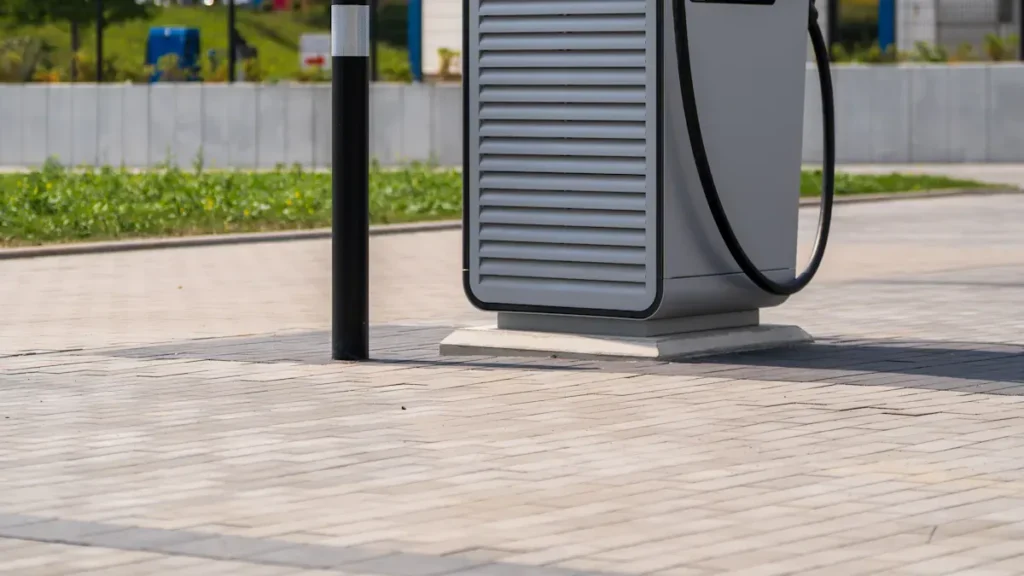
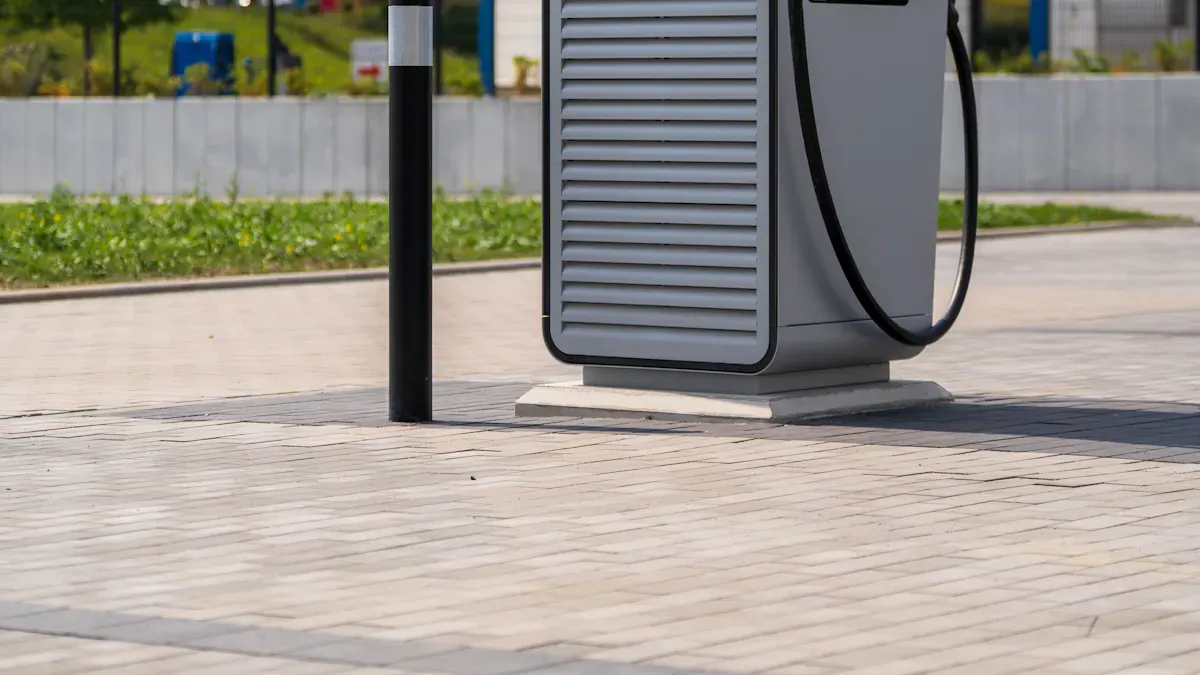
Brazil’s rapid transition to electric vehicles relies on a robust level 3 charger network. Public and private initiatives support the expansion of Soluções de carregamento de veículos eléctricos, with over 4,200 public and semi-public charging points established, especially in the South and Northeast regions. Industry experts highlight several desafios significativos para Fabricantes de carregadores para veículos eléctricos and operators, including high initial investment, power load management, site selection, permitting, installation, integration with renewable energy, and ongoing maintenance. Direct solutions such as carregadores ev portáteis and strategic partnerships drive sustainable infrastructure development for electric vehicles.
The electric vehicle and charging infrastructure market in Brazil is projected to grow by 28.9% annually, reaching US$2,327.7 million by 2025.
| Desafio | Descrição |
|---|---|
| High Initial Investment | Significant upfront capital is required for equipment, land, and installation, especially for fast-charging stations. |
| Power Load Management | Effective management of power supply is crucial as the number of EV charging stations increases. |
| Seleção do local | Finding the right location for a charging station is critical for business success and can be challenging. |
| Permitting for EV Infrastructure | The process of obtaining necessary permits can be lengthy and varies by region. |
| Installation of an EV Charging Infrastructure | Requires significant preparation and expertise beyond just hardware installation. |
| Integração com fontes de energia renováveis | Difficulties arise due to the non-continuous nature of renewable energy sources. |
| Maintenance of an EV Charging Infrastructure | Ongoing maintenance is a major challenge in developing charging infrastructure. |
Level 3 Charger Infrastructure: Key Challenges in Brazil
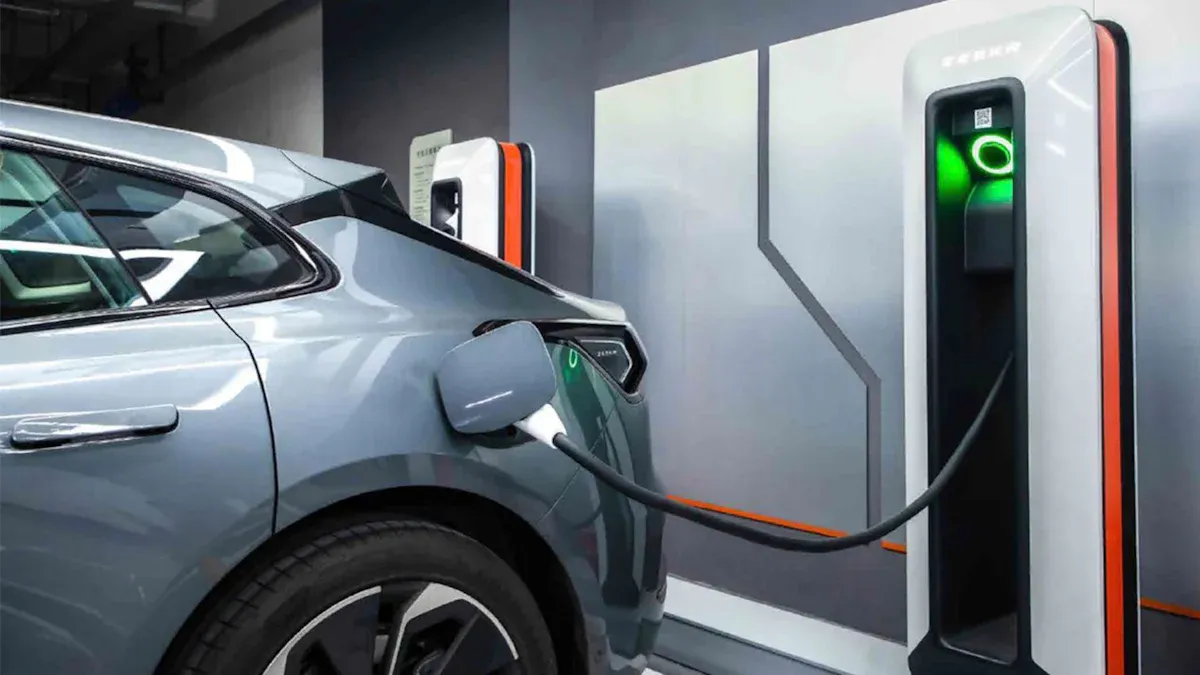
Brazil faces a complex landscape when expanding level 3 charger infrastructure. The transition to electric vehicles brings technical and logistical challenges that require strategic solutions. Stakeholders must address high investment, power management, and deployment issues to ensure a reliable charging network.
High Initial Investment Barriers
Equipment and Technology Costs
The cost of advanced charging station equipment remains a significant barrier for investors. Level 3 charger technology demands specialized hardware and software, which increases the initial outlay. Many operators in Brazil encounter high installation costs, as shown in the table below:
| Tipo de barreira | Descrição |
|---|---|
| High Installation Costs | Significant expenses associated with setting up Level 3 charging stations. |
| Regulatory Variability | Differences in regulations across federal states complicate investment. |
| Electrical Grid Capacity | Need for enhanced grid capacity and stability to accommodate fast chargers. |
TPSON, a technologically advanced electric vehicle charging solution provider, offers innovative products that help reduce these costs. However, the need for robust, high-capacity chargers and supporting systems still drives up investment. Investors must also consider ongoing maintenance and software updates, which add to the total cost of ownership.
Grid Connection and Upgrade Expenses
Connecting a new charging station to the grid often requires substantial upgrades to local infrastructure. Many regions in Brazil lack the electrical capacity to support fast charging. Operators must invest in transformers, cabling, and protection systems to ensure safe and reliable operation. These upgrades can delay deployment and increase project budgets. Regulatory variability across states further complicates planning and budgeting for grid connections.
Power Load Management Challenges
Grid Capacity and Urban-Rural Disparities
Brazil’s electric grid shows significant variation between urban and rural areas. Urban centers often have better infrastructure, but high demand can strain capacity during peak hours. Rural regions may lack the grid strength needed for level 3 charger deployment. This disparity creates challenges for building a balanced charging station infrastructure that serves all electric vehicle users.
Peak Demand and Load Balancing
Charging stations draw large amounts of power, especially during peak demand periods. Without proper load management, the network risks instability and outages. Operators must implement smart charging solutions that balance demand and protect the grid. TPSON’s advanced systems support dynamic load management, which helps maintain grid stability and ensures consistent service for EV drivers.
Site Selection and EV Charging Infrastructure Deployment
Strategic Location Planning for Accessibility
Selecting the right location for each charging station is critical for the success of the charging network. Operators must analyze traffic patterns, proximity to major highways, and access to amenities. In Brazil, the diversity of geography and urban development adds complexity to location planning. Effective site selection ensures that electric vehicle drivers can find convenient and reliable charging options throughout their journeys.
Tip: Collaboration with local governments and businesses can help identify high-traffic areas and streamline the deployment process.
Land Acquisition and Leasing Complexities
Securing land for charging station infrastructure presents another challenge. Land acquisition or leasing often involves negotiations with multiple stakeholders, including private owners and public authorities. Legal and regulatory requirements vary by region, which can slow down the process. Investors must navigate these complexities to secure suitable sites for new charging stations and support the growth of the EV charging infrastructure in Brazil.
The expansion of level 3 charger infrastructure in Brazil depends on overcoming these investment, power management, and deployment challenges. Stakeholders who address these issues will accelerate the transition to electric vehicles and build a robust charging network for the future.
Permitting and Regulatory Challenges in Brazil
Permitting stands as one of the most significant challenges for level 3 charger network deployment in Brazil. Stakeholders must navigate a complex landscape of environmental and utility approvals, which often slows progress and increases project costs. These technical and logistical challenges require careful planning and coordination among government agencies, utility companies, and private investors.
Navigating Environmental and Utility Approvals
Environmental approvals in Brazil demand strict compliance with national and regional regulations. Agencies evaluate the impact of charger installations on local ecosystems, water resources, and urban landscapes. Utility approvals add another layer of complexity. Utility companies assess the capacity of the local grid and determine whether upgrades are necessary before granting permission for new charging stations.
Note: Early engagement with environmental and utility authorities helps identify potential obstacles and reduces delays.
The approval process often involves multiple steps:
- Submission of environmental impact studies
- Review by local and federal agencies
- Utility grid capacity assessments
- Coordination with municipal planning departments
A table below outlines the main approval requirements:
| Approval Type | Responsible Entity | Typical Requirements |
|---|---|---|
| Environmental | IBAMA, State Agencies | Impact studies, mitigation plans |
| Utility | Local Utility Companies | Grid capacity, upgrade assessments |
| Municipal | City Planning Departments | Zoning, public safety compliance |
Stakeholders in Brazil must address these challenges to ensure compliance and avoid costly project delays.
Racionalização dos processos de licenciamento
Permitting procedures in Brazil often vary by region, which creates uncertainty for investors and operators. Some municipalities require extensive documentation, while others offer simplified processes. The lack of standardization increases the time and resources needed to secure permits.
Operators can adopt several strategies to streamline permitting:
- Develop standardized documentation templates for environmental and utility submissions.
- Establish direct communication channels with permitting authorities.
- Participate in industry forums to advocate for regulatory harmonization.
Tip: Collaboration between private sector leaders and government agencies accelerates permitting and reduces administrative burdens.
Brazil continues to face challenges in harmonizing permitting requirements across states and cities. Stakeholders who proactively address these issues will help build a more efficient and scalable level 3 charger network.
Overcoming Infrastructure and Installation Obstacles
Infrastructure Readiness for Level 3 Chargers
Civil Works and Site Preparation
Brazil faces significant challenges in preparing sites for the installation of an carregador ev. Civil works often require extensive planning and coordination. Teams must assess the location for accessibility, safety, and proximity to electric supply lines. Construction crews clear land, lay foundations, and install protective barriers. These steps ensure the charging station infrastructure supports heavy equipment and withstands environmental conditions. Many operators in Brazil prioritize future-proofing by designing sites that allow for expansion and upgrades. This approach supports the transition to electric vehicles and helps build a resilient ev charging infrastructure.
Note: Early site assessments reduce delays and minimize unexpected costs during installation.
Electrical Upgrades and Local Constraints
Melhorias eléctricas play a crucial role in preparing infrastructure for level 3 charger deployment. Many locations in Brazil lack sufficient grid capacity to support fast charging. Engineers evaluate the existing electric supply and recommend solutions such as transformer upgrades or new cabling. Local constraints, including outdated electrical systems and limited space, often complicate installation. Operators must coordinate with utility companies to ensure the charging station meets safety standards and delivers reliable service. Future-proofing ev charging infrastructure requires flexible designs that adapt to evolving electric grid requirements.
| Tipo de atualização | Descrição | Impact on Charging Station |
|---|---|---|
| Transformer Upgrade | Increases power capacity | Enables fast charging |
| Cabling Replacement | Melhora a confiabilidade | Reduces outages |
| Smart Metering | Monitors energy usage | Supports future-proofing |
Skilled Workforce and Training Gaps
Addressing Labor Shortages in Brazil
Brazil experiences labor shortages in the ev charging infrastructure sector. Skilled technicians and engineers remain in high demand. Many charging station projects face delays due to limited workforce availability. Operators invest in recruitment and offer competitive salaries to attract talent. The transition to electric vehicles increases the need for specialized skills in charging station installation and maintenance. Addressing these shortages supports the growth of the charging network and ensures reliable service for ev drivers.
Developing Training Programs and Partnerships
Training programs and partnerships provide effective solutions to workforce challenges. Industry leaders collaborate with technical schools and universities to develop courses focused on charging station installation and electric systems. These programs equip workers with practical skills and knowledge. Partnerships with manufacturers and utility companies offer hands-on experience and certification opportunities. Investing in workforce development strengthens the ev charging infrastructure and supports future-proofing efforts. Brazil benefits from a skilled workforce that can deliver high-quality installation and maintenance for charging stations.
Tip: Ongoing training ensures technicians stay updated on new technologies and safety standards.
The readiness of infrastructure and workforce determines the success of charging station deployment in Brazil. Operators who invest in site preparation, electrical upgrades, and training build a robust infraestrutura de carregamento de veículos eléctricos that supports the transition to electric vehicles and future-proofing goals.
Integrating Renewable Energy with Level 3 Charger Networks
Opportunities for Green EV Charging Infrastructure
Solar and Wind Integration in Brazil
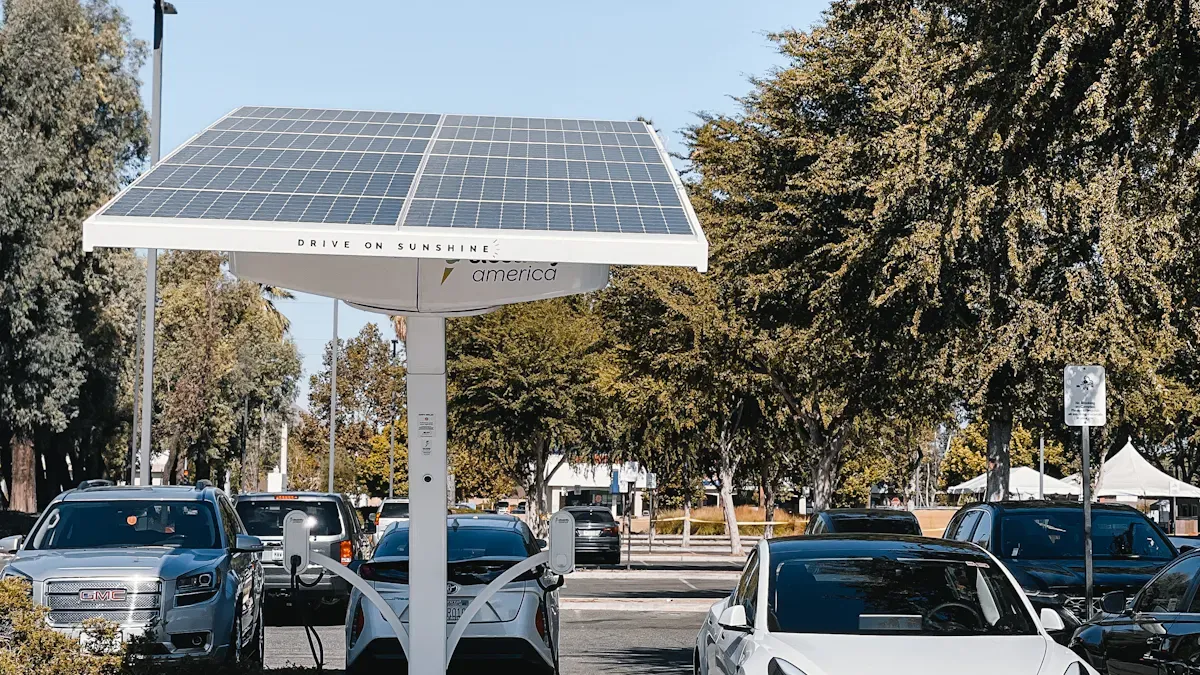
Brazil offers unique opportunities for integrating renewable energy sources with Level 3 charger infrastructure. The country benefits from abundant sunlight and wind, which supports the development of sustainable EV charging station solutions. Companies invest in partnerships to accelerate the transition to electric vehicles and expand the charging network. For example, Octopus Energy Group from the UK and Energisa from Brazil collaborate on knowledge transfer, technology licensing, and joint ventures. This partnership aims to enhance infrastructure and promote green charging station deployment.
| Parceria | Companies Involved | Áreas de incidência |
|---|---|---|
| Octopus Energy Group and Energisa | Octopus Energy Group (UK) and Energisa (Brazil) | Knowledge transfer, tech licensing, joint ventures |
Solar panels and wind turbines provide clean energy for charging stations. Operators select locations with high solar exposure or strong wind currents to maximize efficiency. These renewable sources reduce reliance on traditional electric grids and lower carbon emissions. The integration of solar and wind supports Brazil’s commitment to sustainable infrastructure and helps build a resilient EV charging station network.
Microgrid and Hybrid System Solutions
Microgrid and hybrid system solutions play a vital role in strengthening EV charging infrastructure. Microgrids combine renewable energy sources with battery storage and backup generators. This approach ensures a stable power supply for charging stations, even during periods of low sunlight or wind. Hybrid systems allow operators to balance energy from multiple sources, improving reliability and reducing installation costs. Companies design microgrids to support fast charging and adapt to local electric grid constraints. These solutions address the challenges of grid capacity and promote future-proofing for EV infrastructure.
Overcoming Intermittency and Storage Challenges
Battery Storage and Hybrid Approaches
O irregularity of renewable energy sources, such as solar and wind, creates challenges for consistent EV charging station operation. Operators face difficulties in maintaining reliable power supply due to the intermittent nature of these sources. Battery storage systems provide a solution by storing excess energy during peak production and releasing it when demand increases. Hybrid approaches combine battery storage with traditional electric grid connections, ensuring continuous charging for electric vehicles.
- Integration with renewable energy sources is complicated due to their intermittent nature, which affects the reliability of power supply for EV charging stations.
- O need to increase transmission capacity and stability remains a priority for infrastructure development.
- High installation costs and regulatory variability between federal states impact the deployment of charging stations.
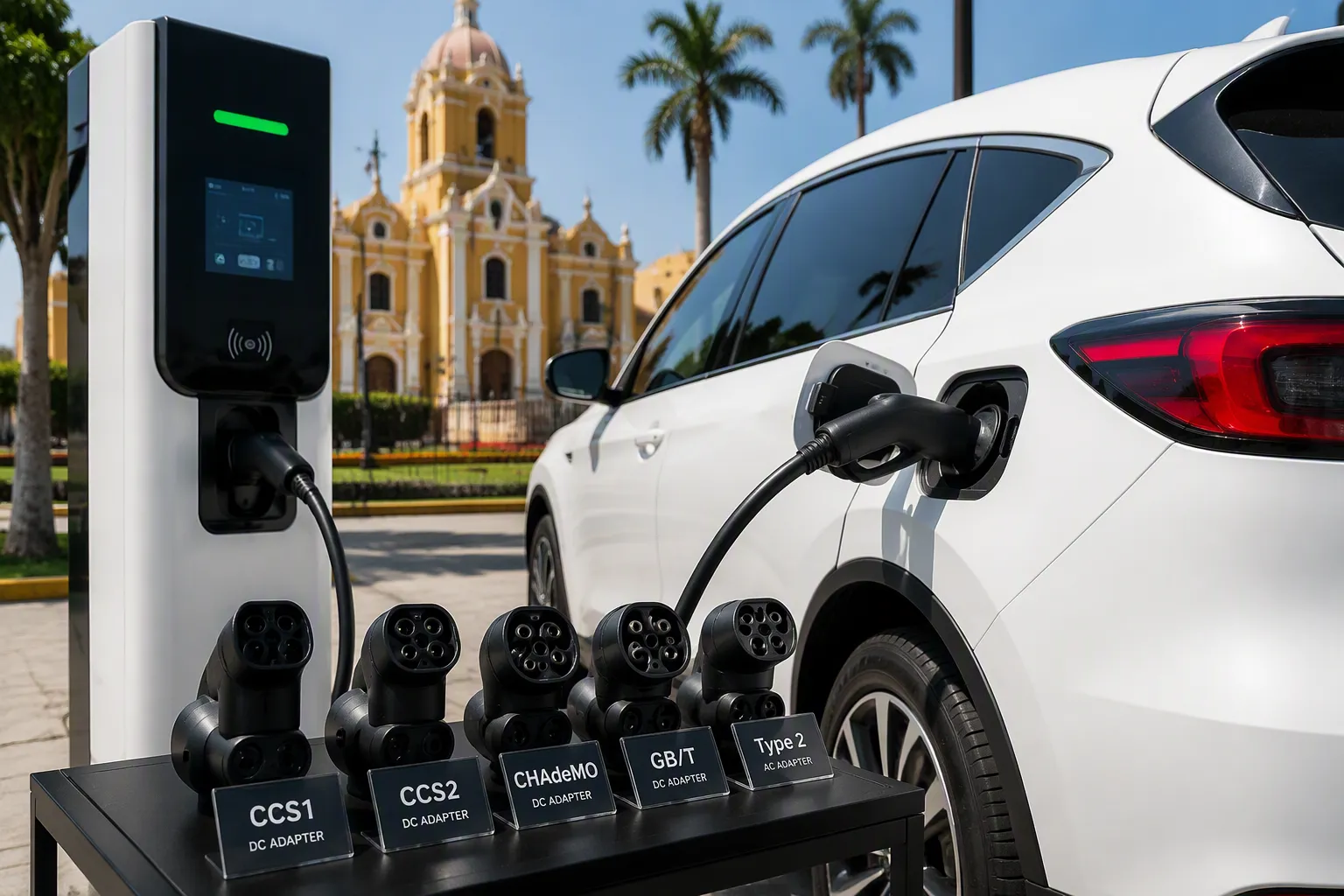
- Connector standardization and interoperability between charging networks support efficient infrastructure expansion.
| Tipo de desafio | Descrição |
|---|---|
| Electrical Grid Availability | Need to increase transmission capacity and stability to support fast charger growth. |
| Custos de instalação | High installation costs and regulatory variability between federal states. |
| Connector Standardization | Need for connector standardization and interoperability between charging networks. |
Battery storage and hybrid systems help operators overcome technical and economic challenges. These solutions support the transition to electric vehicles and ensure reliable charging station infrastructure across Brazil. Companies continue to invest in advanced technologies to build a sustainable and accessible charging network.
Maintenance, Reliability, and Data Security for Level 3 Chargers
Ensuring Uptime and Performance of EV Charging Infrastructure
Preventive Maintenance and Remote Monitoring
Operators in Brazil recognize the importance of manutenção preventiva for Level 3 charging stations. Regular inspections and scheduled servicing help avoid unexpected breakdowns and extend equipment life. Technicians check connectors, cables, and software systems to ensure optimal performance. Remote monitoring tools allow operators to track charging station status in real time. These systems alert teams to faults or irregularities, enabling quick responses and minimizing downtime. Reliable ev charging infrastructure depends on proactive maintenance strategies that keep charging stations operational and safe for electric vehicle users.
Tip: Remote monitoring reduces maintenance costs and improves charging station reliability.
Building Local Service and Support Networks
Local service networks play a crucial role in supporting ev charging infrastructure across Brazil. Operators establish partnerships with regional service providers to deliver fast repairs and technical support. These networks ensure that charging stations remain functional and accessible to electric vehicle drivers. Training programs equip local technicians with the skills needed to maintain and repair charging equipment. Building strong support networks enhances infrastructure reliability and fosters trust among ev users.
| Service Network Component | Benefício |
|---|---|
| Regional Technicians | Faster response times |
| Training Programs | Improved maintenance quality |
| Spare Parts Supply | Reduced repair delays |
Data Security and User Privacy Challenges
Cybersecurity for Charging Infrastructure
The rise of digital connectivity in ev charging infrastructure introduces new cybersecurity challenges. Charging stations often connect to central management systems, exposing them to potential cyber threats. Operators implement robust security protocols to protect sensitive data and prevent unauthorized access. Encryption, firewalls, and regular software updates safeguard charging station networks. Cybersecurity measures ensure that electric vehicle users can charge their vehicles without risk to personal information.
Note: Operators must stay vigilant against evolving cyber threats to maintain infrastructure integrity.
Compliance with Data Protection Laws in Brazil
Brazil enforces strict data protection laws that impact ev charging infrastructure. Operators must comply with regulations such as the General Data Protection Law (LGPD), which governs the collection and processing of user data. Charging stations collect information on charging sessions, payment methods, and user identities. Companies establish clear privacy policies and secure data storage practices to meet legal requirements. Compliance with data protection laws builds consumer confidence and supports the sustainable growth of electric vehicle infrastructure.
Charging station operators in Brazil face ongoing challenges in maintaining reliable ev charging infrastructure and protecting user data. Preventive maintenance, local service networks, and robust cybersecurity practices ensure that electric vehicle charging remains safe, efficient, and trustworthy.
Government Incentives and Public-Private Partnerships in EV Charging Infrastructure
Policy Support and Financial Incentives for Level 3 Chargers
Tax Incentives, Grants, and Subsidies
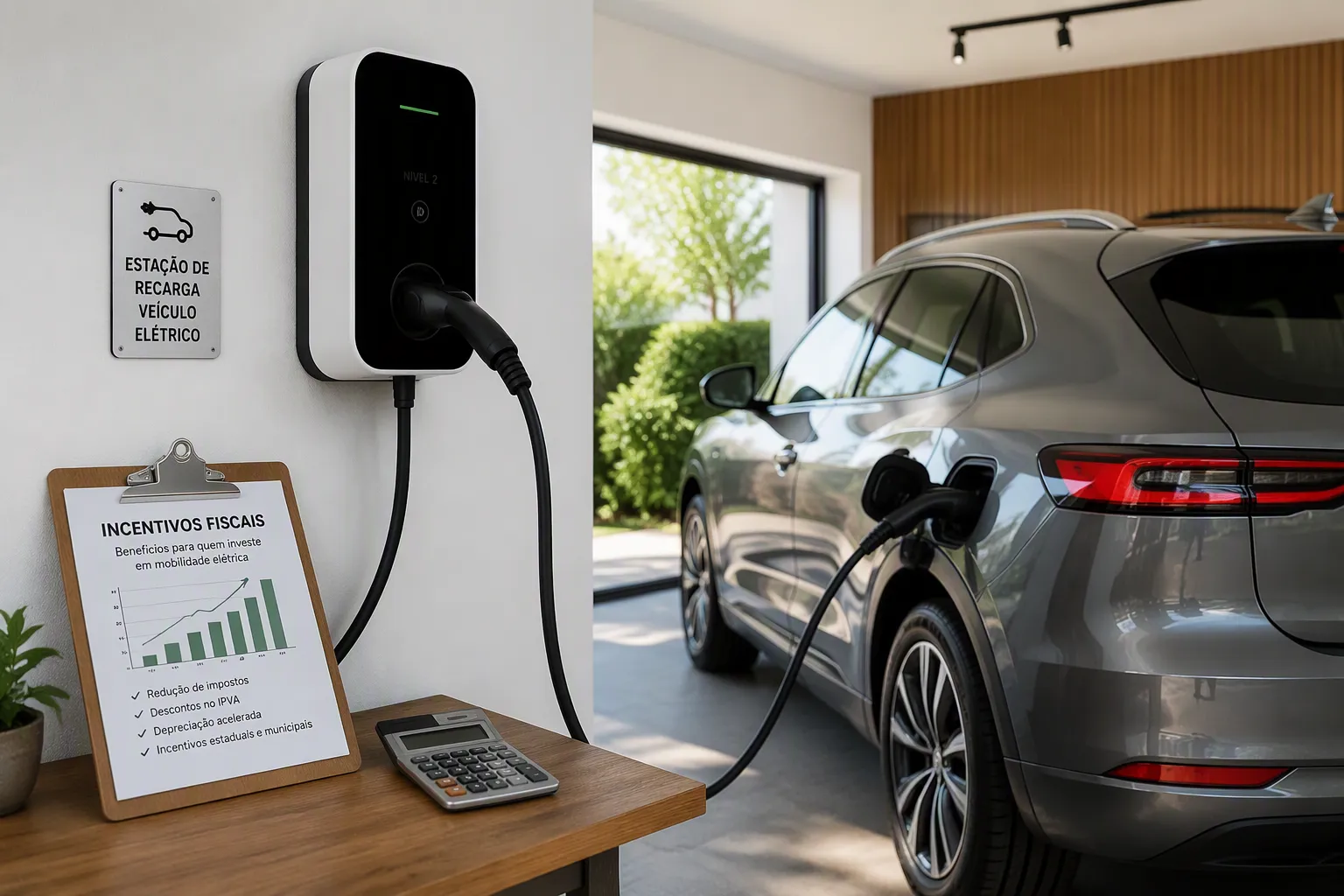
O government in Brazil plays a central role in supporting the expansion of ev charging infrastructure. Policymakers have introduced a range of incentives to stimulate investment and accelerate the development of charging station networks. These incentives include tax reductions, tax credits, and direct subsidies. Programs such as Rota 2030 and Mover offer significant discounts on less polluting vehicles, which encourages the adoption of electric vehicles and the installation of level 3 chargers. Tax credits provide financial relief for companies investing in ev charging infrastructure, while subsidies help offset the high costs of equipment and installation.
Government incentives reduce the financial burden on investors and operators, making large-scale charging station deployment more feasible.
| Tipo de incentivo | Descrição |
|---|---|
| Tax Reductions | Significant discounts on less polluting vehicles through programs like Rota 2030 and Mover. |
| Créditos fiscais | Financial credits aimed at promoting electric vehicle adoption and reducing emissions. |
| Subsidies | Direct financial support for infrastructure development, including Level 3 chargers. |
Regulatory Support for Fast Charging Infrastructure
Regulatory support remains essential for the rapid development of ev charging infrastructure in Brazil. The government has streamlined approval processes and established clear guidelines for charging station installation. These initiatives reduce administrative delays and encourage private sector participation. As a result, the market for ev charging infrastructure has experienced rapid growth. In 2024, the market value reached USD 1,805.9 million. Projections show continued expansion, with a compound annual growth rate of 28.9% expected in 2025 and 23.0% from 2025 to 2029.
| Ano | Market Value (USD) | CAGR (%) |
|---|---|---|
| 2024 | 1,805.9 million | – |
| 2025 | 2,327.7 million | 28.9 |
| 2025-2029 | 5,332.8 million | 23.0 |
Collaboration Models for Overcoming Challenges
Utility and Private Sector Partnerships
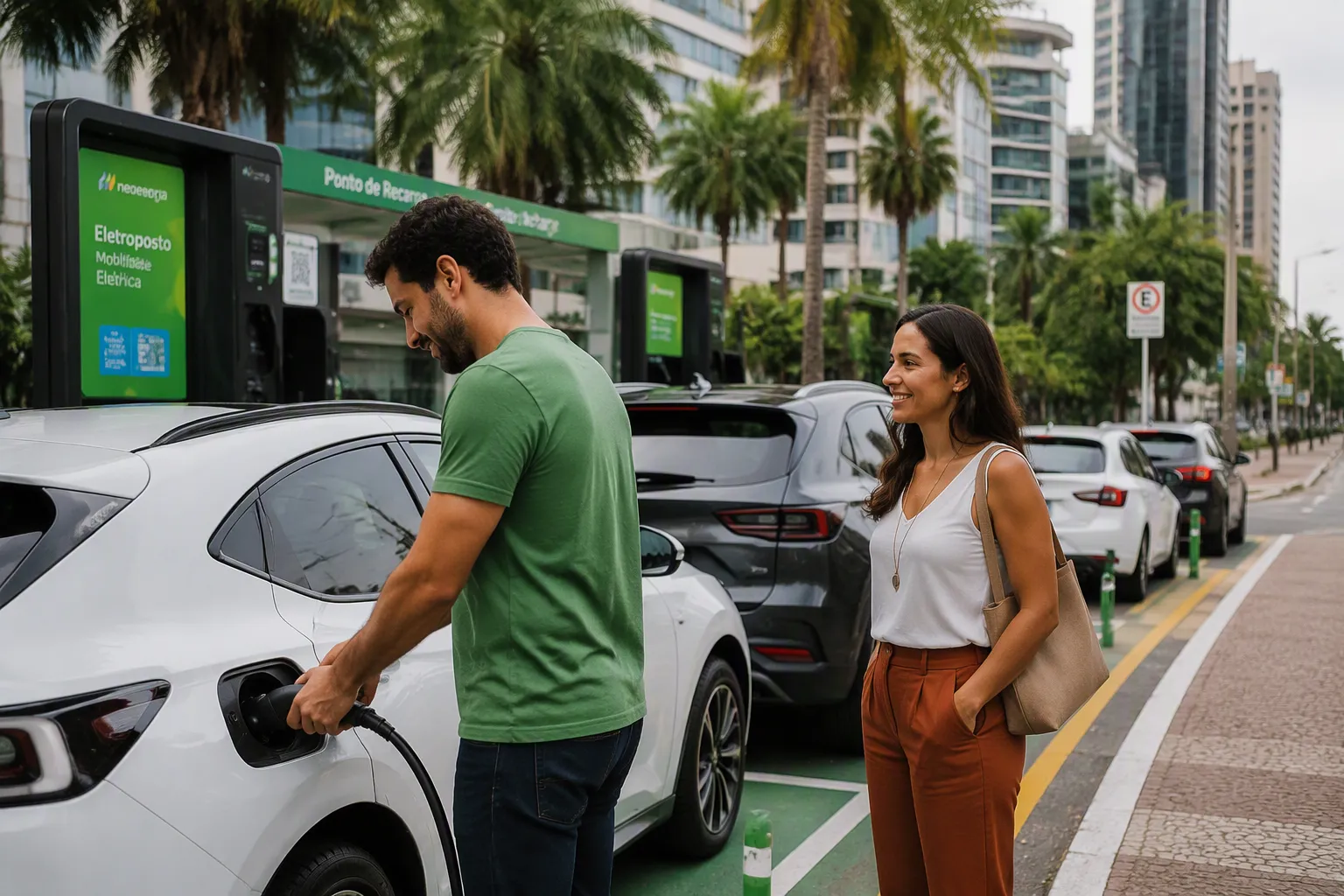
Parcerias público-privadas have become a cornerstone of ev charging infrastructure development in Brazil. Energy companies such as Neoenergia and CPFL collaborate with automakers like BYD to co-finance and deploy charging station networks. These partnerships leverage the strengths of each participant, combining technical expertise, financial resources, and operational experience. Shell and Raizen have also invested in the development of fast charging corridors along strategic routes, supporting long-distance electric vehicle travel and addressing infrastructure gaps.
| Tipo de parceria | Key Players | Descrição |
|---|---|---|
| Energy Companies | Neoenergia, CPFL | Collaborations for co-financing and infrastructure deployment. |
| Fabricantes de automóveis | BYD | Involvement in infrastructure projects to support electric vehicle adoption. |
| Fast Charging Development | Shell/Raizen | Development of fast charging corridors on strategic routes. |
Engaging Local Communities and Stakeholders
Successful ev charging infrastructure projects require active engagement with local communities and stakeholders. Government initiatives encourage dialogue between municipalities, businesses, and residents. These efforts ensure that charging station locations meet community needs and support sustainable development. Local input helps identify optimal sites, streamline permitting, and foster public acceptance. Community engagement also builds trust and encourages the adoption of electric vehicles, creating a positive cycle for infrastructure growth.
Collaboration and government incentives provide practical solutions to the challenges of ev charging infrastructure development in Brazil.
Actionable Recommendations for Overcoming Level 3 Charger Challenges in Brazil
Steps for Policymakers to Accelerate Infrastructure
Policymakers play a vital role in advancing the installation of level 3 charger networks. They can streamline the permitting process and establish clear guidelines for charging station installation. By standardizing regulations across regions, they reduce uncertainty and speed up project timelines. Policymakers should also prioritize investments in grid upgrades to support the growing demand for ev charging. Incentives such as tax credits and grants encourage private sector participation and lower the financial barriers for new infrastructure. Collaboration with industry stakeholders ensures that solutions address real-world challenges and support the energy transition. Policymakers can further promote electric vehicle adoption by integrating charging infrastructure planning into broader urban development strategies.
Strategies for Investors and Charging Network Operators
Investors and charging network operators drive the expansion of ev charging infrastructure. They benefit from aligning with regulatory agendas, such as those introduced by the MME’s Energy Efficiency Indicators Steering Committee, which support digital infrastructure growth and carbon reduction. Anticipated investments in the digital infrastructure sector could reach BRL60bn by 2030, showing a strong commitment to overcoming infrastructure challenges. Operators should seek direct access to the transmission system to enhance reliability for high-voltage consumers, including charging station networks. Effective strategies include:
- Partnering with utilities and technology providers to optimize installation and maintenance.
- Leveraging data analytics to identify high-demand locations for new charging station deployment.
- Investing in scalable solutions that allow for future expansion as electric vehicle adoption increases.
- Prioritizing preventive maintenance and remote monitoring to ensure charging station uptime.
These approaches help investors and operators build robust infrastructure that supports the transition to electric vehicles.
Guidance for Local Communities and Consumers
Local communities and consumers have a significant impact on the growth of ev charging infrastructure. Their engagement in public-private partnerships and use of digital platforms for charging services accelerates the establishment of new charging stations. Community involvement helps identify optimal sites for installation and ensures that charging station locations meet local needs. As consumers and commercial fleet operators reassess the total cost of ownership, their shift toward electric vehicles increases demand for charging infrastructure. Rising fuel prices and a focus on sustainability drive sectors like retail and e-commerce to adopt ev fleets, further supporting network expansion. Communities that advocate for accessible charging options contribute to a smoother energy transition and foster widespread electric vehicle adoption.
Tip: Active participation from local stakeholders ensures that charging station infrastructure aligns with community priorities and supports long-term growth.
These actionable recommendations provide a roadmap for overcoming challenges and building a resilient ev charging network in Brazil. By working together, policymakers, investors, operators, and communities can deliver effective solutions that support the installation and maintenance of charging stations, enabling a successful transition to electric vehicles.
Brazil’s journey toward a robust level 3 charger network highlights several key factors for stakeholders. The rising adoption of EVs drives demand for reliable ev charging infrastructure. Supportive government policies and investments encourage growth, while high initial investment and interoperability issues remain challenges. Opportunities for growth include integrating smart grid technologies and renewable energy. The table below summarizes these takeaways:
| Key Factors | Descrição |
|---|---|
| Rising Adoption of EVs | Increased demand for charging solutions as more consumers choose electric vehicles for their environmental benefits. |
| Supportive Government Policies | Incentives and investments from governments to promote EV adoption and charging infrastructure development. |
| High Initial Investment | Significant financial commitment required for establishing and maintaining charging networks, which may deter investment. |
| Questões de interoperabilidade | Compatibility challenges between different EV models and charging networks that can inconvenience users. |
| Opportunities for Growth | Integration of smart grid technologies and renewable energy sources to enhance efficiency and sustainability of charging services. |
Stakeholders who address these challenges and leverage opportunities will accelerate ev charging infrastructure growth and ensure accessible, sustainable solutions for every ev user.
FAQ
What is a Level 3 charger, and how does it differ from Level 2?
A Level 3 charger, also known as DC fast charger, delivers much higher power than Level 2 chargers. It can charge most electric vehicles to 80% in under an hour. Level 2 chargers typically require several hours for a full charge.
Why are installation costs for Level 3 chargers so high in Brazil?
Level 3 chargers require advanced equipment, specialized installation, and significant electrical upgrades. Many sites need new transformers and cabling. These factors increase both material and labor costs compared to lower-level charging stations.
How does Brazil’s electric grid affect Level 3 charger deployment?
Brazil’s grid varies in strength between urban and rural areas. Urban centers often support fast charging, but rural regions may lack capacity. Grid upgrades and smart load management help ensure reliable operation across different locations.
What incentives exist for businesses to install Level 3 chargers?
The Brazilian government offers tax reductions, credits, and subsidies for EV infrastructure. Programs like Rota 2030 and Mover encourage investment by lowering costs and streamlining regulatory processes.
How do operators maintain reliability and uptime for charging stations?
Operators use preventive maintenance schedules and remote monitoring systems. These tools help detect issues early and reduce downtime. Local service networks provide quick repairs and technical support.
Are Level 3 charging stations safe from cyber threats?
Operators implement strong cybersecurity measures, including encryption and regular software updates. Compliance with Brazil’s General Data Protection Law (LGPD) ensures user data remains secure and private.
How do communities benefit from Level 3 charger networks?
Communities gain improved access to clean transportation, reduced emissions, and economic growth. Charging stations attract EV drivers, support local businesses, and encourage sustainable development.