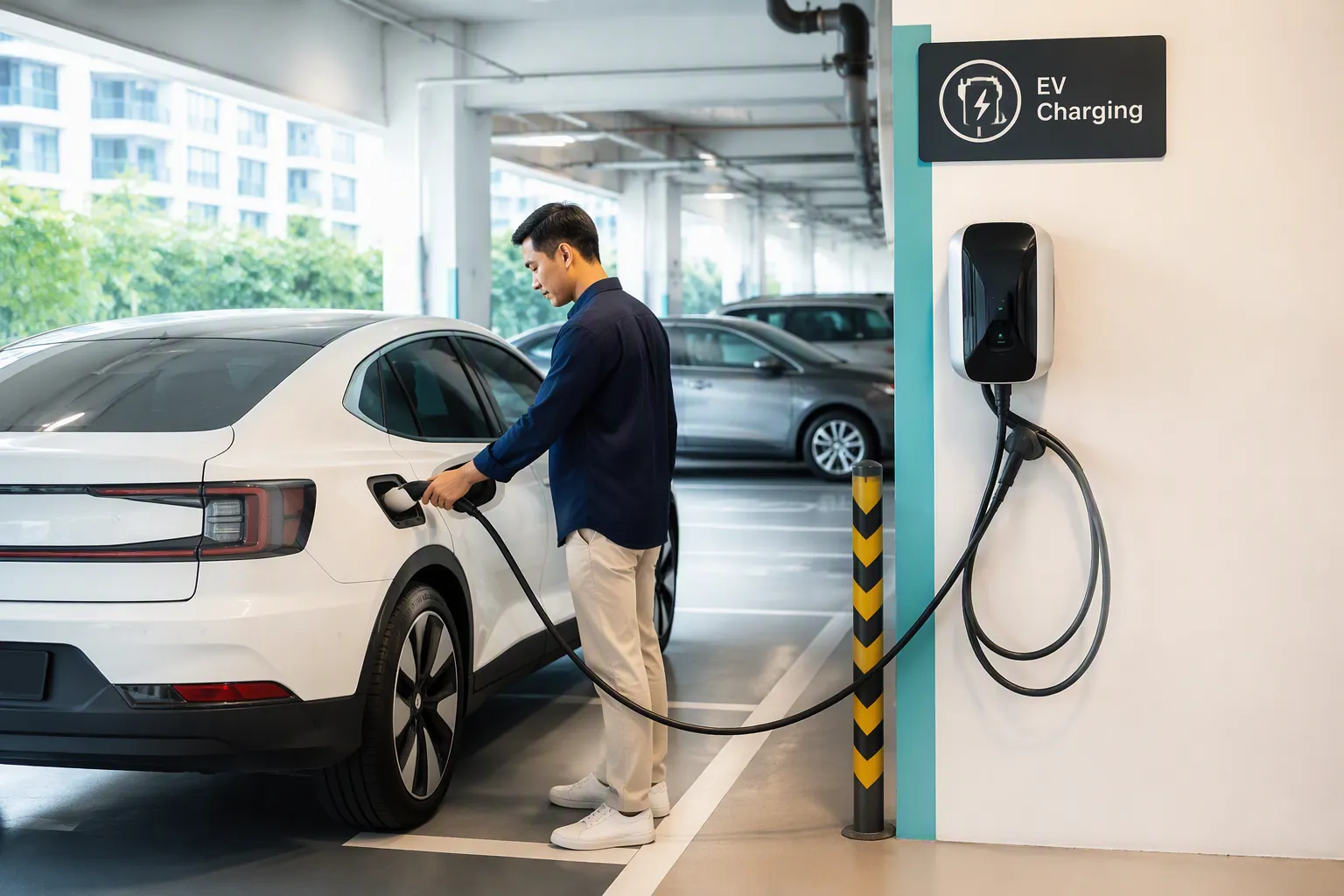
Les infrastructures de recharge de niveau 3 aux Philippines sont loin d'être prêtes pour une adoption massive des véhicules électriques. Les parties prenantes font face à plusieurs défis, notamment un nombre limité de stations publiques, une répartition inégale et des problèmes de fiabilité. Le marché Solutions de recharge pour véhicules électriques manque encore d'un accès généralisé à chargeurs ev portables et d'un soutien constant de la part de Fabricants de chargeurs de VE. Les infrastructures de recharge de niveau 3 jouent un rôle essentiel en permettant aux véhicules de parcourir de plus longues distances efficacement. Sans des réseaux robustes et une technologie Chargeur EV avancée, les Philippines ne peuvent pas pleinement soutenir le marché croissant des véhicules électriques.
- Les infrastructures de recharge de niveau 3 doivent se développer rapidement pour répondre à la demande future.
- Des options de bornes de recharge fiables et accessibles renforceront la confiance des consommateurs.
État actuel des infrastructures de recharge de niveau 3 aux Philippines
Nombre et croissance des bornes de niveau 3
Stations de recharge publiques
Le nombre de stations de recharge de véhicules électriques de niveau 3 aux Philippines a augmenté régulièrement ces dernières années. La plupart de ces stations de recharge publiques sont situées dans les grandes villes, avec de nouvelles installations apparaissant dans les centres commerciaux, les parkings et les complexes commerciaux. L'expansion de ces stations répond à la demande croissante du marché des véhicules électriques. Cependant, le nombre total reste faible par rapport aux besoins d'une adoption massive. De nombreux conducteurs ont encore du mal à trouver une borne de recharge rapide en dehors des zones urbaines clés. La portée limitée des infrastructure de recharge restreint la mobilité des véhicules électriques à travers le pays.
Installations privées et commerciales
Les entreprises privées et les propriétaires de biens commerciaux ont commencé à investir dans leurs propres stations de recharge de véhicules électriques de niveau 3. Les hôtels, les immeubles de bureaux et les opérateurs de flottes voient l'intérêt d'offrir des services de recharge à leurs employés et clients. Ces installations contribuent à compléter le réseau de recharge public, mais elles restent souvent réservées à certains utilisateurs. La croissance des stations privées est prometteuse, mais le manque d'accès ouvert limite leur impact sur le marché plus large des véhicules électriques. Les Philippines ont besoin de solutions plus inclusives pour garantir que tous les propriétaires de véhicules électriques bénéficient de l'expansion des infrastructures de recharge.
Répartition sur le marché des stations de recharge
Centres urbains et Metro Manila
La répartition des stations de recharge de véhicules électriques aux Philippines montre une concentration nette à Metro Manila et dans d'autres grands centres urbains. Metro Manila abrite à elle seule 80% des stations de recharge publiques du pays. Cette forte focalisation sur la région de la capitale crée un déséquilibre significatif dans les infrastructures de recharge. D'autres zones urbaines, comme Cebu et Davao, ont commencé à développer leurs propres réseaux, mais l'écart reste important. La concentration des stations à Metro Manila facilite la possession et l'utilisation de véhicules électriques pour les résidents, tandis que les conducteurs des autres villes font face à plus de défis.
- 80% des stations de recharge publiques du pays sont situées à Metro Manila.
- Les autres centres urbains sont à la traîne dans le développement des infrastructures de recharge.
Couverture provinciale et rurale
Les zones provinciales et rurales des Philippines ont un accès limité aux stations de recharge de véhicules électriques de niveau 3. La plupart des villes et petites agglomérations ne disposent même pas d'une seule borne de recharge rapide. Cette pénurie freine la croissance du marché des véhicules électriques en dehors des grandes régions métropolitaines. Les voyages longue distance en véhicule électrique restent difficiles, car les conducteurs ne peuvent pas compter sur un réseau de recharge fiable. La répartition inégale des stations souligne la nécessité d'investissements ciblés dans les zones mal desservies. Sans une couverture plus large, les infrastructures de recharge ne pourront pas soutenir l'adoption nationale des véhicules électriques.
Accessibilité et expérience utilisateur sur le marché des véhicules électriques
Systèmes de paiement et facilité d'utilisation
L'expérience utilisateur dans les stations de recharge de véhicules électriques aux Philippines varie considérablement. Certaines stations proposent des systèmes de paiement modernes, y compris des cartes sans contact et des applications mobiles. D'autres nécessitent encore des paiements manuels ou des cartes d'adhésion, ce qui peut dérouter les nouveaux utilisateurs. L'absence d'une plateforme de paiement unifiée crée des inconvénients pour les conducteurs qui voyagent entre différents réseaux de recharge. Améliorer l'intégration des paiements contribuera à rendre les infrastructures de recharge plus accessibles et conviviales pour tous sur le marché des véhicules électriques.
Disponibilité aux heures de pointe et temps d'attente
L'engorgement aux heures de pointe dans les stations de recharge de véhicules électriques populaires est devenu une préoccupation croissante à Metro Manila et dans d'autres zones très fréquentées. Les conducteurs rencontrent souvent de longs temps d'attente en soirée et le week-end. Le nombre limité de bornes de niveau 3 ne peut pas toujours répondre à la demande croissante des véhicules électriques. Dans les régions moins peuplées, les stations peuvent rester inactives pendant de longues périodes, mais dans les centres urbains, une utilisation intensive entraîne frustration. Résoudre ces problèmes nécessitera à la fois d'étendre le réseau de recharge et d'optimiser la gestion des stations pour équilibrer l'offre et la demande.
Fiabilité et maintenance des infrastructures de recharge
Temps de fonctionnement et interruptions de service
La fiabilité est la pierre angulaire de tout réseau de recharge réussi. Aux Philippines, les stations de recharge de niveau 3 ont souvent du mal à maintenir un temps de fonctionnement élevé. De nombreux utilisateurs signalent des interruptions de service fréquentes, qui peuvent perturber les plans de voyage et réduire la confiance dans les véhicules électriques. Les opérateurs suivent le temps de fonctionnement comme indicateur clé de performance, mais plusieurs facteurs peuvent provoquer des pannes inattendues.
- Instabilité de l'alimentation électrique: Le réseau local fournit parfois une électricité irrégulière, entraînant des arrêts soudains.
- Dysfonctionnements matériels: Les bornes peuvent connaître des défauts au niveau des connecteurs, des systèmes de refroidissement ou des logiciels, les rendant hors service.
- Problèmes de connectivité réseau: Certaines stations dépendent de connexions Internet pour le traitement des paiements et la surveillance. Lorsque la connectivité est perdue, la station peut devenir inutilisable.
Remarque : Une seule borne hors service peut créer de longues files d'attente et des inconvénients pour de nombreux conducteurs, en particulier dans les zones où les alternatives sont limitées.
Le tableau ci-dessous résume les causes courantes d'interruptions de service et leur impact :
| Cause de l'interruption | Fréquence | Impact sur les utilisateurs |
|---|---|---|
| Pannes de courant | Haut | Retards de recharge, perturbations des trajets |
| Défaillances matérielles | Moyen | Indisponibilité de la station, problèmes de sécurité |
| Problèmes logiciels/réseau | Moyen | Échecs de paiement, problèmes d'accès |
Les opérateurs doivent résoudre ces problèmes rapidement pour maintenir la confiance des utilisateurs. Un temps de fonctionnement constant encourage davantage de conducteurs à adopter les véhicules électriques et à compter sur les infrastructures de recharge publiques.
Pratiques et défis de maintenance
Une maintenance efficace garantit que les stations de recharge restent opérationnelles et sûres. Aux Philippines, les pratiques de maintenance varient considérablement selon les opérateurs. Certaines entreprises suivent des calendriers stricts d'inspections et de réparations, tandis que d'autres n'interviennent qu'en cas de problème.
Les principales activités de maintenance comprennent :
- Inspections de routine: Les techniciens vérifient l'usure ou les dommages sur les connecteurs, câbles et écrans.
- Mises à jour du logicielMises à jour logicielles.
- : Les opérateurs installent de nouveaux micrologiciels pour corriger des bogues et améliorer les performances.Nettoyage et contrôles de sécurité.
: Le personnel enlève les débris et teste les systèmes d'arrêt d'urgence.
- Malgré ces efforts, plusieurs défis persistent :Pénurie de techniciens qualifiés.
- : Le pays manque de personnel formé pour entretenir les équipements de recharge avancés. Cette pénurie entraîne des temps de réparation plus longs et des indisponibilités prolongées des stations.Accès limité aux pièces de rechange.
- : Les retards d'importation et les problèmes de chaîne d'approvisionnement peuvent ralentir les réparations, en particulier pour les composants spécialisés.: Not all operators follow the same protocols, resulting in uneven service quality across the network.
Conseil : Regular training programs and partnerships with EV charger manufacturers can help build local expertise and improve maintenance outcomes.
Operators who invest in proactive maintenance reduce the risk of unexpected failures. Reliable charging stations support the growth of the electric vehicle market and help build consumer confidence in new technology.
Gaps and Obstacles in Charging Infrastructure for Mass EV Adoption
Geographic Imbalance in the Philippines
Disparités entre zones urbaines et rurales
The charging infrastructure in the Philippines displays a clear geographic imbalance. Most stations concentrate in Metro Manila, leaving rural and provincial areas underserved. This uneven distribution creates significant barriers for EV users outside urban centers. Many drivers in rural regions experience range anxiety because they cannot find reliable charging points for their cars. The lack of stations in provinces limits the practicality of electric vehicles and discourages ownership.
- Le concentration of charging stations is primarily in Metro Manila.
- This geographic imbalance creates barriers for EV users in rural areas, leading to range anxiety.
- Limited access to charging facilities in provinces restricts the practicality of EVs for long-distance travel.
Impact sur les voyages à longue distance
Drivers who wish to travel long distances across the Philippines face challenges due to the sparse network of level 3 stations. The absence of charging infrastructure along major highways and provincial routes makes it difficult for cars to complete journeys without interruption. Many EV owners must plan routes carefully and avoid certain areas, reducing the appeal of electric vehicles for intercity travel. The current network does not support mass adoption outside major cities.
Supply and Demand Mismatch in the Charging Station Market
Current Utilization and Bottlenecks
The rapid increase in EV ownership has led to higher utilization rates at existing stations. In Metro Manila, drivers often encounter bottlenecks during peak hours, with long queues and extended wait times. The limited number of infrastructure de recharge options cannot keep pace with the growing number of electric vehicles. This mismatch between supply and demand reduces convenience and slows the transition to cleaner transportation.
Projected Growth in the Electric Vehicle Market
EV growth in the Philippines is accelerating. Sales of electric vehicles are expected to rise from 4,000 units in 2024 to 20,000 units in 2025. Government policies, such as the Electric Vehicle Industry Development Act (EVIDA), have removed import duties on EVs, making them more accessible. The government plans to expand the charging network to 7,300 stations by 2028. Achieving this goal will require tripling the current deployment rate to meet the rising demand for charging infrastructure and support mass adoption.
- The Philippine electric vehicle market is projected to grow significantly, with sales increasing from 4,000 units in 2024 to 20,000 units in 2025, indicating a five-fold increase.
- This growth is supported by government policies, particularly the Electric Vehicle Industry Development Act (EVIDA), which has removed import duties on EVs, enhancing accessibility.
- The government plans to expand the charging network to 7,300 stations by 2028, which requires tripling the current deployment rate to meet the rising demand for charging infrastructure.
Technical and Operational Challenges in Charging Infrastructure
Power Grid Limitations
Operators of charging infrastructure in the Philippines report frequent power grid limitations. Many stations experience unstable electricity supply, which leads to service interruptions and unreliable charging experiences for EV owners. The local grid must upgrade to handle the increased load from electric vehicles and ensure consistent service for all users.
Compatibility with Different EV Models
Technical challenges also arise from the need to support various EV models. Charging stations must integrate multiple hardware and software standards to accommodate different cars. Operators face difficulties in managing firmware updates, real-time monitoring, and fault detection across a diverse network.
| Challenge Description |
|---|
| Integrating multiple station types (OCPP compliance) |
| Handling large-scale charging networks with real-time monitoring |
| Managing firmware updates and complex fault-detection logic |
These operational hurdles slow the expansion of charging infrastructure and limit the reliability of services for electric vehicles. Addressing these issues will help the Philippines build a robust network that supports future EV growth.
Maintenance and Reliability Issues in the Philippines
Downtime and Repair Delays
Downtime remains a major concern for level 3 charging infrastructure in the Philippines. Many charging stations experience frequent outages. These outages disrupt travel plans and reduce trust in the electric vehicle ecosystem. Operators often struggle to restore service quickly. Delays in repairs can last from several hours to even weeks, especially in less accessible areas.
Several factors contribute to these delays:
- Limited spare parts: Importing specialized components takes time. Local suppliers rarely stock advanced charger parts.
- Slow response times: Service teams sometimes need to travel long distances to reach malfunctioning stations.
- Inconsistent maintenance schedules: Some operators lack regular inspection routines. Problems go unnoticed until users report them.
Remarque : Prolonged downtime at a single station can create a ripple effect. Drivers may crowd nearby stations, causing longer wait times and increased frustration.
The table below highlights common causes of downtime and their typical repair durations:
| Cause d'indisponibilité | Typical Repair Duration |
|---|---|
| Problèmes d'alimentation électrique | 1-3 days |
| Défaillances matérielles | 2-7 days |
| Software malfunctions | 1-2 jours |
| Network connectivity | 1-3 days |
Operators who invest in preventive maintenance reduce the risk of unexpected failures. They also improve the reliability of the charging network.
Shortage of Skilled Technicians
The Philippines faces a shortage of skilled technicians who can service and maintain level 3 charging stations. This shortage slows down repairs and increases the risk of prolonged outages. Many technicians lack experience with high-voltage systems and advanced charger technology.
Les principaux défis incluent :
- Limited training programs: Few institutions offer specialized courses for EV charger maintenance.
- High demand for skilled labor: The rapid growth of the EV market outpaces the supply of qualified technicians.
- Retention issues: Skilled workers often seek better opportunities abroad or in other industries.
Conseil : Companies can partner with technical schools and EV charger manufacturers to develop training programs. These programs help build a local talent pool and ensure faster response times for repairs.
A strong workforce of trained technicians supports the reliability of the charging infrastructure. It also builds confidence among EV owners and encourages more people to consider electric vehicles.
Government Policies and Initiatives Shaping the Charging Infrastructure
National Targets and Roadmaps for the Electric Vehicle Market
EV Industry Development Act (EVIDA)
The Philippine government has taken significant steps to accelerate the adoption of electric vehicles. The EV Industry Development Act (EVIDA) sets a clear framework for expanding the infrastructure de recharge. This law provides incentives for both consumers and businesses, making electric vehicles more accessible and affordable. The act encourages companies to invest in the charging station market by offering tax breaks and other benefits.
| Type d'incitation | Description |
|---|---|
| Excise Tax Exemption | EVs are exempt from excise tax until 2030, encouraging more purchases. |
| Import Duty Reductions | Selected EVs have reduced import tariffs, lowering costs for consumers. |
| Value-Added Tax (VAT) Relief | Certain EV categories receive VAT reductions, making them more affordable. |
| Corporate Incentives | Businesses can deduct expenses for charging infrastructure investments. |
EVIDA also requires new buildings and developments to include charging stations, ensuring that future infrastructure supports the growing number of EVs in the Philippines.
National Charging Infrastructure Plans
The government has outlined ambitious plans to expand the network of charging stations nationwide. These plans focus on increasing the number of level 3 stations in both urban and rural areas. The roadmap aims to address the current gaps in the charging infrastructure and support the projected growth of the EV market. By setting clear targets, the government demonstrates strong policy support for sustainable transportation.
Incentives and Support for the Charging Station Market
Tax Breaks and Subsidies
Government policy support includes a range of tax breaks and subsidies for companies investing in the charging station market. These incentives lower the cost of installing new stations and encourage private sector participation. Businesses can benefit from reduced taxes and financial assistance, making it easier to expand the charging network across the Philippines.
Grants for Charging Station Deployment
The government also offers grants to accelerate the deployment of charging stations. These grants help cover installation costs and promote the use of advanced technology from providers like TPSON. By supporting both public and private projects, the government ensures that more communities gain access to reliable EV charging options.
Public-Private Partnerships in the Philippines
Collaboration with Private Sector
Public-private partnerships play a vital role in building the charging infrastructure. The government works closely with private companies to develop and operate new stations. This collaboration brings together expertise, investment, and innovation. Companies like TPSON contribute advanced solutions that improve the reliability and efficiency of charging stations.
International Investments and Aid
International organizations have provided significant funding to support the development of charging infrastructure in the Philippines. These investments help overcome barriers to EV adoption and promote climate goals.
| Organization | Investment Amount | Objectif |
|---|---|---|
| Asian Development Bank (ADB) | $100 million | Establishing electric vehicle charging stations and procuring electric vehicles |
| Canadian Climate and Nature Fund for the Private Sector in Asia (CANPA) | N/A | Overcoming barriers to EV adoption and supporting climate goals |
These partnerships and investments strengthen the foundation for mass EV adoption and ensure that the Philippines can meet its sustainability targets.
Regulatory and Standards Development for Charging Infrastructure
Charging Standards and Interoperability
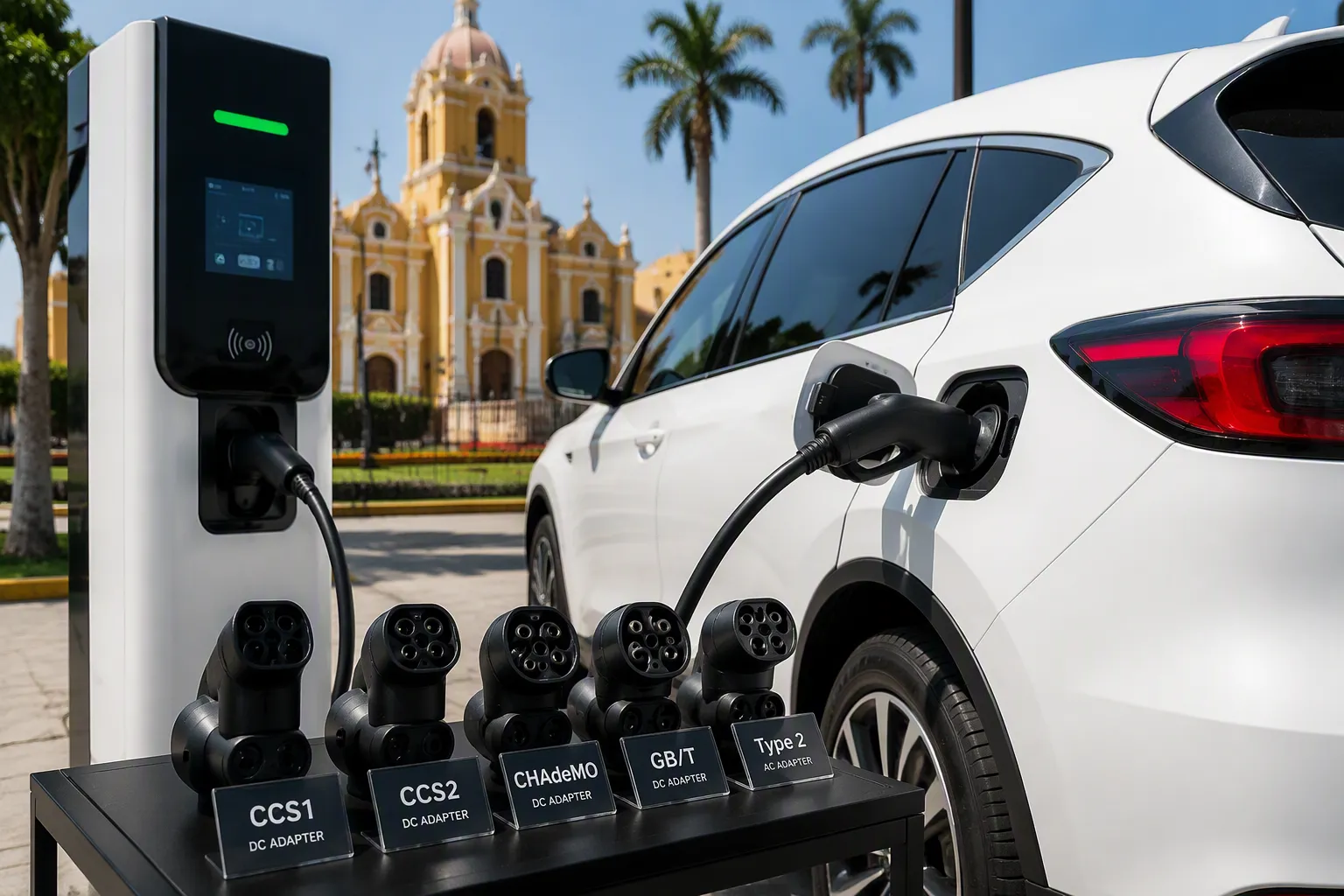
Charging standards play a crucial role in the growth of the electric vehicle market in the Philippines. The government and industry leaders recognize the need for unified protocols to ensure that all EVs can access charging stations without compatibility issues. The most common standards in the country include CHAdeMO, CCS (Combined Charging System), and GB/T. Each standard supports different vehicle brands and models.
Operators face challenges when stations support only one or two standards. Drivers may arrive at a station and discover that their vehicle cannot connect. This situation creates frustration and limits the usefulness of the charging network. To address this, policymakers encourage the installation of multi-standard chargers. These chargers can serve a wider range of vehicles and help bridge the gap between different manufacturers.
Conseil : Multi-standard charging stations improve user experience and support the transition to mass EV adoption.
A table below summarizes the main charging standards in the Philippines:
| Standard | Supported Brands | Puissance de sortie typique |
|---|---|---|
| CHAdeMO | Nissan, Mitsubishi | Up to 62.5 kW |
| CCS | BMW, Hyundai, Kia | Jusqu'à 350 kW |
| GB/T | BYD, some Chinese EVs | Up to 237.5 kW |
Interoperability also extends to payment systems and network access. Some operators use proprietary apps or RFID cards, while others accept contactless payments. The lack of a unified system can confuse users and slow adoption. Industry groups and government agencies work together to develop common protocols for authentication and billing. These efforts aim to create a seamless charging experience for all EV owners.
Safety and Environmental Regulations
Safety regulations protect users and ensure that charging stations operate reliably. The Department of Energy (DOE) and the Department of Trade and Industry (DTI) set guidelines for the installation and operation of EV chargers. These guidelines cover electrical safety, fire prevention, and emergency response procedures. Operators must follow strict inspection routines and maintain clear signage at each station.
Environmental regulations focus on minimizing the impact of charging infrastructure on local communities. Authorities require proper disposal of electronic waste and encourage the use of energy-efficient equipment. Some projects integrate renewable energy sources, such as solar panels, to reduce carbon emissions.
- Key safety requirements include:
- Protection contre les défauts à la terre
- Protection contre les surintensités
- Emergency shutoff switches
Remarque : Compliance with safety and environmental standards builds public trust and supports the long-term success of the EV market.
Regulatory agencies continue to update standards as technology evolves. They consult with industry experts and international partners to align local rules with global best practices. This approach ensures that the Philippine charging infrastructure remains safe, reliable, and environmentally responsible.
Strategies and Solutions to Strengthen Level 3 Charging Infrastructure
Expanding the Charging Station Market Nationwide
Priorité aux zones mal desservies
The Philippines must address the uneven distribution of EV charging stations. Many rural and provincial regions lack access to fast charging. Policymakers and industry leaders should prioritize these underserved areas. By mapping current gaps, stakeholders can identify locations where new stations will have the greatest impact. Local governments can offer incentives to encourage private investment in these regions. Expanding coverage will help reduce range anxiety and support broader adoption of EVs.
Integrating Charging with Key Transport Hubs
Strategic placement of stations at transport hubs can transform the EV landscape. Airports, seaports, and major bus terminals serve as logical sites for high-capacity chargers. These locations see heavy vehicle traffic and connect urban centers with outlying communities. Integrating charging infrastructure into these hubs supports long-distance travel and strengthens electric mobility systems. Travelers can recharge while waiting for connections, making EVs more practical for daily use and intercity journeys.
Improving Reliability and Maintenance in the Philippines
Establishing Service Level Agreements
Operators can boost reliability by adopting clear service level agreements (SLAs). These agreements define expectations for station performance and maintenance. Key elements of effective SLAs include:
- Comprehensive maintenance plans that outline regular inspections and secure storage of equipment.
- Clear assignment of responsibilities for maintenance costs.
- Specific response times for repairs and guaranteed uptime targets.
SLAs ensure that all parties understand their roles. Regular maintenance reduces unexpected outages and keeps stations operational for EV drivers.
Training and Certifying Technicians
A skilled workforce is essential for reliable charging infrastructure. Training programs should focus on high-voltage systems and advanced charger technology. Certification ensures technicians meet industry standards. Partnerships with technical schools and charger manufacturers can help build local expertise. Well-trained technicians respond quickly to issues and minimize downtime at stations.
Enhancing User Experience in the Electric Vehicle Market
Unified Payment and Access Systems
A seamless payment experience encourages more people to use EVs. Operators should develop unified payment platforms that work across different networks. Drivers benefit from using a single card or app at all stations. This approach reduces confusion and simplifies the charging process. Consistent access systems also support tourists and new EV owners.
Real-Time Availability Information
Real-time data improves convenience for EV drivers. Mobile apps and online maps can display station status, availability, and wait times. Drivers plan trips more efficiently when they know which stations are operational. Accurate information helps avoid unnecessary detours and reduces frustration during peak hours.
Tip: Real-time updates and unified payment systems make EV charging as easy as refueling a traditional vehicle.
Encouraging Investment and Innovation in Charging Infrastructure
Financial Incentives for Private Operators
Private operators play a crucial role in expanding the charging station market in the Philippines. The government recognizes this and offers several financial incentives to encourage participation. These incentives reduce the initial costs of installing and operating level 3 charging stations. Tax holidays, reduced import duties on charging equipment, and access to low-interest loans help private companies manage their investments more effectively.
Many operators also benefit from grants that cover a portion of installation expenses. These grants often target projects in underserved areas, ensuring that rural and provincial communities receive attention. The government sometimes provides performance-based rewards for operators who maintain high uptime and service quality. This approach motivates companies to prioritize reliability and customer satisfaction.
Conseil : Private operators should explore available government programs and collaborate with local authorities to maximize benefits.
A summary of common financial incentives includes:
| Type d'incitation | Description |
|---|---|
| Tax Holidays | Exemption from certain taxes for a set period |
| Import Duty Reductions | Lower tariffs on imported charging equipment |
| Grants | Direct funding for installation and expansion |
| Prêts à faible taux d'intérêt | Favorable financing terms for infrastructure |
These incentives create an attractive investment opportunity for businesses looking to enter the charging infrastructure sector.
Supporting Local Manufacturing and R&D
Innovation drives the long-term success of the electric vehicle market. The Philippines can strengthen its charging infrastructure by supporting local manufacturing and research and development (R&D). Local production of charging equipment reduces dependence on imports and shortens supply chains. This approach also creates jobs and builds technical expertise within the country.
Government agencies and industry groups encourage partnerships between universities, research centers, and private companies. These collaborations focus on developing advanced charging technologies, improving energy efficiency, and integrating renewable energy sources. Some programs offer funding for pilot projects and prototype development.
- Local manufacturing ensures faster access to spare parts and technical support.
- R&D investments lead to new solutions tailored to the Philippine market.
- Collaboration fosters knowledge transfer and workforce development.
Note: Supporting innovation not only improves infrastructure but also positions the Philippines as a regional leader in electric mobility technology.
By combining financial incentives for private operators with robust support for local manufacturing and R&D, the Philippines can accelerate the growth and reliability of its charging infrastructure.
What Needs to Happen Next for Mass EV Adoption in the Philippines
Short-Term Priorities for Charging Infrastructure
Addressing Immediate Gaps
Stakeholders in the Philippines must address immediate gaps in infrastructure de recharge to support the growing number of EVs. Many areas still lack reliable fast chargers, especially outside major cities. Operators should map underserved regions and deploy new stations where demand for electric vehicles is rising. Local governments can offer incentives to private companies that install chargers in these locations. Quick wins include upgrading existing stations for better uptime and ensuring that all new installations meet national standards. These steps will help more drivers trust their cars for daily commutes and longer trips.
Raising Public Awareness
Public awareness remains a key factor in accelerating EV adoption. Many Filipinos still have limited knowledge about the benefits of electric vehicles and the availability of charging options. Industry leaders and government agencies should launch information campaigns that highlight the advantages of EVs, such as lower operating costs and reduced emissions. Schools and community centers can host workshops or demonstrations to show how charging infrastructure works. Social media and local news outlets can share success stories from early adopters. Increased awareness will encourage more people to consider EVs as a practical choice for their next cars.
Long-Term Vision for the Electric Vehicle Market
Building a Future-Proof Network
The Philippines needs a future-proof network that can handle the rapid growth of electric vehicles. Planners should design charging infrastructure with scalability in mind. This means installing stations that support higher power levels and multiple charging standards. Operators can use modular systems that allow for easy upgrades as technology evolves. A robust network will ensure that EV drivers experience minimal wait times, even as the number of cars increases. Regular reviews and data analysis will help identify new trends and guide further expansion.
A future-proof network supports both current and next-generation EVs, making sustainable transport a reality for everyone.
Intégration des sources d'énergie renouvelables
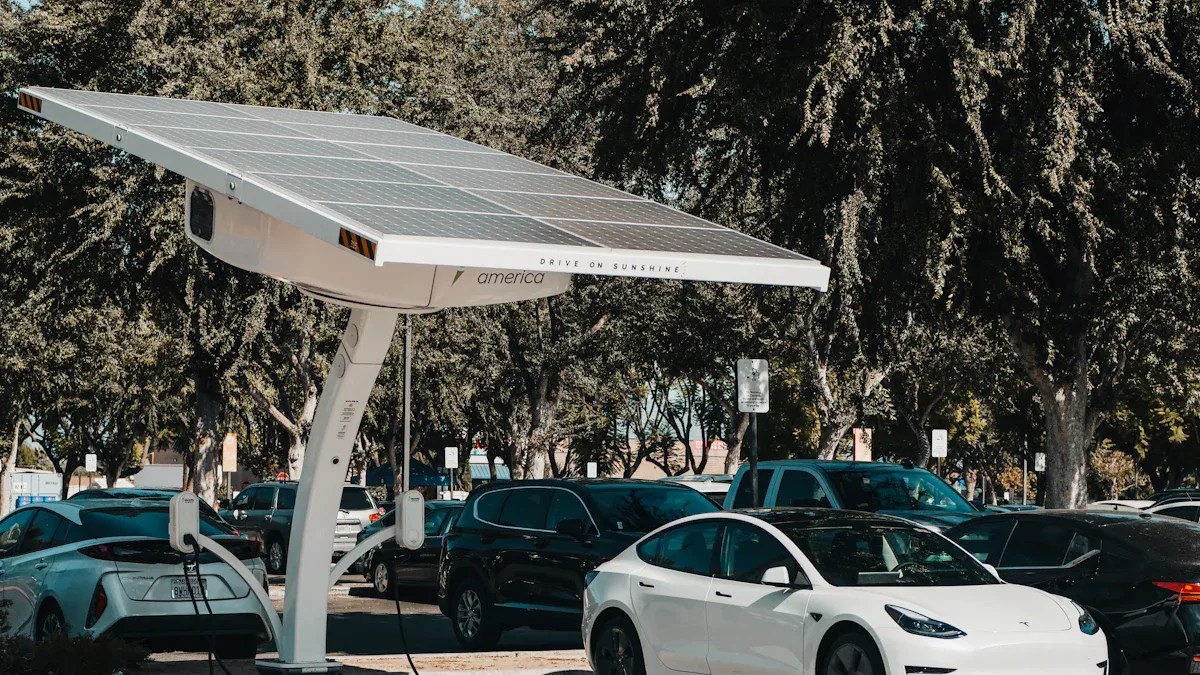
Integrating renewable energy sources into charging infrastructure will strengthen the country’s commitment to sustainable transport. Solar panels and wind turbines can supply clean power to charging stations, reducing reliance on fossil fuels. Operators can partner with local energy providers to create microgrids that store excess energy for use during peak hours. This approach lowers the carbon footprint of electric vehicles and helps stabilize the national grid. Over time, renewable integration will make EV charging more affordable and environmentally friendly across the Philippines.
The level 3 charging infrastructure in the Philippines remains unprepared for mass EV adoption. Major gaps include limited rural coverage, inconsistent reliability, and a shortage of skilled technicians. Stakeholders must focus on expanding the network, improving maintenance, and integrating renewable energy. Key strategies involve prioritizing underserved regions and standardizing user experience. Collaboration among government, private operators, and communities will help the Philippines build a robust electric vehicle market.
- The Philippines needs urgent action to close infrastructure gaps.
- A united effort will drive sustainable mobility across the Philippines.
FAQ
What is a Level 3 charging station?
A Level 3 charging station, also known as DC fast charging, delivers high-voltage electricity directly to an electric vehicle’s battery. This technology charges most EVs up to 80% in 30 minutes or less.
How many Level 3 charging stations exist in the Philippines?
As of 2024, the Philippines has fewer than 200 public Level 3 charging stations. Most of these stations operate in Metro Manila and other major cities.
Tous les véhicules électriques peuvent-ils utiliser les chargeurs de niveau 3 ?
Not all EVs support Level 3 charging. Compatibility depends on the vehicle’s onboard charging system and connector type. Drivers should check their vehicle’s manual or consult the manufacturer.
How much does it cost to use a Level 3 charging station?
Les coûts de charge varient by operator and location. On average, users pay between ₱15 and ₱25 per kilowatt-hour. Some stations offer membership discounts or special rates for fleet operators.
Are Level 3 charging stations safe to use during heavy rain?
Les opérateurs conçoivent les bornes de recharge de niveau 3 avec des boîtiers étanches et des dispositifs de sécurité. Ces stations restent sûres pendant de fortes pluies lorsque les utilisateurs suivent les procédures appropriées et utilisent un équipement certifié.
Que doivent faire les conducteurs si une borne de recharge est hors service ?
Les conducteurs doivent vérifier l'état en temps réel des stations via des applications mobiles ou des cartes en ligne. Si une station est hors service, ils peuvent localiser l'alternative la plus proche ou contacter la ligne d'assistance de l'opérateur.
Le gouvernement offre-t-il des incitations pour l'installation de bornes de recharge de niveau 3 ?
Le gouvernement philippin propose des allégements fiscaux, des subventions et une réduction des droits d'importation aux entreprises installant des bornes de recharge de niveau 3. Ces incitations visent à accélérer le développement des infrastructures à l'échelle nationale.
Les énergies renouvelables peuvent-elles alimenter les bornes de recharge de niveau 3 ?
Oui, les opérateurs peuvent intégrer des panneaux solaires ou d'autres sources renouvelables aux bornes de recharge de niveau 3. Cette approche réduit les émissions de carbone et soutient les objectifs de durabilité du pays.