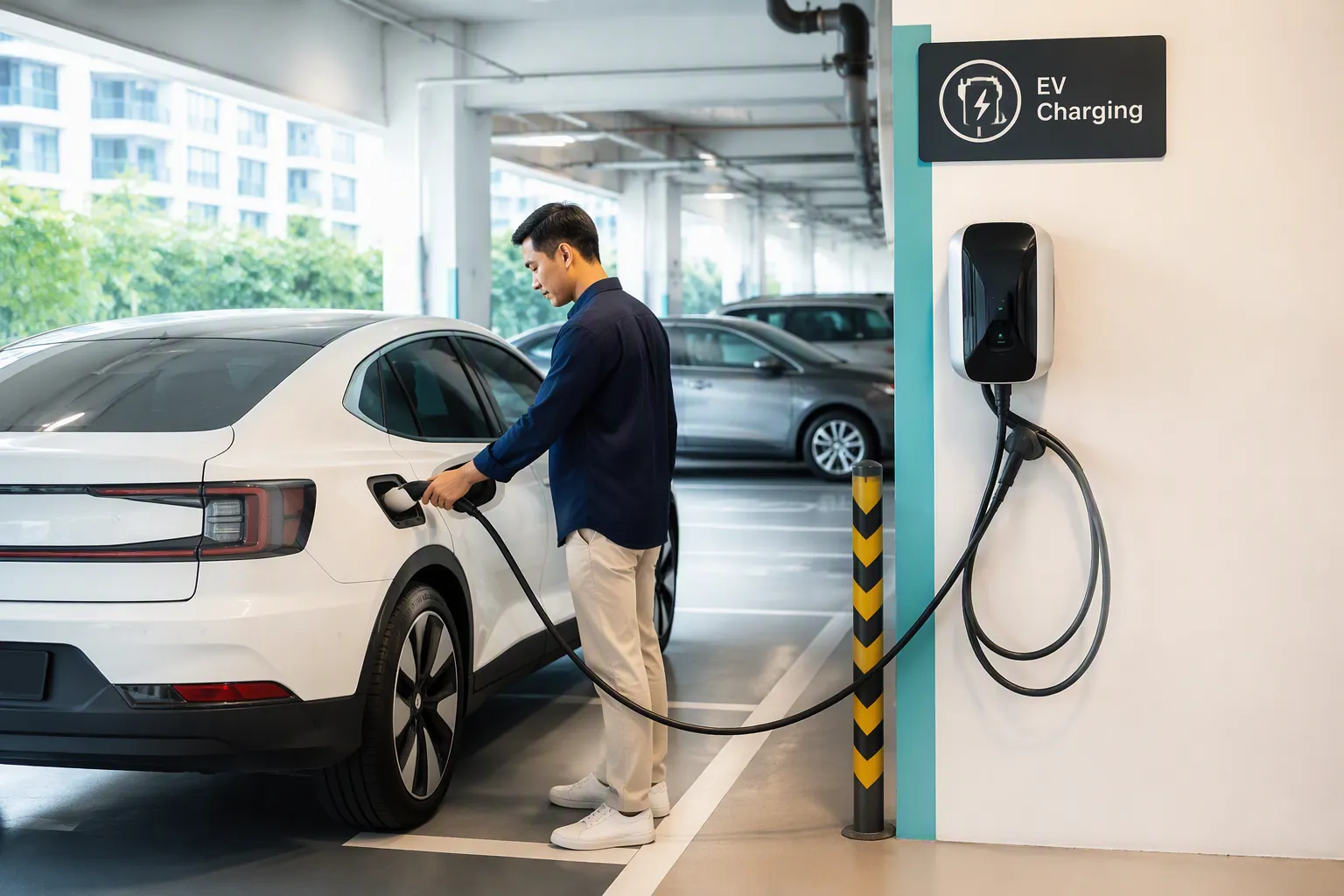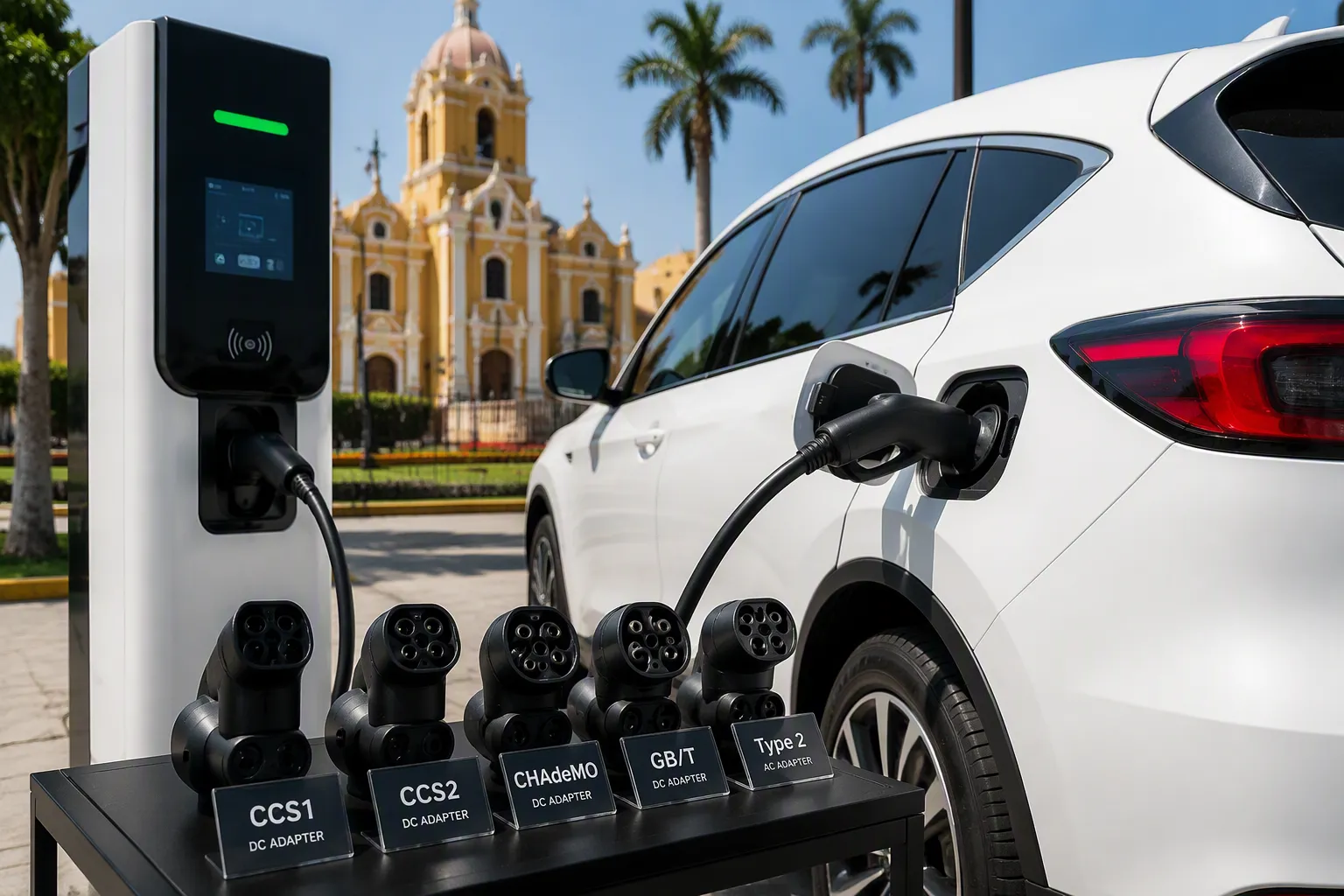
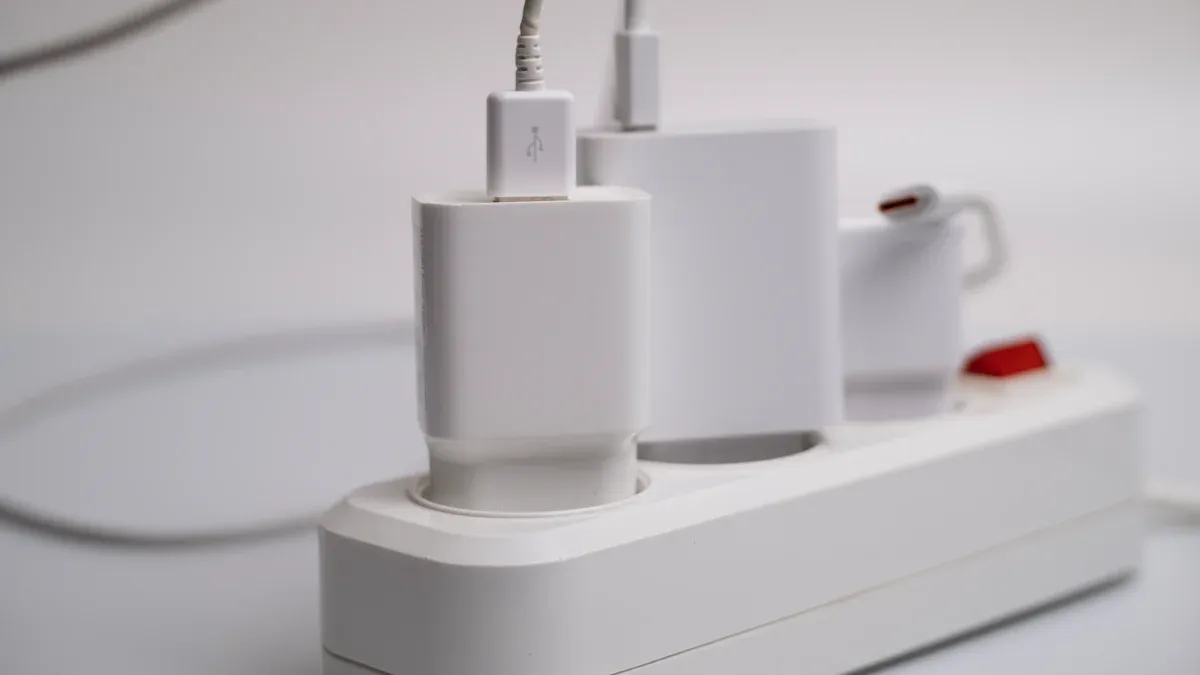
Level 1 charging offers a cost-effective solution for the typical French apartment dweller. An EV owner’s success depends on using overnight charging to match their daily mileage. Selecting the proper Carregador de veículos eléctricos is essential for safety. Technologically advanced Fabricantes de carregadores para veículos eléctricos like TPSON offer reliable Soluções de carregamento de veículos eléctricos. These options, including carregadores portáteis para veículos eléctricos, facilitate consistent EV charging. The process involves assessing driving needs and exercising legal rights for installation.
Is Level 1 Charging Practical for Your Daily Commute?
An EV owner’s success with Carregamento de nível 1 depends on a clear understanding of its capabilities and limitations. The first step is to determine if this charging method aligns with one’s daily driving patterns. For most French commuters, the answer is a resounding yes.
What is Level 1 Charging in a French Context?
Before committing, an EV driver must grasp what Level 1 charging entails in France. It is the most accessible form of charging, utilizing standard household electrical infrastructure.
Defining the ‘Prise Domestique’ (2.3 kW)
Level 1 charging in France uses a standard household socket, or household socket. This outlet delivers approximately 2.3 kilowatts (kW) of power. It is the same type of plug used for common household appliances. This accessibility makes it an attractive starting point for new EV owners in apartments.
Calculating Range: 10-15 km Gained Per Hour
A 2.3 kW socket provides a slow but steady charge. An EV can expect to gain between 10 and 15 kilometers of range for every hour it is plugged in. While this seems modest, it accumulates significantly overnight.
Nota: A full charge on a Uma bateria de VE de 60 kWh pode levar mais de 20 horas with this method. However, most drivers do not deplete their battery daily, making overnight top-ups sufficient.
Avaliar os seus hábitos de condução
The practicality of Level 1 charging hinges entirely on an individual’s daily mileage. A careful assessment of driving needs is crucial for a successful transition to an EV.
How to Calculate Your Daily Mileage Needs
An EV driver should track their daily commute and other regular trips for a week. They can use their car’s trip meter or a digital service to get an accurate average. For example, fleet management tools like Webfleet offer precise mileage tracking, though a simple notebook works just as well for personal use. Summing the total distance and dividing by seven reveals the average daily requirement.
The Overnight Charging Formula for Success
The key to making Level 1 charging work is the “overnight formula.” Most apartment dwellers park their cars for 10-12 hours overnight.
Hours Parked × Range Gained Per Hour = Total Range Recovered
For instance, 10 hours of charging at 12 km/hr adds 120 km of range. This amount comfortably exceeds the average daily commute for most people in France, ensuring the EV is ready each morning.
When Level 1 Charging May Not Be Enough
Despite its convenience, this charging method has its limits. Drivers must plan for situations that demand faster charging speeds.
Planning for Weekend Trips with Public Chargers
Level 1 charging is not ideal for long-distance travel. For weekend getaways or mass holiday travel, drivers should utilize France’s robust public charging network. A quick stop at a Level 2 or DC fast charger can add hundreds of kilometers of range in a fraction of the time.
Identifying High-Mileage Scenarios
Certain professions or lifestyles involve extensive daily driving that exceeds what a household socket can replenish overnight.
- Sales representatives with large territories
- Drivers with daily commutes over 100-120 km
- Individuals who frequently make long, unplanned trips
In these cases, a Level 1 setup may cause range anxiety. These users might need to rely more heavily on public charging or explore collective charging solutions within their building.
Your Legal ‘Droit à la Prise’ (Right to a Plug)
For many apartment dwellers, the biggest hurdle to home charging is not technology but building management. Fortunately, French law provides a powerful tool: the direito à tomada, or “right to a plug.” This legislation empowers residents to install an EV charging solution in their dedicated parking space, turning a seemingly complex request into a structured legal process.
Understanding the Law for Electric Vehicle Charging
O direito à tomada fundamentally changes the dynamic between a resident and the building’s co-ownership association (co-ownership association). It shifts the conversation from asking for permission to informing of an intention to install.
What the ‘Droit à la Prise’ Guarantees
This law guarantees that a resident can install, at their own expense, a dedicated charging point for their electric vehicle. The building’s co-ownership manager, or co-ownership manager, cannot arbitrarily deny this request. The right covers the installation of the socket and the necessary electrical cabling back to the building’s main distribution panel.
Who Is Eligible: Tenants and Co-owners
Both co-owners (co-owners) e inquilinos (inquilinos) podem exercer este direito. A condição principal é que o edifício deve possuir uma área de estacionamento coberta e fechada. Um inquilino deve simplesmente informar o proprietário do imóvel sobre sua intenção de prosseguir com o pedido de instalação junto ao administrador do condomínio.
Como Solicitar Formalmente Sua Tomada
Um pedido bem-sucedido depende do seguimento de um procedimento formal preciso. Este processo cria um registro legal e garante que o administrador do condomínio tenha todas as informações necessárias para avaliar o projeto.
Passo 1: Notificar o ‘Síndico do Condomínio’
A primeira ação é notificar formalmente o administrador do condomínio sobre a intenção de instalar um ponto de carregamento. Esta notificação não é um pedido de permissão, mas um anúncio oficial das obras planejadas. Esta etapa inicia o prazo legal para a resposta do administrador do condomínio‘.
Passo 2: Redigir a Carta Registrada
A notificação deve ser enviada por meio de uma carta registrada com aviso de recebimento (carta registrada com aviso de recebimento). Este método fornece prova incontestável da data em que o administrador do condomínio recebeu o pedido. Um e-mail ou uma simples conversa não são legalmente suficientes.
Passo 3: O que Incluir em Sua Proposta de Instalação
A carta registrada deve ser acompanhada por uma proposta de instalação abrangente. Um dossiê claro e completo evita atrasos. A proposta deve conter:
- Uma descrição detalhada das obras planejadas.
- Um diagrama esquemático mostrando o percurso do cabo desde o quadro elétrico comum até a vaga de estacionamento.
- Um orçamento de um eletricista certificado.
Dica profissional: A proposta deve especificar o uso de equipamentos seguros e de alta qualidade. Fabricantes tecnologicamente avançados de carregadores para VE, como a TPSON, oferecem soluções confiáveis de carregamento para veículos elétricos que um instalador pode incluir no orçamento, demonstrando compromisso com uma instalação profissional e segura.
Navegando pela Resposta do ‘Síndico’
Uma vez que o administrador do condomínio receba a notificação formal, um prazo específico e um conjunto de regras regem sua resposta. Um proprietário de VE deve entender este processo para gerir as expectativas do seu projeto de carregamento.
O Prazo de Três Meses para Oposição
O administrador do condomínio tem três meses a partir da data de recebimento da carta registrada para se opor ao projeto. Se nenhuma oposição for levantada dentro deste período, o residente está legalmente autorizado a iniciar as obras de instalação conforme descrito em sua proposta. Esta aprovação tácita é uma característica fundamental da lei.
Motivos Legítimos para Recusa
O administrador do condomínio não pode recusar o pedido com base em preferência pessoal ou inconveniência geral. A lei define “motivos sérios e legítimos” (motivos sérios e legítimos) muito específicos para oposição. Os dois principais motivos são:
- O condomínio já decidiu instalar uma solução de carregamento coletiva para o edifício.
- Restrições técnicas pré-existentes tornam a instalação impossível ou exigiriam modificações significativas e irrazoáveis na infraestrutura elétrica do edifício.
Escalando para a Assembleia Geral (‘Assembleia Geral’)
Se o administrador do condomínio se opõe ao projeto por um motivo legítimo, deve levar a questão à próxima assembleia geral (Assembleia Geral) dos condôminos. Esta assembleia votará então sobre o assunto. No entanto, se o administrador do condomínio se opuser ao pedido sem um motivo legal válido, o residente pode prosseguir com a instalação após o prazo de três meses ou, se necessário, buscar uma decisão judicial. Isto garante que o direito individual de um proprietário de VE ao carregamento seja protegido.
Equipamento Essencial para Carregamento Nível 1 Seguro

Garantir o direito a uma tomada é apenas o primeiro passo. Um proprietário de VE deve então selecionar o hardware correto para garantir uma experiência de carregamento. segura, confiável e eficiente. A escolha da tomada, do cabo e do instalador é crítica para o sucesso a longo prazo.
Escolhendo a Tomada Correta para Sua Vaga de Estacionamento
A tomada é a base da configuração de carregamento. Embora uma tomada doméstica padrão seja uma opção, uma tomada reforçada oferece desempenho e segurança superiores para uso diário.
‘Prise Domestique’ Padrão vs. ‘Prise Renforcée’
Uma norma household socket pode, tecnicamente, carregar um veículo elétrico. No entanto, ela não foi projetada para a demanda sustentada de alta corrente necessária para horas de carregamento. Uma tomada reforçada, ou prise renforcée, é especificamente projetada para este fim.
| Caraterística | ‘Prise Domestique’ Padrão’ | ‘Prise Renforcée’ (ex.: Green'up) |
|---|---|---|
| Potência de saída | 2,3 kW | 3,7 kW |
| Segurança | Menos adequada para corrente alta/longa | Projetada para correntes mais altas por longas durações sem superaquecimento |
| Recomendação | Possível com cabo compatível | Frequentemente recomendada para segurança da instalação elétrica |
Por que uma Tomada Reforçada é a Escolha Mais Segura
Uma tomada reforçada é claramente a vencedora em termos de segurança. Ela é construída com componentes de maior qualidade que podem suportar a carga elétrica de carregar um VE por 10-12 horas consecutivas sem superaquecer. Isto reduz significativamente o risco de falhas elétricas ou incêndios. O custo adicional modesto de uma tomada reforçada é um investimento válido para tranquilidade e uma instalação mais segura.
Selecionando o Cabo de Carregamento Correto
O cabo de carregamento conecta o veículo à fonte de energia. Usar o tipo correto de cabo é inegociável para a segurança.
Usando o Conector Móvel do Fabricante (‘CRO’)
Os fabricantes de VE fornecem um conector móvel, conhecido na França como carregador ocasional or CRO. This cable is designed to work safely with both standard and reinforced domestic sockets. Technologically advanced providers like TPSON also offer high-quality portable EV chargers that serve as excellent, reliable alternatives. These smart cables communicate with the vehicle to ensure a safe charging speed.
Os perigos dos cabos de extensão normais
⚠️ Aviso: An owner must never use a standard household extension cord to charge their vehicle. These cords are not rated for the high, continuous power flow of EV charging. They can easily overheat, melt, and create a serious fire hazard. Only extension cords specifically designed for EV use should ever be considered.
Encontrar um instalador certificado
Proper installation by a qualified professional is the final piece of the safety puzzle. This is not a do-it-yourself project.
The Importance of an ‘Qualified Electrician for Electric Vehicle Charging Infrastructure’
In France, electricians certified for installing charging infrastructure are known as électriciens qualifiés IRVE (Infrastructure de Recharge pour Véhicules Électriques). Hiring an IRVE-qualified electrician is essential. They have the specific training to ensure the installation complies with all national electrical codes, guaranteeing a safe and legal setup. This certification is often a requirement for receiving government subsidies.
What to Expect During the Site Survey
The IRVE electrician will conduct a site survey before providing a final quote. During this visit, they will:
- Assess the building’s main electrical panel.
- Determine the best and safest route for the new electrical line.
- Evaluate any potential technical challenges.
- Provide a detailed plan and cost estimate for the project.
This professional assessment ensures the proposed installation is both feasible and secure.
Understanding the Full Cost of Installation
An EV owner must budget for both the initial setup and ongoing electricity use. A clear understanding of these expenses helps in planning for a smooth transition to home charging. The custo total involves hardware, professional labor, and the electricity consumed.
Hardware and Labor Cost Breakdown
The primary expenses are the socket itself and the certified electrician’s time. These costs can vary based on the complexity of the installation.
Estimated Cost for a ‘Prise Renforcée’
The hardware for a reinforced socket is relatively affordable. An owner can expect to pay between €100 and €200 for the socket itself. This component is a crucial investment for safe, long-term electric vehicle charging.
Typical Labor Costs for an IRVE Electrician
Labor is the most significant part of the installation cost. The price depends on the distance from the building’s electrical panel to the parking space.
- Instalação simples: For a short, straightforward cable run, costs typically range from €400 to €700.
- Complex Installation: Longer distances or difficult cable routes can increase the cost to €1,000 or more.
An IRVE-certified electrician provides a detailed quote after a site survey.
Available Subsidies and Financial Aid
The French government offers financial incentives to reduce the cost of installing an EV charging point. These programs make home charging more accessible for apartment residents.
The ADVENIR Program Explained
The ADVENIR program is a key subsidy for individual charging installations in collective housing. It can cover up to 50% of the installation costs, with a maximum aid of €960 per charging point. An IRVE-certified installer must handle the application process on the resident’s behalf to qualify for this aid.
Understanding Reduced VAT Rates
Installations in residential buildings over two years old are eligible for a reduced Value Added Tax (VAT) rate. The VAT is lowered from the standard 20% to 5.5% for the equipment and labor, providing significant savings on the total project cost.
Managing Ongoing Electricity Costs
After installation, the main ongoing expense is the electricity used for charging the EV. Proper metering ensures fair and accurate billing.
How Consumption is Metered and Billed
The new electrical line is typically connected directly to the individual apartment’s electricity meter. This setup means the power used for charging appears on the resident’s regular utility bill. The cost is based on their existing electricity tariff.
Options for Individual Sub-metering
In some cases, connecting to an individual meter is not feasible. The line might instead connect to the building’s common area electrical panel. In this scenario, a dedicated sub-meter must be installed to track the EV’s specific energy consumption. This ensures the resident only pays for the electricity they use.
If you have a shared installation, try installing individual meters or agreeing on a single billing solution with your neighbors to share electricity costs fairly.
This approach prevents disputes and ensures transparent billing for everyone.
Mastering Your Daily Charging Routine
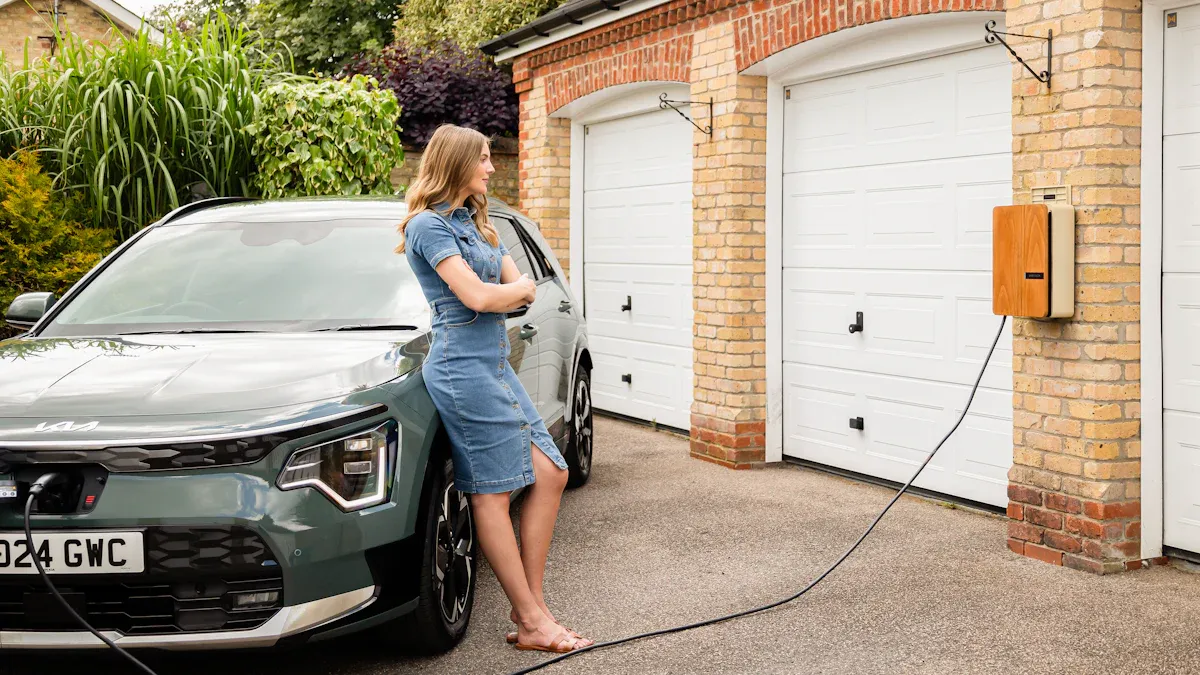
Once an EV owner has their charging station installed, they can optimize their daily routine to save money and protect their vehicle’s battery. A smart charging strategy turns a simple plug into a powerful tool for efficient and affordable electric vehicle ownership.
How to Charge Smart and Save Money
An EV owner can significantly reduce their running costs by charging their vehicle at the right time. French electricity tariffs offer a clear path to savings through off-peak rates.
Using ‘Heures Creuses’ (Off-Peak Hours)
Most French electricity providers offer a tariff with horários de fora de pico, or off-peak hours. During these periods, the price per kilowatt-hour is substantially lower. The cost during off-peak hours can be around 15% cheaper than the standard base rate. These time slots are set by the grid operator, Enedis, and typically include an eight-hour window overnight.
- Common off-peak slots run between 20:00 and 08:00.
- Some schedules may include afternoon hours, often between 12:00 and 17:00.
By timing their charging sessions to coincide with these hours, drivers can minimize their electricity bills.
Programming Your EV’s Scheduled Charging Feature
Nearly every modern EV allows the owner to schedule their charging sessions. An owner can plug their car in when they get home but program the vehicle to only start drawing power when the horários de fora de pico begin. This “set it and forget it” approach ensures the lowest possible cost without any manual intervention each night. Technologically advanced portable chargers from providers like TPSON also offer features that help manage charging schedules effectively.
Melhores Práticas para a Saúde da Bateria
Proper charging habits are essential for maximizing the lifespan of an EV’s battery. Slow, consistent charging is not only convenient but also beneficial for long-term battery health.
The 80% Rule for Daily Use
For daily commuting, battery experts recommend keeping the state of charge entre 20% e 80%. Regularly charging the battery to 100% puts extra stress on the lithium-ion cells, which can accelerate degradation over time.
Dica profissional: An owner should only charge their EV to 100% when they need the maximum range for a long trip. For all other days, setting an 80% limit in the vehicle’s charging menu is the best practice.
Why Slow Charging Preserves Battery Longevity
Level 1 charging is inherently gentle on an EV battery. The slow, steady flow of power generates very little heat, which is a primary enemy of battery health. Unlike rapid DC fast charging, which can raise battery temperatures, overnight Level 1 charging helps preserve the battery’s capacity and extend its operational life. This makes it an ideal solution for daily use.
Navigating Common Challenges and Advanced Solutions
An EV owner may encounter obstacles when planning an installation, especially in older buildings or large complexes. Understanding these potential issues and their solutions is key to a successful project.
Dealing with an Old Building Electrical System
Many charming apartment buildings in France have electrical systems that predate the era of electric vehicles. This can present a significant hurdle for home charging.
The Role of the Electrician’s Assessment
A certified IRVE electrician’s first task is to conduct a thorough assessment of the building’s main electrical panel and wiring. The electrician determines if the existing infrastructure can safely support the continuous load of an EV charger. This professional evaluation is not just a formality; it is a critical safety measure.
Potential Need for Electrical System Upgrades
If the electrician finds the system is outdated or at capacity, upgrades may be necessary. This could involve installing a new circuit breaker or, in more complex cases, upgrading the main service panel. These upgrades add to the project’s cost and timeline but are essential for ensuring a safe and reliable charging setup.
When Your Parking Spot is Far from the Panel
The distance between the electrical panel and the parking space is a major factor in installation complexity and cost. A long run requires more materials and labor.
Technical Solutions for Long Distances
An electrician can run wiring across a garage, but the process becomes much more complicated if it involves crossing shared or public land. The administrative hurdles can be immense.
The process and hoops an individual would need to jump through will make it totally unrealistic and hugely expensive. Running a cable under a council car park, for example, can take months to get all the permits in order, even for public entities.
Impact on Installation Costs
Longer distances directly increase the final price. Several factors contribute to the higher cost of a complex installation:
- Materials and Equipment: The project requires more wiring, conduit, and potentially additional circuit protection.
- Travel and Location: An electrician may charge more for difficult-to-access locations or jobs that require more time on-site.
- Permits and Licensing: Complex cable routes may require additional permits from local authorities, adding to both the cost and timeline.
Proposing Collective Charging Solutions
In some situations, an individual installation is not the best path forward. A collective system can offer a more scalable and equitable solution for the entire building.
When a Shared System Makes More Sense
A collective charging solution is ideal when multiple residents want to install chargers or when the building’s electrical system cannot easily support numerous individual connections. Technologically advanced providers like TPSON offer smart systems that can manage power distribution across multiple charging points, future-proofing the building for more EV drivers.
Comparing Individual vs. Collective Costs
An individual installation has a lower upfront cost for the first person. However, a collective system often becomes more cost-effective per user as more residents join. The shared infrastructure costs are distributed, and the building can often access different subsidies, making it a financially sound long-term investment for the co-ownership.
Level 1 charging offers a smart, practical, and affordable solution for the average French apartment dweller. An EV owner can achieve convenient charging at home by assessing their needs, exercising their legal ‘right to a plug’, and investing in a safe ‘reinforced socket’. This approach makes level 1 charging a highly effective strategy for daily use.
Take the first step today: An owner should calculate their daily mileage and begin drafting the formal request letter to their ‘building manager’ to start their EV charging journey.
FAQ
Can an owner use a standard extension cord for charging?
No. An owner must never use a standard household extension cord. These cords are not rated for the sustained power draw of EV charging. They create a significant fire risk from overheating. Only use EV-specific extension cables.
What if a landlord refuses a tenant’s request?
A tenant informs their landlord before notifying the administrador do condomínio. The landlord cannot block the request. The direito à tomada gives the tenant the right to proceed with the formal notification to the administrador do condomínio for the installation.
Is a ‘reinforced socket’ really necessary?
A reinforced socket is highly recommended for safety. It handles the long, high-power sessions of EV charging without overheating. This makes it a much safer and more reliable choice than a standard household socket para uso diário.
How much range can an EV gain overnight?
🔌 An EV can typically gain 100-150 km of range during a 10-hour overnight charging session. This amount is more than enough to cover the average daily commute in France, ensuring the car is ready each morning.
Does an owner need a special charger for Level 1?
An owner can use the mobile connector provided by their car’s manufacturer. Technologically advanced providers like TPSON also offer high-quality carregadores portáteis para veículos eléctricos that work with a tomada reforçada and provide smart scheduling features for added convenience.
O que acontece se o ‘administrador do edifício’ perder o prazo de 3 meses?
Se o administrador do condomínio não se opuser formalmente ao projeto no prazo de três meses após receber a carta registrada, o morador obtém aprovação tácita. Em seguida, está legalmente autorizado a prosseguir com a instalação conforme planejado.