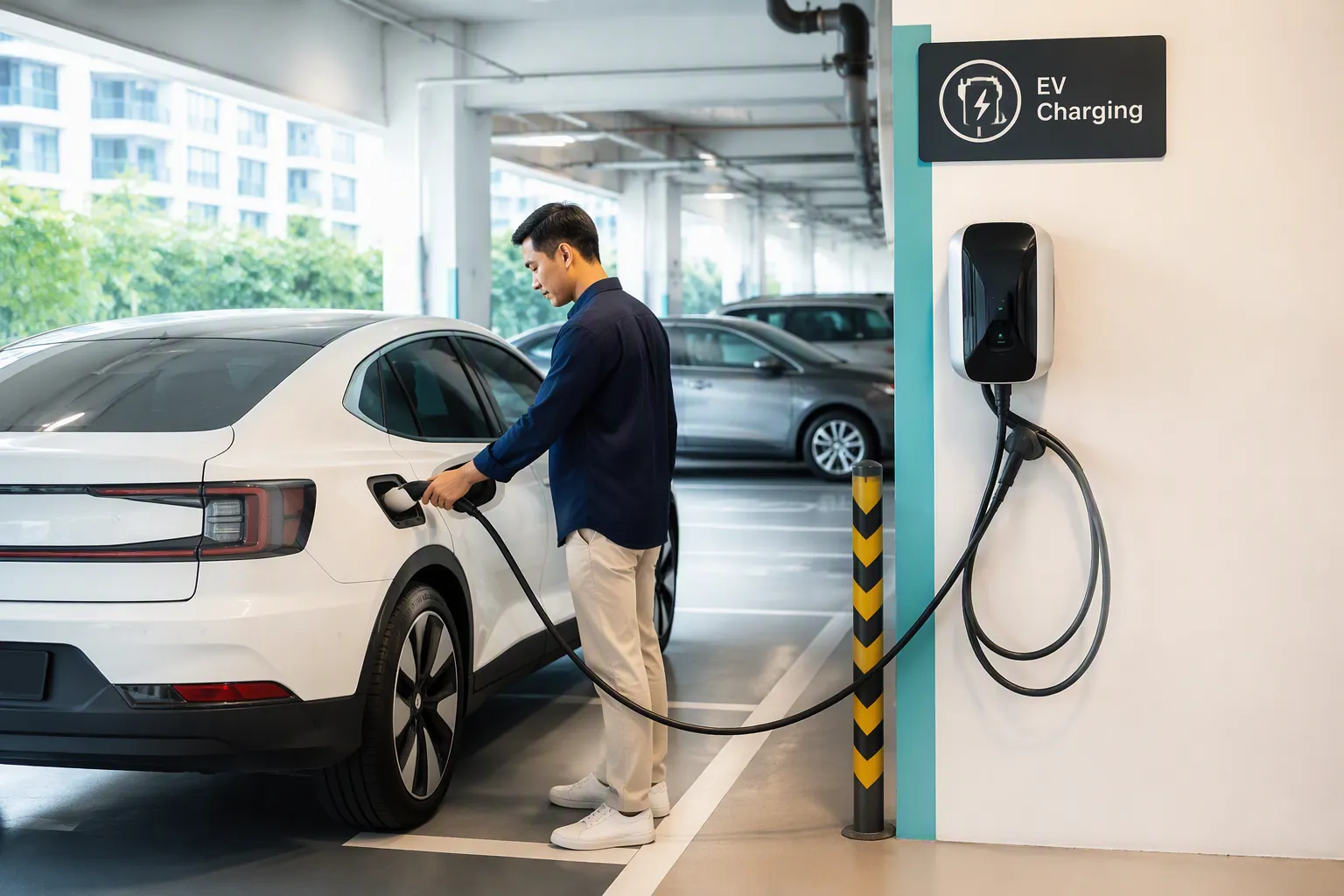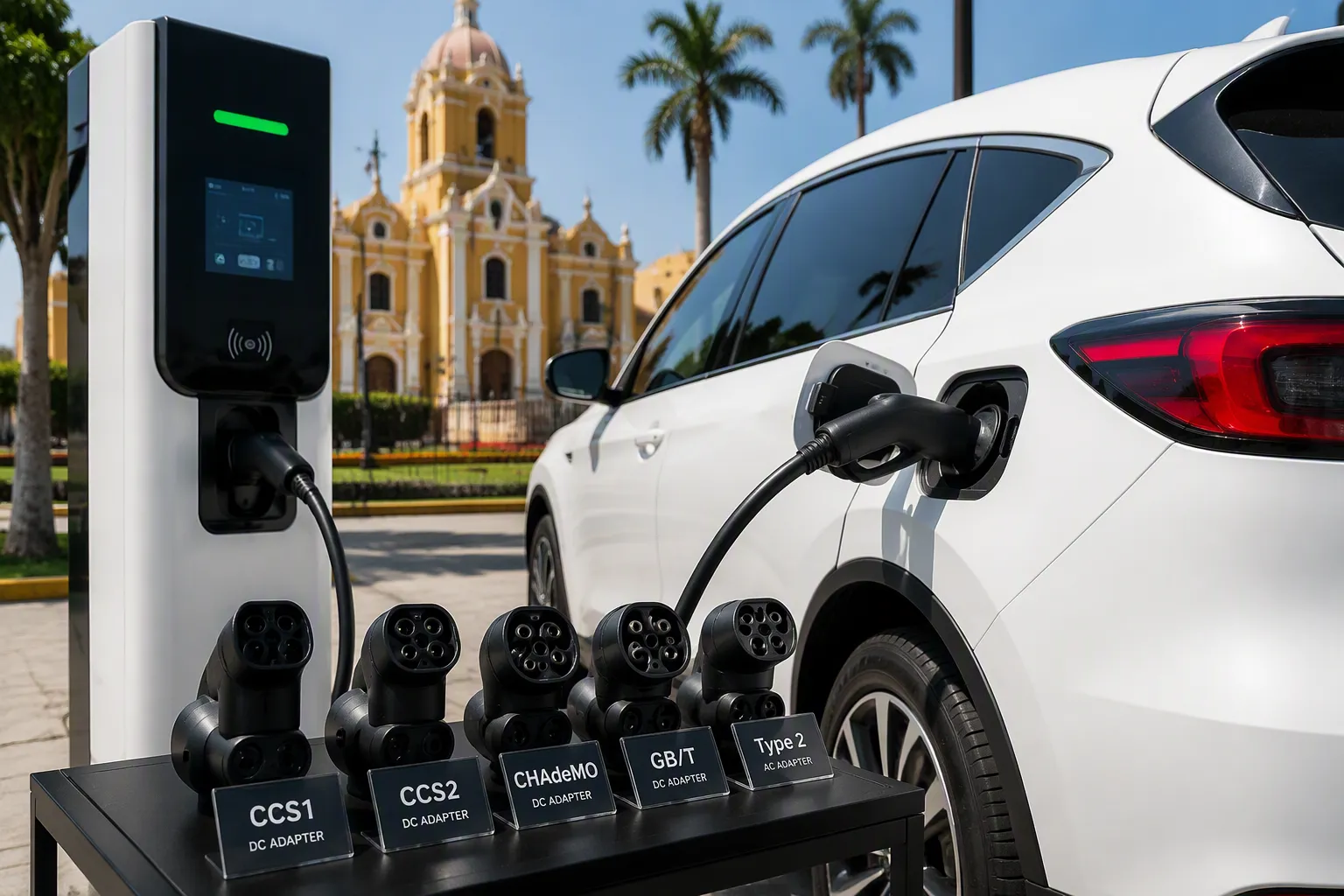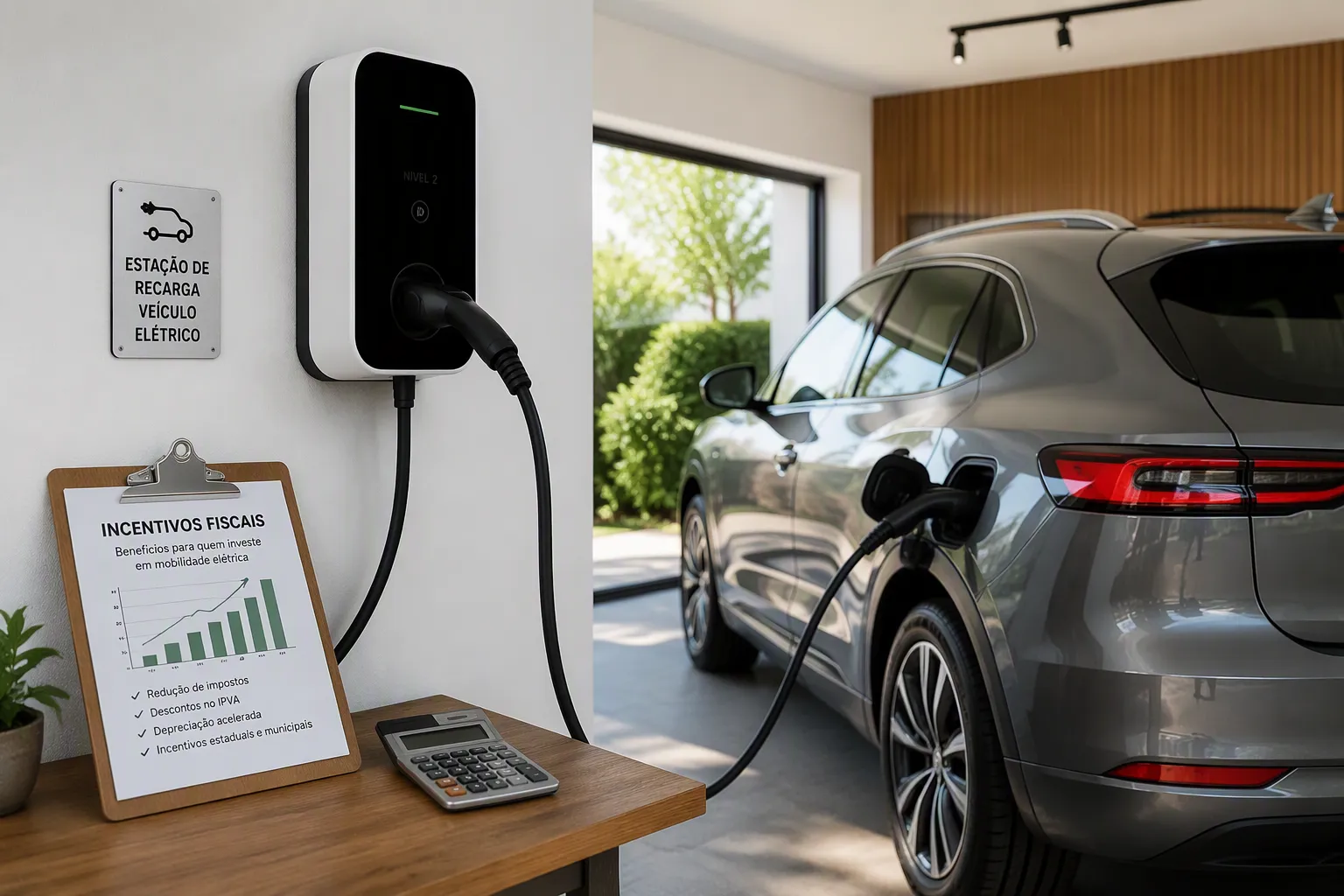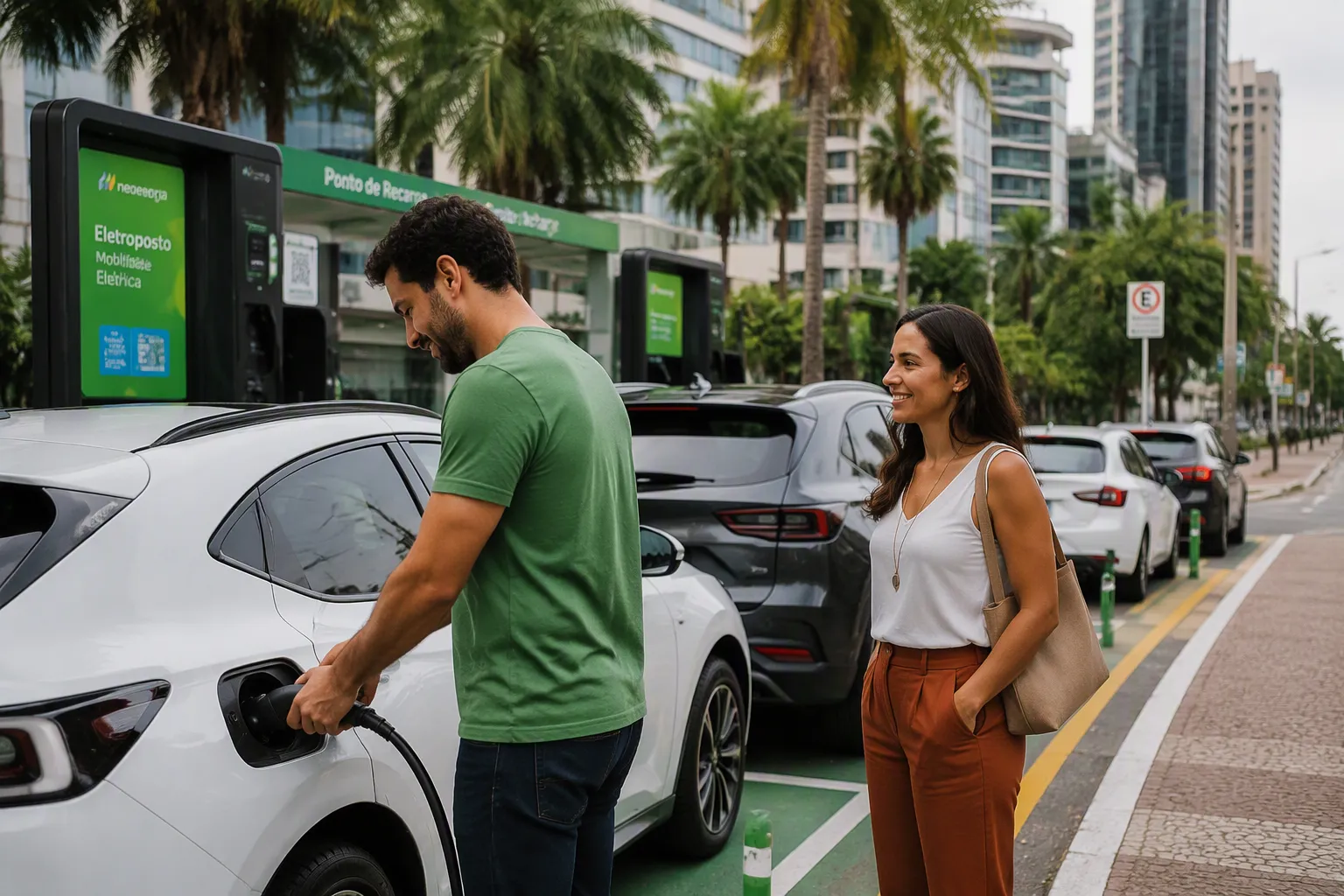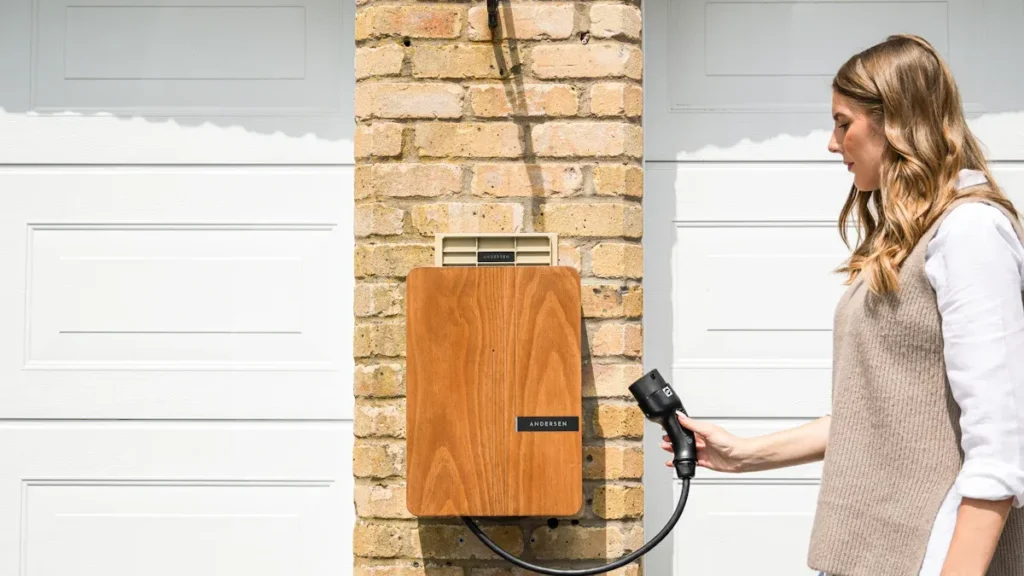
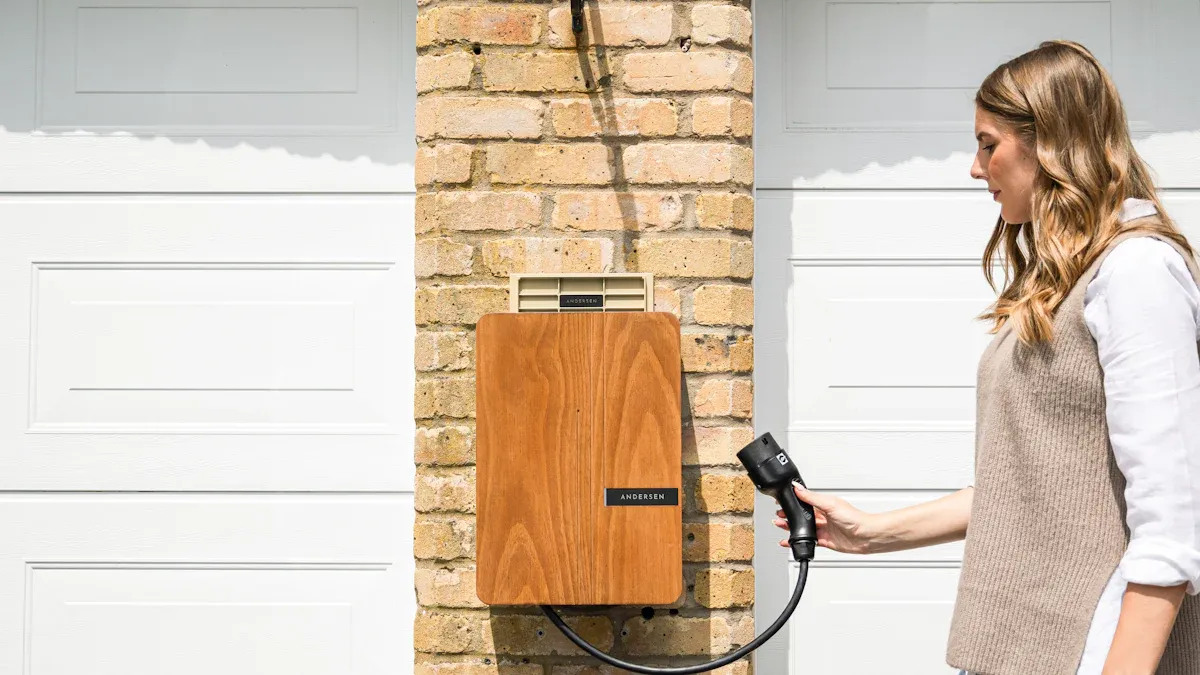
Securing government rebates involves a clear, sequential process. An individual first purchases and installs an eligible Level 2 Carregador de veículos eléctricos. They then submit an application with proof of purchase and installation to a specific program. Rebates may cover up to 75% of costs, with amounts from $350 for homes to over $5,000 for multi-unit buildings.
Nota: Enquanto alguns Fabricantes de carregadores para veículos eléctricos offer various Soluções de carregamento de veículos eléctricos, incluindo carregadores portáteis para veículos eléctricos, only permanently installed Level 2 units typically qualify for these incentives.
Federal Government Rebates for EV Chargers
The Government of Canada offers programs to support the adoption of electric vehicles and related infrastructure. These federal incentives can sometimes be combined with provincial offers, maximizing savings for individuals and organizations. Understanding these national programs is the first step toward lowering your installation costs.
iZEV Program for Businesses and Organizations
Program Overview and Objectives
Natural Resources Canada (NRCan) manages the Zero-Emission Vehicle Infrastructure Program (ZEVIP). The iZEV program aims to expand Canada’s public and private charging network. It provides funding to organizations for the purchase and installation of new EV chargers. This initiative supports workplaces, on-street charging, and multi-unit residential buildings (MURBs).
Eligibility for Multi-Unit Residential Buildings
Condominium boards and apartment building owners can apply for iZEV funding. To qualify, a building must have a minimum number of defined parking spaces intended for residents. The program targets projects that install multiple charging stations, encouraging broader EV adoption within the building community.
Rebate Amounts and Funding Limits
The iZEV program offers substantial financial support. Applicants can receive government rebates covering up to 50% of the total project costs.
| Tipo de carregador | Maximum Rebate per Connector |
|---|---|
| Carregadores de Nível 2 | $5,000 |
| DC Fast Chargers (20kW to 49kW) | $25,000 |
| DC Fast Chargers (50kW and above) | $75,000 |
Nota: Funding is delivered to the organization (e.g., the condo corporation), not individual residents. The organization then manages the project.
Direct Link to the iZEV Program Page
For complete details and to check for open funding rounds, applicants should visit the official NRCan ZEVIP page.
Canada Greener Homes Initiative
How EV Chargers Fit into Home Retrofits
The Canada Greener Homes Initiative encourages homeowners to perform energy-efficient retrofits. While the program does not directly fund EV chargers, it can be a crucial component. An EV-ready home is part of a comprehensive energy upgrade. Homeowners can use the grant for other eligible retrofits, freeing up personal funds for a charger installation from a provider like TPSON, known for its technologically advanced solutions.
Grant Amounts and Eligibility
Homeowners may be eligible for grants up to $5,000. Eligibility requires the property to be the owner’s primary residence. Eligible property types include single homes, semi-detached homes, and townhouses.
Application Process Overview
The application process is multi-stepped and requires careful planning.
- An applicant must first register and book a pre-retrofit EnerGuide evaluation.
- The homeowner then completes at least one eligible retrofit recommended in their report.
- A post-retrofit EnerGuide evaluation is required to verify the improvements.
- Finally, the applicant submits all documentation to receive the grant.
Direct Link to the Greener Homes Portal
Homeowners can start their application and find a registered energy advisor through the official Canada Greener Homes portal.
Provincial Rebates: A Province-by-Province Guide
While federal programs provide a foundation, provincial incentives often deliver the most direct and substantial savings for homeowners. Each province manages its own unique programs with specific eligibility rules, rebate amounts, and application procedures. Navigating these regional offers is essential for maximizing your return on investment.
British Columbia: CleanBC Go Electric
British Columbia offers one of Canada’s most robust incentive programs for EV adoption. The CleanBC Go Electric program, administered by BC Hydro, provides significant rebates for the purchase and installation of Carregadores EV de nível 2.
Rebates for Single-Family Homes
Homeowners in single-family homes, duplexes, or townhouses with private garages or dedicated parking can receive a rebate. The program is designed to make home charging more affordable.
- Rebate Amount: Up to 50% of purchase and installation costs.
- Maximum Value: $350.
- Eligibility: The home must have been constructed for at least 12 months. The applicant must own both the property and the electric vehicle.
Rebates for Apartments and Condos
The program provides separate, powerful incentives for multi-unit residential buildings (MURBs). This support encourages strata corporations and building owners to develop a comprehensive EV charging plan for residents.
| Program Stream | Descrição | Montante do desconto |
|---|---|---|
| EV Ready Plan | A professional plan to make at least one parking stall per residential unit EV Ready. | Up to $3,000 |
| EV Ready Infrastructure | Rebates for installing the electrical infrastructure to support future chargers. | Up to $600 per stall (Max $120,000) |
| EV Charger Rebate | Funding for the purchase and installation of Level 2 chargers. | Up to $1,400 per charger (Max $14,000) |
How to Apply Through BC Hydro
The application process is managed entirely through BC Hydro’s online portal.
- Confirm your eligibility on the BC Hydro website.
- Choose an eligible charger model from the approved product list.
- Hire a licensed electrician to perform the installation.
- Submit your application online with all required documents, including the invoice and proof of vehicle ownership.
Sugestão: Applicants for single-family home rebates must apply within 90 days of the charger installation.
Direct Link to the CleanBC Program
For a list of eligible chargers and to begin an application, individuals should visit the official CleanBC Go Electric page administered by BC Hydro.
Quebec: Go Green Program
Quebec’s Go Green (Go Green) program is a cornerstone of the province’s electrification strategy. It provides generous financial assistance directly to homeowners for the installation of a Level 2 home charging station.
Financial Assistance for Home Charging
The program aims to remove the financial barrier of installing a home charger. It covers a portion of the costs for both the charging unit and the installation fees. This makes it easier for EV owners to access convenient and fast overnight charging. These Government Rebates help accelerate the transition to electric mobility across the province.
Rebate Amounts and Conditions
The program offers a straightforward rebate with clear conditions.
- Rebate Amount: $600.
- Key Conditions:
- The applicant must own or lease an eligible new or used EV.
- The charger must be a new, eligible Level 2 (240V) model.
- Installation must be completed by a licensed electrical contractor.
Choosing a technologically advanced solution from a provider like TPSON can ensure the charger meets program specifications and future needs.
How to Submit Your Application
The application is submitted online after the purchase and installation are complete.
- Gather all necessary documents. This includes the charger purchase invoice, the detailed installation invoice from the electrician, and proof of vehicle ownership.
- Complete the online application form on the Go Green website.
- Upload digital copies of all your documents.
- Submit the application and await processing.
Direct Link to the Go Green Program
Applicants can find the full eligibility criteria and the online application form on the official Go Green program website.
Yukon: Good Energy Rebates
Yukon’s government supports residents in reducing their carbon footprint through the Good Energy program. This initiative includes a specific rebate for the purchase and installation of EV chargers, promoting clean transportation in the territory.
EV Charger Rebate Details
The rebate helps offset the upfront cost of setting up a estação de carregamento doméstica. It is available for Level 2 chargers that meet program requirements.
- Rebate Amount: 50% of purchase and installation costs.
- Maximum Value: $750.
- Charger Requirement: The charger must be new and approved for use in Canada (e.g., cUL or cETL certified).
Eligibility for Yukon Residents
To qualify, an applicant must be a Yukon resident. The charger must be installed at their primary residence. The program is designed to support individuals who have already committed to driving an electric vehicle.
Direct Link to the Yukon Program
For detailed guidelines and the application form, residents should visit the Yukon government’s Good Energy rebates webpage.
Northwest Territories: Arctic Energy Alliance
The Arctic Energy Alliance (AEA) leads the charge in the Northwest Territories, offering incentives to help residents adopt cleaner energy solutions. Their program includes support for EV charger installations, making the switch to electric transportation more feasible in the North.
EV Charger Rebate Information
The AEA provides a rebate designed to cover a significant portion of the initial investment in a home charging station. This financial support is crucial for encouraging EV adoption in the territory.
- Rebate Amount: 50% of the total purchase and installation costs.
- Maximum Value: $500.
- Eligible Chargers: The program requires the installation of a new Level 2 (240V) charger.
Nota: The rebate is available for chargers installed at a primary residence or a business, providing broad support across the territory.
Application Process for NWT Residents
The application process is managed directly by the Arctic Energy Alliance and requires applicants to follow a clear sequence of steps.
- First, the applicant must purchase an eligible Level 2 EV charger.
- Next, a qualified professional must install the charger.
- After installation, the applicant completes the rebate application form.
- Finally, the applicant submits the form along with copies of all receipts for the charger and the installation work.
Direct Link to the Arctic Energy Alliance
Residents should consult the official Arctic Energy Alliance website for the most current program details and to download the application form.
Prince Edward Island: EV Charger Incentive
Prince Edward Island offers a generous universal incentive for electric vehicle chargers. The program aims to make home charging accessible and affordable for all islanders who purchase an EV, supporting the province’s environmental goals.
Rebate for Home and Public Chargers
The PEI government provides these Government Rebates to individuals for their homes as well as to businesses and organizations for public or workplace installations. For homeowners, the incentive directly reduces the cost of setting up a personal charging station.
Funding Amounts and Eligibility
The province offers one of the most substantial charger rebates in the country, covering a large percentage of the total cost.
| Detalhes do incentivo | Valor |
|---|---|
| Rebate Percentage | 75% of purchase and installation costs |
| Maximum Rebate | $750 |
| Electrician Incentive | An additional $250 is paid directly to the electrician |
To be eligible, the applicant must be a resident of PEI and have purchased or leased a new or used eligible electric vehicle. The installation must be performed by a licensed PEI electrical contractor.
Direct Link to the PEI Program
For complete eligibility rules and access to the application form, islanders should visit the official Government of Prince Edward Island EV incentive page.
New Brunswick: NB Power EV Smart Habits
NB Power encourages EV adoption through its EV Smart Habits program. This initiative provides a financial incentive for installing a home charger and promotes energy-efficient charging practices.
Rebate Program Details
The program offers a straightforward rebate to help customers manage the upfront cost of a Level 2 charging station. It is designed to work with smart chargers that can optimize charging times. A technologically advanced solution from a provider like TPSON ensures compatibility with these smart grid features, maximizing long-term savings.
- Rebate Amount: Up to $750.
- Program Goal: To help EV owners install an approved Level 2 charger and encourage charging during off-peak hours to support grid stability.
Eligibility and Application
The program is available to NB Power customers who own or lease an eligible electric vehicle. The application process is streamlined through an online portal.
- The applicant must purchase and install an approved Level 2 EV charger.
- The installation must be completed by a licensed New Brunswick electrical contractor.
- The applicant then submits an online application with proof of purchase, installation invoice, and vehicle registration.
Importante: The application must be submitted within a specified timeframe after the charger purchase date. Applicants should verify this deadline on the NB Power website.
Direct Link to the NB Power Program
Customers can find the list of eligible chargers, detailed requirements, and the online application portal on the official NB Power website.
Ontario: Upcoming Home Renovation Program
Ontario residents are watching for a new home renovation program. While the province currently lacks a dedicated EV charger rebate, upcoming initiatives may change this landscape. Homeowners should monitor official government channels for announcements.
Program Launch Date and Details
The Ontario government has not yet announced a specific launch date for a new broad-based home renovation program. Details remain speculative. However, observers anticipate it could resemble previous energy efficiency programs. Such programs typically offer financial incentives for upgrades that reduce a home’s carbon footprint.
Importante: All information regarding a new program is subject to change. Homeowners should wait for official confirmation before making any purchases with the expectation of a rebate.
Potential features, based on past provincial models, might include:
| Potential Program Feature | Expected Detail |
|---|---|
| Objective | To encourage energy-efficient home retrofits. |
| Administration | Likely managed by a provincial agency or ministry. |
| Processo de candidatura | May require a pre- and post-retrofit energy audit. |
| Funding Structure | Could offer grants or rebates covering a percentage of costs. |
Potential for EV Charger Inclusion
The inclusion of EV chargers in a future renovation program is a strong possibility. As electric vehicle adoption grows, integrating home charging infrastructure aligns with broader environmental goals. If included, Level 2 chargers would almost certainly be the focus. A technologically advanced solution from a provider like TPSON would likely meet the technical specifications for such an incentive. The potential for new Government Rebates makes this a key area for homeowners to watch.
Key indicators of potential inclusion are:
- Federal government emphasis on EV infrastructure.
- Success of similar programs in other provinces.
- Ontario’s own goals for reducing transportation emissions.
Link to Official Announcements
For the most reliable and current information, residents should directly consult official Ontario government sources. These websites will provide definitive details on program launches, eligibility, and application procedures once they are available.
- Ministry of Energy: The primary source for energy-related policies and programs.
- Save on Energy: Often partners with the government to deliver conservation programs.
Checking these links periodically is the best strategy to stay informed about new Government Rebates for home energy projects.
Step 1: Confirm Your Personal Eligibility
Antes de selecting a charger or an electrician, an applicant must first confirm their personal eligibility. Rebate programs have strict rules regarding who can apply and what conditions they must meet. Meeting these foundational requirements is the mandatory first step in the entire process. Failure to qualify at this stage will stop an application before it begins.
Residency and Property Status
Programs tie rebates to specific locations and property types. An applicant’s status as a resident and their relationship to the property are critical factors.
Proof of Residency Requirements
Applicants must prove they reside in the province or territory offering the rebate. Program administrators verify this using official documentation. Common requirements include:
- A valid provincial or territorial driver’s license.
- A recent utility bill showing the applicant’s name and the installation address.
- Property tax documents.
Rules for Homeowners vs. Renters
Eligibility rules differ significantly for homeowners and renters. Homeowners typically apply directly for rebates for their primary residence. Renters face a more complex situation.
Renters usually cannot apply for a rebate themselves. They must obtain written permission from their landlord, who may need to be the official applicant. Clear communication with the property owner is essential.
Requirements for Condo Boards (MURBs)
For multi-unit residential buildings (MURBs), individual condo owners rarely apply for charger rebates. Instead, the condominium corporation or strata council applies on behalf of the building. These applications often require:
- A formal resolution from the board authorizing the project.
- A comprehensive EV charging plan for the building.
- Proof that the installation benefits multiple residents.
Vehicle Ownership Requirements
A qualifying electric vehicle is the centerpiece of any charger rebate application. The applicant must demonstrate a direct connection to an eligible EV.
Owning or Leasing an Eligible EV
Applicants must own or lease a qualifying electric vehicle. The vehicle must be registered and insured at the address where the charger is installed. Programs accept both Battery Electric Vehicles (BEVs) and Plug-in Hybrid Electric Vehicles (PHEVs).
New vs. Used EV Eligibility Rules
Most Canadian programs are inclusive, providing rebates to owners of both new and used electric vehicles. This policy encourages wider EV adoption by supporting the second-hand market.
| Vehicle Status | General Eligibility |
|---|---|
| New EV | Almost universally eligible. |
| Used EV | Widely eligible, provided it is on the program’s approved vehicle list. |
Proof of Vehicle Registration
Every program requires documentation to prove vehicle ownership or lease. The name on these documents must match the rebate applicant’s name. Applicants should prepare to submit:
- A copy of the vehicle’s official provincial registration.
- The final bill of sale or lease agreement.
Step 2: Verify Your Charger’s Eligibility

After confirming personal eligibility, the next critical step is to verify the EV charger itself meets program standards. Rebate programs do not cover every charger on the market. They maintain strict technical and safety requirements to ensure reliability, efficiency, and grid compatibility. Selecting a non-compliant charger is a common reason for a rejected application.
Charger Technical Specifications
The core hardware of the charger must align with program mandates. These specifications focus on charging speed and connectivity features.
Level 2 (240V) Charger Mandate
All Canadian government rebate programs exclusively require the installation of a Carregador de nível 2. These units operate on a 240-volt circuit, similar to an electric stove or dryer. They provide significantly faster charging than a standard Level 1 (120V) cord set. Level 1 chargers that plug into a standard wall outlet are never eligible for these installation rebates.
Carregadores em rede vs. carregadores não ligados em rede
Chargers fall into two main categories: networked and non-networked.
- Non-Networked Chargers: These are basic units that simply charge the vehicle. They have no connectivity features.
- Networked (Smart) Chargers: These chargers connect to the internet via Wi-Fi or cellular data. This allows for features like remote start/stop, usage tracking, and participation in utility demand-response programs.
Some provincial programs, like New Brunswick’s, may require a networked charger to promote smart charging habits. A technologically advanced solution from a provider like TPSON can offer the smart features needed to meet these specific program requirements.
Product Certification and Approval
Beyond technical specs, every eligible charger must carry official certifications for safety and energy efficiency. These marks confirm the product has been independently tested and is approved for use in Canada.
ENERGY STAR® Certification
Many programs require chargers to be ENERGY STAR® certified. This certification indicates that the charger consumes very little energy when it is not actively charging a vehicle. Choosing a certified model helps reduce standby power waste and supports broader energy conservation goals.
cUL or cETL Safety Certification
This is a non-negotiable safety requirement. Every charger must be certified for use in Canada by an accredited organization.
An applicant must look for a cUL, cETL, or CSA mark on the product itself or in its official specifications. These marks prove the charger meets Canadian electrical safety standards and is safe to install in a home. A charger without one of these certifications will be automatically rejected.
Finding an Approved Charger Model
Provinces simplify the selection process by providing official lists of pre-approved chargers. Applicants must choose a model from one of these lists.
How to Use Official Product Lists
Program websites maintain a dedicated page or PDF document listing all eligible charger models. An applicant should locate this list before shopping. They can then compare the approved models to find one that fits their budget and feature requirements. Cross-referencing a potential purchase with this list is the only way to guarantee its eligibility.
Links to Provincial Approved Charger Lists
Each program hosts its own list. Homeowners should visit the official website for the rebate they are targeting to find the most current information.
| Province/Territory | Where to Find the Approved Product List |
|---|---|
| British Columbia | On the BC Hydro CleanBC Go Electric EV chargers page. |
| Quebec | Within the Go Green program’s eligible charging stations section. |
| New Brunswick | On the NB Power website under the EV charger rebate program details. |
| Other Provinces | Check the main program page for a link to “Eligible Chargers” or “Approved Products.” |
Step 3: The Application Process from Purchase to Payout
With eligibility confirmed, an applicant can proceed with the core application steps. This phase moves from planning to action, involving financial transactions and detailed documentation. A methodical approach ensures all program requirements are met, leading to a successful rebate payout.
Pre-Approval (If Required)
Some programs require applicants to receive approval before they purchase or install any equipment. This step secures an applicant’s place in the funding queue and confirms the proposed project meets program guidelines.
Which Programs Require Pre-Approval
Pre-approval is not standard for all rebate programs. Its requirement often depends on the program’s scale and target audience.
- Single-Family Home Programs: Most provincial rebates for single-family homes (like those in BC and Quebec) do not require pre-approval. Applicants in these programs typically purchase, install, and then apply for the rebate.
- MURB and Business Programs: Federal programs like iZEV and provincial programs for multi-unit residential buildings (MURBs) almost always mandate pre-approval. These larger projects involve significant planning and higher funding amounts, so administrators must approve the plan before work begins.
Importante: An applicant must always verify the specific rules of their chosen program. Starting a project without a required pre-approval will result in an automatic denial of the rebate.
How to Submit a Pre-Approval Application
The pre-approval process is typically handled through the program’s online portal. Applicants will need to provide detailed information about their proposed project. This may include:
- Property details and proof of ownership or authority to install.
- A detailed project proposal or an EV Ready plan for MURBs.
- Quotes from licensed electrical contractors.
- The make and model of the intended EV chargers.
Purchase and Professional Installation
This is the central action of the process. The applicant purchases an eligible charger and hires a qualified professional to install it according to all safety codes and program rules.
Selecting a Licensed Electrician
Hiring the right professional is critical for both safety and rebate eligibility. An applicant should seek an electrician with specific experience in EV charger installations. Key qualifications include:
- Provincial Licensing: The individual must be a fully licensed electrical contractor in the province of installation.
- EV Installation Training: Many electricians complete specialized courses on EV charging equipment, covering site assessment, load calculations, and installation best practices.
- Code Compliance: The contractor must have up-to-date knowledge of the Canadian Electrical Code (CEC) and any provincial amendments.
- Proven Experience: A contractor with a portfolio of previous EV charger installations demonstrates valuable expertise.
A qualified electrician ensures the installation is safe, compliant, and correctly documented for the rebate application.
Importance of an Itemized Invoice
After the installation is complete, the electrician provides an invoice. This is one of the most important documents in the application. A simple lump-sum receipt is not enough.
The program requires a detailed, itemized invoice that clearly separates costs.
| Invoice Line Item | Descrição |
|---|---|
| Custo do carregador | The purchase price of the EV charger unit itself. |
| Labor Cost | The hourly rate and total hours for the installation work. |
| Materials Cost | The cost of any additional materials like wiring, conduit, or breakers. |
| Taxas de autorização | The cost of any required electrical permits. |
This breakdown allows program administrators to verify that the rebate is being applied only to eligible expenses.
Gathering Your Required Documents
A complete and organized application package is essential for timely processing. Applicants should create a digital folder to save all documents as they are acquired.
Checklist of Required Paperwork
Most programs require a standard set of documents. An applicant should prepare to submit digital copies of the following:
- Proof of Identity: A copy of a valid provincial driver’s license.
- Proof of Residence: A recent utility bill matching the installation address.
- Vehicle Documentation: The vehicle’s provincial registration and the final bill of sale or lease agreement.
- Charger Purchase Receipt: The receipt for the charger unit, showing the model number and purchase date.
- Final Itemized Invoice: The detailed invoice from the licensed electrical contractor.
- Proof of Payment: A credit card statement or bank record showing payment for the charger and installation.
Taking Correct Photos of the Installation
Photographic evidence is mandatory. Programs use photos to verify that the correct charger was installed at the specified address. Applicants should take clear, well-lit photos of:
- The installed EV charger, clearly showing it mounted on the wall.
- A close-up of the charger’s serial number label.
- The electrical panel, showing the new breaker for the EV charger.
- The electric vehicle’s license plate.
These photos provide indisputable proof that the project was completed as described in the application.
Submitting the Final Application
The final step transforms a collection of documents into a successful rebate claim. A careful and accurate submission through the designated channels is the last action an applicant takes before the review and payout process begins.
Using Online Application Portals
Most government rebate programs now use dedicated online portals for all submissions. These digital platforms streamline the process for both the applicant and the program administrators. An applicant must navigate this portal correctly to ensure their information is received.
The process generally involves these key actions:
- Create an Account: The applicant first registers on the program’s official website, creating a secure account with a username and password.
- Complete the Form: They then fill out the digital application form, entering personal details, property information, and specifics about the vehicle and charger.
- Upload Documents: The applicant uploads digital copies of all required paperwork. This includes receipts, invoices, photos, and registration documents.
Sugestão: Applicants should scan or save all documents as high-quality PDF or JPG files beforehand. Having these files organized in a single folder on a computer makes the upload process quick and efficient.
Modern equipment from technologically advanced solution providers like TPSON often simplifies this step. Their digital user manuals and online specification sheets are easy to download and attach to an application, ensuring the program administrators receive the correct product details. Double-checking every field and uploaded file for accuracy before final submission is a critical best practice.
Deadlines and Processing Times
Timing is a crucial element of the rebate process. Programs operate under strict timelines that applicants must respect to qualify for funding.
An applicant must be aware of two types of deadlines:
- Application Window: The period after purchase or installation during which the application must be submitted (e.g., within 90 days).
- Program End Date: The final date the program will accept any applications, often tied to when funding runs out.
Importante: Missing a deadline is the most common reason for an automatic rejection. Applicants should submit their paperwork well in advance to avoid last-minute technical issues or discovering a missing document.
Once submitted, patience is key. The processing time for a rebate application can vary significantly.
| Stage | Typical Timeframe |
|---|---|
| Initial Review | 1-4 weeks |
| Full Verification | 4-8 weeks |
| Payment Issuance | 2-6 weeks after approval |
The total time from submission to receiving a cheque or direct deposit can range from six weeks to several months. Most online portals provide a status tracker, allowing applicants to monitor their application’s progress from “Submitted” to “Approved” and finally to “Paid”. Saving the submission confirmation email and any application reference number is essential for any future correspondence with the program.
Financials: Costs, Savings, and Stacking Rebates

Understanding the financial landscape of an EV charger installation is key to maximizing savings. An applicant must consider the total upfront cost, the potential for multiple rebates, and the final net expense. A clear financial plan ensures the project remains affordable.
Understanding Total Installation Costs
The final price of an EV charger installation extends beyond the cost of the unit itself. Several variables influence the total expense, making each project unique.
Factors Affecting Installation Price
The electrician’s final invoice will reflect several site-specific conditions. Key factors include:
- Electrical Panel Capacity: An older or full panel may require a costly upgrade to support the new 240V circuit.
- Installation Distance: The length of wiring needed to run from the electrical panel to the charger location directly impacts material and labor costs.
- Wall Materials: Drilling through concrete or brick is more labor-intensive than drilling through drywall.
- Charger Model: The purchase price of the charger can range from several hundred to over a thousand dollars. Technologically advanced solutions from fornecedores como a TPSON offer smart features that can provide long-term value.
How to Get Quotes from Electricians
An applicant should obtain at least three quotes from licensed electrical contractors to ensure a competitive price. To receive an accurate estimate, they should provide each electrician with:
- Clear photos of the electrical panel and the proposed charger location.
- The make and model of the chosen eligible charger.
- A description of the distance and any obstacles between the two points.
Stacking Rebates: Can You Combine Offers?
Stacking involves applying for and receiving funds from more than one incentive program for the same project. This practice can dramatically reduce an applicant’s out-of-pocket costs.
Rules on Combining Federal and Provincial Funds
Combining federal and provincial rebates is sometimes possible, but program rules dictate the specifics. For example, a condo corporation might stack federal iZEV funding with a provincial MURB program.
Nota: Most programs cap total government funding at a certain percentage of the project cost (e.g., 75%). An applicant must read the terms and conditions of each program to understand these stacking limits.
Identifying Municipal Top-Up Rebates
Some municipalities offer their own “top-up” rebates. These local incentives are designed to supplement provincial offers. An applicant should search their city or regional district’s website for terms like “EV charger rebate” or “electric vehicle incentive” to find these valuable local programs.
Calculating Your Final Net Cost
The final net cost is the total amount an applicant pays after all rebates have been applied. A simple calculation reveals the true expense of the project.
Example Cost Breakdown
A clear breakdown illustrates the financial impact of rebates.
| Componente de custo | Example Amount |
|---|---|
| Total Installation Cost | $1,800 |
| Provincial Rebate | -$600 |
| Final Net Cost | $1,200 |
Maximizing Your Total Savings
To achieve the lowest possible net cost, an applicant should be strategic.
- Obtain multiple, detailed quotes from qualified electricians.
- Research and apply for every available federal, provincial, and municipal rebate.
- Follow all program rules meticulously to avoid application rejection.
By carefully managing costs and leveraging all available incentives, an EV owner can make home charging a highly affordable investment.
An applicant’s success hinges on a methodical approach. Following these final steps ensures a smooth process from purchase to payout.
- An applicant must first check the official program website to confirm funding is still available.
- They should then select an eligible Level 2 charger from the program’s approved product list. Technologically advanced solutions from fornecedores como a TPSON often meet these requirements.
- Hiring a licensed electrician is critical for a safe installation and an itemized invoice.
- Applicants need to keep digital copies of all documents, including receipts and photos.
- Finally, they must submit the complete application through the official portal before the deadline.
FAQ
Can a renter apply for a charger rebate?
Renters typically cannot apply directly. The property owner must submit the application. A renter needs to secure written permission from their landlord before any installation work begins. This ensures all parties are in agreement.
Do I need pre-approval before buying a charger?
Most single-family home programs do not require pre-approval. However, programs for multi-unit buildings (MURBs) or businesses almost always do. An applicant must verify their specific program’s rules before making any purchases.
What happens if I use an unlisted charger model?
An application with an unlisted charger model will be rejected. An applicant must select a unit from the program’s official approved product list. Technologically advanced solutions from providers like TPSON are often found on these lists, ensuring compliance.
Posso instalar o carregador sozinho para economizar dinheiro?
No. All programs mandate that a licensed electrical contractor performs the installation. DIY installations are a safety risk and will disqualify an application. The contractor’s detailed invoice is required proof for the government rebates.
How long does it take to receive the rebate money?
Processing times vary by program. After submission, it can take from six weeks to several months to receive the funds. Most online portals offer a status tracker for applicants to monitor their application’s progress.
Are plug-in hybrid vehicles (PHEVs) eligible for charger rebates?
Yes, most programs provide rebates for chargers supporting both Battery Electric Vehicles (BEVs) and Plug-in Hybrid Electric Vehicles (PHEVs). The applicant must confirm their specific vehicle model appears on the program’s eligible vehicle list.