
A smart home carregador ev with V2H capability future-proofs an owner’s investment in home charging. This smart EV charging technology enables vehicle-to-home power, turning the electric vehicle into a smart energy asset. The EV provides smart charging and discharging. An owner’s final choice depends on their EV’s compatibility and total system cost. Technologically advanced Fabricantes de carregadores para veículos eléctricos like TPSON create these Soluções de carregamento de veículos eléctricos. This type of smart EV Charger is distinct from standard EV chargers or carregadores ev portáteis, elevating the vehicle’s role for all electric vehicles. This smart charging is the future.
The Fundamentals of V2H Capability
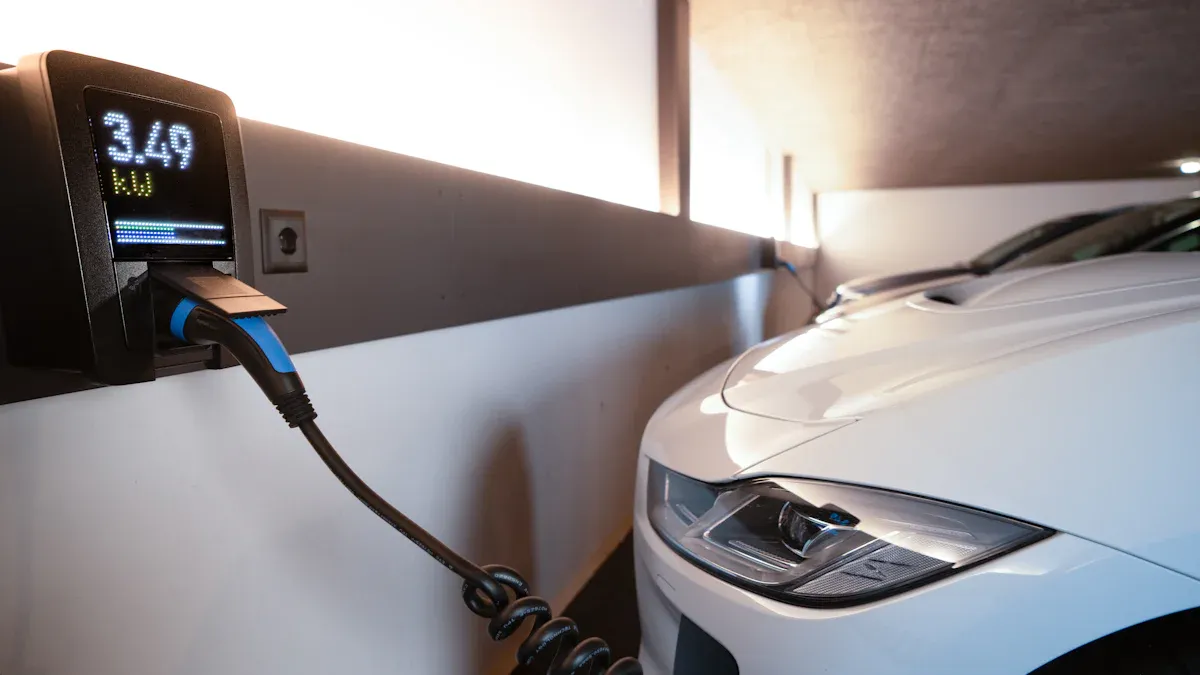
Understanding V2H capability begins with a grasp of fluxo de energia bidirecional. This smart charging technology is central to modern charging infrastructure and transforms how owners interact with their electric vehicles. Technologically advanced providers like TPSON are developing smart solutions that make this future a reality.
Defining Bidirectional Power Flow
At its core, bidirectional power flow is a simple yet powerful concept. Unlike traditional EV chargers that only allow a one-way street for electricity, bidirectional systems create a two-way highway.
- Unidirectional Charging: Electricity flows from the grid into the electric vehicle. The charging process converts AC power from the outlet to DC power for the EV battery.
- Bidirectional Charging: Electricity can flow both ways. The system supports standard charging and allows the EV to discharge its stored DC energy, converting it back to AC power for external use.
This two-way transfer is the foundation for V2H, V2G, and V2L technologies.
What is V2H (Vehicle-to-Home)?
Vehicle-to-Home (V2H) allows an electric vehicle to function as a large, mobile battery for a house. During a power outage or high-cost energy periods, a V2H system can draw power from the EV’s battery to run home appliances. This smart capability turns the vehicle into an integral part of a home’s energy ecosystem.
V2G (Vehicle-to-Grid) vs. V2H
While similar, V2H and V2G serve different purposes. V2H directs power from the EV to a single home. In contrast, Vehicle-to-Grid (V2G) sends power from the EV back to the public electricity grid. V2G helps utility companies stabilize the grid during peak demand, and owners may receive compensation for their contribution.
Understanding V2L (Vehicle-to-Load)
Vehicle-to-Load (V2L) is the simplest form of bidirectional charging. It allows an EV to power individual devices directly, like a laptop or power tools, using outlets built into the vehicle itself. It is like having a portable generator without the noise or fumes, perfect for camping or worksites.
Why V2H Matters for the Modern EV Owner
The adoption of V2H offers tangible benefits beyond transportation, making zero-emission vehicles even more valuable. This smart EV charging approach provides resilience and financial advantages.
Energy Independence with Home Backup Power
V2H provides homeowners with a reliable backup power source. An EV battery holds significantly more energy than many standalone home batteries. During a grid failure, a V2H system can keep essential circuits running for hours or even days, offering peace of mind.
Reducing Electricity Bills
Smart EV charging with V2H enables energy arbitrage. An owner can charge their EV during off-peak hours when electricity is cheap. They can then use that stored energy to power their home during peak hours when electricity is expensive, directly reducing their utility bills.
Supporting Grid Stability
On a larger scale, widespread V2H adoption helps balance the electrical grid. By using stored EV power during peak demand, homes reduce their strain on public charging infrastructure and the grid. This collective action improves grid resilience for everyone.
The Rise of AC V2H for Residential Use
For homeowners, AC-based V2H systems are becoming the preferred solution due to their efficiency and lower cost. These smart systems leverage the technology already present in many modern electric vehicles.
How AC V2H Leverages the EV’s Onboard Inverter
Every EV contains an onboard inverter to convert AC power from charging points into DC power for the battery. AC V2H systems cleverly use this same inverter in reverse. When discharging, the EV’s inverter converts the battery’s DC power back into AC power, which is then sent to the home via the bidirectional wall charger.
Comparing Costs: AC vs. DC V2H Systems
DC V2H systems require a large, complex, and expensive external inverter to convert the EV’s DC power to AC power for the home. Because AC V2H systems utilize the vehicle’s onboard inverter, the external hardware—the bidirectional charger and gateway—is simpler and more affordable, making it a more practical choice for residential installations.
The Role of New Charging Protocols
Effective and safe V2H operation requires advanced communication between the vehicle, the charger, and the home. New smart charging protocols are essential for managing this two-way energy flow, ensuring the system operates reliably and integrates seamlessly with other smart home devices and charging stations.
The Three Pillars of a V2H Ecosystem
A functional V2H capability relies on three interconnected components working in harmony. An owner needs a compatible electric vehicle, a bidirectional AC wall charger, and a home energy gateway. These three pillars form a complete ecosystem for smart home charging and energy management. Technologically advanced providers like TPSON develop integrated solutions that bring these smart components together.
Pillar 1: The V2H-Capable Electric Vehicle
The journey begins with the vehicle itself. Not every EV can perform bidirectional charging. The electric vehicle must have the correct internal hardware and software to support two-way energy flow.
Checking Your EV for V2H Compatibility
An electric vehicle requires specific features for bidirectional charging. Both the EV and the home EV charger must use compatible software and a bidirectional converter. This converter is crucial for changing the battery’s direct current (DC) into alternating current (AC) for home use. Owners should consult their vehicle’s manufacturer specifications to confirm this smart capability.
Current EV Models Supporting V2H
A growing number of electric vehicles now come factory-equipped for bidirectional charging. These models have the necessary onboard technology to enable smart EV charging and discharging. Current examples include:
- Ford F-150 Lightning
- Kia EV9
- Tesla Cybertruck
O Kia EV5 also offers full bidirectional charging, including V2H, on its GT-Line S models. This trend shows the industry’s move toward more versatile EV solutions.
Upcoming Electric Vehicle Models with V2H
Automakers are increasingly integrating bidirectional charging into their new designs. Many upcoming models will feature this smart technology as a standard or optional upgrade. This will expand the options for owners looking to use their EV as a home power source, making the technology more accessible.
Pillar 2: The Bidirectional AC Wall Charger
The bidirectional charger is the physical link between the EV and the home. It manages the two-way flow of electricity, making it a critical piece of the charging infrastructure. These smart EV chargers are more advanced than standard charging stations.
The Charger’s Role in Two-Way Power
This smart device does more than just push power into a vehicle. A bidirectional charger contains an inversor que converte energia em ambas as direções. Ele gerencia o processo padrão de carregamento CA para CC. Também reverte o processo, tomando energia CC do VE e convertendo-a em CA para alimentar a residência. O sistema de gestão de energia do veículo e os controles do carregador gerenciam todo este processo inteligente de carregamento.
Diferenças-Chave em Relação a um Carregador Padrão para VE
Ao contrário dos carregadores padrão para VE que suportam apenas carregamento unidirecional, as unidades bidirecionais são construídas para um diálogo em duas vias. Elas contêm eletrônica de potência avançada e protocolos de comunicação para gerenciar a descarga com segurança. Isso as torna distintas dos pontos de carregamento típicos.
Especificações Técnicas Essenciais
Ao selecionar um carregador doméstico para VE, os proprietários devem procurar por suporte bidirecional. As especificações-chave incluem potência de saída (kW), amperagem e compatibilidade com padrões de comunicação. Esses detalhes garantem que o carregador possa atender tanto às necessidades de carregamento quanto de descarga do VE.
Pilar 3: O Gateway de Energia Residencial
O gateway de energia residencial é o centro de comando do ecossistema V2H. Este dispositivo inteligente gerencia de forma inteligente a distribuição de energia por toda a casa, sendo o “cérebro” do sistema.
O “Cérebro” do Seu Sistema V2H
O gateway é um ponto de conexão central para a rede, painéis solares e o VE. Ele prioriza essas fontes para um uso ideal.
Os usuários frequentemente podem selecionar entre diferentes modos. Um ‘modo de economia de custos’ otimiza a poupança de energia carregando o VE quando as tarifas estão baixas. Um ‘modo fora da rede’ maximiza o autoconsumo a partir da energia solar ou da bateria do VE.
Como Funciona o Comutador de Transferência Automática
Um componente-chave do gateway é o comutador de transferência automática (ATS). Durante uma queda de energia, o ATS desconecta com segurança a casa da rede. Em seguida, sinaliza ao carregador bidirecional para começar a extrair energia do VE, restaurando a eletricidade para circuitos essenciais de forma contínua.
Integração com Painéis Solares e Baterias Residenciais
O gateway se destaca na integração de múltiplas fontes de energia. Ele pode direcionar o excedente de energia solar para o VE para armazenamento. Durante uma interrupção, ele garante que a geração solar continue. Esta integração inteligente da estações de carregamento, rede, solar e do veículo cria uma solução energética verdadeiramente resiliente e eficiente.
Um Guia de Compra para Carregadores CA V2H

Selecionar o carregador CA bidirecional certo envolve mais do que apenas encontrar um modelo compatível. Um proprietário deve avaliar seu desempenho, conectividade e hardware para garantir que atenda aos seus objetivos energéticos de longo prazo. Este guia detalha os fatores essenciais para uma decisão informada.
Avaliação da Potência e Velocidade de Carregamento
A função primária de qualquer carregador doméstico para VE é reabastecer a bateria do veículo. Para um V2H sistema V2H, a velocidade tanto do carregamento quanto da descarga é crítica.
Amperagem e Potência de Saída em Quilowatts (kW)
A potência de saída, medida em quilowatts (kW), determina a rapidez com que o carregador pode preencher a bateria de um VE. Esta saída é um produto da tensão e da amperagem. A maioria dos carregadores residenciais de Nível 2 para VE opera a 240 volts. A amperagem pode variar de 16A a 80A.
- Baixa Potência (7,4 kW): Um carregador de 32 ampères fornece cerca de 7,4 kW. Isto é suficiente para carregamento noturno para a maioria dos modelos de VE.
- Alta Potência (11,5 kW – 19,2 kW): Um carregador de 48 ampères fornece 11,5 kW, enquanto uma unidade de 80 ampères pode fornecer 19,2 kW. Estes oferecem carregamento mais rápido, o que é útil para um veículo elétrico com bateria grande.
Uma classificação de kW mais alta significa uma experiência de carregamento mais rápida.
Equilibrando a Velocidade de Carregamento com a Carga Elétrica Residencial
O quadro elétrico de uma casa tem uma capacidade finita. Instalar um carregador de alta amperagem pode exigir uma atualização do quadro, adicionando custo significativo. Um carregador inteligente sistema de balanceamento de carga inteligente pode ajudar a gerenciar isso.
Nota: O balanceamento de carga inteligente é uma característica crucial. Ele monitora o consumo total de energia da casa e reduz automaticamente a saída do carregador para evitar a sobrecarga do circuito principal. Isso garante que o VE possa continuar seu carregamento sem desarmar um disjuntor.
Taxas de Transferência de Potência Bidirecional
Para V2H, a taxa de transferência de potência do veículo para a casa é tão importante quanto a velocidade de carregamento. Esta taxa também é medida em kW. A maioria dos sistemas CA V2H de primeira geração oferece uma taxa de descarga semelhante à sua taxa de carregamento, tipicamente entre 7 kW e 11,5 kW. Esta é energia suficiente para operar eletrodomésticos essenciais, luzes e sistemas de HVAC durante uma interrupção.
Conectividade e Recursos Inteligentes de Carregamento de VE
Os carregadores modernos para VE são dispositivos inteligentes. Seu valor vai além da entrega de energia para incluir controle inteligente, análise de dados e integração com outros sistemas. Provedores tecnologicamente avançados como a TPSON focam no desenvolvimento dessas soluções inteligentes.
Conectividade Wi-Fi, Ethernet e Celular
A conectividade confiável é a espinha dorsal de qualquer dispositivo inteligente. Os carregadores bidirecionais para VE oferecem várias opções:
| Tipo de Conexão | Prós | Contras |
|---|---|---|
| Wi-Fi | Wi-Fi: Fácil de configurar, sem fiação extra | Pode ser instável dependendo do sinal |
| Ethernet | Ethernet: Conexão mais estável e confiável | Requer a passagem de um cabo físico |
| Celular: Independente da internet residencial | Pode exigir uma taxa de assinatura | Uma conexão Ethernet é geralmente preferida para a comunicação crítica necessária para o carregamento inteligente de VE e funções V2H. |
Avaliação do Aplicativo Móvel e Interface do Usuário.
O aplicativo móvel é a interface principal para controlar o sistema inteligente de carregamento de VE. Um aplicativo de alta qualidade transforma a experiência do usuário de um carregamento básico para uma gestão sofisticada de energia. As principais características a procurar incluem:
Controles de Carregamento Inteligente:
- Agendamento automático para alinhar com tarifas de eletricidade fora de pico ou maximizar o uso de energia solar. Alguns aplicativos oferecem agendamento multi-modo para diferentes dias da semana. Os utilizadores podem agendar sessões de carregamento Otimização de Energia:.
- O aplicativo deve fornecer integração nativa com as tarifas de energia da concessionária. Isso permite que o sistema sincronize automaticamente com os horários de carregamento mais baratos. Configurações de tarifa personalizadas também são uma característica valiosa. Dados em Tempo Real e Histórico:.
- O aplicativo deve exibir o status de carregamento ao vivo, fluxo de energia e consumo histórico de energia. Esses dados ajudam os proprietários a acompanhar economias e entender seus hábitos energéticos. Gerenciamento Remoto:.
- Um proprietário pode bloquear ou desbloquear remotamente o carregador, iniciar ou parar uma sessão de carregamento e alternar entre modos de operação (por exemplo, economia de custos vs. energia de reserva). Localizador de Estação de Carregamento:.
- Alguns aplicativos incluem recursos para encontrar estações de carregamento públicas, mostrando Some apps include features for finding public charging stations, showing real-time availability, and displaying pricing information to plan trips beyond the home.
These smart features are essential for unlocking the full potential of V2H and smart charging technology.
Smart Home Platform Integration
A truly smart home ev charger integrates seamlessly into a broader ecosystem. Integration with platforms like Amazon Alexa and Google Home serves as a central control layer. This allows an owner to use voice commands to manage their EV charging. For example, a user could ask their smart assistant to check the vehicle’s charge status or start a charging session. Certain EV chargers, such as the Rolec WallPod: EV HomeSmart and Hypervolt Home 3 Pro, already offer this level of smart home compatibility, making the EV an active part of the connected home.
Hardware and Connector Types
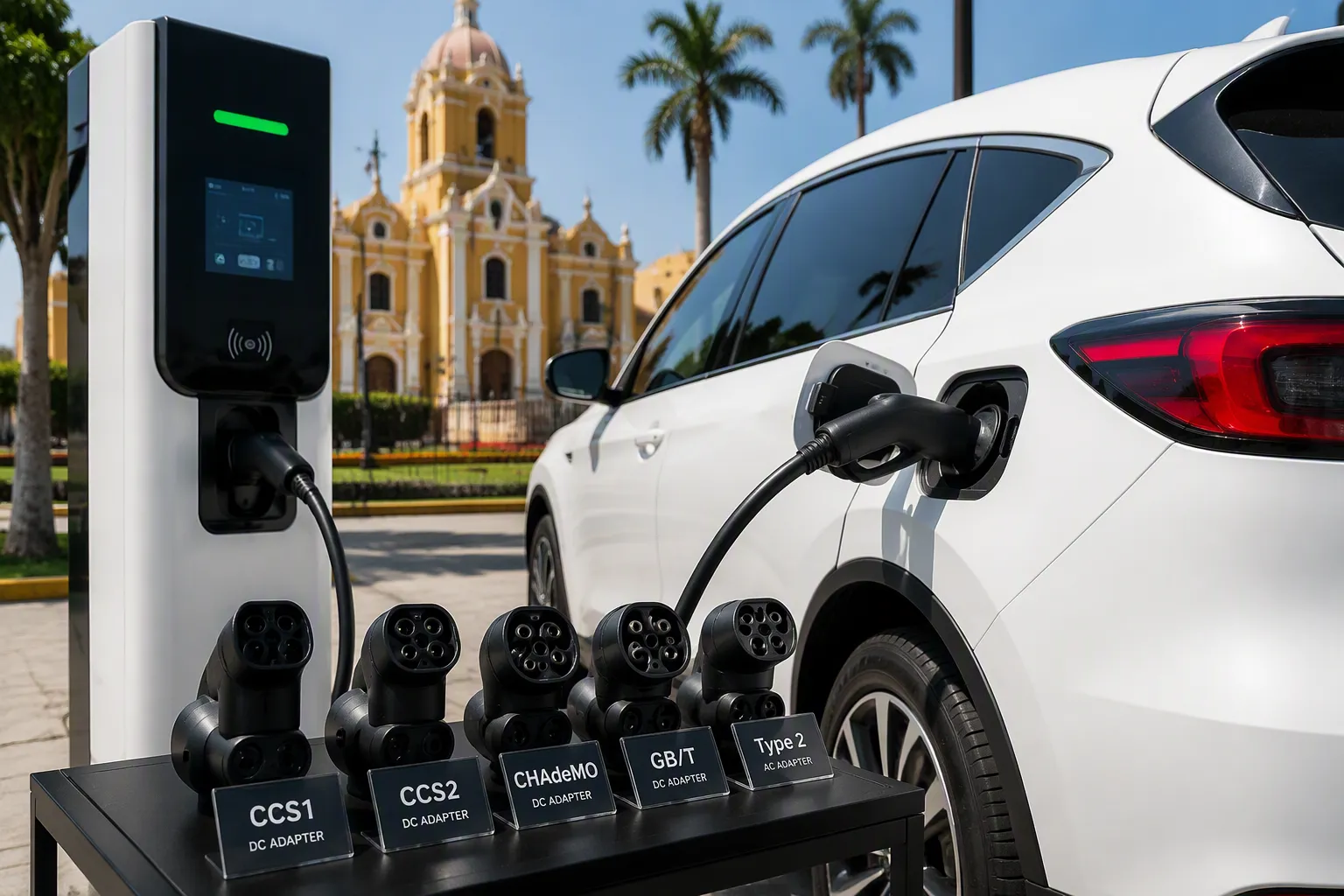
The physical connection between the electric vehicle and the charger is a fundamental aspect of the charging infrastructure. While the industry is moving toward standardization, buyers must still consider the different connector types.
The NACS (Tesla) Connector Standard
Originally proprietary to Tesla, the North American Charging Standard (NACS) is a compact and efficient connector design. Many automakers have announced plans to adopt NACS for their future EV models. Its smaller size and ability to handle both AC and DC charging make it a popular choice for new charging points.
The J1772 Connector Standard
The SAE J1772 connector has been the standard for most non-Tesla EV models for many years. It is widely supported by a vast network of public charging stations and home EV chargers. While larger than the NACS connector, it is a proven and reliable design for AC charging.
The Importance of Adapters
In the current mixed-connector environment, adapters are essential. They bridge the gap between different standards, ensuring an EV can connect to various charging points.
An EV with a NACS port can use a J1772 adapter to connect to J1772 charging stations. Conversely, a vehicle with a J1772 port can use a NACS adapter to access Tesla’s charging network (for both public charging and home use). An adapter ensures maximum flexibility for any EV owner.
Ensuring a Safe and Compliant V2H Installation
A V2H system involves complex electrical work and advanced communication. A safe and compliant installation is non-negotiable. It protects the owner’s home, the electric vehicle, and the grid. This process requires adherence to strict safety certifications, communication standards, and local electrical codes.
Critical Safety Certifications
Third-party certifications verify that a product has been tested against rigorous safety standards. For bidirectional EV chargers, two UL standards are paramount.
UL 9741 for Bidirectional EV Charging Systems
This standard is the benchmark for bidirectional EV charging equipment. It evaluates the entire system, including the charger, the connection to the vehicle, and the software that manages power flow. A UL 9741 certification ensures the smart system can safely transfer power in both directions without risk.
UL 1741 for Inverters and Converters
UL 1741 specifically covers the inverters and converters that change DC power from the EV battery into AC power for the home. This certification is crucial for AC V2H systems, as it confirms the EV’s onboard inverter meets safety and performance requirements for grid interconnection.
Essential Communication Standards
Smart V2H operation depends on seamless communication between the EV, the charger, and the home. Standardized protocols make this smart dialogue possible.
The ISO 15118-20 Protocol Explained
The ISO 15118-20 protocol is the smart language that enables advanced V2H functions. It governs the secure, two-way communication between the EV and charging stations. This smart protocol is essential for a modern charging experience.
- It enables bidirectional energy flow, allowing an EV to power a home during an outage.
- The protocol supports smart charging strategies that consider grid load and energy prices, optimizing the charging process.
- It uses enhanced security with cryptographic certificates to protect communication and user data.
- É orchestrates the EV’s onboard charger for discharging, a key function for AC V2H.
This standard turns a simple connection into an intelligent energy management system, making smart EV charging a reality.
SunSpec for Solar and Storage Integration
The SunSpec Alliance creates open information standards for the distributed energy industry. For a V2H system, SunSpec compliance ensures that the EV charger, solar panels, and home batteries can all communicate effectively. This allows the home energy gateway to manage all assets as one cohesive unit.
Electrical Code and Permitting
A proper installation must comply with all relevant electrical codes and local regulations. This guarantees the system is safe and legally installed.
National Electrical Code (NEC) Requirements
The National Electrical Code (NEC) provides the minimum safety standards for all electrical installations. It has specific articles covering EV charging equipment. These rules dictate proper wiring, circuit protection, and placement of charging points to prevent electrical hazards.
Importante: V2H installations have unique requirements under the NEC, especially concerning how the system disconnects from the grid during an outage.
The Role of a Licensed Electrician
Instalar um bidirectional EV charger and home gateway is not a DIY project. A licensed electrician with experience in EV charging solutions is essential. They ensure the installation meets all code requirements, from the panel capacity to the final connection of the charging points.
Local Permitting and Utility Approval
Before installation, an owner must typically obtain a permit from their local building department. After installation, the local utility company often needs to inspect and approve the system before it can be activated. This step confirms the V2H system will interact safely with the public grid. Technologically advanced providers like TPSON design their smart EV charging products to meet these stringent requirements.
Financial Analysis: Is a V2H System Worth It?
An investment in a Vehicle-to-Home (V2H) system requires a careful financial evaluation. The initial outlay for the hardware and installation is higher than for a standard home ev charger. However, the long-term value proposition includes significant energy savings and enhanced energy independence. A thorough analysis helps an owner determine if the benefits justify the costs for their specific situation.
Upfront Investment Cost Breakdown
The total upfront cost of a V2H system comprises three main components: the bidirectional charger, the home energy gateway, and professional installation. Prices vary based on the manufacturer, system complexity, and the home’s existing electrical infrastructure.
Bidirectional Charger Price Range
The bidirectional charger itself is the first major expense. These advanced ev chargers contain sophisticated power electronics for two-way energy flow. As an example, a smart home ev charger like the Sync Energy Wall Charger 2 starts from approximately £1,019. This price often includes the basic unit, with optional upgrades available. An owner might pay more for a tethered cable or a different model, such as the EO Mini Pro 3, which can increase the cost by £190 to £250.
Home Gateway and Transfer Switch Costs
The home energy gateway is a separate and essential component. This smart device acts as the system’s brain, managing power flow between the ev, the grid, and the home. It also contains the automatic transfer switch for safe islanding during an outage. The cost for the gateway is an additional investment on top of the charger. While some manufacturers, like Sigenergy, offer integrated solutions, buyers must budget for this critical hardware.
Professional Installation Cost Estimates
Professional installation is mandatory for safety and compliance. The cost can fluctuate significantly. Some suppliers include a “standard” installation in the charger’s price. A standard package typically covers:
- Basic installation with up to 33 feet of cable routed externally.
- System commissioning and safety checks.
- A preliminary survey and project management.
- Warranty and ongoing technical support.
Nota: Additional charges are common. An owner may face extra costs for electrical bonding work (+$200), longer cable runs, or routing cables through interior walls (+$110–$375). A detailed quote from a licensed electrician is crucial for an accurate budget.
Calculating Long-Term Value and ROI
The return on investment (ROI) for a V2H system comes from several sources. These include direct energy bill savings, government incentives, and the intrinsic value of having a reliable backup power source. Technologically advanced providers like TPSON design their smart solutions to maximize this long-term value.
V2H vs. a Standalone Home Battery
A key advantage of V2H is its dual use of an existing asset. An electric vehicle owner already has a large battery in their driveway. A V2H system unlocks its potential for home energy storage. This approach is often more cost-effective than purchasing a separate, standalone home battery, which serves only one purpose. The ev provides both transportation and home power, maximizing its value.
Utility Rebates and Tax Credits
Government incentives can significantly reduce the net cost of a V2H system. These programs vary by region and change over time. For instance, some Polestar 3 customers in California can access state-level rebates through a program administered by dcbel. This program is designed to offset a large portion of the investment for both the smart energy system and its installation. Prospective buyers should always research available federal, state, and local utility rebates for charging stations and bidirectional charging equipment.
Savings from Time-of-Use (TOU) Rate Arbitrage
The most direct financial benefit of a V2H system comes from Time-of-Use (TOU) rate arbitrage. A smart Energy Management System (EMS) automates this process. It schedules the ev charging for off-peak hours when electricity is cheapest. The system then allows the vehicle to discharge power to the home during peak hours when electricity is most expensive. This smart ev charging strategy directly lowers utility bills.
Pilot data from Indra shows that V2H technology can generate average savings of up to £200 per month. This translates to a potential annual saving of £2,400 for a typical household. Further research suggests that V2G technology, which encompasses V2H, could earn ev drivers an average of £320 per year by 2030. These smart savings from optimized charging and discharging accelerate the system’s ROI. The smart system makes the charging process efficient.
The Monetary Value of Backup Power
Placing a monetary value on backup power can be difficult, but its importance is undeniable. A V2H system provides a robust and long-lasting power source during grid outages. The large capacity of an ev battery can keep essential circuits running for days, not just hours. This offers peace of mind and protects against the costs associated with spoiled food, lost productivity for remote workers, or the need for a hotel stay. This resilience is a smart and valuable feature of modern charging points and charging stations. The smart ev charging system ensures the ev is ready for both driving and home power needs, making it a cornerstone of a resilient home.
An owner’s final decision on V2H capability rests on their electric vehicle compatibility, budget, and energy goals. Investing in smart EV chargers with this function is a strategic move. It elevates the EV from a simple vehicle to a core part of a home’s smart energy ecosystem. This smart charging maximizes the electric vehicle’s value.
V2H powers a home during outages. This smart charging provides energy independence when the grid is down. The smart EV offers reliable backup power.
This smart charging technology transforms the role of electric vehicles.
- Industry experts view V2H as the next major step in smart charging technology.
- It turns an EV into a home energy battery for smart charging and discharging.
Technologically advanced providers like TPSON create these smart charging solutions. The smart EV charging process makes the vehicle a versatile asset.
FAQ
What is the main difference between AC and DC V2H?
AC V2H systems use the electric vehicle’s onboard inverter to convert power. This makes the external hardware simpler and more affordable. DC V2H systems require a large, expensive external inverter, making them less common for residential use.
Does using V2H damage an EV’s battery?
Modern EV batteries are designed for many charge and discharge cycles. V2H operation uses slow, controlled discharging, which has a minimal impact on battery longevity. The vehicle’s battery management system protects the battery from excessive wear.
Can any EV use a V2H charger?
No, not all electric vehicles support V2H. The EV must have the necessary onboard hardware and software for bidirectional power flow. An owner should always check their vehicle’s specifications or consult the manufacturer to confirm V2H compatibility.
What equipment is needed for a complete V2H system?
A functional V2H system requires three key components working together:
- A V2H-capable electric vehicle.
- Um bidirecional AC wall charger.
- A home energy gateway with an automatic transfer switch.
How does V2H save an owner money?
V2H enables energy arbitrage. An owner can carregar seu veículo elétrico when electricity rates are low. They can then use that stored energy to power their home when rates are high. This smart strategy directly reduces the household’s utility bills.
What is the role of a provider like TPSON in V2H?
Technologically advanced providers like TPSON develop and manufacture the core components for V2H. They design the smart bidirectional chargers and integrated systems that make safe and efficient two-way energy transfer possible for homeowners.
Can a V2H system work with solar panels?
Yes. A home energy gateway integrates the V2H system with a solar panel installation. The gateway can direct surplus solar energy to charge the EV. During an outage, it manages both sources to power the home efficiently.