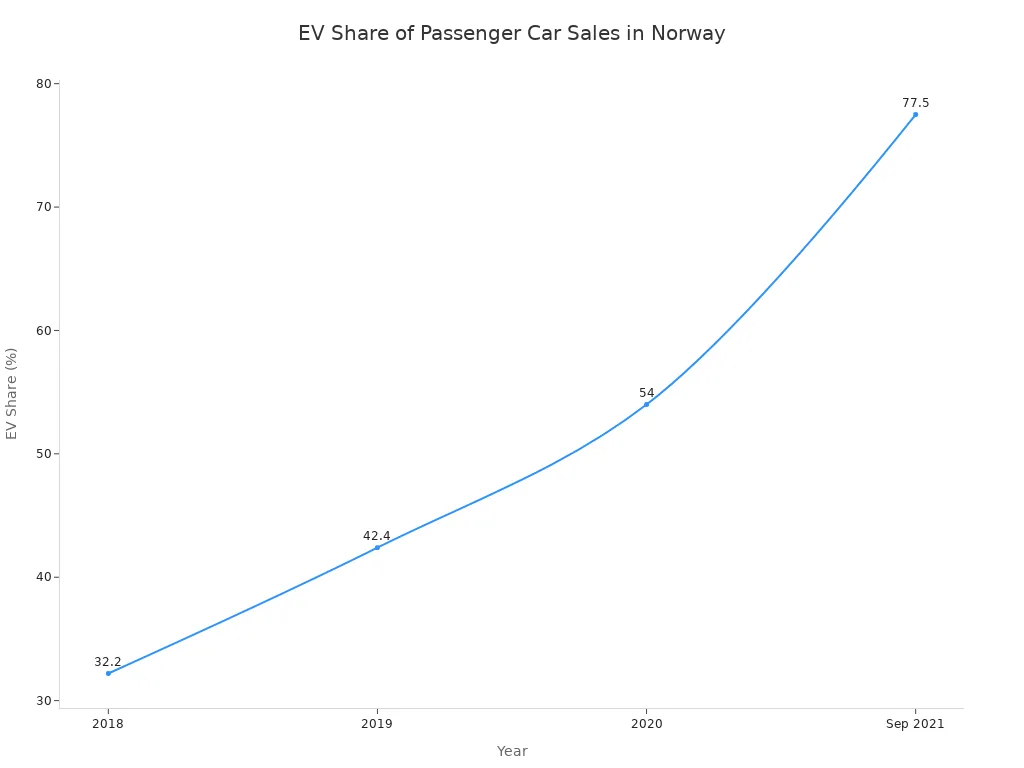
Norway leads the world in electric vehicle adoption, making the topic of EV charging and battery health critically important. With EV sales growing rapidly, many drivers question common myths about their vehicle’s battery.
| Ano | EV Share of Passenger Car Sales |
|---|---|
| 2020 | 54% |
| Sep 2021 | 77.5% (BEV market share) |
One of the most persistent myths suggests frequent Level 3 charging causes significant EV battery damage. While different charging methods do accelerate battery degradation at different rates, modern EVs are engineered to handle this stress. An advanced Battery Management System carefully manages the charge to minimize degradation and protect long-term battery health. This makes the actual degradation from fast charging minimal. For most drivers, the convenience outweighs the slight, manageable impact on battery health. Technologically advanced Soluções de carregamento de veículos eléctricos de Fabricantes de carregadores para veículos eléctricos like TPSON, offering everything from a standard Carregador de veículos eléctricos para carregadores portáteis para veículos eléctricos, further ensure a safe and efficient charging experience, mitigating concerns about battery degradation.
The Science of EV Battery Degradation
To understand the impact of fast charging, one must first grasp the science of EV battery degradation. This process is a natural and unavoidable aspect of battery ownership. However, understanding its mechanisms empowers drivers to protect their investment and maximize battery longevity.
What is Battery Degradation?
Battery degradation refers to the gradual loss of a battery’s ability to store and deliver energy. This decline in battery health manifests in two primary ways.
Capacity Loss vs. Power Loss
Capacity loss is the reduction in the total amount of energy a battery can hold when fully charged. For an EV driver, this translates directly to a decrease in maximum range. Power loss, on the other hand, affects the battery’s ability to deliver current. This can result in slower acceleration and reduced peak charging speeds. While both are related to overall battery health, capacity loss is the metric most drivers notice first.
The Inevitable Aging Process
Every lithium-ion battery begins an irreversible aging process from the moment it is manufactured. This battery degradation is caused by slow, complex chemical changes inside its cells. Key reactions contributing to this decline include:
- Loss of Mobile Lithium Ions: Side reactions trap free lithium, reducing the number of ions available to shuttle energy.
- Structural Electrode Damage: The physical movement of ions during charging and discharging slowly damages the electrode’s crystal structure.
- Solid Electrolyte Interphase (SEI) Growth: A layer forms on the anode, consuming lithium and impeding performance over the battery’s lifespan.
These processes ensure that every EV battery will experience some level of degradation over its lifespan.
Key Factors That Reduce Battery Lifespan
While some battery degradation is unavoidable, certain conditions can significantly increase battery degradation rates. The primary culprits are stress factors that accelerate the chemical reactions responsible for aging.
Nota: Your EV’s battery is like a biological system. It performs best when it is not exposed to extremes.
High Temperatures
Heat is a major enemy of battery health. Temperatures above 35°C speed up the chemical breakdown of the electrolyte, which is critical for ion movement. Exposing an EV to extreme heat, whether during charging or parking, is a primary cause of accelerated battery degradation and can cause the most significant EV battery damage.
Extreme States of Charge
A battery’s state of charge (SoC) also influences its lifespan. Keeping a battery at 100% for long periods places high voltage stress on the cells. Conversely, frequently draining the battery to 0% can also harm its internal chemistry. Both extremes amplify the rate of degradation.
High Charging Currents
The high electrical currents used in Level 3 charging generate more internal heat than slower charging methods. This heat accelerates the unwanted chemical reactions that cause battery degradation. It also increases the risk of “lithium plating,” a phenomenon where lithium ions build up on the anode’s surface instead of inserting into it, permanently reducing capacity and battery performance.
Calendar Aging
Calendar aging is the degradation that occurs simply as time passes, even if the electric vehicle is not being used. This process is heavily influenced by temperature and state of charge. An EV stored for months in a hot climate with a full charge will experience more significant battery degradation than one stored in a cool location with a partial charge.
Why Fast Charging Causes More Stress
Fast charging offers incredible convenience, but it places more stress on an EV battery than slower methods. This stress primarily comes from two interconnected factors: intense heat and high electrical currents. Understanding these factors is key to appreciating how modern EV technology, like that from manufacturers such as TPSON, works to protect the battery’s long-term health and lifespan.
The Primary Culprit: Excessive Heat
Heat is the most significant contributor to accelerated battery degradation. While all charging generates some heat, the physics of fast charging amplifies this effect considerably.
How Fast Charging Generates Heat
Think of electricity moving into a battery like water flowing through a pipe. A gentle flow (Level 1 or 2 charging) creates minimal friction. A powerful, high-volume flow (Level 3 charging) creates significant internal resistance. This resistance manifests as heat. Pushing a massive amount of energy into the battery cells in a short time inevitably raises the battery pack’s internal temperature, which can accelerate battery degradation.
Heat’s Impact on Battery Internals
Elevated temperatures speed up the undesirable chemical reactions inside a battery. This thermal stress accelerates the growth of the Solid Electrolyte Interphase (SEI) layer and can cause the breakdown of the electrolyte. Over time, this cumulative heat exposure leads to faster capacity loss and a reduced battery lifespan. The more frequently a battery experiences high-heat charging cycles, the more pronounced the long-term degradation becomes.
The Impact of High Electrical Current
The high current of a DC fast charger is what enables rapid charging, but it also introduces specific risks that contribute to battery degradation. High voltage and current from this type of EV charging increase the strain on the battery, leading to faster wear compared to slower AC charging methods.
Understanding C-Rate in Charging
The speed of charging is often described by its “C-rate.” A C-rate of 1C means the battery can fully charge in one hour.
A Level 2 charger might operate at around 0.3C, while a Level 3 fast charger can operate at 2C, 3C, or even higher. A higher C-rate means a faster charge, but it also signifies a more intense flow of current into the battery cells.
This high rate of charge is what can cause physical stress on the battery’s internal components.
The Risk of Lithium Plating
One of the most direct forms of ev battery damage from high-current charging is lithium plating. This phenomenon is a primary driver of degradation. It occurs when the charge rate is too fast for the anode to properly absorb the incoming lithium ions. Instead of inserting into the anode, the ions build up on its surface.
- Lithium ions accumulate on the negative electrode’s surface.
- This buildup forms a layer of metallic lithium that is no longer active.
- The process permanently reduces the battery’s capacity to store energy.
Este risco é especialmente elevado durante o carregamento rápido em temperaturas baixas, um cenário comum para os condutores noruegueses. Um estudo envolvido dois Nissan Leafs mostrou que o carregamento rápido DC exclusivo aumentou a taxa de degradação em 16% comparado com o carregamento AC, destacando o impacto real das correntes elevadas.
Quantificando o Danos Real à Bateria de VE
O stress teórico é uma coisa; o impacto real é outra. Embora a ciência mostre que o carregamento rápido pode causar mais stress, dados extensivos de milhares de veículos elétricos ajudam a quantificar o efeito real. Estes dados frequentemente dissipam os mitos mais comuns sobre a degradação catastrófica da bateria devido ao carregamento rápido DC frequente.
Perceções dos Dados da Frota Geotab
A Geotab, líder global em telemática, fornece alguns dos dados reais mais abrangentes sobre a saúde da bateria de VE. A sua análise de mais de 10.000 VEs comerciais e de consumo oferece uma imagem clara de como diferentes hábitos de carregamento afetam a degradação da bateria a longo prazo.
Comparando Utilizadores com Uso Intenso de DCFC vs. Utilizadores com Uso Intenso de AC
Os investigadores analisaram frotas de veículos para comparar aqueles que usaram principalmente carregamento AC (Nível 2) com aqueles que dependiam fortemente do carregamento rápido DC. O estudo descobriu que os veículos de uso intenso que utilizam frequentemente carregadores DC realmente sofreram uma taxa mais rápida de degradação da bateria. Este efeito foi mais notável em regiões com climas quentes, reforçando a ligação entre o calor e a saúde da bateria.
Medindo o Intervalo de Degradação
Apesar da diferença, o intervalo de degradação não foi tão dramático como muitos mitos sugerem. Os dados mostram que, embora exista uma diferença mensurável, as baterias modernas de VE são notavelmente resilientes. Para o condutor médio, mesmo aquele que utiliza frequentemente o carregamento rápido DC, a degradação adicional é mínima ao longo da vida útil do veículo. A bateria num VE moderno é projetada para suportar este padrão de utilização.
Conclusões de Outros Estudos da Indústria
Um corpo crescente de investigação confirma que a longevidade da bateria está a melhorar e que a degradação é frequentemente mais lenta do que o antecipado. Estes estudos destacam a importância da tecnologia avançada na mitigação do desgaste.
Inquéritos de Longo Prazo sobre Baterias de VE
Inquéritos a milhares de proprietários de VE pintam uma imagem tranquilizadora da durabilidade da bateria. Um estudo abrangente de 2024 revelou que a degradação da bateria é lenta e consistente para a maioria dos proprietários.
| Ano de Registo | Autonomia Média Restante | Perda Média Anual de Autonomia |
|---|---|---|
| 2023-2024 | 97% | 1% |
| 2021-2022 | 97% | 1% |
| 2019-2020 | 96% | 1% |
| 2017-2018 | 93% | 1% |

Estes dados mostram uma perda média de autonomia de apenas 1,1% por ano. Esta taxa lenta de degradação significa que uma bateria moderna de VE provavelmente durará mais do que o próprio veículo. David Savage da Geotab observa que um declínio anual de 1,8% é improvável que afete as necessidades diárias de um condutor, e este número continua a melhorar com os modelos de VE mais recentes.
Testes de Durabilidade do Fabricante
Os fabricantes de automóveis investem fortemente para garantir que as suas baterias possam suportar anos de utilização, incluindo o carregamento DC frequente. Esta confiança reflete-se nas suas garantias.
- A maioria dos fabricantes oferece garantias de bateria por sete ou oito anos.
- Alguns, como a Toyota e a Lexus, garantem que a bateria retém 90% da sua capacidade após 10 anos ou um milhão de quilómetros.
Os primeiros modelos de VE, particularmente aqueles sem sistemas de refrigeração líquida como alguns Nissan Leafs mais antigos, mostraram taxas de degradação da bateria mais significativas. No entanto, os veículos elétricos atuais apresentam sistemas sofisticados de gestão de baterias e controlo térmico. Estes avanços, combinados com equipamento de carregamento de alta qualidade de fabricantes como a TPSON, garantem que a bateria está protegida durante cada carregamento.
A investigação em dezenas de milhares de VEs mostra que a substituição da bateria é rara.
| Idade do Veículo/Ano de Fabrico | Taxa de Substituição da Bateria (Excluindo Recalls) |
|---|---|
| Veículos fabricados após 2015 | Menos de 1% |
| Veículos de 2015 e anteriores | Apenas 1,3% |
Esta baixa taxa de substituição para modelos mais recentes desmascara os mitos sobre a necessidade de uma nova bateria dispendiosa após alguns anos. Embora todas as baterias sofram alguma degradação, os dados provam que as baterias modernas de VE são construídas para a longa distância, tornando as preocupações sobre danos graves à bateria do VE devido à utilização normal, em grande parte, infundadas.
A Defesa do Seu VE: O Sistema de Gestão da Bateria (BMS)
A bateria de um VE não é deixada à sua sorte contra as tensões do carregamento e da utilização diária. Um computador de bordo sofisticado, o Sistema de Gestão da Bateria (BMS), atua como um guardião dedicado, garantindo que a bateria opera de forma segura e eficiente. Este sistema é a principal razão pela qual os VEs modernos podem suportar o carregamento rápido frequente com degradação a longo prazo mínima.
O Papel do BMS na Proteção da Bateria
O BMS é um componente crítico que monitoriza e gere ativamente todos os aspetos da operação do conjunto de baterias. É a chave para garantir a saúde, o desempenho e a longevidade da bateria.
O Cérebro do Seu Conjunto de Baterias
Pense no BMS como o cérebro inteligente da bateria do seu VE. É um sistema eletrónico avançado que utiliza uma rede de sensores para recolher dados em tempo real do conjunto de baterias. Este fluxo constante de informação permite-lhe tomar decisões instantâneas para proteger a bateria de danos, otimizar o seu desempenho e prolongar a sua vida útil. Sem um BMS, uma bateria de VE estaria vulnerável a uma degradação rápida e a riscos de segurança significativos.
Funções Principais do BMS
O BMS desempenha várias funções vitais para manter a saúde e eficiência da bateria. As suas responsabilidades primárias são cruciais tanto para a operação diária como para a manutenção da bateria a longo prazo.
- Controlo**Monitorização**: Rastreia continuamente parâmetros-chave como tensão, corrente e temperatura **tensão, corrente e temperatura** em todas as células individuais.
- **Estimativa de Estado**: O sistema calcula o **estado de carga (SOC) e o estado de saúde (SOH)** da bateria,, fornecendo estimativas precisas de autonomia e perceções sobre a degradação a longo prazo.
- **Proteção**: Protege a bateria contra condições perigosas, como **sobrecarga, descarga excessiva e curto-circuitos**..
- **Controlo Térmico**: O BMS gere a temperatura da bateria, ativando sistemas de aquecimento ou arrefecimento conforme necessário para a manter na sua gama operacional ideal.
Como o BMS Mitiga o Stress do Carregamento Rápido
Durante um carregamento rápido de Nível 3, o BMS trabalha incansavelmente para contrariar as tensões inerentes ao carregamento de alta corrente. Empregue várias estratégias inteligentes para minimizar a degradação e proteger o seu investimento.
**Gestão Térmica Ativa**
O calor é um dos principais impulsionadores da degradação da bateria. O BMS combate-o diretamente, gerindo o sistema térmico do VE. Quando os sensores detetam temperaturas crescentes durante um carregamento rápido, o BMS ativa sistemas de refrigeração líquida para circular o refrigerante através do conjunto de baterias. Este processo dissipa o excesso de calor, impedindo que as células atinjam temperaturas que acelerariam a degradação química e garantindo uma melhor eficiência de carregamento. Esta manutenção ativa é fundamental para preservar a saúde da bateria.
The “Charging Curve” Taper
A key strategy the BMS uses to protect the battery is managing the “charging curve.” You may notice your EV’s charging speed is fastest at the beginning of a session and slows down significantly as it gets fuller. This is intentional.
The BMS dramatically reduces the charging speed once the battery reaches approximately 80% capacity. This “tapering” effect is designed to prevent overheating and reduce stress on the cells. The final 20% of a charge can often take as long as the first 80%, a trade-off that is crucial for long-term battery longevity.
This controlled process prevents the high-current stress that causes degradation, especially in the higher state of charge range.
Ensuring Cell Balance for Longevity
An EV battery pack consists of thousands of individual cells. For optimal performance and a long battery lifespan, all these cells must charge and discharge uniformly. The BMS is responsible for “cell balancing.” It monitors the voltage of each cell and ensures they all maintain an equal state of charge. If some cells charge faster than others, the BMS can redirect energy to bring the slower cells up to speed. This meticulous battery maintenance prevents individual cells from becoming overstressed, which is critical for overall battery health and preventing premature capacity loss. This function is a cornerstone of the advanced technology found in modern EVs and supported by quality charging solutions from providers like TPSON.
The Norwegian Context: Climate and Charging Habits
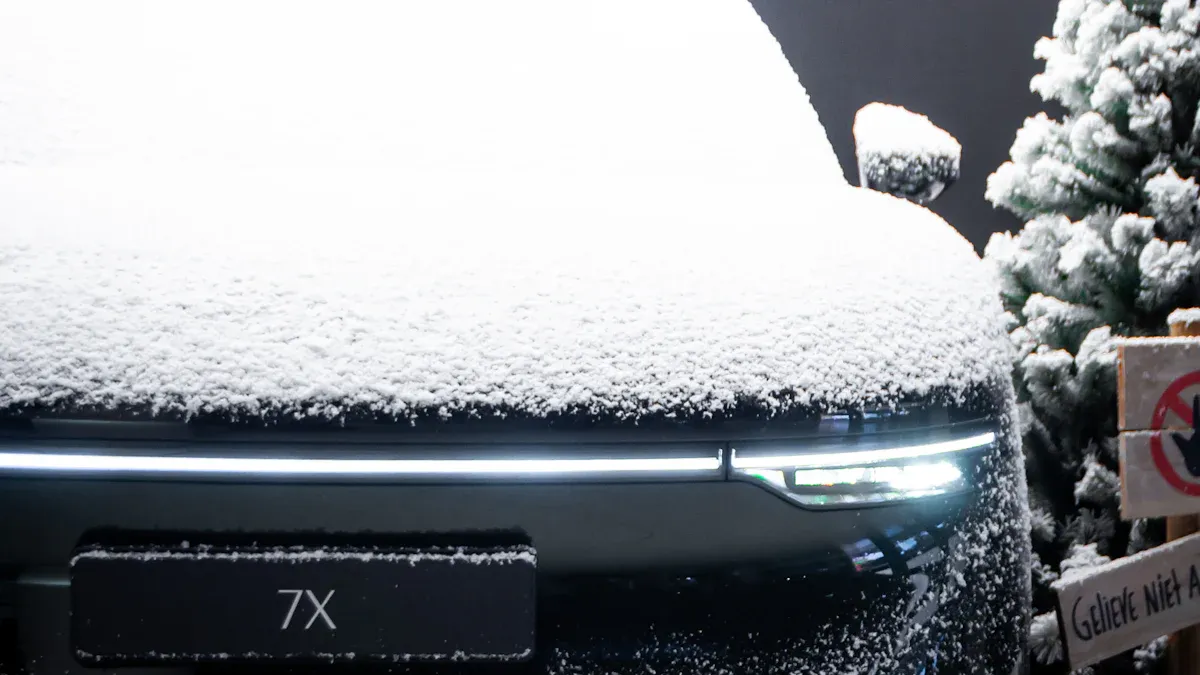
Norway’s world-leading adoption of electric vehicles creates a unique environment where climate and infrastructure heavily influence driver behavior. Understanding these local factors is essential to accurately assess the real-world impact of fast charging on battery health.
Does Norway’s Cold Weather Affect Charging?
The country’s cold climate presents specific challenges for EV owners. Low temperatures directly impact the electrochemical processes inside a battery, affecting both performance and charging speeds.
The Challenge of Charging a Cold Battery
A cold battery is an inefficient battery. The chemical reactions needed to store energy slow down dramatically in low temperatures. When an EV with a cold-soaked battery connects to a charger, its BMS must restrict the charging speed to prevent damage.
Adam Rodgers of Easee notes that a battery accepts charge more slowly in the cold. A journey requiring 1.5 hours of charging in optimal weather might take two hours or more in winter. This is a protective measure; forcing a high current into a cold battery increases the risk of lithium plating, a major cause of permanent degradation.
This reality means that winter charging sessions, especially at fast chargers, will take longer than in the summer.
The Critical Role of Battery Preconditioning
Modern EV manufacturers have engineered a powerful solution to this cold-weather problem: battery preconditioning. When a driver navigates to a fast charger, many modern EV models can automatically begin warming the battery to an ideal temperature.
The goal is to bring the battery into its “Goldilocks zone” of approximately 20–30°C before the charging session begins. A battery within this optimal range can accept a much faster charge safely. This feature not only saves the driver significant time but also protects the long-term health of the battery by avoiding the stress of cold charging.
Summer Heat vs. Winter Cold Stress
Both summer and winter present different types of stress for an EV battery.
- Summer Heat: High ambient temperatures accelerate the natural chemical degradation inside the battery cells, even when the EV is parked. This increases the baseline rate of aging.
- Winter Cold: The primary stress comes during the charging process. While a cold battery degrades more slowly when idle, the act of charging it introduces risks that the BMS must carefully manage.
While both extremes affect battery degradation rates, the active thermal management systems in a modern EV are designed to mitigate these stresses, whether by cooling the battery on a hot day or warming it for a winter charge.
High EV Adoption and Charger Reliance
Norway’s dense population of electric vehicles has shaped a unique charging culture. A robust public charging network is not a luxury but a necessity for a large portion of the driving population.
Why Norwegians Depend on Fast Chargers
Several factors contribute to the heavy reliance on Level 3 chargers across Norway:
- Apartment Living: Many EV owners live in apartments or multi-family homes without access to private, overnight Level 2 charging.
- Viagens de longa distância: The country’s geography requires long drives between major cities, making fast chargers essential for topping up on the road and alleviating range anxiety.
- High EV Density: In some areas, the sheer number of electric vehicles means public chargers see constant use, with fast chargers offering the quickest turnaround.
This usage pattern means that for many Norwegian drivers, frequent fast charging is a standard part of EV ownership.
Is This Usage Pattern a Problem?
For a modern EV, this reliance on fast charging is not the significant problem many fear. While it is technically true that exclusive DC fast charging causes more degradation than AC charging, the real-world impact is minimal. An EV’s sophisticated BMS and thermal management systems are built precisely for this scenario. They carefully control the charge to protect the battery. The convenience and necessity of fast charging for daily life and travel in Norway far outweigh the slight, manageable increase in battery degradation. Using technologically advanced Soluções de carregamento de veículos eléctricos, such as those from providers like TPSON, further ensures a safe and efficient charge, contributing to excellent long-term battery health.
Best Practices for Extending Battery Lifespan
While modern EVs are built to be resilient, adopting smart habits can significantly extend your battery lifespan. Simple adjustments to daily routines protect your investment and ensure optimal battery health for years to come. These practices focus on minimizing the key stressors: heat, extreme states of charge, and high currents.
Smart Charging Habits to Adopt
The way an EV is charged has a direct impact on its battery longevity. Choosing the right charging methods for different situations is a cornerstone of good battery maintenance.
Prioritize Level 2 Charging When Possible
For daily driving needs, Level 2 AC charging is the gold standard for preserving battery health. This slower, gentler charging method generates less heat and places minimal stress on the battery cells. Automotive engineers recommend making Level 2 charging the primary method at home or work, which helps maximize the battery’s long-term lifespan.
Use Fast Chargers for Long Trips
Carregamento rápido DC is an essential tool for long-distance travel, effectively eliminating range anxiety. Its purpose is to provide a quick top-up to get drivers back on the road. Reserving DC fast charging for these journeys, rather than using it for daily charging, helps reduce cumulative stress on the battery over time.
The 80% Rule on DC Fast Chargers
One of the most effective strategies for battery care is adhering to the “80% rule” during DC fast charging sessions.
A battery’s BMS intentionally slows the charging speed dramatically after reaching an 80% charge. This taper protects the battery from overheating. Pushing for that final 20% can take nearly as long as the first 80%, making it inefficient.
Stopping the charge at 80% offers several benefits:
- It significantly reduces strain on the battery.
- It saves the driver considerable time at the charger.
- It frees up the charger for the next EV user.
Driving and Parking Tips for Battery Health
An EV owner’s habits behind the wheel and when parking also play a role in long-term battery health. Smooth operation and smart parking choices contribute to better efficiency and a longer battery lifespan.
Avoid Aggressive Driving
Driving style directly affects battery performance and health. Aggressive driving, with rapid acceleration and hard braking, forces the battery to discharge energy at a high rate. This not only depletes the available range more quickly but also puts additional strain on the battery’s internal components. Maintaining a steady speed and avoiding sudden maneuvers is a simple form of maintenance that pays dividends.
Park in the Shade During Summer
Heat is a primary enemy of any EV battery. Parking an EV in direct sunlight for extended periods exposes the battery to high ambient temperatures, which accelerates chemical degradation. Geotab data shows a faster decline in battery health at sustained temperatures above 27°C. Whenever possible, parking in a garage or a shady spot helps keep the battery cooler, preserving its charge and protecting its long-term health. This simple habit is a key part of effective battery care.
Understanding Your Specific Vehicle’s Needs
Not every EV is the same. The specific technology inside an electric vehicle plays a significant role in its ability to handle fast charging and maintain long-term battery health. Understanding a vehicle’s unique hardware and following manufacturer advice are crucial for optimal battery care.
Not All EV Batteries Are Created Equal
The design of the battery pack and its underlying chemistry directly influence its durability and performance. Two key differentiators are the thermal management system and the type of battery cells used.
Liquid-Cooled vs. Air-Cooled Systems
An EV’s thermal management system is its first line of defense against heat. Most modern electric vehicles use a liquid-cooled system, which is far more effective than older air-cooled designs. A liquid-cooled system actively circulates fluid to pull heat away from the battery during fast charging. This maintains a stable temperature, enabling velocidades de carregamento mais rápidas and protecting the battery from degradation. Air-cooled systems are less efficient and struggle in extreme temperatures, which can limit charging performance and negatively impact battery health over time.
LFP vs. NMC Battery Chemistries
The chemical makeup of a battery also determines its characteristics. The two most common types are Lithium Iron Phosphate (LFP) and Nickel Manganese Cobalt (NMC). LFP batteries are known for their exceptional durability and safety. They tolerate high temperatures better and can handle more charge cycles, making them very resilient.
An LFP battery is more tolerant of being charged to 100% and experiences less stress at a high state of charge. This makes it a robust choice for an EV that may see frequent use.
NMC batteries offer higher energy density, meaning more range for the same weight. However, they are more sensitive to heat and have a shorter cycle life. The table below highlights the key differences.
| Caraterística | LFP (Lithium Iron Phosphate) | NMC (Nickel Manganese Cobalt) |
|---|---|---|
| Lifespan (Charge Cycles) | 3,000–6,000+ | 500–2,000 |
| Heat Tolerance | Strong | Weaker under high load |
| Safety (Fire Risk) | Very Low | Higher, requires advanced BMS |
Knowing which battery chemistry an EV uses helps the owner understand its charging tolerances and overall health profile.
Consulting Your Manufacturer’s Guidance
The engineers who designed your EV provide the best advice for its care. This guidance is tailored to the specific hardware and software in the vehicle.
Reading the Owner’s Manual
The owner’s manual is the most reliable source of information for your specific EV model. It contains detailed recommendations for charging, including ideal state-of-charge limits and advice on using Carregadores rápidos DC. Following these guidelines is the simplest form of battery maintenance. It ensures the battery operates within its designed parameters for optimal health and battery performance.
Following In-Car Recommendations
Modern EV models provide real-time feedback to the driver. The vehicle’s infotainment system often displays tips for efficient driving and optimal charging. For example, the navigation system may suggest preconditioning the battery on the way to a fast charger. Heeding these automated recommendations helps protect the battery and improve its performance. Using quality charging equipment from providers like TPSON complements this by ensuring a safe and reliable connection, further supporting the vehicle’s built-in protective systems.
Modern electric vehicles are engineered to handle frequent fast charging. This fact dispels common myths about severe ev battery damage. While a technical difference in battery degradation exists, the real-world impact on battery health is minimal. For many Norwegian drivers, the convenience of a fast charge outweighs the slight, manageable degradation. Data on battery degradation shows this resilience.
| Modelo do veículo | Battery Degradation after 160,000 km |
|---|---|
| Tesla Modelo 3 | Approximately 5% |
| Tesla Model S | Approximately 7% |
| Nissan Leaf | Approximately 20% |
Nota: The higher degradation in the older Nissan Leaf often reflects its air-cooled battery system, a design less common in today’s EV models.
Ultimately, following smart practices is the key to a long battery lifespan. This approach protects the EV battery and ensures excellent long-term battery health and battery longevity, debunking myths and promoting confidence in your EV.
FAQ
Is it ever safe to charge an EV to 100%?
Yes, but it depends on the battery chemistry. LFP batteries handle 100% charges well. For NMC batteries, manufacturers advise charging to 100% only immediately before a long journey to minimize stress on the cells.
How much range loss is normal for an EV?
Studies show an average annual range loss of just 1-2%. This slow degradation rate means a modern EV battery will likely outlast the vehicle itself, and the change is rarely noticeable in daily driving.
Does battery preconditioning use a lot of energy?
Preconditioning does consume some energy to warm the battery. However, this process enables much faster and safer dc charging speeds. The energy used is less than what would be wasted from charging a cold, inefficient battery.
Por que o meu veículo elétrico carrega mais devagar no inverno?
Cold temperatures slow the battery’s internal chemical reactions. An EV’s BMS intentionally reduces charging speed to prevent damage. This is a crucial safety measure, especially during a dc fast charge on a cold battery.
Can I rely only on dc fast chargers in Norway?
Sim, um veículo elétrico moderno pode suportar carregamento rápido frequente. Seu BMS avançado e sistemas de gestão térmica são projetados para isso. No entanto, priorizar o carregamento Nível 2 quando conveniente continua sendo a melhor prática para a saúde ideal da bateria a longo prazo.
Qual é o fator mais importante para a saúde da bateria?
Gerenciar o calor é o fator mais crítico. Evitar altas temperaturas durante o carregamento e estacionamento proporciona o maior benefício para preservar a capacidade da bateria. Soluções de carregamento de qualidade de fornecedores como a TPSON também garantem sessões seguras e com controle de temperatura.