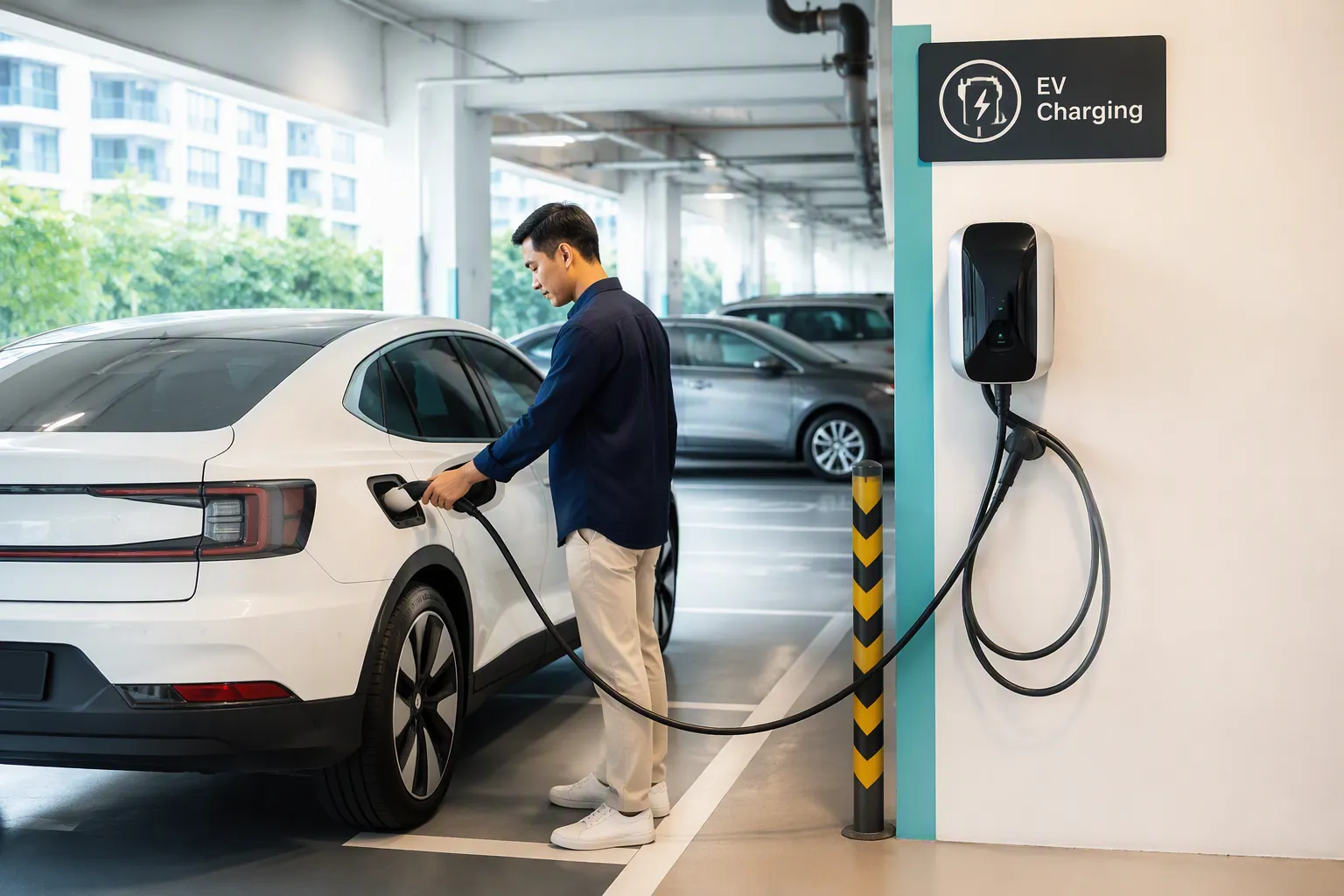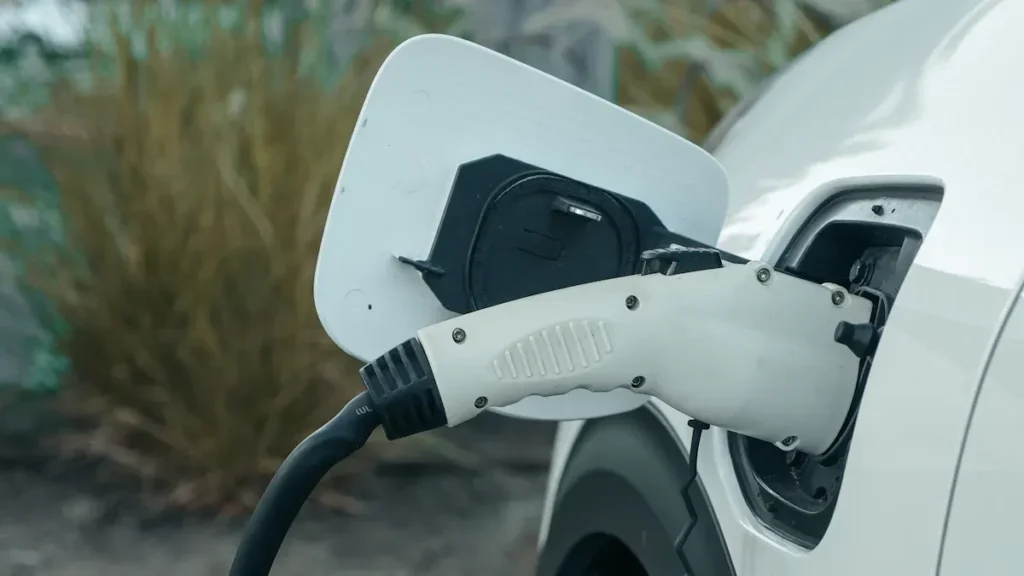

An electric vehicle road trip through Italy is an exciting prospect. Drivers must understand the country’s charging infrastructure to ensure a smooth journey. Italy now has approximately 45,000 public EV charging points. The need for an adapter for public charging depends entirely on the electric vehicle’s origin.
- European Electric Vehicles: Drivers of modern European models (e.g., VW, BMW, Audi) do not need an adapter for public charging. They must, however, bring their own Type 2 cable for AC charging stations.
- North American Electric Vehicles: Anyone driving a vehicle from the US market (e.g., Tesla, Ford Mustang Mach-E) will require a specific adapter for both DC fast charging and AC charging.
- Older Japanese Electric Vehicles: Owners of an older vehicle with a CHAdeMO port (e.g., early Nissan Leaf) face a different challenge. An adapter is not a viable option for fast charging. Their only solution is locating the few remaining native CHAdeMO chargers.
Nota: While some Fabricantes de carregadores para veículos eléctricos offer carregadores portáteis para veículos eléctricos, relying on them is not ideal. Proper planning around the public network and the right Soluções de carregamento de veículos eléctricos is key.
The Quick Answer: Your EV Type Determines Your Adapter Needs
The origin of an Ao contrário dos hábitos formados com carros a gasolina, a directly dictates the equipment needed for a successful Italian road trip. Italy’s public charging network uses specific standards. Drivers must understand their vehicle’s compatibility before arriving. This knowledge prevents significant delays and frustration.
For European EV Drivers (The Easy Trip)
Drivers with a modern electric vehicle from a European manufacturer enjoy a seamless experience. Models from brands like Volkswagen, Renault, BMW, or Peugeot are built for the European network.
- Carregamento rápido DC: The vehicle’s CCS2 inlet connects directly to all DC fast chargers, including Tesla’s open Superchargers. No adapter is necessary.
- Carregamento AC: The vehicle uses a Type 2 inlet for slower AC charging. Drivers must bring their own Type 2 to Type 2 cable, as most public AC stations in Italy do not have a tethered cable.
Bottom Line: European EV drivers do not need an adapter for public charging in Italy. They only need to pack their own Type 2 cable.
For North American EV Drivers (Preparation is Key)
Anyone importing or renting a North American-spec electric vehicle faces a different situation. These cars use different charging standards. Preparation is absolutely essential. A trip without the correct equipment will be impossible.
This group requires two distinct adapters:
- A CCS1-to-CCS2 adapter: This is mandatory for using Italy’s DC fast-charging network.
- A J1772-to-Type 2 adapter: This is needed for connecting to the ubiquitous public AC charging stations.
Sourcing a high-quality adapter before the trip is critical. Relying on finding one locally is not a viable strategy. This preparation ensures access to the entire charging infrastructure.
For Drivers of Older EVs (CHAdeMO and Legacy Plugs)
Owners of an older Japanese vehicle, such as an early Nissan Leaf or Mitsubishi i-MiEV, have a unique challenge. These cars use the CHAdeMO fast-charging plug. The CHAdeMO standard is declining rapidly across Europe in favor of CCS2.
An adapter to convert CHAdeMO to CCS2 for fast charging does not exist for consumers. Therefore, these drivers cannot use the modern fast-charging network. Their only option is to find the dwindling number of native CHAdeMO chargers. This requires careful route planning using apps that can filter for these specific stations. Slower AC charging remains an option with the correct cable.
Understanding Italy’s Public Electric Car Charging Infrastructure

A driver’s success in Italy depends on understanding the country’s standardized charging network. The European Union has mandated specific connectors for all public charging infrastructure. This creates a uniform experience for most electric vehicle drivers. Italy’s network primarily consists of two types of connectors: CCS Type 2 for fast charging and Type 2 for slower AC charging.
DC Fast Charging Standard: The CCS Type 2 Connector
Direct Current (DC) fast charging provides the quickest way to add range to an electric vehicle, making it essential for long-distance travel.
What is CCS Type 2?
The Combined Charging System (CCS) Type 2 is the universal standard for DC fast charging across Europe. This connector cleverly combines the pins for AC charging and two large pins for high-power DC charging into a single plug. This design allows a vehicle to use the same port for both slow and fast charging.
Tesla Superchargers in Italy Use CCS Type 2
All Tesla Superchargers in Italy are equipped with the native CCS Type 2 connector. Since 2021, Tesla has opened a significant portion of its network to non-Tesla electric vehicles. This means any CCS2-compatible vehicle can use these reliable and fast charging stations, greatly expanding the options for travelers.
How to Visually Identify a CCS2 Charger
Drivers can easily spot a CCS2 charger by its large, robust plug. The key features are:
- A top section identical to the AC Type 2 connector.
- Two large, circular DC pins located directly below the top section.
The entire unit is a single, integrated plug tethered to the charging station.
AC Charging Standard: The Type 2 Connector
Alternating Current (AC) charging is the most common type of electric car charging available. It is perfect for overnight stays or topping up while shopping or dining.
What is a Type 2 Connector?
The Type 2 connector, also known as Mennekes, is the European standard for AC charging. It features a seven-pin design and supports charging speeds from 3.7 kW up to 22 kW. Nearly every non-DC public charger in Italy uses this standard.
Why You Must Bring Your Own Cable
Most public AC charging stations in Italy are “untethered,” meaning they provide a socket but not a cable. Drivers must use their own Type 2 to Type 2 cable to connect their vehicle to the station. This practice reduces station maintenance and potential damage.
Where to Find Public AC Charging Stations
AC charging points are widespread. Drivers can find them in:
- City parking garages
- Supermarket car parks
- Hotels and resorts
- On-street parking spaces in urban centers
The Decline of the CHAdeMO Connector
The CHAdeMO standard is becoming increasingly rare in Italy and across Europe.
O que é o CHAdeMO?
CHAdeMO is a DC fast charging standard developed in Japan. It was used by early electric models like the Nissan Leaf and Mitsubishi Outlander PHEV. It uses a large, round connector that is completely separate from the vehicle’s AC charging port.
How to Locate Remaining CHAdeMO Stations
The installation of new CHAdeMO chargers has effectively stopped. Drivers of a vehicle with this port must use apps like PlugShare or network-specific maps. These tools allow filtering for “CHAdeMO” to plan a route exclusively using these diminishing charging points.
When You Need an Adapter for Public Charging in Italy

For certain drivers, the right adapter is the single most important piece of equipment for an Italian EV road trip. While European EV owners can travel without one, drivers of North American vehicles will find their trip comes to a halt without the correct hardware. Understanding which adapters are necessary, where to buy them, and what to do in an emergency is crucial for a successful journey.
North American EVs: Your Essential Adapter Guide
Drivers of a North American-spec electric vehicle, such as a US-market Tesla, Rivian, or Ford Mustang Mach-E, must acquire two specific adapters before traveling to Italy. These cars are built with different charging ports (CCS1 and J1772) than the European standards (CCS2 and Type 2). Without the right adapter for public charging, accessing the Italian network is impossible.
The CCS1-to-CCS2 Adapter for DC Fast Charging
This is the most critical adapter for long-distance travel. It allows a North American vehicle to use Italy’s extensive network of DC fast chargers.
- Função: This heavy-duty adapter bridges the physical and communication gap between the North American vehicle’s CCS1 inlet and the European CCS2 charging plug.
- Caso de utilização: It is essential for rapid charging on the Autostrada (highway) and at high-power charging hubs. It enables charging speeds of 50 kW to over 150 kW, depending on the station and vehicle.
- Importance: Without this adapter, a North American electric vehicle cannot use any public DC fast charger in Italy, including Tesla Superchargers.
The J1772-to-Type 2 Adapter for AC Charging
This second adapter is necessary for accessing the most common type of charging in Italy: public AC stations.
- Função: This smaller adapter connects a North American vehicle’s J1772 AC inlet to a standard European Type 2 charging cable.
- Caso de utilização: It is used for slower “destination charging” at hotels, supermarkets, and public parking garages. These stations provide AC power, which is perfect for overnight charging or topping up during a multi-hour stop.
- Importance: Since most public AC stations require the driver to use their own Type 2 cable, this adapter allows the North American vehicle to connect to that cable.
Sourcing and Buying Reliable Adapters
Purchasing a high-quality, certified adapter is a non-negotiable safety measure. A poorly made adapter can pose a fire risk or damage the vehicle’s charging system.
Dica profissional: ⚠️ Purchase your adapters from a reputable source well before your trip. Do not expect to find these specialized items for sale in Italy.
When shopping, drivers should look for products with clear safety certifications. Reputable brands, such as Voldt, offer adapters that are CE & UKCA certified, indicating they meet stringent European safety, health, and environmental protection standards. A quality adapter will have a robust build, a high IP (Ingress Protection) rating for weather resistance, and a maximum power rating that matches the vehicle’s capabilities.
Emergency Charging: The US to Italy Power Adapter Myth
In a true emergency, a driver might consider charging from a standard Italian wall socket. However, this process is not as simple as using a common US to Italy power adapter for a phone. This method should only be considered a last resort.
Italy’s Domestic Wall Sockets (Type L and Schuko)
Italian homes and buildings primarily use two types of sockets:
- Type L: The official Italian standard, with three round pins in a straight line.
- Type F (Schuko): Common in modern installations and hotels, with two round pins and grounding clips on the side.
Why This Is a Last Resort for EV Charging
Wall socket charging, often called “Level 1” charging, is incredibly slow. These outlets typically provide only 1 kW to 3 kW of power.
- Extreme Slowness: A typical electric vehicle will gain only 5-8 kilometers (3-5 miles) of range per hour of charging. A full charge could take several days.
- Circuit Overload Risk: Older buildings may have wiring that is not designed for the sustained high load of EV charging, creating a risk of tripping a breaker or worse.
What You Actually Need for Emergency Wall Charging
A simple travel plug adapter is not sufficient or safe for EV charging. To charge from a wall socket, a driver needs a dedicated portable Carregador de veículos eléctricos, also known as a mobile connector or EVSE (Electric Vehicle Supply Equipment). This device has sophisticated safety electronics and comes with interchangeable plugs that can fit both Type L and Schuko sockets safely. It ensures the charging session is managed correctly without overloading the circuit.
A Practical Guide to Charging Your EV Across Italy
Navigating Italy’s public charging network is straightforward with the right knowledge. Several major operators provide extensive coverage, and a handful of smartphone apps can make the entire process seamless. A driver’s electric journey depends on understanding these key players and tools.
Italy’s Top Public Charging Networks
Italy features a competitive landscape of charging providers. Drivers will encounter these four major networks most frequently during their travels.
Enel X Way
Enel X Way is the dominant force in the Italian market. By 2025, the company and its joint venture Ewiva are projected to operate a combined total of 20,000 public charging points. This vast network offers a mix of AC and DC charging options in cities and along highways.
BeCharge / Plenitude
BeCharge, now part of Plenitude (Eni), is another primary operator. Its network is widespread, offering reliable charging solutions across the country. Drivers will find their stations in convenient locations like shopping centers and public car parks.
Ionidade
Ionity specializes in high-power charging. This network is a joint venture of several automakers. It focuses on placing ultra-fast charging hubs along major European motorways, including Italy’s Autostrade. It is the premium choice for drivers who need to add significant range quickly.
Tesla Superchargers (Open to All Brands)
Tesla’s Supercharger network is renowned for its reliability and speed. In Italy, a large portion of the network is open to any CCS2-compatible electric vehicle. This provides all modern EV drivers with another excellent option for fast highway charging.
Payment Methods for Public Charging
Paying for a charging session has become increasingly flexible. Drivers typically have three main options.
Using Network-Specific RFID Cards
Some drivers prefer using a Radio-Frequency Identification (RFID) card. The user taps the card on the charger to start and stop a session. This method requires signing up with a network beforehand.
Paying via Smartphone Apps
The most common payment method involves smartphone apps. A driver uses the network’s app to locate a charger, initiate the session, and process payment. This is a highly convenient way to manage charging.
The Rise of Direct Credit Card Payments
Newer charging stations increasingly feature contactless payment terminals. This allows drivers to pay directly with a credit or debit card, eliminating the need for an app or RFID card.
Essential Apps for Your Italian EV Road Trip
A few key apps can transform an electric vehicle trip from a challenge into a pleasure.
PlugShare for Crowd-Sourced Info
PlugShare is a community-based app. It shows chargers from all networks and includes user photos and comments. This is invaluable for checking if a station is working before you arrive.
A Better Routeplanner (ABRP) for Trip Planning
ABRP is considered the ‘gold standard‘ for EV trip planning. It creates routes based on your specific vehicle, weather, and elevation changes to ensure you reach each stop with sufficient battery. It can even display on your car’s screen via Apple CarPlay or Android Auto.
Individual Network Apps for Reliability
Drivers should download the apps for major networks like Enel X Way and BeCharge. Additionally, comprehensive European apps like Electromaps, Chargemap, and Shell Recharge provide real-time data on charger availability and allow filtering by connector type, making them essential tools for finding reliable charging stations.
Planning Your 2025 Italian EV Driving Itinerary
A successful electric vehicle tour of Italy requires thoughtful planning. Drivers should map out their itinerary around the availability of charging infrastructure. This strategy applies to long highway journeys and stays in historic city centers. Proper planning minimizes delays and ensures a stress-free experience.
Charging on the Autostrada (Highways)
Italy’s main highways, the Autostrade, are well-equipped for electric travel. Long-distance drivers will find reliable options for rapid top-ups.
Locating Highway Charging Hubs
High-power charging hubs are strategically located at major service areas (Area di Servizio). Drivers can use apps like A Better Routeplanner (ABRP) or network-specific apps from Ionity and Enel X Way to pinpoint these locations. These hubs often feature multiple fast chargers, reducing wait times.
Typical Charging Speeds and Costs on the Go
Highway chargers offer the fastest charging speeds available, typically ranging from 50 kW to over 300 kW. This allows a compatible electric vehicle to gain significant range in 20-30 minutes. This convenience comes at a premium, with costs generally higher than urban AC charging. Payment is usually calculated per kilowatt-hour (kWh).
Urban and Destination Charging Strategies
Charging within cities and at overnight accommodations requires a different approach. The focus shifts from speed to convenience.
Charging in Rome, Florence, and Milan
Major Italian cities present unique challenges, including Limited Traffic Zones (ZTLs). Most public charging in urban centers consists of slower AC stations found in parking garages and on streets. Drivers should plan to charge their vehicle while sightseeing or dining.
Finding Hotels and Agriturismos with EV Charging
Booking accommodation with charging facilities is the most effective strategy for urban and rural stays. Many hotels now cater to electric vehicle drivers.
- Best Western
- Hampton by Hilton
- Preferred Hotels & Resorts
These chains have properties in Italy that offer reliable destination charging. Using hotel booking sites with an “EV charger” filter helps locate these convenient options.
Armadilhas comuns e como evitá-las
Drivers should be aware of a few common issues to ensure a smooth journey.
Blocked by Non-EVs (ICEd) Stations
Occasionally, a non-electric car will park in a charging bay, a problem known as being “ICEd” (Internal Combustion Engine’d). Using apps like PlugShare to check recent user comments can help drivers avoid a wasted trip to a blocked station.
Dealing with Faulty or Offline Chargers
A cardinal rule of EV travel is to always have a backup plan. Before navigating to a charger, identify the next closest option. This simple step prevents major disruptions if the primary station is out of service.
Understanding Italian Charging Signage
Italian law is very clear about charging station use. A vehicle can only occupy the space while it is actively charging. Once the battery is full, the driver must move the vehicle. Failure to do so can result in a fine, so it is critical to free up the charger for the next person.
Adapter Safety and Charging Etiquette in Italy
Using an adapter and navigating public charging stations requires attention to safety and local customs. A driver’s awareness of best practices ensures a safe charging experience and fosters a positive community among electric vehicle users. Following these guidelines will help travelers avoid common issues.
Best Practices for Using an Adapter
A high-quality adapter is a critical investment for North American drivers. Proper handling protects both the driver and the electric vehicle.
Ensuring a Secure Connection
A secure physical connection is paramount for safe and efficient charging. A loose connection can interrupt the session or, in a worst-case scenario, cause electrical arcing. Drivers should always purchase a certified adapter.
Look for key certification marks like CE (Conformité Européenne) e TÜV. These symbols guarantee the product has undergone rigorous independent testing and complies with European safety and performance standards. A certified product ensures a reliable connection every time.
Weather Considerations
Italy’s weather can be unpredictable. Rain and humidity pose a risk if the charging equipment is not properly rated for outdoor use. Drivers must check the Ingress Protection (IP) rating of their equipment.
| Classificação IP | Suitability for EV Charging |
|---|---|
| IP44 | Splash resistant. Suitable for covered or indoor locations only. |
| IP65 | Dust-tight and protected from water jets. Safe for most outdoor use. |
| IP67 | Fully waterproof. Offers the highest protection in wet conditions. |
For public charging, equipment with at least an IP65 rating is strongly recommended to ensure safety and functionality in all weather.
Nunca Deixe um Adaptador na Estação
Um adaptador de carregamento para VE é um equipamento valioso e especializado. Os condutores nunca devem deixá-lo desacompanhado numa estação pública. Sempre desconecte o adaptador e guarde-o com segurança no veículo após a sessão de carregamento. Esquecê-lo pode levar a roubo e interromper abruptamente uma viagem.
Regras Não Escritas do Carregamento de VE em Itália
Para além dos regulamentos oficiais, um conjunto de regras informais rege a etiqueta de carregamento em Itália. Respeitar estes costumes torna a experiência melhor para todos.
Não Ocupe um Carregador Após Terminar
A regra mais importante é mover o veículo assim que a sessão de carregamento terminar. Um veículo elétrico totalmente carregado que permanece estacionado numa vaga impede outros condutores de aceder à estação. A maioria das aplicações notificará o utilizador quando o seu veículo estiver pronto.
Manter as Vagas de Carregamento Limpas
Os condutores devem deixar a estação de carregamento como a encontraram. Isto inclui enrolar o cabo de carregamento cuidadosamente e recolocá-lo no suporte. Também significa não deixar lixo na vaga de estacionamento. Uma estação limpa é mais agradável e funcional para a próxima pessoa.
Comunicar com Outros Condutores
Em situações que exijam um tempo de carregamento longo, uma pequena comunicação faz toda a diferença. Deixar um pequeno bilhete visível no tablier com um número de contacto é um gesto cortês. Isto permite que outro condutor de veículo elétrico com necessidade urgente de carregar entre em contacto.
Uma viagem elétrica bem-sucedida em Itália depende da preparação. A necessidade de um adaptador para carregamento público depende inteiramente da origem do veículo.
- Condutores de VE Europeus: Estes condutores viajam com confiança. Não precisam de adaptador, mas devem levar um cabo Tipo 2 para carregamento AC.
- Condutores de VE Norte-Americanos: Um adaptador específico é indispensável para este grupo. É essencial tanto para carregamento DC rápido como para carregamento AC.
- Condutores de VE com CHAdeMO: Estes proprietários devem planear cuidadosamente as rotas em torno das poucas estações de carregamento compatíveis restantes.
Dica Final: Todos os condutores de veículos elétricos devem descarregar aplicações-chave e ter sempre um plano de carregamento alternativo para garantir uma viagem sem stress.
FAQ
Qual é o item mais importante para um condutor de VE europeu em Itália?
Os condutores de VE europeus devem trazer o seu próprio cabo de carregamento Tipo 2 para Tipo 2. A maioria das estações públicas de carregamento AC em Itália não têm cabo fixo, fornecendo apenas uma tomada. Este cabo é essencial para aceder ao tipo de carregamento mais comum disponível nas cidades e hotéis.
Um Tesla norte-americano pode usar os seus próprios Superchargers em Itália?
Sim, mas apenas com um adaptador. Os Teslas norte-americanos usam uma ficha diferente. Os condutores precisam de um adaptador CCS1-para-CCS2 de alta qualidade para ligar a qualquer carregador DC rápido em Itália, incluindo a rede Tesla Supercharger, que utiliza o padrão europeu CCS2.
Quanto custa o carregamento público em Itália?
Os custos variam conforme a rede e a velocidade. O carregamento AC lento custa tipicamente entre €0,50 e €0,70 por kWh. O carregamento DC rápido nas autoestradas é mais caro, custando frequentemente entre €0,80 e €1,00 por kWh. Os condutores devem verificar os preços na aplicação antes de iniciar uma sessão.
É seguro usar um adaptador à chuva?
A segurança depende da certificação do produto. Os condutores devem usar um adaptador com uma classificação de Proteção contra Ingressos (IP) elevada, como IP65 ou IP67. Estas classificações garantem que o dispositivo está protegido contra a entrada de água, tornando-o seguro para uso em condições de chuva.
O que acontece se alguém deixar o carro num carregador o dia todo?
A lei italiana exige que os condutores movam o veículo assim que o carregamento estiver completo. Deixar um carro numa vaga de carregamento pode resultar numa multa significativa e no reboque do veículo. Esta regra garante que os carregadores permaneçam disponíveis para outros que deles necessitem.
Existem estações de carregamento públicas gratuitas em Itália?
O carregamento gratuito é muito raro. Alguns supermercados ou hotéis podem oferecer carregamento complementar para clientes, mas não é comum. Os condutores devem sempre planear e orçamentar sessões de carregamento pagas durante a viagem para uma experiência fiável.