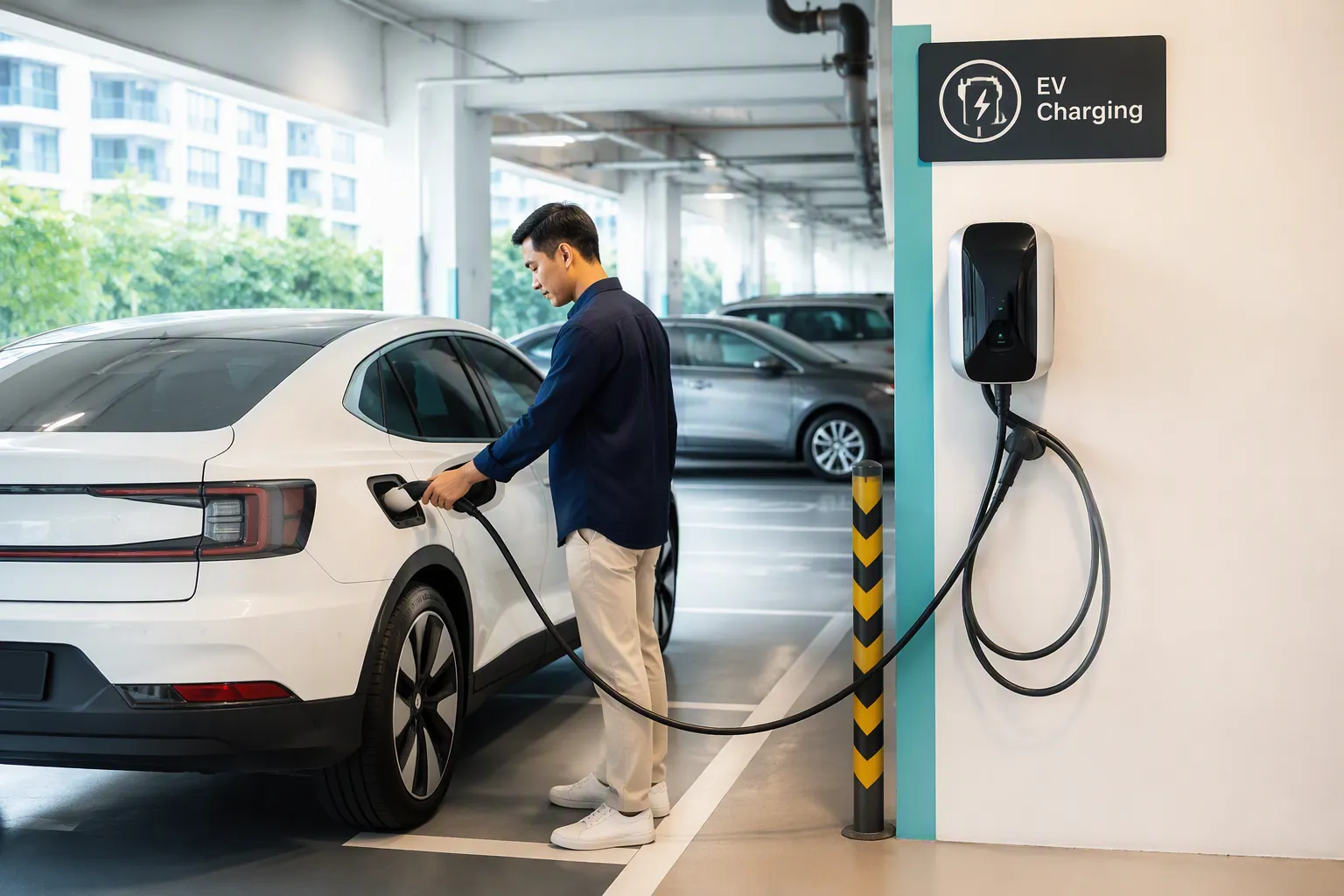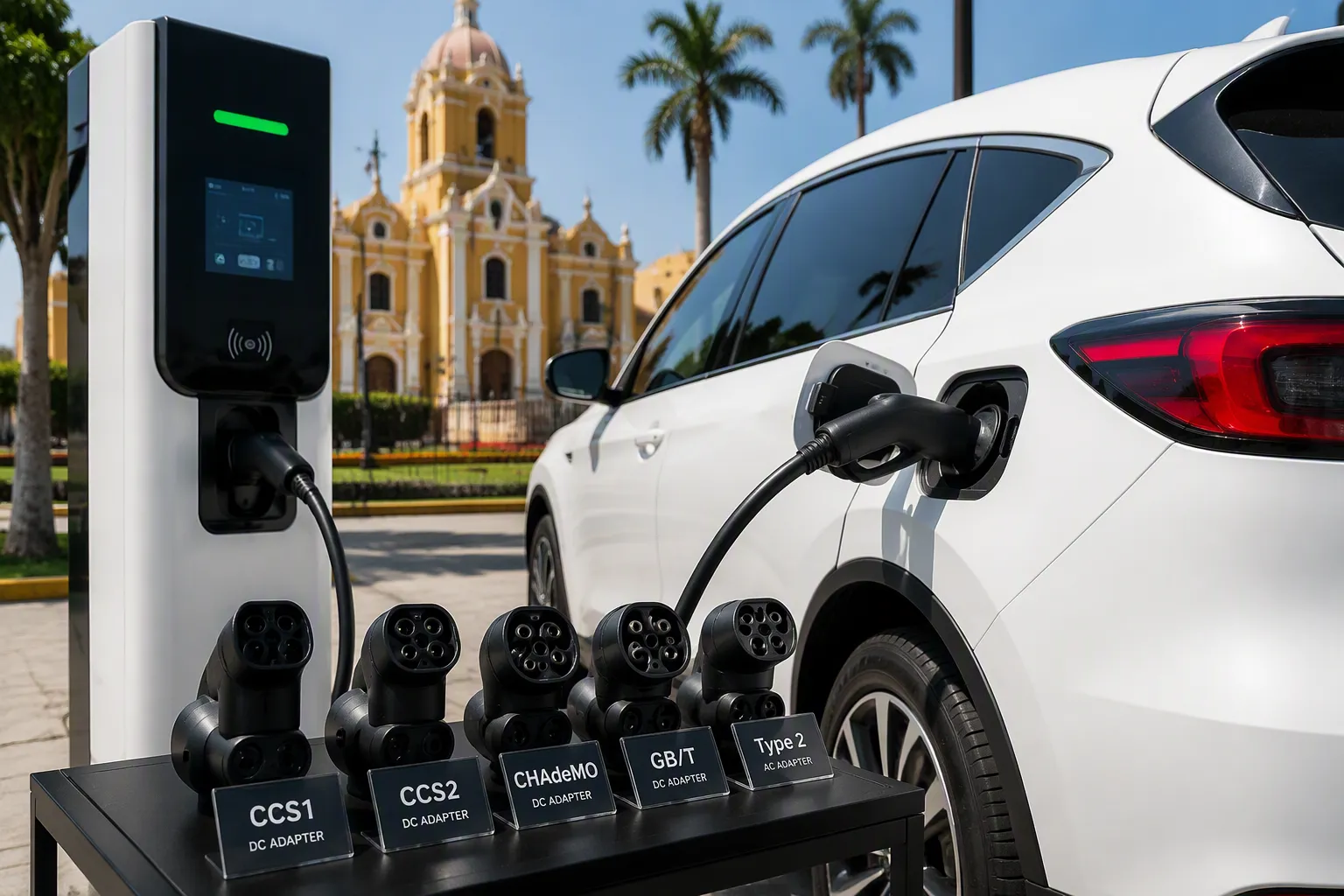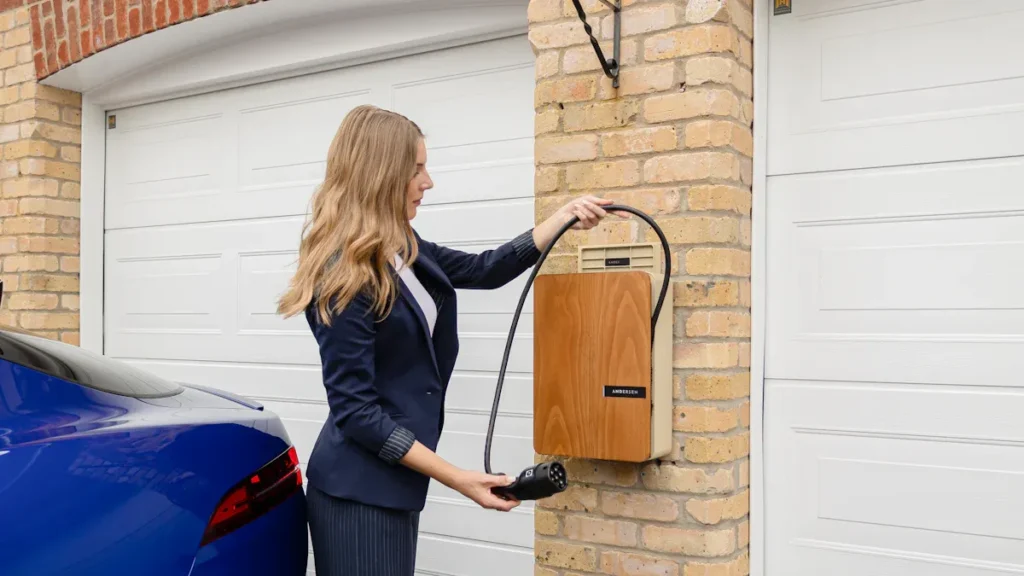

The decision to install fast carregador ev at home depends on meeting key property requirements. A “fast” home charger is a Level 2 unit, offering significantly quicker speeds than basic carregadores ev portáteis. This fast upgrade also boosts property value. One UK study found homes with a charger sold for 13% more, while property platform Zoopla suggests an increase of around £5,000. Tecnologicamente avançado Soluções de carregamento de veículos eléctricos de Fabricantes de carregadores para veículos eléctricos like TPSON make it straightforward to install a fast charger. This dedicated fast EV Charger makes waking up to a full battery a daily reality.
What Is a “Fast” Home Charger, Really?

The term “fast charger” can be confusing. In a residential setting, it refers to a specific type of charging technology. Understanding the different levels of charging is the first step for any prospective electric vehicle owner. It clarifies what is possible for a home installation and what is reserved for public infrastructure.
Understanding EV Charger Levels
Carregamento de veículos eléctricos is categorized into three main levels. Each level offers a different speed and has unique electrical requirements.
Level 1 Charging: The Standard Wall Outlet
Level 1 charging uses a standard 120-volt household outlet. This is the slowest method available. An electric vehicle charger of this type is often portable and comes with the vehicle. While convenient in a pinch, it provides only a trickle of power. It is not a practical primary charging solution for most drivers.
Level 2 Charging: The Home “Fast Charger” Standard
Level 2 is the “fast” charging standard for residential properties. These units require a 240-volt circuit, similar to what an electric stove or clothes dryer uses. Technologically advanced EV charging solutions from providers like TPSON make this a straightforward upgrade. A Level 2 charger provides a much faster and more reliable charging experience, making it the ideal choice for daily use.
DC Fast Charging: Not for Home Use
A DC fast charger, also known as Level 3, offers incredibly rapid charging. These are the units found at public highway rest stops and commercial charging hubs. They can add hundreds of miles of range in under an hour. However, their immense power requirements and prohibitive costs make them unsuitable and unavailable for residential installation.
How Much Faster Is Level 2 Charging?
The difference in speed between Level 1 and Level 2 is significant. A Level 2 installation transforms the ownership experience from one of range anxiety to one of convenience. This fast upgrade ensures a vehicle is always ready for the day ahead.
Comparing Miles of Range Per Hour
A simple way to compare speeds is by looking at the miles of range added per hour of charging. A Level 2 unit dramatically outperforms a standard outlet.
| Nível do carregador | Approximate Miles of Range Per Hour |
|---|---|
| Nível 1 | 6-10 miles |
| Nível 2 | 25-75 miles |
Nota: The actual speed of a Level 2 charger depends on the car’s onboard charger and the amperage of the circuit it is connected to.
Typical Charging Times for Popular EVs
For most owners, the goal is to achieve a full charge overnight. A Level 2 fast charger makes this possible for nearly every electric vehicle on the market. The table below shows estimated times to charge popular models from empty to full.
| Modelo EV | Estimated Level 2 Charging Time (0-100%) |
|---|---|
| Tesla Modelo 3 | ~8 horas |
| Ford Mustang Mach-E | ~10 hours |
| Chevrolet Bolt EV/EUV | ~7.5 – 10 hours |
Electrical Requirements to Install a Fast EV Charger
Before a homeowner can install fast ev charger, they must confirm their property’s electrical system can handle the increased load. A fast Level 2 charger requires more power than a standard outlet. A eletricista qualificado can perform a full assessment, but understanding the basics helps a homeowner know what to expect.
The Essential 240-Volt Circuit
A Level 2 electric vehicle charger cannot plug into a standard wall socket. It needs a dedicated 240-volt circuit, the same type used for high-power appliances like electric dryers or ovens.
How to Check for an Existing Circuit
A homeowner can check for an existing 240-volt circuit in their garage or near their parking area. These outlets are larger than standard outlets and have a unique plug configuration. One can also inspect the electrical panel for a “double-pole” breaker, which is two breakers linked together.
What If You Don’t Have One?
Most homes will require a new, dedicated 240-volt circuit. An electrician must install this. Electrical codes treat an EV charger as a “continuous load.” This means the circuit breaker and wiring must be rated for 125% of the charger’s maximum output to prevent overheating during long charging sessions. A double-pole breaker is necessary to protect the circuit.
Avaliar o painel elétrico da sua casa
The electrical panel, or breaker box, is the heart of a home’s electrical system. It must have enough capacity to support the new, high-power demands of fast charging.
Checking Your Panel’s Ampere Capacity
The panel’s total capacity is listed on the main breaker, usually the largest switch at the top of the panel. Most modern homes have 150-amp or 200-amp service. Older homes might have 100-amp service, which could require an upgrade.
The Role of Your Main Breaker
An electrician performs an electrical capacity assessment to ensure the panel can handle the new load. This process involves:
- Listing all high-power circuits (e.g., HVAC, electric stove, water heater).
- Adding the new EV charger’s load to the list.
- Calculating the total potential demand. This calculation determines if the existing service is sufficient or if a panel upgrade is needed to ensure safe operation.
Energia monofásica vs. trifásica
Power is delivered to properties in different “phases.” The type of power a home receives affects its maximum electrical capacity.
Why Most US Homes Have Single-Phase Power
The majority of residential properties use single-phase power. This system is simple, cost-effective, and perfectly suitable for typical household demands. It reliably powers everything from lights to large appliances. Three-phase power, which delivers more constant power, is generally reserved for industrial facilities with heavy machinery.
How This Affects Maximum Charging Speed
For a home installation, single-phase power is not a limitation. It easily supports the requirements for powerful Level 2 charging, allowing EV owners to wake up to a full battery every morning.
Physical Requirements for Fast Charging at Home
Beyond electrical upgrades, a property must meet several physical criteria to support a fast EV charger. The right location ensures safety, convenience, and cost-effectiveness for any home installation.
Estacionamento fora da rua dedicado
A private, accessible parking space is the most fundamental physical requirement. This is primarily for safety and logistical reasons.
Why a Driveway or Garage Is Necessary
A driveway or garage provides a secure, private area for the installation. Running a charging cable across a public pavement or walkway creates a significant trip hazard. For this reason, local councils and authorities often prohibit installations that require cables to cross public rights-of-way, making off-street parking a practical necessity.
Considerations for Shared Parking Spaces
Installing chargers in apartment buildings or properties with shared parking is more complex. It requires permission from landlords, freeholders, or property managers. Several factors add to the complexity:
- Fire Safety: Installations in covered car parks must comply with specific building regulations (like Parte S) regarding fire risk mitigation.
- Conectividade: Underground garages may have poor Wi-Fi or cellular signals, which can prevent smart charger features from working.
- Cost and Logistics: The process can be expensive and requires careful planning, though government grants may be available to landlords to offset costs.
Escolher o melhor local de instalação
The specific spot where the charger is mounted impacts both cost and daily usability. A homeowner should consider two key factors.
Proximity to Your Electrical Panel
Para minimize installation expenses, the charger should be located as close to the home electrical panel as possible. The cost of an installation increases with the length of the required high-gauge electrical cable. A shorter run from the panel to the charger is more efficient and affordable.
Reaching Your Car’s Charging Port
The location must allow the charger’s cable to easily reach the vehicle’s charging port. A homeowner should consider the length of the cable and how they typically park their car to ensure the connection is always convenient and never strained.
The Need for a Stable Wi-Fi Connection
Modern fast chargers are “smart” devices that offer advanced features. These capabilities depend on a reliable internet connection.
Why Smart Chargers Need Wi-Fi
A stable Wi-Fi connection unlocks the full potential of a fast charger. Technologically advanced EV charging solutions from providers like TPSON use connectivity for features that enhance the experience of fast charging at home. These include:
- Carregamento programado: Automatically starting a session during off-peak hours to save on electricity costs.
- Monitorização remota: Using a smartphone app to check charging status, track energy usage, and view charging history from anywhere.
Checking Signal Strength at Your Location
Before finalizing the installation spot, it is crucial to check the Wi-Fi signal strength. A weak or unstable signal will prevent smart features from functioning correctly. A homeowner can use their smartphone to test the signal at the proposed location to ensure a reliable connection.
What Is the True Cost to Install a Fast Charger?
Understanding the answer to “how much does it cost to install an electric vehicle home charger” requires looking at three distinct components. The total price is a combination of the charger unit itself, the standard installation fee, and any additional work your property might need. This breakdown helps a homeowner budget accurately for a fast charging setup.
The Charger Unit Cost
The first major expense is the charging unit. Prices vary significantly based on features, brand reputation, and hardware specifications.
Price Range for Basic vs. Smart Chargers
A basic charger simply delivers power to the vehicle. A smart charger, like those from technologically advanced providers such as TPSON, connects to Wi-Fi. This connectivity allows for scheduled charging, energy monitoring, and remote control via an app. The added functionality of a smart charger typically places it at a higher price point than a basic model, but the long-term savings on electricity can offset the initial cost.
Factoring in Cable Length and Brand
The price of a charger is also influenced by its attached cable length. Longer cables offer more parking flexibility but increase the unit’s cost. Furthermore, established brands with a reputation for reliability and robust warranties often command a premium over lesser-known manufacturers.
Custos Padrão de Instalação
The second part of the total cost is the professional installation. This work must be completed by a qualified electrician to ensure safety and compliance with wiring regulations.
O que inclui uma instalação “standard
A “standard” installation package has a defined scope of work. While it can vary slightly between contractors, it generally includes the following steps:
- An expert electrician will place the charging station on the designated wall.
- The charging cable will be attached.
- Electrical cables will be fed from the main panel to the charging station.
- An Electrical Installation Certificate (EIC) will be provided upon completion, confirming compliance with wiring regulations.
Average Cost for a Qualified Electrician
The typical cost to purchase and install a fast electric car charging point at a home ranges between £800 and £1,200. A common breakdown for a 7 kW charger suggests a cost of around £600 for the unit and £400 for the installation. The average total for a charger and standard installation by a qualified electrician is approximately £1,000.
Custos Adicionais Potenciais
Not every property is ready for a straightforward installation. Several factors can lead to additional work, increasing the final price.
Melhorias no painel elétrico
If a home’s existing electrical panel (consumer unit) cannot handle the additional load of a fast charger, an upgrade is necessary. This is common in older properties with 100-amp service or less. This is often the most significant potential extra expense.
The cost for upgrading an electrical panel can range from £500 to £2,500, depending on the complexity of the job and the capacity of the new unit.
Trenching for Detached Garages or Long Runs
If the charger is installed on a detached garage or far from the electrical panel, the electrician may need to dig a trench to bury the armoured cable. Trenching is labour-intensive work that adds a substantial amount to the final installation bill.
Taxas de autorização
Some local councils require a permit for this type of electrical work. The electrician will handle the application process, but the homeowner is responsible for the permit fee. This is usually a minor administrative cost but is important to factor into the budget.
Available Grants, Rebates, and Tax Credits
The total cost of a home charging station can be significantly reduced through various financial incentives. These programs are designed to make the transition to electric vehicles more affordable for homeowners. Exploring these options is a critical step in budgeting for a fast charger installation.
Créditos fiscais federais
The federal government offers a substantial tax credit to lower the cost of installing a home charger. The Alternative Fuel Vehicle Refueling Property Credit helps homeowners recoup a portion of their investment.
Under this program, a homeowner can claim a tax credit for 30% of the total cost of purchasing and installing the charger, up to a maximum of $1,000. This credit directly reduces the amount of federal tax owed for that year.
To qualify, the property must be located in an eligible census tract, which typically includes rural or low-income communities. A homeowner must file IRS Form 8911 with their annual tax return to claim this benefit. This incentive makes the initial cost much more manageable.
Descontos de governos estaduais e locais
Many state and local governments offer their own rebate programs to further reduce the cost of a home charging installation. These incentives are separate from federal credits and can often be combined for maximum savings.
- State-Level Rebates: Many states provide direct cash-back rebates after a homeowner purchases and installs a qualified charger. The amounts and eligibility requirements vary widely, so checking the state’s energy department website is essential.
- Municipal Programs: Some cities or counties offer additional incentives. These can include rebates on the charger unit, discounts on permit fees, or other financial perks aimed at promoting local EV adoption.
These programs change frequently, so a homeowner should research the current offerings in their specific area before making a purchase.
Programas de incentivo das empresas de serviços públicos
Local utility companies are another excellent source for cost-saving opportunities. Since home charging increases electricity demand, many utilities offer programs to manage this load and encourage off-peak usage.
- Charger Rebates: Some utilities provide a direct rebate on the purchase of specific smart chargers, like those from technologically advanced providers such as TPSON. These chargers allow the utility to better manage grid demand.
- Time-of-Use (TOU) Rates: Many providers offer special electricity rate plans for EV owners. These plans feature significantly lower electricity prices during off-peak hours, typically overnight. Scheduling charging during these times dramatically lowers the long-term cost of owning an EV.
- Installation Credits: In some cases, a utility might offer a credit to help offset the installation cost, especially if a homeowner enrolls in a specific demand-response program.
Contacting the local electricity provider is a crucial step to uncover all available incentives and maximize savings.
How Do You Get a Fast Charger Installed?

Once a homeowner confirms their property meets the electrical and physical requirements, the path to a fast home charging setup involves three clear steps. The process begins with selecting the right hardware, continues with hiring a certified professional, and concludes with the final installation and inspection. Following these steps ensures a safe and efficient installation.
Step 1: Choose the Right Charger
The first decision involves selecting an electric vehicle charger that fits a homeowner’s needs and property. Key choices include the cable type, the installation method, and most importantly, safety certification.
Tethered vs. Untethered Models
A homeowner must choose between a tethered or untethered charger.
- Tethered Chargers: These units have a permanently attached charging cable. They offer maximum convenience, as the driver simply parks and plugs in.
- Untethered Chargers: These units have a universal socket. The driver uses the portable cable that came with their vehicle to connect. This provides flexibility to switch cable types or lengths in the future.
Carregadores com fios vs. carregadores com ficha
The next choice is between a hardwired unit and a plug-in model. A hardwired installation connects the charger directly to the home’s electrical system. A plug-in model connects to a high-power 240-volt outlet, like a NEMA 14-50. For a fast and reliable experience, most electricians recommend a hardwired installation.
| Caraterística | Instalação com Fiação Direta | NEMA 14-50 Plug-in Installation |
|---|---|---|
| Prós | Cleaner look, maximizes charging speed, avoids potential GFCI conflicts. | Offers flexibility for renters, outlet can be used for other tools. |
| Contras | Requires a licensed electrician, more permanent fixture. | Slower charging possible, risk of nuisance tripping, more permitting. |
| Ideal For | Homeowners seeking maximum efficiency and a permanent setup. | Renters or those who may want to move the charger. |
Why You Must Select a UL-Listed Charger
Safety is the most important factor when choosing a charger. A homeowner must select a charger that is certified by a Nationally Recognized Testing Laboratory (NRTL). In the United States, the most common certification is from Underwriters Laboratories (UL).
A UL Listing signifies that the charger has passed rigorous, independent safety tests. These tests are designed to protect the user, the vehicle, and the home from electrical hazards like fire and shock. Uncertified chargers pose a significant safety risk and should always be avoided.
Step 2: Find and Hire a Qualified Electrician
A fast EV charger installation is not a DIY project. It involves high-voltage electricity and requires a deep understanding of electrical codes. Hiring the right professional is crucial for a safe and compliant installation.
The Importance of a Licensed Professional
A eletricista qualificado possesses the necessary training and certifications to install fast ev charger systems correctly. Homeowners should look for an installer with the following credentials:
- A valid state electrical license.
- Specific training and certification in EV charger installation (e.g., from City & Guilds or EAL).
- Knowledge of the latest National Electrical Code (NEC) standards.
- Proof of liability insurance to protect against any issues during the installation.
Questions to Ask a Potential Installer
Before hiring an electrician, a homeowner should ask several key questions to gauge their expertise and ensure a smooth process.
- Will you conduct a site survey to assess my home’s electrical capacity?
- Que carregador você recomenda para o meu veículo e hábitos de condução diários?
- A sua cotação é totalmente detalhada, incluindo todas as peças, mão de obra e taxas de licenciamento?
- Vocês cuidam de todo o processo de licenciamento e inspeção?
- Qual garantia vocês oferecem pela mão de obra e pela unidade carregadora?
- Vocês fornecem serviços de pós-instalação ou suporte contínuo?
Etapa 3: Obtenha uma Cotação e Agende a Instalação
A fase final envolve formalizar o projeto com uma cotação e agendar o trabalho. Esta etapa garante transparência e estabelece expectativas claras para o dia da instalação.
Revisando Sua Cotação de Instalação
Uma cotação profissional deve ser um documento detalhado e itemizado, sem taxas ocultas. Ela permite que o proprietário entenda exatamente pelo que está pagando. Uma cotação abrangente normalmente inclui:
- O custo da própria unidade carregadora.
- Custos de mão de obra para a instalação.
- Custo dos materiais, incluindo o comprimento e o tipo do cabo.
- Detalhes de quaisquer melhorias elétricas necessárias, como um novo quadro de distribuição.
- Taxas para as licenças necessárias.
- Custos para trabalhos adicionais, como abertura de valas, se necessário.
O processo de licenciamento e inspeção
Na maioria das áreas, uma licença elétrica é necessária antes que o trabalho possa começar. O eletricista normalmente gerencia todo este processo.
- Pedido de Licença: O eletricista submete os planos ao departamento de construção local para aprovação.
- Instalação: Uma vez emitida a licença, o eletricista conclui a instalação física. Isso geralmente leva apenas algumas horas.
- Inspeção Final: Após a instalação, um inspetor local visita a propriedade para verificar se o trabalho atende a todos os códigos elétricos e padrões de segurança.
Todo o processo, desde a consulta inicial até a inspeção final, geralmente leva entre duas e quatro semanas. Uma vez que o trabalho passe na inspeção, o proprietário pode começar a desfrutar da conveniência do carregamento rápido em casa.
Segurança e Preparação Futura da Sua Instalação de Carregamento Doméstico
Instalar um carregador rápido é uma melhoria significativa. Um proprietário deve priorizar a segurança e considerar necessidades futuras para maximizar seu investimento. Uma instalação adequada não apenas garante proteção, mas também prepara a casa para a próxima geração da tecnologia de veículos elétricos.
Principais Certificações de Segurança e Classificações
Nem todos os carregadores são iguais. As certificações de segurança independentes são o indicador mais confiável da qualidade e segurança de um produto.
A Importância da Certificação UL ou ETL
Um proprietário deve considerar apenas carregadores certificados por um Laboratório de Testes Nacionalmente Reconhecido (NRTL). As marcas mais comuns nos EUA são UL (Underwriters Laboratories) e ETL (Intertek).
Uma certificação UL ou ETL confirma que um carregador passou por testes rigorosos de acordo com padrões de segurança estabelecidos. Este processo verifica que o produto está protegido contra causar incêndio, choque elétrico e outros perigos para o usuário, o veículo e a propriedade. Escolher um carregador não certificado introduz um risco significativo e desnecessário.
Explicação sobre Resistência às Intempéries e Classificações NEMA
O invólucro do carregador deve ser capaz de suportar seu ambiente. A Associação Nacional de Fabricantes de Equipamentos Elétricos (NEMA) fornece um sistema de classificação para este fim.
- NEMA 3R: Classificado para uso externo. Protege contra chuva, granizo e formação de gelo externa. Esta é uma classificação comum para carregadores residenciais externos.
- NEMA 4: Oferece um nível mais alto de proteção. É estanque e protege contra água direcionada por mangueira, sendo adequado para locais expostos a chuva forte ou lavagem com pressão.
Um proprietário deve selecionar um carregador com uma classificação NEMA apropriada para sua localização de instalação, seja dentro de uma garagem ou montado em uma parede externa.
Planejando para o Seu Próximo VE
A tecnologia evolui rapidamente. Um plano de instalação inteligente antecipa necessidades futuras, economizando dinheiro e evitando transtornos no futuro.
Você Deve Instalar Mais Potência do que Precisa?
Instalar um circuito com mais capacidade do que um VE atual requer é uma estratégia sábia de preparação para o futuro. Embora um carregador de 32 ou 40 amperes possa ser suficiente hoje, os futuros VEs podem aceitar velocidades de carregamento mais rápidas.
- Instalar um circuito maior agora prepara a casa para um veículo futuro ou um segundo carregador de VE.
- Um sistema elétrico robusto com um quadro de 200 amperes fornece capacidade para outras melhorias, como painéis solares.
- Esta previsão ajuda o proprietário a evitar retrabalhos elétricos caros no futuro.
Um eletricista dimensionará o disjuntor de acordo com a amperagem do carregador por segurança. O código elétrico exige que o disjuntor seja classificado para 125% da carga contínua do carregador.

| Amperagem do carregador | Tamanho Recomendado do Disjuntor |
|---|---|
| 32 Ampères | 40 Amperes |
| 40 Amperes | 50 Amperes |
| 48 Amperes | 60 Amperes |
O Futuro da Tecnologia Veículo-para-Rede (V2G)
O futuro do carregamento doméstico envolve fluxo de energia bidirecional. Esta tecnologia permite que um VE não apenas extraia energia da rede, mas também a envie de volta para alimentar uma casa (Veículo-para-Casa, ou V2H) ou apoiar a rede (Veículo-para-Rede, ou V2G). Veículos elétricos com carregamento bidirecional estão evoluindo para sistemas ativos de gestão de energia. Eles oferecem energia de reserva, economia de custos e resiliência da rede.
Esta capacidade não é mais teórica. Várias montadoras estão integrando-a em seus veículos, transformando o VE em uma parte fundamental de um sistema de energia inteligente para casa.
| Fabricante | Modelo(s) | Capacidade V2H/V2G |
|---|---|---|
| Ford | F-150 Lightning | Alimenta residências por 3 a 10 dias |
| Kia | EV9 | Carregamento V2H com potência de descarga de até 12,8 kW |
| GM | Maioria dos VEs (plataforma Ultium) | Carregamento bidirecional |
| Tesla | Cybertruck (com Powerwall) | Capacidade V2H |
Escolher um carregador inteligente moderno de um fornecedor como a TPSON garante que o proprietário esteja preparado para esses avanços, tornando sua instalação um ativo de longo prazo.
Um proprietário pode instalar carregador rápido para veículo elétrico para uma atualização prática e valiosa. Esta melhoria rápida transforma a experiência diária de condução. O sucesso depende do cumprimento dos requisitos principais da propriedade e da observação de um processo claro. A conveniência de um carregamento doméstico confiável torna o investimento em uma instalação profissional valioso.
Principais Conclusões para a Sua Instalação:
- Avalie a Sua Casa: Confirme se possui um circuito de 240 volts, capacidade adequada do quadro elétrico e estacionamento privativo fora da via pública.
- Selecione um Carregador Certificado: Escolha uma unidade listada pela UL de um fornecedor como a TPSON que atenda às suas necessidades.
- Contrate um Profissional: Utilize sempre um eletricista qualificado para instalar carregador rápido para veículo elétrico para uma instalação segura e conforme as normas.
FAQ
Quanto tempo leva a instalação de um carregador rápido?
Uma instalação padrão é um processo rápido. Um eletricista qualificado normalmente pode concluir o trabalho em apenas algumas horas. Todo o processo, incluindo quaisquer vistorias de local e documentação necessárias, pode levar algumas semanas desde a consulta inicial até a aprovação final.
Um proprietário pode instalar um carregador sozinho?
Não, um proprietário não deve tentar uma instalação DIY. Este trabalho envolve eletricidade de alta tensão e requer um eletricista certificado. Um profissional garante que a instalação seja segura, conforme os códigos elétricos locais e funcione corretamente. Isso protege a casa, o veículo e os ocupantes.
Todos os VEs usam o mesmo carregador?
A maioria dos VEs modernos usa um tipo de conector universal para carregamento Nível 2. Isso torna os carregadores com cabo fixo e solto amplamente compatíveis. Um proprietário deve sempre confirmar a porta de carregamento específica do seu veículo antes de comprar uma unidade para garantir uma correspondência perfeita.
Um carregador doméstico funciona na chuva?
Sim, carregadores externos instalados profissionalmente são projetados para serem à prova de intempéries. Eles possuem classificações específicas que os protegem contra chuva e poeira. Um proprietário deve procurar uma unidade com uma classificação de invólucro adequada para garantir operação segura em todas as condições climáticas.
Qual é a principal vantagem de um carregador inteligente?
A carregador inteligente oferece vantagens significativas em relação a uma unidade básica. Soluções tecnologicamente avançadas de carregamento de VEs de fornecedores como a TPSON conectam-se ao Wi-Fi. Isso permite que um proprietário agende o carregamento para horários fora de pico, monitore o uso de energia e controle o carregador remotamente via aplicativo de smartphone.
Quanto custa um carregador doméstico rápido?
O custo total inclui a unidade carregadora e a instalação profissional. Os preços variam conforme os recursos do carregador e a complexidade da instalação. Um proprietário pode esperar que o custo combinado de um carregador de qualidade e uma instalação padrão seja de aproximadamente £800 a £1.200.