
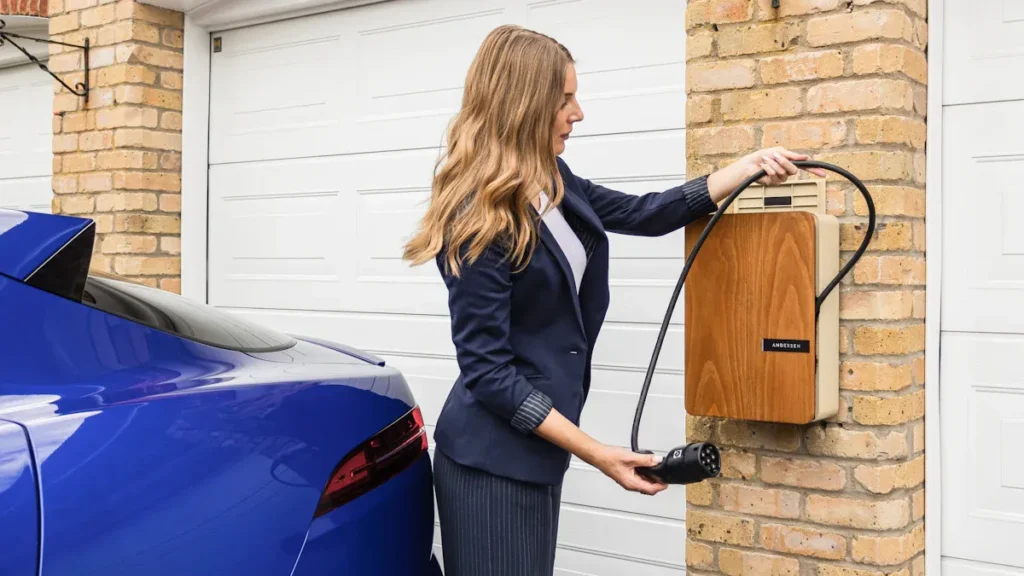

Homeowners in England face updated EV charging regulations in 2025. These new ev infrastructure rules require anyone installing an Carregador EV to meet strict safety and smart charging standards. Around one million homes with driveways already support charging at home, according to government and industry data. Compliance with electric car charging rules helps avoid fines, ensures safe operation, and keeps systems up to date. Fabricantes de carregadores para veículos eléctricos now design products that support smart features, giving electric vehicle owners reliable options.
Overview of 2025 EV Charging Regulations
Key Changes to EV charging regulations for Homeowners
The 2025 EV charging regulations introduce several important updates for homeowners in England. All new home EV chargers must now include funcionalidades inteligentes. These features allow users to schedule charging during off-peak hours, monitor energy use through an app, balance charging loads, and connect with solar panels or home batteries. Homeowners benefit from these updates by gaining more control over their energy consumption and reducing costs.
The government has also supressão da necessidade de autorização de planeamento for almost all EV charger installations as of May 29th, 2025. This change applies to both domestic and commercial properties. Homeowners can now install chargers with less paperwork, shorter lead times, and lower costs. The changes apply to England and aim to accelerate the adoption of electric vehicles by making home charging more accessible.
To comply with the new rules, homeowners must ensure their property has:
- A modern consumer unit with space for an extra circuit breaker
- RCD protection to prevent electric shocks
- Surge protection to guard against voltage spikes
- Sufficient main supply for the additional load
- Outdoor-rated wiring and sockets for external installations
These requirements help create a safer and more reliable charging infrastructure for electric vehicles.
Who Must Follow EV infrastructure rules
The 2025 regulations apply to a wide range of property owners and managers. The following table outlines who must comply:
| Category of Homeowners | Compliance Requirement |
|---|---|
| Property Owners | Implement infrastructure upgrades |
| Landlords | Ensure compliance with national and EU requirements |
| Residential Properties | Affected during major renovations |
| Commercial Properties | Affected during major renovations |
Anyone installing or upgrading electric car charging points at home or in shared spaces must follow these rules. Landlords must also ensure that their properties meet the latest standards, especially when tenants request charging facilities. The changes apply to England and support the national scheme for cleaner transport.
Enforcement and Penalties for Non-Compliance
Authorities take compliance with EV charging regulations seriously. The Office for Product Safety and Standards (OPSS) enforces these rules. Homeowners and landlords who fail to comply may face significant penalties. The maximum penalty for non-compliance reaches up to £10,000 per charge point.
Note: Fines can reach £10,000 per charger. Non-compliance may also result in legal action, reputational risk, and urgent operational disruptions if authorities require immediate upgrades or replacements.
Staying up to date with the latest regulations protects homeowners from costly penalties and ensures safe, reliable charging for electric vehicles. Public charging regulations also require similar attention to detail, especially as more people rely on both home and public charging infrastructure.
Requirements for Home Electric Car Charging Installations

Approved Charger Types and EV charging regulations
Homeowners in England must select approved charger types that meet the latest ev charging regulations. The government recognizes several charger models for residential use. Each type offers different charging speeds and suits various home setups. The following table outlines the main options:
| Tipo de carregador | Velocidade de carregamento | Adequado para | Gama de custos |
|---|---|---|---|
| 3,6kW | Adds ~15 miles/hour | Overnight charging for low-mileage drivers | £450-£700 installed |
| 7kW | Adds ~25-30 miles/hour | A maioria dos ambientes domésticos | £550-£850 installed |
| 11kW | Adds ~35-40 miles/hour | Casas com alimentação trifásica | £650-£950 installed |
| 22kW | Adds ~75-80 miles/hour | Commercial properties or rare homes | £950-£1,500 installed |

Capacidades de Carregamento Inteligente
All new charging points must feature smart charging capabilities. These systems allow users to schedule charging sessions, monitor energy consumption, and optimize charging times for off-peak rates. Smart chargers connect to Wi-Fi or 4G networks, enabling remote control and integration with home energy systems. Homeowners gain better control over how to charge your electric car and can reduce electricity costs by using smart features.
Power Output Limits
Regulations set clear power output limits for home charging points. Most domestic installations use 7kW chargers, which balance speed and safety. Higher-capacity chargers, such as 11kW or 22kW, require three-phase electricity and may need additional upgrades to the home’s supply. The government restricts charger output to prevent overloading residential circuits and to ensure safe operation.
Technical Standards for Charging
Wiring and Electrical Safety
Technical standards for wiring and electrical safety play a crucial role in every electric car charging installation. Installers must follow strict guidelines to protect users and property. The table below lists the main standards:
| Padrão | Descrição |
|---|---|
| IEC 60364-7-722 | Requirements for special installations or locations – Supplies for electric vehicles |
| Série IEC 61851 | Standards for EV charging stations (mode 3 and 4) |
| IEC 61008-1, IEC 61009-1, IEC 60947-2, IEC 62423 | Standards for Residual Current Devices (RCDs) |
| IEC 62955 | Standards for RDC-DD |
| IEC 60947-2, IEC 60947-6-2, IEC 61009-1, IEC 60898 series, IEC 60269 series | Standards for Overcurrent protective devices |
| IEC 60309-1, IEC 62196-1, IEC 60309-2, IEC 62196-2, IEC 62196-3, IEC TS 62196-4 | Standards for socket-outlets and vehicle connectors |
Certified installers use these standards to ensure every charging point meets safety requirements. They check wiring, install RCD protection, and verify the home’s electricity supply supports the charger’s capacity.
Certification and Compliance Marks
Every charging point must display certification and compliance marks. These marks confirm the charger meets national and international safety standards. Homeowners should look for labels such as CE, UKCA, and IEC numbers. Qualified installers, preferably approved by the Office for Zero Emission Vehicles (OZEV), guarantee compliance during installation.
Installation Location Rules for Home Charging
Off-Street Parking Installations
Off-street EV charging remains the preferred option for most homeowners. The government allows installation of charging points in private driveways and garages under permitted development rights. Wall-mounted units must measure less than 0.2 cubic meters, and floor-mounted units must stay below 1.6m or 2.3m in height, depending on their location. Charging points must sit more than 2 meters from the highway and avoid heritage assets. These rules simplify installation and reduce the need for planning permission.
Tip: Placing the charger near the electric meter lowers installation costs and improves efficiency.
On-Street and Shared Parking Scenarios
On-street and shared parking scenarios require additional permissions. Homeowners must seek approval from local authorities if they plan to install charging points on public land or in communal areas. The Town and Country Planning Act 1990 classifies these installations as development, so planning permission may be necessary. Shared parking spaces in apartment blocks or multi-unit dwellings often need cooperation among residents and property managers. Reliable connectivity, such as Wi-Fi or 4G, remains essential for smart charging features in these environments.
O quadro seguinte resume as minimum technical requirements for home electric car charging installations:
| Requisito | Descrição |
|---|---|
| Property ownership or landlord permission | Must own the property or have permission from the landlord for installation. |
| Estacionamento | Off-street parking simplifies installation; on-street parking requires additional permissions. |
| Conectividade | A stable Wi-Fi or 4G connection is essential for smart charging features. |
| Approved EV charger installers | Use qualified installers, preferably approved by OZEV. |
| Electricity supply | Home power supply must support the charger’s capacity; upgrades may be needed. |
| Installation location | Charger should be near the electric meter for cost-effectiveness. |
| Compliance with regulations | Must comply with The Electric Vehicles (Smart Charge Points) Regulations 2021 and safety standards. |
Homeowners who follow these guidelines ensure safe, efficient, and compliant charging for their electric vehicles.
Safety and Compliance Standards for EV Charging

Electrical Safety Checks for Home Charging
Electrical safety forms the foundation of every home charging installation. Homeowners must ensure that all work complies with BS 7671, the UK’s recognized standard for electrical installations. This standard sets out the requirements for safe wiring and equipment, reducing the risk of electrical faults during charging.
Role of Certified Installers
Certified installers play a critical role in maintaining safety. Only accredited electricians should install charging points. They follow strict procedures to guarantee compliance with national standards. After installation, they provide certification that confirms the system meets all safety requirements. Installers also select the correct type of residual current device (RCD), such as Type A or Type B, to protect against electrical faults. These devices must have a residual operating current not exceeding 30 mA, as specified by BS 7671:2018+A1:2020, Regulation 722.531.2.101. Installers confirm with the equipment supplier whether the RCD is integrated or needs separate installation.
Tip: Always request a copy of the installation certificate and keep it with your home records.
Ongoing Maintenance Requirements
Manutenção regular ensures continued safe operation of the charging system. Homeowners should schedule periodic inspections by qualified electricians. These checks verify that all wiring, RCDs, and surge protection devices remain in good condition. Modern charging points support remote diagnostics and safe shutdown features, which help identify issues before they become hazards. Maintenance also includes checking for signs of wear, damage, or water ingress, especially for outdoor installations.
Fire and Building Safety in EV infrastructure rules
Fire and building safety requirements protect both people and property during charging. Several regulations and codes guide the safe design and placement of charging points.
| Requisito | Descrição |
|---|---|
| Building Regulations | Apply to both domestic and commercial installations for EV charging infrastructure. |
| Approved Document S | Provides requirements for EV charging infrastructure but does not cover electrical or fire safety directly. |
| Approved Document P | Refers to electrical safety guidance. |
| Approved Document B | Refers to fire safety guidance. |
| Código de Conduta IET | Must be followed for design and installation, includes advice on location and fire safety. |
| Fire Engineering Advice | Recommended for managing risks, especially in smaller properties. |
Distance from Structures
Installers must position charging points at a safe distance from buildings and boundaries. This reduces fire risk and allows for proper ventilation. The IET Code of Practice recommends avoiding installation near flammable materials or in confined spaces. Installers should also consider the proximity to windows, doors, and air vents.
Weatherproofing and Protection
Outdoor charging points require robust weatherproofing. Installers use enclosures rated for external use to protect against rain, dust, and temperature changes. Surge protection devices shield the system from voltage spikes caused by lightning or grid faults. Regular checks ensure seals and covers remain intact, preventing water ingress and corrosion.
Note: Following these safety and compliance standards helps homeowners meet ev charging regulations and ensures reliable, safe charging for every electric vehicle.
Smart Charging and Energy Management Regulations
O que é o carregamento inteligente?
Smart charging describes a process where the power supplied to an electric vehicle’s battery adjusts dynamically. The system uses communication signals to control and monitor the charging process. This approach gives homeowners better insights into energy usage and allows for real-time adjustments. Smart charging helps balance the needs of the user with the demands of the grid, making it a key part of modern home charging setups.
Mandatory Smart Features in 2025 EV charging regulations
The 2025 regulations require all home charging points to include advanced smart features. These features ensure that every charging session supports both the homeowner’s needs and the stability of the national grid.
Gestão da carga
Load management stands at the core of smart charging. The charger automatically adjusts its speed based on the current demand on the grid. When the grid faces high demand, the system reduces charging speed to prevent overload. During periods of low demand, the charger increases speed, making the most of available capacity. This process protects the home’s electrical system and supports national energy goals.
Off-Peak Charging Requirements
Home charging points must operate primarily during off-peak hours. The system schedules charging sessions to start when electricity demand is lowest, often overnight. This reduces strain on the grid and can lower energy costs for homeowners. The regulations also require a random delay feature. This function staggers the start times of multiple charging points in a neighborhood, further reducing the risk of grid overload.
Note: Smart charging features help homeowners save money and support a more reliable energy network.
Integration with Home Energy Systems for Electric Car Charging
Modern charging systems must work seamlessly with other home energy technologies. The 2025 rules set clear requirements for integration, ensuring that charging fits into a broader energy management strategy.
Solar and Battery Compatibility
Charging points now connect with solar panels and home battery systems. This integration allows homeowners to use solar energy for charging, reducing reliance on the grid. The system can also draw power from home batteries during peak times, optimizing energy use and lowering costs.
Grid Communication Features
Chargers must communicate with the grid and other home energy systems. Secure WiFi or Ethernet connections ensure reliable operation. Homeowners set up user accounts and control charging through smartphone apps. The system coordinates with solar monitoring tools, battery storage, and smart home platforms. Many utilities offer programs that reward homeowners for participating in demand response or time-of-use charging.
| Integration Aspect | Requisitos |
|---|---|
| Home Network Connection | Secure WiFi or Ethernet, stable network, proper placement for signal coverage |
| Smartphone and Control System | App installation, user account setup, preference settings, multi-user access |
| Other Energy Systems | Solar monitoring, battery connection, energy management, smart home integration |
| Utility Program Enrollment | Registration for demand response, time-of-use optimization, utility rate configuration |
Smart charging and energy management regulations ensure that every charging point supports a flexible, efficient, and future-ready home energy system.
Steps to Stay Compliant with EV Charging Regulations
Choosing a Compliant Home Charger
Selecting the right charging equipment ensures both safety and regulatory compliance. Homeowners should focus on chargers that meet the latest standards for smart functionality, energy monitoring, and cybersecurity. The following table highlights key criteria for choosing a compliant charger:
| Critérios | Descrição |
|---|---|
| Velocidade de carregamento | The power of home chargers ranges from 3 to 22kW. A 7kW charger suits most households and offers a balance between speed and cost. |
| Carregamento inteligente | Smart features allow remote monitoring, scheduling, and optimization of charging sessions. These functions help reduce energy costs and improve performance. |
| Localização | Chargers can be wall-mounted or floor-mounted. The choice depends on available space and intended use. |
Approved Brands and Models
Homeowners should select chargers from brands listed by the Office for Zero Emission Vehicles (OZEV). These models meet national safety and smart charging requirements. Approved brands often provide better support and regular software updates, which help maintain compliance over time.
Checking for Certification
Every compliant charger displays certification marks such as CE, UKCA, and relevant IEC numbers. These marks confirm that the device meets safety and performance standards. Homeowners should check for these labels before purchasing. Chargers must also comply with the Regulamentações de Pontos de Carregamento Inteligentes, which include cybersecurity and energy monitoring features.
Finding a Qualified Installer for Electric Car Charging
Proper installation is essential for safe and legal charging. Only qualified professionals should handle the work.
Accreditation and Licensing
Installers must hold valid credentials for electrical work. They should complete specialized training in electric vehicle charging systems, such as the Electric Vehicle Charging Installations 2921 course. Registration with a Competent Person Scheme like NICEIC or NAPIT is required. Installers approved by OZEV guarantee adherence to all safety and compliance standards.
| Tipo de qualificação | Detalhes |
|---|---|
| Eletricista qualificado | Holds valid credentials for electrical work. |
| Training Course | Completed Electric Vehicle Charging Installations 2921 or equivalent. |
| Regime de pessoas competentes | Registered with NICEIC or NAPIT. |
| Approval by OZEV | Listed as an OZEV-approved installer. |
Tip: Homeowners should ask installers about their qualifications, experience with charging installations, and knowledge of current regulations.
What to Ask Your Installer
Before starting the project, homeowners should ask:
- Are you registered with a Competent Person Scheme?
- Do you have experience with home and workplace electric vehicle charging?
- Can you provide proof of OZEV approval?
- Will you supply an installation certificate and compliance documentation?
Registration and Notification under EV infrastructure rules
Proper notification and record-keeping are crucial for compliance with 2025 regulations.
Informing Your Local Authority
Os proprietários devem notify their Distribution Network Operator (DNO) before installing a charging point. The DNO assesses the impact on the local network and may require an ENA application form. In most cases, homeowners should wait for approval before proceeding. Under certain conditions, installation can occur first, with notification submitted within 28 days.
| Requisito | Descrição |
|---|---|
| Notify DNO | Inform the DNO before installation to assess network capacity. |
| ENA Application | Complete the ENA form, usually before installation. |
| Approval Process | Wait for DNO approval or notify within 28 days if installation occurs first under specific rules. |
Keeping Records and Documentation
Homeowners should keep all installation certificates, DNO notifications, and compliance documents. These records prove that the charging system meets all legal and safety requirements. Keeping thorough documentation also simplifies future upgrades or property sales.
Following these steps helps homeowners stay compliant, avoid penalties, and ensure safe, reliable charging for every electric car charging setup.
Special Scenarios for Homeowners and Public Charging
Renters and Leaseholders under EV charging regulations
Permission from Landlords
Renters and leaseholders face unique challenges when installing charging points at home. They must secure written consent from their landlord before starting any charging installation. Many tenancy agreements contain clauses that require landlords to consider requests for reasonable improvements. In most cases, landlords cannot unreasonably withhold permission for charging upgrades. However, if the lease prohibits alterations, the landlord can refuse outright. Leaseholders should also check their lease agreements for any restrictions on electrical work or charging installations.
- Tenants must obtain written consent from their landlord to install a charging point.
- Many tenancy agreements include a clause stating that consent for reasonable improvements should not be unreasonably withheld.
- If the tenancy agreement prohibits alterations, the landlord can refuse permission outright.
- Permission from the freeholder, managing agent, or landlord is typically required.
- Lease agreements should be checked for clauses regarding alterations or electrical work.
Landlords may access grants through the OZEV Chargepoint Grant for Landlords and the OZEV Infrastructure Grant for Landlords. These programs help cover part of the charging installation costs, making it easier for both parties to agree on upgrades.
Shared Property Considerations
Shared properties, such as apartment blocks, require additional steps for charging installations. Residents must seek approval from the freeholder or managing agent. They should review lease agreements for clauses related to charging or electrical work. Collaboration among residents and property managers ensures fair access to charging facilities and compliance with regulations.
Listed Buildings and Conservation Areas
Additional Approvals Needed
Installing charging points in listed buildings or conservation areas involves extra regulatory steps. Local authorities enforce strict rules to preserve the character of these sites. Homeowners must secure planning permission before making any external alterations, including charging installations. Some areas have Article 4 directives that remove permitted development rights, making permission mandatory.
| Regulatory Requirement | Descrição |
|---|---|
| Conservation areas | Restrictions may apply to preserve the local character of the area. |
| Listed buildings | Any external alteration, including charging points, typically requires consent. |
| Article 4 directives | Some areas have specific planning restrictions that remove permitted development rights, making permission necessary. |
Local restrictions may require planning permission if the site is in a conservation area or a listed building.
Discreet Installation Options
Homeowners in sensitive areas often choose discreet charging solutions. Installers may recommend wall-mounted units in garages or hidden locations to minimize visual impact. These options help maintain the building’s appearance while providing reliable charging access.
Multi-Unit Dwellings and Public Charging Access
Shared Charging Solutions
Multi-unit dwellings present several challenges for charging access. Residents must obtain approval from the apartment owners’ management company before installing charging points. Limited parking space and power supply often complicate charging installations. Property managers may implement load management systems to balance charging demand and prevent overloads. Grant programs can help offset the cost of infrastructure upgrades.
| Desafios | Soluções |
|---|---|
| Approval from the Apartment Owners’ Management Company | Utilize Wall Sockets |
| Limited Parking Space | Implement Load Management Systems |
| Limited Power Supply | Explore Grant Programs |
| Cost and Infrastructure Upgrades | Engage with Property Management for Authorization |
Managing Access and Billing
Fair allocation and billing remain important in shared charging environments. Property managers may install charging stations with access controls and billing systems. Residents can use RFID cards or mobile apps to track charging sessions and pay for usage. Public charging options near multi-unit dwellings also support residents who lack dedicated parking spaces. Public electric vehicle charging stations provide reliable alternatives for those unable to install private charging points.
Tips for Choosing the Right Home Electric Car Charging Solution
Features to Look For in EV Charging
Selecionar o caminho certo charging solution requires careful consideration of several features. Homeowners should evaluate options that support both current and future needs. The following table highlights essential features for future-proofing a charging setup:
| Caraterística | Descrição |
|---|---|
| Velocidade de carregamento | Faster chargers provide flexibility and efficiency, allowing for quicker vehicle readiness. |
| Compatibility with Various EVs | Ensures the charger can work with different electric vehicle models, enhancing future-proofing. |
| Caraterísticas inteligentes | Features like scheduled charging and usage reporting help manage energy consumption effectively. |
| Integration with Home Systems | Ability to connect with existing home energy systems for optimized energy use and cost savings. |
Future-Proofing Your Investment
A future-ready charging solution supports multiple vehicle types and adapts to new technologies. Chargers with dynamic load balancing and security options offer flexibility as household needs change. Professional installation ensures compliance with safety standards and allows for future expansion. The location of the charging point should accommodate additional units if the family adds more electric vehicles.
Tip: Choose a charger that integrates with solar panels or home batteries to maximize energy savings and reduce the cost to charge an electric car over time.
User-Friendly Controls
User-friendly controls simplify daily charging routines. Smart chargers with app-based interfaces allow homeowners to schedule charging sessions, monitor usage, and receive notifications. Clear displays and intuitive controls help users manage energy consumption and optimize charging times. Multi-user access supports families with more than one electric vehicle.
- App-based scheduling and monitoring
- Easy-to-read displays
- Multi-user support for shared charging
- Remote diagnostics for troubleshooting
Cost Considerations for Home Charging
Understanding the cost to charge an electric car at home involves more than just the price of electricity. Homeowners must consider installation, maintenance, and potential upgrades.
Upfront vs. Long-Term Savings
Initial installation costs vary based on charger type and complexity. The average cost for a standard 7kW home charging point is approximately £1,110, which can drop to around £760 with government grants. Additional installation complexity may add £200 to £1,000 or more. Electrical upgrades, such as consumer unit replacement, typically cost £300 to £600. Upgrading to three-phase power can exceed £2,000. Groundworks, specialist wall brackets, protective barriers, and Wi-Fi extenders also contribute to the total cost to charge an electric car at home.
| Tipo de custo | Gama de custos estimados |
|---|---|
| Custo médio de instalação | £1,110 (can be reduced to £760 with grants) |
| Additional installation complexity | £200 – £1,000+ |
| Melhorias eléctricas | £300 – £600 (consumer unit) |
| Three-phase power upgrade | £2,000 – £5,000+ |
| Groundworks | £200 – £500 |
| Specialist wall brackets | £50 – £150 |
| Protective barriers | £100 – £200 |
| Wi-Fi extenders | £30 – £80 |
| Annual service plans | £50 – £120 per year |
Annual service plans, typically costing £50 to £120, help maintain charging equipment and ensure reliable operation. Investing in smart features and integration with home energy systems can lower long-term costs by optimizing charging schedules and reducing peak electricity usage.
Subsídios e Incentivos Disponíveis
Government grants and incentives reduce the financial burden of installing home charging points. The Electric Vehicle Chargepoint Grant offers up to £350 for homeowners with on-street parking, available until March 31, 2026. Residential landlords can claim up to £350 per socket for managed properties. Grants of up to £30,000 support installations in residential carparks. Flat owners and renters may also qualify for grants of up to £350.
Note: Homeowners should check eligibility for each scheme before starting installation to maximize savings and ensure compliance with current regulations.
Where to Find Further Guidance on EV Charging Regulations
Staying informed about the latest charging regulations helps homeowners maintain compliance and safety. Reliable resources provide up-to-date information on public and home charging requirements, technical standards, and best practices. The following sections outline where to find official guidance, industry advice, and support for troubleshooting or upgrading charging systems.
Official Government Resources for EV infrastructure rules
Homeowners seeking authoritative information on charging regulations should consult government sources. These resources offer comprehensive details on public and private charging requirements, permitted development rights, and safety standards. The UK Government regularly updates these documents to reflect changes in public policy and technology.
- O UK Government’s official Regulations and guidance document covers all aspects of charging infrastructure.
- O Public Charging Regulations provide legal requirements for public and private charging points.
- O Guidance Document explains how to interpret and apply public charging regulations in residential and commercial settings.
These resources help homeowners understand their responsibilities when installing or upgrading charging points. They also clarify the rules for public charging access and the integration of new technologies into the existing network.
Industry and Consumer Advice on Electric Car Charging
Industry organizations and consumer groups offer practical advice on soluções de carregamento. These sources explain how to select the right charging equipment, navigate public charging networks, and optimize energy use. Homeowners benefit from expert insights on installation, maintenance, and safety.
- Industry guides outline the process of installing a charging point at home, from choosing a location to passing inspection.
- Consumer articles compare different charging models and highlight features that improve efficiency and user experience.
- Many organizations publish tips for using public charging stations and connecting to ev charging networks.
- Guides on surge protection and dynamic load management ensure safe and efficient charging at home.
- Resources discuss how installing a Level 2 charging point can increase a home’s resale value and appeal to electric vehicle buyers.
These materials help homeowners make informed decisions about charging technology and public charging options. They also provide updates on new products and changes in public charging infrastructure.
Support for Troubleshooting and Upgrades
Technical support plays a key role in maintaining reliable charging systems. Homeowners can access troubleshooting guides and upgrade advice from manufacturers, industry experts, and public forums. These resources address common issues with charging equipment and offer step-by-step solutions.
- Troubleshooting guides identify frequent charging problems and recommend practical fixes.
- Upgrade articles explain how to enhance charging performance, add smart features, or integrate with a home energy network.
- Support resources cover surge protection, dynamic load management, and compliance with public charging regulations.
- Comprehensive guides help users choose the best charging solution for their needs and adapt to changes in public charging infrastructure.
- Many support channels provide advice on connecting to public charging networks and maximizing the benefits of electric vehicle ownership.
Tip: Homeowners should keep documentation from all charging installations and upgrades. This practice simplifies troubleshooting and ensures compliance with public regulations.
Access to reliable support and guidance empowers homeowners to maintain safe, efficient, and compliant charging systems. Staying connected to official, industry, and public resources ensures long-term success with any charging setup.
Homeowners in 2025 must follow key EV charging regulations to ensure safe and legal electric car charging. The table below highlights the most important rules:
| Regulamento Descrição | Pontos-chave |
|---|---|
| New homes must be ‘EV Ready’ | Every new home with a parking space needs an electric vehicle chargepoint. |
| Smart charging solutions are required | Chargers must have smart functions to integrate with future technologies and reduce grid pressure. |
| Major renovations must include EV chargepoints | Residential buildings with major renovations and over 10 parking spaces need at least one chargepoint and cable routes in every space. |
Complying with these rules helps prevent accidents, reduces fire risks, e avoids legal penalties. Regular inspections and proper maintenance keep charging equipment safe. Homeowners should always use qualified professionals for installation and maintenance work. Staying informed through official resources ensures every setup remains up to date.
FAQ
What is the minimum requirement for a home EV charger in 2025?
Every home charger must support smart charging features, meet UK safety standards, and display certification marks such as CE or UKCA. Installers must follow the latest technical and safety guidelines.
Does a homeowner need planning permission to install a charger?
Most homeowners do not need planning permission for off-street installations. Exceptions include listed buildings, conservation areas, or shared parking. Local authorities may require approval in these cases.
Who can install a home EV charging point?
Only certified electricians registered with a Competent Person Scheme, such as NICEIC or NAPIT, can legally install home EV chargers. OZEV-approved installers ensure compliance with all regulations.
How often should a homeowner service their EV charger?
Annual inspections by a qualified electrician help maintain safety and performance. Regular checks identify wear, damage, or faults before they become hazards.
Can renters install an EV charger at their property?
Renters must obtain written permission from their landlord before installation. Leaseholders should also check lease agreements for restrictions or required approvals.
What happens if a homeowner does not comply with EV charging regulations?
Non-compliance can result in fines up to £10,000 per charge point. Authorities may require immediate upgrades or removal of non-compliant equipment.
Are there grants available for installing a home EV charger?
Government grants, such as the Electric Vehicle Chargepoint Grant, offer up to £350 toward installation costs. Eligibility depends on property type and parking arrangements.
Can a home charger connect to solar panels or a battery system?
Many modern chargers integrate with solar panels and home batteries. This setup allows homeowners to use renewable energy for charging and optimize electricity usage.




