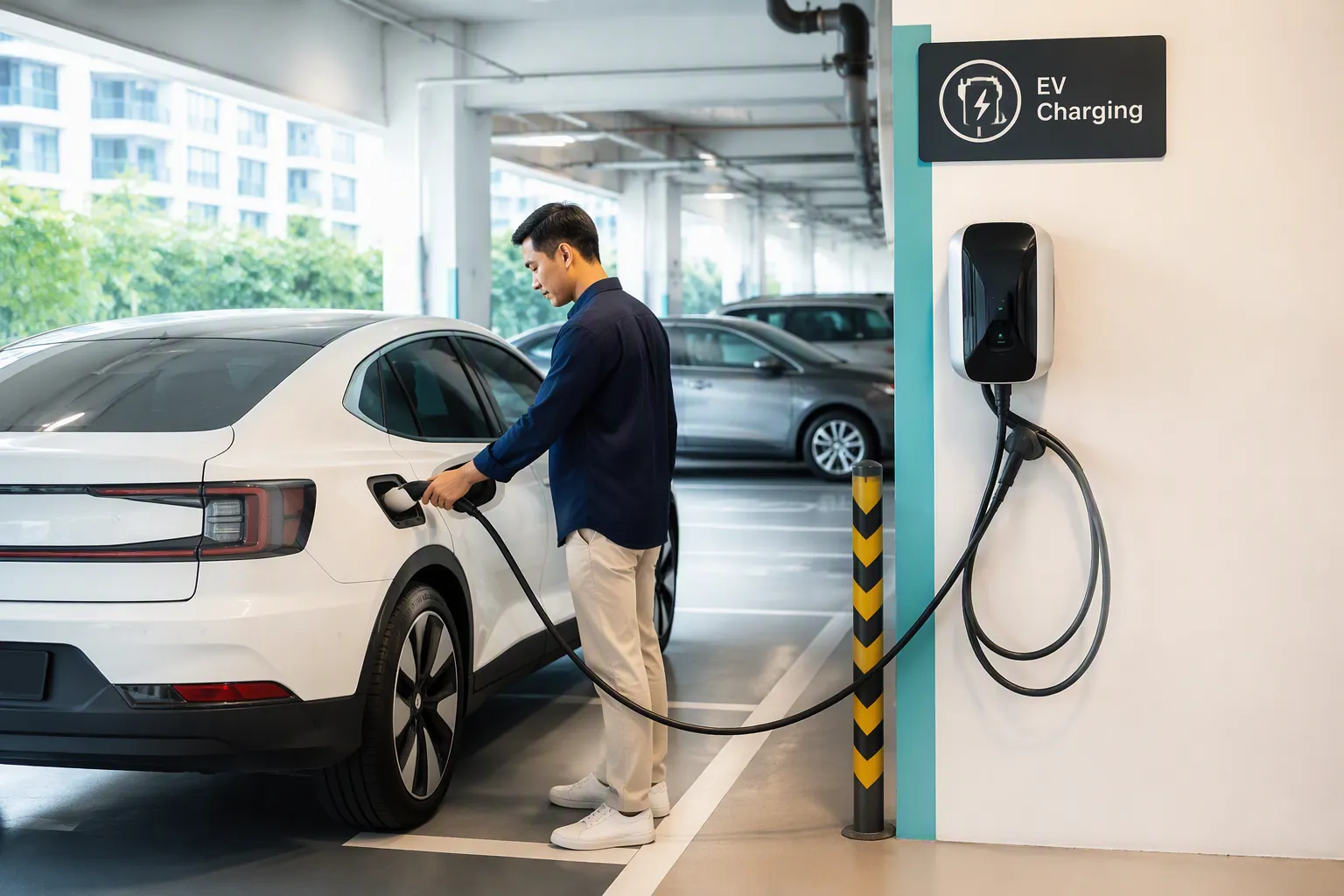
Reliable compatibility stands as the most critical factor when selecting a portable ev charger for rural Argentina. Travelers face unpredictable power supplies and harsh conditions during travel, which can challenge even the best EV charging solutions. Using the wrong EV Charger in remote areas increases the risk of equipment failure and leaves drivers stranded. EV charger manufacturers design portable ev chargers specifically for these environments, offering robust safety features and adaptability.
Power Source Compatibility for Portable EV Charger
Voltage and Frequency Standards
Argentina’s Electrical Grid Overview
Argentina’s electrical grid operates primarily at 220 volts and 50 hertz. Rural areas often experience voltage fluctuations and occasional outages. Travelers must recognize that rural infrastructure may differ from urban standards, with older wiring and inconsistent supply. Selecting a portable ev charger that can handle these variations ensures reliable charging during travel. TPSON designs electric vehicle charger solutions to accommodate these local conditions, providing stable performance even when the grid is less predictable.
Dual-Voltage and Frequency Support
Many portable ev chargers offer dual-voltage and frequency support. This feature allows the charger to operate safely on both 110V and 220V systems, as well as adapt to 50Hz or 60Hz frequencies. Dual-voltage capability proves essential for users who encounter different power sources, such as generators or alternative supply points. Chargers with automatic adjustment protect the vehicle’s battery and electronics from damage caused by inconsistent power. TPSON’s advanced technology includes smart controllers that monitor voltage and frequency, ensuring optimal charging regardless of the source.
Plug Types and Adapter Needs
Common Plug Types in Rural Argentina
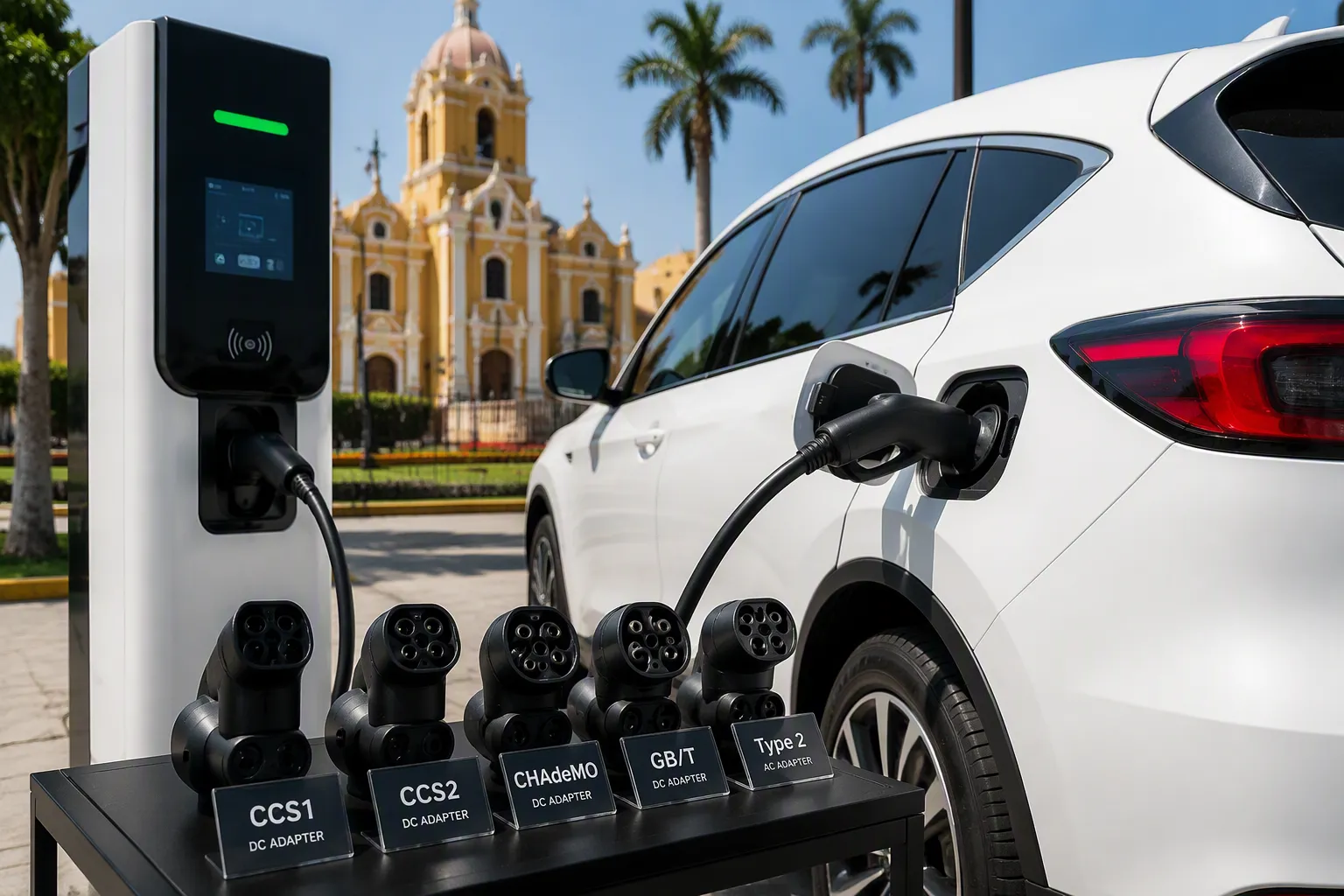
Rural Argentina uses several plug types, including Type C and Type I. Outlets may vary from one location to another, especially in older buildings or remote facilities. Travelers often find that their portable ev charger does not match the available socket. Understanding local plug standards helps users prepare for charging in diverse environments.
Universal Adapter Importance
A universal adapter becomes a vital accessory for any portable ev charger. It allows the charger to connect to multiple outlet types, reducing the risk of incompatibility. Universal adapters also provide surge protection and improve safety during charging. TPSON recommends carrying a set of adapters to ensure seamless operation across rural Argentina. Users benefit from increased flexibility and reduced downtime when adapters are readily available.
Generator and Off-Grid Charging
Portable Generator Compatibility
Charging an electric vehicle in rural Argentina often requires the use of portable generators. Not all generators provide stable power suitable for EV charging. The following table outlines key technical requirements for safe operation with portable generators:
| Requirement | Description |
|---|---|
| Weatherproof enclosures | Protect electrical connections from moisture and debris during outdoor charging operations. |
| Fire extinguisher for electrical fires | Provides emergency response capability for electrical faults. |
| Insulated tools and safety equipment | Prevent electrical shock during setup and maintenance operations. |
| Carbon monoxide detectors | Alert users to dangerous exhaust gas accumulation when operating generators. |
| EVSE units | Regulate power delivery between generator and EV charging system. |
| Adjustable current charging units | Match charging current to generator’s output capacity. |
| Smart charging controllers | Monitor generator performance and adjust charging parameters automatically. |
| Portable charging stations | Combine EVSE functionality with weatherproof construction for outdoor use. |
| Plug-in charging adaptors | Convert standard generator outlets to EV-compatible charging points. |
| Starting surge demands | Overwhelm generators when EV charging initiates. |
| Earth bonding failures | Prevent proper operation of RCD protection systems. |
| Connection incompatibility | Arises from mismatched outlet types and charging cables. |
| Total Harmonic Distortion (THD) | Levels above 5% can damage EV charging electronics. |
| Voltage regulation problems | Cause fluctuating charging speeds or interruptions. |
| Load transient response | Determines how quickly generators adapt to changing power demands. |
| Power factor correction | Issues occur when generators can’t handle capacitive loads. |
| Waveform distortion | Causes compatibility problems with advanced EV charging systems. |
| Ground fault sensitivity | Creates false trips in RCD protection systems. |
TPSON’s portable ev charger solutions include EVSE units and smart controllers that address many of these requirements. Their chargers feature adjustable current settings and pure sine wave compatibility, reducing risks associated with generator use.
Managing Power Fluctuations and Surges
Generators and off-grid sources often produce unstable power. Fluctuations and surges can damage charging equipment and vehicle batteries. Portable ev chargers with built-in surge protection and voltage regulation minimize these risks. Smart charging controllers monitor power quality and disconnect the charger if unsafe conditions arise. TPSON integrates these safety features into their chargers, ensuring reliable operation even when power supply varies. Users should always check for surge protection and voltage regulation when selecting a charger for rural travel.
Tip: Always use a carbon monoxide detector when operating generators in enclosed or semi-enclosed spaces. This precaution protects users from dangerous exhaust gases and ensures safe charging conditions.
Portability and Durability of Portable EV Car Charger
Weight and Size Considerations
Lightweight Designs for Easy Transport
A portable EV charger must remain easy to carry, especially during long journeys through rural Argentina. Lightweight designs allow users to move the charger without strain. Many manufacturers use advanced materials to reduce weight while maintaining strength. This approach ensures that drivers can handle the charger comfortably, even when walking over uneven terrain or transferring equipment between vehicles.
Compactness for Limited Vehicle Space
Space inside a vehicle often remains limited, particularly when packing for extended travel. Compact chargers fit easily into trunks or under seats, leaving room for other essentials. A well-designed portable EV charger should feature a streamlined shape and minimal bulk. This design choice helps drivers organize their gear efficiently and access the charger quickly when needed.
Rugged Construction
Shock and Impact Resistance
Rural environments present many hazards, including rough roads and accidental drops. A durable charger withstands shocks and impacts, protecting sensitive electronics inside. Manufacturers select robust materials and reinforce key components to prevent damage during daily use.
- Copper conductors enhance durability and reliability in real-world use.
- Thermoplastic polyurethane (TPU) remains flexible in cold conditions, offers high abrasion resistance, and tolerates oils, salts, and sunlight effectively.
- Multi-layer shielding protects against mechanical damage, moisture, chemicals, and temperature extremes.
Reinforced Cables and Connectors
Cables and connectors experience frequent bending and pulling, especially during outdoor charging sessions. Reinforced designs extend the lifespan of these components and reduce the risk of failure.
| Aspect | Contribution to Longevity |
|---|---|
| Thicker Conductors | Reduce electrical resistance and minimize heat buildup. |
| High-Quality Materials | Ensure reliability and structural integrity under conditions. |
| Reinforced Strain Relief | Protects against wear and mechanical fatigue. |
| Flexibility in Conditions | Maintains performance across temperature fluctuations. |
Storage and Carrying Solutions
Protective Cases and Cable Management
Protective cases and cable management systems play a crucial role in prolonging the life of a portable EV charger. These features prevent physical damage, moisture intrusion, and exposure to harsh weather, all of which can negatively affect the equipment. Organized cable management also helps maintain the flexibility of charging cables, reducing the risk of degradation over time.
Ease of Packing and Unpacking
Efficient storage solutions simplify packing and unpacking during travel. A charger with a dedicated case and organized compartments allows users to set up or stow away equipment quickly. This convenience proves valuable when drivers need to charge their vehicles in remote locations or move between charging sites.
Tip: Always store the portable EV charger in its protective case when not in use. This habit prevents accidental damage and extends the lifespan of the equipment.
Charging Speed and Adjustable Settings in Best Portable EV Charger
Variable Charging Rates
Matching Charger Output to Available Power
A portable EV charger with variable charging rates adapts to the available power supply in rural Argentina. Many rural locations experience unstable grid conditions, which can affect charging speed and reliability. By adjusting the charger output, users can match the charging rate to the power source, reducing the risk of overloading circuits or causing interruptions. This flexibility proves essential during travel, especially when using generators or older electrical infrastructure.
- Variable charging rates optimize charging schedules based on grid conditions.
- Automated load management systems adjust charging power in real time, maintaining battery health.
- Load balancing techniques distribute charging demands, preventing overcharging and thermal stress.
Protecting Vehicle Batteries from Inconsistent Supply
Unstable power supplies can damage EV batteries if not managed properly. A portable EV charger with adjustable settings helps protect batteries by regulating the charging current and voltage. This approach prevents sudden surges or drops that could harm the battery. Smart controllers monitor the supply and make adjustments to ensure safe and efficient charging, even when the grid fluctuates.
Fast vs. Slow Charging Options
When to Use Fast Charging in Rural Settings
Fast charging can reduce charging time significantly, which is valuable when drivers need to continue their journey quickly. In rural Argentina, fast charging is most useful when reliable power is available, such as at well-maintained service stations or during emergencies. However, users should monitor the power source to avoid overloading weak grids or generators.
Benefits of Slow Charging for Battery Health
Slow charging offers several advantages for battery longevity, especially in rural environments:
- Slow charging is generally better for battery health than fast charging.
- Charging while the battery is above 50% or below 20% should be avoided to minimize degradation.
- Frequent fast charging can lead to battery overheating and faster degradation.
- Slower charging speeds help prevent overheating, preserving battery health.
- In rural areas with limited charging options, slow charging can be more convenient and less stressful for the battery.
Smart Charging Features
Automatic Power Adjustment
Smart charging features enhance the safety and efficiency of a portable EV charger. Automatic power adjustment allows the charger to ramp up or down based on the stability of the power supply. This function helps manage electricity system stability and prevents sudden spikes that could damage the vehicle or charger.
- Soft-start ramping gradually increases charging speed.
- AI-driven grid management predicts surges and adjusts charging accordingly.
- Battery storage integration helps manage energy supply during unstable periods.
Scheduling and Timer Functions
Scheduling and timer functions allow users to set charging sessions during off-peak hours or when power is most stable. These features help spread demand, reduce charging time during peak periods, and optimize energy costs. Randomized functions in smart meters can trigger off-peak charging, while grouping response times across regions ensures efficient use of available power.
Tip: Use scheduling features to take advantage of stable grid periods and minimize charging time disruptions during travel.
Weather Resistance and Safety Features of Portable EV Charger

Weatherproofing Standards
IP Ratings and Their Meaning
Manufacturers use IP (Ingress Protection) ratings to indicate how well a portable EV charger resists dust and water. The first digit in an IP rating shows the level of protection against solid objects, while the second digit refers to moisture resistance. For example, an IP65 rating means the charger is dust-tight and can withstand water jets from any direction. High IP ratings ensure that the charger operates safely in outdoor environments, which is essential for rural Argentina where weather conditions can change quickly.
Protection Against Dust, Rain, and Mud
Rural roads often expose equipment to dust, rain, and mud. A charger with proper sealing and weatherproof construction prevents moisture and debris from entering sensitive components. Rubber gaskets, sealed connectors, and corrosion-resistant materials help maintain reliable performance. These features allow users to charge their vehicles even during storms or after traveling on unpaved roads.
Tip: Always inspect the charger’s seals and connectors before use in wet or dusty conditions to ensure maximum protection.
Electrical Safety Protections
Overcurrent, Overvoltage, and Short-Circuit Protection
Portable EV chargers must include robust electrical protections to prevent damage and ensure user safety. Overcurrent and thermal protection shut down charging if temperatures rise dangerously or if the current exceeds safe limits. This feature helps avoid overheating and potential fire hazards. Surge protection devices (SPDs) defend against voltage spikes, which can occur frequently in rural power grids and cause significant damage to both the charger and the vehicle.
| Protection Type | Description |
|---|---|
| Surge Protection Devices (SPD) | High-quality devices designed to protect EV chargers from voltage spikes. |
| Residual Current Devices (RCD) | Prevents electric shock by disconnecting the circuit in case of a fault. |
| Overcurrent and Thermal Protection | Shuts down charging if temperatures rise dangerously. |
Ground Fault and Surge Protection
Residual Current Devices (RCDs) play a critical role in preventing electric shock. They disconnect the circuit immediately if they detect a ground fault. Portable chargers must include RCD protection, especially in areas with frequent power surges or faults. Compliance with international smart charging guidance ensures that these safety features meet high standards. Users should always verify that their charger includes both surge and ground fault protection before traveling in rural regions.
Certifications and Compliance
International and Local Safety Certifications
Safety certifications confirm that a portable EV charger meets strict industry standards. International certifications, such as CE, UL, or IEC, demonstrate that the charger has passed rigorous testing for electrical safety and performance. Local safety certifications in Argentina provide additional assurance that the equipment complies with national regulations. These certifications help users identify reliable products and avoid counterfeit or substandard chargers.
Importance of Certified Equipment in Rural Areas
Certified equipment offers peace of mind, especially in remote locations where technical support may be limited. Chargers with recognized safety certifications reduce the risk of accidents and equipment failure. In rural Argentina, where power quality and weather conditions can be unpredictable, certified chargers provide an extra layer of protection for both users and vehicles.
Ease of Use and Display Features in Portable EV Car Charger
User-Friendly Interfaces
Simple Controls and Clear Labeling
A portable EV charger must feature intuitive controls and clear labeling. Users in rural Argentina often need to operate the charger quickly, sometimes in low-light or stressful situations. Large, well-marked buttons and switches reduce confusion. Labels should use universal symbols and contrasting colors for easy identification. These design choices help drivers avoid mistakes and ensure safe operation, even if they lack technical experience.
Minimal Setup Requirements
Minimal setup requirements increase convenience for all users. A charger that works with a simple plug-and-play approach saves time and reduces frustration. Most drivers prefer chargers that do not require complex configuration or additional tools. Manufacturers often include pre-attached cables and automatic detection features. These elements allow users to start charging with minimal effort, which is especially important in remote areas where technical support may not be available.
Readable Displays
Visibility in Bright Sunlight and Low Light
Display visibility remains critical for outdoor charging. Many rural locations in Argentina experience intense sunlight during the day and limited lighting at night. A high-contrast, backlit display ensures that users can read important information at any time. Anti-glare screens and adjustable brightness settings further improve readability. These features help drivers monitor charging progress without straining their eyes.
Key Information Shown (Voltage, Current, Errors)
A quality portable EV charger provides clear, real-time data on its display. Key information includes:
- Charging voltage and current
- Charging status and progress
- Error messages or fault codes
This information allows users to monitor the charging process and respond quickly to any issues. Error codes help identify problems, making troubleshooting easier and reducing downtime.
Clear Instructions and Support Materials
Multilingual Manuals and Quick-Start Guides
Comprehensive support materials make a significant difference for users in rural Argentina. Multilingual manuals ensure that drivers can understand instructions, regardless of their language background. Quick-start guides provide step-by-step directions for immediate use. These resources help users set up and operate the charger correctly, even if they have limited technical knowledge.
Troubleshooting Resources for Non-Technical Users
Effective troubleshooting resources empower users to resolve common issues independently. Manufacturers often include:
- Warranty documentation for repair coverage
- Contact information for manufacturer support channels
- Preventive maintenance tips to extend charger lifespan
- Professional installation requirements to maintain warranty validity
- Regular inspection schedules for optimal performance
These materials support users in remote areas, where access to professional help may be limited. Easy-to-follow guides and checklists reduce the risk of equipment failure and ensure reliable charging during travel.
Tip: Always keep support materials and warranty documents in the vehicle. Quick access to these resources can save time and prevent unnecessary delays during a trip.
Availability of Support and Spare Parts for Best Portable EV Charger
Local and Regional Support
Access to Customer Service in Argentina
Reliable customer service remains essential for EV drivers in rural Argentina. Many users travel far from urban centers, where technical help is scarce. Leading manufacturers maintain local hotlines and email support in Argentina. These channels allow users to resolve issues quickly. Some brands also offer WhatsApp or live chat for faster communication. Drivers should check if their charger brand provides Spanish-language support and local contact numbers before purchase.
Tip: Save customer service contact details on your phone or in your vehicle for emergencies.
Importance of Responsive Technical Support
Responsive technical support can prevent long delays during travel. When a charger malfunctions, quick answers help users troubleshoot and continue their journey. Brands with regional service centers or authorized partners in Argentina can offer faster solutions. A support team that understands local conditions, such as voltage fluctuations or plug types, adds value. Users benefit most from companies that provide clear troubleshooting steps and follow up on unresolved cases.
Warranty and Repair Options
Understanding Warranty Terms for Rural Use
Warranty coverage protects users from unexpected repair costs. Not all warranties cover damage from rural conditions, such as power surges or dust. Buyers should read warranty terms carefully. Some brands offer extended warranties for harsh environments. Others limit coverage to factory defects. A table below highlights key warranty features to compare:
| Feature | What to Look For |
|---|---|
| Duration | At least 12-24 months |
| Coverage | Includes rural and off-grid use |
| Exclusions | Lists specific risks (e.g., surges) |
| Claim Process | Simple and accessible from rural areas |
Repair and Replacement Logistics in Remote Areas
Repairing a charger in a remote area presents challenges. Some brands require users to ship faulty units to urban centers. Others maintain regional repair hubs or offer on-site service. Fast replacement programs reduce downtime. Users should ask about turnaround times and shipping costs before buying. Brands with local inventory can provide loaner units or quick swaps, which helps drivers stay on the road.
Spare Parts and Accessories
Availability of Replacement Cables and Adapters
Cables and adapters often wear out first, especially in rugged environments. Leading brands stock replacement parts in Argentina. Users should confirm that their charger model supports easy cable swaps. Some manufacturers sell universal adapters that fit multiple outlet types. Keeping a spare cable or adapter in the vehicle prevents unexpected interruptions.
Sourcing Compatible Parts Locally
Local availability of spare parts ensures quick repairs. Hardware stores in rural Argentina may not carry specialized EV charger components. Users should choose brands with established distribution networks. Online retailers with fast shipping to rural areas also help. Drivers can join local EV owner groups to share tips on sourcing parts and trusted suppliers.
Note: Carrying essential spare parts, such as fuses or connectors, can save time and reduce stress during long trips.
Selecting the best portable ev charger for rural Argentina requires careful attention to safety, compatibility, and durability. Travelers should prioritize chargers that withstand harsh conditions and offer reliable performance. The best portable ev charger supports local power standards and provides robust protection features.
Quick Checklist for the best portable ev charger:
- Confirm voltage and plug compatibility.
- Check for weatherproofing and rugged design.
- Ensure adjustable charging rates.
- Verify local support and spare parts availability.
- Review certifications and safety features.
Choosing the best portable ev charger gives drivers confidence and peace of mind during every rural journey.
FAQ
What makes a portable ev car charger suitable for rural Argentina?
A portable ev car charger must handle unstable power, fit local plug types, and resist harsh weather. It should offer adjustable charging rates and include safety features. Local support and spare parts availability also matter for reliable operation in remote areas.
How does a portable ev car charger protect against power surges?
A portable ev car charger uses built-in surge protection and voltage regulation. These features shield the vehicle’s battery and electronics from sudden spikes or drops in power, which often occur in rural Argentina. Smart controllers monitor supply and disconnect during unsafe conditions.
Can a portable ev car charger work with generators during an emergency?
Yes, a portable ev car charger can operate with generators in an emergency. It must support dual-voltage and pure sine wave output. Adjustable current settings help match the generator’s capacity. Users should always check compatibility before connecting to off-grid sources.
Is a portable ev car charger compatible with a level 2 charger outlet?
A portable ev car charger can connect to a level 2 charger outlet if it supports the correct voltage and plug type. Users should confirm compatibility with both the vehicle and the outlet before charging. Some models include adapters for different charging stations.
How does weatherproofing improve a portable ev car charger’s durability?
Weatherproofing protects a portable ev car charger from dust, rain, and mud. High IP ratings, sealed connectors, and corrosion-resistant materials keep the charger safe in outdoor environments. These features ensure reliable charging even after exposure to harsh rural conditions.
What display features help users operate a portable ev car charger?
A portable ev car charger should have a high-contrast, backlit display. It must show charging voltage, current, status, and error codes. Clear information helps users monitor progress and troubleshoot issues quickly, even in bright sunlight or low-light conditions.
Where can drivers find support for a portable ev car charger in rural Argentina?
Drivers can access support for a portable ev car charger through local hotlines, email, or live chat. Leading brands offer Spanish-language assistance and regional service centers. Users should save contact details and check for local spare parts before traveling.
How often should users inspect a portable ev car charger?
Users should inspect a portable ev car charger before each trip and after every charging session. They must check cables, connectors, and seals for damage. Regular maintenance prevents failures and extends the charger’s lifespan, especially in challenging rural environments.