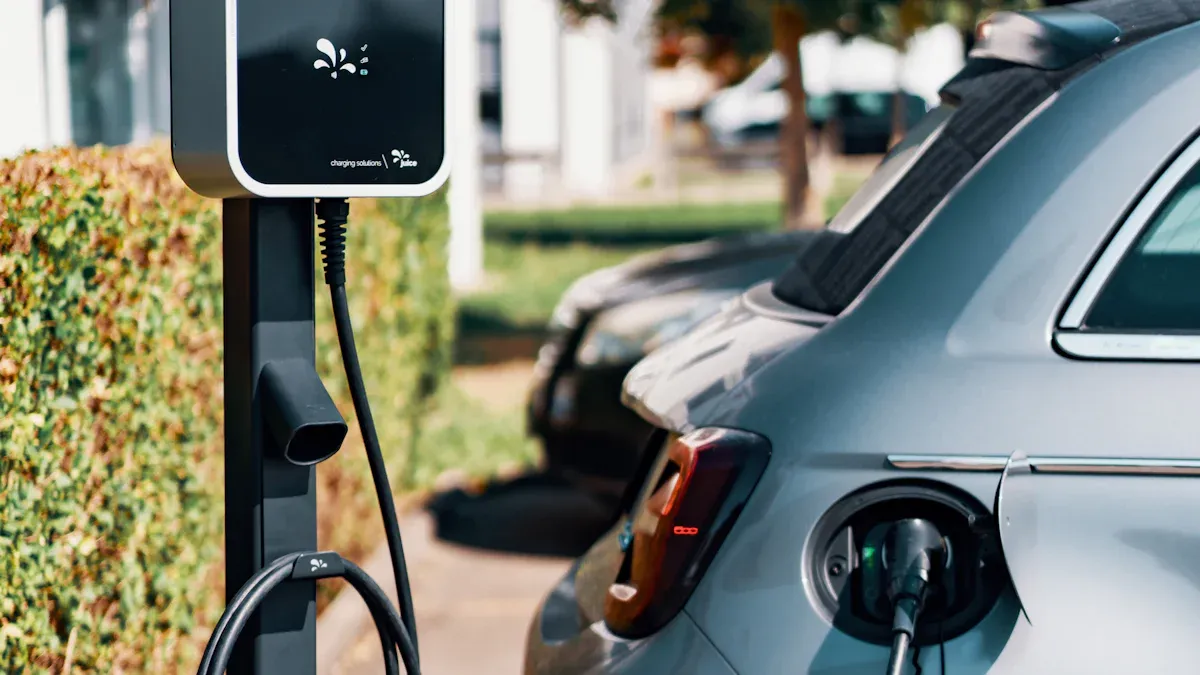
Pemilik rumah dapat memasang pengisi daya ev safely when they choose certified equipment and follow expert guidance. Leading ev charger manufacturers design each charger to meet strict safety standards. Professional installation by a licensed electrician protects families and ensures reliable charging at home. Local codes require homeowners to install ev charger systems properly. Safe installation not only protects property, but also supports a smooth transition to greener living.
Safety always comes first—professional installation guarantees peace of mind.
What Makes It Safe to Install an EV Charger at Home?
Certified Equipment for Electric Car Charging
Importance of UL and Other Safety Certifications
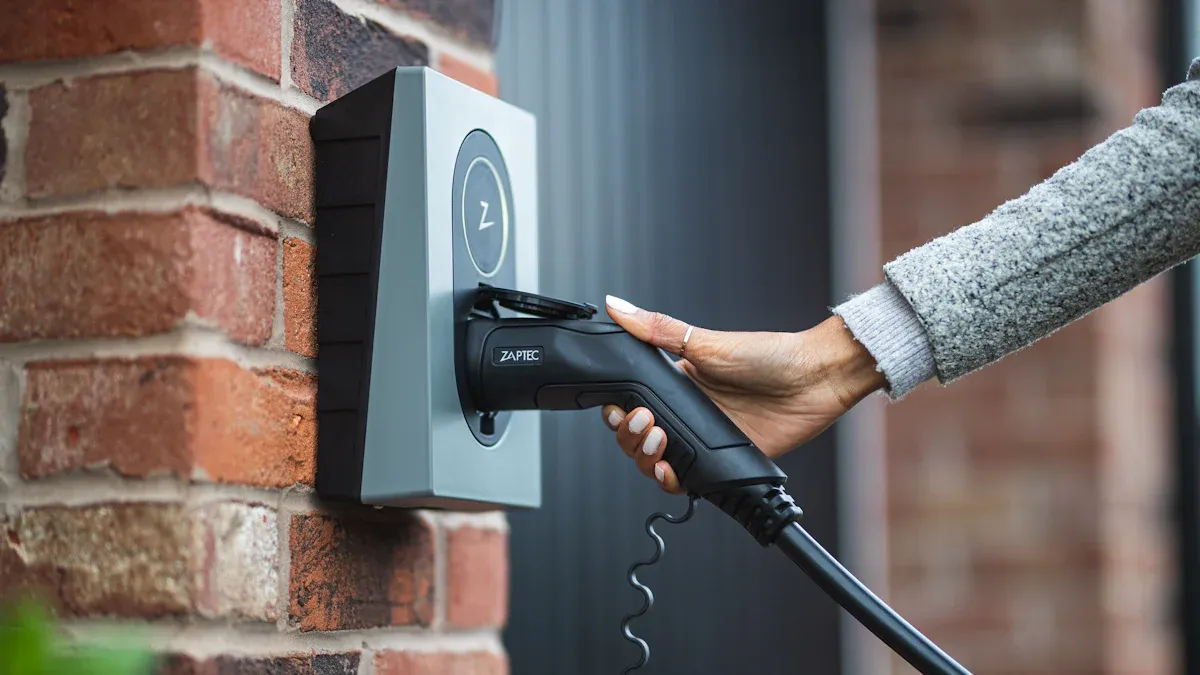
Certified equipment forms the foundation of safe electric vehicle charging at home. Manufacturers design chargers to meet strict safety standards and permissions. UL certification and similar marks indicate that a charger has passed rigorous testing for electrical safety and reliability. Devices must comply with the Electrical Equipment (Safety) Regulations 2016, Electromagnetic Compatibility Regulations 2016, and Electric Vehicles (Smart Charge Points) Regulations 2021. These regulations ensure that every charger operates safely under continuous load and protects users from electric shock.
Tip: Always check for UL or equivalent certification before purchasing a charger for home use.
| Regulation/Standard | Deskripsi |
|---|---|
| BS EN 61851 | Standard for EV conductive charging equipment. |
| BS 7671 | Peraturan Pengkabelan IET untuk instalasi listrik. |
| Kode Etik IET | Rekomendasi untuk instalasi peralatan pengisian daya EV. |
| Peraturan Keselamatan, Kualitas dan Kontinuitas Listrik 2002 | Regulations ensuring safety and quality in electrical installations. |
| BS 8300 | Requirements for accessibility for disabled people. |
Chargers must also include RCB and MCB protection, along with proper earthing to reduce electric shock risks. Insurers may require additional safety features, so homeowners should consult their insurance provider before installation.
Choosing Reputable Brands for Home Use
Selecting a reputable brand for your charger increases safety and reliability. Up to 70% of EV chargers from off brands may pose lethal risks due to failure to meet safety standards. Faulty chargers and cables appear more frequently in non-branded products because of inadequate testing and inferior materials. Homeowners should choose brands with a proven track record in electric vehicle charging and clear compliance with safety standards.
- Choose brands with UL or equivalent certification.
- Avoid off-brand chargers that lack documented safety records.
- Verify that the charger meets all local and national regulations.
Professional Installation to Charge an Electric Car at Home
Why Licensed Electricians Are Essential
Professional installation by a licensed electrician ensures that every step meets safety standards. Electricians with experience in EV charger installation requirements understand the complexities of home electrical systems. They provide Perlindungan RCD, earth fault protection, overcurrent protection, and emergency shutdown capability. NICEIC registered electricians receive specialized training in electric car charging installations.
| Jenis Manfaat | Deskripsi |
|---|---|
| Fitur Keamanan | RCD protection, Earth fault protection, Overcurrent protection, Weather and impact protection, Emergency shutdown capability |
| Qualified and Experienced | Professional installations by NICEIC registered electricians with training in EV charger installations. |
| Comprehensive Service | Full handling of the installation process, including Building Control and DNO notifications. |
| Quality Installations | Installations completed to high standards with testing, certification, and ongoing support. |
| Bukti Masa Depan | Ensures long-term value and aligns with sustainability trends, enhancing home market appeal. |
Avoiding DIY Installation Risks
DIY installation of an EV charger can lead to serious hazards. Improper wiring and lack of circuit protection increase the risk of electrical fires and equipment damage. Code violations may void insurance coverage and result in fines. Professional installers handle all aspects of the process, including notifications to Building Control and the Distribution Network Operator (DNO). This approach guarantees compliance and long-term safety.
Note: DIY installation often leads to performance issues, slow charging times, and higher maintenance costs.
Compliance with Local Codes When You Install EV Charger
Understanding Electrical Codes and Standards
Compliance with local electrical codes is essential when you install an EV charger. Level 1 charging uses a standard NEMA connector with SAE J1772 and a NEMA 5-15 plug for most outlets. Level 2 charging requires a 240-volt service and a dedicated dual-pole 40-amp circuit. Installers must verify that the home’s electrical system can support the charger and meets all code requirements.
| Tingkat Pengisian Daya | Persyaratan |
|---|---|
| Level 1 | Konektor NEMA standar dengan SAE J1772; konektor NEMA 5-15 untuk sebagian besar outlet. |
| Level 2 | Requires 240-volt service; dual-pole 40-amp circuit dedicated to EV charging. |
Meeting Permit and Inspection Requirements
Local authorities require permits and inspections for most EV charger installations. Installing a Level 2 charger is a significant upgrade that typically needs approval from the Authority Having Jurisdiction (AHJ). After installation, a building department official inspects the work to confirm compliance with safety standards and permissions. Code violations can void insurance coverage, lead to fines, and create safety hazards such as electrical fires.
- Always obtain the necessary permits before installation.
- Schedule inspections to verify compliance.
- Consult with local officials for specific requirements in your area.
Safety depends on following every step of the process, from choosing certified equipment to meeting local code requirements.
Key Safety Precautions for Charging at Home
Choosing the Right Charger to Install an EV Charger
Level 1 vs. Level 2 Chargers Explained
Selecting the correct charger for home use forms the foundation of safe electric car charging. Level 1 chargers operate on a standard 120V outlet and require minimal installation. Level 2 chargers use a 240V supply and demand professional installation due to higher power requirements. Tabel di bawah ini menyoroti perbedaan utama and safety considerations for each type:
| Jenis Pengisi Daya | Tegangan | Persyaratan Instalasi | Tindakan Pencegahan Keselamatan |
|---|---|---|---|
| Level 1 | 120V | Outlet standar | Minimal, but ensure proper outlet condition |
| Level 2 | 240V | Requires licensed electrician | Higher grade materials, RCD protection, proper installation required |
Level 2 chargers deliver faster charging but require a dedicated circuit and enhanced safety features. Homeowners should never attempt to install a Level 2 charger without professional help.
Matching Charger to Vehicle and Home Needs
Every EV and home electrical system has unique requirements. Choosing the right charger involves more than just speed. Consider the following factors:
- Charging level: Match the charger to the vehicle’s maximum charging capacity.
- Charging speed: Higher kW chargers fill batteries faster but must align with the car’s limits.
- Connector type: Ensure compatibility with the vehicle’s charging port, such as CHAdeMO or CCS.
- Installation requirements: Some chargers need electrical upgrades or panel modifications.
- Cost considerations: Factor in purchase price, installation fees, and available incentives.
- Home compatibility: Confirm the electrical system supports the charger’s amperage.
- Distance from electric panel: Shorter distances reduce installation complexity.
- Weatherproofing: Outdoor installations require waterproof chargers.
Tip: Consult a qualified electrician to assess compatibility and recommend the best charger for your needs.
Assessing Your Home’s Electrical System for Electric Car Charging
Evaluating Electrical Capacity and Panel Upgrades
Before proceeding with installation, homeowners must evaluate the home’s electrical capacity. Many homes require upgrades to support a Level 2 charger, which often needs a dedicated 240-volt outlet. Common issues include outdated panels or insufficient amperage. A licensed electrician can determine if the current system meets the demands of electric car charging or if upgrades are necessary.
- Upgrading the electrical panel may be required for older homes.
- Dedicated circuits prevent overloading and reduce fire risk.
- Compliance with local codes ensures long-term safety.
Ensuring Safe Power Supply and Circuit Protection
Proper circuit protection is essential for every EV charger installation. Installers must use high-quality materials and ensure the system includes RCD (Residual Current Device) protection. Circuit breakers and ground fault protection devices help prevent electrical shocks and fires. Regular maintenance and inspections keep the system operating safely.
Safety experts recommend a visual inspection of the charging cable and connector before each use. Regular maintenance and cleaning of connections extend the life of the charger and reduce hazards.
Permits and Inspections for Safe Charging at Home
The Role of Local Authorities and Regulations
Local authorities play a critical role in the safety of every install ev charger project. Most cities require an electrical permit for Level 2 charger installation. If the installation modifies structures, a building permit may also be necessary. Only licensed electricians should perform the work unless the homeowner holds the proper qualifications. After installation, an electrical inspection ensures compliance with the National Electrical Code and local regulations.
| Jenis Persyaratan | Deskripsi |
|---|---|
| Izin Kelistrikan | Required for Level 2 charger installation; often available online. |
| Izin Mendirikan Bangunan | Needed if installation alters walls or parking areas. |
| Licensed Electrician Requirement | Only licensed professionals or qualified homeowners may perform installation. |
| Inspeksi Kelistrikan | Verifies compliance with safety codes, GFCI protection, and load calculations. |
| Standar Keselamatan | Strict adherence prevents hazards such as overloaded circuits. |
Ensuring Long-Term Safety and Compliance
Permits and inspections protect homeowners from future risks. Pemasangan yang tidak sah dapat menyebabkan malfungsi listrik, fire hazards, and legal penalties. Insurance companies may deny coverage for unpermitted work. Permits also serve as proof of compliance during property sales or inspections, holding contractors accountable for their work.
| Safety Concern | Deskripsi |
|---|---|
| Paparan terhadap Bahaya Keselamatan | Unauthorized installations can cause malfunctions and fires. |
| Masalah Asuransi Rumah | Unpermitted work may void insurance coverage. |
| Sanksi Hukum | Illegal installations can result in fines and removal orders. |
| Future Property Inspections | Permits provide proof of compliance for future transactions. |
Note: Always follow local regulations and schedule inspections to ensure the safety and legality of your EV charger installation.
Common Risks of Home Electric Car Charging and How to Avoid Them
Overloading Circuits When You Install an EV Charger
Signs of Electrical Overload in Your Home
Pemilik rumah menghadapi beberapa masalah risks when they install an ev charger without proper planning. Electrical overload stands out as a frequent issue, especially in homes with outdated wiring or panels. Signs of overload include:
- Frequent circuit breaker trips
- Lampu berkedip-kedip
- Burning smells near outlets or panels
- Hot ceiling fixtures
Circuit overloads often occur in homes not updated for electric car charging. Continuous tripping of breakers signals a serious problem that requires immediate attention.
Preventive Measures and Solutions
To prevent overload, experts recommend several solutions:
- Smart charging technologies adjust power output based on grid conditions, reducing strain during peak times.
- Dynamic load balancing allows multiple chargers to share available power, keeping the total load within safe limits.
- Time-of-use rates encourage charging during off-peak hours, helping manage demand on the grid.
A licensed electrician should assess the home’s electrical system before installation. Upgrading panels and installing dedicated circuits for the charger ensures safety and compliance.
Dangers of DIY Electric Car Charging Installation
Risks of Improper Wiring and Installation
DIY installation of an ev charger introduces significant hazards. Improper wiring can cause malfunctions, electric shock, or fire. Non-professionals often underestimate power requirements, leading to circuit overloads. The table below outlines documented dangers:
| Danger Type | Deskripsi |
|---|---|
| Kebakaran Listrik | Incorrect wiring or overloading circuits can cause overheating, resulting in fire hazards. |
| Electrocution Risks | Handling live wires or improperly grounding the system can lead to severe injuries or fatalities. |
| Compliance Issues | Performing unpermitted work can lead to financial penalties from local authorities. |
| Insurance Issues | Many insurance providers will deny claims if an incident occurs due to non-compliant electrical work. |
Potential for Voided Warranties and Legal Issues
DIY installation may void warranties on both the charger and the vehicle. Insurance providers often deny claims if an incident results from non-compliant work. Local authorities can issue fines for unpermitted installation. Professional installation protects homeowners from these risks and ensures long-term reliability.
Fire and Shock Prevention for Charging at Home
Ground Fault Protection and Safety Devices
Fire and electric shock risks decrease significantly with professional installation. Experts recommend several safety devices for home electric car charging setups:
| Safety Device | Tujuan |
|---|---|
| Perlindungan Lonjakan | Protects against electrical shocks during power outages. |
| Perlindungan Gangguan Tanah (RCD) | Shuts off power to prevent electric shocks if electricity is leaking. |
| Emergency Stop Buttons | Allows immediate shutdown of the charging system in case of emergency. |
| Insulation Monitoring | Ensures that insulation is intact to prevent electrical faults. |
| Sistem Pencegah Kebakaran | Mitigates fire risks associated with EV charging. |
Additional features such as overcurrent protection, temperature monitoring, and automatic shutoff further enhance safety.
Safe Placement, Weatherproofing, and Accessibility
Proper placement of the charger prevents hazards. Outdoor chargers require weatherproofing to protect against rain and moisture. Chargers should be installed close to the vehicle to avoid unsafe extension cords. Accessibility ensures safe operation for all users. The NFPA recommends hiring a qualified electrician to install a dedicated circuit for the charger, ensuring compatibility and safety.
Tip: Always schedule regular inspections and maintenance to keep the installation safe and reliable.
Benefits of a Safe Home EV Charger Installation
Enhanced Safety for Your Household When You Charge an Electric Car at Home
Reducing Risk of Electrical Accidents
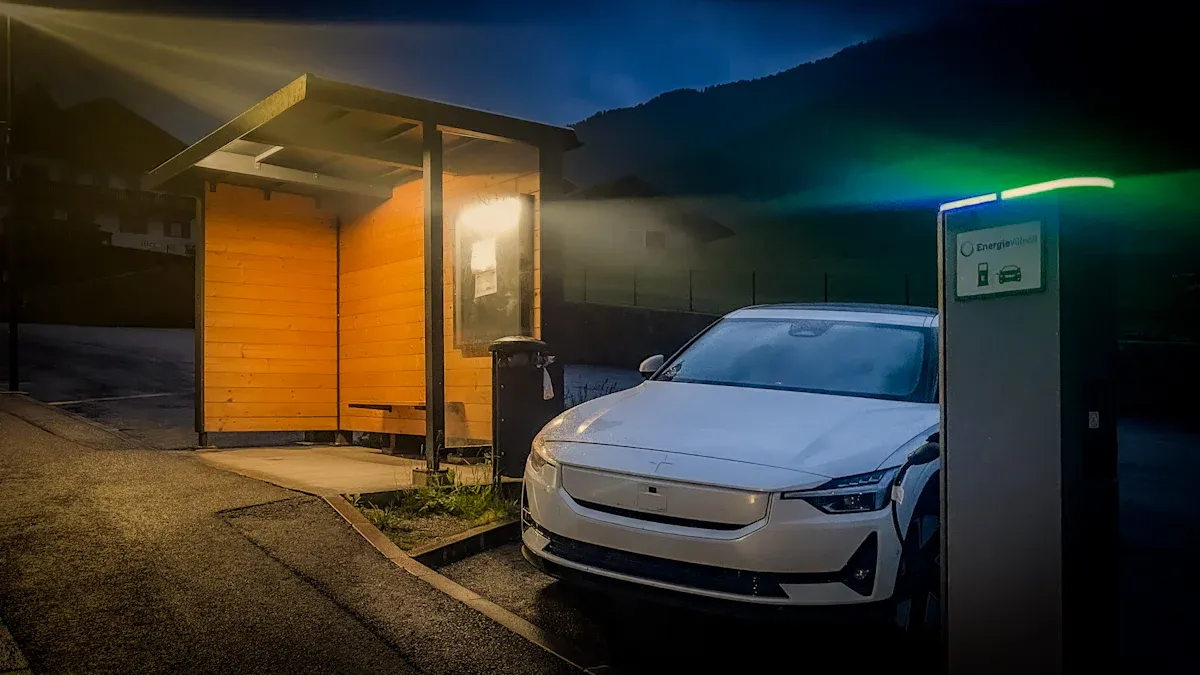
Safe installation of a charger at home significantly lowers the risk of electrical accidents. Dedicated EV chargers are designed to handle the high power demands of electric car charging, unlike standard home sockets. When homeowners install an ev charger using instalasi profesional, they protect their families from hazards such as kebakaran listrik and short circuits. Lithium-ion batteries in EVs store large amounts of energy. If damaged or improperly charged, these batteries can release toxic gases and dense smoke. Proper installation and the use of a pengisian daya rumah system minimize fire hazards and ensure household safety.
Peace of Mind for Families and Homeowners
Professional installation of a charger provides peace of mind for families. Homeowners know that their system meets all safety standards and local codes. They avoid the risks associated with DIY installation and unapproved equipment. When experts install ev charger systems, they include built-in safety features such as ground fault protection and emergency shutoff. These measures help prevent accidents and create a secure environment for everyone in the home.
Tip: Regular inspections and maintenance of the charger further enhance safety and reliability.
Convenience and Reliability of Charging at Home
Charging on Your Own Schedule
Charging at home offers unmatched convenience. Homeowners can plug in their EV overnight and wake up to a fully charged vehicle. They control their charging schedule and avoid the hassle of searching for public stations. The best home ev charger allows users to set charging times that fit their routines, making electric car charging simple and stress-free.
Avoiding Public Charging Hassles and Delays
Home charging systems eliminate the need to wait at public stations or deal with limited availability. The table below compares home charging to public charging:
| Aspek | Pengisian Daya Rumah | Pengisian Daya Publik |
|---|---|---|
| Kenyamanan | Charge at home, anytime | Limited availability |
| User-Friendliness | Easy to use, plug-in at home | May require finding a station |
| Keandalan | Consistent power supply | Bervariasi menurut lokasi |
| Pemeliharaan | Minimal routine maintenance | May require more upkeep |
| Efektivitas Biaya | Biaya listrik yang lebih rendah | Higher costs per charge |
| Dampak pada Kesehatan Baterai | Gentler on batteries | Fast charging can be harsher |
Charging at home also reduces costs. Homeowners pay only for the electricity used, which answers the common question: how much does an ev charger cost? Home charging is typically more affordable than public options.
Environmental Impact of Home Electric Car Charging
Lowering Your Carbon Footprint
Home EV charger installation helps reduce fossil fuel consumption by 38%. This leads to a significant decrease in CO2 emissions, even in areas without strict regulations. Access to home charging encourages the transition to fully electric vehicles, which further lowers emissions over time.
- Home charging reduces fossil fuel use.
- Lower emissions benefit the environment.
- Transition to electric vehicles accelerates with easy access to charging.
Supporting Clean Energy and Greener Living
A home charging system supports clean energy adoption. Homeowners can combine their charger with solar panels, increasing energy independence and sustainability. Studies show that expanding access to charging stations boosts EV adoption, especially in disadvantaged communities. As more households install an ev charger, the shift toward greener living gains momentum.
| Manfaat | Deskripsi |
|---|---|
| Kenyamanan | Charging at home allows you to plug in your EV overnight, eliminating the need to find public stations. |
| Penghematan Biaya | Home charging is cheaper than public stations, as homeowners only pay for the electricity used. |
| Kemandirian Energi | Homeowners can control their charging schedule and combine it with solar panels for a clean energy source. |
| Fitur Keamanan | Professional installation ensures safety through proper wiring and built-in safety features of chargers. |
Charging at home supports a cleaner, safer, and more reliable future for every household.
Steps to Safely Install an EV Charger at Home
Research and Planning for Electric Car Charging
Assessing Your Needs and Home Requirements
Every homeowner should begin the process by evaluating their electric car charging needs. The type of EV, daily driving habits, and parking setup all influence the choice of charger. Some vehicles require faster charging, while others work well with standard options. The best home ev charger matches both the vehicle’s requirements and the home’s electrical capacity. Homeowners should also consider the location for installation, ensuring the charger sits close to the parking spot for convenience and safety.
Budgeting for Installation and Upgrades
Budgeting plays a crucial role in planning. Homeowners must account for the cost of the charger, professional installation, and any necessary electrical upgrades. Many ask, “how much does an ev charger cost?” The answer depends on the charger type, labor, and potential panel upgrades. Factoring in permit fees and inspection costs helps avoid surprises. Planning ahead ensures a smooth home ev charger installation.
Hiring the Right Professional to Install EV Charger
Finding Qualified Electricians and Installers
Selecting a qualified professional is essential for a safe and compliant installation. Homeowners should look for an ozev-approved installer or a contractor with certifications such as the Electric Vehicle Infrastructure Training Program (EVITP). Qualified installers understand local codes, charger functionality, and safety practices. They also comply with OSHA guidelines and the National Electrical Code, using only UL-listed equipment.
- Certified installers ensure compliance with local codes.
- Knowledge of electrical systems and charger operation is vital.
- Familiarity with safety standards and building codes is required.
Checking References, Credentials, and Reviews
Before hiring, homeowners should verify the electrician’s credentials. Checking references and certifications confirms expertise in EV charger installation. Reviewing past work and ensuring the installer has experience with similar projects adds confidence. A reputable professional will provide documentation of training and compliance.
Post-Installation Safety Checks for Charging at Home
Routine Maintenance and Inspection Tips
Perawatan rutin keeps the charger operating safely. Homeowners should schedule monthly visual inspections, looking for wear, damage, or loose connections. Cleaning charging ports and connectors prevents buildup that could affect performance. The following table outlines key maintenance tasks:
| Tugas Pemeliharaan | Deskripsi |
|---|---|
| Perawatan rutin | Ensures long-term safety and charger functionality. |
| Check for wear and tear | Inspect connectors and cables for damage. |
| Secure attachments | Confirm all components remain securely attached. |
| Ventilation checks | Make sure the area around the charger is clear for proper airflow. |
| Professional inspections | Arrange annual checks, especially after storms or power surges. |
Monitoring for Issues and Ensuring Ongoing Safety
Ongoing monitoring helps prevent problems. Homeowners should watch for warning signs such as unusual noises, overheating, or error messages on the charger. Scheduling annual professional inspections ensures the system remains safe and compliant. A proactive approach protects the investment and supports reliable electric car charging for years to come.
Tip: Consistent maintenance and professional oversight keep the installation safe and efficient.
Myths and Misconceptions About Charging at Home
Myth: Home Electric Car Charging Is Dangerous
Addressing Common Fears and Misunderstandings
Many people believe that charging an EV at home poses significant risks. This misconception often arises from a lack of information about modern safety standards and professional installation practices. Homeowners sometimes worry about electrical fires, shock hazards, or system failures. Industry experts have addressed these concerns by developing strict regulations and safety protocols for every home charging setup.
Safety features such as ground fault protection, surge protection, and emergency shutoff switches have become standard in certified home EV chargers.
The most common myths about home EV charging safety include:
- Charging an EV is complicated.
- Home charging stations are unsafe.
- Only professionals can operate EV chargers safely.
Charging an EV at home is generally straightforward. Most owners simply plug their vehicle into a dedicated charging station. The process does not require advanced technical knowledge or constant supervision.
Facts vs. Fiction About Home Charging Safety
Fiction often overshadows the reality of home EV charging. Many believe that only experts can safely manage the process. In fact, certified equipment and professional installation eliminate most risks. Home charging stations undergo rigorous testing to meet national safety standards. Licensed electricians install these systems according to local codes, ensuring reliable operation.
| Mitos | Reality |
|---|---|
| Home charging is dangerous | Certified chargers and professional installation make it safe. |
| Only experts can charge safely | Most EV owners charge at home with ease and confidence. |
| Charging is complicated | Plugging in an EV at home is simple and convenient. |
Homeowners who install an ev charger with professional help protect their families and property. Routine inspections and maintenance further reduce risks.
Myth: Only New Homes Can Install an EV Charger
Upgrading Older Homes for Electric Car Charging
Some believe that only new homes can support EV charging stations. This misconception discourages many from considering an upgrade. In reality, older homes can accommodate EV chargers with proper assessment and electrical upgrades. Licensed electricians evaluate the existing panel and wiring, then recommend solutions that meet safety standards.
Many older homes require panel upgrades or dedicated circuits, but these improvements make EV charging safe and accessible.
Solutions for Different Home Types and Setups
EV charging solutions exist for a wide range of home types. Electricians can install chargers in single-family homes, townhouses, and even apartments with assigned parking. Weatherproof chargers suit outdoor installations, while compact models fit garages with limited space.
- Panel upgrades increase electrical capacity for older homes.
- Dedicated circuits prevent overloads and enhance safety.
- Weatherproof chargers enable outdoor installation in various climates.
Homeowners who want to memasang pengisi daya ev should consult a qualified electrician. They can recommend the best solution for each property, regardless of age or layout.
Homeowners achieve safer, greener living when they install an ev charger with professional guidance. Proper precautions protect families and property while offering the convenience of charging at home. The benefits extend beyond safety, supporting environmental goals and reliable transportation.
Choosing expert installation ensures compliance with regulations and long-term peace of mind.
Individuals who make the switch enjoy a modern lifestyle with enhanced security and sustainability.
PERTANYAAN YANG SERING DIAJUKAN
Berapa lama waktu yang dibutuhkan untuk memasang pengisi daya EV di rumah?
A licensed electrician usually completes installation in two to four hours. The process may take longer if the home requires electrical upgrades or panel modifications.
Dapatkah pengisi daya EV dipasang di luar ruangan?
Manufacturers design many EV chargers for outdoor use. Weatherproof models withstand rain, snow, and temperature changes. Proper installation ensures safety and durability in outdoor environments.
Apakah memasang pengisi daya listrik dapat meningkatkan nilai rumah?
Many real estate experts report that homes with EV chargers attract more buyers. The feature appeals to environmentally conscious individuals and those who own electric vehicles.
Is a permit required to install an EV charger?
Most local authorities require a permit for Level 2 charger installation. Permits ensure compliance with electrical codes and protect homeowners from safety risks.
Perawatan apa yang dibutuhkan pengisi daya EV di rumah?
Routine visual inspections and occasional cleaning keep the charger in good condition. Annual professional checks help maintain safety and performance.
Can older homes support EV charger installation?
Older homes often need electrical panel upgrades or dedicated circuits. A licensed electrician can assess the system and recommend necessary improvements for safe charging.
Will charging an EV at home increase electricity bills significantly?
Charging an EV at home increases electricity use. However, many owners find the cost lower than fueling a gasoline vehicle. Time-of-use rates can help reduce expenses.
What safety features should a home EV charger include?
Essential safety features include ground fault protection, surge protection, and emergency shutoff. Certified chargers also provide overcurrent protection and temperature monitoring.