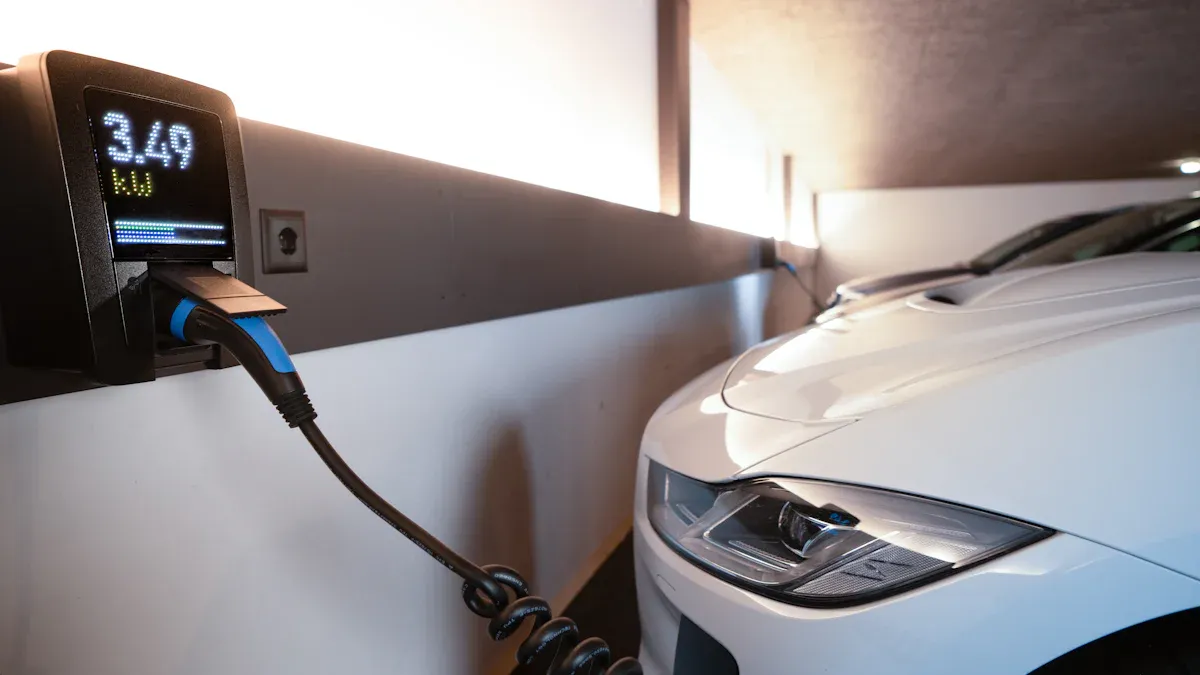
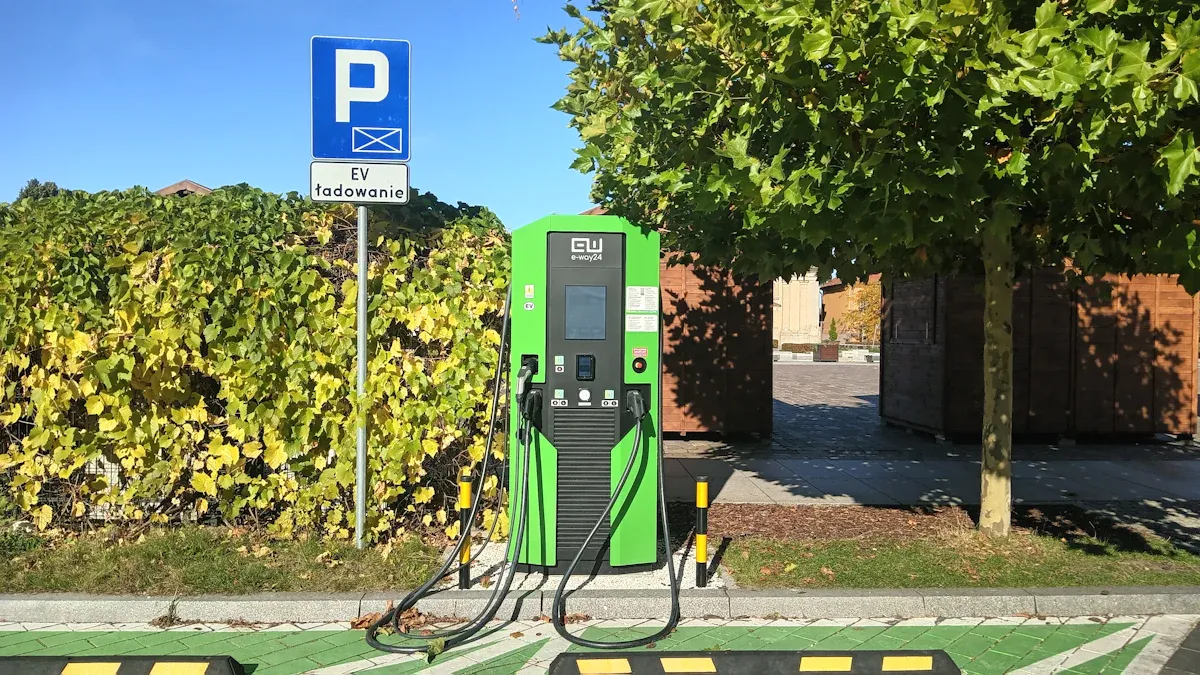
By 2025, the standard EV Charging Maps will transform into an intelligent co-pilot. This evolution in electric mobility will make range anxiety a relic. Advanced algorithms will deliver precise charging predictions, virtually eliminating uncertainty for any EV journey. The future of EV charging involves deep integration, where the vehicle communicates directly with the charging landscape. This shift is essential as EV adoption accelerates globally.
| Wilayah | EV Sales (2025) |
|---|---|
| Mainland China | NEVs reached 50% of new sales |
| EU5 | NEV share rose to 23% in Q2 2025 |
| Norwegia | Over 80% of new car sales are BEVs |
This growth requires a smarter EV charging network. Produsen pengisi daya EV, termasuk penyedia teknologi canggih seperti TPSON, sedang mengembangkan generasi berikutnya Pengisi Daya Listrik to support this seamless charging future.
Smarter Navigation: The Rise of AI in EV Charging Maps
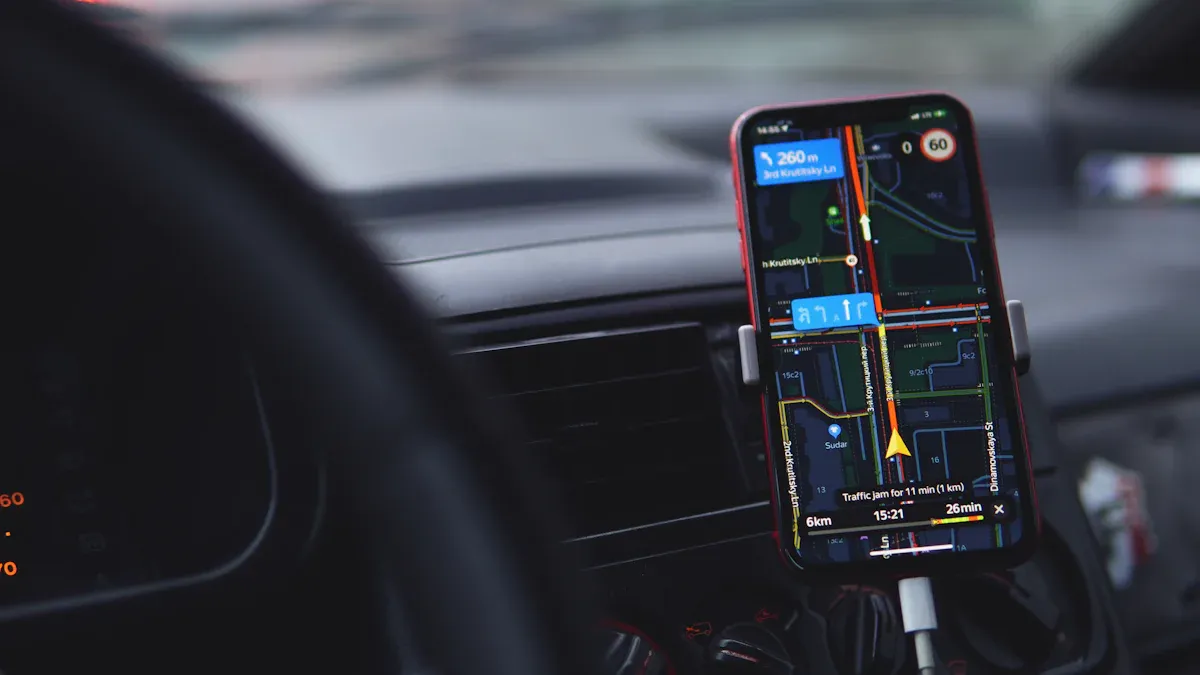
The next evolution of EV charging maps moves beyond static directories. By 2025, they will function as intelligent navigation partners, powered by artificial intelligence. This AI integration will make the entire EV charging experience predictive, personalized, and highly efficient. The future of EV travel depends on this intelligent layer, which transforms a simple map into a dynamic co-pilot.
AI-Powered Predictive Capabilities
AI algorithms analyze vast datasets to forecast charging conditions with remarkable accuracy. This predictive power directly addresses the core anxieties of EV drivers by providing clarity and eliminating guesswork.
Predicting Charger Availability
AI systems will predict if a charger will be available upon arrival. They analyze historical usage data, current traffic patterns, and even local event schedules. Major automakers now employ data scientists who use predictive analytics and geospatial algorithms to identify charging deserts and optimize network growth. This ensures that charging infrastructure expands where it is most needed. Companies are developing sophisticated AI platforms for this purpose.
- Predictive Maintenance: AI identifies potential charger faults before they happen, reducing unexpected downtime.
- Penyeimbangan Beban Dinamis: AI manages power distribution across a station to maximize the number of operational chargers during peak hours.
- Personalized Schedules: The system learns user habits to better predict demand at specific locations and times.
Forecasting Wait Times
No driver wants to arrive at a charging station only to find a long queue. AI will forecast wait times by analyzing real-time data on how many vehicles are heading toward a station, average charging durations at that location, and historical queuing patterns. This allows an EV driver to decide whether to wait or reroute to a less congested alternative.
Estimating Charging Session Duration
AI will provide a precise estimate for the required charging time. It calculates this by considering a wide range of variables specific to the vehicle and the environment. This moves beyond simple manufacturer estimates to deliver a truly personalized forecast. Key data points include:
- Timestamps and duration of past charging events
- Energy delivered (kWh) in previous sessions
- The vehicle’s current State of Charge (SoC) and battery health
- Ambient temperature, which affects battery performance
- The specific power curve of the charger itself
Dynamic and Personalized Route Planning
AI enables EV charging maps to create routes that adapt in real time to the driver, the vehicle, and the world around them. This creates a truly bespoke journey plan for every trip.
Real-Time Rerouting Logic
Imagine a planned charging stop suddenly goes offline. Instead of leaving the driver stranded, the AI system instantly recalculates the route. It considers the EV’s remaining range and finds the next best available charger, seamlessly navigating the driver there without any manual intervention. This logic uses a constant stream of data, including traffic conditions and charger status updates.
Personalization Based on Driving Habits
The system learns an individual’s driving style. It differentiates between an aggressive driver who consumes more energy and a conservative one who maximizes range. By creating a personalized consumption model, the map provides more accurate range predictions and suggests charging stops that align with the driver’s actual needs and preferences.
Factoring in Battery Health and SoC
An EV’s range is not static; it changes as its batteries age. Advanced maps will sync with the vehicle’s battery management system. This allows the AI to account for the current health and state of the batteries. This integration of battery technology data ensures that routing and charging recommendations are always based on the vehicle’s true capabilities, not just its factory specifications.
Proactive Charging Recommendations
The future of EV charging maps is proactive, not reactive. The system will offer intelligent suggestions to optimize a driver’s journey and energy consumption, often before the driver even realizes a need. This is made possible by smart charging systems where the EV communicates directly with the charging infrastructure.
“Smart Alert” Notifications
The map will send helpful notifications to the driver. For example, it might suggest a charging stop at a less expensive, fast-charging station that is only a few minutes off the current route. These alerts help drivers make smarter decisions on the fly, saving both time and money.
Trip-Chaining Suggestions
AI will make charging more convenient by suggesting “trip-chains.” If a driver needs to stop for charging, the map can identify a station located at a shopping center or near a restaurant. This allows the driver to combine charging with other activities, turning a necessary stop into a productive part of their day.
Cost-Optimization Routing
For many drivers, the cost of charging is a key factor. AI algorithms will design routes that minimize total trip cost. These systems use complex models to balance multiple variables. Technologically advanced providers like TPSON are contributing to the hardware and software ecosystem that makes this level of optimization possible.
The primary goals of cost-optimization algorithms are to minimize costs for EV owners, increase profitability for charging stations, and improve overall system efficiency by reducing queues and wait times.
These algorithms use sophisticated methods to find the most economical path.
| Jenis Algoritma | Primary Function in EV Routing |
|---|---|
| Dijkstra’s & Floyd | Finds the shortest or fastest physical path to charging stations. |
| Bi-level Optimization | Coordinates the needs of both the EV and the charging station. |
| Game Theory | Models the interactions between drivers and station operators to set dynamic prices. |
| Reinforcement Learning | Learns optimal charging navigation strategies over time based on real-world outcomes. |
By processing these factors, the system can recommend a route that might be slightly longer but results in significant cost savings from cheaper EV charging, making the entire journey more economical.
Seamless Integration: A Unified EV Driver Experience
Masa depan EV charging maps hinges on seamless integration. By 2025, the fragmented experience of using multiple apps and payment methods will disappear. Instead, drivers will interact with a single, unified system that connects the vehicle, the charging infrastructure, and the driver’s needs into one cohesive ecosystem. This evolution will make the entire process of finding and using charging stations remarkably simple and intuitive.
Deep In-Car System Integration
The most significant shift will occur inside the vehicle itself. The car’s native infotainment system will become the central hub for all EV charging activities, moving beyond the limitations of smartphone apps. This deep integration creates a smarter, more context-aware experience.
Native OS and Infotainment Maps
Automakers are moving away from basic navigation to fully integrated platforms. These systems connect directly to the car’s core functions, providing a superior level of accuracy and convenience for EV drivers. Leading manufacturers are already demonstrating the power of this approach.
- Tesla integrates its navigation directly with the Supercharger network for effortless routing.
- Ford dan Volkswagen build EV-specific functions and charging station locators into their SYNC and infotainment systems.
- BMW dan Nissan offer advanced navigation with sophisticated energy management features.
A New Standard: Google Built-in Platforms like Google Maps with Google built-in are setting a new benchmark. Available in vehicles from Polestar, Volvo, and Honda, this system offers deep integration. It can suggest the best charging stop based on the EV’s real-time battery level and even precondition the battery upon approach to ensure optimal charging speeds, a feature also enabled by technologies from providers like TomTom.
Real-Time Vehicle Data Sync
Accurate predictions require a constant flow of information between the EV and the map. The system will sync with the vehicle’s most critical components to create a dynamic, real-time profile of the car’s energy needs. This data stream is the lifeblood of intelligent EV navigation. Key data points include:
- Live operational data from the Battery Management System (BMS) for precise State of Charge (SoC).
- Traffic API information to account for congestion and potential delays.
- Weather data to calculate the impact of temperature on battery range.
- Live availability and speed data directly from the charging network.
Advanced algorithms process this information to deliver highly accurate route and charging time predictions. The authenticity of data transmitted from local charging stations is crucial for the reliability of the entire charging infrastructure.
Voice Assistant Integration
Drivers will manage their charging journey using simple voice commands. This hands-free interaction makes the process safer and more convenient. A driver can ask the vehicle’s assistant, “Find the nearest available 150-kilowatt charger,” and the system will instantly update the route. This functionality transforms the car into a proactive co-pilot, capable of handling complex requests related to EV charging without driver distraction.
Consolidated and Frictionless Payments
The frustration of juggling multiple payment cards and apps for different charging networks is coming to an end. The future is a consolidated payment system that makes paying for a charge as easy as filling a conventional car.
In-App and In-Car Payments
Drivers will authorize and pay for charging sessions directly from their vehicle’s infotainment screen or a single, unified smartphone app. After connecting the EV, the screen will display the cost, and the driver can approve the transaction with a single tap. This eliminates the need for physical cards or fumbling with different mobile apps at the public charging station.
“Plug and Charge” (ISO 15118) Integration
The ultimate goal is a truly frictionless experience enabled by the ISO 15118 communication protocol. With “Plug and Charge,” the payment process becomes completely automatic.
- The driver plugs the charging cable into the EV.
- The vehicle securely communicates with the charging station, exchanging authentication and billing information.
- The charging session starts automatically.
- Once charging is complete, the cost is billed to the driver’s linked account.
This technology requires both the vehicle and the infrastruktur pengisian daya to be compatible. Technologically advanced providers like TPSON are developing the sophisticated hardware and software for the charging network that makes this seamless interaction possible.
Subscription and Membership Management
Many drivers subscribe to charging networks to access preferential rates. By 2025, EV charging maps will integrate these memberships. The map will act as a central dashboard, allowing drivers to manage their subscriptions and automatically highlighting charging stations where their membership offers the best value. This ensures drivers always get the most cost-effective charging option available to them.
Universal Network Access and Roaming
A major hurdle for EV adoption has been the fragmented landscape of charging providers. The future lies in universal roaming, where a driver can access any charging station, regardless of the operator, through a single interface. This creates a truly open and accessible infrastructure.
Cross-Network Roaming Visibility
Future maps will display charging stations from all major networks in one unified view. Using protocols like the Open Charge Point Interface (OCPI), maps receive instant, automated updates on charger status across different providers. This gives drivers a complete picture of the available charging infrastructure around them, not just a small slice of it.
Real-Time Roaming Costs
Transparency is key. In addition to showing availability, the map will display the precise cost of charging on a partner network in real time. Platforms like Zapmap already allow users to see network-specific costs, which can vary by location. The system could present this information clearly to the driver, similar to this breakdown:
| Metode Pembayaran | Biaya per kWh | Authorization Fee | Catatan |
|---|---|---|---|
| Contactless PAYG | 33-107p | £45 | Costs vary by location and charge point type |
| Roam App PAYG | 33-107p | £45 | |
| Roam App Members | Discounted rate | £45 | Applicable at participating locations |
This level of detail empowers drivers to make informed financial decisions before they even arrive at a charger.
Unified Network Status Dashboards
Ultimately, the vehicle’s navigation screen will become a unified dashboard for the entire public charging ecosystem. It will show which stations are operational, in use, or out of order across all networks. This comprehensive overview builds driver confidence and ensures that the chosen destination will have a working charger, effectively eliminating one of the last major pain points of EV ownership.
The Hardware Revolution: New Standards and Charger Types
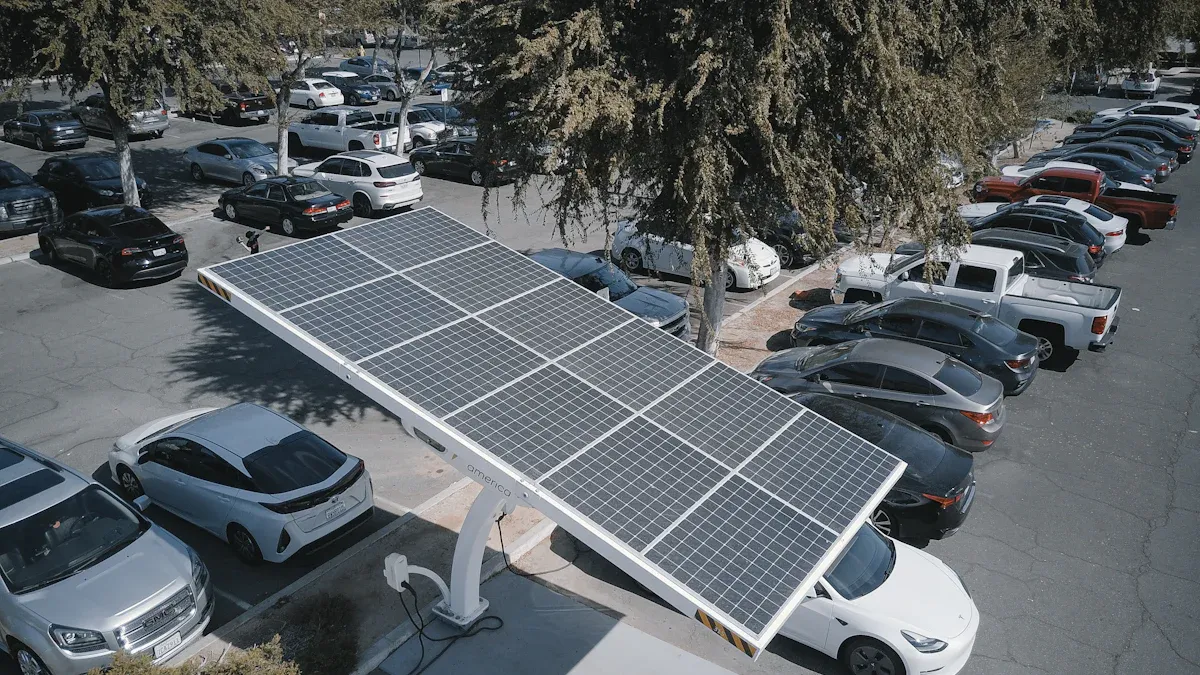
The physical hardware of the EV charging landscape is evolving rapidly. New connector standards and faster charging speeds require EV charging maps to become more sophisticated. By 2025, these maps will not just show a location; they will detail the specific capabilities of the charging infrastructure, ensuring drivers find the right plug and the right power for their EV.
The Impact of NACS on Maps
The adoption of the North American Charging Standard (NACS) alongside the Combined Charging System (CCS) presents a new challenge for navigation. Maps must provide clarity in this mixed-standard environment.
Filtering by NACS vs. CCS
The most fundamental feature will be a robust filtering system. Drivers will need to instantly filter charging stations based on the native connector type their vehicle uses, whether NACS or CCS. This simple function eliminates the frustration of arriving at an incompatible station and is a critical update for any modern charging network.
Displaying Adapter Requirements
For a transitional period, adapters will be common. Intelligent maps will indicate whether a specific station requires an adapter for a driver’s EV model. This information removes guesswork and ensures a successful charging session.
Visualizing NACS Network Growth
As more manufacturers adopt NACS, maps will offer visual tools to track this expansion. Heatmaps or color-coded icons will show the growing density of the NACS-compatible charging infrastructure, helping drivers understand the changing landscape of the charging network.
Locating Ultra-Rapid EV Charging
For drivers on long journeys, speed is paramount. Locating ultra-rapid EV charging (350kW and above) is a top priority, but future maps will provide more than just a power rating. They will offer a realistic preview of the charging experience.
Highlighting 350kW+ Chargers
Maps will prominently feature and allow filtering for ultra-rapid EV charging stations. This helps drivers quickly identify the fastest options available. The system will display data from each charging network, showing which providers are leading the deployment of this high-speed infrastructure.
| Jaringan Pengisian Daya | 350kW+ Stations |
|---|---|
| Melistriki Amerika | 1,200 |
| EVgo | 850 |
| ChargePoint | 600 |
| Tesla Supercharger V4 | Up to 350kW |
Power-Curve Matching
Future systems will match the charger’s capabilities with the vehicle’s power curve. An EV will only draw power up to its safe maximum, regardless of the station’s potential. The map will know that a car with a 118kW peak rate will not benefit from a 350kW ultra-rapid EV charging station beyond that limit. It will also account for power-sharing, where speeds at busy ultra-rapid EV charging sites drop as more vehicles plug in. This intelligence provides a far more accurate estimate for the total EV charging time.
Smart Cooling Technology Indicators
Sustaining ultra-rapid EV charging speeds generates significant heat. Advanced charging stations use liquid-cooled cables to manage temperatures and deliver consistent power. Maps will begin to display indicators for this technology. This signals a high-quality, reliable ultra-rapid EV charging experience. Technologically advanced providers like TPSON are developing the hardware that makes this level of performance possible, enhancing the entire EV charging ecosystem. This focus on ultra-rapid EV charging is essential for mass adoption.
Enhanced Data and Reliability: Building Trust with Every Charge
For EV adoption to accelerate, drivers need absolute confidence in the charging network. By 2025, EV charging maps will build this trust by delivering exceptionally detailed and reliable data. This shift transforms maps from simple locators into essential tools for a dependable charging experience, eliminating the uncertainty that plagues many EV drivers today.
Granular Real-Time Charger Status
The vague “available” status will become a thing of the past. Future maps will provide a precise, real-time picture of each charger’s condition, fed by advanced communication protocols.
Operational vs. In-Use vs. Out-of-Order
Maps will clearly distinguish between a charger that is operational and ready, one that is currently in use, and one that is out-of-order or faulted. This level of detail prevents drivers from navigating to non-functional charging stations. Live dashboards will display the status of each connector, ensuring drivers have accurate information before they arrive.
Specific Connector Availability
At a station with multiple plugs, the map will show the status of each individual connector. This is crucial for ensuring compatibility and availability. Providers like TelioEV already offer real-time connector status updates, a feature that will become standard. This is made possible by technologies that enable comprehensive monitoring.
- Protocols like the Open Charge Point Protocol (OCPP) allow communication with various charger models.
- Live health dashboards provide key performance indicators (KPIs) for charging stations.
- Drill-down functions can show specifics like voltage and session details.
Verified Power Output
Drivers will see the actual, real-time power output of a charger, not just its maximum theoretical speed. If a 150kW charger is only delivering 50kW due to power sharing or a technical issue, the map will reflect that. This helps drivers set realistic expectations for their charging session.
Community-Driven and Verified Data
The collective experience of the EV community will become a structured, reliable data source. This user-generated information adds a layer of real-world context that automated systems cannot capture alone.
Verified User Reviews and Photos
Maps will integrate verified user reviews and recent photos. This allows drivers to see the current condition of a station, check for cleanliness, and read about other users’ experiences with the charging process. Verification systems will ensure the feedback is authentic and helpful.
Station Reliability Scores
To build trust, charging stations will have a transparent reliability score. These scores are influenced by uptime, a critical metric for driver satisfaction. Industry standards and government funding often mandate high uptime percentages, pushing operators to improve service. Factors influencing these scores include:
- The availability of DC fast charging options.
- Success rates of charging attempts.
- Wait times and queue lengths during peak hours.
A consistently high score signals a trustworthy station, while a low score warns drivers to find an alternative.
Real-Time Issue Reporting
Drivers will become active participants in network maintenance. A simple in-app button will allow them to report issues like a broken connector, a payment failure, or a blocked parking space. This crowdsourced data alerts other drivers and the network operator instantly, speeding up repairs.
Comprehensive Location and Amenity Information
The EV charging experience extends beyond the plug. Knowing what amenities are available turns a necessary stop into a comfortable and productive break.
On-Site Amenities (Restrooms, Wi-Fi)
Maps will display detailed information about on-site amenities. Drivers can filter for charging stations with essential facilities, making trip planning for their EV much easier.
Top Amenities for a Better Charging Stop
- Food and Drink: A nearby coffee shop or quick-serve restaurant.
- Restrooms: Clean and accessible facilities are a must.
- Shelter: Canopies provide protection from sun and rain.
- Lighting: Adequate lighting is crucial for safety, especially at night.
Nearby Services (Coffee, Food)
Beyond the station itself, maps will highlight nearby services. A driver can easily see if a charger is located within walking distance of a grocery store, park, or restaurant, making the charging time more efficient.
Accessibility and Safety Ratings
Information on accessibility for drivers with disabilities will be clearly displayed. Additionally, safety ratings, often based on user feedback and factors like lighting, will help drivers choose secure locations for overnight or late-night charging. This comprehensive approach to data ensures a safe and convenient EV charging journey for everyone.
The Future Beyond the Car: EV Charging Future Innovations
The evolution of EV charging is not just about speed and accessibility; it’s about creating a smarter, more integrated energy ecosystem. The future of EV charging will see vehicles transform from simple energy consumers into active participants in the power grid. This shift, driven by advancements in pengisian dua arah and smart energy management, promises a more efficient and sustainable energy landscape.
Vehicle-to-Grid (V2G) and Bidirectional Charging
Vehicle-to-Grid (V2G) technology is at the forefront of this transformation, enabling electric vehicles to not only draw power from the grid but also to feed it back. This creates a decentralized energy storage network, helping to stabilize the grid during peak demand. The development of V2G has progressed from simple communication protocols to sophisticated systems with advanced control mechanisms. Current trends are focused on standardizing these protocols, improving the efficiency of bidirectional inverters, and enhancing battery management systems to minimize degradation during V2G operations.
Locating V2G-Enabled Stations
As V2G technology becomes more widespread, EV charging maps will evolve to include filters for V2G-enabled charging stations. Drivers will be able to easily locate stations where they can not only charge their vehicle but also sell excess energy back to the grid. This functionality will be crucial for maximizing the economic benefits of EV ownership.
Displaying “Sell-Back” Energy Rates
To empower EV owners to make informed decisions, future charging maps will display real-time “sell-back” rates for V2G-enabled stations. This transparency will allow drivers to choose the most profitable times and locations to discharge their vehicle’s battery, turning their EV into a mobile energy asset.
Scheduling V2G Sessions
Advanced apps will allow users to schedule V2G sessions in advance. By integrating with smart grid data, these apps can automatically initiate charging when electricity rates are low and discharge energy back to the grid when rates are high, all while ensuring the vehicle has enough charge for the owner’s daily needs. This level of automation will make participating in V2G programs effortless and highly beneficial for EV owners.
Smart Energy Management
Smart energy management is a key component of the future of Pengisian daya listrik. It involves using technology to optimize energy consumption, reduce costs, and support the stability of the power grid.
Real-Time Energy Pricing Data
Future EV charging maps will provide real-time data on electricity prices from various utility providers. This information will enable drivers to choose the most cost-effective times to charge their vehicles, avoiding peak hours when electricity is most expensive.
Off-Peak Charging Recommendations
Building on real-time pricing data, smart charging systems will offer personalized recommendations for off-peak charging. By analyzing a user’s driving patterns and daily schedule, the system can suggest the optimal time to plug in, ensuring the vehicle is always ready when needed while minimizing charging costs.
Integrasi dengan Sistem Energi Rumah
The ultimate vision for smart charging involves seamless integration with home energy systems. An EV will become an integral part of the home’s energy ecosystem, storing excess solar power generated during the day and providing backup power during an outage. This integration will be managed through a central platform, accessible via a smartphone app or the vehicle’s infotainment system, giving homeowners unprecedented control over their energy consumption and costs.
Sustainability and Renewable Energy
As the world moves towards a more sustainable future, the source of the electricity used for EV charging is becoming increasingly important. Future charging maps will empower drivers to make environmentally conscious choices.
Identifying Green Energy Chargers
EV charging maps will soon highlight charging stations powered by renewable energy sources, such as solar or wind. This will allow drivers to prioritize charging at locations that align with their environmental values.
Carbon Footprint Tracking
To further promote sustainable practices, apps will track and display the carbon footprint of each charging session. This feature will provide users with tangible data on the environmental impact of their driving and charging habits, encouraging more eco-friendly behavior.
Displaying REC and Green Certification
Charging stations that use renewable energy will be able to display Renewable Energy Certificates (RECs) and other green certifications directly within the map interface. This verification will provide drivers with confidence that they are supporting clean energy generation. Companies like TPSON, a technologically advanced electric vehicle charging solution provider, are instrumental in developing the hardware and software that make these innovative and sustainable charging solutions a reality.
In 2025, EV charging maps will complete their transformation from static directories into intelligent co-pilots. The future of this technology relies on the convergence of AI-driven solutions, deep vehicle integration, and real-time data. This synergy delivers a predictive and seamless experience for every EV driver, making plug-and-charge a simple reality. This evolution is a cornerstone for the future of electric mobility, making EV ownership more intuitive and reliable than ever before.
PERTANYAAN YANG SERING DIAJUKAN
How will EV charging maps change by 2025?
EV charging maps will evolve from static directories into intelligent co-pilots. Artificial intelligence will provide predictive charger availability, personalized routes, and proactive recommendations. This shift makes the charging experience seamless and efficient for every driver.
Will drivers still need multiple apps to pay for charging?
No, the future is a unified payment system. Drivers will use in-car payment options or a single app. Technologies like “Plug and Charge” (ISO 15118) will automate the entire payment process, eliminating the need for multiple apps or cards.
How will maps handle different plug types like NACS and CCS?
Maps will feature robust filtering systems. Drivers can easily search for stations with their specific connector type, whether NACS or CCS. The map will also display if an adapter is necessary for a particular station, removing compatibility guesswork.
How will charger reliability information improve?
Maps will display granular, real-time data. This includes a charger’s operational status, specific connector availability, and verified power output. Community-driven reliability scores and issue reporting will further build driver trust in the network.
What is Vehicle-to-Grid (V2G) and how will maps support it?
Vehicle-to-Grid allows an EV to sell stored energy back to the power grid. Future maps will help drivers locate V2G-enabled stations, display real-time “sell-back” energy rates, and even help schedule these energy-selling sessions for maximum profit.
What role do hardware providers play in this future?
Hardware is the foundation for this evolution. Technologically advanced electric vehicle charging solution providers like TPSON develop the sophisticated chargers and communication modules. This hardware enables features like “Plug and Charge,” ultra-rapid charging, and reliable real-time data transmission.