
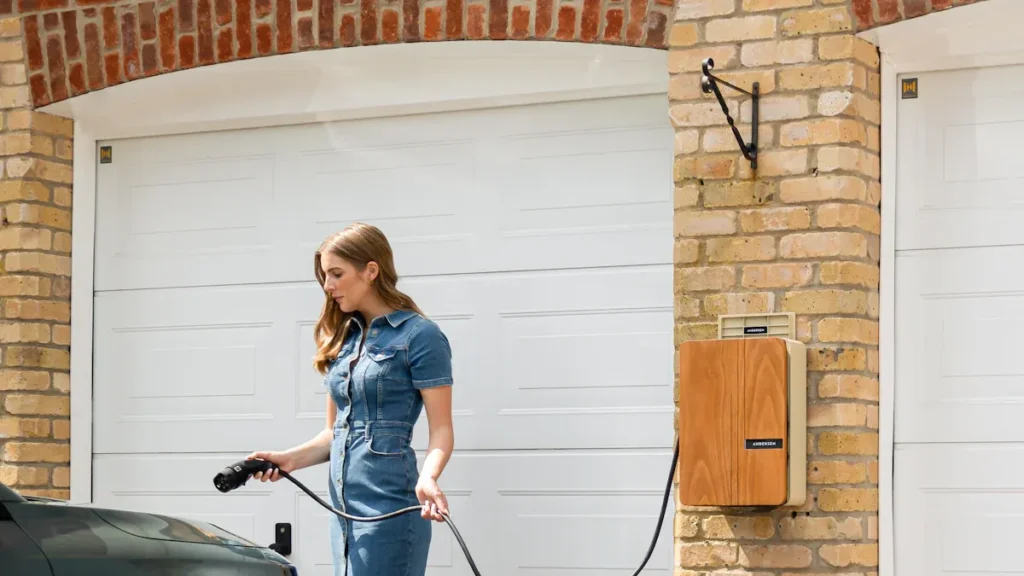
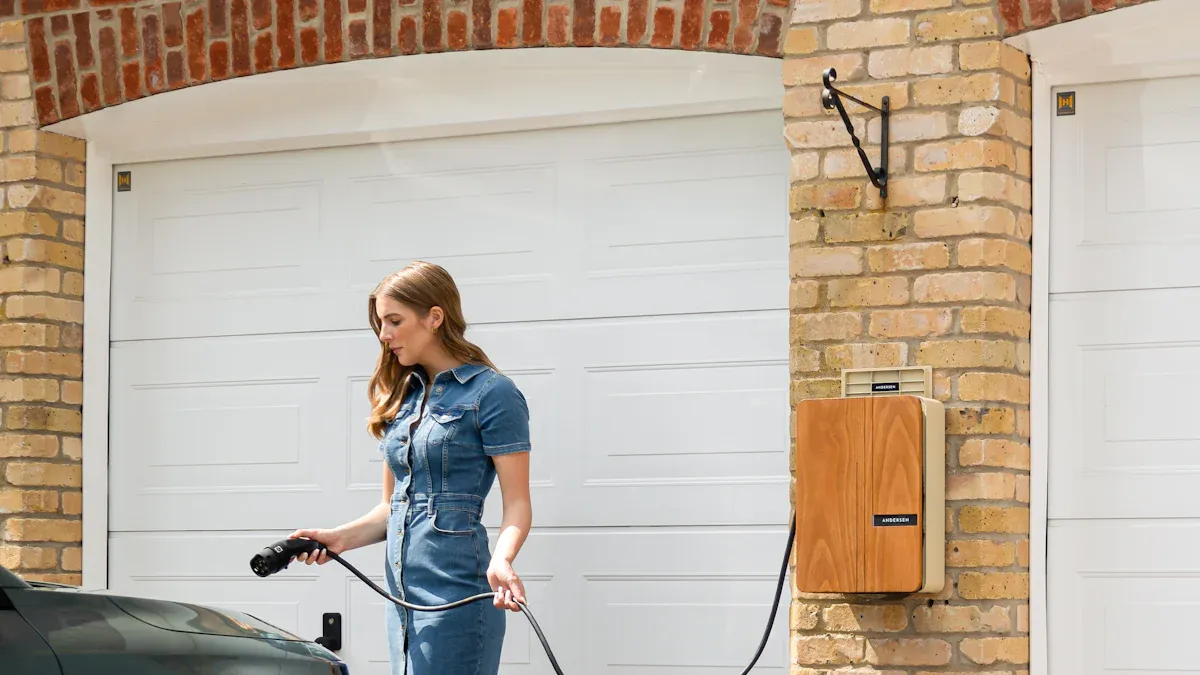
Using an extension cord with a Level 1 شاحن السيارة الكهربائية in Spain raises significant safety concerns. الشركات المصنعة لشاحن السيارة الكهربائية and local regulations warn against this practice because extension cord use often leads to overheating, fire hazards, and compromised safety features. Homeowners must recognize that improper extension cord selection puts both the electric car and home at risk. Common problems include:
- Overheating from sustained current flow through the extension cord
- Increased risk of electrical fires when the extension cord is not rated for EV charging
- Compromised safety mechanisms in شواحن السيارات الكهربائية المحمولة و حلول شحن السيارات الكهربائية
Prioritizing extension cord safety and following expert recommendations ensures reliable charging and protects Spanish homes.
Extension Cord Safety and Level 1 Electric Car Charging
What Is a Level 1 EV Charger?
A Level 1 ev charger represents the most basic charging station for electric vehicles. This charger connects directly to a standard household outlet. Many Spanish homeowners receive a Level 1 ev charger with their new ev. The charger operates at 230 volts, which matches the typical voltage in Spanish homes. The ev charger provides a slow but steady charging process. Most drivers use this charger overnight or during long periods when the ev remains parked. The charger offers convenience, but it also comes with limitations. The ev charger does not require complex installation, so many users set up the charging station in their garage or driveway.
إن سلك تمديد often enters the conversation when the charging station sits far from the outlet. Homeowners may consider using an extension cord to bridge the gap. However, the ev charger manufacturer rarely recommends this practice. The extension cord can introduce risks that affect the charger, the ev, and the charging station.
How Level 1 Charging Works in Spanish Homes
Spanish homes typically feature a 230-volt electrical system. The Level 1 ev charger plugs into a standard socket. The charger draws a moderate current, usually between 8 and 10 amps. The charging station delivers power to the ev battery at a slow rate. Most ev owners expect a full charge after 8 to 12 hours. The charger works best when the charging station sits close to the main electrical panel. The extension cord may seem like a simple solution for distant charging stations, but it can create problems. The charger relies on stable voltage and current. The extension cord can cause voltage drops, which reduce charging efficiency. The ev charger may not function properly if the extension cord cannot handle the required load.
Tip: Always check the compatibility of your extension cord with the ev charger before use. Incompatible cords can lead to overheating and safety hazards.
Typical Power Requirements and Limitations
The Level 1 ev charger requires a steady supply of electricity. The charger draws continuous power for several hours. The charging station must support this demand without interruption. The extension cord must match the power rating of the charger and the ev. If the extension cord falls short, it can overheat or fail. The charger may stop working, or the ev may not receive a full charge. Compatibility between the extension cord, the charger, and the charging station remains critical. Spanish homes often have older wiring, which can limit the safe use of an extension cord. The charger and the ev both depend on reliable connections. The charging station should never rely on a damaged or low-quality extension cord.
The table below summarizes the key requirements for safe Level 1 ev charger use in Spanish homes:
| المتطلبات | Safe Practice | Risk with Extension Cord |
|---|---|---|
| الفولتية | 230V | Possible voltage drop |
| الحالي | 8-10A | Overheating if cord is underrated |
| التوافق | Manufacturer-approved charger only | مشكلات التوافق |
| Charging Station Location | Near outlet | Extension cord may be needed |
The charger, the ev, and the charging station all benefit from direct connections. The extension cord should only serve as a last resort, and only if it meets strict compatibility standards.
Extension Cord Safety: Can You Use One for Electric Car Charging?
Manufacturer Recommendations on Extension Cord Use
Major ev charger manufacturers in Europe, including those supplying the Spanish market, maintain strict positions on extension cord use. They design each ev charger to operate safely when plugged directly into a compatible outlet. Most manufacturers discourage the use of a household extension cord for charging an ev. The main reasons include the risk of overheating, fire hazards, and the potential for voiding warranties on both the charger and the electric car.
- Manufacturers advise against using conventional, domestic-grade extension cords for ev charging.
- They recommend using only extension cords specifically designed for ev charging, and only when absolutely necessary.
- The preferred solution remains the installation of a dedicated charging station.
- Charging an ev with a household extension cord is highly discouraged due to safety risks.
- Using a household extension cord may affect the warranty of the ev charger or the vehicle.
These recommendations reflect the importance of following the manufacturer’s guidelines. TPSON, a technologically advanced electric vehicle charging solution provider, also emphasizes the need for proper installation and direct connections. They highlight that extension cord safety cannot be guaranteed with standard cords, especially when charging an ev for extended periods.
Spanish Electrical Codes and Extension Cord Safety
Spanish electrical codes set clear standards for home wiring and appliance connections. These codes require that high-power devices, such as an ev charger, connect directly to a fixed outlet. The regulations aim to protect homeowners from electrical faults, overheating, and fire. Extension cord safety becomes a concern when users attempt to bypass these requirements.
The Spanish code does not explicitly ban extension cord use for ev charging, but it does mandate that all connections must support the continuous current drawn by the charger. Most extension cords available in hardware stores do not meet these standards. The code also requires that any extension cord used for high-power applications must have the correct wire gauge, insulation, and certification. Failure to comply with these rules can result in insurance issues or legal liability if an incident occurs.
Note: Homeowners should always consult a licensed electrician before using an extension cord with an ev charger. This step ensures compliance with local codes and reduces the risk of electrical hazards.
Real-World Scenarios in Spanish Homes
Many Spanish homes feature garages or parking spaces located far from the main electrical panel. In these cases, homeowners often consider using an extension cord to connect the ev charger to the nearest outlet. This approach may seem convenient, but it introduces several risks.
For example, a homeowner might use a long extension cord to reach the charger in an outdoor parking area. If the extension cord lacks the proper rating, it can overheat during charging. Overheating can damage the charger, the ev, or even start a fire. In older homes, the wiring may not support the continuous load required by the charger, increasing the risk of electrical faults.
Some homeowners attempt to use multiple extension cords joined together. This practice increases resistance and the chance of voltage drops, which can cause the charger to operate inefficiently. The ev may not receive a full charge, or the charger may shut down unexpectedly.
TPSON recommends that Spanish homeowners avoid these scenarios by installing a dedicated outlet or a professionally installed charging station. These solutions provide the safest and most reliable way to charge an ev at home. Following extension cord safety guidelines and the manufacturer’s guidelines protects both the charger and the electric car.
Risks of Using an Extension Cord for Electric Car Charging
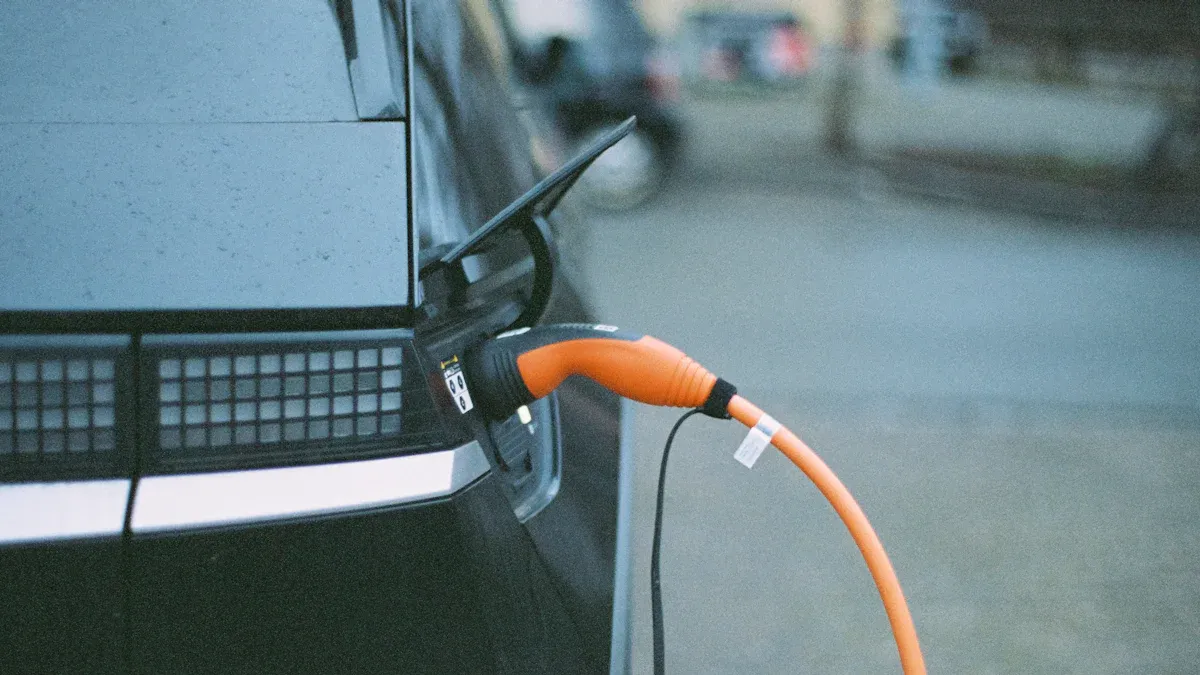
Using an extension cord with a Level 1 ev charger introduces several hazards that can compromise the safety of Spanish homes. These risks affect the charger, the ev, and the entire charging process. Homeowners must understand the dangers before deciding to use an extension cord for their ev charger.
Fire Hazards and Overheating
Overheating and Melting Risks
An extension cord not designed for high loads can overheat quickly during ev charging. The ev charger draws a steady current for many hours. If the extension cord cannot handle this demand, the wiring inside the cord may degrade. Over time, this degradation increases the risk of short circuits and electrical fires. The charger and the ev both rely on stable connections, but a poor-quality extension cord can melt or burn, creating a dangerous situation.
| Cause | الشرح |
|---|---|
| Wiring degradation | Prolonged use of unsuitable extension leads can degrade wiring, leading to short circuits and fires. |
| Charger malfunctions | Standard domestic chargers not designed for EV loads can overheat, causing thermal runaway and damage. |
The table above shows how wiring degradation and charger malfunctions can lead to overheating and melting. These hazards threaten both the charger and the ev.
Electrical Short Circuits
Short circuits often result from damaged or overloaded extension cords. When the ev charger operates for long periods, the extension cord may not dissipate heat efficiently. This situation can cause insulation to break down, exposing wires and increasing the risk of electrical short circuits. Electrical fires can start quickly if the extension cord fails during charging. Homeowners must recognize that even a small fault in the extension cord can escalate into a major hazard.
Energy Loss and Charging Inefficiency
Voltage Drop Issues
Long extension cords create resistance, which leads to voltage drops during ev charging. The charger may not receive the correct voltage, causing it to work harder and less efficiently. The ev may not charge fully, or the charger may shut down unexpectedly. The table below illustrates how cable length affects power loss during charging:
| طول الكابل | Power Loss (watts) |
|---|---|
| 10 أمتار | 50-60 |
| 15 متراً | 85-90 |
| 20 متراً | >100 |
As the table shows, longer extension cords cause significant power loss. The charger and the ev both suffer from reduced efficiency, and the charging process becomes unreliable.
Slower Charging Times
Energy loss during charging can reach 5–15% when using an extension cord. This loss means the charger must run longer to deliver the same amount of energy to the ev. The ev may require extra hours to reach a full charge, which increases wear on the charger and the extension cord. Homeowners may notice that their electric car does not charge as quickly as expected, leading to inconvenience and frustration.
- Energy losses of 5–15% can occur during AC or DC charging due to heat and conversion losses.
Damage to Your Electric Car or Home Electrical System
Long-Term Wear and Tear
Improper use of an extension cord with an ev charger can cause long-term damage to both the charger and the home’s electrical system. Overloading outlets and extension cords leads to overheating, which increases the risk of electrical fires. The charger and the ev may experience repeated interruptions, which can shorten their lifespan. Scorched plug pins and damaged sockets often indicate that the extension cord cannot handle the load required for ev charging.
- Overloading outlets and extension cords can lead to overheating and increase the risk of electrical fires.
- Using granny chargers can place a high and sustained load on home electrical systems, leading to overheating, scorched plug pins, and potential electrical fires.
- دوائر التحميل الزائد by plugging too many devices into one outlet can cause overheating and electrical fires.
Voiding Warranties
Many ev charger manufacturers warn that using an extension cord may void the warranty on both the charger and the electric car. If a fire or malfunction occurs, the manufacturer may refuse to cover repairs or replacements. Homeowners must follow the guidelines provided with their ev charger to maintain warranty protection. Ignoring these instructions can result in costly repairs and loss of coverage.
Tip: Always check the warranty terms for your ev charger and electric car before using an extension cord. Following manufacturer recommendations helps avoid unnecessary expenses and safety risks.
Safety Guidelines for Extension Cord Use with Level 1 EV Chargers
Choosing the Right Extension Cord for Charging
Cord Rating and Amperage Requirements
Selecting the right type of extension cable for a Level 1 ev charger remains essential for extension cord safety. Level 1 chargers typically operate at 120V and draw between 12 and 16 amps. Homeowners should use a dedicated extension cord rated for at least 16 amps. The charging cable must match the charger’s requirements to prevent overheating. Many manufacturers recommend a wire gauge of 14–12 AWG or 2.5 mm² for safe charging. Using an extension cable with a lower rating can lead to fire hazards and damage to the ev charger.
Wire Gauge, Length, and Extension Cord Safety
The length and wire gauge of the extension cable directly affect charging efficiency and extension cord safety. Longer extension cables increase resistance, causing voltage drops and overheating. The table below highlights key risks associated with extension cable length:
| نوع الدليل | الوصف |
|---|---|
| مخاطر السخونة الزائدة | Using standard extension cords can lead to overheating due to high current loads required for EV charging. |
| Voltage Drops | Longer extension cords can cause significant voltage drops, affecting charging efficiency. |
| مخاطر الحرائق | استخدام non-standard extension cables poses potential fire hazards, especially in high-load scenarios. |
| Regulatory Prohibition | European safety regulations prohibit the use of non-standard extension cables to ensure safety for vehicles and homes. |
Homeowners should always choose a dedicated extension cord with the shortest possible length and the correct wire gauge for their ev charger.
Weather Resistance and Outdoor Use
Charging an ev outdoors requires a charging cable and extension cable with weather-resistant insulation. Many domestic extension cords lack protection against moisture and UV exposure. Using a dedicated extension cord rated for outdoor use helps prevent shock and corrosion risks. Extension cord safety tips include checking for IP ratings and ensuring all connections remain dry during charging.
Proper Setup and Safe Charging Practices
Avoiding Coiling and Overheating
Coiling an extension cable during charging increases the risk of overheating. The charger and charging cable should remain fully uncoiled to allow heat to dissipate. Extension cord safety tips recommend monitoring the temperature of the charger, extension cord, and wall outlet. If any component feels hot, stop charging immediately.
Inspecting for Damage Before Charging
Before each charging session, inspect the extension cable, charging cable, and charger for signs of wear or damage. Damaged extension cords introduce weak points in the circuit and increase the risk of overheating. Safety tips include checking plug fuse clips every six months and ensuring the charger and socket remain in good condition.
Keeping Connections Dry and Secure
Outdoor charging exposes the extension cable and charging cable to moisture. Secure all connections and keep them dry to prevent electrical shorts. Extension cord safety tips advise using weatherproof covers and avoiding charging during heavy rain.
Warning Signs of Unsafe Extension Cord Use
Hot Plugs or Cords During Charging
Hot plugs or extension cables during charging signal unsafe conditions. EVs draw high currents for extended periods, which most household extension cords cannot handle. Stop charging if the charger, extension cable, or charging cable feels excessively warm.
Flickering Lights or Tripped Breakers
Flickering lights or tripped breakers during charging indicate voltage drops or overloaded circuits. Longer extension cables increase resistance, leading to heat generation and reduced charging efficiency. These warning signs require immediate attention to maintain extension cord safety.
Tip: Never daisy chain extension cables. Always use a dedicated extension cord designed for ev charger use to protect your electric car and home.
Alternatives to Extension Cord Charging for Electric Cars
تركيب منفذ مخصص لشحن المركبات الكهربائية
غالبًا ما يبحث ملاك المنازل الإسبان عن خيارات أكثر أمانًا وكفاءة من سلك التمديد لشاحن مركباتهم الكهربائية. يوفر تركيب منفذ شاحن منزلي مخصص اتصالاً مباشرًا بين شاحن المركبة الكهربائية والنظام الكهربائي. يلغي هذا الإعداد المخاطر المرتبطة باستخدام سلك التمديد ويضمن عمل الشاحن بأداء مثالي. يصمم الكهربائيون هذه المنافذ لتحمل الحمل المستمر الذي يتطلبه شاحن المركبة الكهربائية. وهي تتضمن ميزات أمان متقدمة مثل أجهزة التيار المتبقي وأجهزة استشعار الحرارة.
يقدم منفذ شاحن منزلي مخصص عدة مزايا مقارنة بسلك التمديد. يسلط الجدول أدناه الضوء على الاختلافات الرئيسية:
| المزايا | منفذ شحن مخصص للمركبات الكهربائية | سلك التمديد |
|---|---|---|
| سرعة الشحن | حتى 7 كيلوواط (25 ميل/ساعة) | 2.3 كيلوواط (8 ميل/ساعة) |
| وقت الشحن | ~9 ساعات للشحن الكامل | >24 ساعة للشحن الكامل |
| الوفورات في التكاليف | أسعار أقل خلال فترات خارج الذروة | تكاليف شحن عامة أعلى |
| ميزات السلامة | جهاز التيار المتبقي المدمج، أجهزة استشعار حرارية | أمان مقبس الحائط القياسي |
| الملاءمة | الشحن المنزلي في أي وقت | الحاجة إلى إيجاد شواحن عامة |
يتمتع ملاك المنازل الذين يقومون بتركيب شاحن منزلي مخصص بشحن أسرع وراحة أكبر. كما يقللون من خطر الحرائق والأعطال الكهربائية. يحول هذا الحل المرأب أو الممر إلى محطة شحن منزلية موثوقة للمركبة الكهربائية.
استخدام شاحن من المستوى 2 تم تركيبه بشكل احترافي
يمثل شاحن المركبة الكهربائية من المستوى 2 المثبت بشكل احترافي ترقية كبيرة عن الشحن من المستوى 1 باستخدام سلك التمديد. يقوم الكهربائيون بتوصيل شاحن المستوى 2 مباشرة بلوحة الكهرباء، مما يضمن الامتثال لمعايير السلامة الإسبانية. يوفر هذا الشاحن طاقة أعلى، مما يقلل وقت الشحن ويزيد الكفاءة. تتضمن عملية التثبيت فحوصات السلامة والتأريض السليم، مما يحمي كلًا من الشاحن والمركبة الكهربائية.
يقارن الجدول أدناه بين شاحن المستوى 1 مع سلك التمديد وشاحن المستوى 2:
| الميزة | شاحن المستوى 1 مع سلك التمديد | شاحن المستوى 2 |
|---|---|---|
| سرعة الشحن | بطيء وغير فعال | سريع وفعال |
| الامتثال للسلامة | غالبًا غير متوافق | مثبت بشكل احترافي، متوافق مع معايير السلامة |
| خطر الحوادث | مرتفع بسبب أسلاك التمديد غير المناسبة | منخفض بسبب التثبيت السليم |
يسمح شاحن المستوى 2 للمركبة الكهربائية بالشحن في جزء بسيط من الوقت الذي يتطلبه شاحن المستوى 1. يستفيد ملاك المنازل من محطة شحن منزلية أكثر أمانًا وموثوقية. كما يتجنبون المخاطر المصاحبة لاستخدام سلك التمديد لحلول الشحن عالية الطاقة.
إعادة تموضع سيارتك الكهربائية للشحن المباشر
بعض المنازل الإسبانية لديها وصول محدود إلى منافذ الطاقة بالقرب من منطقة الانتظار. في هذه الحالات، يمكن لإعادة تموضع المركبة الكهربائية بالقرب من منفذ مناسب أن يلغي الحاجة إلى سلك التمديد. يمكن لملاك المنازل نقل المركبة الكهربائية إلى المرأب أو إلى مقبس في الممر مصمم للشاحن. يضمن هذا النهج اتصال شاحن المركبة الكهربائية مباشرة بالمنفذ، مما يقلل من مخاطر انخفاض الجهد والاحتراق.
قد تتطلب إعادة تموضع المركبة الكهربائية للشحن المباشر بعض التعديلات على روتين الانتظار. ومع ذلك، تحمي هذه الطريقة الشاحن والمركبة الكهربائية والنظام الكهربائي للمنزل. كما أنها تطيل عمر الشاحن وتحافظ على تغطية الضمان. غالبًا ما يختار ملاك المنازل الذين يعطون الأولوية للسلامة هذا الحل العملي بدلاً من الاعتماد على سلك التمديد.
نصيحة: استشر دائمًا كهربائيًا مرخصًا قبل إجراء أي تغييرات على إعداد محطة الشحن المنزلية الخاصة بك. تضمن النصيحة المهنية تشغيل شاحن المركبة الكهربائية بأمان وكفاءة.
حلول الشحن المحمولة للمنازل الإسبانية
تقدم حلول الشحن المحمولة لمالكي المنازل الإسبان المرونة والراحة عند شحن المركبات الكهربائية. تسمح هذه الأجهزة، التي غالبًا ما تسمى شواحن المركبات الكهربائية المحمولة أو وحدات الشحن المتنقلة، للسائقين بشحن سياراتهم من مواقع مختلفة دون تثبيت دائم. يختار العديد من مالكي المركبات الكهربائية الإسبان الشواحن المحمولة كبديل عملي لأسلاك التمديد، خاصة عندما لا تكون محطة شحن مخصصة متاحة.
الميزات الرئيسية لشواحن المركبات الكهربائية المحمولة:
- تصميم التوصيل والتشغيل: تتصل معظم الشواحن المحمولة مباشرة بمقابس المنازل القياسية. يمكن للمستخدمين نقل هذه الوحدات بسهولة بين مواقع مختلفة.
- إعدادات طاقة قابلة للتعديل: تسمح بعض الموديلات للمستخدمين باختيار تيار الشحن، مما يساعد على مطابقة الشاحن مع مصدر الكهرباء المتاح.
- آليات السلامة المدمجة: تتضمن الشواحن المحمولة عالية الجودة ميزات مثل الحماية من التيار الزائد ومراقبة درجة الحرارة وكشف أعطال التأريض.
نصيحة: اختر دائمًا شاحنًا محمولاً معتمدًا للاستخدام في إسبانيا ومتوافقًا مع معايير السلامة الأوروبية (مثل علامة CE).
مزايا لمالكي المنازل الإسبان
توفر حلول الشحن المحمولة عدة فوائد:
- التنقل: يمكن للسائقين أخذ الشاحن في الرحلات أو استخدامه في عقارات متعددة.
- لا حاجة للتثبيت الدائم: يجد المستأجرون أو أولئك الذين لديهم وصول محدود لترقيات الكهرباء الشواحن المحمولة مفيدة بشكل خاص.
- النسخ الاحتياطي للطوارئ: في حالة وجود مشاكل في محطة الشحن الأساسية، يضمن الشاحن المحمول استمرار الوصول إلى الشحن.
يقارن الجدول أدناه الشواحن المحمولة مع إعدادات سلك التمديد التقليدية:
| الميزة | شاحن محمول | إعداد سلك التمديد |
|---|---|---|
| السلامة | حماية مدمجة | غالبًا تفتقر إلى ضوابط الحماية |
| الامتثال | خيارات معتمدة بعلامة CE | قد تخالف اللوائح |
| الملاءمة | عالية | منخفضة |
| خطر الاحتراق | منخفض (إذا تم استخدامه بشكل صحيح) | عالية |
اعتبارات السلامة
يجب على مالكي المنازل الإسبان إعطاء الأولوية للسلامة عند استخدام الشواحن المحمولة. يجب عليهم دائمًا:
- فحص الشاحن والكابلات بحثًا عن التلف قبل كل استخدام.
- تجنب استخدام المحولات أو عدة أسلاك تمديد مع الشواحن المحمولة.
- التأكد من أن المنفذ يدعم متطلبات طاقة الشاحن.
- الحفاظ على جميع الوصلات جافة، خاصة أثناء الشحن في الخارج.
ملاحظة: تعمل الشواحن المحمولة بشكل أفضل عند توصيلها مباشرة بمنفذ مخصص. تجنب توصيلها بدوائر مكهربة بشكل زائد أو استخدامها مع أسلاك تمديد منخفضة الجودة.
When to Choose a Portable Solution
Portable chargers suit homeowners who need flexibility or cannot install a permanent charging station. They also serve as a reliable backup for unexpected situations. However, users should always follow manufacturer instructions and consult a licensed electrician if unsure about compatibility with their home’s electrical system.
Spanish homeowners who invest in a quality portable charging solution gain peace of mind and maintain safe, efficient charging for their electric vehicles.
Best Practices for Safe Electric Car Charging at Home
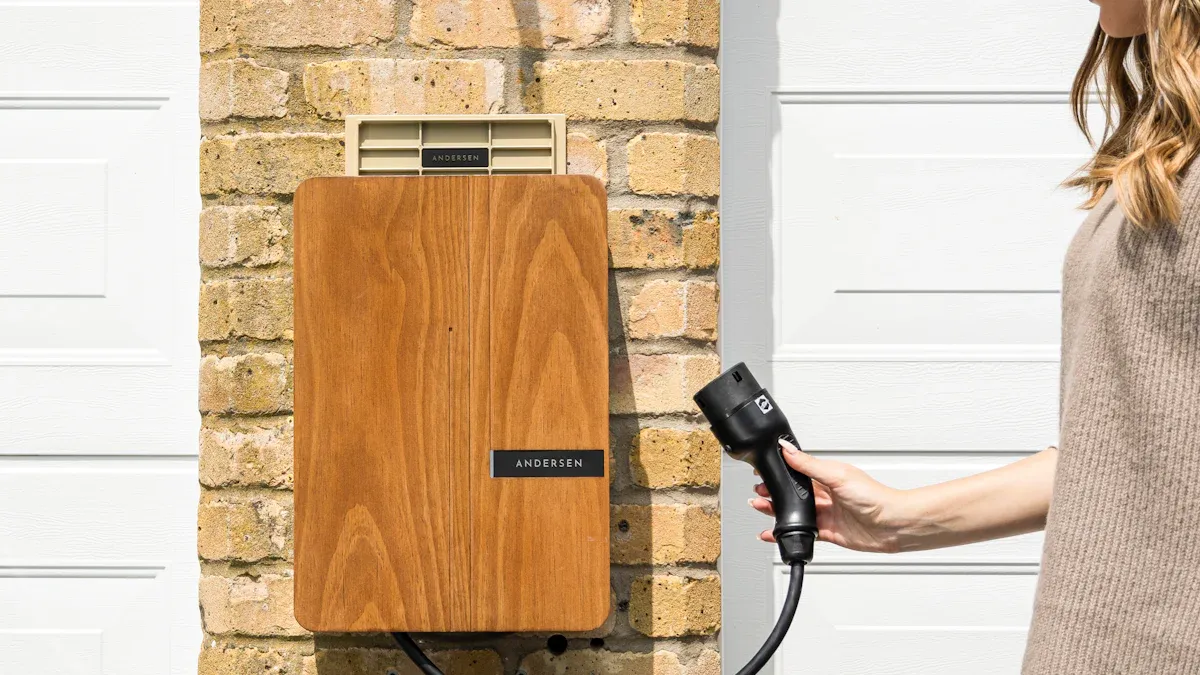
Regular Electrical Inspections for Safety
Spanish homeowners who use electric vehicle charging equipment should schedule regular electrical inspections. These inspections help identify potential hazards before they become serious problems. A licensed electrician can check the wiring, outlets, and circuit breakers for signs of wear or overload. Regular inspections also ensure that the home’s electrical system meets current safety standards.
إن recommended intervals for electrical inspections in Spanish homes with EV charging setups are as follows:
| نوع العقار | Recommended Interval |
|---|---|
| Domestic Property | 10 years |
| Rented Houses | 5 years |
| Other Property Types | Please enquire |
Homeowners should keep records of all inspections. These records provide proof of compliance with local regulations and can help with insurance claims if an incident occurs. Early detection of electrical faults reduces the risk of fire and protects both property and occupants.
Following Manufacturer Instructions for Charging
Manufacturers provide specific instructions to ensure safe use of Level 1 EV chargers. Homeowners should always read and follow these guidelines. Proper use of the charger extends its lifespan and maintains warranty coverage. The following best practices come directly from manufacturer recommendations:
- Thoroughly test the electric vehicle charger before actual use through a trial charge.
- Use Level 1 chargers only in emergencies, as they can risk overheating and potentially cause electrical fires.
- Ensure that EV charging stations are NRTL certified as per the National Electric Code (NEC) for safety compliance.
Manufacturers design these instructions to prevent accidents and protect users. Ignoring these guidelines can result in equipment failure or voided warranties. Homeowners who follow the instructions reduce the risk of overheating and electrical faults during charging.
Consulting a Licensed Electrician for Extension Cord Safety
A licensed electrician plays a critical role in maintaining extension cord safety for electric vehicle charging. Electricians have the expertise to assess the home’s wiring and recommend suitable solutions. They can determine if the existing outlets and circuits can handle the load required by the charger. If necessary, they can install dedicated outlets or upgrade the electrical panel.
Homeowners should consult an electrician before using an extension cord with a Level 1 charger. This step ensures that all connections meet safety standards and comply with Spanish regulations. Electricians can also advise on the best placement for the charging station to minimize risks. Professional guidance helps prevent common mistakes that lead to overheating, voltage drops, or fire hazards.
Tip: Always choose a certified electrician with experience in EV charging installations. Their expertise ensures a safe and reliable setup for every electric car owner.
Upgrading Home Electrical Systems for EV Charging
Spanish homeowners who plan to install electric vehicle charging stations must evaluate their home electrical systems. Many older homes lack the necessary infrastructure to support continuous, high-power charging. Upgrading the electrical system ensures safe operation and protects both the vehicle and the property.
A licensed electrician begins with a comprehensive assessment of the existing electrical panel and wiring. This evaluation identifies whether the system can handle the additional load from a charging station. For Level 1 chargers, the installation of a dedicated 120-volt outlet in the garage or driveway is recommended. The outlet should connect to adequate wiring that supports continuous use. Electricians often install a dedicated circuit breaker to prevent overloading and reduce fire risks.
Level 2 chargers require more substantial upgrades. These chargers operate on a 240-volt circuit and draw higher currents. Homeowners may need to upgrade the electrical panel if it lacks sufficient capacity. Running a new electrical line from the panel to the charging location is essential. Electricians install a suitable Level 2 charging station that complies with safety standards and local regulations.
The table below summarizes the requirements for each charger type:
| نوع الشاحن | المتطلبات |
|---|---|
| المستوى 1 | – A dedicated 120-volt outlet in the garage or driveway |
– Adequate wiring for continuous use
– Dedicated circuit breaker to avoid overloading |
| Level 2 | – Dedicated 240-volt circuit in the electrical panel
– Electrical panel upgrade if needed
– New electrical line to the charging location
– Installation of a Level 2 charging station |
Upgrading the electrical panel is crucial for Level 2 chargers. These upgrades prevent circuit overloads and ensure reliable performance. Electricians also verify that all installations meet Spanish safety codes and regulations.
⚡ نصيحة: Homeowners should always request a full electrical assessment before installing any charging equipment. This step helps identify potential hazards and ensures the system can support the new load.
Key steps in the upgrade process include:
- Evaluating the current electrical capacity.
- Installing dedicated outlets and circuits for charging stations.
- Upgrading the electrical panel if necessary.
- Ensuring compliance with local safety standards.
These upgrades provide peace of mind and protect against electrical faults. Homeowners who invest in proper infrastructure enjoy efficient charging and reduce the risk of fire or equipment damage.
Special Considerations for Spanish Homeowners and Extension Cord Safety
Common Electrical Setups in Spain
Spanish homes display a range of electrical configurations that impact the use of an extension cord with an ev charger. Many properties feature older wiring, while newer constructions often include dedicated circuits for high-power appliances. The most common setups for ev charging involve either wall-mounted chargers or reinforced sockets. Each setup requires specific circuit breakers and residual current devices to ensure safety during charging. The table below outlines the typical configurations found in Spanish residences:
| Setup Type | قاطع الدائرة | نوع التجمع الكونغولي من أجل الديمقراطية | تصنيف الطاقة |
|---|---|---|---|
| Wall Charging (Mode 3) | 40 A | Type B RCD or Type A RCD (30 mA) | حتى 7.4 كيلوواط |
| Reinforced Socket (Mode 2) | 20 A | Type A RCD (30 mA) | حتى 3.7 كيلوواط |
Homeowners must understand that using an extension cord with an ev charger in these setups can introduce risks. The extension cord may not match the power rating required by the charger or the ev. Inadequate extension cords can lead to overheating, especially when the charger operates for long periods. The ev charger and the ev both depend on stable electrical connections, which extension cords may not provide in older Spanish homes.
Local Regulations and Permits for Charging
Spain enforces strict regulations for installing and operating an ev charger. Local codes require that any permanent charger installation, whether for a wall charger or a reinforced socket, must comply with national electrical standards. Homeowners must secure permits before installing a new charger or modifying existing circuits. These rules aim to protect both the ev and the home from electrical faults. The use of an extension cord with an ev charger often falls outside the scope of approved practices. Insurance companies may refuse coverage if a fire or electrical incident involves an extension cord not rated for the charger or the ev.
Licensed electricians play a key role in ensuring compliance. They assess the suitability of the home’s wiring for an ev charger and recommend upgrades if necessary. Homeowners who bypass these steps by using an extension cord risk violating local codes and voiding warranties on both the charger and the ev. Following the proper permitting process ensures that the charger, the ev, and the extension cord all meet safety requirements.
⚠️ نصيحة: Always consult local authorities and a licensed electrician before making changes to your ev charger setup. Proper documentation and compliance reduce legal and insurance risks.
تحديات السلامة في الشحن الخارجي والمناخ
يشكل المناخ المتنوع في إسبانيا تحديات فريدة للشحن الخارجي باستخدام سلك التمديد. تشهد العديد من المناطق درجات حرارة مرتفعة في الصيف وهطول أمطار غزيرة في الشتاء. يمكن لهذه الظروف أن تؤثر على أداء سلك التمديد وشاحن السيارة الكهربائية والمركبة نفسها. تزيد الرطوبة من خطر حدوث دوائر كهربائية قصيرة، خاصة إذا كان سلك التمديد أو الشاحن يفتقر إلى مقاومة العوامل الجوية. يمكن أن تتسبب درجات الحرارة المرتفعة في ارتفاع حرارة سلك التمديد، مما قد يتلف الشاحن أو السيارة الكهربائية.
يجب على مالكي المنازل الذين يشحنون سياراتهم الكهربائية في الخارج اختيار سلك تمديد وشاحن مصنف للاستخدام الخارجي. يجب أن تبقى جميع الوصلات مرتفعة ومحمية من الماء. يضمن الفحص الدوري لسلك التمديد والشاحن والمركبة الكهربائية عدم تعرض السلامة للخطر بسبب أي تلف أو تآكل. يستفيد مالكو المنازل الإسبان من استخدام شواحن وأسلاك تمديد مخصصة ومصنفة للاستخدام الخارجي لتقليل المخاطر.
🌦️ ملاحظة: يتطلب الشحن الخارجي مزيدًا من اليقظة. تحقق دائمًا من سلك التمديد والشاحن والمركبة الكهربائية بحثًا عن علامات التآكل أو ارتفاع الحرارة، خاصة بعد الطقس القاسي.
يمثل استخدام سلك التمديد مع شواحن السيارات الكهربائية من المستوى 1 مخاطر سلامة خطيرة لمالكي المنازل الإسبان. توفر البدائل الأكثر أمانًا، مثل منافذ الشحن المخصصة أو المحطات المثبتة مهنيًا، حماية للممتلكات والمركبات. يوصي الخبراء بتجنب استخدام أسلاك التمديد كلما أمكن. يجب على مالكي المنازل الإسبان دائمًا استشارة كهربائي مرخص قبل إجراء أي تغييرات على إعداد الشحن الخاص بهم. يضمن إعطاء الأولوية للسلامة شحنًا موثوقًا وطمأنينة بال.
⚡ اختر دائمًا الحلول المعتمدة والإرشاد المهني لشحن السيارة الكهربائية في المنزل.
الأسئلة الشائعة
هل يمكن لسلك التمديد المنزلي القياسي التعامل مع شحن السيارة الكهربائية من المستوى 1؟
لا يمكن لمعظم أسلاك التمديد المنزلية القياسية التعامل مع الحمل المستمر لشاحن السيارة الكهربائية من المستوى 1. غالبًا ما ترتفع حرارتها وتشكل مخاطر حريق. يجب النظر فقط في الأسلاك الثقيلة والمصنفة بشكل صحيح، وحتى في هذه الحالة، فقط كملاذ أخير.
هل يؤدي استخدام سلك التمديد إلى إبطال ضمان سيارتي الكهربائية أو الشاحن؟
يذكر المصنعون عادة أن استخدام سلك التمديد قد يبطل الضمان على كل من السيارة الكهربائية والشاحن. تحقق دائمًا من شروط الضمان قبل توصيل شاحنك بسلك تمديد.
ما هو مقياس السلك الآمن لأسلاك تمديد شحن السيارات الكهربائية؟
يوصى بمقياس سلك لا يقل عن 2.5 مم² (أو 12 AWG) لشحن السيارات الكهربائية من المستوى 1. تقلل الأسلاك الأكثر سمكًا من مخاطر ارتفاع الحرارة وانخفاض الجهد. لا تستخدم أبدًا أسلاك تمديد رفيعة أو غير معلمة.
هل الشحن الخارجي باستخدام سلك تمديد آمن في إسبانيا؟
يعرض الشحن الخارجي باستخدام سلك تمديد الوصلات للرطوبة ودرجات الحرارة القصوى. يجب استخدام أسلاك مقاومة للعوامل الجوية ومصنفة للاستخدام الخارجي فقط. يجب أن تبقى جميع الوصلات جافة وآمنة لمنع المخاطر الكهربائية.
كيف يمكن لمالكي المنازل التعرف على الاستخدام غير الآمن لسلك التمديد؟
تشمل العلامات المقابس الساخنة، أو الأسلاك الدافئة، أو الأضواء الوامضة، أو قواطع الدائرة التي تنطلق أثناء الشحن. تشير هذه الأعراض إلى التحميل الزائد أو الوصلات السيئة. يجب على مالكي المنازل التوقف عن الشحن فورًا واستشارة كهربائي مرخص.
هل هناك بدائل أكثر أمانًا لاستخدام سلك التمديد لشحن السيارة الكهربائية؟
نعم. يوفر تركيب منفذ شحن مخصص للسيارة الكهربائية أو شاحن من المستوى 2 مثبت مهنيًا شحنًا أكثر أمانًا وموثوقية. تقدم الشواحن المحمولة ذات الميزات الأمنية المدمجة حلاً أفضل أيضًا من أسلاك التمديد.




