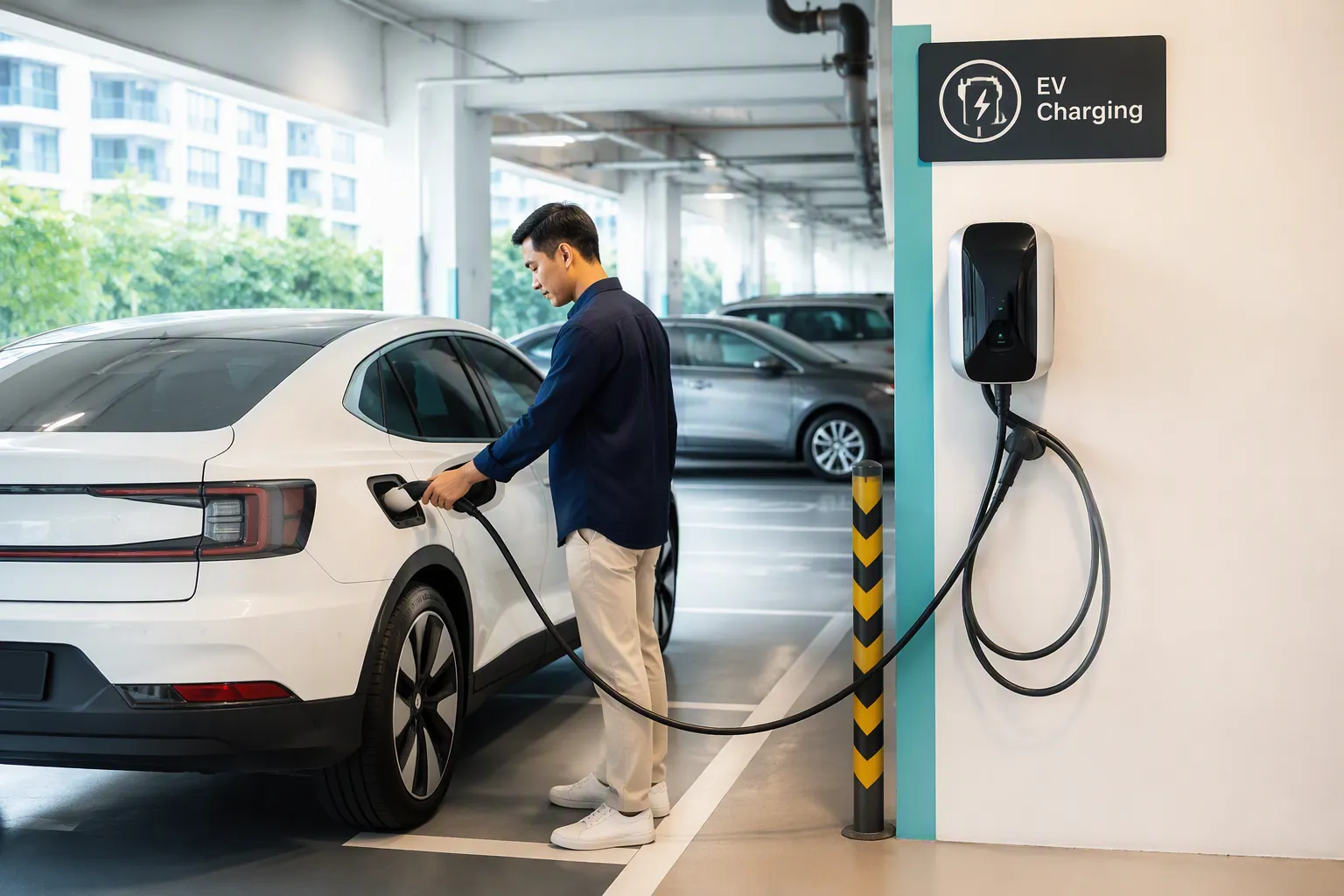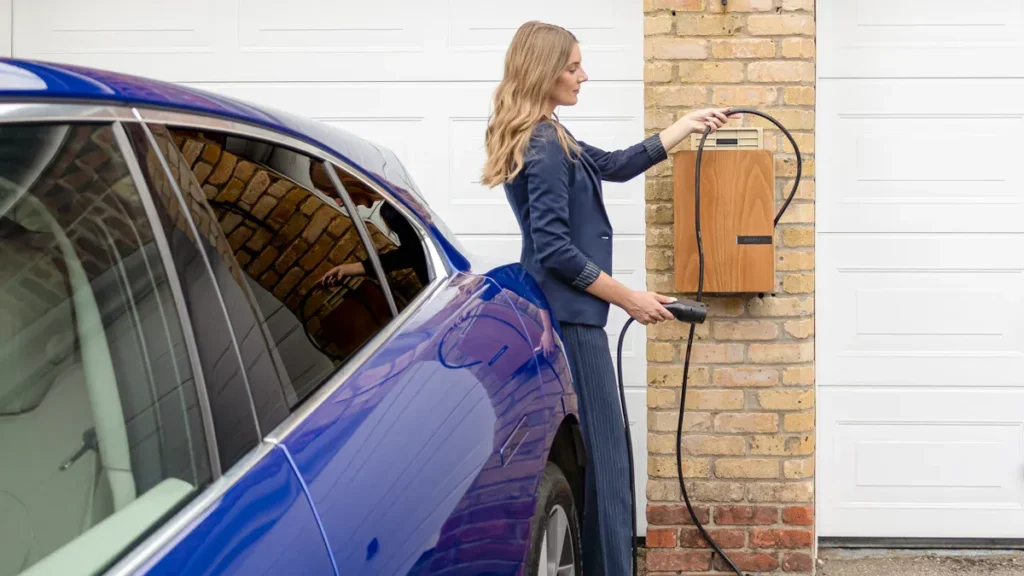
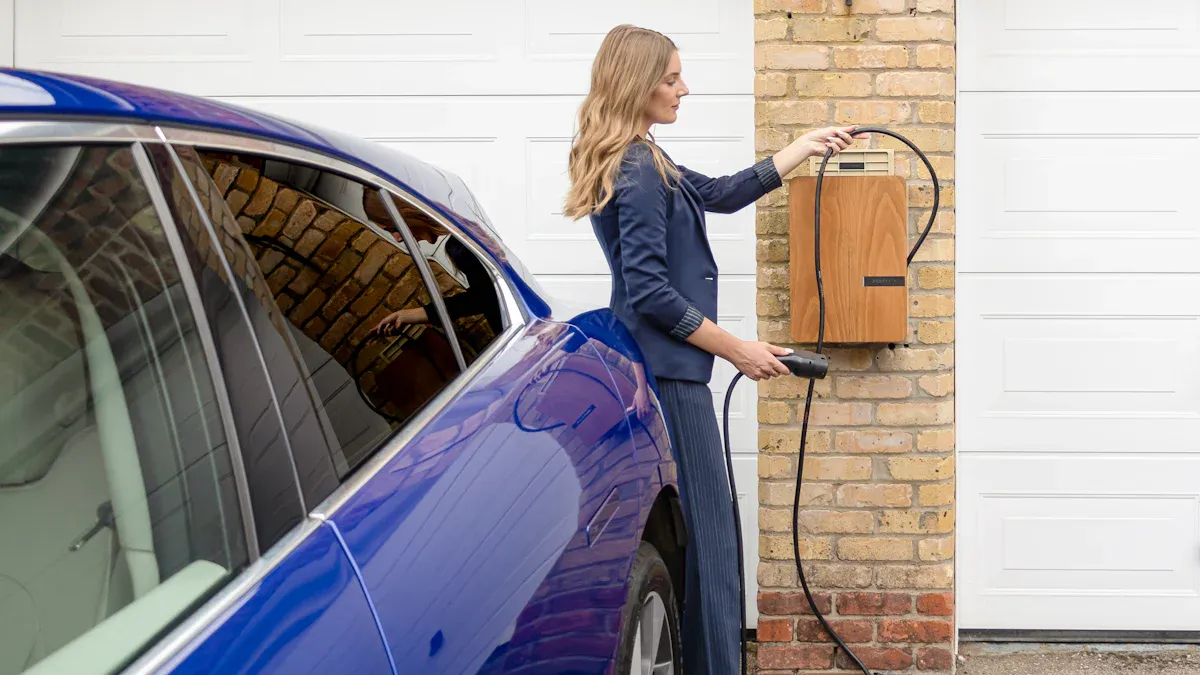
Memilih yang tepat Pengisi Daya Listrik starts with understanding personal driving patterns and vehicle requirements. Individuals should consider charging speed options available from Produsen pengisi daya EV. The current market offers Level 1, Level 2, and Level 3 chargers, each with distinct capabilities:
| Jenis | Deskripsi | Kecepatan Pengisian Daya |
|---|---|---|
| Level 1 | Slow Charging, commonly used at home | AC, slower charging |
| Level 2 | Fast Charging, suitable for most EVs and PHEVs | AC, faster charging |
| Level 3 | Rapid Charging, charges up to 80% in 20 minutes | DC, very fast charging |
Matching the charger to lifestyle ensures the ability to charge your electric vehicle efficiently. Anyone can choose an EV charger with confidence when they focus on their needs.
Step 1: Know Your Driving and Charging Habits

Assess Your Daily Mileage and Usage
Jarak Perjalanan Umum
Understanding daily mileage helps drivers select the most suitable EV charger. Recent transportation studies reveal several key patterns:
- Most electric vehicle drivers typically drive less than 50 miles daily.
- The average daily driving distance for both EVs and gas cars is around 37 miles.
- Modern EVs often have ranges exceeding 250 miles.
Drivers who travel short distances each day often find that slower charging options meet their needs. They can rely on a home charger for regular overnight charging. Those who commute longer distances or frequently travel for work may require faster charging solutions to ensure their vehicle is ready for the next journey.
Tip: Drivers should track their weekly mileage to identify patterns. This information helps them choose an ev charger that matches their routine.
Weekend and Long-Trip Needs
Weekend travel and occasional long trips influence charging requirements. Individuals who plan road trips or visit distant family members need to consider their vehicle’s range and charging speed. Most EVs on the market have an average range of around 250 to 300 miles, which covers most weekend excursions. However, those who often exceed this range should look for chargers that offer faster turnaround times or consider integrating public charging options into their routine.
Charging Frequency Preferences
Overnight Charging vs. Quick Top-Ups
Charging frequency plays a significant role in charger selection. Studies show:
- 90% of electric vehicle owners prefer overnight charging.
- 93% of respondents have access to home charging.
Most drivers plug in their vehicles at night and wake up to a full battery. This habit makes a home charger essential for convenience and reliability. Quick top-ups during the day are less common, but some drivers with unpredictable schedules may benefit from faster charging capabilities.
Catatan: The choice of charger type depends on charging behaviors. High-output chargers deliver faster charging but are often underutilized because most drivers prefer overnight charging.
Multiple Vehicle Households
Households with more than one electric vehicle must consider charging logistics. They may need chargers with higher output or multiple units to accommodate simultaneous charging. Planning for cable length and charger placement ensures that every vehicle can access power without inconvenience.
Drivers who analyze their daily habits and charging preferences make informed decisions. They select chargers that fit their lifestyle and maximize the benefits of electric vehicle ownership.
Step 2: Choose an EV Charger Type That Fits Your Lifestyle
Pengisi Daya yang Ditambatkan vs yang Tidak Ditambatkan
Pros and Cons of Tethered
A tethered charger features a cable permanently attached to the unit. This design offers several advantages for those who want to charge at home. Users find it convenient because the cable remains ready for immediate use. Security improves with a tethered charger since the cable cannot be easily removed or stolen. This feature becomes especially important for outdoor installations or areas with higher crime rates. However, the attached cable limits flexibility. Owners must use the cable type provided, which may not suit every electric vehicle. The initial cost of a tethered charger tends to be higher due to the included cable. If the cable suffers damage, replacing the entire unit may be necessary.
| Fitur | Pengisi Daya yang Ditambatkan | Pengisi Daya Tidak Terikat |
|---|---|---|
| Kenyamanan | Cable is always attached, making it quick to use. | Users must retrieve and store their own cables. |
| Keamanan | Less likely to be stolen due to integrated cable. | More susceptible to theft as cables are detachable. |
| Fleksibilitas | Limited to the attached cable type. | Compatible with various EVs if the right cable is used. |
| Biaya | Higher initial cost due to included cable. | Lower initial cost, but may incur costs for new cables. |
| Pemeliharaan | Damage to cable may require replacing the entire unit. | Only the cable needs replacement if damaged. |
Pros and Cons of Untethered
An untethered charger allows users to connect their own cable. This option provides greater flexibility, especially for households with multiple electric vehicles. Owners can select the cable that matches their vehicle’s plug type. Untethered chargers often cost less upfront, but users may need to purchase additional cables over time. Security presents a challenge, as detachable cables are more vulnerable to theft. Some untethered charger models include security features such as pin protection. Maintenance becomes easier since only the cable requires replacement if damaged.
Tip: For outdoor installations, a tethered charger may offer better security and convenience.
Home vs. Public Charging Needs
When to Prioritize Home Charging
Most electric vehicle owners prefer to use a home charger for daily charging. Studies show that 94% of both urban and rural EV owners have access to a home ev charger. Charging at home provides reliability and convenience, especially for overnight charging. The best home ev chargers allow users to wake up each morning with a full battery. Home charging suits those with predictable schedules and access to private parking.
Integrating with Public Charging Networks
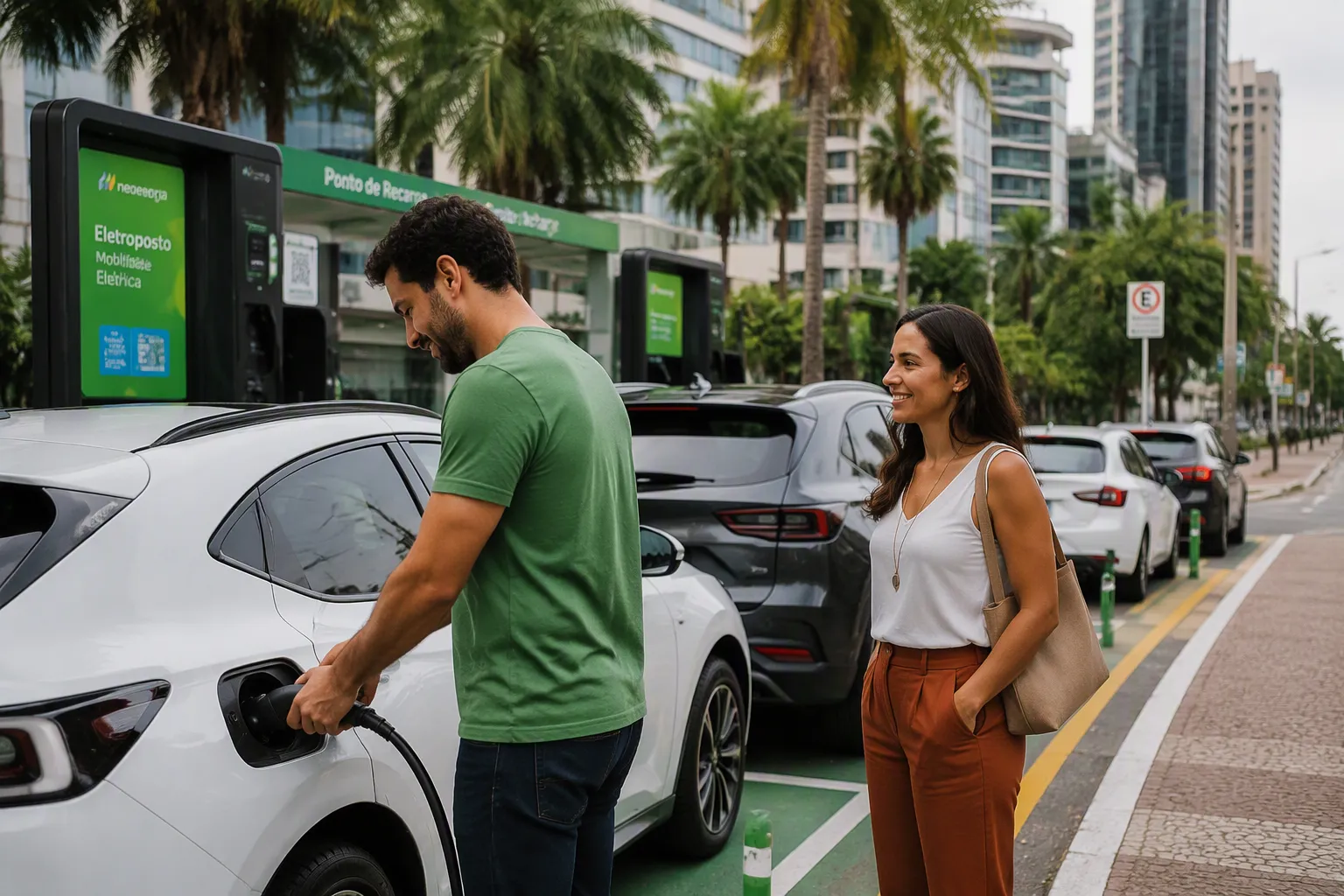
Some drivers rely on public rapid-charging stations and dedicated charging hubs for longer trips or when away from home. Rural EV owners use public chargers more frequently (92%) than urban owners (88%). This pattern highlights the importance of infrastruktur pengisian daya publik for those living outside city centers. Public charging networks support travel flexibility and help drivers extend their range beyond what a home charger provides.
Note: When individuals choose an ev charger, they should consider both home and public charging options to match their lifestyle and travel needs.
Step 3: Choose an EV Charger with the Right Speed and Compatibility
Penjelasan Mengenai Tingkat Pengisian Daya
Level 1, Level 2, and DC Fast Charging
Selecting the right charging level remains essential for every electric vehicle owner. Charging speed varies significantly between Level 1, Level 2, and DC fast chargers. The following table highlights the main differences:
| Tingkat Pengisi Daya | Electrical Output | Kisaran per Jam | Kasus Penggunaan Umum |
|---|---|---|---|
| Level 1 | 1.3 kW to 2.4 kW | 5 km (3,11 mil) | Perumahan |
| Level 2 | 3 kW to under 20 kW | 30 to 50 km (20-30 mi) | Residential, Commercial |
| Level 3 | 50 kW hingga 350 kW | Up to 20 mi/min | Komersial |
Level 1 chargers suit drivers with short daily commutes who rely on overnight charging. Level 2 chargers provide faster charging and fit most residential and commercial needs. Level 3 chargers, also known as DC fast chargers, deliver rapid charging for those who travel long distances or need quick top-ups during busy days.
Matching Speed to Your Routine
Charging speed directly impacts convenience for electric vehicle owners. Different driving habits require different solutions:
- Frequent highway driving demands fast charging to maximize range and minimize downtime.
- Home charging works well for those who prefer overnight charging, making speed less critical.
- Public charging infrastructure benefits drivers who need quick access to power during long trips.
Drivers who analyze their routines can choose an ev charger that matches their lifestyle and maximizes convenience.
Kompatibilitas Kendaraan
Jenis dan Standar Steker
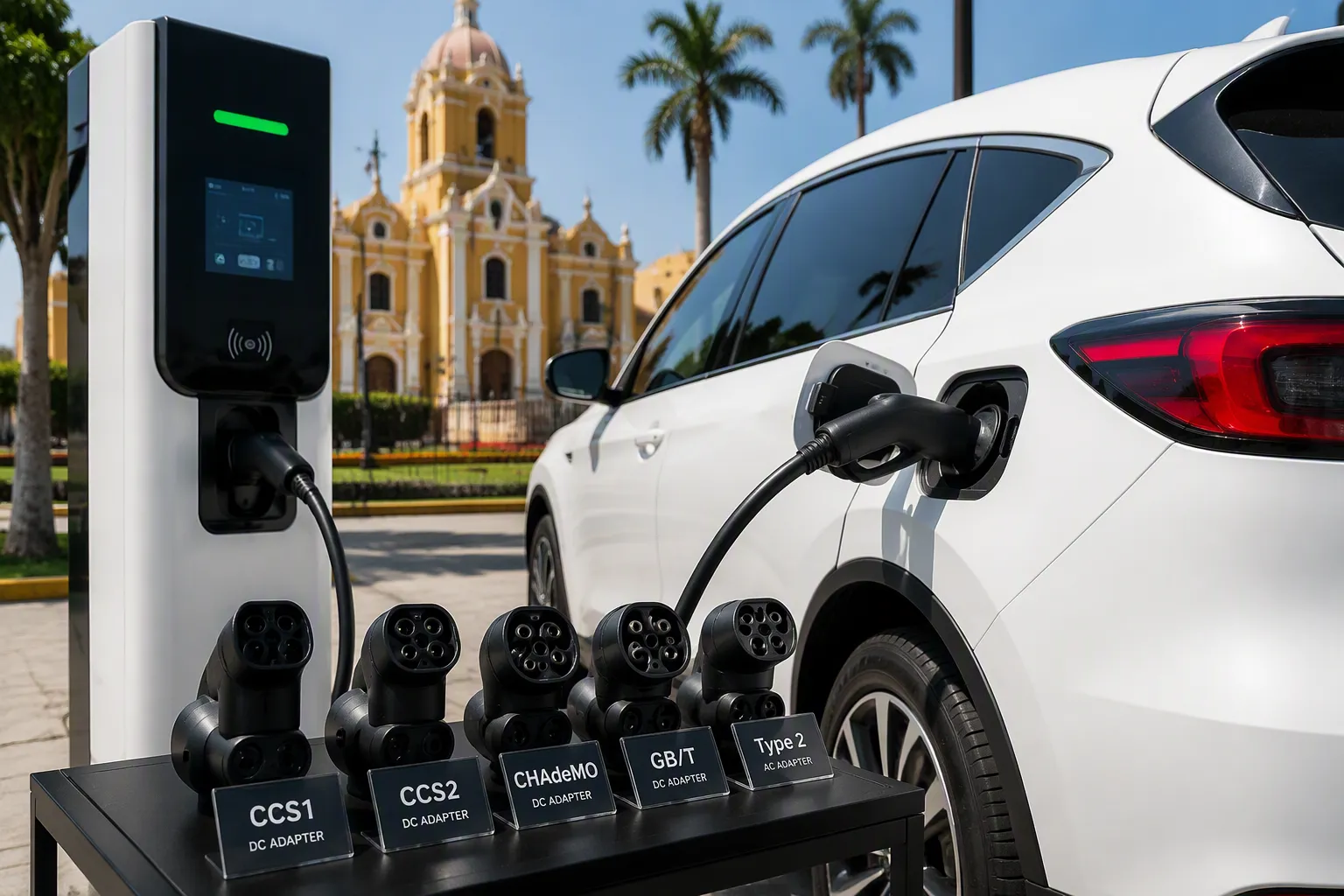
Compatibility between the electric car charger and the vehicle’s plug type ensures seamless charging. Plug standards differ by region and manufacturer:
- North America: Type 1 (SAE J1772) for AC home charging; CCS1 and NACS for public charging.
- Europe: Type 2 for AC charging; CCS2 for DC fast charging.
- SAE J1772 (Type 1): Common in North America, supports AC charging up to 19.2 kW.
- NACS (Tesla): Tesla’s proprietary connector, supports both AC and DC charging, with a maximum output of 250 kW.
- CCS (Combined Charging System): Used for DC fast charging in North America, combining AC and DC capabilities.
- Type 2 (Mennekes): Standard AC connector in Europe, supports charging up to 22 kW.
- CCS2: Used for DC fast charging in Europe, supports up to 350 kW.
- CHAdeMO: Primarily for DC fast charging, though less common today.
A tethered charger may limit flexibility if the cable does not match the vehicle’s plug type, so owners should verify compatibility before installation.
Pengisi Daya Anda yang Tahan di Masa Depan
Future-proofing plays a vital role in long-term satisfaction. Owners should consider the following factors:
- Compatibility with current and future vehicle models ensures adaptability to new standards.
- Support for the latest technologies, such as ISO 15118, enhances efficiency and simplifies charging.
- Ability to handle higher power levels prepares users for advancements in battery technology and faster charging needs.
- Adaptability to increased power capacities keeps the charging infrastructure relevant as electric vehicle technology evolves.
- Investing in a flexible and intelligent charging system allows owners to meet the changing needs of electric vehicle fleets.
Choosing a charger with these features helps drivers avoid costly upgrades and ensures their charging setup remains effective for years.
Step 4: Evaluate Smart Features When You Choose an EV Charger

App Control and Scheduling
Smart EV chargers now offer advanced app control and scheduling features. These tools give drivers more flexibility and control over their charging routines. With a dedicated app, users can monitor charging sessions, adjust settings, and receive notifications in real time.
Mulai / Berhenti Jarak Jauh
Remote start and stop functions allow users to control their EV charger from anywhere. This feature proves especially useful for those who want to manage charging sessions without being physically present. Drivers can pause or resume charging based on their schedule or energy rates.
- Lower charging costs become possible when users start charging during off-peak hours.
- Real-time notifications keep drivers informed about charging status.
- Remote control ensures the vehicle is always ready when needed.
Smart chargers with remote access help users avoid unnecessary trips to the garage and provide peace of mind.
Custom Charging Schedules
Custom charging schedules let drivers set specific times for charging. This function helps maximize savings and efficiency. Many utilities offer lower rates during certain hours. By scheduling charging sessions, drivers can take advantage of these reduced rates.
- Charging during off-peak hours reduces electricity costs.
- Integration with solar energy systems allows drivers to use renewable energy for charging.
- Custom schedules ensure the vehicle is fully charged before daily commutes or long trips.
These features support a seamless experience for those who charge at home and want to optimize their energy use.
Energy Monitoring and Usage Reports
Pengisi daya EV modern menyediakan pemantauan energi dan laporan penggunaan yang terperinci. Wawasan ini membantu pengemudi memahami kebiasaan pengisian daya mereka dan membuat keputusan yang terinformasi.
Melacak Biaya dan Efisiensi
Alat pemantauan energi melacak konsumsi daya dan biaya pengisian. Pengemudi dapat melihat analisis sesi pengisian daya mereka dan mengidentifikasi pola.
- Pengguna menilai penghematan biaya dan mengurangi dampak lingkungan.
- Prediksi biaya pengisian membantu dalam penganggaran.
- Pelacakan kinerja menyoroti area yang perlu ditingkatkan.
- Pemantauan degradasi baterai mendukung kesehatan kendaraan jangka panjang.
- Kebiasaan pengisian daya yang dioptimalkan menghasilkan efisiensi yang lebih besar.
Laporan terperinci memberdayakan pengemudi untuk membuat keputusan berbasis data dan meningkatkan strategi pengisian daya mereka.
Berintegrasi dengan Sistem Energi Rumah
Integrasi dengan sistem energi rumah, seperti panel surya dan baterai, semakin meningkatkan efisiensi. Pengisi daya pintar dapat menyesuaikan daya pengisian berdasarkan energi surya yang tersedia. Pada hari-hari cerah, pengisi daya ini memprioritaskan tenaga surya, mengurangi ketergantungan pada listrik jaringan.
- Pemasangan dengan panel surya memaksimalkan konsumsi mandiri energi terbarukan.
- Baterai rumah meningkatkan penggunaan energi surya di dalam rumah.
- Penjadwalan pintar menyelaraskan pengisian daya dengan puncak produksi energi surya.
Integrasi ini mendukung keberlanjutan dan menurunkan biaya pengisian daya secara keseluruhan. Pengemudi mendapat manfaat dari peningkatan efektivitas biaya dan peningkatan manajemen energi.
Langkah 5: Evaluasi Pemasangan, Lokasi, dan Panjang Kabel
Pemasangan di dalam ruangan vs. di luar ruangan
Ketahanan Cuaca dan Keamanan
Memilih yang tepat lokasi pemasangan untuk pengisi daya EV memerlukan pertimbangan cermat terhadap perlindungan cuaca dan keamanan. Pemasangan dalam ruangan melindungi pengisi daya dari hujan, salju, dan suhu ekstrem, mengurangi risiko kerusakan. Pemasangan luar ruangan membuat unit terpapar elemen cuaca, yang dapat menyebabkan keausan dan potensi malfungsi seiring waktu. Keamanan juga memainkan peran penting. Pengisi daya dalam ruangan menghadapi risiko pencurian atau vandalisme yang lebih rendah, sementara unit luar ruangan tetap lebih mudah diakses dan mungkin memerlukan tindakan keamanan tambahan.
| Pertimbangan | Pemasangan Dalam Ruangan | Pemasangan Luar Ruangan |
|---|---|---|
| Perlindungan Cuaca | Dilindungi dari hujan, salju, dan suhu ekstrem. | Terpapar elemen cuaca, berpotensi menyebabkan kerusakan. |
| Keamanan dan Keselamatan | Risiko vandalisme lebih rendah dan lebih mudah diamankan. | Risiko pencurian atau vandalisme lebih tinggi karena mudah diakses. |
| Kabel dan Biaya Pemasangan | Umumnya lebih rendah karena dekat dengan panel listrik. | Biaya lebih tinggi karena kebutuhan ketahanan cuaca dan kabel yang lebih panjang. |
| Pertimbangan Estetika | Pengisi daya dan kabel tersembunyi dari pandangan. | Kabel mungkin terlihat dan dapat menimbulkan kekacauan. |
| Kenyamanan | Akses lebih mudah dalam kondisi terkendali. | Mungkin perlu menghadapi kondisi cuaca. |
Ruang dan Aksesibilitas
Ruang dan aksesibilitas mempengaruhi kepraktisan penempatan pengisi daya. Pemasangan dalam ruangan sering mendapat manfaat dari kedekatan dengan panel listrik, yang dapat menurunkan biaya pemasangan. Lokasi luar ruangan mungkin memerlukan kabel yang lebih panjang dan ketahanan cuaca, sehingga meningkatkan biaya. Lingkungan perkotaan terkadang menghadirkan tantangan karena ruang terbatas dan infrastruktur yang kompleks. Pengisi daya yang dipasang di area publik atau luar ruangan memerlukan perawatan rutin, terutama untuk stasiun Pengisian Cepat DC dengan komponen canggih. Pengisi daya rumah tangga individu biasanya membutuhkan perawatan lebih sedikit dibandingkan dengan unit publik.
Tip: Pemilik rumah harus mengevaluasi ruang yang tersedia dan memilih lokasi yang memungkinkan akses mudah ke kendaraan sambil meminimalkan paparan terhadap bahaya.
Panjang Kabel dan Penempatan
Menjangkau Tempat Parkir Anda
Panjang kabel menentukan seberapa mudah pengisi daya terhubung ke kendaraan. Untuk sebagian besar situasi parkir dekat, sebuah kabel pengisian 5 meter memberikan jangkauan yang cukup. Rumah tangga dengan jalan masuk bersama atau kendaraan yang diparkir lebih jauh diuntungkan dari kabel yang lebih panjang, seperti 7 atau 10 meter. Memilih panjang kabel yang sesuai memastikan fleksibilitas dan kenyamanan, memungkinkan pengguna mengisi daya tanpa mengubah posisi kendaraan mereka.
- Kabel 5 meter cocok untuk garasi atau jalan masuk dengan parkir di dekatnya.
- Kabel 7 meter atau 10 meter bekerja paling baik untuk ruang yang lebih besar atau pengaturan parkir bersama.
Mengelola Penyimpanan Kabel
Pengelolaan kabel yang tepat meningkatkan keselamatan dan kenyamanan sehari-hari. Mengatur kabel pengisian mengurangi bahaya tersandung, membuat garasi lebih aman untuk semua orang. Kabel yang dikelola dengan baik juga melindungi peralatan dari kotoran, kelembapan, dan tekanan fisik, memperpanjang masa pakai pengisi daya. Akses cepat dan mudah ke kabel merampingkan proses pengisian daya.
- Keselamatan Utama: Kabel yang teratur menurunkan risiko jatuh dan cedera.
- Melindungi Peralatan: Kabel yang bersih dan disimpan dengan baik bertahan lebih lama dan memerlukan lebih sedikit perbaikan.
- Kenyamanan Sehari-hari: Penyimpanan yang efisien memungkinkan penyambungan dan pelepasan yang lebih cepat.
- Sekitar 25% dari cedera akibat jatuh disebabkan oleh tersandung pada kabel ekstensi, menyoroti pentingnya pengelolaan kabel.
- Pengorganisasian kabel yang tepat dapat mencegah perbaikan yang mahal dan memperpanjang umur peralatan pengisian daya.
Catatan: Berinvestasi dalam pemegang kabel atau sistem yang dapat ditarik meningkatkan keselamatan dan kegunaan bagi setiap pemilik EV.
Langkah 6: Seimbangkan Biaya, Garansi, dan Dukungan Saat Memilih Pengisi Daya EV
Biaya Awal vs. Nilai Jangka Panjang
Comparing Price Ranges
Selecting an EV charger involves evaluating both the investasi awal and the long-term savings. The upfront cost for a home charger varies by type and installation complexity. Most homeowners pay at least $400 for a Level 2 charger. DC fast chargers, designed for commercial use, can cost between $18,000 and $350,000. The following table compares typical costs and savings:
| Kategori | Cost/Savings |
|---|---|
| Biaya di Muka | $400+ for at-home Level 2 chargers, $18,000-$350,000+ for DC fast chargers |
| Tabungan Jangka Panjang | $0.03-$0.05 per mile for fuel, ~$0.03 per mile for maintenance |
Drivers who install a home ev charger benefit from lower fuel and maintenance expenses over time. Electric vehicles cost less to operate per mile compared to gasoline vehicles. These savings accumulate, offsetting the initial purchase price of the charger.
Considering Rebates and Incentives
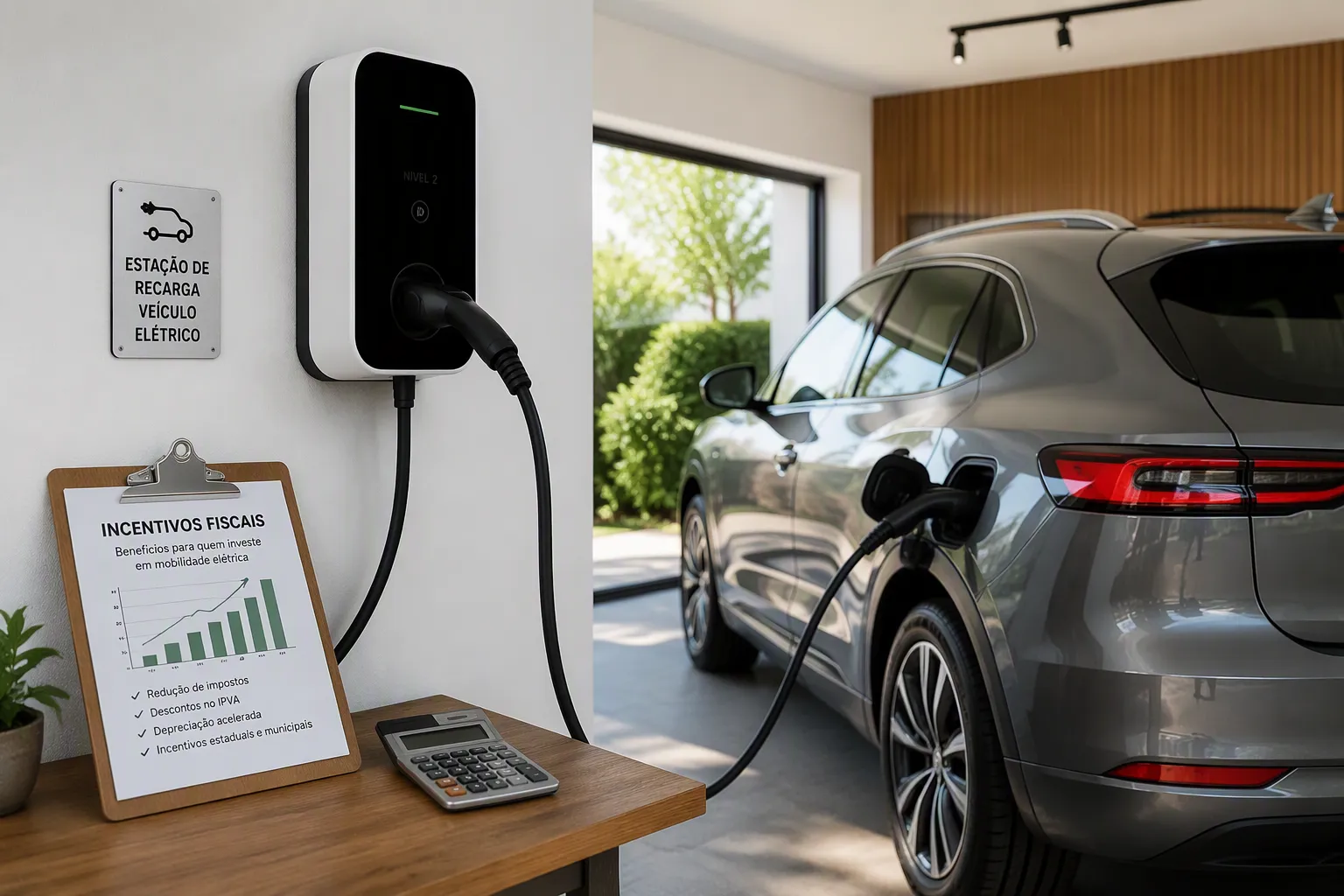
Government programs and local initiatives help reduce the financial burden of installing an EV charger. Many regions offer incentives that cover a significant portion of installation costs. These include:
- National-Level Incentives:
- Tax credits and grants for installing EV charging stations.
- Low-interest loans to encourage installation.
- Rebates and subsidies to reduce out-of-pocket expenses.
- Local and Regional Programs:
- State and provincial incentives such as sales tax exemptions.
- Municipal programs offering reduced permit fees.
- Consumer Incentives:
- Purchase incentives for EVs that indirectly support charger installation.
Rebates for residential chargers have increased, with the average now at $581. Commercial installations receive higher incentives, averaging $2,638. DC fast chargers may qualify for incentives up to $19,649, sometimes including additional coverage for installation readiness.
Tip: Homeowners should research available rebates before purchasing a charger to maximize savings.
Garansi dan Dukungan Pelanggan
Apa yang Harus Diperhatikan dalam Garansi
A reliable warranty protects the investment in an EV charger. Leading manufacturers typically offer warranties ranging from one to three years. Some provide coverage for 24 months from the shipment date. Buyers should look for warranties that cover both parts and labor, ensuring support in case of defects or malfunctions. Longer warranty periods indicate manufacturer confidence in product durability.
- 3 tahun
- 2 tahun
- 1 tahun
- 24 months from shipment
A comprehensive warranty reduces the risk of unexpected repair costs and increases peace of mind for the owner.
Importance of Reliable Support
Customer support plays a crucial role in overall satisfaction with an EV charger. Owners value responsive assistance when technical issues arise. The following table shows satisfaction ratings for different charger types:
| Jenis Pengisi Daya | Satisfaction Rating (2023) | Change from Previous Year |
|---|---|---|
| Pengisi Daya Cepat DC | 622 | +34 |
| Pengisi Daya Level 2 | 451 | -4 |
Higher satisfaction scores reflect the importance of reliable support, especially for complex systems like DC fast chargers. Effective customer service ensures quick resolution of problems and maintains charger performance.
Note: Buyers should choose manufacturers with proven support records and accessible service channels.
Step 7: Explore Extra Features to Match Your Lifestyle
Solar Integration and Green Energy
Connecting to Home Solar Panels
Many electric vehicle owners seek ways to make their charging routines more sustainable. Integrating an EV charger with home solar panels stands out as a popular choice. Recent data shows that 29% of EV drivers have solar panels installed at home, a figure much higher than the national average of 4.1%. This trend highlights a strong interest in renewable energy among EV users. Connecting a charger to a solar system allows drivers to use clean energy generated on-site, reducing dependence on the grid.
Tip: Homeowners who plan to install solar panels should select an EV charger compatible with solar integration for maximum flexibility.
Maximizing Renewable Charging
Optimizing charging schedules to align with solar production brings several benefits:
- Reduces electricity costs by using free solar energy.
- Decreases reliance on grid power, especially during peak demand periods.
- Contributes to a cleaner energy mix and lowers carbon footprints.
Drivers who charge at home with solar power can take advantage of these savings and environmental benefits. Smart chargers with solar integration features can automatically adjust charging times to match periods of high solar output, ensuring efficient use of renewable energy.
Time-of-Use and Energy Tariffs
Charging When Electricity Is Cheapest
Time-of-use (TOU) tariffs offer lower electricity prices during off-peak hours. This pricing model creates significant cost savings for EV owners. Research indicates that charging vehicles overnight using TOU tariffs can save up to £379 annually. These cheaper rates often apply to other household electricity use, providing additional savings for families.
- TOU tariffs encourage charging during periods when demand is low.
- Lower rates help reduce overall household energy expenses.
- Overnight charging aligns with most drivers’ routines, making it convenient and cost-effective.
Charging during off-peak hours also supports environmental goals. Utilities often rely on renewable energy sources during these times, which helps reduce carbon emissions.
Smart Tariff Integration
Smart chargers equipped with tariff integration features enhance savings and convenience:
- Automatically schedule charging sessions during the lowest rate periods.
- Take advantage of tariffs like the Next Drive, which offers rates as low as 7.5p per kWh between midnight and 6 a.m.
- Reduce annual charging costs by hundreds of pounds.
These features allow drivers to maximize savings without constant monitoring. The charger handles scheduling, ensuring the vehicle is ready when needed while keeping costs low.
Catatan: Memilih charger dengan integrasi tarif pintar memastikan pemilik EV mendapatkan manfaat dari tarif terbaik yang tersedia dan penggunaan energi yang efisien.
Memilih charger EV yang tepat melibatkan pertimbangan cermat terhadap kebiasaan pribadi, kompatibilitas kendaraan, dan fitur pintar. Sebagian besar konsumen berfokus pada daya tahan baterai, harga, dan jangkauan saat membuat keputusan akhir, seperti yang ditunjukkan pada tabel di bawah ini.
| Faktor | Persentase (%) |
|---|---|
| Daya Tahan Baterai | 65 |
| Harga | 62 |
| Jangkauan | 58 |
| Infrastruktur | 53 |
| Keterjangkauan Harga | 48 |

Saat individu memilih charger EV, mencocokkan fitur dengan rutinitas harian memastikan pengalaman yang mulus. Charger rumah yang disesuaikan dengan kebutuhan spesifik membuat kepemilikan EV lebih nyaman dan menyenangkan.
PERTANYAAN YANG SERING DIAJUKAN
Apa perbedaan antara pengisi daya EV Level 1 dan Level 2?
Charger Level 1 menggunakan stopkontak rumah tangga standar dan memberikan pengisian lambat. Charger Level 2 memerlukan sirkuit 240V khusus dan memberikan kecepatan pengisian lebih cepat. Sebagian besar pemilik rumah memilih Charger Level 2 untuk kenyamanan dan efisiensi harian.
Dapatkah setiap kendaraan listrik menggunakan charger rumah apa pun?
Sebagian besar EV dapat menggunakan charger rumah universal dengan jenis steker yang benar. Namun, pengemudi harus selalu memeriksa kompatibilitas dengan konektor kendaraan dan standar pengisian daya sebelum membeli charger.
Berapa lama waktu yang dibutuhkan untuk memasang pengisi daya EV di rumah?
Teknisi listrik berlisensi biasanya menyelesaikan instalasi dalam beberapa jam. Proses mungkin membutuhkan waktu lebih lama jika diperlukan peningkatan kelistrikan atau izin. Perencanaan yang tepat memastikan instalasi berjalan lancar dan aman.
Apakah charger EV pintar menghemat uang?
Charger pintar membantu pengemudi menghemat uang dengan menjadwalkan pengisian daya selama jam di luar beban puncak. Banyak model terintegrasi dengan tarif waktu penggunaan, memungkinkan pengguna secara otomatis memanfaatkan tarif listrik yang lebih rendah.
Apakah aman memasang pengisi daya EV di luar ruangan?
Charger berperingkat luar ruang dilengkapi dengan selungkup tahan cuaca dan sertifikasi keselamatan. Charger ini tahan terhadap hujan, salju, dan perubahan suhu. Instalasi yang tepat dan perawatan rutin memastikan operasi yang aman dan andal di luar ruangan.
Perawatan apa yang diperlukan untuk charger EV?
Perawatan rutin meliputi pemeriksaan kabel, konektor, dan unit charger terhadap keausan atau kerusakan. Menjaga charger tetap bersih dan kering memperpanjang masa pakainya. Sebagian besar charger rumah memerlukan perawatan berkelanjutan yang minimal.
Dapatkah charger EV bekerja dengan panel surya?
Banyak charger EV modern mendukung integrasi surya. Charger ini memungkinkan pengemudi menggunakan energi surya untuk pengisian kendaraan, mengurangi ketergantungan pada jaringan listrik dan menurunkan biaya listrik. Kompatibilitas tergantung pada model charger dan sistem surya rumah.
Apa yang harus dilakukan pengemudi jika charger EV mereka berhenti bekerja?
Pengemudi harus terlebih dahulu memeriksa pasokan daya dan koneksi. Jika masalah berlanjut, mereka harus berkonsultasi dengan manual charger atau menghubungi dukungan pelanggan produsen untuk panduan pemecahan masalah dan perbaikan.