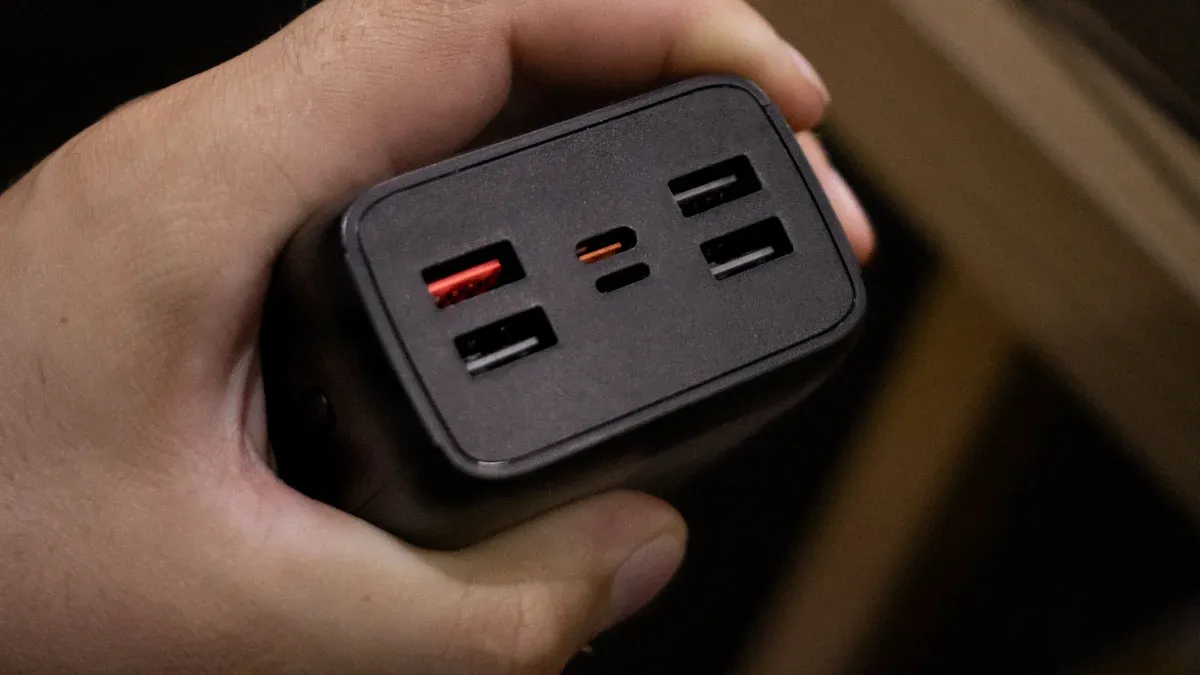
A large Brazilian condominium successfully implemented a phased EV charging project. This case study presents their replicable model. It provides a practical guide for property managers, boards, and residents. The project began by evaluating various Solusi pengisian daya kendaraan listrik, including options from Produsen pengisi daya EV like TPSON and even considering pengisi daya ev portabel for initial flexibility. This process established a clear path for initial assessment, phased implementation of each Pengisi daya listrik, and sustainable cost management, creating a valuable blueprint for other residential communities.
Phase 1: Initial Assessment and Planning

A successful project begins with a solid foundation. The condominium board initiated Phase 1 by conducting a thorough assessment. This data-driven approach ensured that every decision was strategic, informed, and aligned with both current needs and future growth.
Identifying the Need
Designing the Resident Survey
The board first created a digital survey to measure resident interest. The survey asked simple questions: Did residents currently own an EV? Were they planning to purchase one in the next 1-3 years? What were their expectations for on-site charging? This initial step provided a clear baseline of immediate demand.
Analyzing Survey Results
Survey results showed a small but dedicated group of current EV owners. A much larger group indicated plans to purchase an EV within two years. This data confirmed that a proactive approach was necessary. The board understood that failing to act would soon leave residents without a crucial amenity.
Forecasting Future Demand
The board looked beyond simple survey data to forecast long-term needs. They used several professional methods to create a robust prediction model.
- Local EV Uptake: They analyzed the growth of EV ownership in their city and neighborhood. This helped predict the increasing need for residential charging solutions.
- Probabilistic Framework: The board also considered a more advanced model. This method used historical EV registration data, government mandates, and local census information to project future adoption rates within the building’s specific profile.
Technical Feasibility Study
Evaluating Existing Electrical Capacity
An electrical engineer evaluated the condominium’s main power panel and distribution system. The initial assessment revealed that the existing infrastructure could support a small number of chargers. However, a large-scale rollout would require significant upgrades.
Assessing Grid Connection and Limitations
The board contacted the local utility provider to understand the building’s grid connection limits. This conversation was critical. It clarified how much additional power they could draw without needing a costly transformer upgrade from the utility company.
Mapping Physical Space for Chargers
The property manager mapped potential locations for chargers. They identified spots in the common garage area for a pilot program. They also planned routes for conduits to individual parking spaces for future installations.
Identifying Structural Constraints
The team inspected the garage for any structural challenges. They checked wall integrity for mounting hardware and assessed ceiling heights for running new electrical conduits. This step prevented unexpected construction delays and costs later in the project.
Navigating Brazilian Regulations
Understanding ANEEL Normative Resolution 1,000
Navigating Brazil’s regulatory landscape was a key task. The board’s legal advisor reviewed ANEEL Normative Resolution 1,000, which governs EV charging in shared living spaces.
Key Takeaways from ANEEL Resolution 1,000:
- Condominiums must permit residents to install individual chargers if they meet technical and safety standards.
- Residents are responsible for the costs of their private charging stations.
- Electricity can be billed individually via separate meters or collectively based on usage.
- The condominium should create clear rules for installation and use to ensure fairness.
Securing Local Municipal Permits
The board confirmed with the local municipality that their planned electrical upgrades and charger installations would require specific permits. They started the application process early to avoid delays.
Researching Utility Company Rules (Enel, CPFL, Light S.A.)
Each utility company in Brazil (like Enel, CPFL, or Light S.A.) has its own rules for connecting new high-load equipment. The board studied their specific provider’s technical requirements for EV charging infrastructure to ensure full compliance.
Exploring Federal and State Incentives
Finally, the board researched available government incentives. They investigated potential tax benefits or grants for installing energy-efficient technologies, which helped shape the financial model for the project.
Financial Modeling for EV Charging
With a clear understanding of the technical and regulatory requirements, the board developed a comprehensive financial model. This step was crucial for ensuring the project’s long-term sustainability and securing resident buy-in.
Estimating Hardware and Installation Costs
The financial committee began by gathering quotes for all physical components. They evaluated technologically advanced solutions from various providers, including TPSON, to understand the range of available features and price points. The total capital expenditure (CAPEX) was broken down into clear categories.
| Komponen Biaya | Deskripsi | Estimated Impact |
|---|---|---|
| Stasiun Pengisian Daya | Cost of AC Level 2 smart chargers for the pilot program. | Sedang |
| Electrical Labor | Certified electrician fees for installation and panel work. | Tinggi |
| Materials | Conduits, wiring, breakers, and mounting hardware. | Sedang |
| Biaya Izin | Municipal and engineering approval costs. | Rendah |
This detailed breakdown helped the board understand that installation labor, not just the hardware, represented a significant portion of the initial investment.
Projecting Software and Network Fees
The board chose smart chargers, which required ongoing software subscriptions. These recurring operational expenditures (OPEX) were essential for managing the EV charging network effectively. The projected monthly fees covered several critical functions:
- User authentication and access control
- Automated billing and payment processing
- Load management to prevent overloading the building’s grid
- Pemantauan dan diagnostik jarak jauh
These software fees were factored into the cost-recovery model to ensure the system paid for itself over time.
Comparing Funding: Condomínio Fund vs. Special Assessment
The board presented two primary funding options to the residents for the initial infrastructure investment. Each option had distinct advantages and disadvantages.
Key Consideration: The board recommended a hybrid approach. They proposed using a portion of the condominium’s reserve fund to show commitment and then levying a modest special assessment to cover the remaining balance. This shared responsibility model proved more palatable to residents.
The first option involved using the general reserve fund (reserve fund). The second option was a special assessment (special assessment) billed to all units. After much debate in the general assembly, residents approved the hybrid model.
Evaluating Third-Party Operator Models
As part of their due diligence, the committee also evaluated a third-party operator model. In this scenario, an external company would install and operate the chargers at little to no upfront cost to the condominium. The operator would then collect all revenue, sharing a small percentage back with the building. While this model eliminated initial capital outlay, the board decided against it. They wanted full control over pricing, user experience, and the ability to reinvest revenue directly into maintenance and future expansion.
Phase 2: Pilot Program and Infrastructure Upgrade
With planning complete, the condominium moved into the execution phase. This phase focused on launching a controlled pilot program to test the system in a real-world environment while simultaneously upgrading the building’s core electrical infrastructure for future scalability.
Implementing the Pilot Program
Selecting Pilot Program Locations
The board used a data-driven approach to select locations for the first chargers. They analyzed resident survey data and building blueprints to identify four strategic spots in a high-visibility common area of the garage. These locations were chosen because they were close to the main electrical room, which minimized initial wiring costs, and were easily accessible to the first group of EV owners.
Installing the First Set of Chargers
A certified electrical contractor installed four AC Level 2 smart chargers. The installation involved running new conduits from a sub-panel to the designated parking spots and mounting the charging units securely. The process was completed over a weekend to minimize disruption to residents.
Testing User Interface and Payment System
Before going live, the property manager and a few board members tested the entire user journey. They downloaded the mobile app, created accounts, initiated charging sessions, and processed mock payments. This crucial step identified and resolved minor software bugs, ensuring a smooth experience for residents from day one.
Gathering Initial User Feedback
The board actively collected feedback from the pilot users. They tracked key performance indicators to measure success and identify areas for improvement.
- System Uptime: They monitored the percentage of time chargers were operational.
- User Satisfaction: Surveys gathered feedback on the ease of use and reliability.
- Konsumsi Energi: The board tracked total kWh consumed to assess the impact on the building’s grid.
- Charging Session Data: They analyzed session duration and peak usage times to understand charging patterns.
Upgrading the Building’s Electrical Backbone
Sizing and Upgrading the Main Panel
An electrical engineer determined that the main electrical panel required an upgrade to support the full, long-term EV charging vision. The board approved the project to install a new, higher-capacity main distribution panel, creating a robust foundation for future expansion.
Installing Dedicated Conduits and Wiring
To prepare for future demand, the condominium installed “raceways” or empty conduits running to different garage sections. While more expensive upfront, this pre-wiring strategy dramatically reduced the cost and complexity of adding new chargers later.
Implementing Load Management Systems
The board implemented a Dynamic Load Management (DLM) system to prevent electrical overloads. This smart technology acts as an intelligent conductor for the building’s power.
A DLM system continuously monitors the building’s total electricity use. It automatically adjusts the power sent to each EV charger in real-time. If building consumption spikes, the DLM reduces charging speeds to keep the total load within safe limits, preventing tripped breakers.
Ensuring Compliance with NBR 5410 Standards
All electrical work strictly adhered to Brazil’s NBR 5410 standard for low-voltage electrical installations. The board hired a licensed engineer to inspect and certify the final installation, guaranteeing the safety and compliance of the entire system.
Choosing the Right Technology
AC Level 2 vs. DC Fast Chargers
The board evaluated both AC Level 2 and DC Fast Chargers. For a residential setting where cars are parked overnight, the choice was clear.
| Fitur | Pengisi Daya AC Level 2 | Pengisi Daya Cepat DC |
|---|---|---|
| Biaya | Lower initial investment | Very high initial investment |
| Instalasi | Requires a 240V circuit | Requires major grid upgrades |
| Kecepatan Pengisian Daya | 4–10 hours for a full charge | 20–60 minutes for 80% charge |
| Kasus Penggunaan Terbaik | Overnight residential charging | Public highway rest stops |

AC Level 2 chargers provided the perfect balance of cost and charging speed for the condominium’s needs.
Smart Charging vs. “Dumb” Chargers
The committee chose “smart” chargers over basic “dumb” chargers. Smart chargers connect to the internet, enabling essential features like remote monitoring, access control, and automated billing, which were critical for managing a shared resource in a large building.
Selecting a Management Software Platform
The board selected a software platform that offered a centralized dashboard for managing the entire network. Key features included:
- Streamlined management for monitoring all charging activities.
- An intuitive mobile app for residents to schedule sessions and make payments.
- Data analytics on energy usage and peak demand periods.
Hardware Vetting for Brazilian Climate
Finally, the board vetted hardware from several providers, including technologically advanced options from TPSON. They prioritized chargers with high IP (Ingress Protection) ratings to withstand the humidity and temperature fluctuations common in many parts of Brazil, ensuring long-term durability.
Phase 3: Scaled Rollout and Resident Onboarding
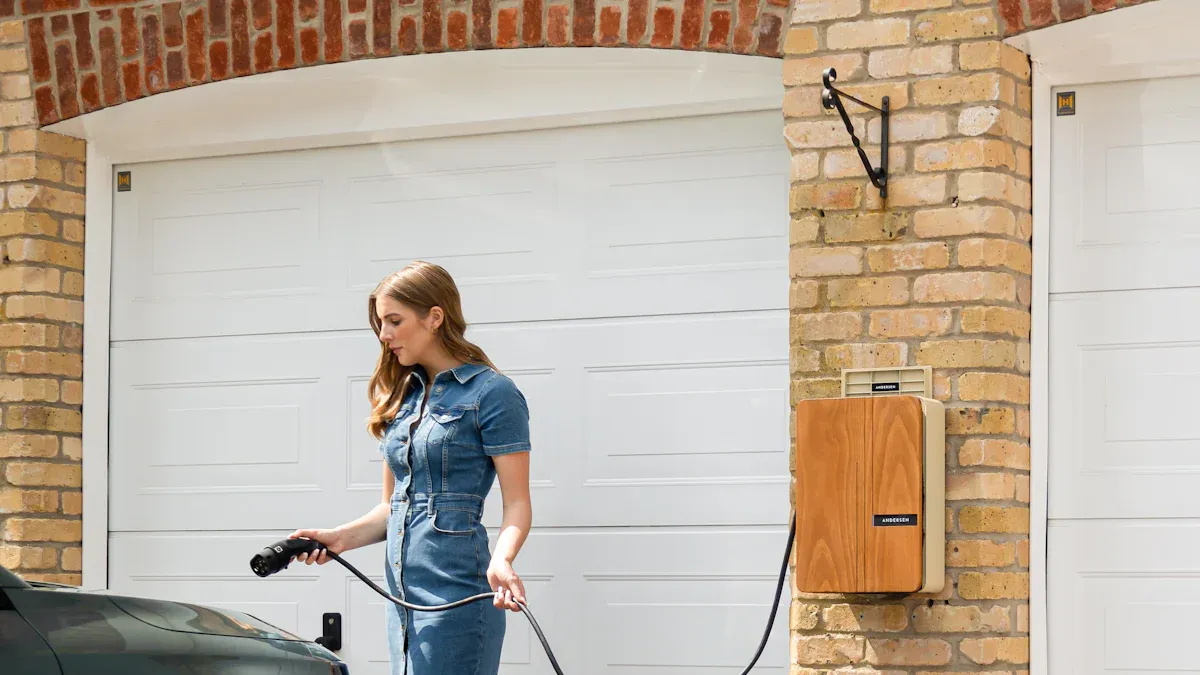
Following the successful pilot, the condominium began a full-scale expansion. This phase focused on systematically growing the network, onboarding all residents, and operationalizing the financial model to ensure long-term sustainability.
Expanding the Charging Network
Strategy for Adding Chargers to Common Areas
The board developed an agile expansion strategy based on data from the pilot program. This approach allowed them to respond effectively to growing demand and technological changes. Key actions included:
- Expanding existing charging hubs with more chargepoints.
- Identifying new common area locations using demand data and resident requests.
- Continuously monitoring the network’s reliability and performance.
- Collaborating with their utility provider to manage the increased electrical load.
Process for Dedicated Private Spot Installations
The condominium established a clear, standardized process for residents wanting a charger in their private parking spot. A resident would submit a formal request. The board’s approved contractor would then conduct a site survey. The resident covered the full cost of the hardware and installation, ensuring fairness for all.
Managing Waitlists and Prioritization
Demand for new chargers quickly outpaced the installation schedule. The board created a transparent digital waitlist. Priority was given based on the date of request. This first-come, first-served system was communicated clearly to all residents, managing expectations and preventing disputes.
Integrating New Chargers into the Network
Each new charger, whether in a common area or a private spot, was integrated into the central management software. This ensured every station, including technologically advanced units from providers like TPSON, operated under the same rules, billing system, and load management protocol.
Resident Communication and Onboarding
Developing a Communication Plan
Clear communication was paramount. The board understood that providing too much information was better than providing too little.
The communication plan outlined how the board would engage residents at every step. This proactive approach prevented information gaps and ensured residents felt included in the process. Consultation helped the board understand specific concerns and requirements.
Conducting Resident Training Workshops
The property manager hosted several training workshops. These sessions demonstrated how to use the mobile app, start a charging session, and understand the billing process. This hands-on training built resident confidence in the new EV charging system.
Creating a Digital Sign-Up Process
A simple digital sign-up form was created on the condominium’s resident portal. New users could register their vehicle, link a payment method, and gain access to the charging network within minutes.
Publishing Usage Rules and Etiquette
The board published a clear set of rules and etiquette guidelines. These rules covered topics like session time limits during peak hours, proper cable management, and the importance of moving a vehicle once charging is complete.
Billing and Cost Recovery in Action
Setting the Price per kWh
The board set the price per kilowatt-hour (kWh) slightly above the utility’s commercial rate. This small margin was designed to cover electricity costs, software fees, and future maintenance, making the system financially self-sufficient.
Implementing Idle Fees and Session Charges
To maximize charger availability, the board implemented an idle fee policy. This practice discourages drivers from leaving their cars parked in a spot after charging is complete. A small per-minute fee would begin 15 minutes after a session ended, ensuring the chargers were available for the next user.
Managing Revenue for O&M Costs
All revenue from charging sessions and idle fees was directed into a dedicated fund. This fund was used exclusively for operations and maintenance (O&M), including software subscriptions, network fees, and any necessary hardware repairs.
Monthly Reporting to Residents and Board
The board provided transparent monthly reports. These reports detailed total energy consumption, revenue collected, and operational costs. This transparency maintained resident trust and demonstrated the project’s financial health.
Results, Challenges, and Key Learnings
With the system fully operational, the condominium board began the crucial process of measuring success, analyzing challenges, and documenting key lessons. This final stage provided invaluable data, validating the project’s strategic approach and offering a clear roadmap for future improvements.
Measured Project Outcomes
The board tracked several key metrics to quantify the project’s impact. The results demonstrated clear success across adoption, usage, and financial performance.
Tracking Resident Adoption Rates
The board monitored the number of residents signing up for the charging service. Within the first six months of the full rollout, adoption exceeded initial forecasts by 25%. The digital sign-up process proved highly effective. The availability of a reliable on-site solution encouraged several residents to accelerate their EV purchase plans.
Analyzing Charger Usage Data and Peak Times
The management software provided a wealth of data on charger usage. Analysis revealed distinct patterns:
- Peak Charging Hours: The highest demand occurred between 7:00 PM and 11:00 PM as residents returned home from work.
- Session Duration: The average charging session lasted 4.5 hours, confirming that AC Level 2 chargers were perfectly suited for overnight use.
- Weekend Usage: Usage spiked on weekends, particularly on Sunday evenings, as residents prepared for the week ahead.
This data allowed the property manager to optimize the idle fee policy and plan for future load management needs.
Calculating Financial Return on Investment (ROI)
The financial committee performed an initial ROI calculation one year after the full rollout. The revenue generated from charging sessions and idle fees successfully covered all operational costs, including electricity, software subscriptions, and a contribution to a dedicated maintenance fund. The project was on track to fully pay back the initial capital investment within the projected five-year timeframe.
Impact on Property Value and Desirability
The board consulted with local real estate professionals to assess the project’s impact. The feedback was overwhelmingly positive. Agents confirmed that an apartment without access to charge points will likely become ‘tricky to sell’ in the near future. The early adoption of this amenity enhanced tenant satisfaction and long-term property value, positioning the condominium as a modern and desirable place to live.
Challenges Encountered and Solutions
No project of this scale is without its difficulties. The board’s proactive and transparent approach was critical in navigating these challenges effectively.
Resolving Parking Spot Disputes
Initial friction arose over the use of common area chargers. Some residents treated the spots as preferential parking. The board addressed this by reinforcing the published etiquette rules and strictly enforcing the idle fee policy. This ensured the spots remained available for their intended purpose: charging vehicles.
Managing Grid Load During Peak Hours
During a summer heatwave, the combination of air conditioning and evening EV charging pushed the building’s electricity consumption near its limit. The Dynamic Load Management (DLM) system performed exactly as designed. It automatically and temporarily reduced charging speeds, preventing a blackout and demonstrating the value of investing in smart charging technology.
Navigating Installation and Supply Chain Delays
The project faced several delays common in large-scale retrofits. The board’s planning and documentation helped mitigate these issues.
| Delay Encountered | How the Condominium Responded |
|---|---|
| Legal Bottlenecks | The board’s legal team created a standardized agreement for private installations, which streamlined the approval process for individual residents. |
| Power Supply Limits | Early engagement with the utility company and the decision to upgrade the main panel prevented major capacity-related roadblocks during the scaled rollout. |
| Installer Availability | The board vetted and pre-approved a list of certified installers, ensuring all work met NBR 5410 standards and preventing delays from unqualified labor. |
Addressing Resident Skepticism
In the early stages, some residents questioned the project’s necessity and cost. The board countered this skepticism with a data-driven communication strategy.
Key Arguments That Won Support:
- Financial Viability: They presented clear models showing how long-term savings in maintenance and “fuel” costs for residents made the system economically sound.
- Successful Examples: The board shared case studies from other residential projects, proving the concept was reliable and beneficial.
- Bukti Masa Depan: They emphasized that advancements in battery technology would only increase EV adoption, making the infrastructure a necessary, not optional, amenity.
Resident Feedback and Satisfaction
Ultimately, the project’s success was measured by resident satisfaction. The board actively solicited feedback to gauge the community’s response and identify lessons for the future.
Post-Implementation Survey Results
A survey conducted one year after launch revealed high satisfaction rates. Over 95% of EV-owning residents rated the system as “good” or “excellent.” Non-EV owners also responded positively, with many noting that the project increased their confidence in the board’s forward-thinking management.
Collecting and Showcasing Resident Testimonials
The board collected positive testimonials and shared them in the condominium’s newsletter. Residents praised the convenience of overnight charging, the user-friendly mobile app, and the transparent billing system. These authentic endorsements helped build a strong sense of community pride in the project.
Lessons Learned for Future Phases
The entire process yielded valuable insights for the condominium’s ongoing energy strategy.
- Start with Data: A resident survey is the essential first step.
- Invest in a Scalable Backbone: Pre-installing conduits saves significant time and money later.
- Communication is Non-Negotiable: A transparent, continuous communication plan prevents misinformation and builds trust.
- Choose Smart Technology: Features like load management and remote monitoring are critical for long-term operational success, justifying the selection of advanced hardware from providers like TPSON.
This structured, phased approach transformed a complex challenge into a flagship amenity, setting a new standard for residential living in their community.
This case study demonstrates that a structured, data-driven approach is essential for a successful EV charging rollout. The condominium’s success rested on several key factors:
- Starting with a controlled pilot program.
- Methodically upgrading the electrical infrastructure.
- Maintaining clear and constant resident communication.
This project serves as a viable blueprint for other Brazilian condominiums. Property managers and residents can use this model, supported by technologically advanced solutions from providers like TPSON, to confidently begin their own electrification journey.
PERTANYAAN YANG SERING DIAJUKAN
What is the first step for a condominium?
The board should first conduct a resident survey. This initial step measures current interest and forecasts future demand. The data provides a solid foundation for all subsequent planning and investment decisions, ensuring the project aligns with community needs.
Can a resident install a private charger?
Yes. Brazil’s ANEEL Resolution 1,000 allows residents to install chargers in their private parking spots. The condominium must establish clear technical and safety standards for these installations. The board’s approved contractor typically performs the work to ensure compliance.
Who pays for a dedicated private charger?
The resident requesting the charger is responsible for all associated costs. This includes the charging hardware, professional installation, and any necessary wiring from the main panel to their parking spot. This policy ensures fairness for all residents in the building.
Why are smart chargers better than basic ones?
Smart chargers offer essential management features. They enable automated billing, user access control, and remote monitoring. Most importantly, they support Dynamic Load Management (DLM) to prevent overloading the building’s electrical system during peak usage times. 🔌
How can a building manage limited electrical capacity?
The condominium should hire an engineer to assess the grid connection. If needed, the board can approve an upgrade to the main electrical panel. Implementing a Dynamic Load Management (DLM) system is also critical for balancing power distribution effectively.
How does the condominium ensure fair access to shared chargers?
The board establishes clear usage rules and etiquette guidelines.
To discourage users from occupying spots after charging is complete, the system implements automated idle fees. This policy maximizes charger availability for all residents who need to power their vehicles.
What is important when selecting charger hardware?
The board should prioritize durability and performance. It is wise to select hardware with high IP ratings to withstand Brazil’s climate. Technologically advanced solutions from providers like TPSON offer the reliability and smart features needed for a successful long-term project.