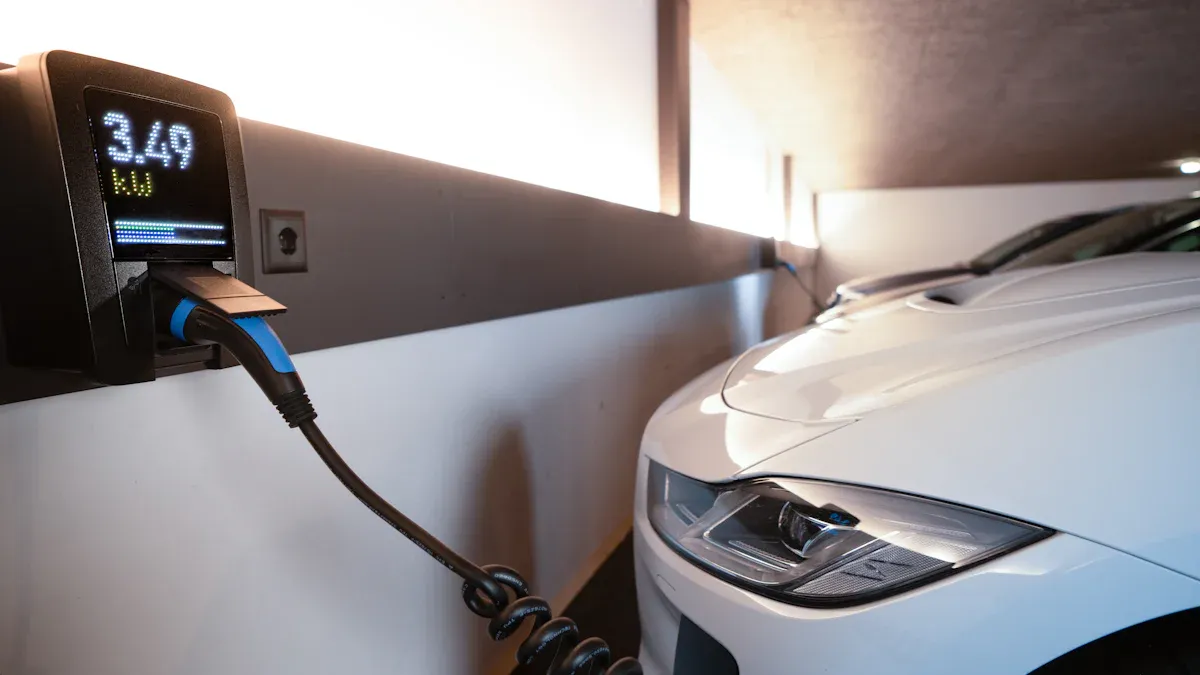
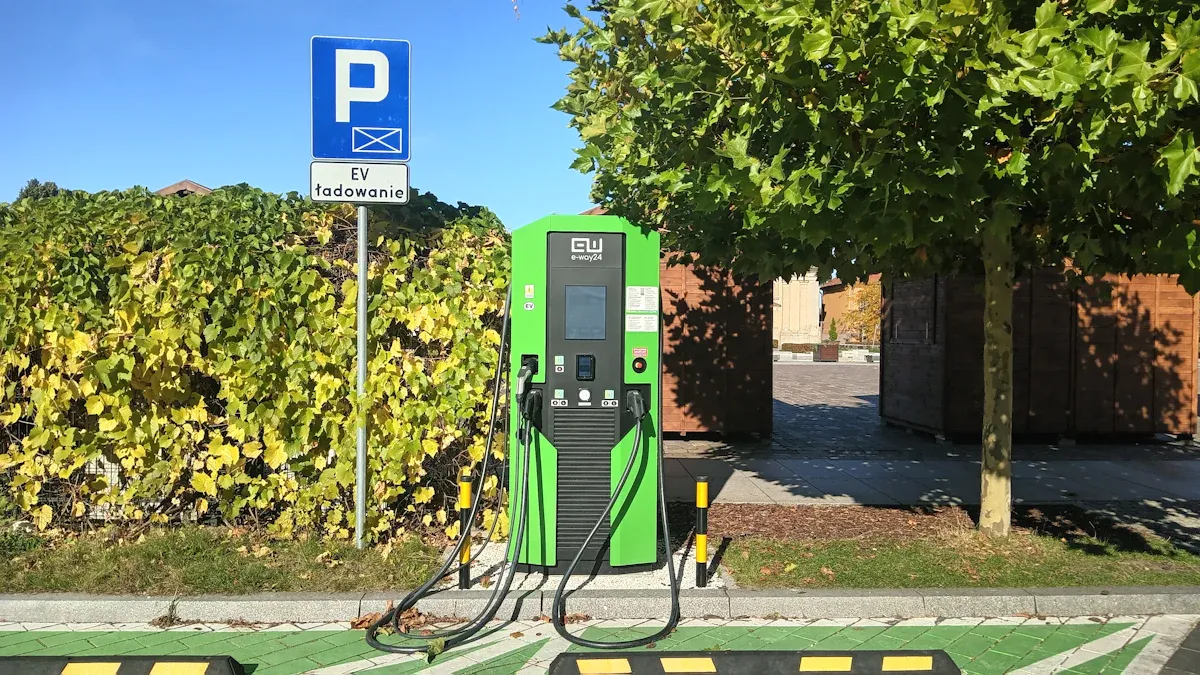
EV owners often want to buy an pengisi daya ev and install it themselves. This is only feasible for simple pengisi daya ev portabel that plug into a standard outlet. A hardwired Level 2 EV Charger requires professional skills for a safe charging experience. Produsen pengisi daya EV, seperti teknologi yang canggih Solusi pengisian daya kendaraan listrik provider TPSON, design their charger products for a safe, professional install. Improper charging setup for an ev can create significant safety hazards.
Why a DIY Home EV Charge Point is So Risky
Attempting a DIY install for a home EV charge point introduces substantial dangers. The perceived cost savings quickly disappear when weighed against the potential for catastrophic failure. These risks affect not only the equipment but also the safety of the home and its occupants.
Severe Electrical and Fire Hazards
Working with household electricity is always hazardous. A Level 2 charger installation elevates this danger significantly due to the high power levels involved.
The Dangers of High-Voltage Work
A Level 2 charger operates on a 240-volt circuit. This voltage carries enough current to cause severe injury or fatality. An untrained individual can easily make a life-threatening mistake. Professional electricians possess the training, tools, and knowledge to handle these high-power connections safely.
Overloading Your Home’s Electrical Panel
An EV charger places a large, continuous load on a home’s electrical system. A DIY installer may not know how to perform a proper load calculation. One documented case involved an improper charger installation in an older residence. The added load overwhelmed the main electrical system, causing extreme heat and nearly starting a fire. A professional assesses the panel’s capacity to ensure it can safely support the new charging demand.
Fire Risks from Improper Wiring
Incorrect wiring is a primary cause of electrical fires. Using the wrong wire gauge, failing to secure connections, or neglecting proper grounding can create dangerous hotspots.
Fire services are seeing a rise in battery-related incidents. The Surrey Fire and Rescue Service, for example, noted 55 such fires in 2024, a significant increase from 13 in 2021. Many of these events are linked to EV charging equipment. Improper setups can lead to overheating, malfunctions, and devastating fires.
Damaging Your Most Expensive Assets
A botched installation can ruin your most valuable possessions. The financial fallout from a failed DIY project can far exceed the cost of a professional install.
Frying Your EV’s Onboard Electronics
Your electric vehicle is a sophisticated piece of technology. Electrical surges from a faulty charging connection can permanently damage the sensitive computer systems within the EV. This could lead to thousands of dollars in repairs, turning a simple charging session into a costly disaster.
Destroying the EV Charger Itself
EV chargers are complex devices. Even technologically advanced solutions from providers like TPSON are designed for professional installation to ensure safety and longevity. An incorrect connection can short-circuit the unit, rendering your new charger useless. This mistake not only wastes money but also leaves you without a reliable way to power your vehicle.
The Critical Difference: Level 1 vs. Level 2 Chargers
Not all home charging solutions are created equal. The decision to install an EV charger yourself hinges entirely on understanding the fundamental differences between Level 1 and Level 2 systems. One is a simple task, while the other is a major electrical project.
Level 1 (120V): The Simple Plug-and-Play Option
For many new EV owners, a Level 1 charger is the first introduction to home charging. It represents the simplest and most accessible method available.
What Is a Level 1 Charger?
A Level 1 charger is a portable device that plugs directly into a standard 120-volt household wall outlet. This is the same type of outlet used for lamps and laptops. These units typically deliver a slow but steady charge, adding between 3 to 10 miles of range for every hour of charging. An overnight session can easily replenish the battery for a typical daily commute, making it a viable option for plug-in hybrids or drivers with low daily mileage. The question of what charger to get often starts here.
Why This Is the Only True DIY Method
Level 1 charging is the only method an unlicensed person can safely perform. The process requires no electrical work.
Plug-and-Play Simplicity 🔌
You simply unbox the unit and plug it into an existing, properly grounded wall socket. There are no wires to connect, no circuits to install, and no electrical panels to open. This ease of use is why anyone can “install” a Level 1 charger.
Level 2 (240V): A Complex Electrical Project
A Level 2 charger offers significantly faster charging speeds but demands a professional installation due to its high power requirements. This is where the DIY path ends for most people.
Understanding 240-Volt Power
Level 2 systems operate on a Sirkuit 240 volt, similar to an electric stove or clothes dryer. This higher voltage allows for much faster electric car charging. However, it also requires specific infrastructure. A professional must install a dedicated circuit, typically rated for at least 40 amps, running directly from the main electrical panel. An electrician first assesses if the home’s panel can even handle this additional load. An upgrade may be necessary, making the project more involved. Deciding what charger is right involves this crucial assessment.
More Than Installing a Light Fixture
Some homeowners might feel confident tackling minor electrical work. However, setting up a 240-volt circuit is not comparable to changing a light fixture. The complexity is similar to installing an outlet for a large appliance like an electric oven. A certified electrician must perform this work to ensure it complies with local electrical codes. Even technologically advanced solutions from providers like TPSON are designed for a professional to install. This ensures the safety of the ev, the home, and the charger itself. Knowing what charger to buy is only the first step; a safe installation is paramount.
Can I Legally Install My Own EV Charging Point?
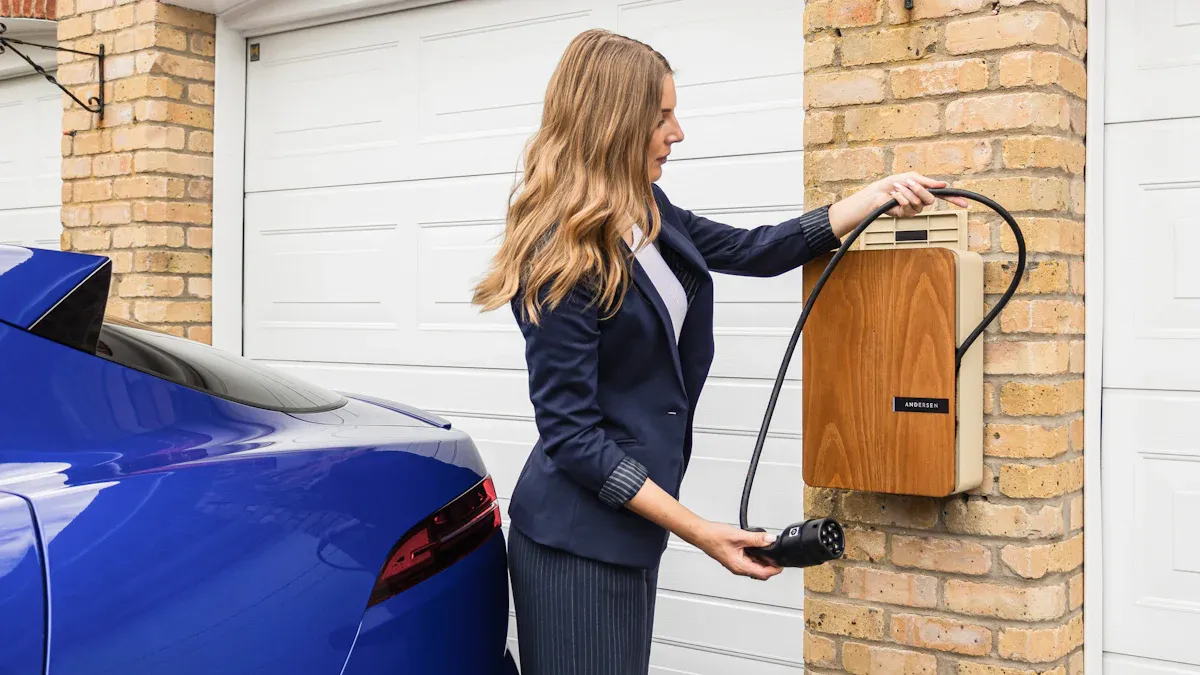
Beyond the immediate safety risks, the question of whether a homeowner can legally install my own ev charging point involves a web of regulations, codes, and financial liabilities. The short answer is that for a hardwired Level 2 system, a DIY installation almost certainly violates local laws and contractual agreements, creating significant legal and financial exposure.
Permits, Codes, and Inspections
Navigating the official requirements is a non-negotiable part of a safe and legal installation. These systems exist to protect homeowners and the public from the dangers of improper electrical work.
The Role of the National Electrical Code (NEC)
The National Electrical Code (NEC) provides the foundational safety standards for all residential and commercial electrical work. Local authorities adopt and enforce these codes to ensure every installation is safe. An ev charging point installation must comply with specific NEC articles governing high-power circuits, proper grounding, and overcurrent protection. A professional electrician understands these complex requirements for a charging setup, ensuring the work is not just functional but verifiably safe.
Why Most Jurisdictions Require a Permit
Most municipalities require a permit to install a charging point. This process is not just bureaucracy; it is a critical safety checkpoint. A permit creates an official record of the work and triggers a mandatory inspection by a local authority. Attempting to install the system without a permit can lead to severe consequences.
- Significant fines
- Potential lawsuits
- Higher insurance premiums
- Legal violations and stop-work orders
The financial penalties for unpermitted work vary but are consistently steep, designed to deter unqualified individuals from performing dangerous electrical tasks.
| Violation Type | Typical Fines/Penalties |
|---|---|
| Working without permits (general) | $200 – $10,000+ |
| Permit Failure (re-application fees) | Average $500+ |
| Daily penalties for non-compliance | Can be hundreds of dollars per day |
The Risk of Failing a Home Inspection
An unpermitted installation creates a major problem when selling a home. A home inspector will immediately flag an illegal electrical modification, potentially derailing a sale. An installation would fail an inspection for numerous reasons, many of which are common in DIY jobs.
- Outdated or improperly sized wiring.
- Lack of required Residual Current Device (RCD) protection.
- An overloaded main electrical panel.
- Poor-quality connections or missing electrical bonding and earthing.
Furthermore, a professional installer obtains approval from the Distribution Network Operator (DNO) before connecting a high-load device to the grid. A DIY job skips this step, which can lead to enforcement actions, including orders to remove the equipment at the homeowner’s expense.
Voided Warranties and Insurance Nightmares
The financial risks of a DIY job extend far beyond municipal fines. A homeowner can also void critical warranties and insurance policies, leaving them responsible for costly repairs and damages.
How a DIY Install Voids Charger Warranties
EV charger manufacturers, including technologically advanced providers like TPSON, design their products for professional installation. Their warranties explicitly state that coverage is contingent on the unit being installed by a qualified technician. Attempting to install the charger yourself immediately voids this protection.
Voltshare, a charger manufacturer, makes its policy clear: “the warranty will be void if The charger is: Opened, moved, modified, tampered with or any repair is attempted without prior authorisation and written confirmation by us.”
This means if the unit fails—even due to a manufacturing defect—the company is no longer obligated to repair or replace it.
Jeopardizing Your Vehicle’s Warranty
The risk extends to your most expensive asset: the EV itself. A faulty connection from a DIY job can send improper voltage to the vehicle, damaging its sensitive onboard charging systems and battery. Vehicle manufacturers are clear that their warranties do not cover damage from non-certified equipment or improper installation.
For example, CUPRA UK‘s warranty excludes coverage for:
- Damage resulting from repairs or incorrect installation performed by an unauthorized workshop.
- Defects caused by the installation of parts, components, or software not authorized by the company.
A DIY charging installation falls squarely into these exclusion categories, meaning a repair bill of thousands of dollars could become the homeowner’s sole responsibility.
Facing Homeowner’s Insurance Claim Denials
The most catastrophic financial risk involves your homeowner’s insurance. If an improperly installed home charging point causes an electrical fire, the insurance provider has strong grounds to deny the claim. Insurance policies contain clauses that exclude coverage for damage resulting from unpermitted work or property modifications that violate building codes.
Many home insurance policies state that claims related to damage from improperly maintained properties or “bodged” DIY jobs will not result in a payout.
An insurer will investigate the cause of a fire. Upon discovering unpermitted, non-compliant electrical work performed by an unqualified person, they will likely argue the homeowner knowingly created the hazardous condition. This leaves the homeowner personally liable for all fire damage, a potentially ruinous financial outcome.
What’s Involved When You Buy an EV Charger for Pro Install
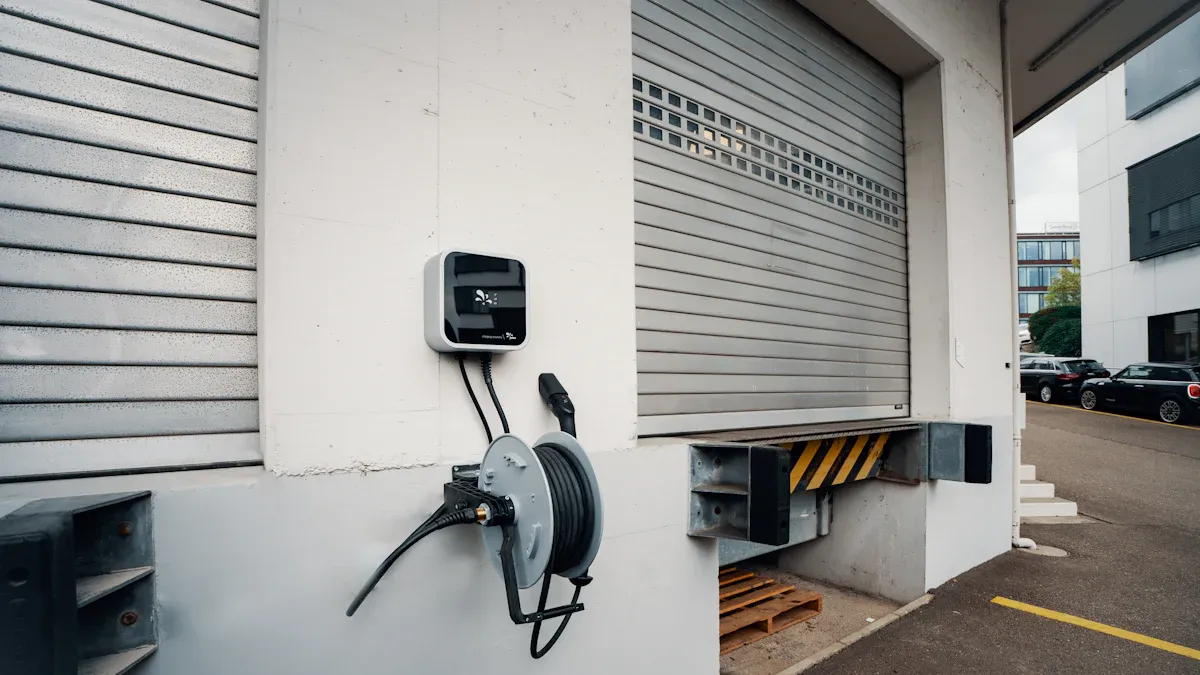
When a homeowner decides to buy an ev charger, the professional installation process is a structured, multi-step procedure designed for safety and compliance. This process ensures the new equipment integrates seamlessly with the home’s existing electrical system.
Step 1: Site Assessment and Load Calculation
Before any work begins, a tukang listrik yang berkualitas conducts a thorough evaluation of the property. This initial step is crucial for a safe and effective installation.
Mengevaluasi Panel Listrik Utama Anda
The electrician first inspects the main electrical panel. This check determines the panel’s age, condition, and available space for a new circuit. The goal is to confirm the panel can physically accommodate the new hardware required for the charger.
Determining Your Home’s Service Capacity
An electrician performs a perhitungan beban terperinci to ensure the home’s electrical service can handle the continuous power draw of an EV charger. This involves:
- Listing all high-power circuits (e.g., oven, dryer, HVAC).
- Adding the EV charger’s amperage.
- Applying diversity factors to estimate maximum simultaneous energy use.
The calculated total is then compared to the home’s main supply rating. If the capacity is insufficient, the electrician may recommend a panel upgrade or a technologically advanced charger from a provider like TPSON with dynamic load balancing features. This technology automatically adjusts charging power to prevent overloads.
Step 2: Installing the New Dedicated Circuit
With a successful site assessment, the electrician proceeds to install the physical infrastructure for the charging station.
Selecting the Correct Circuit Breaker
The National Electrical Code (NEC) requires the circuit breaker to be rated at 125% of the charger’s continuous load. This safety margin prevents overheating.
| EV Charger Amperage | Ukuran Pemutus yang Diperlukan |
|---|---|
| 32A | 40A |
| 48A | 60A |
Choosing the Right Wire Gauge for the Job
The electrician selects the appropriate wire gauge to safely carry the electrical current from the panel to the charger. A thicker wire (lower gauge number) is necessary for higher amperage to prevent heat buildup. For example, a 48-amp charger typically requires a 6 AWG copper wire.
Running Wire Through Walls and Conduit
The electrician then runs the new wiring from the electrical panel to the desired charging location. This may involve routing the cable through walls, attics, or crawlspaces. Outdoor installations often require protective conduit to shield the wiring from weather and physical damage.
Step 3: Final Connection, Testing, and Commissioning
The final phase ensures the system is secure, functional, and safe. This is where a professional’s expertise is most evident when they install a charging point.
Securely Mounting the EVSE Unit
The electrician securely mounts the Electric Vehicle Supply Equipment (EVSE), or charging unit, to the wall. Proper mounting ensures stability and protects the unit from accidental damage.
Making the Final Electrical Connections
The electrician makes the final connections, wiring the new circuit to the breaker in the panel and to the terminals inside the EVSE unit.
Testing the Charger for Safety and Function
Before completing the job, the electrician performs a series of critical tests to verify the safety and functionality of the new install.
Professional Commissioning Checklist ⚡
- Inspeksi Visual: Checks for proper cable routing and secure connections.
- Insulation Resistance Test: Ensures wire insulation is intact.
- Polarity & Earth Loop Tests: Verifies correct wiring and grounding for safety.
- RCD Test: Confirms the Residual Current Device trips correctly to prevent shock.
- Uji Fungsional: Involves plugging into an EV to confirm communication and power delivery.
This comprehensive testing guarantees the system operates correctly and meets all safety codes.
DIY vs. Pro: A Realistic Cost Comparison
Many EV owners consider a DIY installation to reduce the initial cost of home charging. However, a realistic comparison reveals that the perceived savings often evaporate when faced with the hidden expenses and risks of an improper install.
The Perceived Savings of a DIY Job
The appeal of a do-it-yourself approach is rooted in a simple calculation: the cost of the charger plus basic materials. This seems far cheaper than a professional quote.
The Cost of Materials
When a homeowner chooses to install a charging point themselves, the primary outlay is for the charger unit and wiring. On the surface, avoiding labor fees appears to be a significant financial win. This initial cost assessment, however, overlooks the complexities and potential pitfalls of the project.
The Hidden Costs of Mistakes
A failed DIY job introduces expenses that far exceed any initial savings. While some insurance policies mention covering “DIY disasters,” relying on this is a gamble. A simple electrical fault may only cost around £65 for a call-out, but a botched charger installation is a major issue.
The True Cost of Non-Compliance ⚠️
All electrical work is regulated under Part P of the Building Regulations and must meet BS 7671 safety standards. A professional provides an Electrical Installation Certificate to prove compliance. A DIY job has no such certification, risking failure during a home inspection, which can cost £120–£200, plus fines for unpermitted work. The total cost to correct mistakes often dwarfs the price of a proper installation from the start.
Breaking Down Professional Installation Costs
A professional quote is comprehensive, covering labor, materials, and compliance. Understanding what this cost includes clarifies its value.
What’s Included in a Standard Quote
A standard installation quote typically includes:
- A site assessment and load calculation.
- Installation of a new dedicated circuit and appropriate circuit breaker.
- All necessary wiring and conduit.
- Final testing, commissioning, and certification.
This upfront cost ensures the system is safe, efficient, and code-compliant.
Faktor-faktor yang Meningkatkan Biaya Instalasi
The final cost can vary based on the specifics of the property. Several factors can increase the price of the job:
- Peningkatan Panel Listrik: Older homes may need a new consumer unit to handle the charger’s load, adding £200–£500 to the cost.
- Distance from Panel: The farther the charger is from the electrical panel, the more wiring and labor are required.
- Trenching: Running cables underground to a detached garage or parking spot requires trenching, which can cost an additional £30 per meter.
The Long-Term Value of Peace of Mind
Ultimately, the cost to install a Level 2 charger professionally is an investment in safety and security. When you buy an ev charger, paying for a certified installation guarantees the work is done correctly. This protects your home, your vehicle, and your warranties. This peace of mind is a long-term value that a DIY project simply cannot offer.
Finding a Pro for Your Home Charging Point
Selecting the right professional is the most critical step in setting up a home charging point. A qualified installer ensures the system is safe, compliant, and efficient. This process involves finding a certified technician and understanding available financial incentives.
How to Hire a Qualified EV Charger Installer
Homeowners must know who can install the equipment safely and legally. The answer is a licensed and specifically trained electrician.
Where to Find Certified Electricians
A qualified installer should be a licensed electrician with specific training in EV supply equipment. Homeowners should look for professionals with certifications like Qmerit. Qmerit-certified installers are rigorously screened, insured, and follow industry best practices. Only select electricians earn this exclusive certification, which guarantees a high caliber of work when they install an EV charging point. Charger manufacturers and local utility companies often provide lists of approved installers.
Key Questions to Ask Before Hiring
Before committing to an installer, a homeowner should ask several key questions to verify their expertise and understand the full scope of the project. Knowing who can install the system properly begins with this conversation.
Pro Tip: Verify Their Credentials 📝 Always ask for proof of license, insurance, and specific EV installation training. A true professional will gladly provide this documentation.
- Can my existing electrical supply handle the additional load from EV charging?
- Will my consumer unit need an upgrade or a Surge Protection Device (SPD)?
- What are the total costs for the charger and installation?
- Can the charger integrate with my existing solar panel system?
- What is the warranty duration for both the charger and your workmanship?
Understanding Rebates and Incentives
Federal and local programs can significantly reduce the cost to install a new charger. A professional installer can often help a homeowner navigate these options.
Federal Tax Credits for EV Chargers
The federal government offers a tax credit for home charging equipment. This credit covers 30% of the hardware and installation costs, up to a maximum of $1000. To be eligible, the homeowner must reside in a designated low-income or non-urban census tract. This is a non-refundable credit, meaning it reduces a person’s tax liability. Taxpayers must file Form 8911 with their income tax return to claim it.
Rabat Utilitas Negara Bagian dan Lokal
Many state governments and local utility providers offer their own rebates and incentives. These programs can further lower the cost of purchasing and installing charging equipment. These offers vary widely by location and change frequently. Homeowners should check their local utility’s website or a state energy department database for the most current information on available programs.
A homeowner can easily install a Level 1 charger, as it requires no electrical work. For a hardwired Level 2 charger, the answer is a firm no. The risks of fire and electrocution are too great for an unlicensed individual. When a person decides to buy an ev charger, the cost of professional charging installation is a necessary investment. This fee protects the home and vehicle. It is the only safe choice for home charging when you buy an ev charger.
PERTANYAAN YANG SERING DIAJUKAN
What is the main difference between installing a Level 1 and Level 2 charger?
A Pengisi daya level 1 plugs into a standard wall outlet, requiring no electrical work. A Level 2 charger needs a professional to install a dedicated high-voltage circuit, ensuring safety and compliance with electrical codes.
How long does a professional Level 2 charger installation take?
A standard installation typically takes two to four hours. The duration can increase if the job requires complex wiring runs, trenching for outdoor cables, or an electrical panel upgrade to support the new load.
Can a homeowner use an extension cord with an EV charger?
Warning: Fire Hazard 🔥
Using a standard extension cord is extremely dangerous. It is not designed for the high, continuous power draw of an EV. A homeowner must always plug the charger directly into a properly rated outlet.
Apa yang terjadi jika panel listrik saya penuh?
A tukang listrik yang berkualitas will assess the situation. They may install a larger panel or use tandem breakers. Technologically advanced providers like TPSON offer smart chargers with load balancing, which can manage power without a costly panel upgrade.
Do I need a specific charger brand for my EV?
Most EVs and Level 2 chargers use a universal connector, making them compatible. A homeowner should confirm the charger’s amperage matches their vehicle’s maximum charging rate to ensure optimal performance and charging speed.
What is a “smart” EV charger?
A smart charger connects to Wi-Fi, allowing a user to schedule charging, monitor energy use, and receive software updates via a mobile app. Many also offer features like load balancing to prevent overloading a home’s electrical system.